Remote calls into a conference room at headquarters are the worst: too often, voices are muffled, mumbled, delayed and indistinct. When the conversation turns to the whiteboard—forget about it. The best thing to do is hang up and blame it on a bad line.
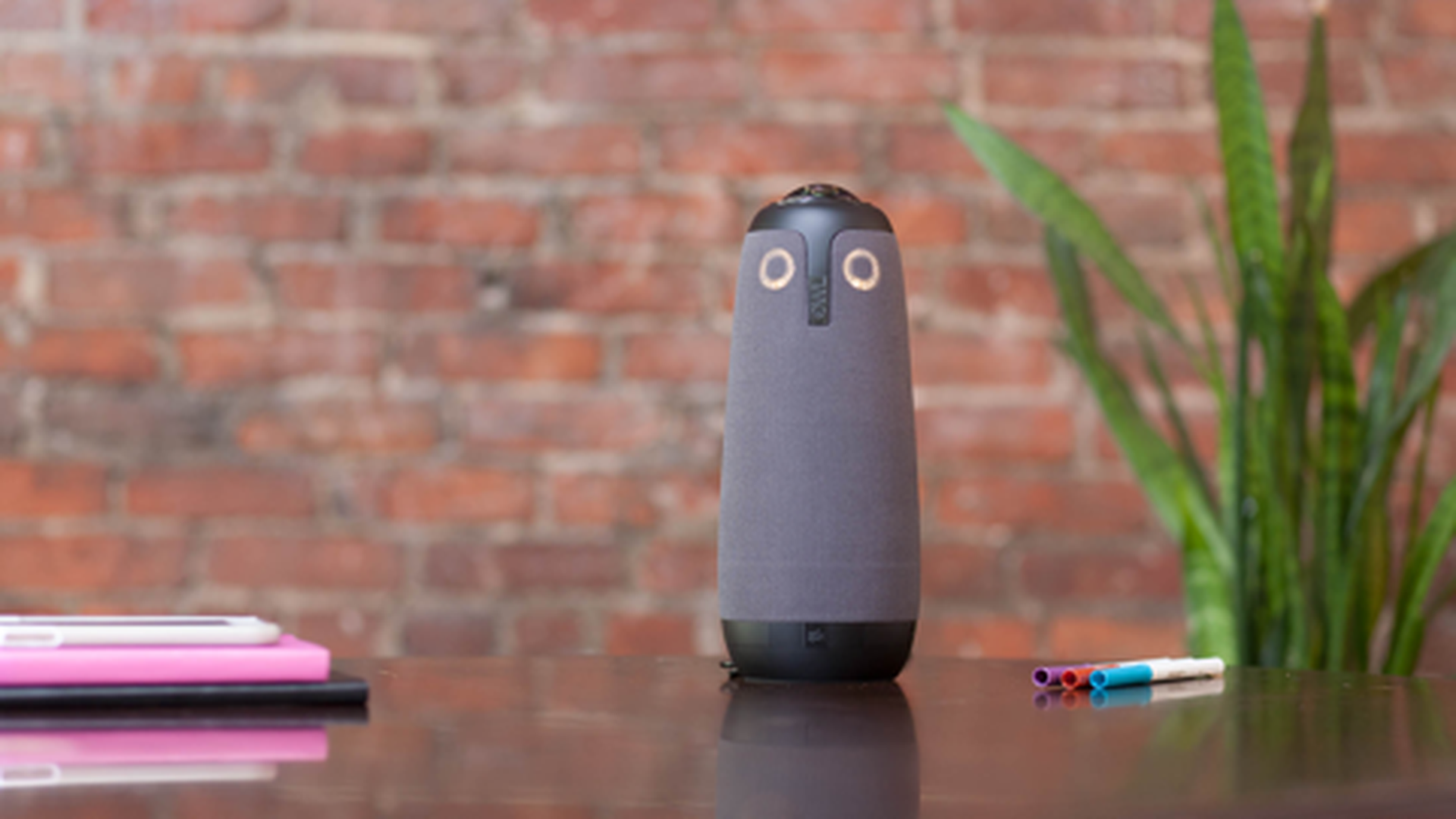
Meeting Owl, though, seems a long step toward reducing the pain. I got a demo of this smart robot, which you place on your conference room table, where it listens and rotates between people as they speak. A fish-eye, 360-degree lens renders the entire whiteboard visible. If it detects three speakers, and they are in different parts of the room, it shifts to a tri-split screen. And eight microphones make them distinctly clear. "Lots of telepresence robots have been made. The first most important problem is moving around the conference room," Mark Schnittman, the CTO of Owl Labs, told me.
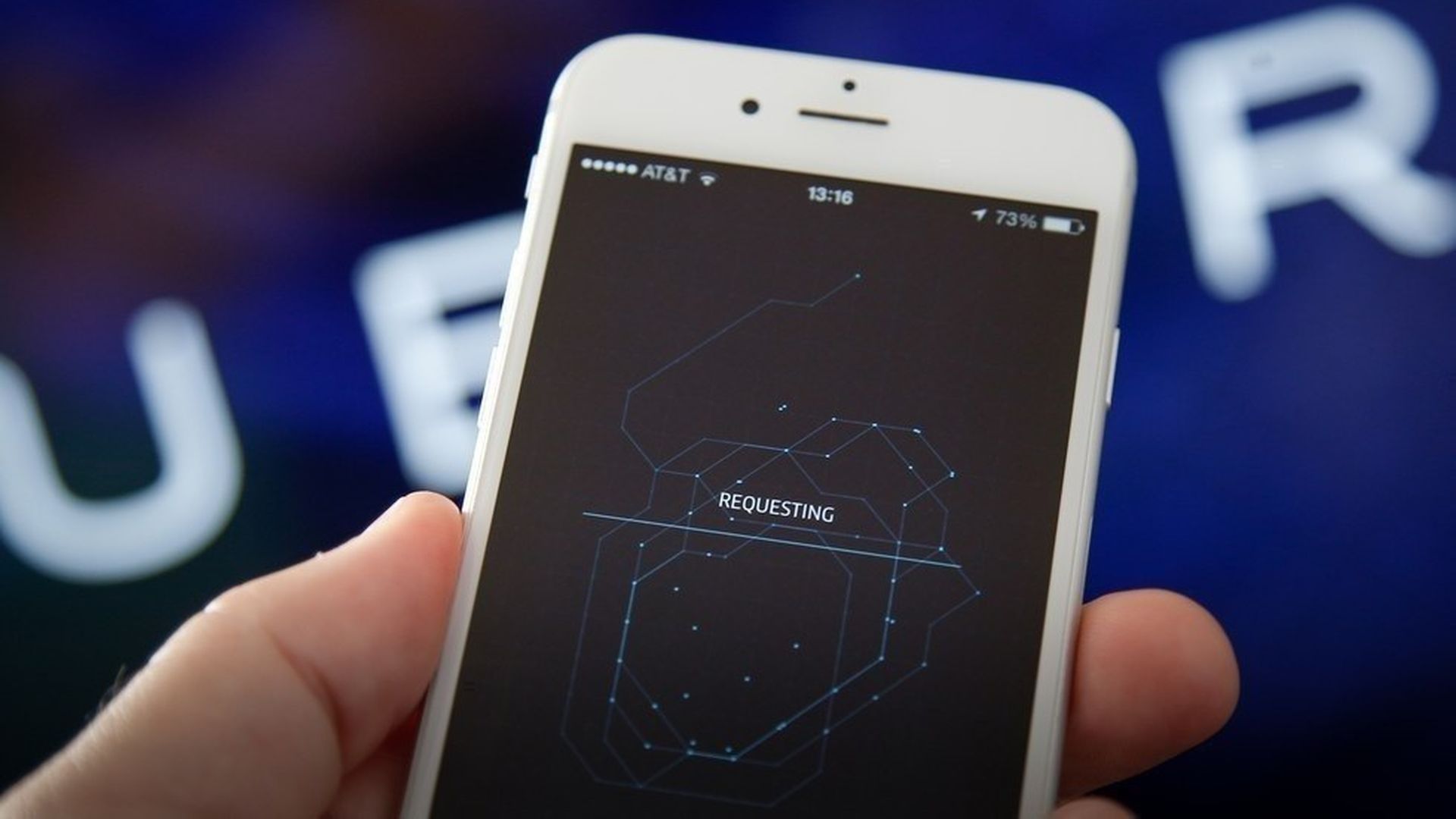
Barney Harford, the former CEO of Orbitz, will be joining Uber as its new chief operating officer, he announced on Twitter. Harford, who has been advising Uber's CEO Dara Khosrowshahi since October, used to work with him at Expedia about a decade ago. When Harford transitioned to Orbitz, they competed against one another until Harford sold Orbitz to Expedia in 2015, per Bloomberg.
Why it matters: Uber's executive team has several empty roles waiting to be filled, and this is Khosrowshahi's second major hire since taking the helm in September after a tumultuous year of revelations about Uber's culture.
An internal email exchange between Twitter executives, obtained by Buzzfeed, over whether to unverify a Twitter troll suggests that even the company's leaders don't understand how to interpret their vague verification and harassment rules.
Why it matters: The emails provide an inside look into Twitter's battle to police abuse on its platform, and show how the dysfunction with its policy starts at the top. Meanwhile, abuse on Twitter is growing in intensity and size, and the network will have to either create more clarity and find new ways stop harassment, or risk losing its credibility.
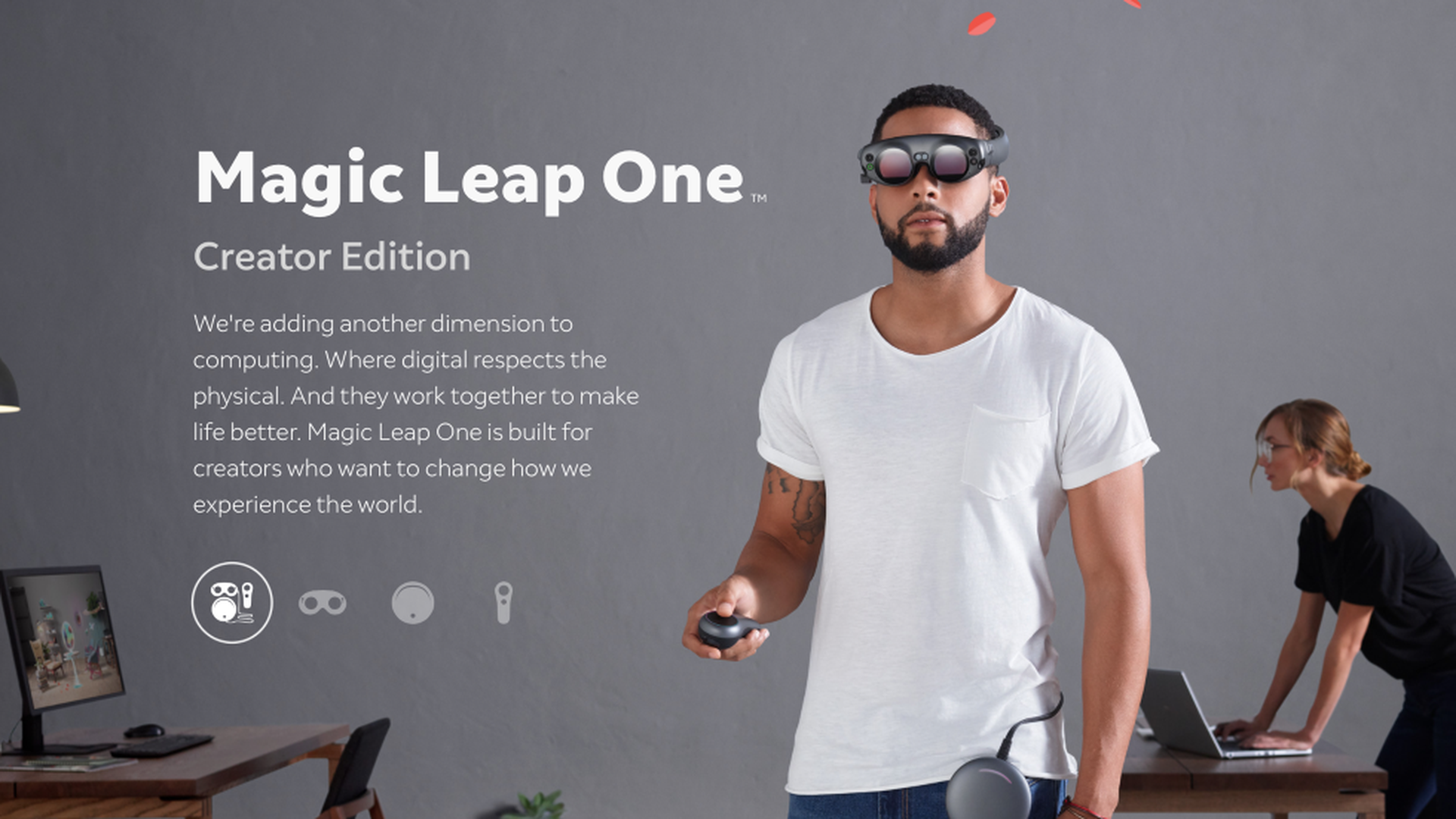
Magic Leap finally showed what its hardware looks like and said the first version of the augmented reality headset will ship next year, though it did not announce pricing. It consists of a headset with multiple cameras and a small hip-worn computer pack.
Why it matters: Magic Leap has been the most talked about AR product for years. Next year we will find out how well the hype lines up with reality.
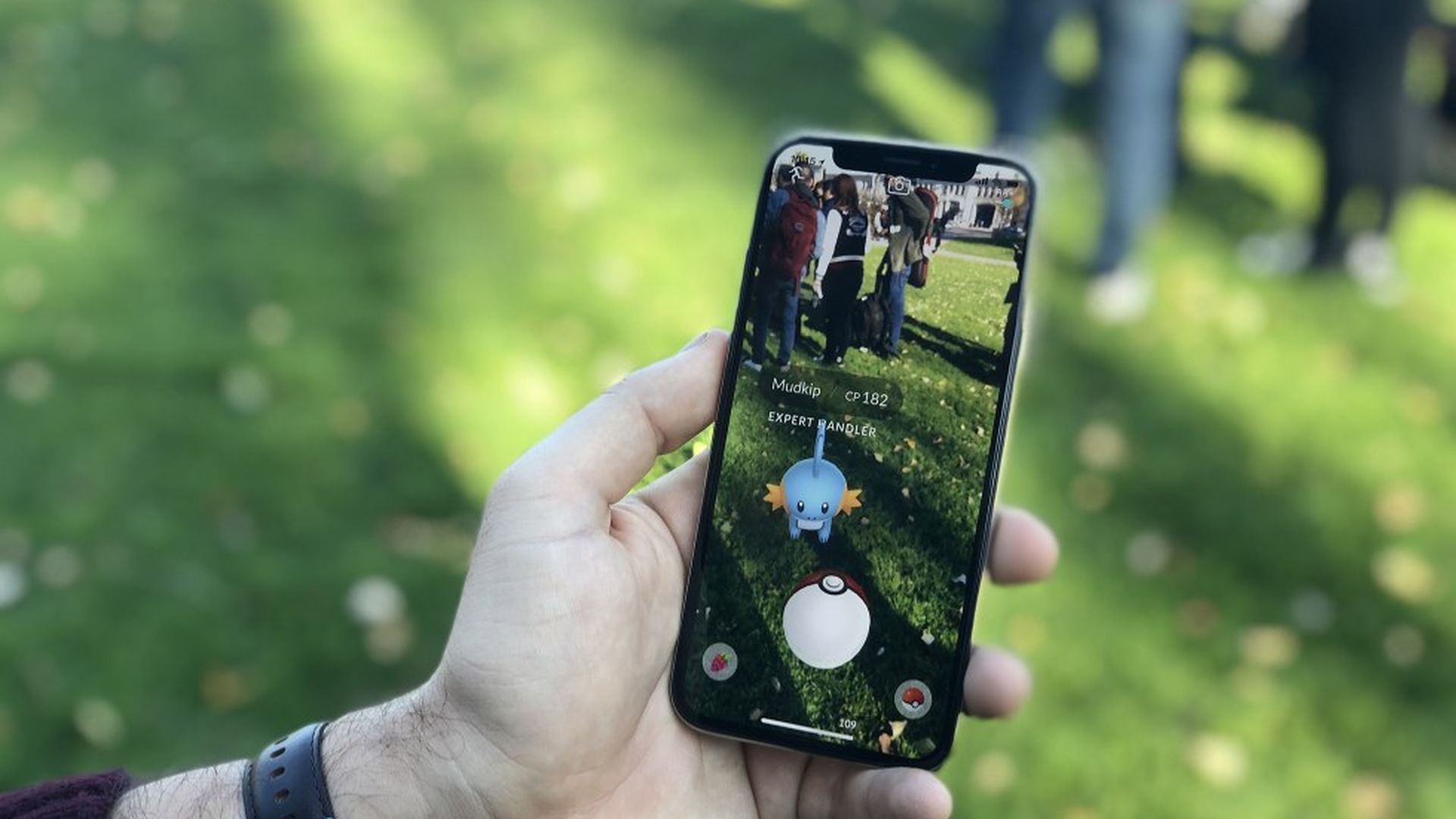
The creators of Pokemon Go are nearly ready to turn on an improved version of the augmented reality component of the game, drawing on the ARKit tools that Apple released with iOS 11. Enthusiasts have already spotted code in the latest update to the game and the new AR+ feature is expected to debut in the coming days.
Why it matters: For Apple, it also gives them a temporary advantage over Android, as Niantic hasn't yet announced similar plans for Google's ARCore. For Niantic, improving the AR experience could draw back some lapsed users and encourage current ones to keep the AR feature turned on. (Many hard-core users keep it turned off to make gameplay easier and preserve battery.)
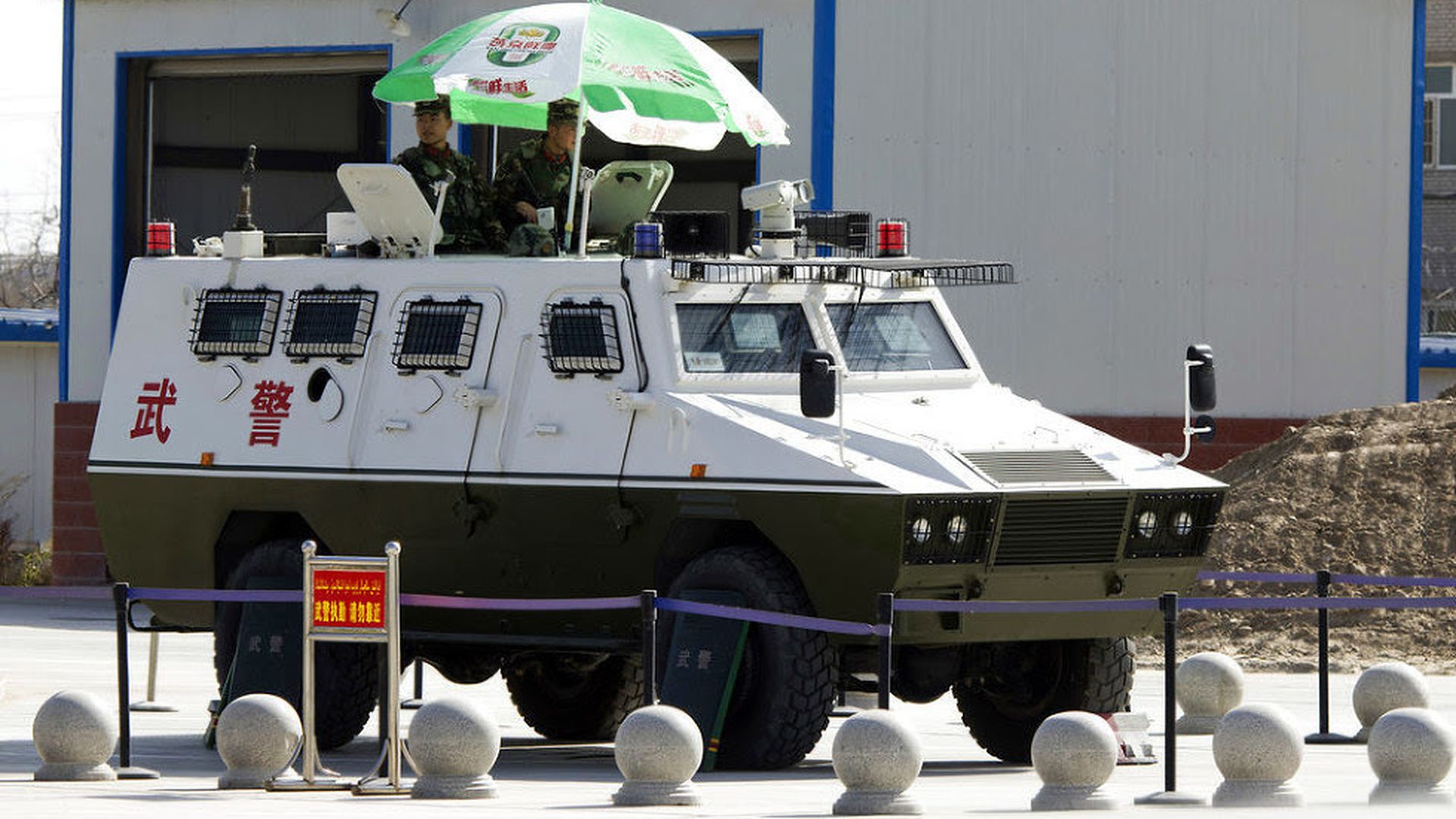
"China's efforts to snuff out a violent separatist movement by some members of the predominantly Muslim Uighur ethnic group have turned the autonomous region of Xinjiang ... into a laboratory for high-tech social controls that civil-liberties activists say the government wants to roll out across the country," The Wall Street Journal's Josh Chin and Clément Bürge write.
Why it matters: Zhu Shengwu, a Chinese human-rights lawyer who has worked on surveillance cases: "They constantly take lessons from the high-pressure rule they apply in Xinjiang and implement them in the east ... What happens in Xinjiang has bearing on the fate of all Chinese people."
Artificial intelligence — already a much-discussed science in recent years — moved to the center of public conversation in 2017. Leading tech voices continued to ring the alarm about the potential for a super-intelligent bot to take over the world in a very unpleasant way; others said the fears are vastly exaggerated. The latter gained more converts, namely because AI is nowhere near super-human intelligence at the moment.
We surveyed the community asking the following question: What was the most important AI story of 2017? Their answers follow.
On Wednesday, the European Union's highest court ruled that Uber is a transportation service and not a technology company, in line with a court advisor's recommendation in May. The ruling stems from a lawsuit filed by a Spanish taxi association.
What it means: The EU's member countries now have more clarity and authority to regulate Uber as a transportation company (more strictly than as a tech service), though many already do so. As a technology company, Uber would have been protected by EU law from certain restrictions by individual countries, and would have required them to notify the commission of any new regulations.
Indian ride-hail company Ola is acquiring Foodpanda's Indian food delivery business from Germany's Delivery Hero for $50 million in stock, and has committed to invest an additional $200 million.
Why it matters: Ola wants to complete with Uber's food delivery business, UberEats.
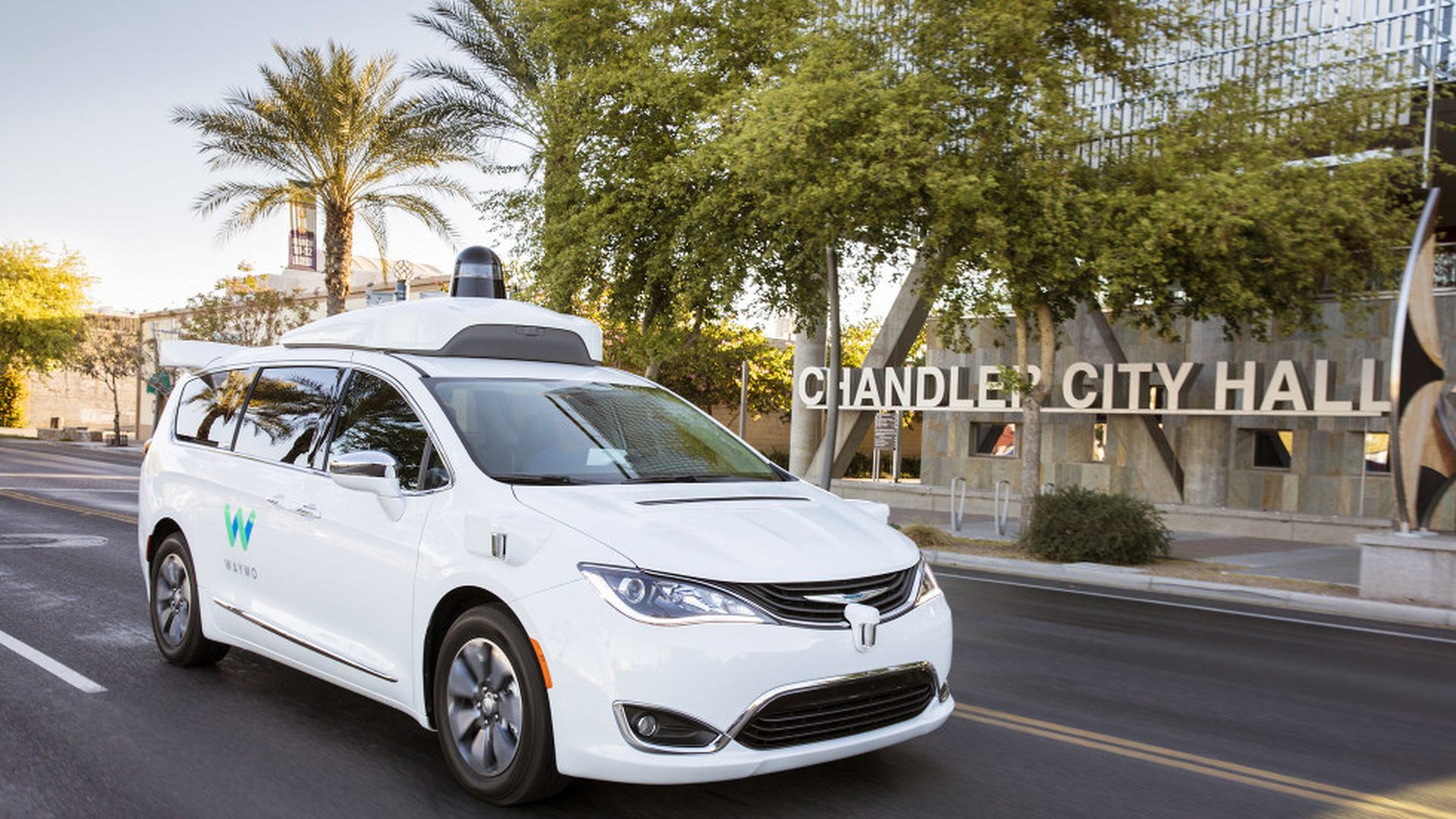
When Phoenix residents begin using Waymo's self-driving ride-hailing service next year, they'll be insured by Trov, a five-year-old startup that provides custom coverage. Waymo's own commercial insurance policies will cover damages to the car and from accidents.
Why it matters: The eventual arrival of self-driving cars will have a huge impact on auto insurance.
If car ownership significantly declines in favor of ride-hailing services, passengers will need protection for lost items, medical needs while onboard, and so on.
Insurance for the cars themselves is also expected to be heavily affected, especially as more self-driving cars hit the road, reducing accidents caused by human errors.
President Trump tweeted this morning to refute a Washington Post report that he considered rescinding the nomination of Neil Gorsuch to the Supreme Court after Gorsuch criticized Trump's attacks on the federal judiciary during his confirmation process:
With iOS 11, Apple made an unusual decision in how Wi-Fi and Bluetooth will toggle in its control center.
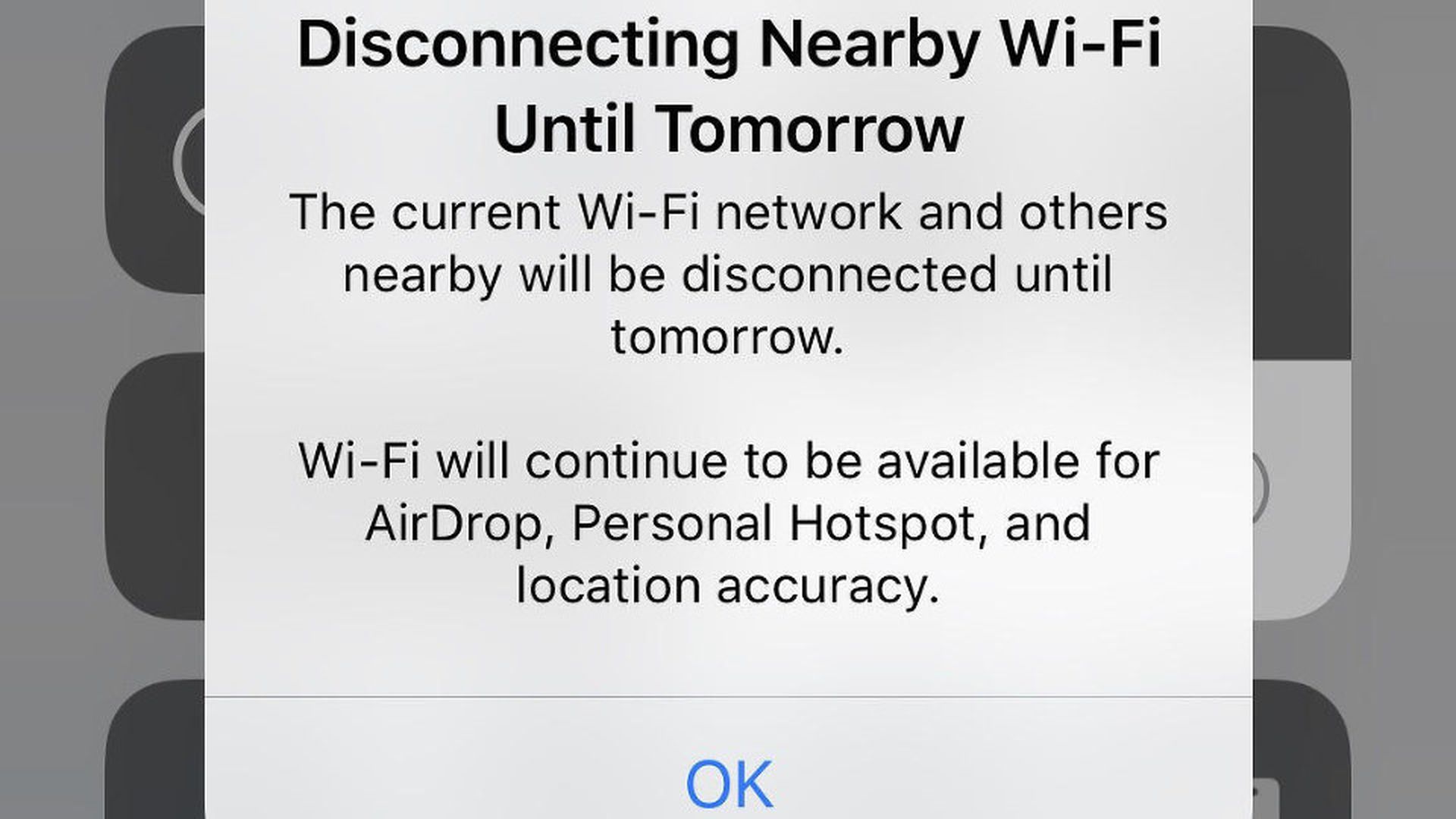
How it works: Turning off Wi-Fi or Bluetooth there doesn't actually turn off those radios, but instead just disconnects from the current and other nearby networks.That allows Wi-Fi and Bluetooth to remain available for a number of other uses, including AirDrop and AirPlay.
Yes, but: It also runs counter to what many people expect the button to do. So, with the latest update to iOS 11, Apple decided to make things a bit more clear. The button still works the same way, but when you press it, Apple pops up a dialog box (see above) explaining that the "off" button isn't really off.
New studies about engagement with congressional Facebook posts and hyper-partisan Facebook pages show that information shared by partisan sources is increasingly leading to angry reactions.
Reproduced from a Pew Research Center report; Chart: Axios Visuals
Twitter’s approach to verified accounts deserves all the criticism it gets. Recent moves to halt new verifications — and even to remove previously granted blue check marks — will do little to reduce the hate speech, violent threats, and abuse that run rampant across the platform. Amid pressure to keep adding users, Twitter’s best approach can’t possibly be to eliminate rudimentary safeguards.
Indeed, the steps will make Twitter's influence on politics even worse. Come 2018 and 2020, elected officials, candidates and even our strongest democratic institutions will face asymmetric warfare in which traceless attacks remain unstoppable. The threat isn’t tangible like a tank or a bomb, but left unchecked it’s every bit as dangerous.
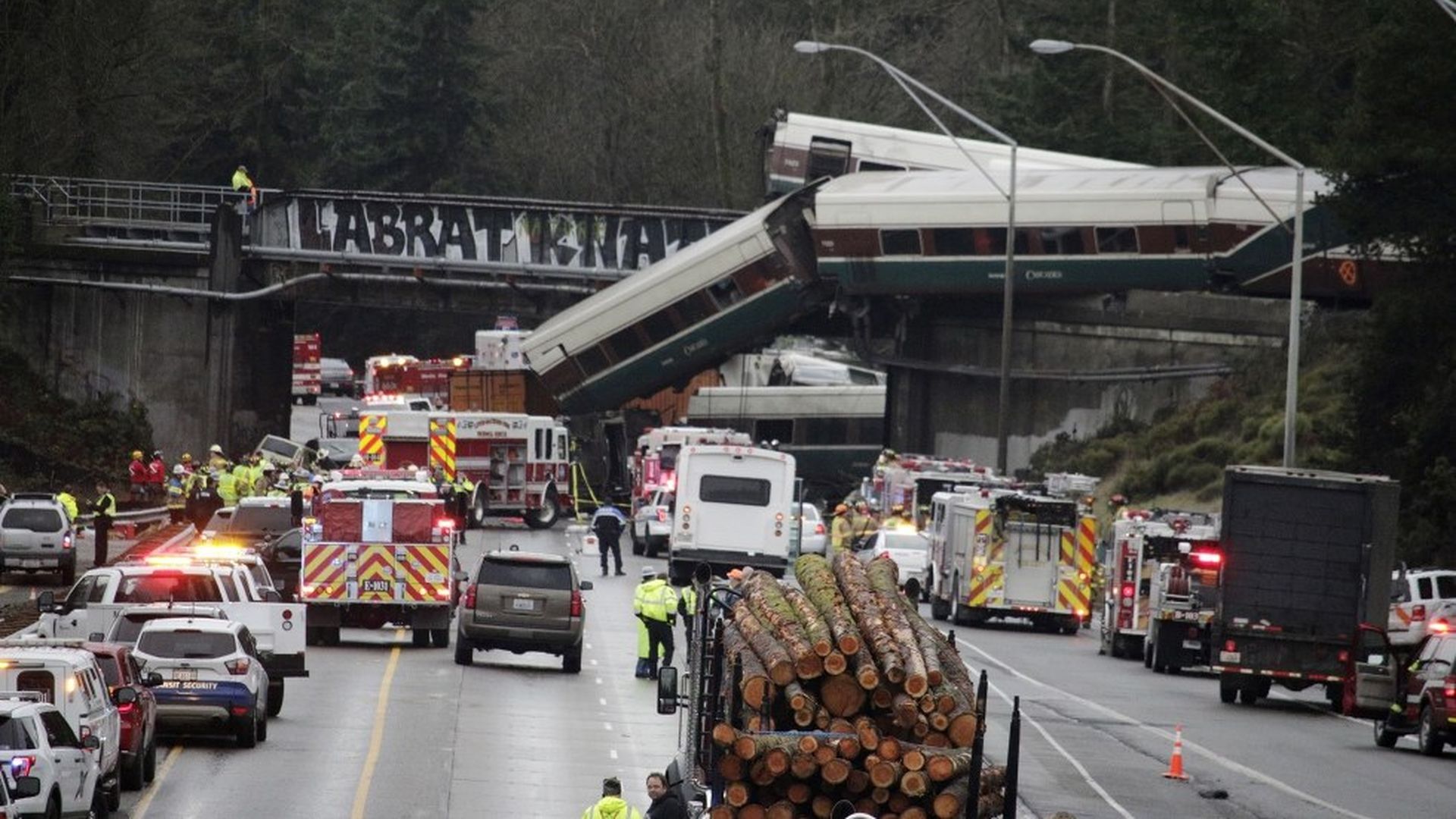
At least 3 three people are dead and about 100 injured after an Amtrak train derailed and fell off a bridge onto Interstate 5 between Tacoma and Olympia in Washington state this morning, the New York Times reports. The paper reports investigators are still going through the wreckage and that the death toll could change.
Amtrak 501 was traveling from Seattle to Portland along a new route on the maiden voyage of an expanded high-speed option. Amtrak confirmed there were approximately 78 passengers and five crew on board. The sheriff's department also confirmed that there were "multiple motorists" injured but no fatalities on Interstate 5. The National Transportation Safety board said in a press conference that they do not yet know what caused the derailment, but they have deployed a team to Washington to investigate.
This article has been updated with new information from officials on injuries and deaths.