Tuesday's technology stories

Trump's 2013 tweets on Syria tell a different story
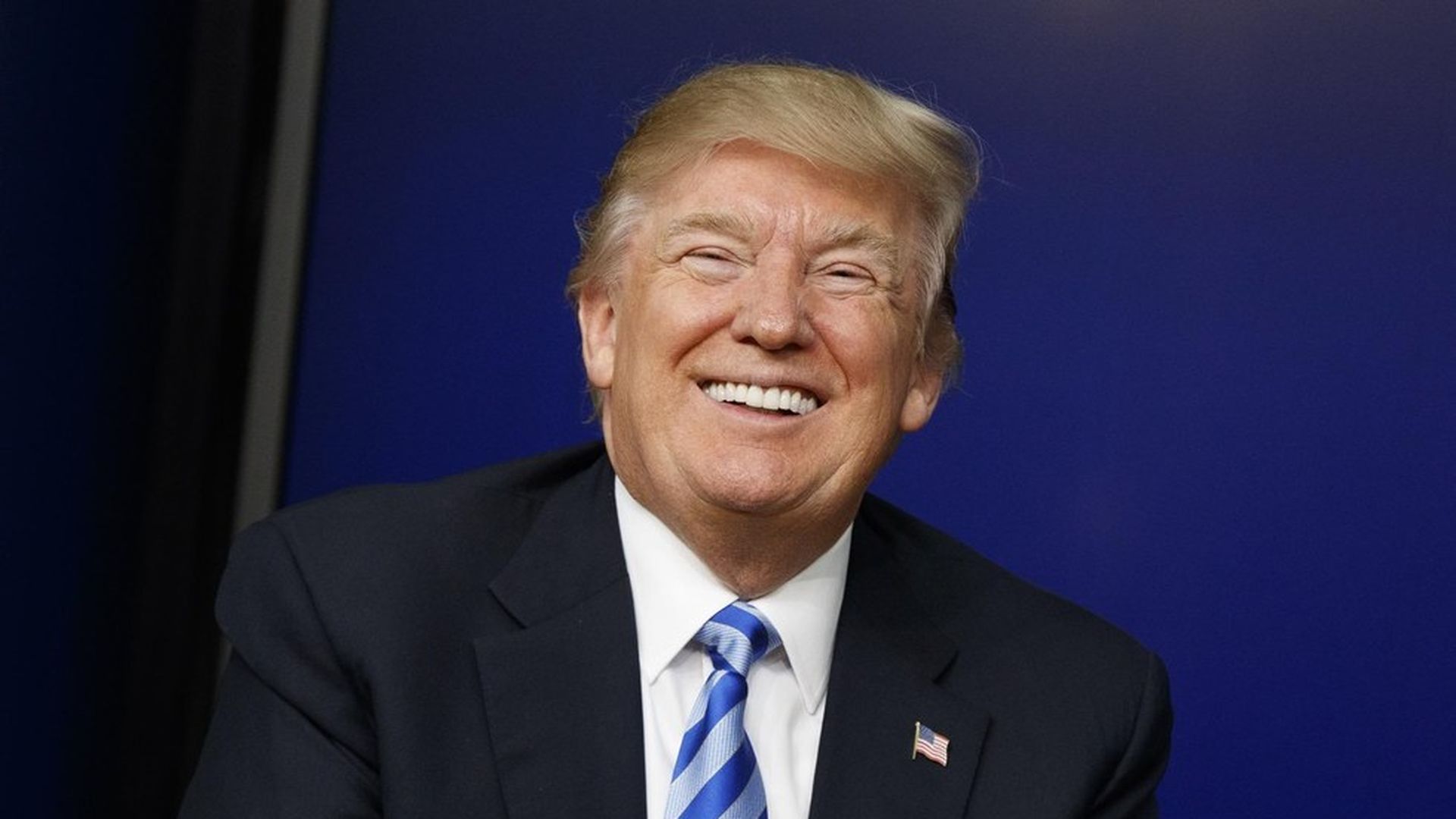
President Trump's statement on the Assad regime's chemical attack today in Syria pulled no punches in blaming the Obama administration:
Today's chemical attack in Syria against innocent people, including women and children, is reprehensible and cannot be ignored by the civilized world. These heinous actions by the Bashar al-Assad regime are a consequence of the past administration's weakness and irresolution. President Obama said in 2012 that he would establish a "red line" against the use of chemical weapons and then did nothing. The United States stands with our allies across the globe to condemn this intolerable attack.
But Trump's tweets around the time that President Obama considered seeking congressional approval for military action in Syria — an idea discarded after the Syrian government agreed to destroy its chemical weapons stockpiles on September 10, 2013 in an agreement jointly negotiated with Russia — indicate an agreement with Obama's ultimate decision not to act, if not his methods.

Judge temporarily blocks Seattle Uber drivers from unionizing
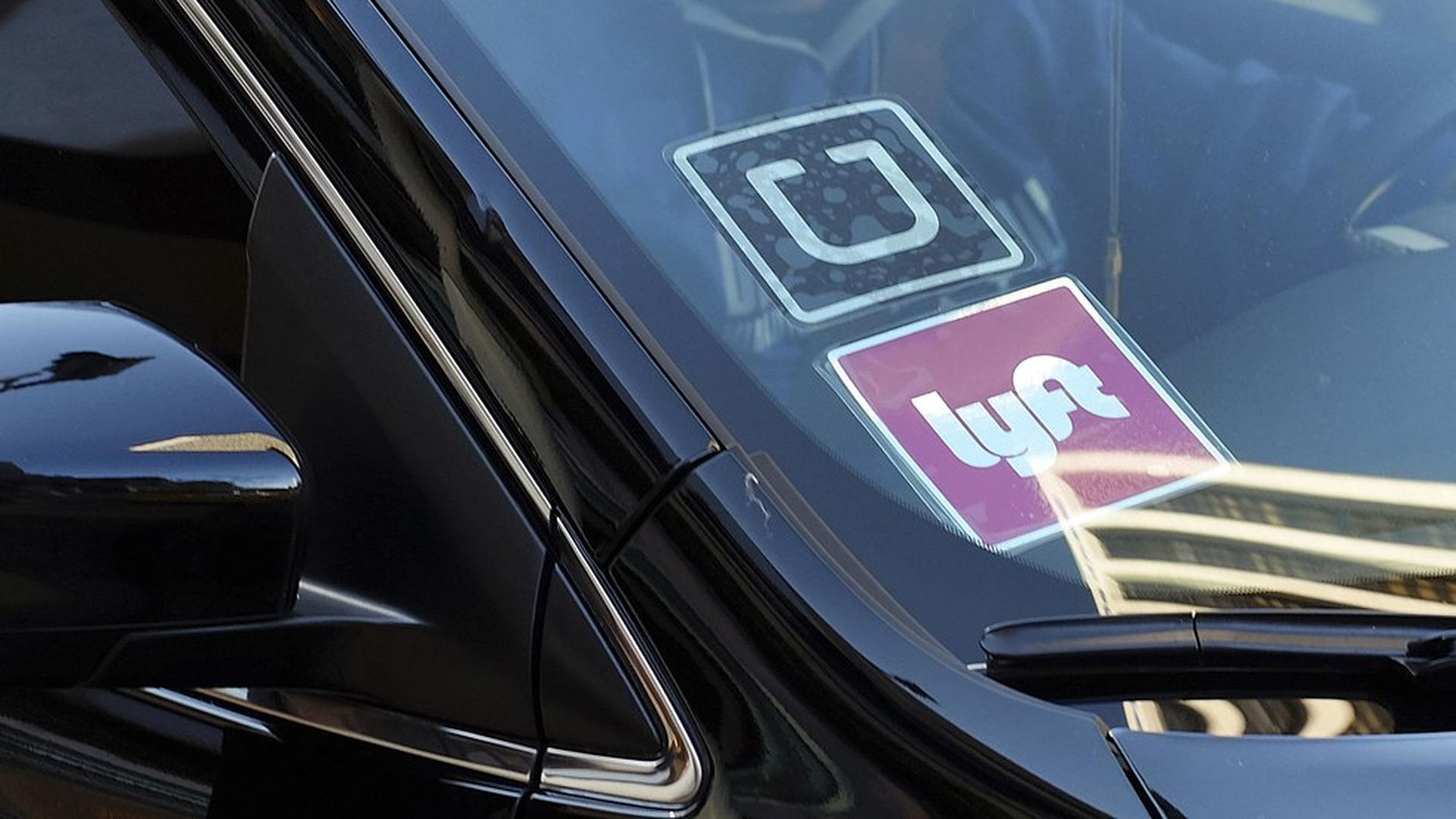
U.S. District Judge Robert Lasnik granted a request by the U.S. Chamber of Commerce to temporarily block the city of Seattle from implementing a new law that allows drivers of ride-sharing companies — like Uber and Lyft — to unionize, reports Bloomberg.
The first of its kind, the law was passed in the Seattle city council back in December 2015, but was disputed by a series of organizations, including Uber and anti-union group Freedom Foundation. Uber's suit was tossed out of court in March, but scored a temporary victory when Lasnik determined that the measure would disrupt ride-hailing businesses in "fundamental and irreparable ways" and that it should be blocked until the case is settled.

AT&T tests homegrown networking gear that boxes out Cisco and Juniper
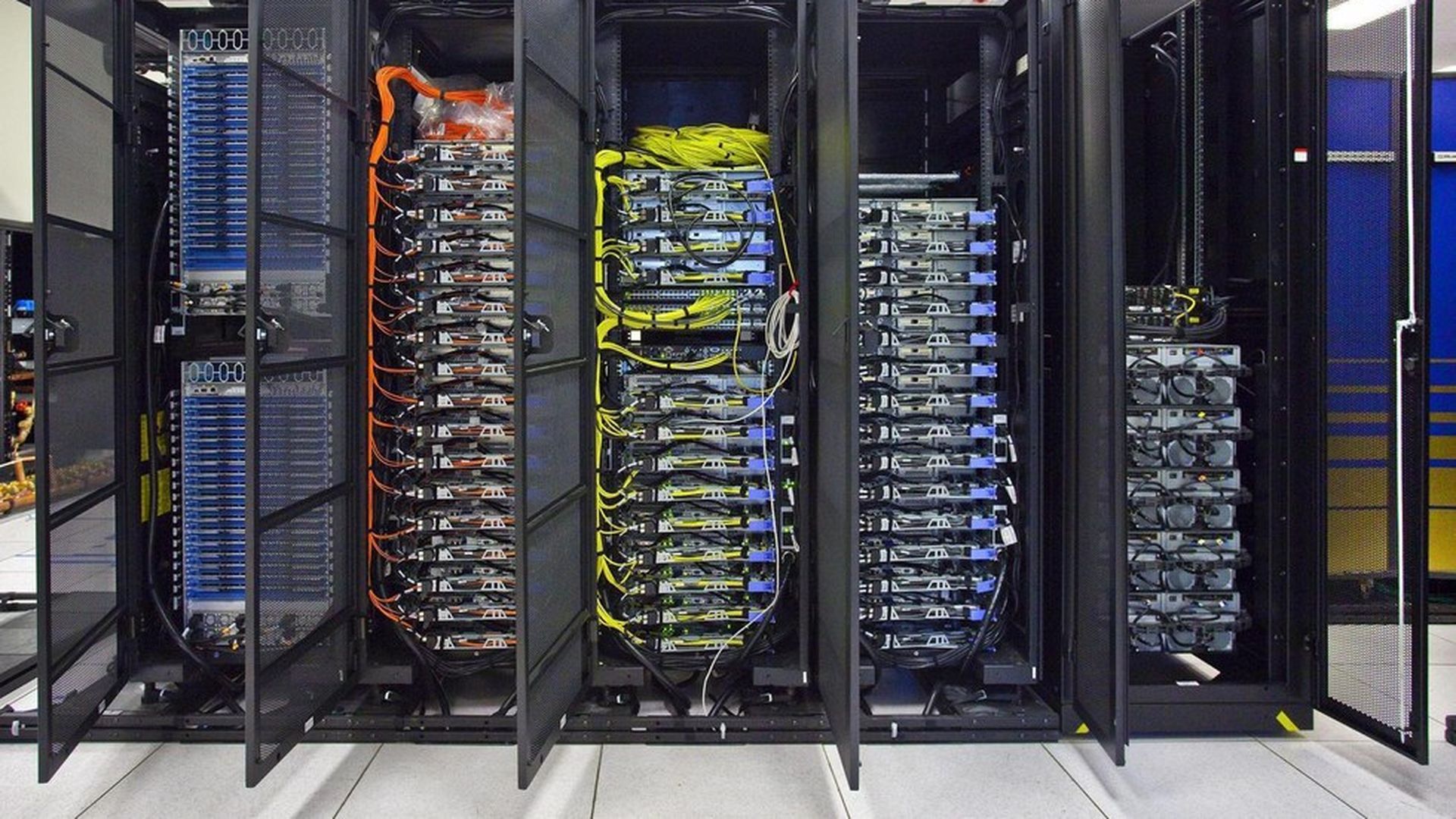
AT&T is making a rather nerdy announcement Tuesday about "white box" networking gear, but it's actually a rather big deal. Last week, the company started putting real network traffic onto hardware that it put together from a variety of chip, hardware and software partners. The test network gear comes in a couple flavors and was placed in San Francisco and Washington, D.C.
Who is involved: AT&T is working with a tiny software start-up SnapRoute, which was started by a bunch of ex-Apple employees. Chip partners include Barefoot Networks, Broadcom, and Intel, while units of Delta Electronics and Edgecore Networks assembled the gear to AT&T's specifications.
Who is on the outside looking in: Traditional network gear makers Cisco and Juniper Networks aren't part of this and risk losing out on some serious business down the road unless they get a lot cheaper and more open, as this opens the door for AT&T to make its own networking gear.
Why it matters: Not only can white box gear be a lot cheaper to install, support and service, but AT&T also has far greater visibility into what's going on inside. With the test gear, AT&T executives say they can literally see what is happening with each packet of data, allowing for greater security as well as potentially opening the door to new lines of business. AT&T CTO Andre Fuetsch compared the increased visibility to the difference between an X-Ray and an MRI.
Why the Mac Pro proved so hard to upgrade

When Apple introduced its cylinder-shaped Mac Pro, it thought it had a product with a striking design that would meet the needs of a wide range of professional users for years to come. It turned out to only be the former.
Why it matters: Although the Mac Pro accounts for just a tiny, single-digit percentage of all Mac sales, professional users still make up some of the company's most important and most loyal customers.
In a candid admission, Apple executives said Monday that the round design actually boxed the company into a corner. While certainly a head-turner, the unique design imposed some strict limits on how much heat the machine could generate and also required the company to split intense graphics workloads among two modestly powered graphics chips.

Salesforce spent $3 million to close employee pay gap this year
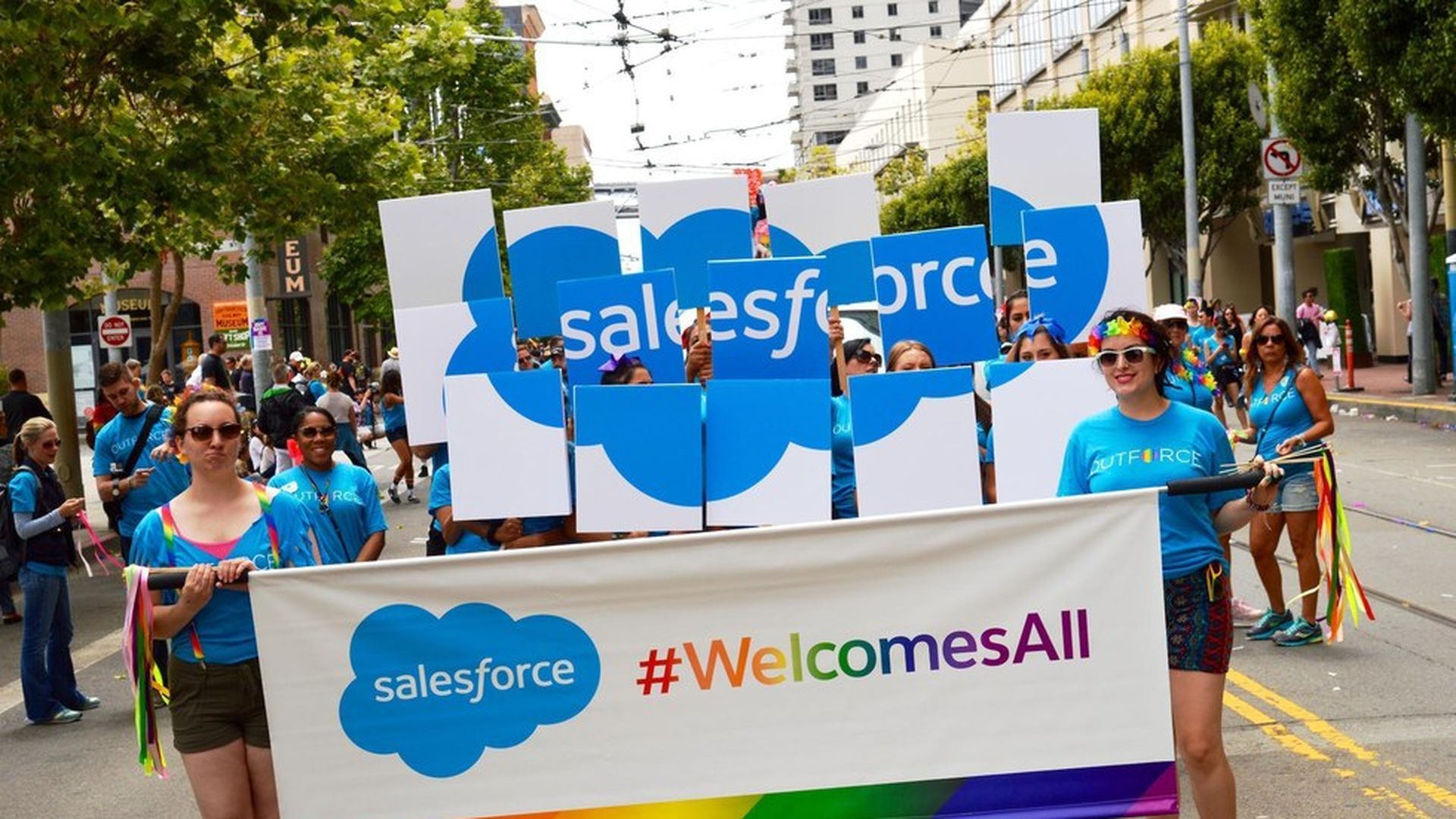
As part of its second annual audit aimed at closing employee pay gaps, Salesforce has spent about $3 million this year to adjust the compensation of 11% of its employees, the company said on Tuesday. It spent the same amount last year following its first audit.
Beyond gender: Although Salesforce's efforts to close the pay gap began with a focus on gender, the company has added race and ethnicity to its analysis of U.S. employee pay this year. It also took into account bonuses, not just salaries.
Diversity is still a challenge: Nevertheless, Salesforce's employees are still as diverse as the rest of Silicon Valley—meaning, not very. As of last year, women make up 30.1% of all employees, and hold 22.7% of tech jobs and 19.4% of leadership roles. Only 3.9% of employees are Latino, and 2.4% are black, according to Salesforce's diversity website.
Report: Yahoo and AOL will be renamed "Oath" after Verizon deal
Yahoo and AOL will be merged into a new division called "Oath" once the Verizon deal closes, per sources who spoke to Business Insider.
The $4.83 billion deal, first announced in July 2016, is expected to close in the second quarter of 2017. An AOL spokesperson hinted to Business Insider that the new Yahoo-AOL division will be launching this summer: "In the summer of 2017, you can bet we will be launching one of the most disruptive brand companies in digital."
Uber exec secretly involved with self-driving car startups while still at Google
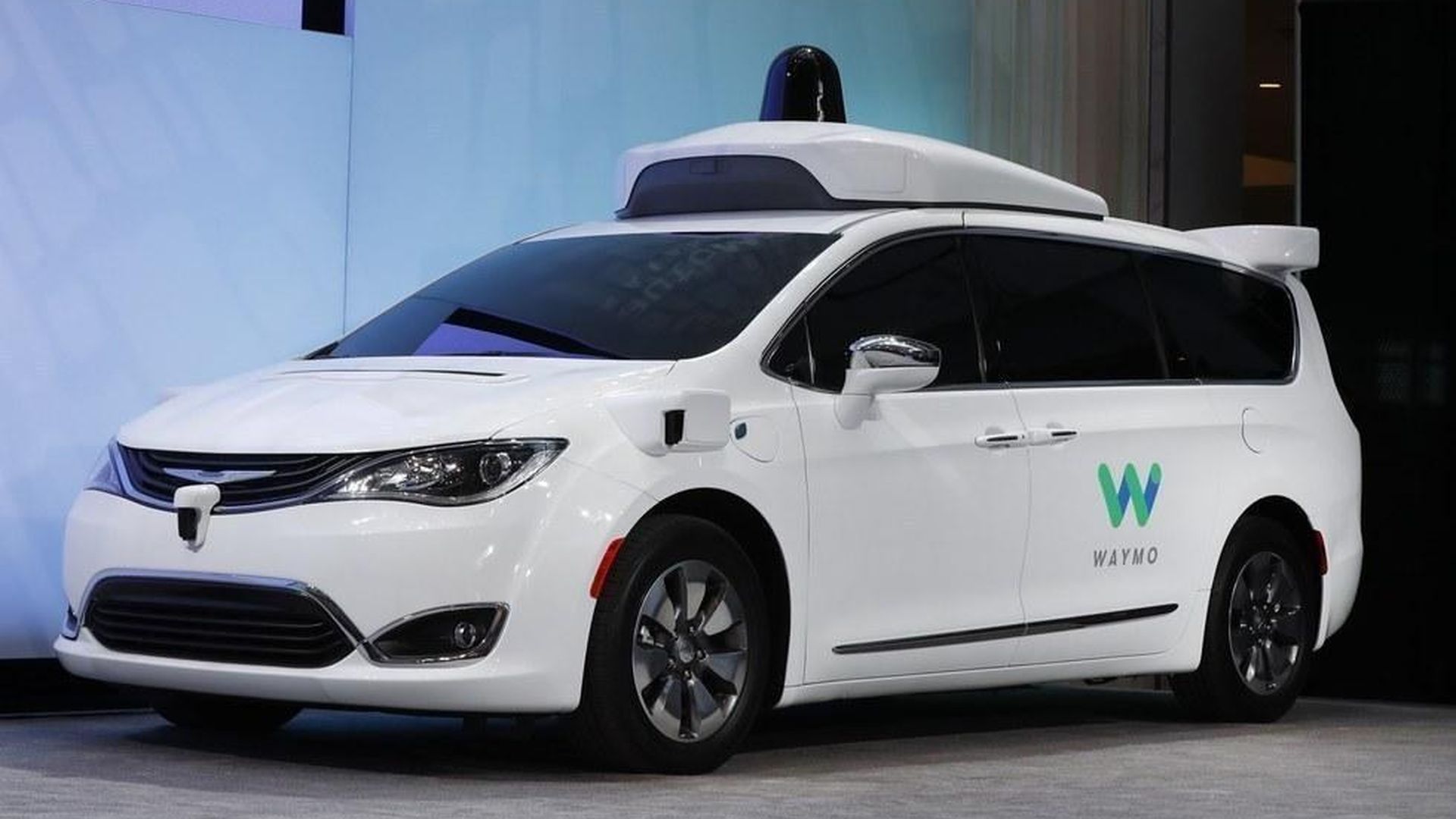
Anthony Levandowski, the former Alphabet engineer at the center of an IP theft lawsuit against Uber, was secretly affiliated with competing self-driving car startups while working at Alphabet, according to October arbitration demand documents that were just made public.
Secretive self-driving car startup Zoox hires former top highway regulator
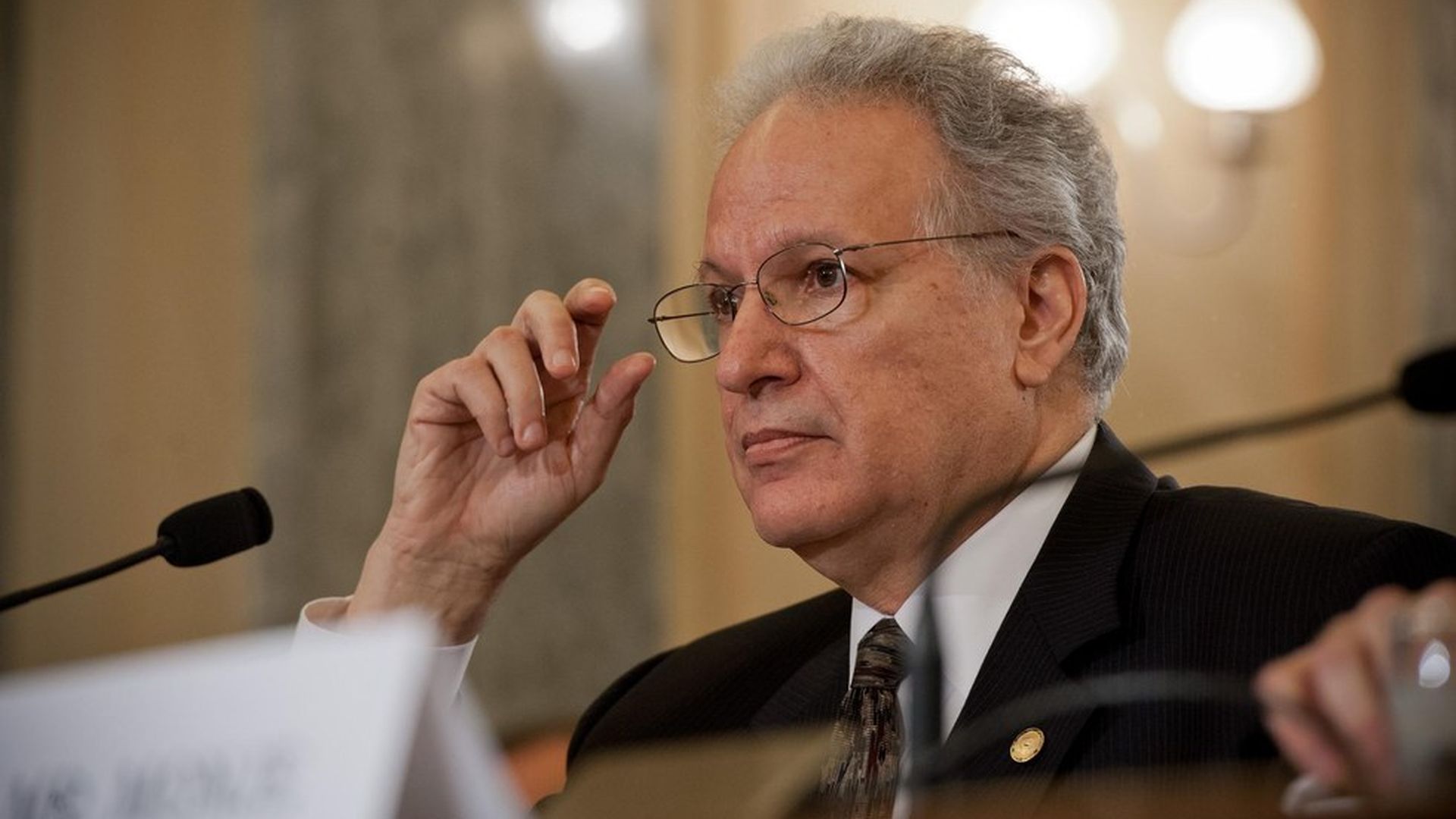
Mark Rosekind, the former head of the U.S. National Highway Traffic Safety Administration, has joined Zoox, a secretive Silicon Valley startup building a fully self-driving car, according to Reuters. He will be its chief safety innovation officer.
Zoox, which has raised more than $200 million in funding, will undoubtedly benefit from having Rosekind's expertise in transportation regulation given its lofty ambition of rolling out self-driving cars that won't even require passengers to pay attention.
NHTSA diaspora: Rosekind isn't the first former NHTSA regulator to join the auto industry—in January, the agency's chief counsel, Paul Hemmersbaugh, joined General Motors. Additionally, Hemmersbaugh's predecessor, Kevin Vincent, joined Faraday Future in 2015, while Alphabet's Waymo has hired several NHTSA officials as consultants or employees, according to Reuters.
Metro blast in St. Petersburg: 14 dead, more than 50 injured in terror attack

A makeshift bomb filled with shrapnel detonated inside at least two subway trains in St. Petersburg, Russia's second-largest city, Monday afternoon. 14 people have been reported dead, and more than 50 people were injured. The Russian prosecutor general has called the St. Petersburg explosion a terrorist attack.
The blasts hit the Sennaya Ploschad and nearby Tekhnologichesky Institut stations, according to the Tass and Interfax agencies. All St. Petersburg subway trains were shut down following the attack, and security was been tightened at all critical transport facilities. The Russian anti-terrorism committee also said it found and deactivated another bomb at a different St. Petersburg subway station.
President Vladimir Putin was in St. Peterburg earlier today, where he met with his Belarusian counterpart Alexander Lukashenko. In a televised statement less than an hour after the explosion, Putin said that the government and law enforcement agencies "will do everything to find out the causes of what had happened." He also offered his condolences to the families of the victims. Trump later remarked that the explsion was a "Terrible. Terrible thing. Happening all over the world. Absolutely a terrible thing."
Ann Winblad: It's a great time for women in tech and for enterprise software
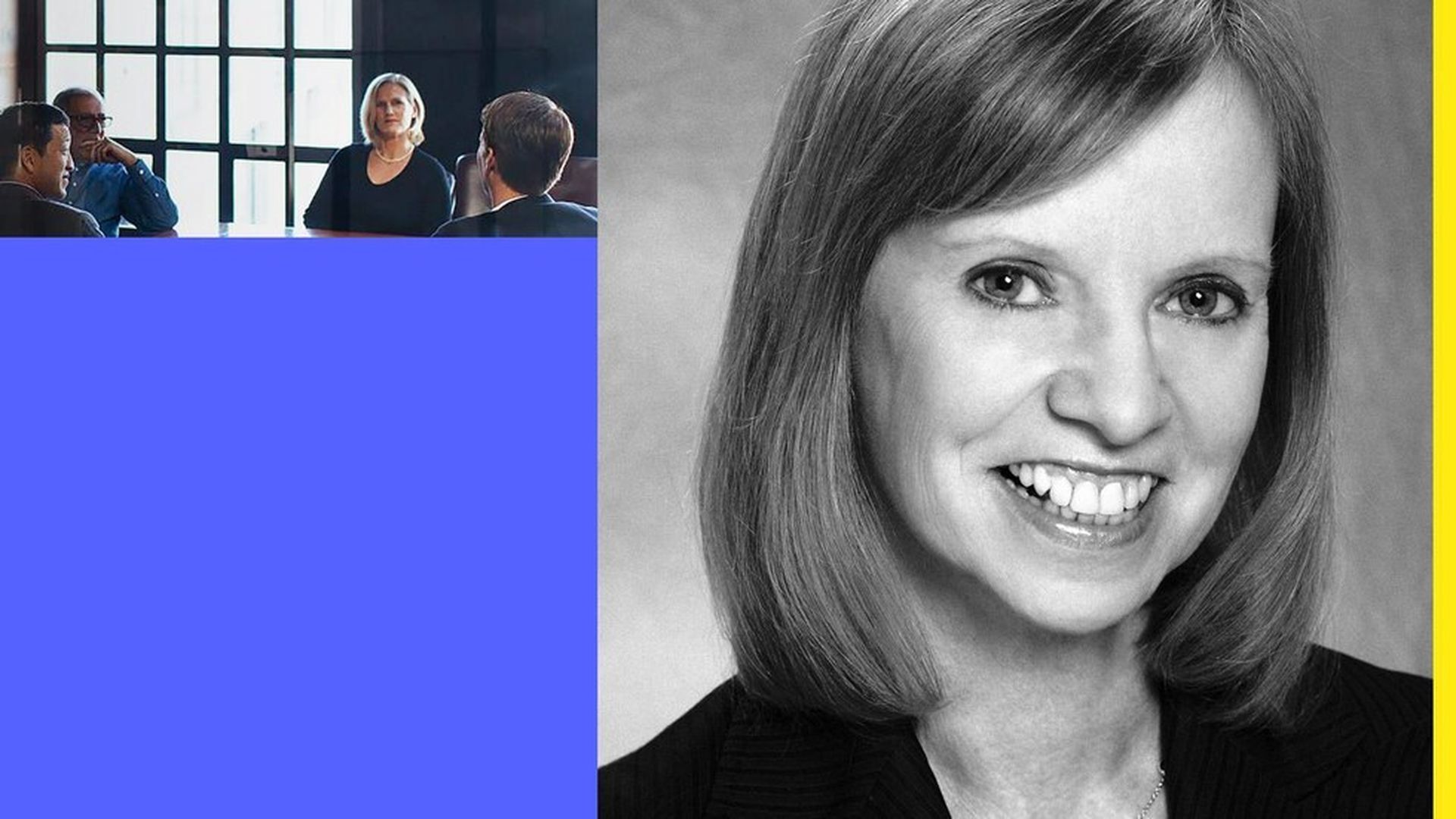
When it comes to picking companies, longtime venture capitalist Ann Winblad says the key is to find the one with not just the best business plan, but also the right values.
That holds true, she says, whether one is an investor weighing where to place their money or a new tech worker trying to figure out which company to join.
In an interview, Winblad weighed in on the resurgence of enterprise software companies, the opportunities and challenges for women in tech as well as on the corporate culture of companies such as Amazon and Uber.

Facebook helps launch $14 million news literacy program
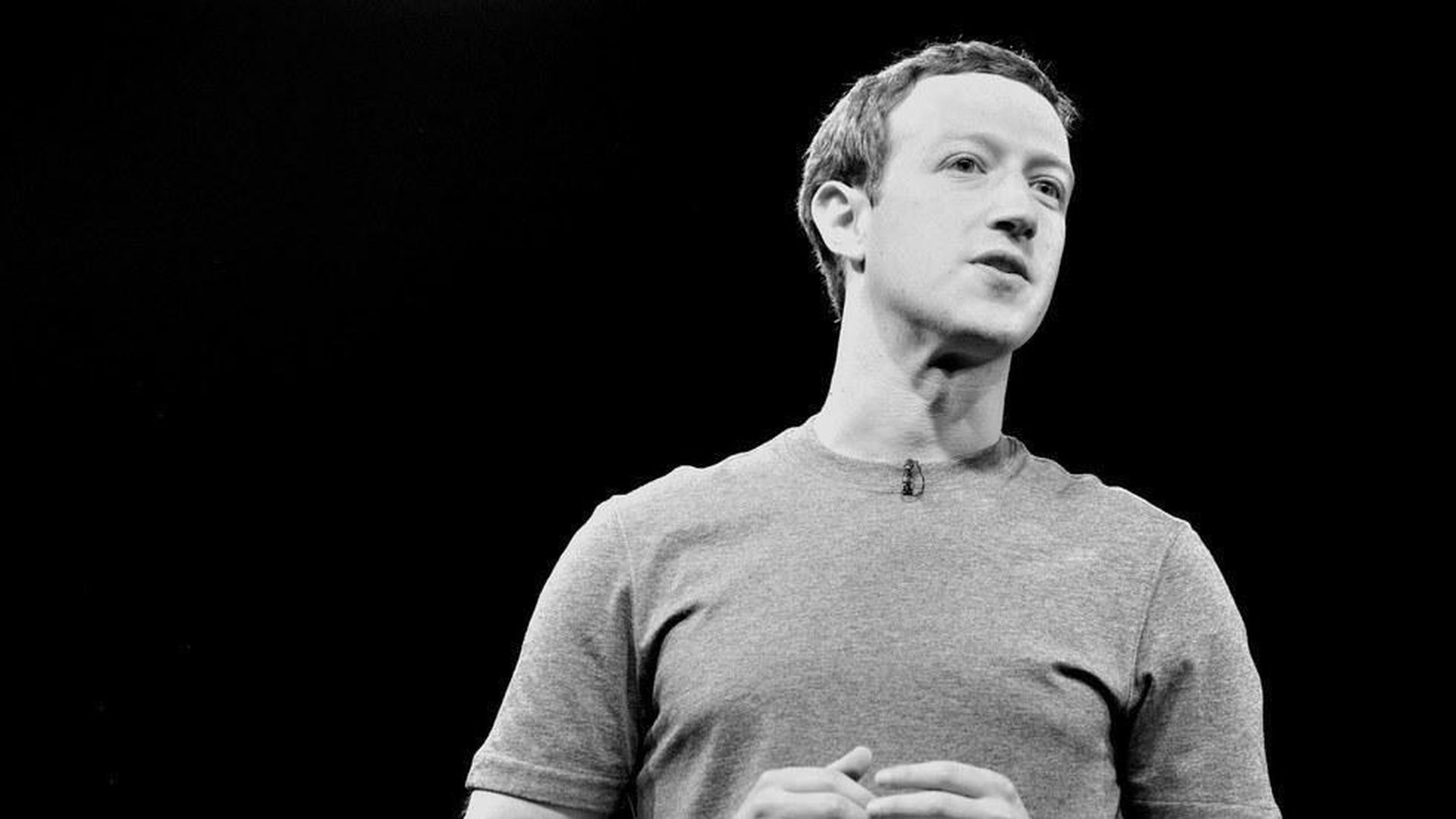
Facebook is teaming up with several along with several journalism foundations and internet tech companies in an effort to improve online news literacy and increase trust in journalism. The News Integrity Initiative, a $14 million investment run by the CUNY's Tow-Knight Center for Entrepreneurial Journalism, will fund research and projects and convene meetings with industry experts. Besides Facebook, other funders include Mozilla, AppNexus, Betaworks, the Craig Newmark Philanthropic Fund, the Ford Foundation, the Democracy Fund, the John S. and James L. Knight Foundation and the Tow Foundation.
Why it matters: Since its fake news saga during the election, Facebook has taken numerous steps to prove it's serious about promoting good journalism. In taking these steps, Zuckerberg is positioning his tech company to become a global social infrastructure organization, a vision he laid out in a sweeping manifesto last month.
What's next: The Initiative has already signed on 19 contributing groups, ranging from PR firms Edelman and Weber Shandwick to schools like Arizona State University, that will host events around the world to promote news literacy. The initiative also aims to find additional funders and participants as it grows internationally.
The potential bidding war over Toshiba's memory chip unit
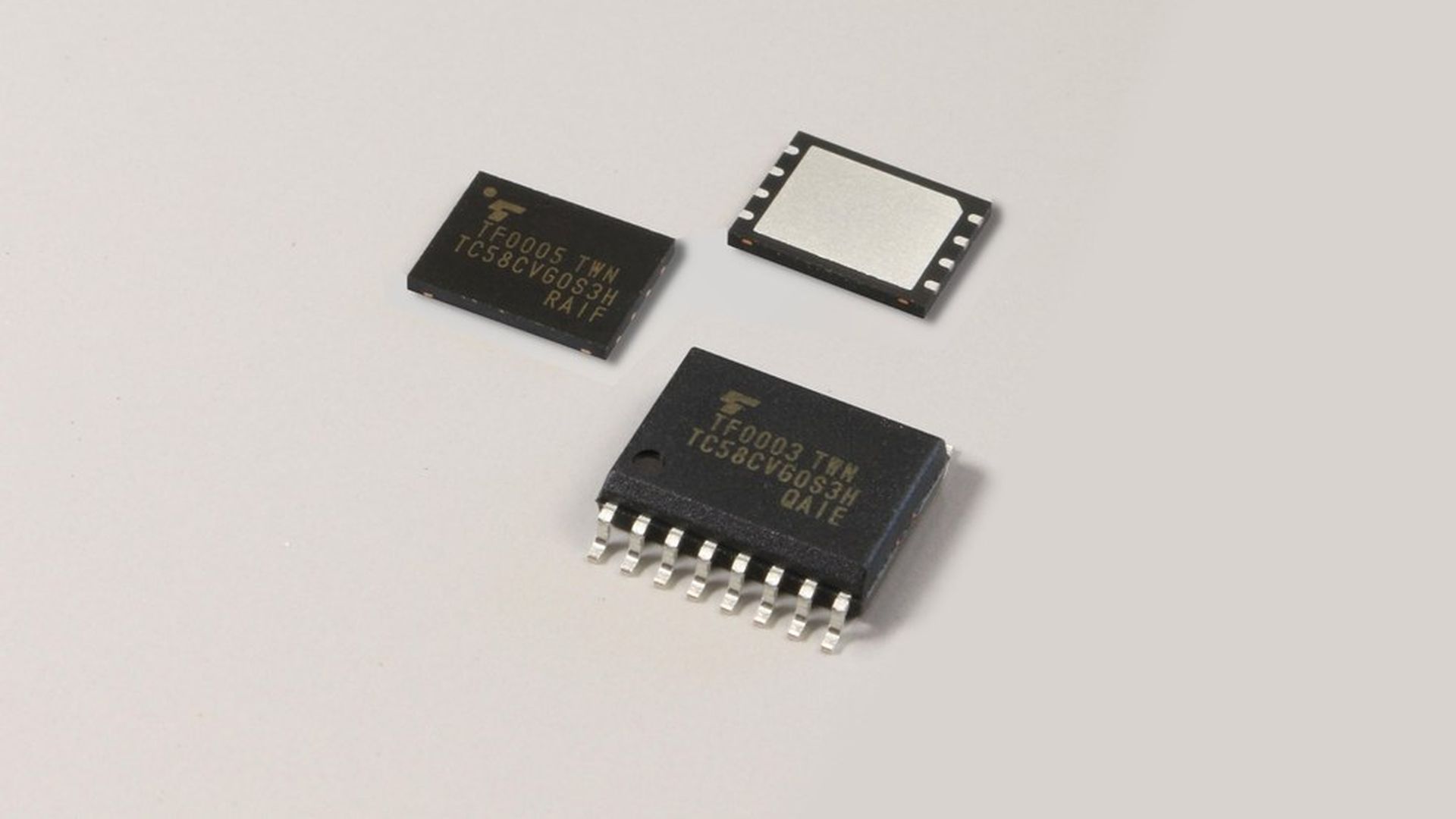
U.S. tech giants Apple, Google and Amazon are all said to be interested in joining the bidding for Toshiba's memory chip unit. According to the Yomiuri Shimbun, the three tech firms are interested in entering the already crowded field of bidders.
Japan's Nikkei reported on Friday that Silver Lake Partners and Broadcom had teamed up on an $18 billion offer for the unit. Other potential bidders inlcude Western Digital, Micron Technology and SK Hynix.
Why it matters: While neither Apple, Google nor Amazon comes to mind when one thinks of players in memory chips, all have big needs for flash memory, either in consumer products like phones and tablets or for servers in data centers, or both.