Thursday's technology stories

8,000 Uber/Lyft drivers fail MA background check
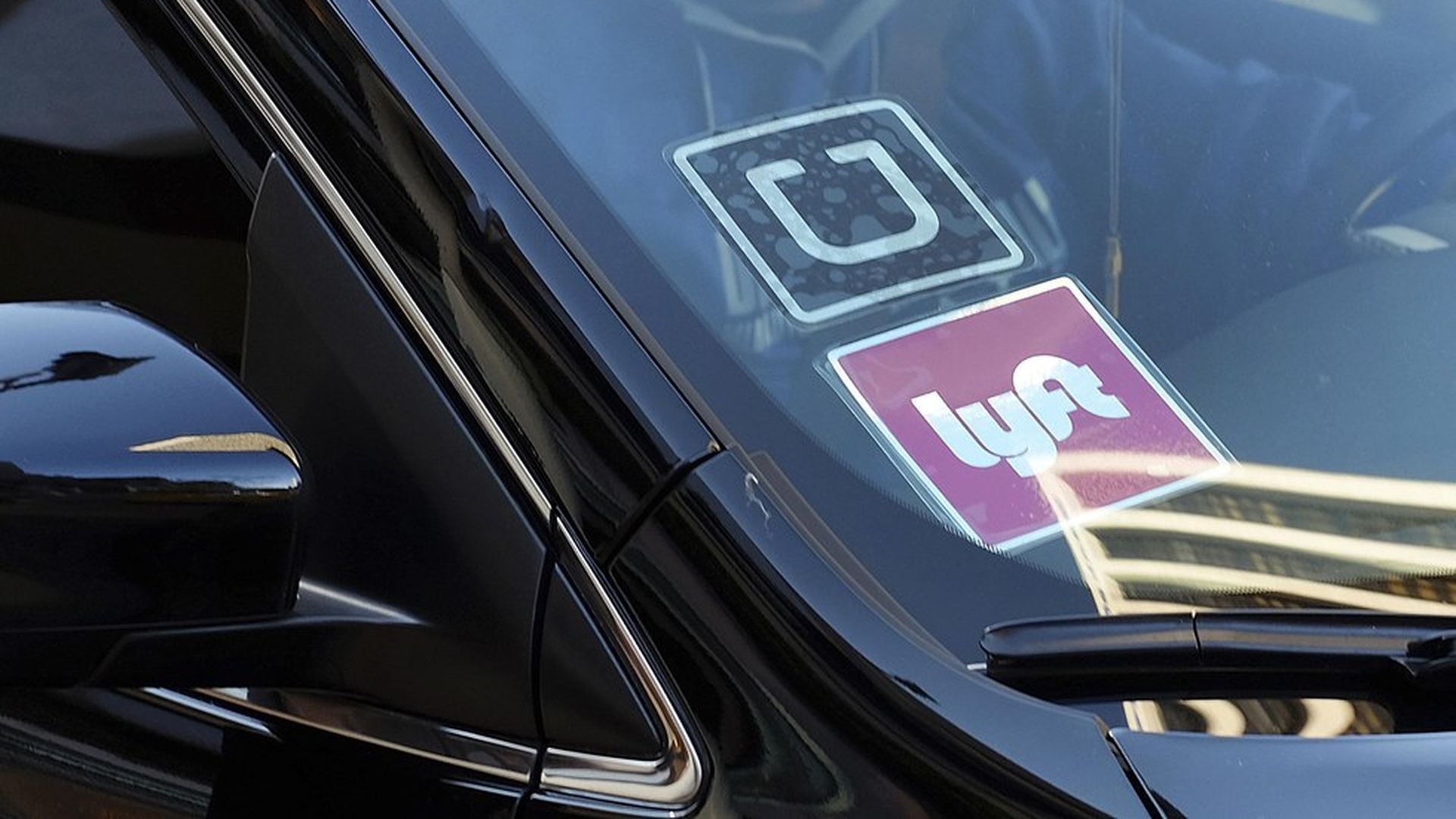
More than 8,000 drivers have been fired from ride-sharing companies like Uber and Lyft after failing Massachusetts' new state background check, per the Boston Globe.
The state dug through the criminal and driving records of roughly 71,000 drivers who had passed preliminary reviews, and found that hundreds of drivers had serious crimes on their record, including violent or sexual offenses, while others had been found guilty of drunken driving or reckless driving. The state deemed those who failed unfit to continue as drivers for the companies, and pulled them off the road.
The defense: Uber and Lyft have both pointed out that they are limited by state law to checking just the last seven years of an applicant's history. And while Lyft said only "a small percentage of our drivers failed," Uber argued that the unlimited reach of the government's background checks is unfair to drivers who are trying to move on from their past.
Why this matters: The findings led MA to pull thousands of drivers off the road. Their crackdown could pave the way for other states to issue similar background checks, and raise the standards on who can work for ride-hailing companies.

Hyperloop One highlights possible routes inside U.S.

Hyperloop One, one of the companies looking to bring Elon Musk's idea of super-fast ground transportation to the public, says that 11 possibles routes inside the United States are in the running to receive support from the company.
Thirty-five total routes around the world are competing to be one of the three that will "work closely with Hyperloop One engineering and business development teams to explore project development and financing," the firm says.
What's next: The company will whittle down the options to the three finalists. Hyperloop One also announced on Thursday that it had just finished a test track in Nevada.

Blackrock's Fink looks to AI to invest "better than humans"
BlackRock Chairman and CEO Larry Fink tells CNBC that his ultimate goal is to build artificial intelligence that can "ultimately invest better than humans." Blackrock has already laid off 40 investment professionals in an effort to lower fees by relying more on technological approaches to investing ike data mining. Purely AI-driven investing, however, "is more of a myth than a reality," at the moment.
Lower fees: Investors are beginning to realize that human stock pickers generally underperform the broader market, and that one can capture higher returns on average, at a lower cost, by investing in index funds or by relying on advice provided by algorithms.
Why it matters: Artificial intelligence is not just threatening investment advisement employment. Other white collar jobs like legal discovery work and financial and sports reporting have already begun to be done by robots, as well, and the list grows longer as the technology becomes more advanced.

Merkel backs German law to stop fake news

German Chancellor Angela Merkel has vocalized support for legislation that, if passed, would fine content distributors like Facebook and Twitter up to $53 million if they failed to quickly remove hate speech and fake news from their platforms. The measure has been approved by Merkel's cabinet, increasing the likelihood it gets approved by the German Parliament, per The Washington Post.
Why it matters: The bill is facing blowback by those who feel it impedes on free speech. Facebook, which is a lead target of the bill, said it's been actively taking steps to weed out fake news from its network and is "determined to work with others to solve this problem."
Timing: Merkel's support of the crackdown comes amid mounting concern about the political influence fake news and hate speech could have on Germany's federal election in September, where Merkel is squaring off against a strong populist and anti-immigration movement.

Comcast throws itself into crowded cell service market
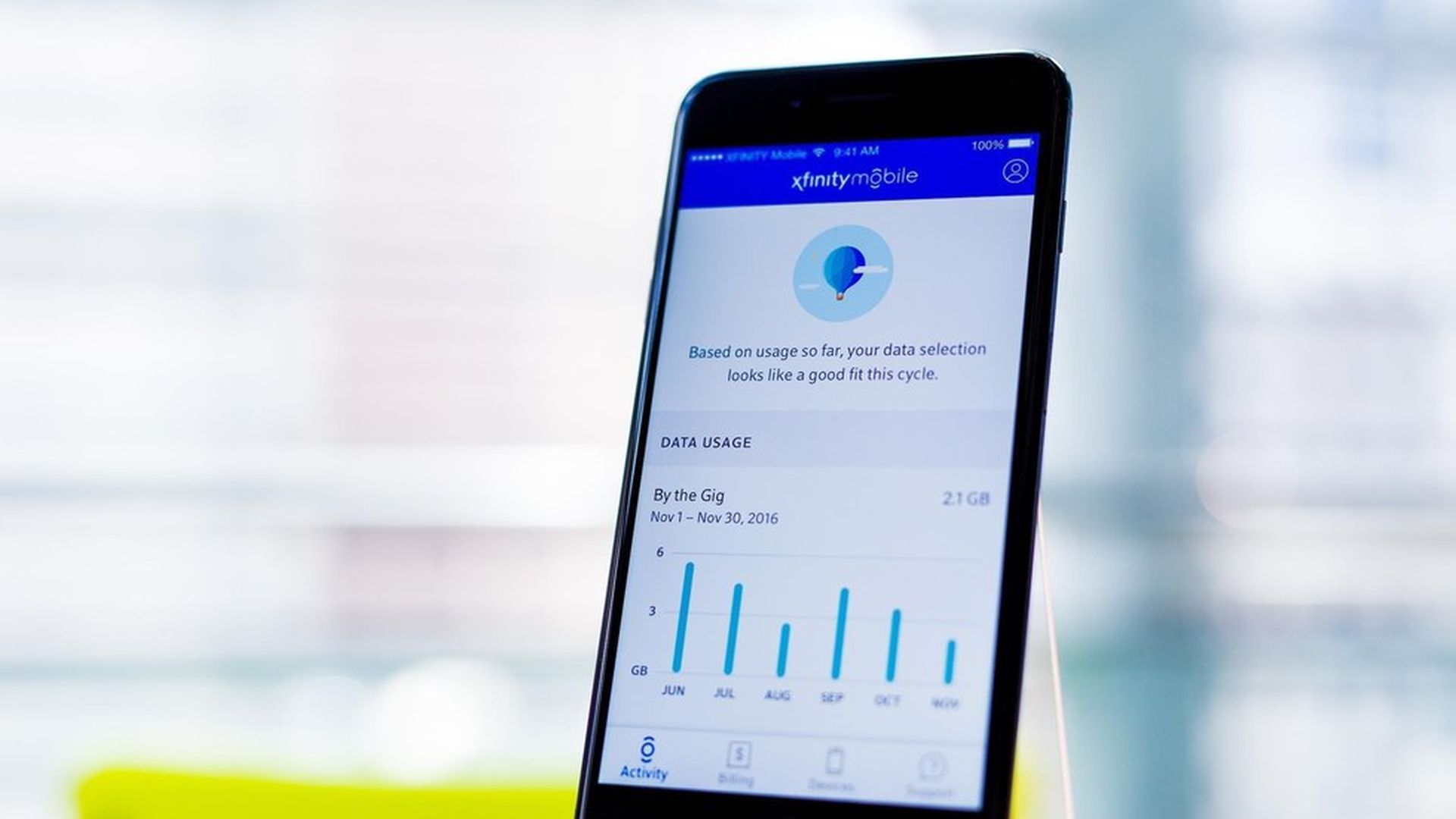
Comcast has made its entry into the wireless market official, announcing plans to start offering nationwide service by mid-year. The service, dubbed Xfinity Mobile, relies on on Comcast's Wi-Fi network where possible, and Verizon's cellular network when Wi-Fi isn't available.
Here are the key terms of Comcast's plan:
- Two plan options: $65 per month per line for unlimited data ($45 for high-end X1 customers) or pay for what you use at $12 per gigabyte of cellular data. There is no additional charge when using Wi-Fi and customers can switch, even mid-month, between the unlimited and metered plans.
- No per-line access fee and unlimited talk/texting included on all plans, along with 100 megabytes of high-speed data
- A modest range of phones to choose from, including the most popular models from Apple and Samsung and a budget option from LG
- The cell service will work nationwide, but Comcast only plans to sell it where it delivers TV and Internet; also, customers will also have to get home Internet from Comcast.
The big surprise: Although certainly simple, Comcast's plans aren't necessarily cheaper, especially given how much the major carriers have been pushing their own unlimited plans. Without a substantial price advantage it's hard to see how Comcast signs up a ton of customers, wireless industry analyst Chetan Sharma told Axios.

Twitter creates a "lite" version for slower networks
To make it easier for users in emerging markets, Twitter has a created a leaner version of its service that consumes less data and works more smoothly on slower mobile networks.
Why it matters: While there are now more than 3.8 billion smartphones connected to the Internet worldwide, 45% of them are still on the slower 2G network (the U.S., for context, is gearing up for 5G). This is why other major services, like Facebook, have also built alternatives for emerging markets that use much less data.
Tech specs: Users can access Twitter Lite via mobile.twitter.com on any browser on their mobile device, and it less than 1MB. There's also a data saver mode, which previews photos and videos instead of automatically loading them, which Twitter says can reduce usage by up to 70%. And there are push notifications and an offline mode.
India push: Twitter has inked a deal with Vodafone in India, which has more than 200 million subscribers in the country, to promote the service as a way to get real-time updates during the upcoming cricket season. Twitter has created a special feature for these live updates for subscribers.
Facebook's Yann LeCun: robots won't seek world domination

Axios caught up with Yann LeCun, head of Facebook's artificial intelligence lab, backstage at the Future Labs AI Summit to get his thoughts on how the technology he's spent a career advancing will affect the average American. LeCun, who also teaches computer science at NYU, says AI will make us all richer, but that society must regulate the technology through broad, public consensus.
Why he matters: LeCun is a giant in the field, whose contributions to AI have helped drive the technology behind self-driving cars. AI is increasingly found all across Facebook products like image recognition and the personalized News Feed, and could eventually help identify fake news and improve voice-controlled assistant technology. Last summer, Facebook told Fast Company that it had hired more than 150 AI experts, and has tripled its investment in the area of late. Check out the interview below:
Uber says it found one stolen file in self-driving dispute
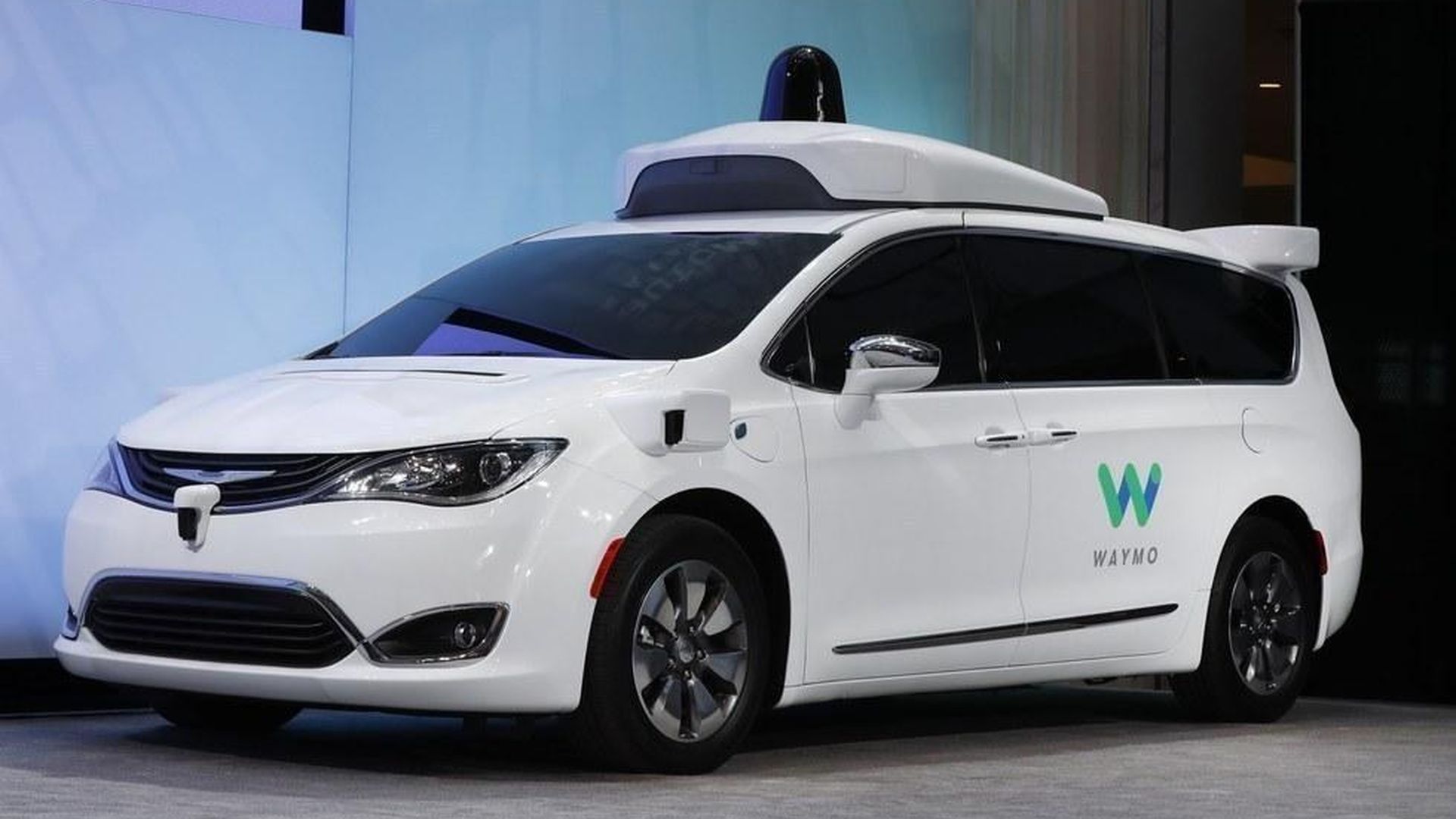
Uber's lawyers told a federal judge on Wednesday that they've found at least one of the files Waymo, Alphabet's self-driving car unit, claims former employees stole before joining Otto, a self-driving tech company now owned by Uber, according to TechCrunch.
The file was found on the personal computer of Sameer Kshirsagar, and is the first such file—out of an alleged 14,000—Uber has admitted to locating.
Uber said it interviewed 85 current and former employees, has searched the computers of 10 employees, as well as the company's internal repositories for the stolen documents, but found nothing "substantive." Uber also argued that Waymo's delay in filing the lawsuit shows the documents aren't aren't crucial enough to merit the injunction Waymo is seeking.
On-going challenge: Anthony Levandowski, the Otto co-founder and former Alphabet employee at the center of the case, has exercised his Fifth Amendment right and declined to provide documents in his personal possession, making it difficult for Uber to conduct a thorough search.
Next: A hearing on the preliminary injunction request is set for May 3.
Polls: Public opposes internet privacy rollback

Two recent polls say that public opinion is tilted against the Republican maneuver that overturned privacy rules for broadband providers like Comcast and AT&T.
- Priorities USA, a liberal group, says that 83 percent of voters polled opposed passing the measure and six percent supported it. Sixty-six percent of people who strongly approved of the job President Trump has been doing opposed the measure. The poll was conducted by Civis Analytics with a margin-of-error of plus-or-minus 3.1 percent.
- A Huffington Post/YouGov poll found that almost three quarters of people thought Trump should veto the measure (he signed it). It had a margin of error of 4.1 percent.
Why it matters: The use of an obscure law to roll back the rules has triggered significant press attention, and Democrats hope it will help them get the edge on vulnerable Republicans who voted for it. Whether that's the case remains to be seen.
Democrats keep hammering on internet privacy
Democrats are trying to keep alive the controversy over Congress overturning privacy rules for broadband providers before they could go into effect.
- House Democrats on the Energy and Commerce Committee used a hearing on wireless spectrum on Wednesday to drive home their concerns, to the frustration of Republicans. "I'm just telling you that this is not what it's been made out to be," said Republican Greg Walden, who chairs the full committee.
- Eight Democratic Senators wrote to major internet providers asking about their privacy practices. They encouraged each company to "provide your subscribers with the same level of privacy and security protections as stipulated in the FCC's broadband privacy order."
Why it matters: Democrats have already indicated they think this issue has legs, with some of the party's campaign arms using the vote to hammer Republicans. For example, the Democratic Congressional Campaign Committee deployed robocalls letting swing voters know that their representative voted in favor of overturning the privacy rules. Politico's Alex Byers detailed other efforts. This is also red meat for the Democratic base. Liberal groups are outraged by the rollback of the rules, which President Trump signed this week.
What we're watching: Whether constituents bring this issue up with their representatives during the coming Congressional recess.
Comcast is finally ready to talk about its cell service plan
After months of delays, Comcast is hosting a Webcast on Thursday morning to offer details on its long-planned cell phone service. The company isn't building its own cell network, but rather tapping an existing deal that lets it resell service from Verizon. It also has a big Wi-Fi network it can use to cover a lot of places.
Among the details we will be watching for:
- How much does Comcast focus on price vs. any other differentiator
- What is its level of support for popular phones, including the iPhone, Samsung Galaxy, etc.
Why it matters: The U.S. market is already pretty competitive, but Comcast wants to be able to offer a quad play (cell and home phone service, TV and Internet), especially now that AT&T has moved deeper into video with its DirecTV purchase.
Disclosure: Comcast is an investor in Axios through NBC.
Facebook tests a free version of its workplace chat tool
Facebook wants more companies to use its workplace chat tool, so it's beginning to test a free version.
The details: The free version will be called Workplace Standard, and will be similar to the paid version, though it won't include analytics tools and administrator controls, the company told news outlets. Facebook released the premium version of Workplace in October and has signed up companies like Starbucks, Viacom, and Campbell's.
Targeting smaller companies: Facebook's aim with this free version is to get smaller businesses that wouldn't want to pay for the full version. A free version can also help the service spread in emerging markets, like India.
The competition: Though Facebook is a bit different, it will still compete with other workplace communications tools like Slack, HipChat, Microsoft Teams, and Google's new Hangouts Chat.
Uber drivers have spent over $1.3b through the app's Instant Pay
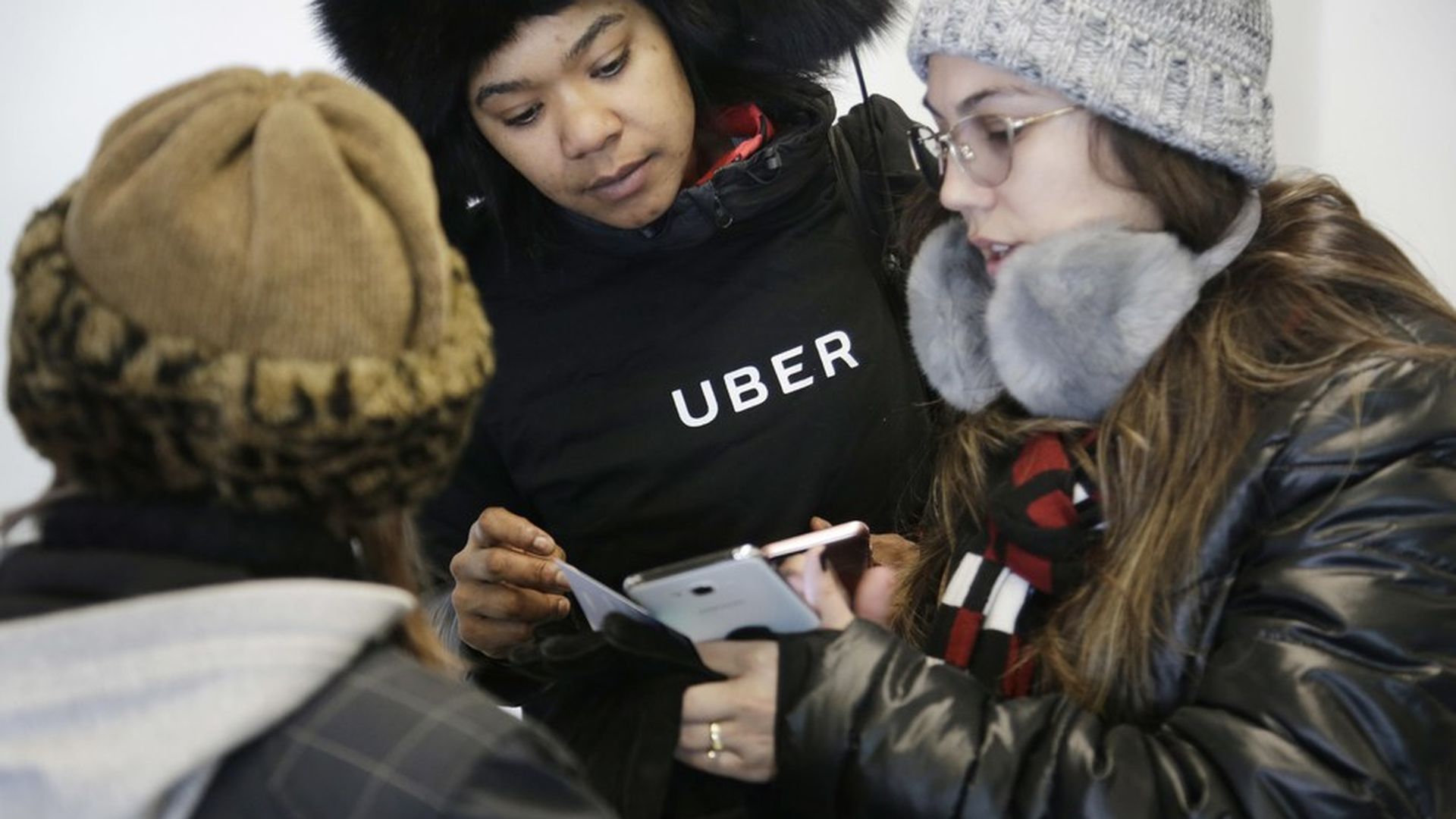
Uber's Instant Pay — which lets Uber drivers use the money made from rides to purchase goods right away, rather than wait for the money to be deposited in their bank accounts — has led to over $1.3 billion in transactions in its first year alone, reports TechCrunch.
The feature launched last year with GoBank and a dedicated Visa card, and has since opened up the program to most U.S.-accepted cards. Uber says expansion has led to "hundreds of thousands" of signups and has encouraged the ride-sharing company to widen the feature once again. Now, essentially all U.S.-based drivers, UberEATS, and delivery cars will have access to the program.
Google's former self-driving car guru raises cash for his own startup
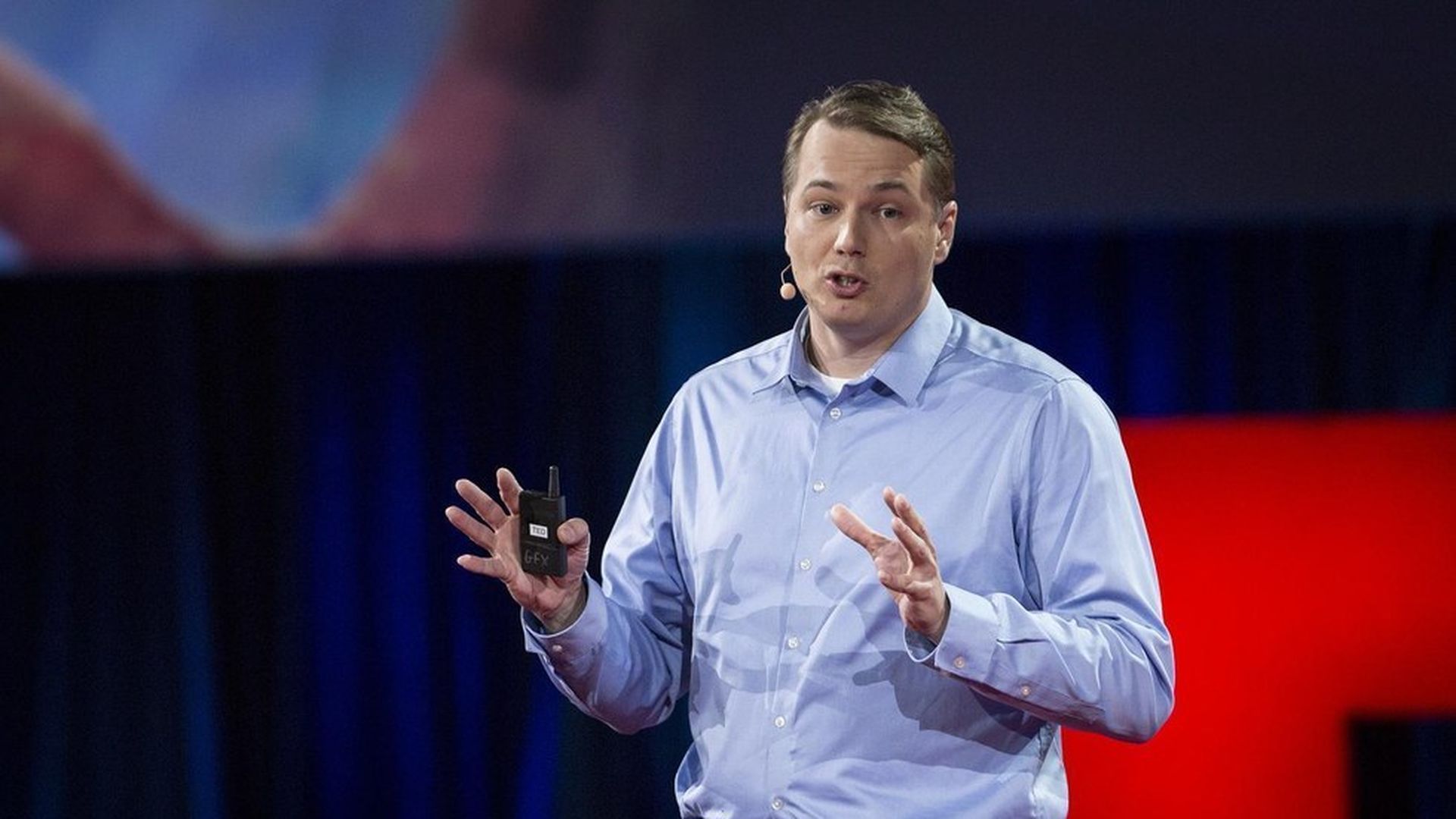
Aurora Innovation, the stealth startup founded by the former CTO of Alphabet's self-driving car project, has raised over $3 million in venture capital funding, according to an SEC filing.
Facebook debuts tools to tackle "revenge porn"
Facebook is rolling out new features to help users report suspected "revenge porn," or intimate images of a person shared online without their consent, and block users from reposting the images.
The details: Users can report suspicious images, which are then vetted by Facebook staffers. The company says it will deploy "photo-matching technologies" to recognize if users are trying to share the image again — across Facebook and its Facebook Messenger and Instagram apps — and stop them from doing so.
Why it matters: The sharing of explicit images without the permission of their subjects has become a pernicious and persistent problem online, including on Facebook. It recently emerged that explicit images of female members of the military were shared in a Facebook group called "Marines United," which had thousands of members. The issue has attracted attention from Washington, as well.