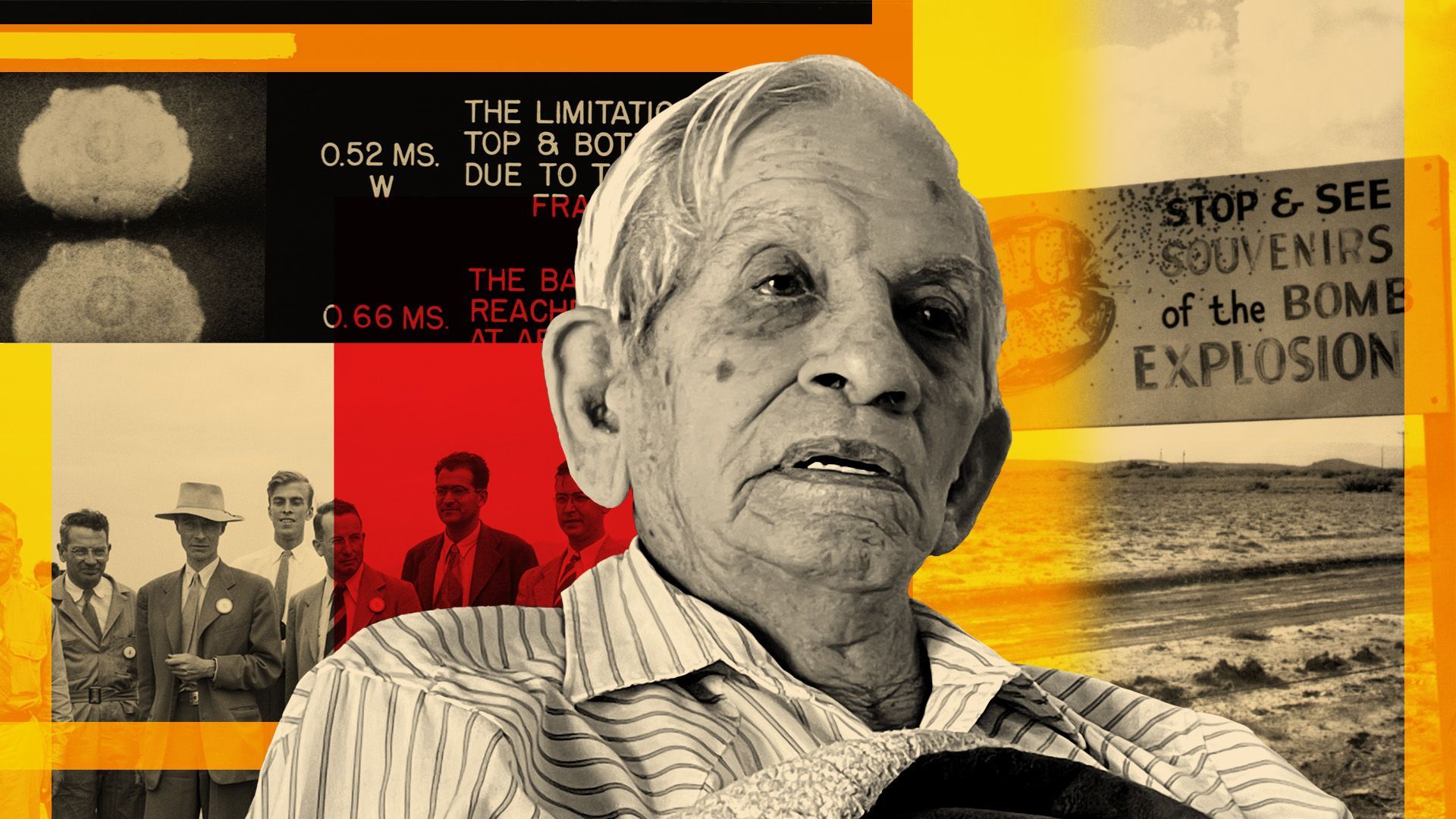
J. Robert Oppenheimer's shadow still looms over New Mexico — as a scientific hero who helped reshape one of the nation's poorest states, and as a villain who generated a trail of human destruction still felt there today.
J. Robert Oppenheimer has a scientific legacy that stretches beyond his work as the "father of the atomic bomb."
Why it matters: Oppenheimer is best known for leadingthe Manhattan Project, but before turning his attention to the building of the atomic bomb, he made his mark on a number of scientific problems.
The stifling heat wave that has affected large parts of the U.S. for more than a month will not loosen its grip anytime soon, forecasters warn.
Why it matters: The longer the extreme heat lasts, the greater the economic and human health effects will be. In addition, the high temperatures are expected to contribute to drought conditions in Texas and the Southwest.
J. Robert Oppenheimer and the science he oversaw reshaped the world — but the political and cultural forces of the day also shaped the science he pursued.
The big picture: In the abstract, science is often extolled as a search for truth untouched by politics and traveling on a separate track, but in practice science, politics, culture and society can strongly influence one another.
Today's nuclear weapons are far more powerful than the first atomic weapons, developed during the 1940s by Robert Oppenheimer and the Manhattan Project.
Background: The Manhattan Project was responsible for the development of two types of atomic bombs — named Little Boy and Fat Man — that were detonated above the Japanese cities of Hiroshima and Nagasaki during World War II.
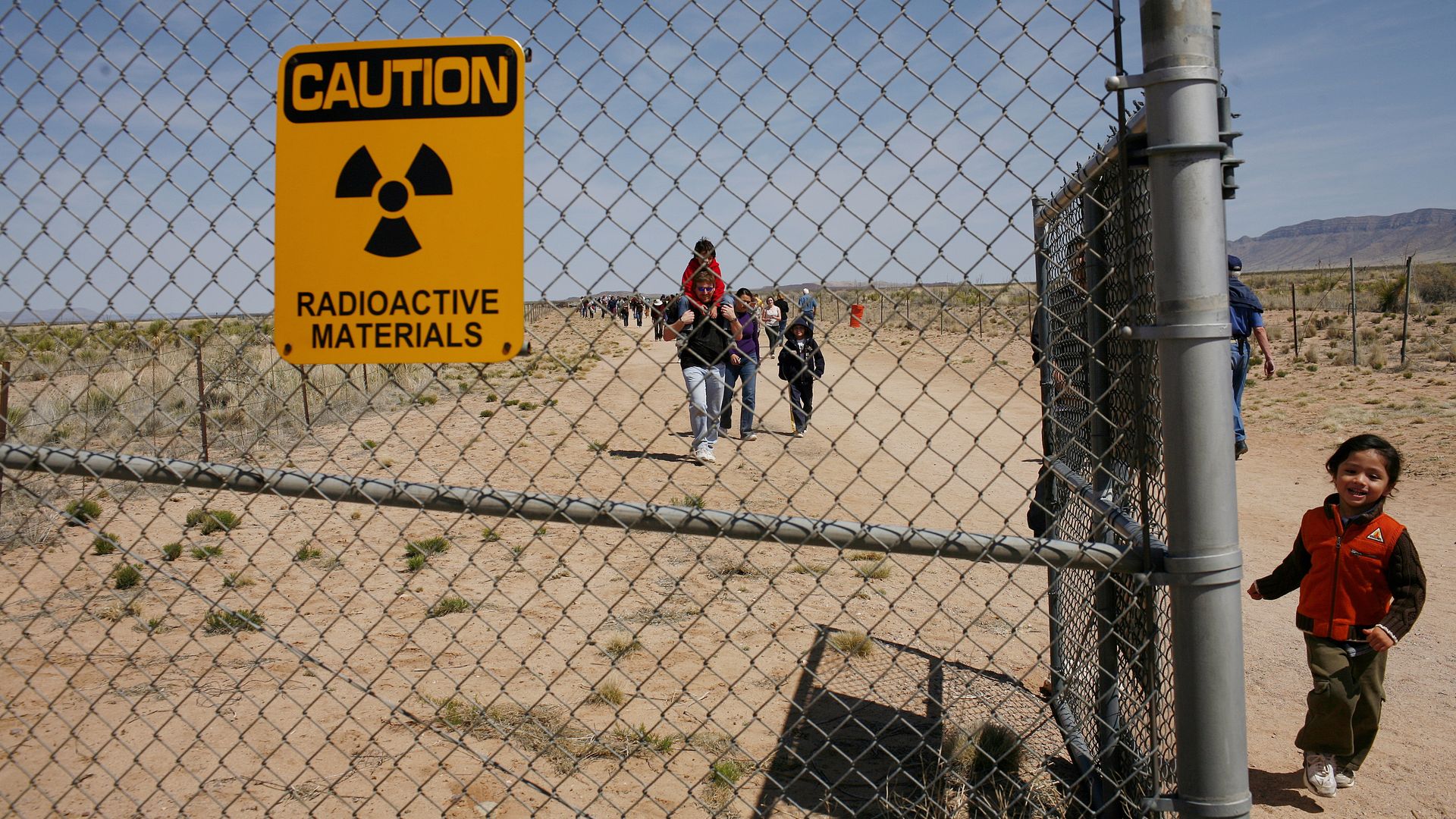
As cinephiles gear up for Friday's release of "Oppenheimer," the blockbuster biopic about the "father of the atomic bomb," some residents in southern New Mexico where the bomb was first tested say they've been largely erased from the narrative.
The big picture: Those residents say their families have battled rare cancers for generations and have been ignored while Manhattan Project scientists like J. Robert Oppenheimer are celebrated.
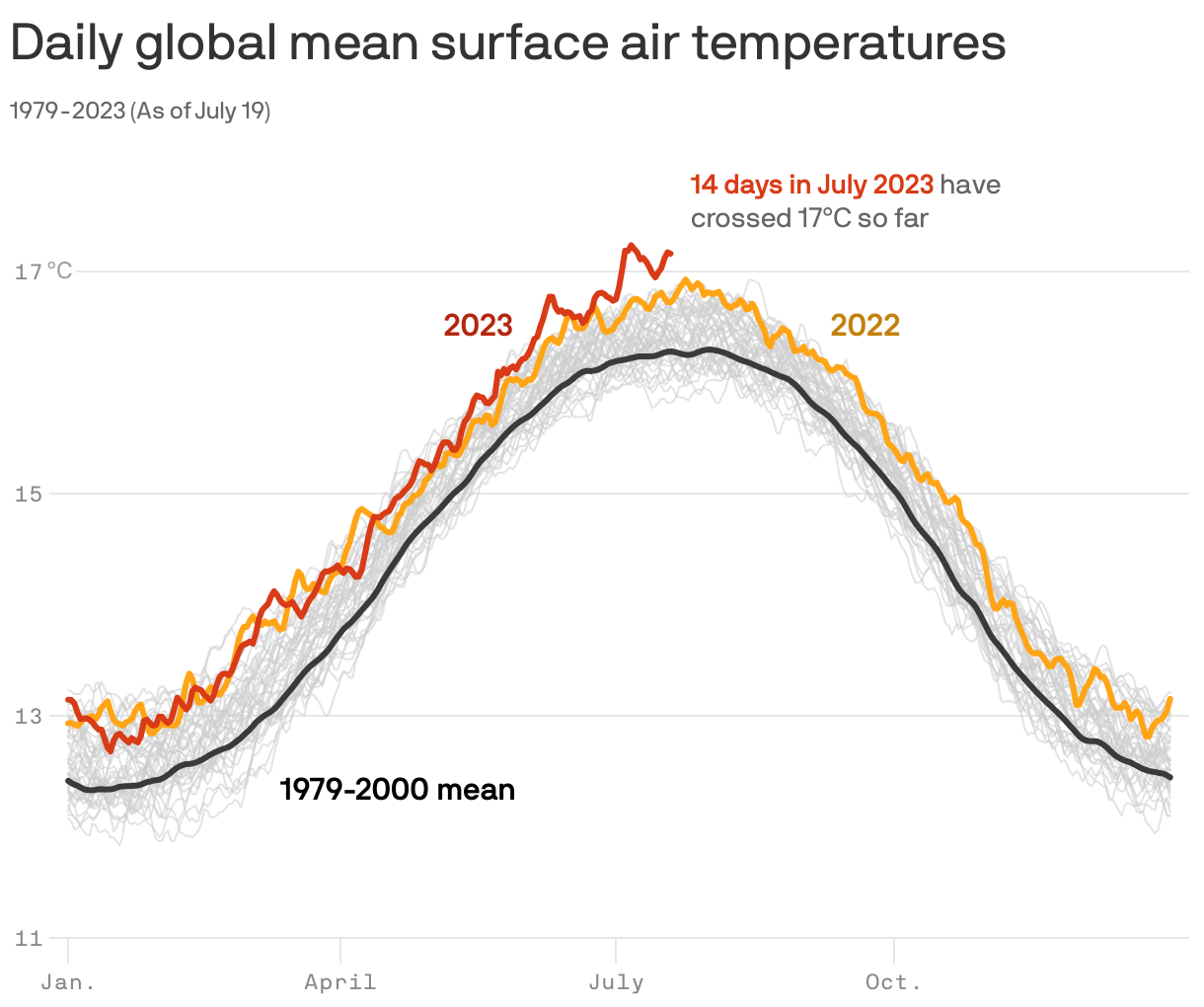
By the end of the week, it is likely that 15 days just this month will have breached an unprecedented global temperature threshold — a clarion wakeup call in the form of extreme weather.
Over 20% of the U.S.' population — 80 million people — are expected to face an air temperature or heat index above 105° Fahrenheit this weekend as a record-breaking heat wave persists over most of the South, the National Weather Service (NWS) warns.
Why it matters: The extreme temperatures, which have been exacerbated by human-caused climate change, will come after several days of excessive heat and will be an immediate risk to public health.
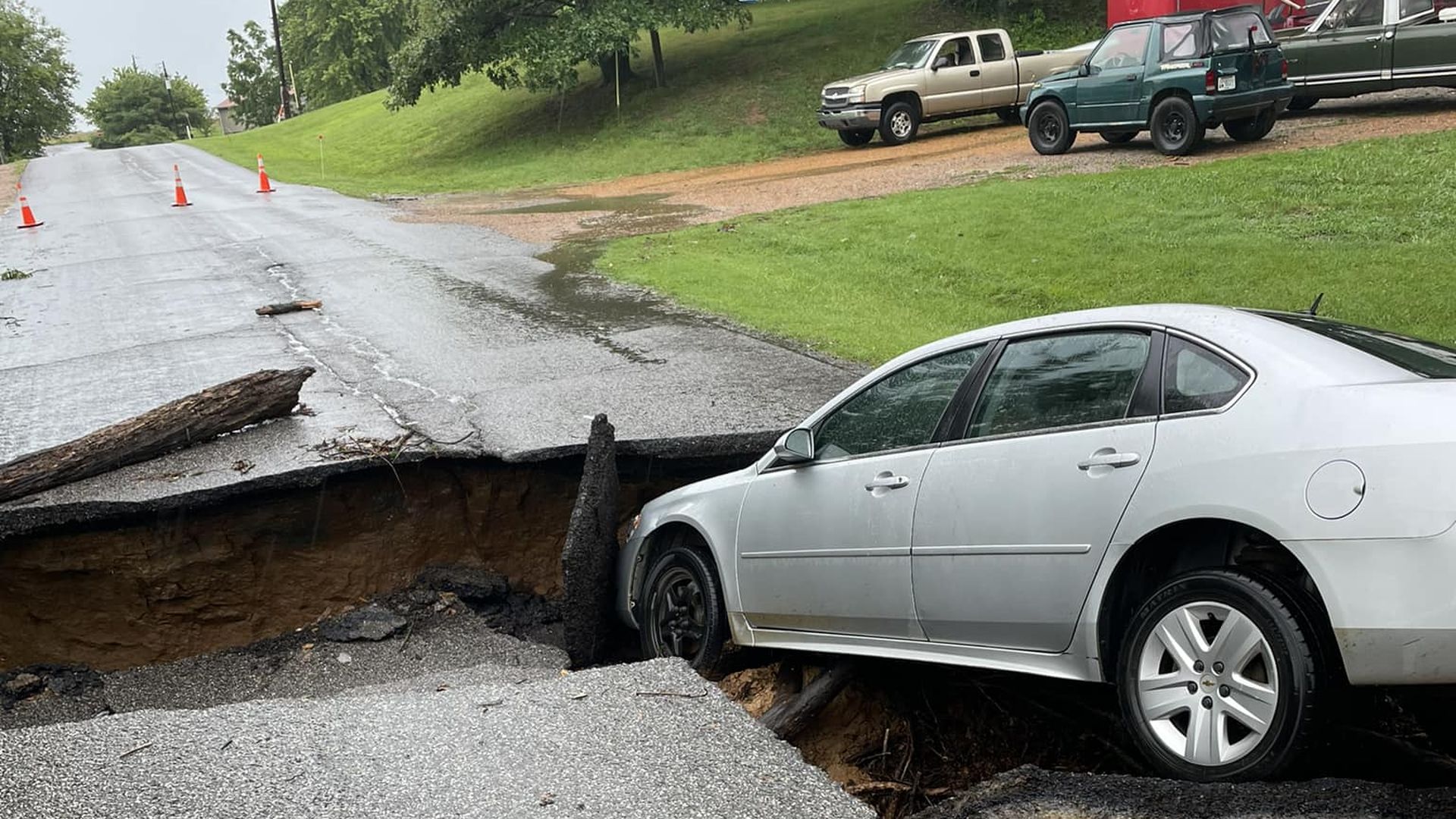
Kentucky's governor declared a state of emergency Wednesday after historic rainfall inundated parts of the state and forecasters said additional storms on "extremely saturated ground" overnight raised fresh flooding concerns.
The big picture: Gov. Andy Beshear urged people to "pray for Mayfield and areas of Western Kentucky impacted by significant flooding from last night's storms" as officials responded to the damage. The city in Graves County is still recovering from a December 2021 tornado that left 57 people dead, the Washington Post notes.