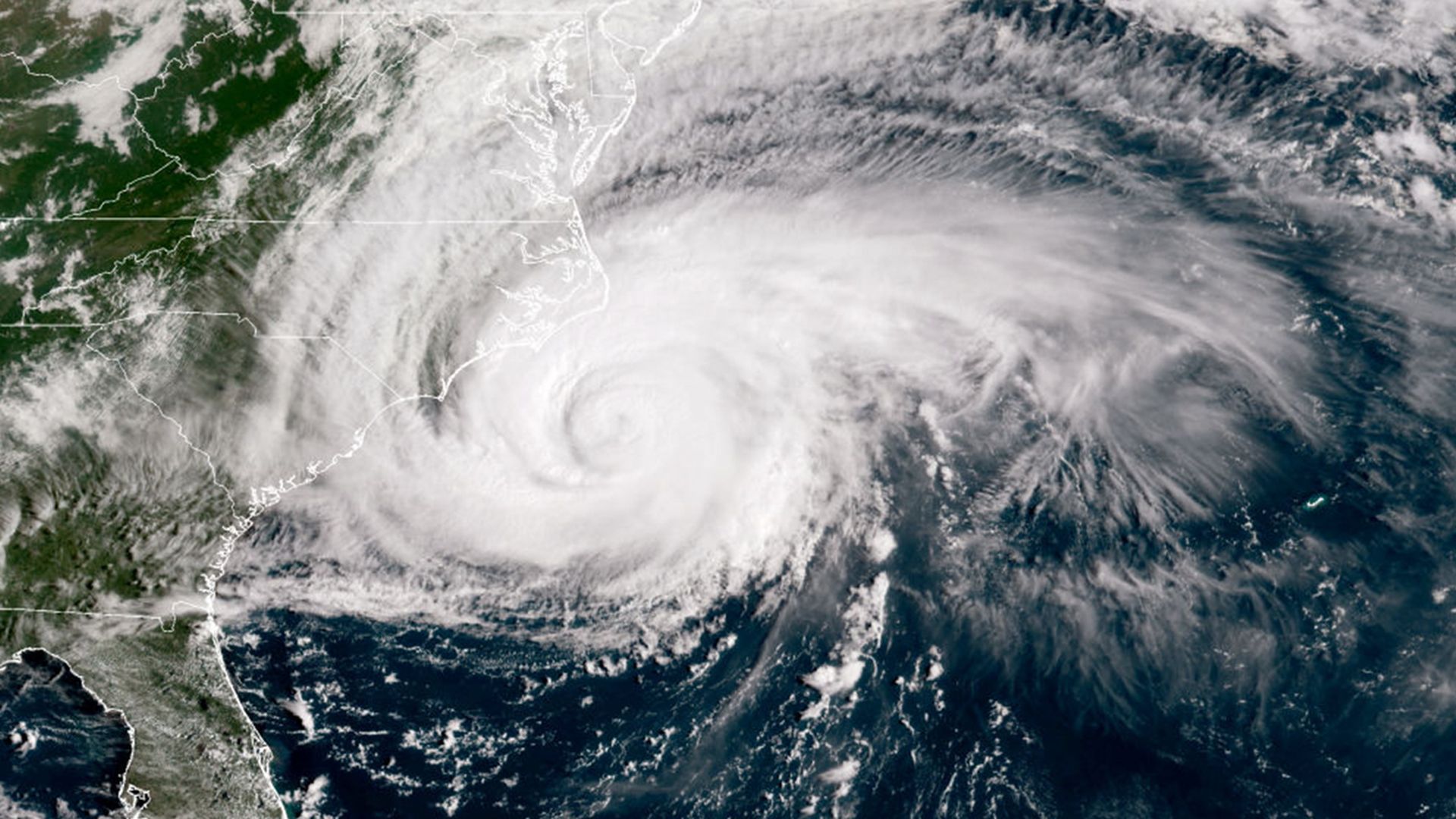
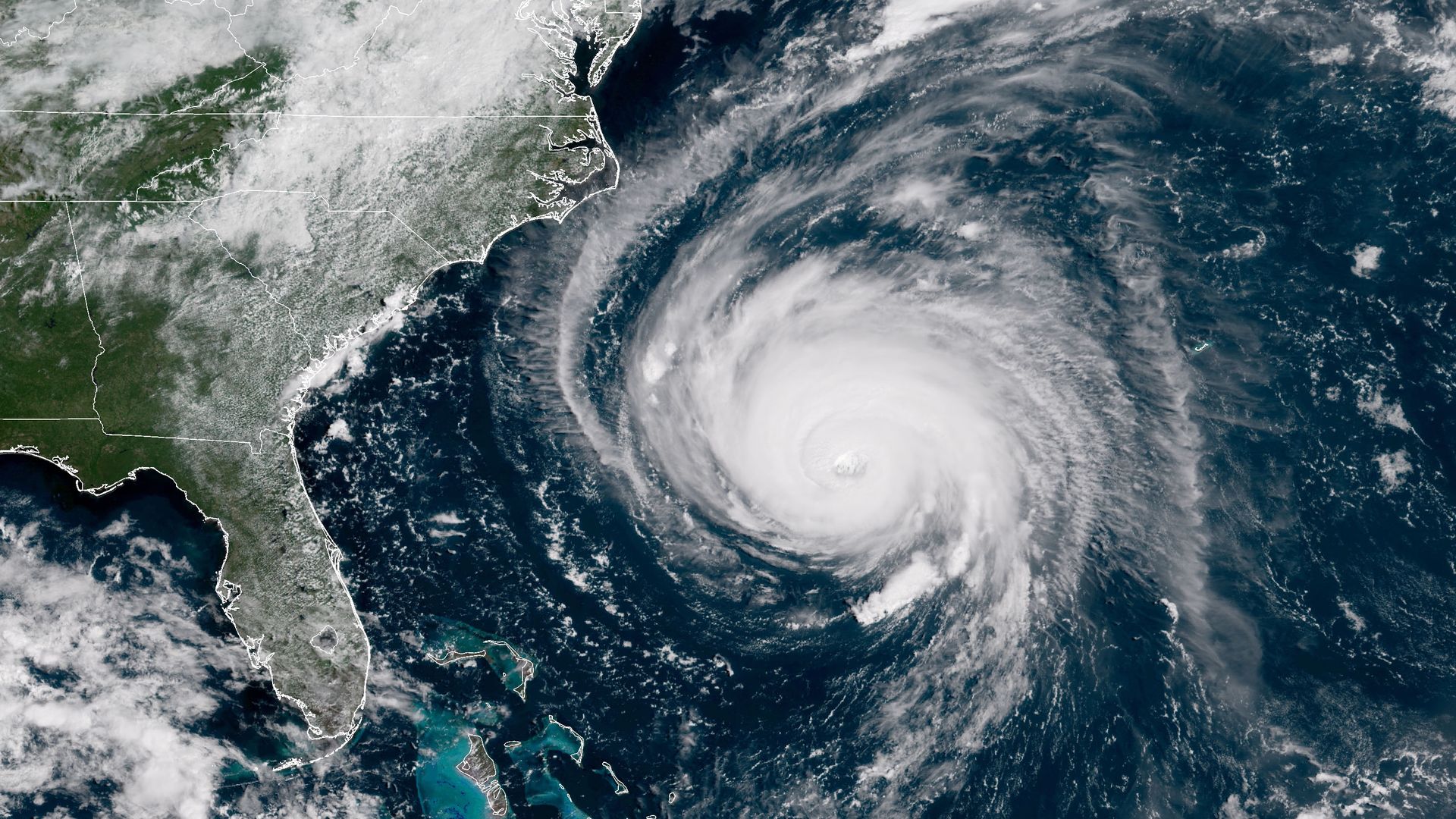
Hurricane Florence is slowing down on its way toward the North Carolina coastline, and its peak sustained winds have diminished to 105 miles per hour — but it will bring the storm surge equivalent to a Category 4 and an inland flooding threat of historic proportions. The storm's slow movement means that heavy rain bands will keep forming over the Atlantic and moving over land, causing flooding well inland of the coast.
The big picture: This storm illustrates the limits of the official rankings of hurricanes. The model, called the Saffir Simpson Hurricane Wind Scale, only measures a storm's wind speeds. But hurricanes primarily kill with water, and even though Florence is officially a Category 2 right now, it's setting in motion massive amount of water that will result in a near record surge along the North Carolina coast.
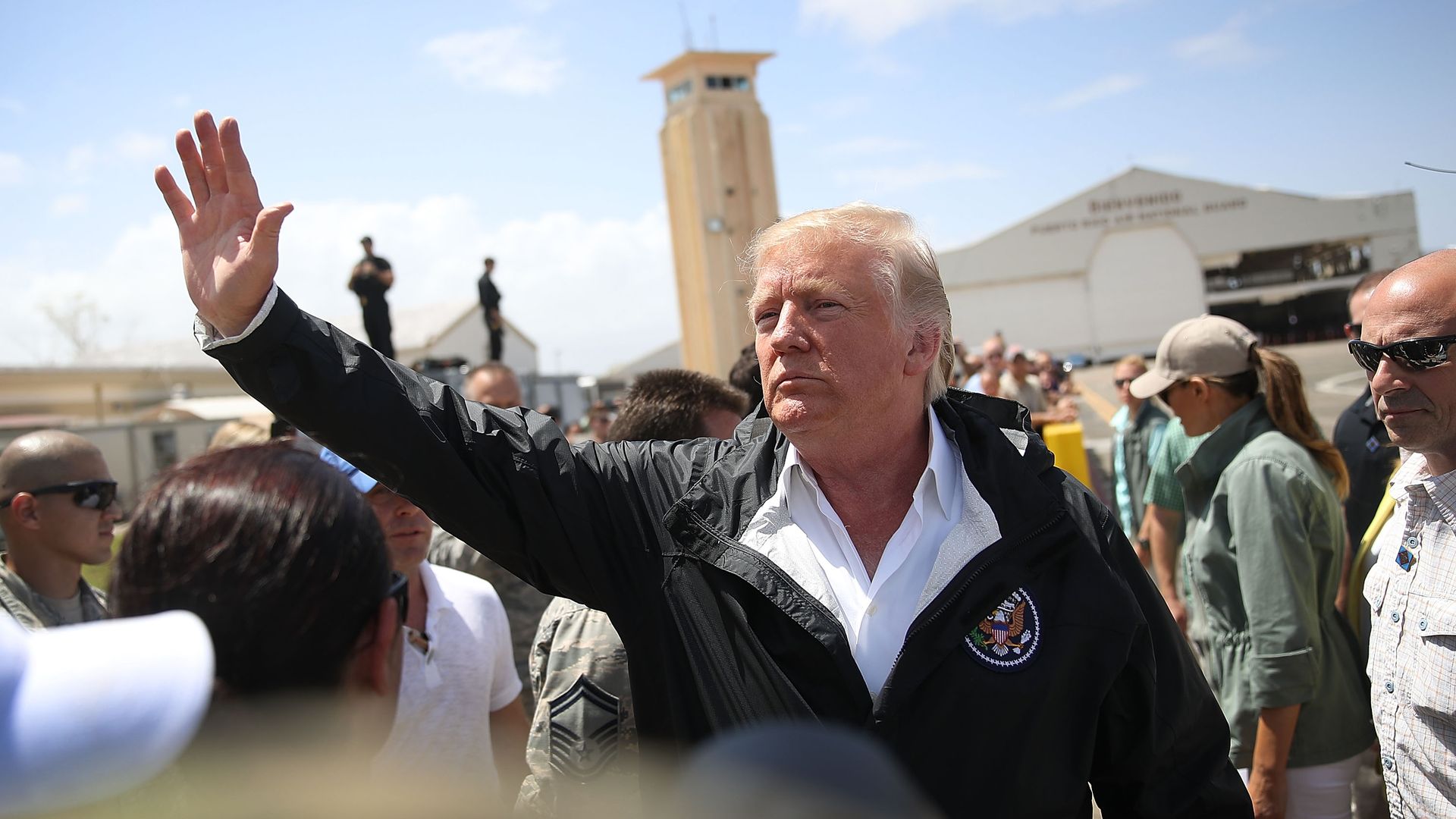
President Trump set off a social media firestorm Thursday after claiming, without evidence, that Democrats had inflated the Puerto Rican death toll stemming from last year's Hurricane Maria.
The big picture: The death toll estimate, the product of a George Washington University study that was commissioned by the Puerto Rican government, was a conservative one. And lawmakers were not shy about calling out the president for his baseless claim.
Hurricane Florence is a highly unusual storm, not just because of its intensity and size, but also the journey it's taking toward the Carolina coastline.
The big picture: As this historical track map shows,few other major hurricanes have hit North Carolina — and none hasfollowed as bizarre a path as Florence is expected to take.
President Trump claimed on Thursday, without evidence, that the death toll of Hurricane Maria was "done by the Democrats in order to make me look as bad as possible," and disputed the official count of almost 3,000 deaths.
Reality check: The number provided by the George Washington University study, which was commissioned by the Puerto Rican government, was conservative, the report's authors noted in the study.
In a series of Thursday morning tweets, President Trump denied the report commissioned by the Puerto Rican government that put the death toll from last year's Hurricane Maria's near 3,000, blaming Democrats for inflating the numbers "in order to make [him] look as bad as possible."
"3000 people did not die in the two hurricanes that hit Puerto Rico. When I left the Island, AFTER the storm had hit, they had anywhere from 6 to 18 deaths. As time went by it did not go up by much. Then, a long time later, they started to report really large numbers, like 3000. This was done by the Democrats in order to make me look as bad as possible when I was successfully raising Billions of Dollars to help rebuild Puerto Rico. If a person died for any reason, like old age, just add them onto the list. Bad politics. I love Puerto Rico!"
Hurricane Florence is taking aim squarely at the Carolinas — with North Carolina in the crosshairs first on Thursday through early Saturday, followed by South Carolina and possibly Georgia. The maximum sustained winds have weakened, and Florence is now expected to approach the coast as a Category 2 storm.
The bottom line: An unusual mix of weather systems across the U.S. will force Florence to hit the brakes as it nears the coast, somewhere close to the border of the Carolinas. It is likely to be the strongest hurricane to hit the coast in at least 25 years.
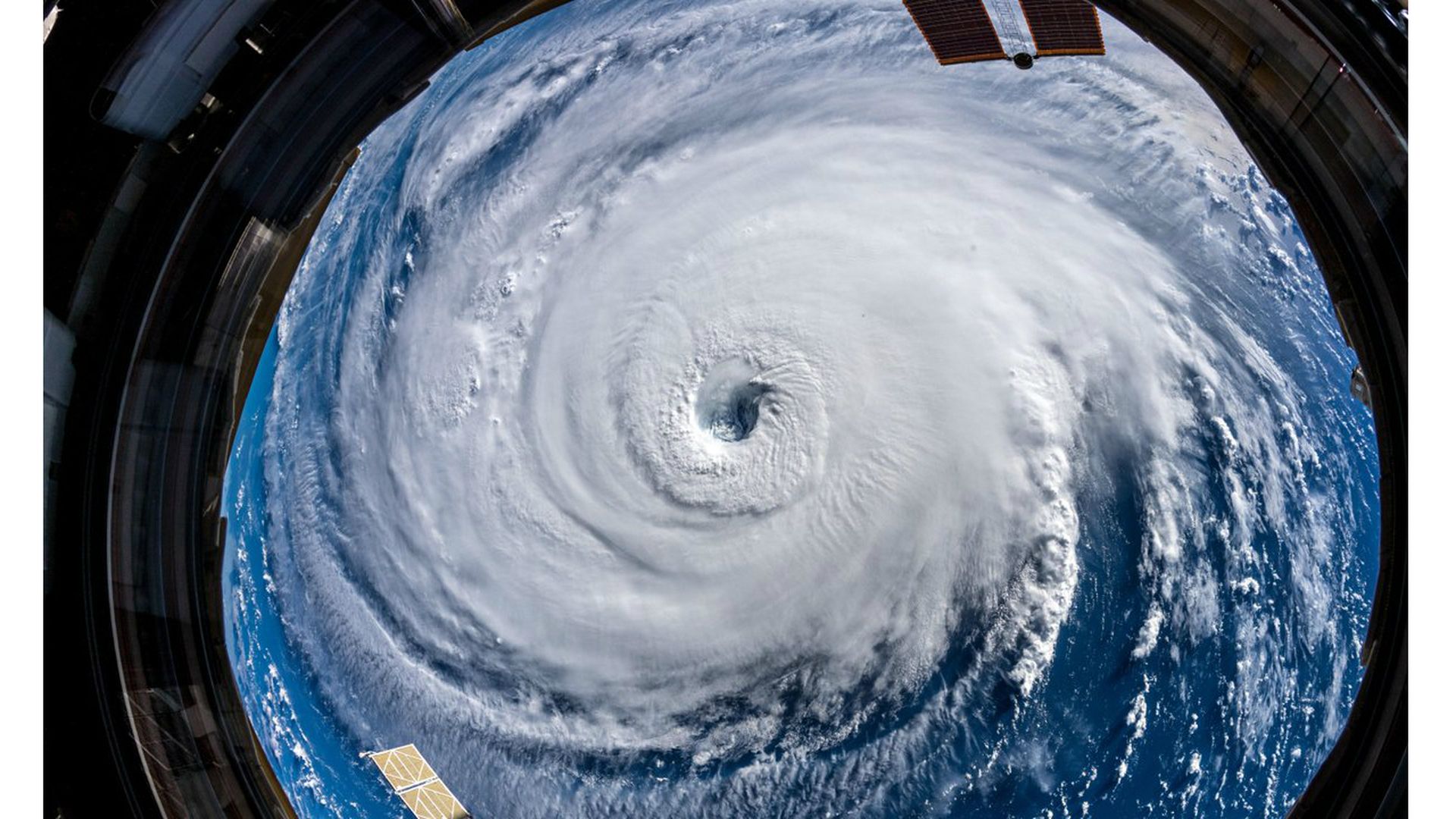
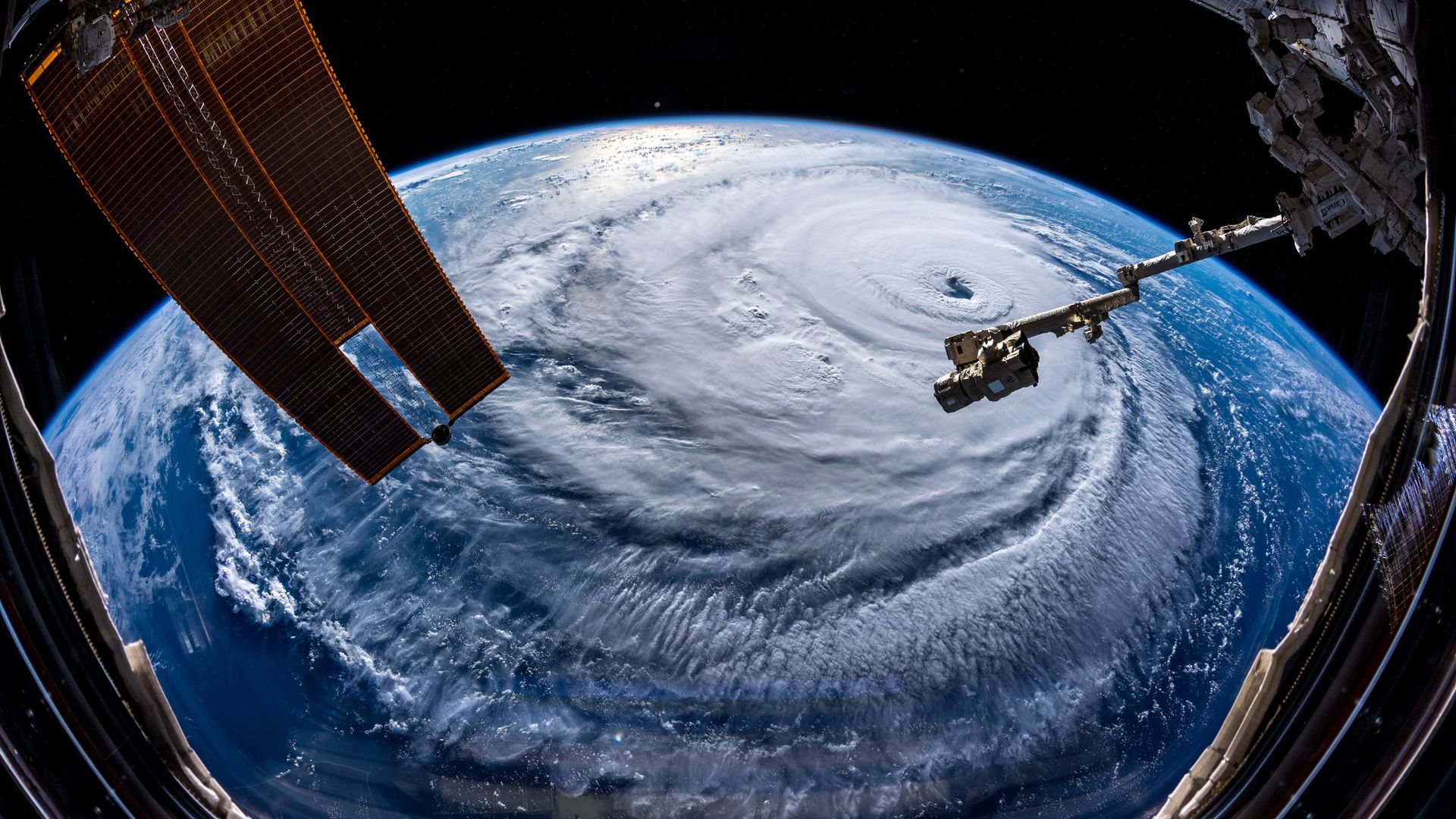
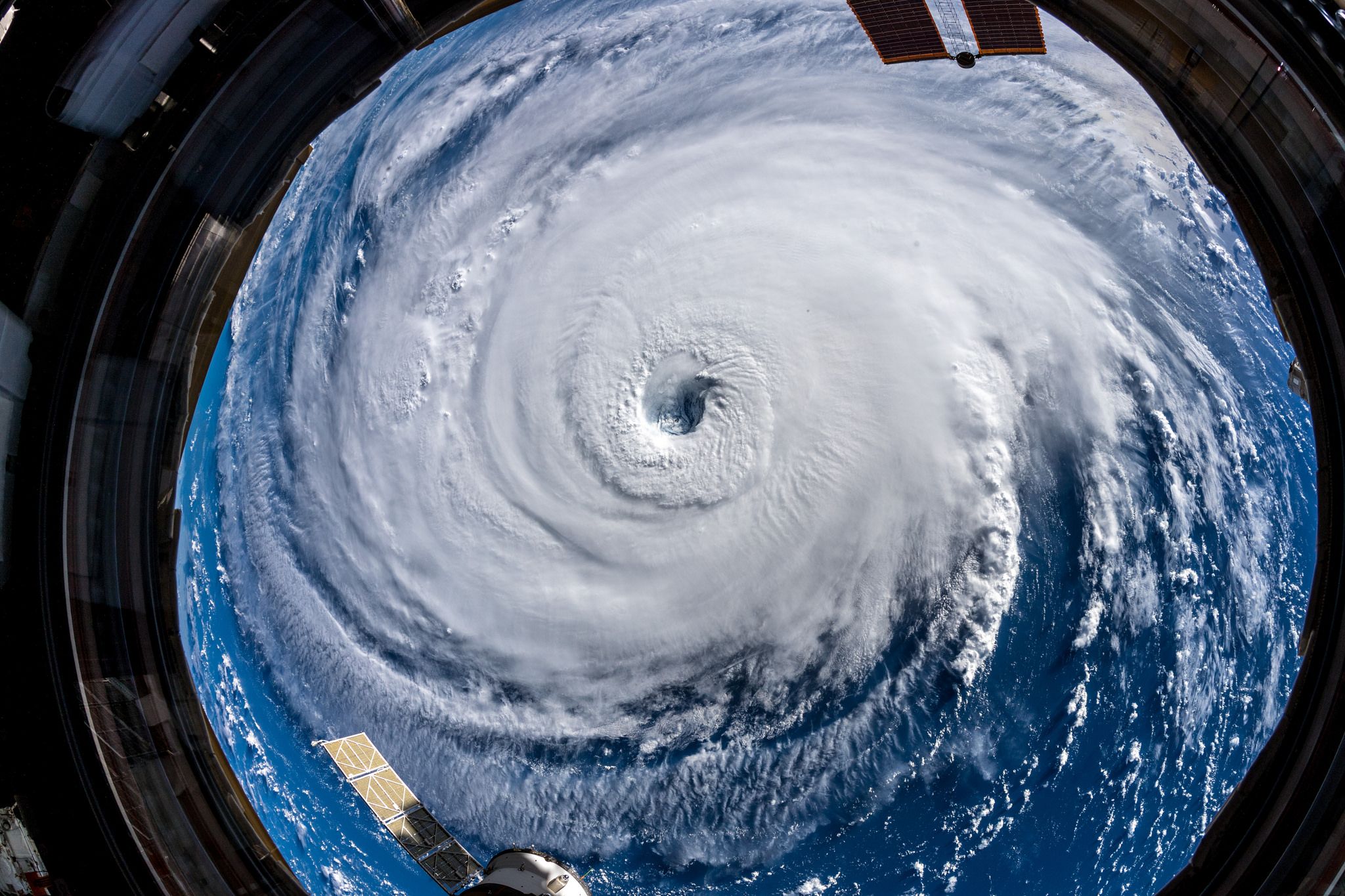
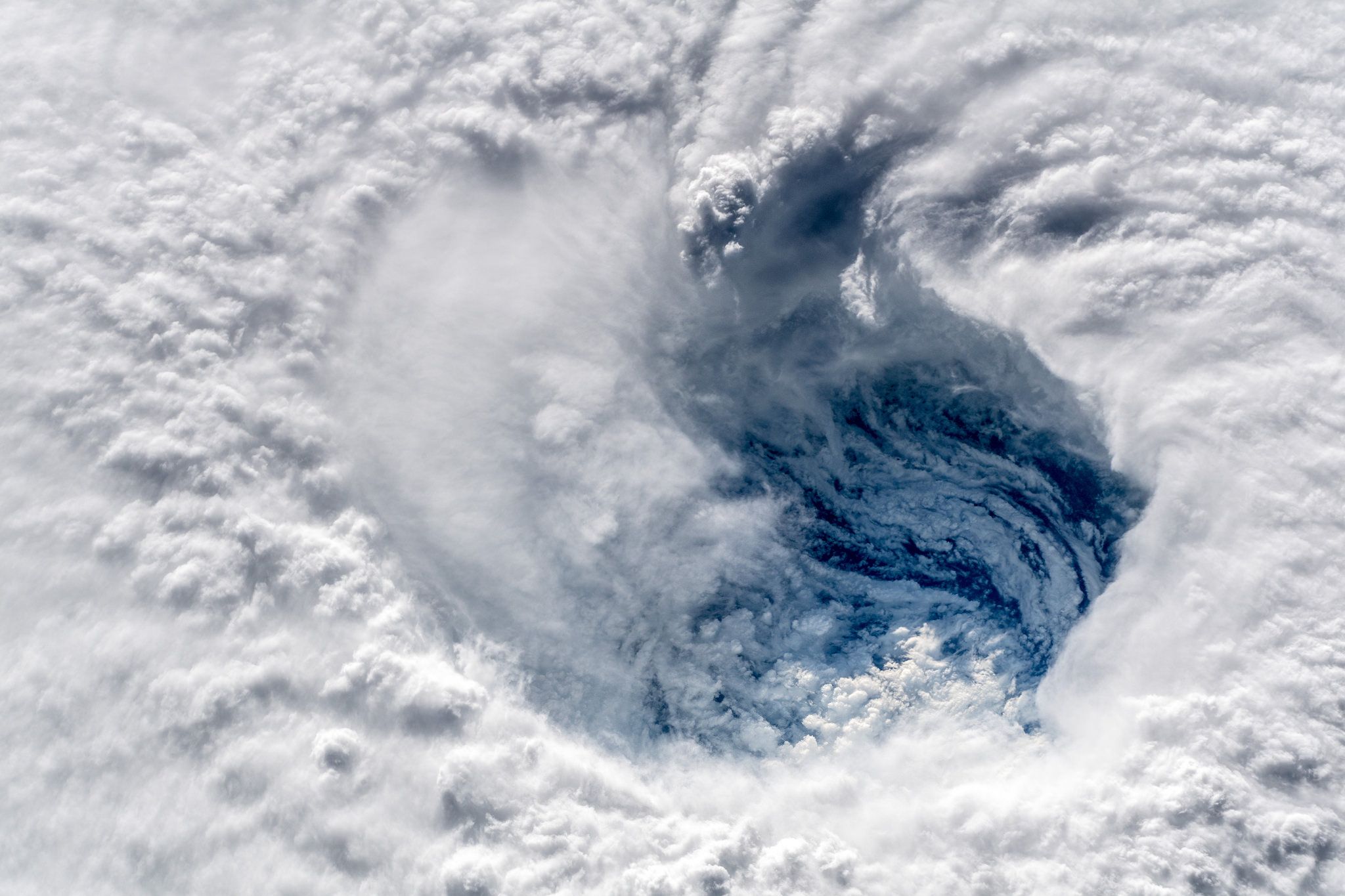
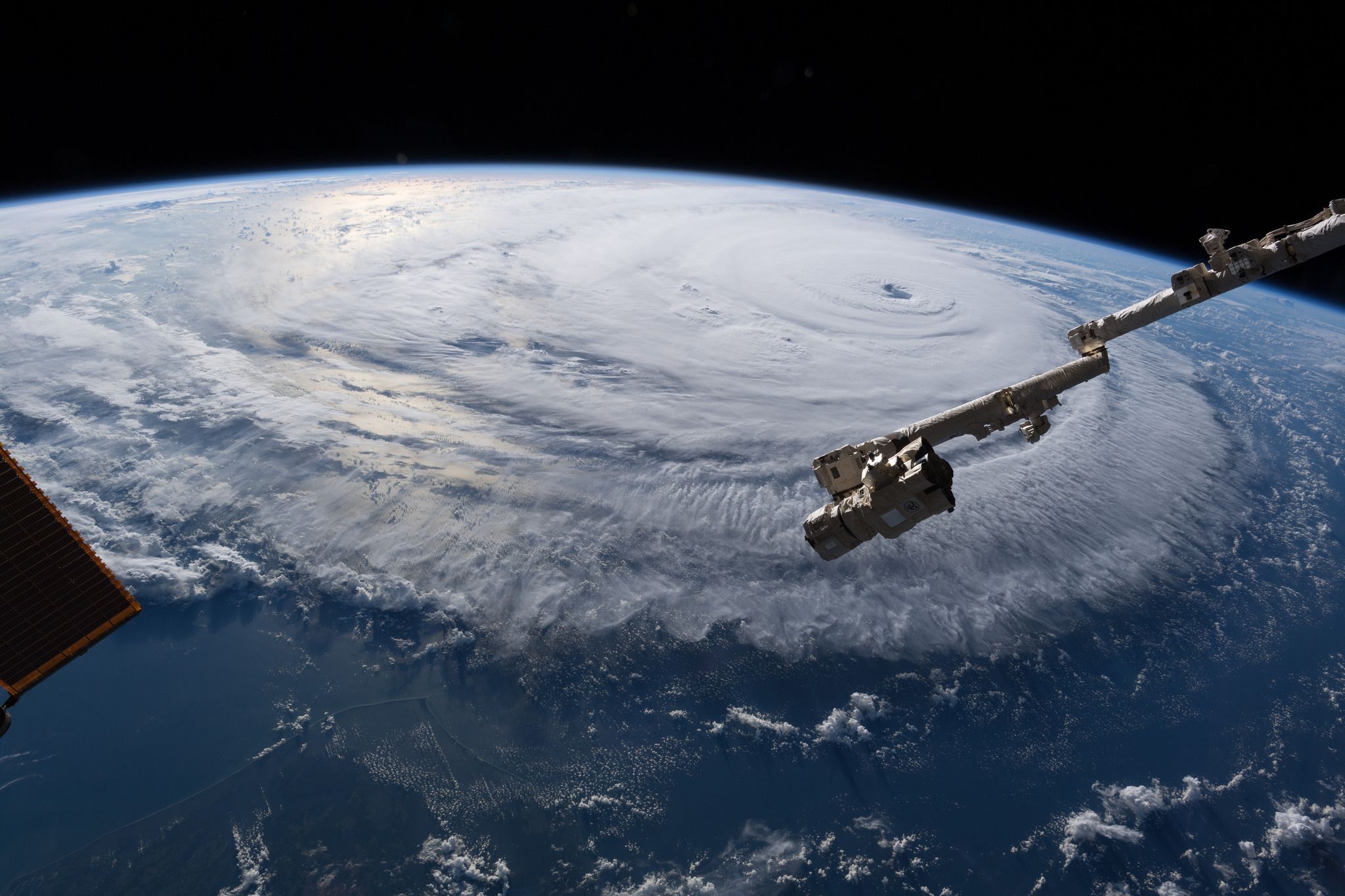
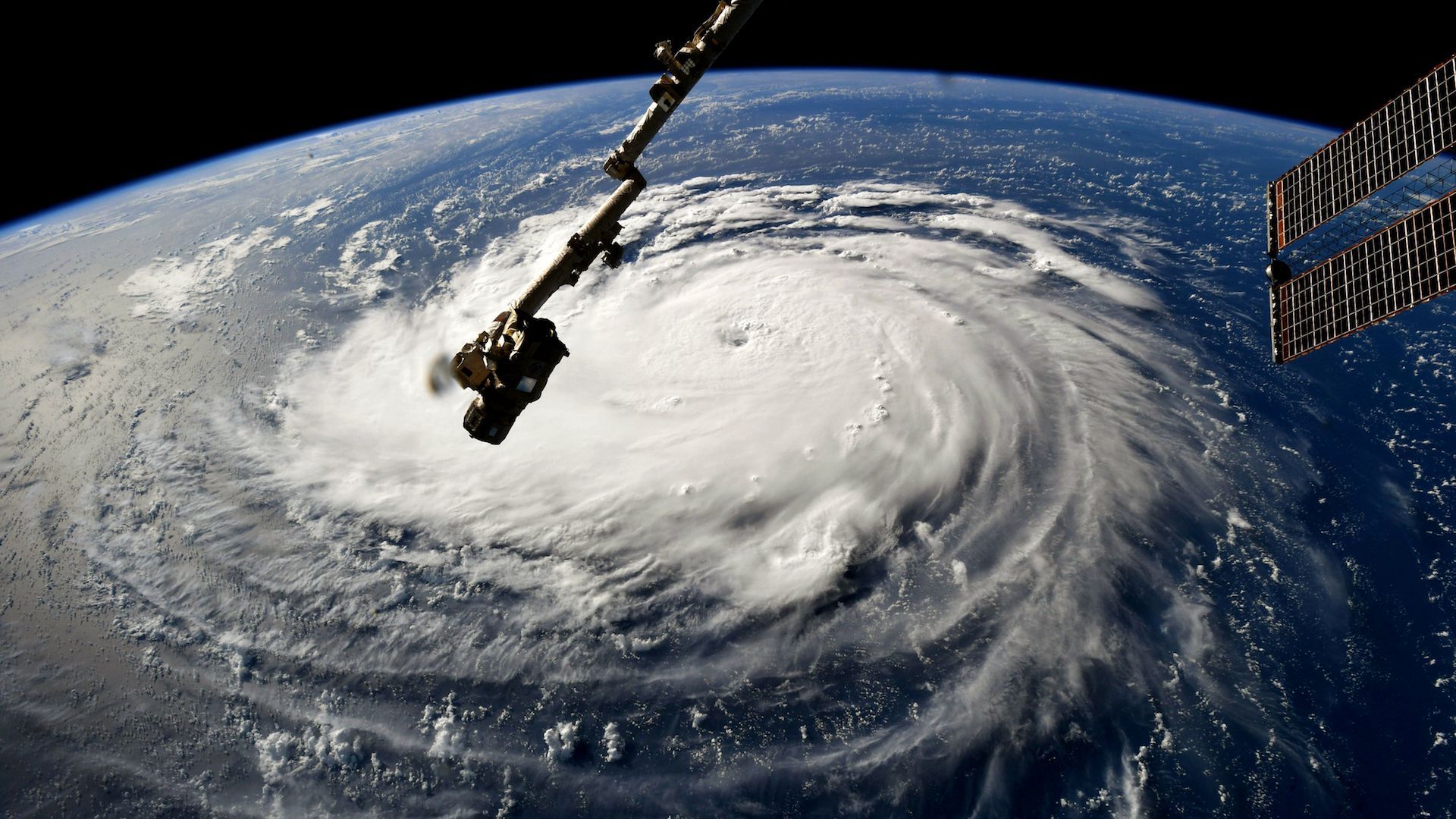
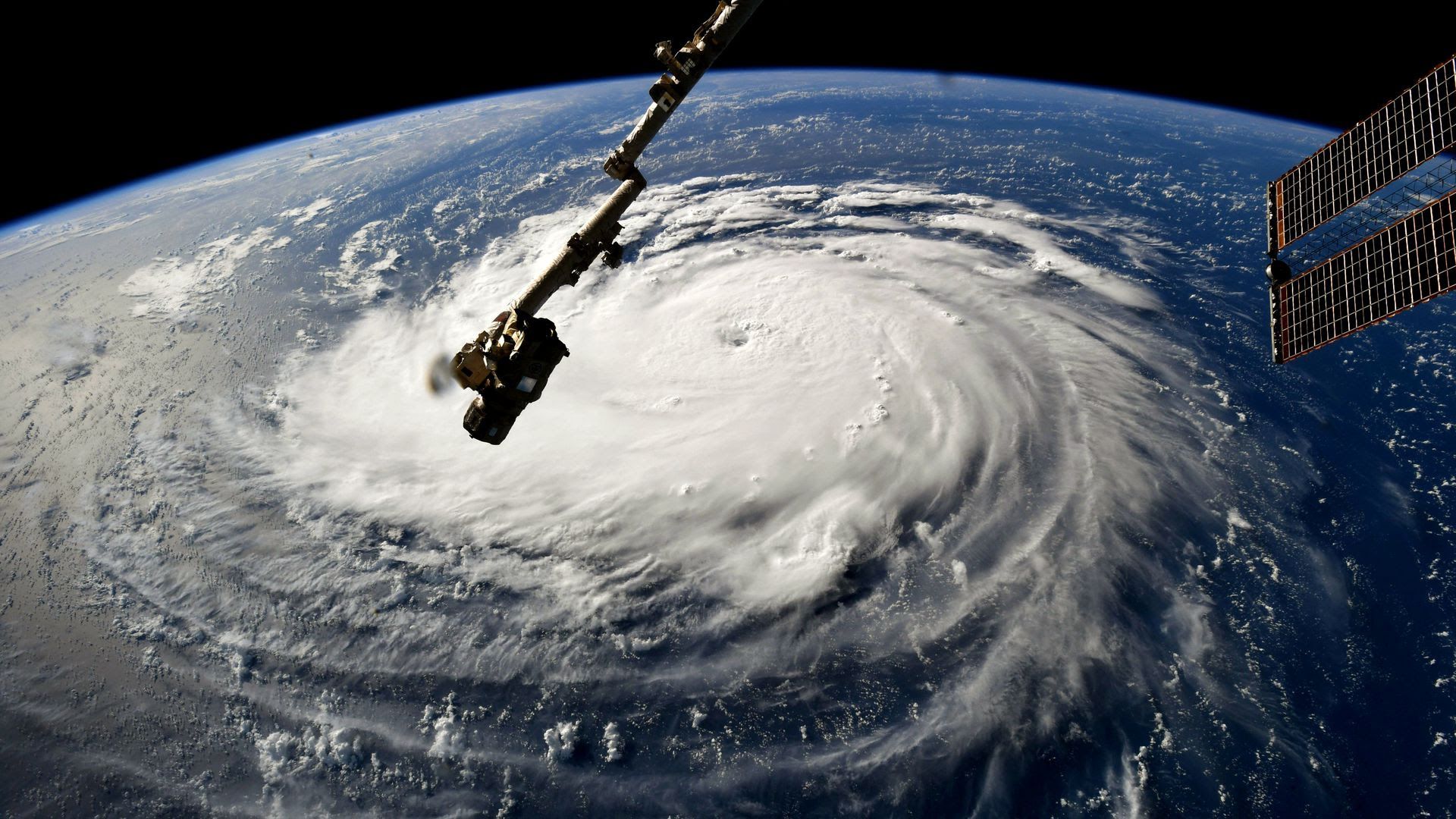
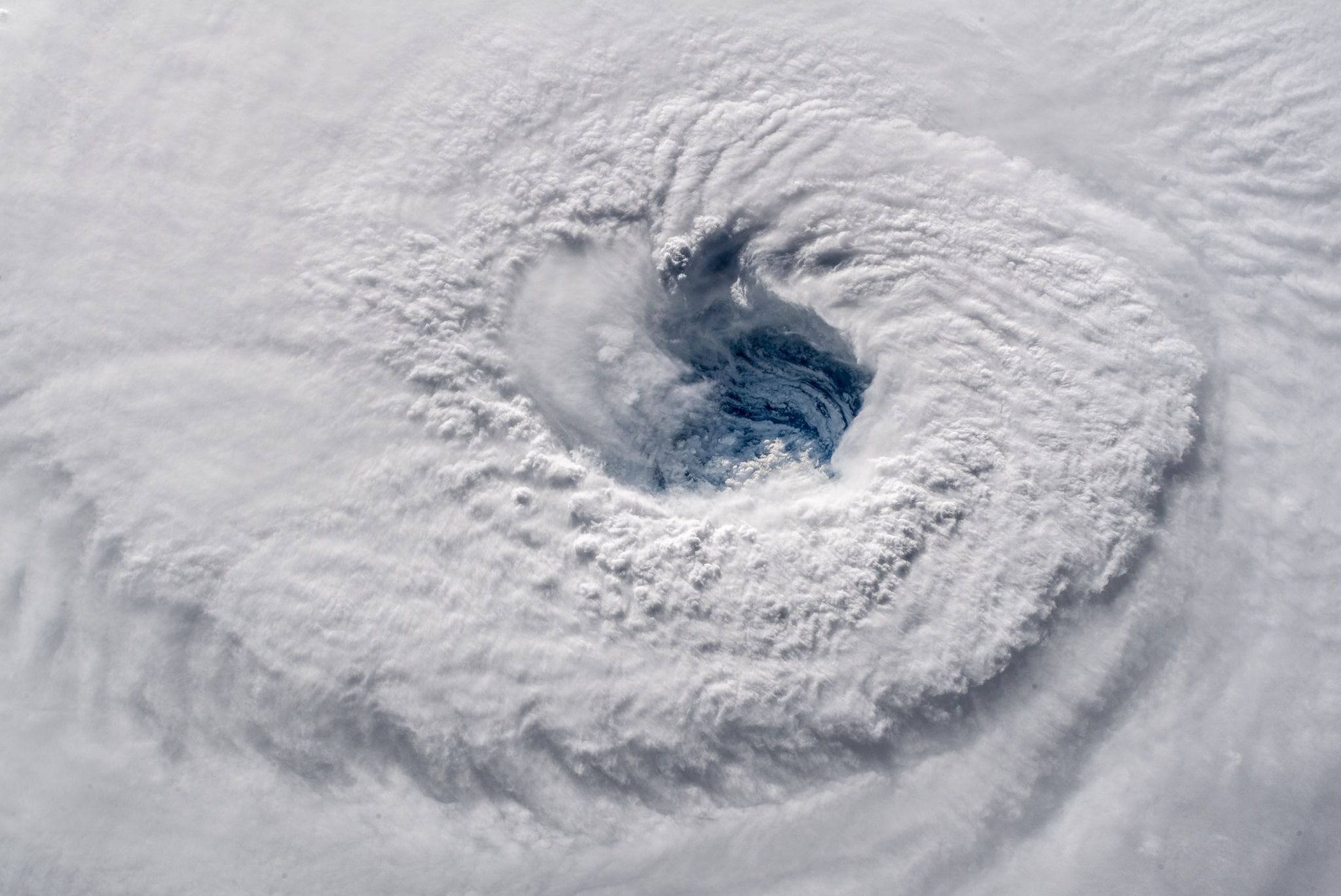
On Wednesday morning, European astronaut Andrew Gerst captured a unique set of photos of the massive Hurricane Florence barreling towards the East Coast.
At the time of these pictures, Florence was a Category 4 storm with a 25-mile-wide eye, based on hurricane hunter aircraft flying inside the storm. Gerst used "a super wide angle lens from the International Space Station, 400 km directly above the eye" to capture the images. These are angles few people ever get to witness firsthand, and almost manage to make the destructive storm look beautiful and serene — almost.
Several nuclear power plants in North Carolina and nearby states are bracing for Hurricane Florence, including a plant right in its path with the same design as the Japanese reactors that melted down in 2011 when a tsunami knocked out backup power.
Why it matters: While the probability is very low, the risk of a storm-fueled accident at a nuclear plant could be devastating and threaten the health of tens of thousands of people living nearby.
Hurricane Florence is on track for an unprecedented collision with the Carolinas, where it threatens to bring a deadly mix of storm surge flooding, high winds and catastrophic inland flooding.
The big picture: Florence is a nightmare of a storm: It's unusually large, contains waves towering to at least 83 feet, and is preparing to push a virtual wall of water onto the coastlines of North and South Carolina. The surge will not behave the same way residents of coastal communities there are used to. Instead, it may hammer the coast of North Carolina for 24 hours or more, and then slide from northeast to southwest, down into South Carolina, as the storm meanders.
Dan dives into Hurricane Florence and how extreme weather impacts business, with Axios Science editor Andrew Freedman. Plus, talk of possible vaping ban and why Sprint's merger with T-Mobile is no longer a sure bet.
New York House candidate Alexandria Ocasio-Cortez denounced the Trump administration for its response to Hurricane Maria in Puerto Rico — where the storm ultimately resulted in nearly 3,000 deaths — after the president's repeatedpraise.
"The 1 year anniversary of Hurricane María is next week. Some of my PR family JUST got power a few weeks ago. People are developing respiratory issues partly due to airborne fungal spores from lack of proper cleanup. The admin’s response to Puerto Rico has been a disaster."
"We got A Pluses for our recent hurricane work in Texas and Florida (and did an unappreciated great job in Puerto Rico, even though an inaccessible island with very poor electricity and a totally incompetent Mayor of San Juan). We are ready for the big one that is coming!"
Hurricane Florence will likely wreak havoc on the health care systems in North and South Carolina when it makes landfall later this week, and preparations are already underway to deal with consequences ranging from stranded patients to disruptions in high-tech pharmaceutical manufacturing.
The big picture: As we all learned from Hurricane Maria, a major storm's impact on health care lasts a long time. The Southeast mainland has better existing infrastructure than Puerto Rico did, but there's still a lot to prepare for.
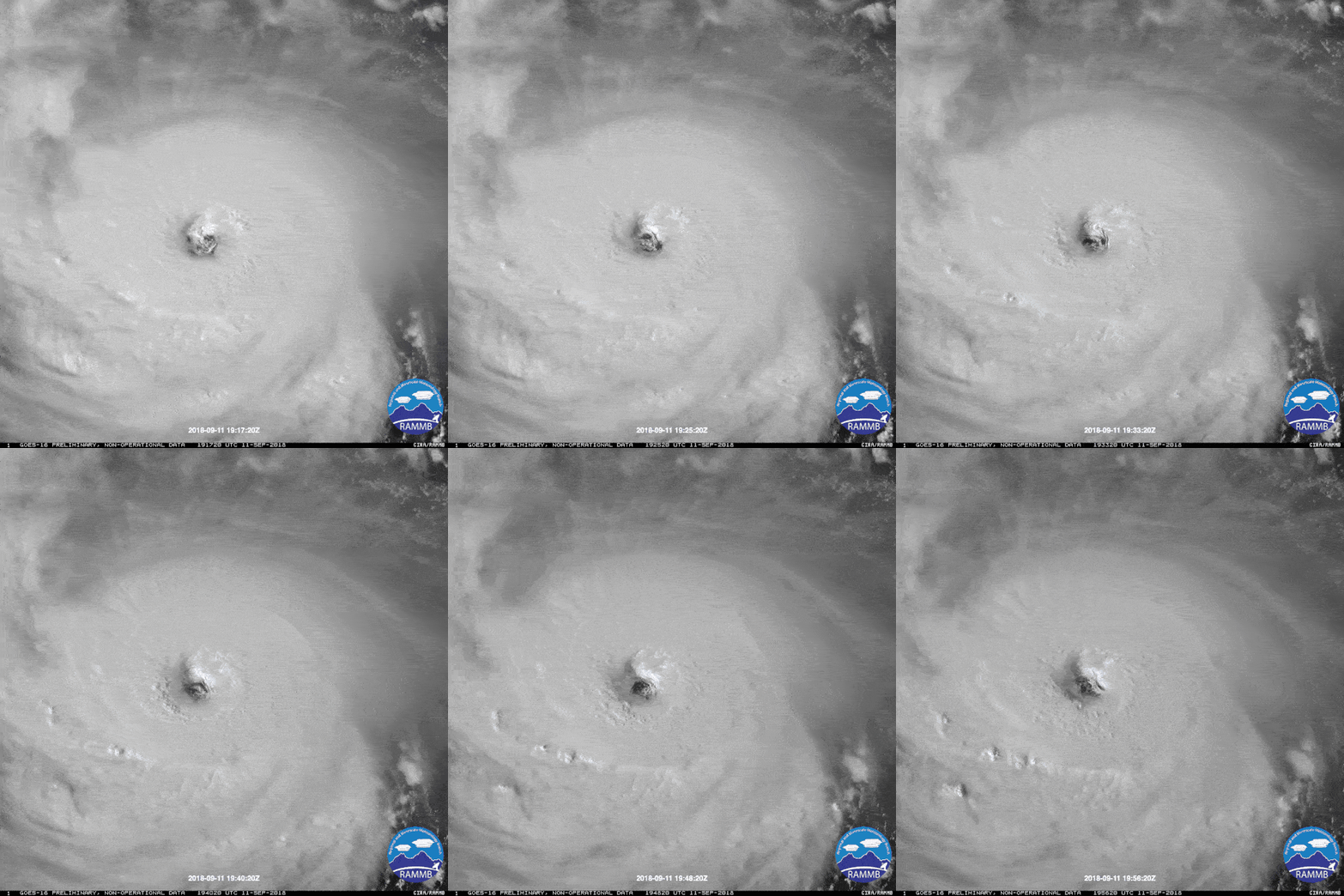
Visible satellite loop of Hurricane Florence on Sept. 11, 2018 as of 4:05 pm ET. Image: NOAA via CIRA/RAMMB
Hurricane Florence continues to churn menacingly toward the Carolina coastline — about two days away from coming very close to landfall in North Carolina. The storm will be capable of causing extreme damage, and will deliver a deadly one-two punch of coastal impacts from storm surge flooding and high winds, along with an inland deluge that will turn farms and communities into a virtual extension of the Atlantic.
The big picture: The odds that Florence will hit the brakes as it nears the coast have increased, and while this could lower the storm's peak winds at landfall, it will only mean a different set of deadly impacts. The storm surge flooding from a massive storm with an unusually large wind field and slow forward speed, along with freshwater inland flooding from a staggering amount of rain — up to 3 feet in some areas, are the leading threats to pay attention to.
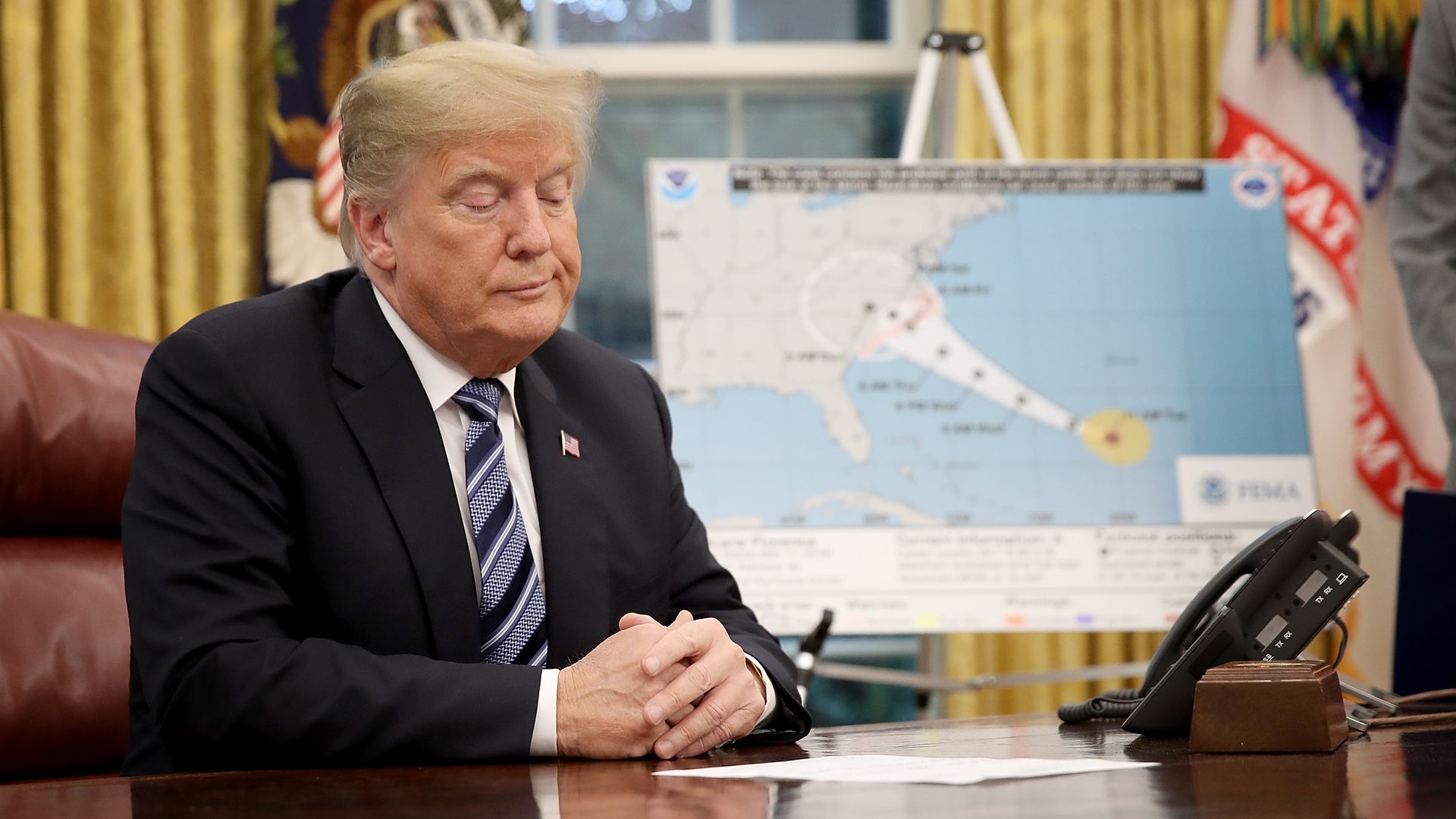
During a meeting on the approach of Hurricane Florence, President Trump said his administration's response to Hurricane Maria was "incredibly successful," calling it "one of the best jobs that's ever been done."
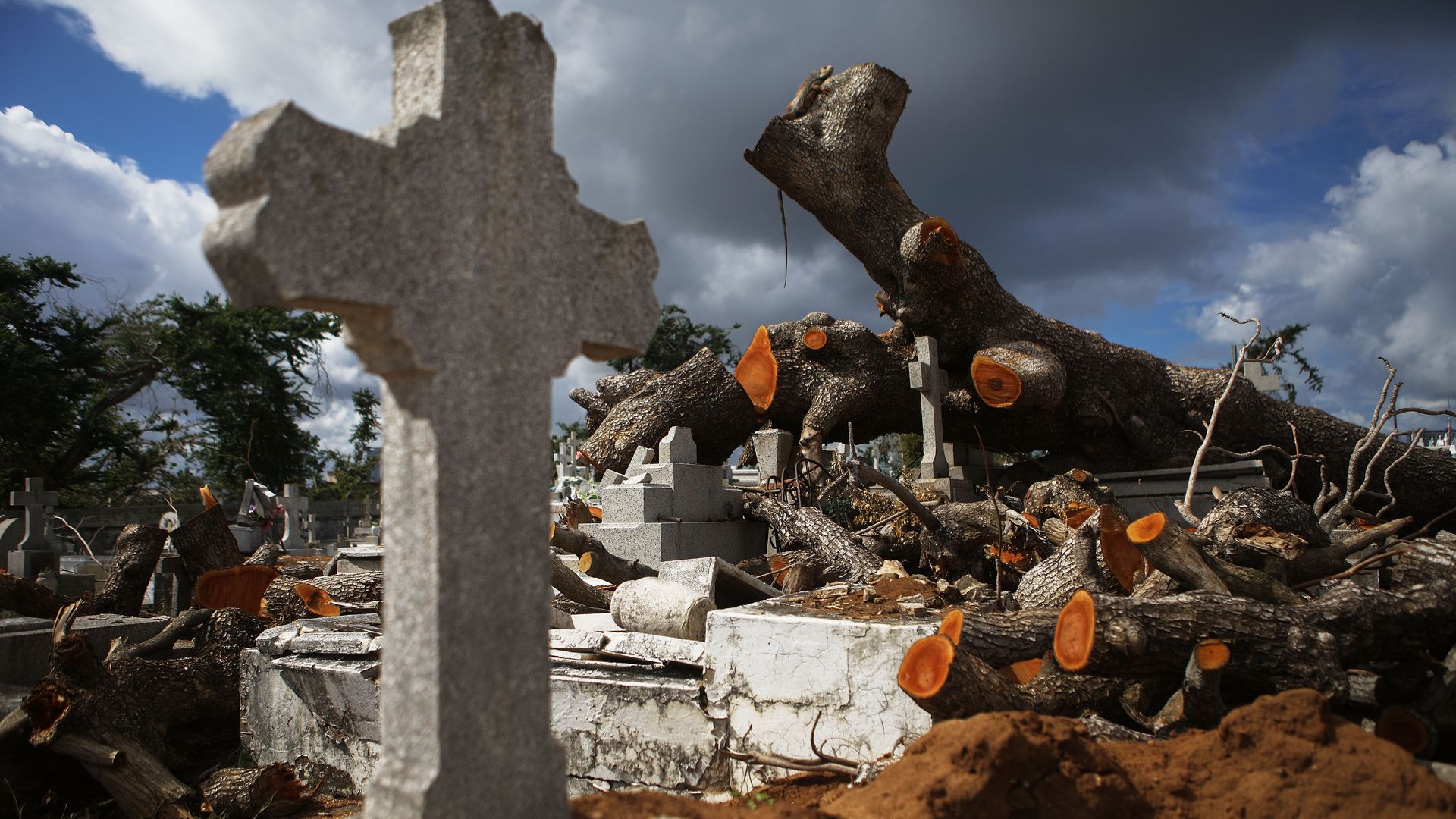
Why it matters: Nearly 3,000 people died as a result of Hurricane Maria, a number many lawmakers are pointing to in rebuking Trump's comments. The administration has previously faced heavy criticism for its response to the Category 4 storm that knocked out Puerto Rico's power grid and caused a humanitarian disaster.