President Trump should use the Defense Production Act to ramp up the country's domestic production of medical masks, gowns and other items crucial for health care workers to fight the novel coronavirus, the American Hospital Association, American Medical Association and American Nurses Association wrote in a letter on Saturday.
Why it matters: Officials on the White House coronavirus task force had no firm answers on Saturday when asked when doctors and nurses across the country can expect to receive face masks to protect themselves while treating patients with COVID-19.
Sadly,the more we learn about the coronavirus pandemic, on both the medical and economic sides, the worse the best-case scenarios become.
Why it matters: Some readers tell us they think virus coverage has been overly dramatic. So we wanted to share with you the consensus of what the most clear-eyed, serious, optimistic people are saying, as a way to focus our minds.
Nigeria is reporting two poisonings from the drug chloroquine, a drug that's been touted as a potential but as-yet unproven treatment for coronavirus, Bloomberg reports.
Reality check: Health officials are warning against self-medicating with the drug, whose safety and effectiveness for coronavirus patients has not been proven.
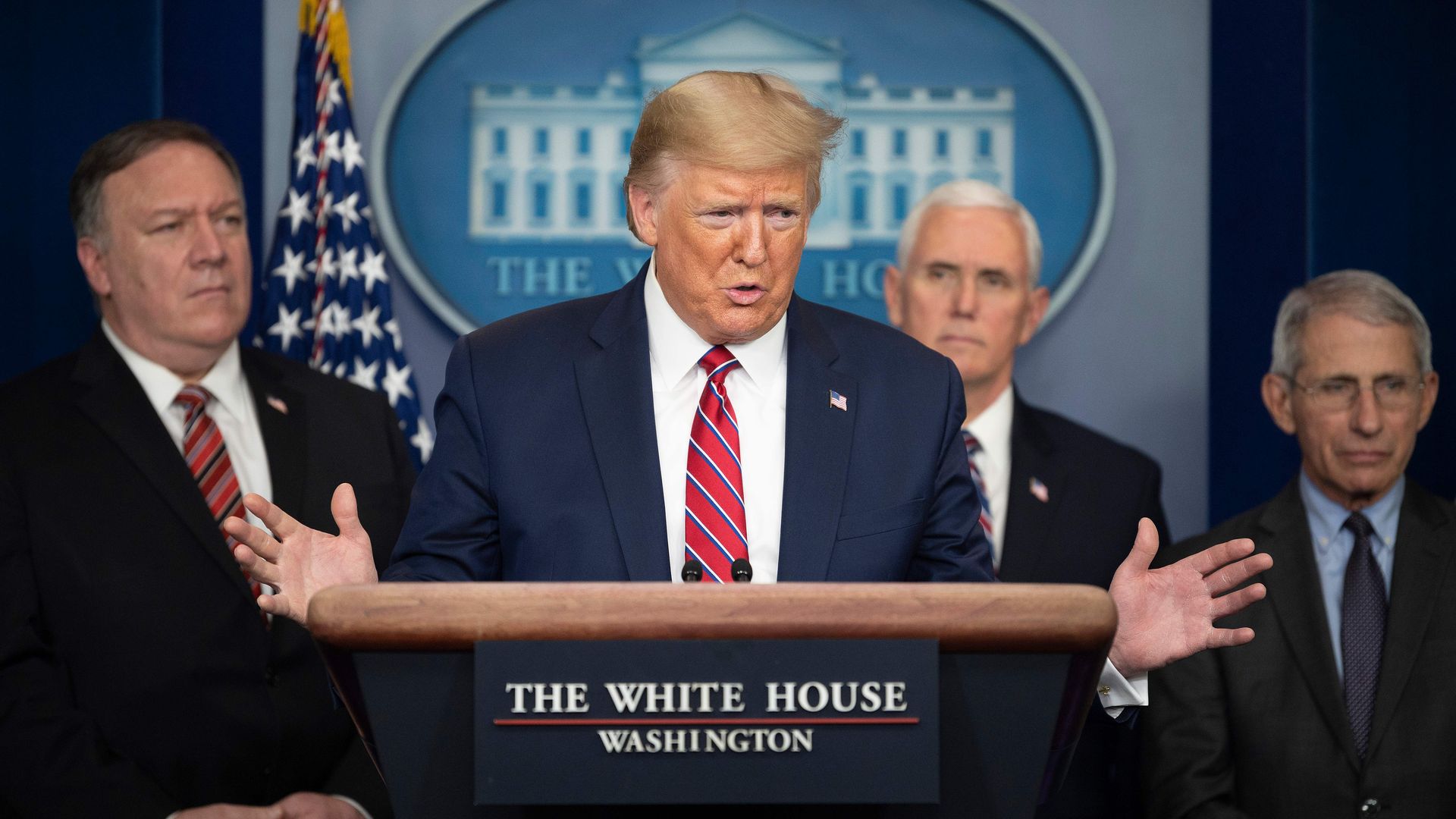
Officials on the White House coronavirus task force had no firm answers on Saturday when asked when doctors and nurses across the country would receive medical masks to protect themselves while treating patients with the novel coronavirus.
What they're saying: "Sooner than weeks, it's going to be days, I would hope. We're going to try to make it days to the best possible way that we can," Dr. Anthony Fauci, the director of the National Institute of Allergy and Infectious Diseases, replied when reporters asked him about the timeline for delivering masks.
President Trump says he has invoked the Defense Production Act but has provided few details about what he's ordered to address the coronavirus outbreak in the U.S.
Why it matters: Hospitals around the country are coping with a lack of medical supplies and respirators as the number of Americans in need of treatment for COVID-19 rises. The act would authorize Trump to use his presidential powers to direct the private sector to ramp up the production of critically needed materials, like masks and ventilators, in the interest of national defense.
General Motors is exploring how it can help a small ventilator manufacturer ramp up production, but it is unlikely to make medical equipment itself as part of a broader wartime response to the novel coronavirus, as President Trump suggested Friday.
Why it matters: While GM CEO Mary Barra offered the automaker's help in fighting the global pandemic, the company is scrambling to keep up with the president's public statements. But it is wrong to assume that automakers can quickly retool industrial factories to make precision medical equipment the way they made bombs, tanks and airplanes during World War II.
President Trump tweeted on Saturday that hydroxychloroquine, an anti-malaria drug, and azithromycin, an antibiotic, "have a real chance to be one of the biggest game changers in the history of medicine" when taken together — as novel coronavirus cases surge in the U.S.
Reality check, via Axios' Sam Baker: Hydroxychloroquine has shown some promise against the coronavirus in a very small French study, but it is not federally approved to treat the COVID-19 because no official studies have been conducted to determine whether it's both safe and effective for those sick patients.
In this week’s episode of “Axios on HBO”, Axios co-founder Mike Allen talked with Sen. Ted Cruz while he was in self-quarantine. Sen. Cruz returned to Washington, D.C. on March 18. Catch the full interview this Sunday at 6 p.m. ET/PT on all HBO platforms.
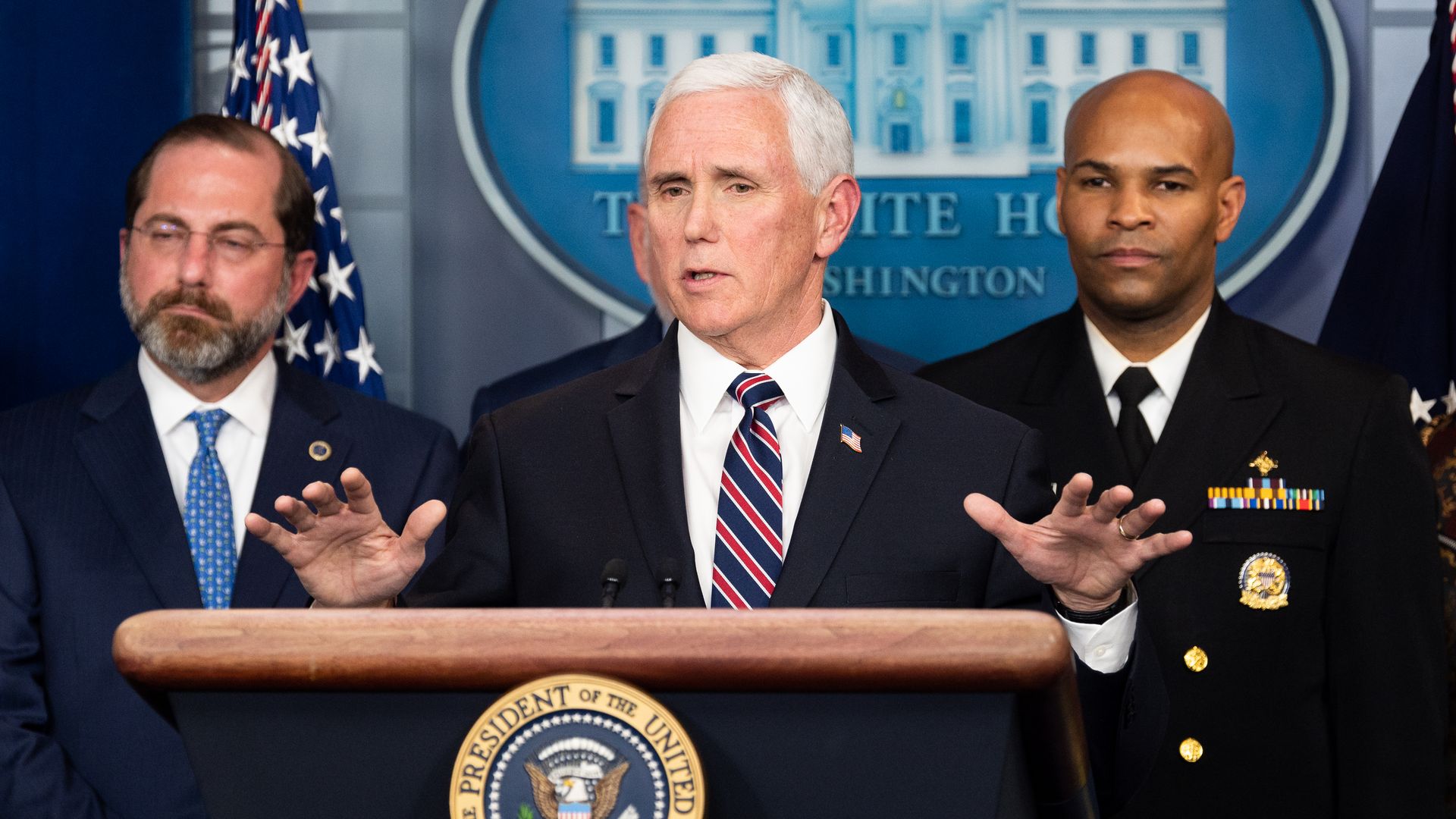
A member of the Office of the Vice President has tested positive for the coronavirus, Katie Miller, Pence's press secretary, said Friday evening.
What she's saying: "Neither President Trump nor Vice President Pence had close contact with the individual. Further contact tracing is being conducted in accordance with CDC guidelines," Miller said in a statement.
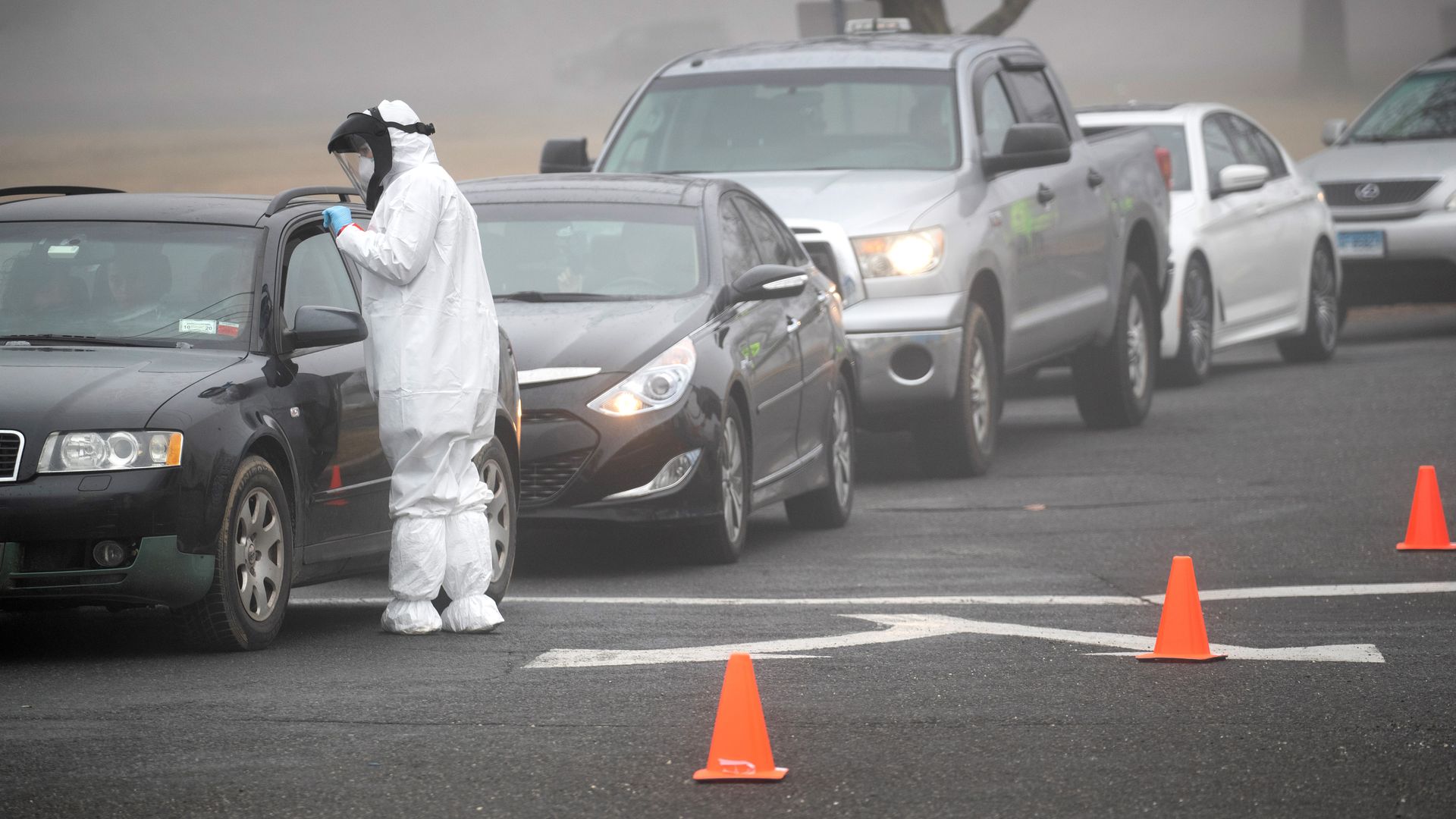
Non-essential businesses in Connecticut must close at 8 p.m. on Monday to combat the novel coronavirus through social distancing, Connecticut Gov. Ned Lamont and state officials said on Friday.
What he's saying: "Don't open your retail store unless you're involved in some essential service, like food, grocery stores, or health care as in pharmacies, fuel as in gas stations. I want to see all the rest of those non-essential services closed. Closed for at least a few weeks or for the foreseeable future," Lamont said. Businesses could face civil fines if they remain open.
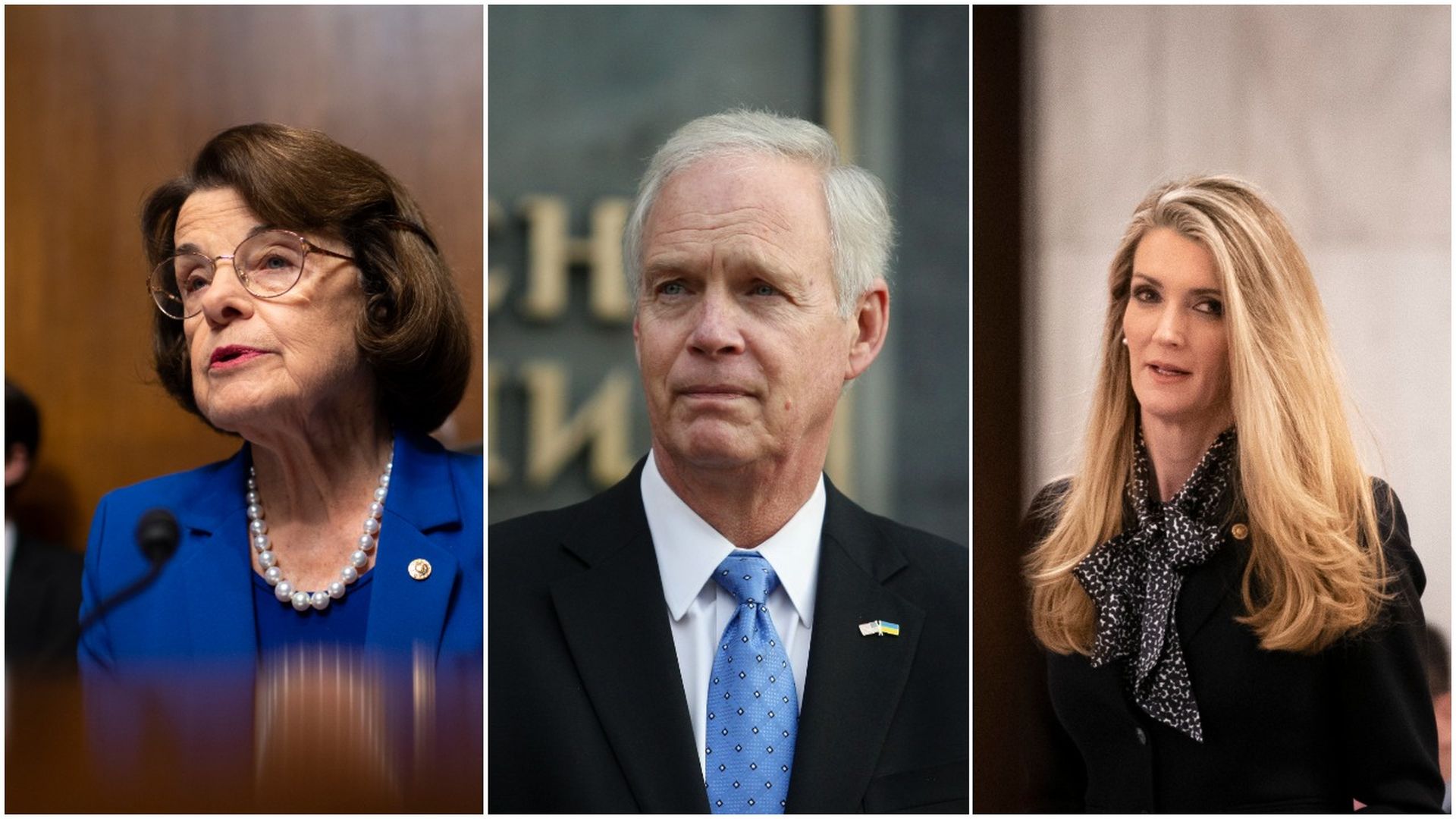
Several U.S. senators have come under fire for making large stock trades while President Trump and other federal officials publicly downplayed the novel coronavirus threat, but after the lawmakers received a private briefing on the potential seriousness of COVID-19.
The state of play: The trades have sparked insider trading accusations, but it's impossible to know for sure without an investigation by the Justice Department or the Securities and Exchange Commission.
Illinois residents in the state will be subject to a stay-at-home order from 5 p.m. on Saturday until the end of April 7, Illinois Gov. J.B. Pritzker announced on Friday.
Why it matters: Fivedeaths from COVID-19 have been reported in the state, per the Illinois health department, with 585 confirmed cases as of Friday — 163 more than Thursday. Most recorded cases are currently in Chicago and surrounding counties.
Despite what you've heard from congressional Republicans over the last decade, there's no limit to how much the government can spend — and that'll become evident as the federal government prepares its "phase three" coronavirus stimulus package.
Why it matters: U.S. government spending is about to skyrocket, with checks going out to individuals, loans being handed to companies and other attempts to stanch the coming economic pain.
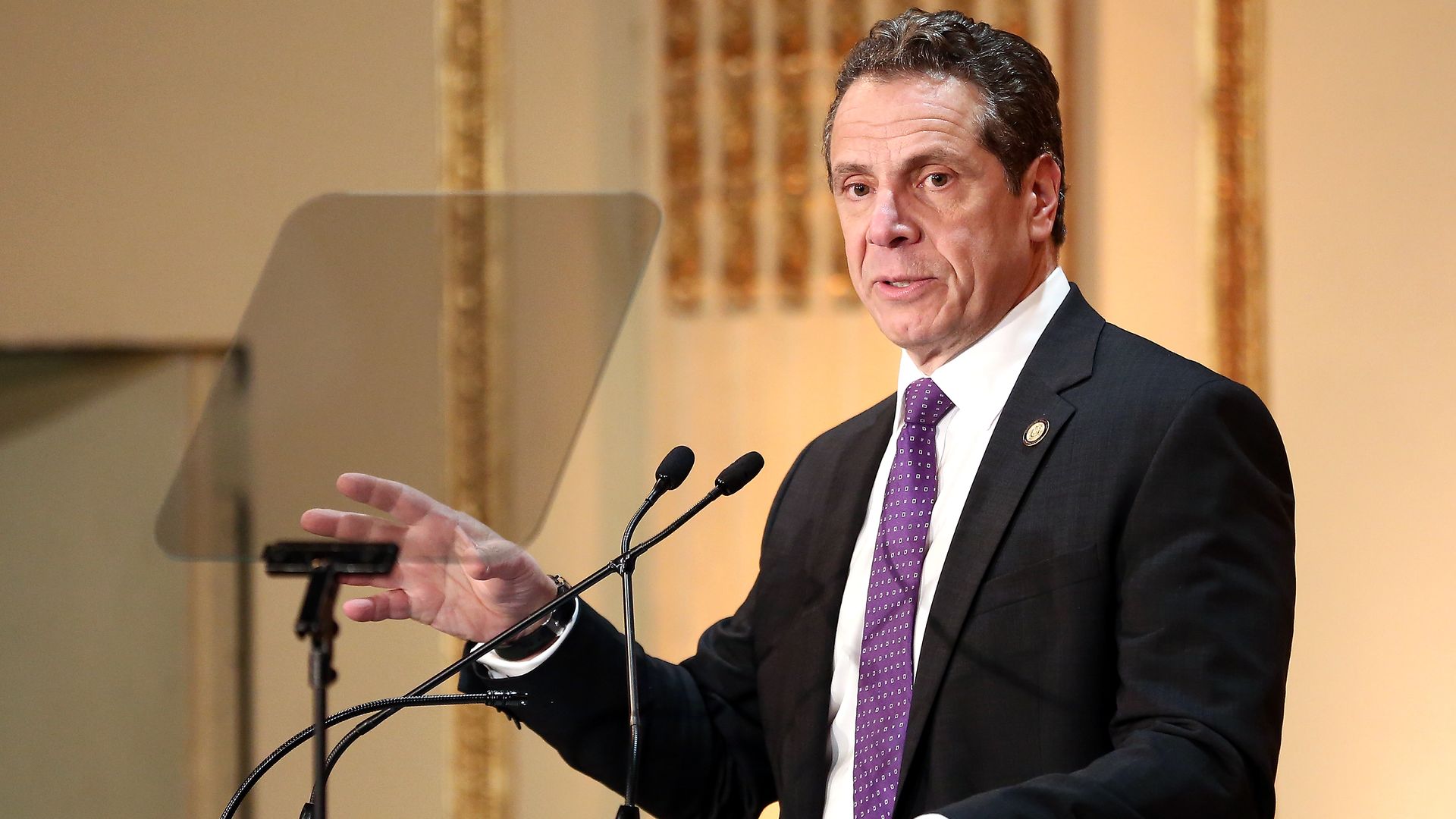
New York Gov. Andrew Cuomo (D) announced Friday that the state's entire workforce must stay home amid the coronavirus outbreak — except for those who work in essential services like grocery stores, banks and pharmacies.
Why it matters: With an uptick in testing and community spread, New York now has over 7,000 confirmed coronavirus cases — far surpassing any other state. Cuomo said that the new provisions "are not helpful hints" and will be enforced with "a civil fine and mandatory closure for any business that is not in compliance."
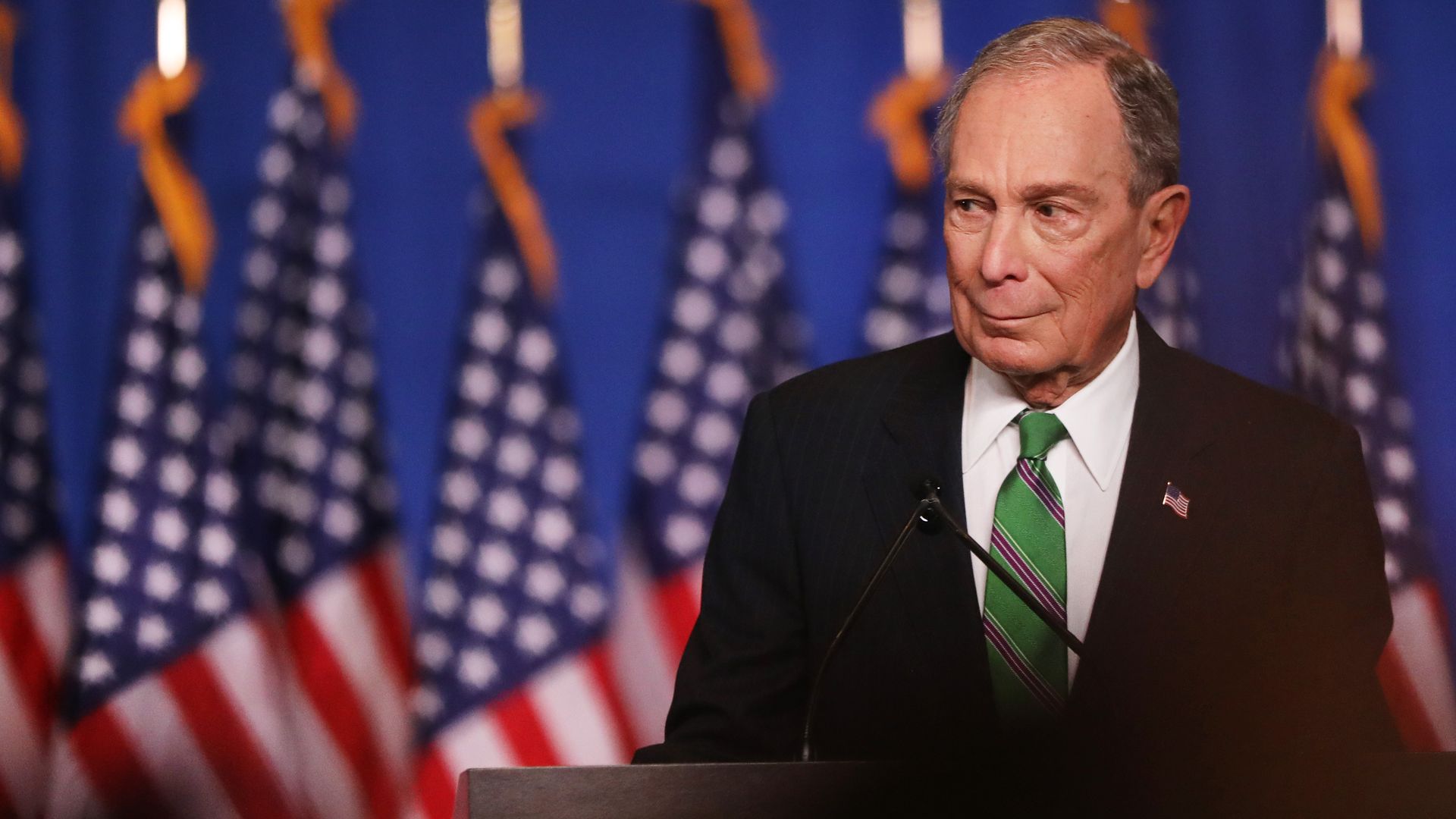
Mike Bloomberg's 2020 campaign announced Friday that he would scrap his plan to create his own PAC — which would utilize his campaign infrastructure and staff to support the Democratic nominee — and will instead donate $18 million to the DNC.
Why it matters: It's a significant reneging of a key promise from the New York billionaire, who pledged to continue to pay his campaign staff at least through November to back whoever was selected to take on President Trump.
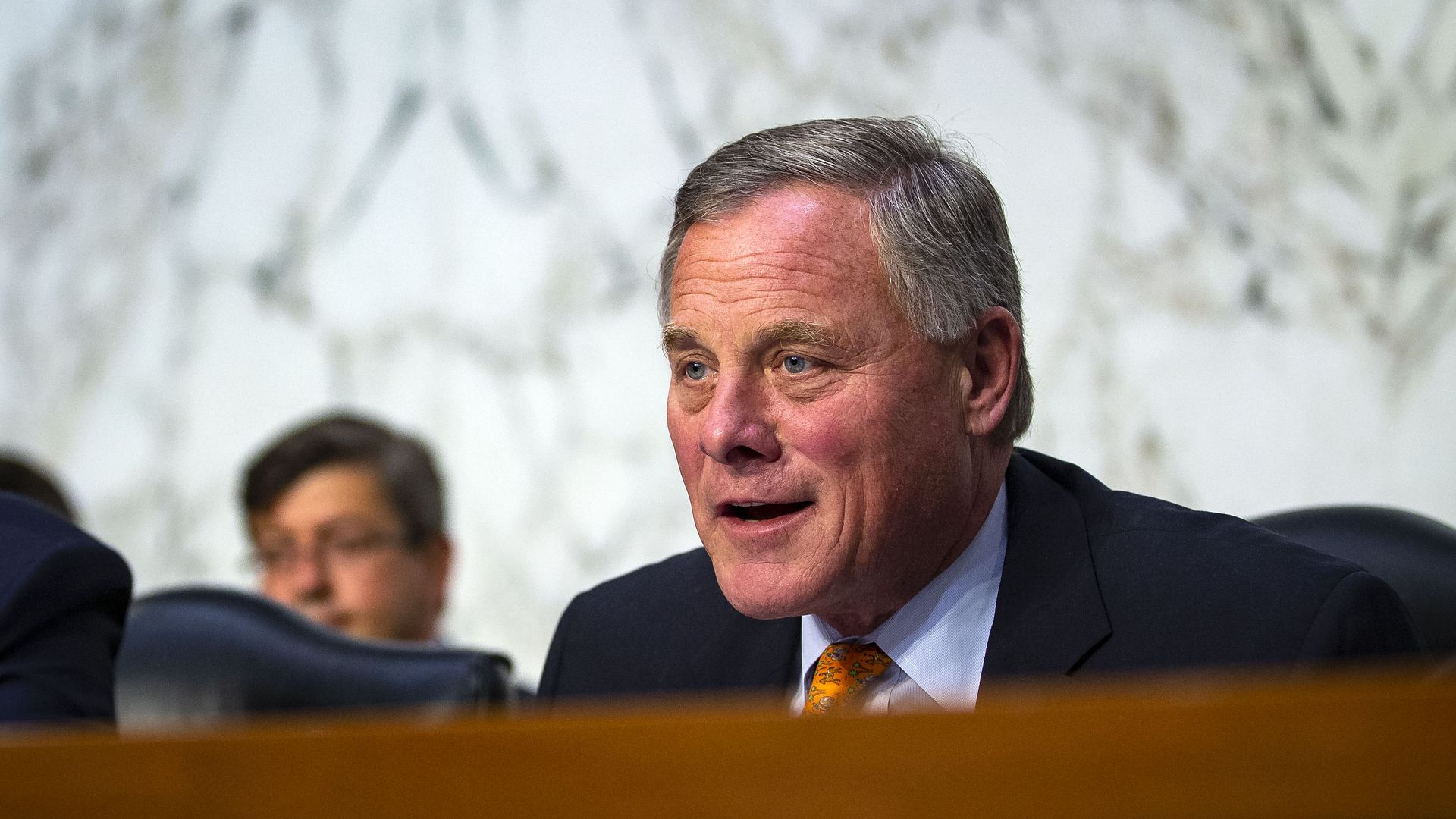
Senate Intelligence Chairman Richard Burr (R-N.C.) asked the Senate Ethics Committee on Friday to review his recent stock sell-offs.
What he's saying: Burr claimed that the trades, which came before the market crashed amid coronavirus fears, occurred because he "closely followed CNBC's daily health and science reporting out of its Asia bureaus at the time."
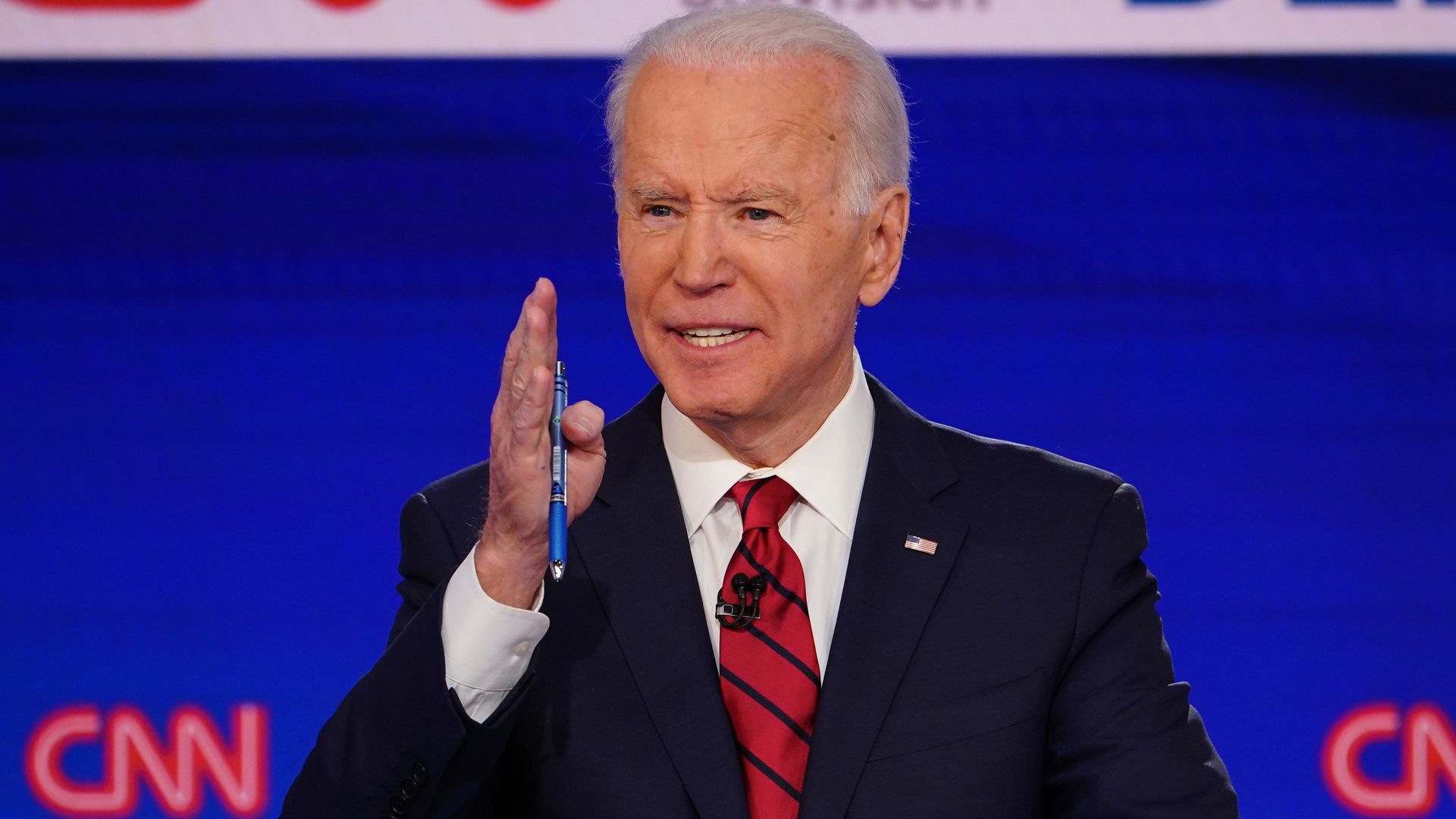
Joe Biden called on CEOs on Friday to make a commitment against stock buybacks, as the country deals with the coronavirus pandemic.
Why it matters: The demand comes as an increasing number of industries have called for economic relief from the effects of the pandemic. Companies in many of those industries have come under fire for using extra funds from tax relief to repurchase their own shares in recent years.
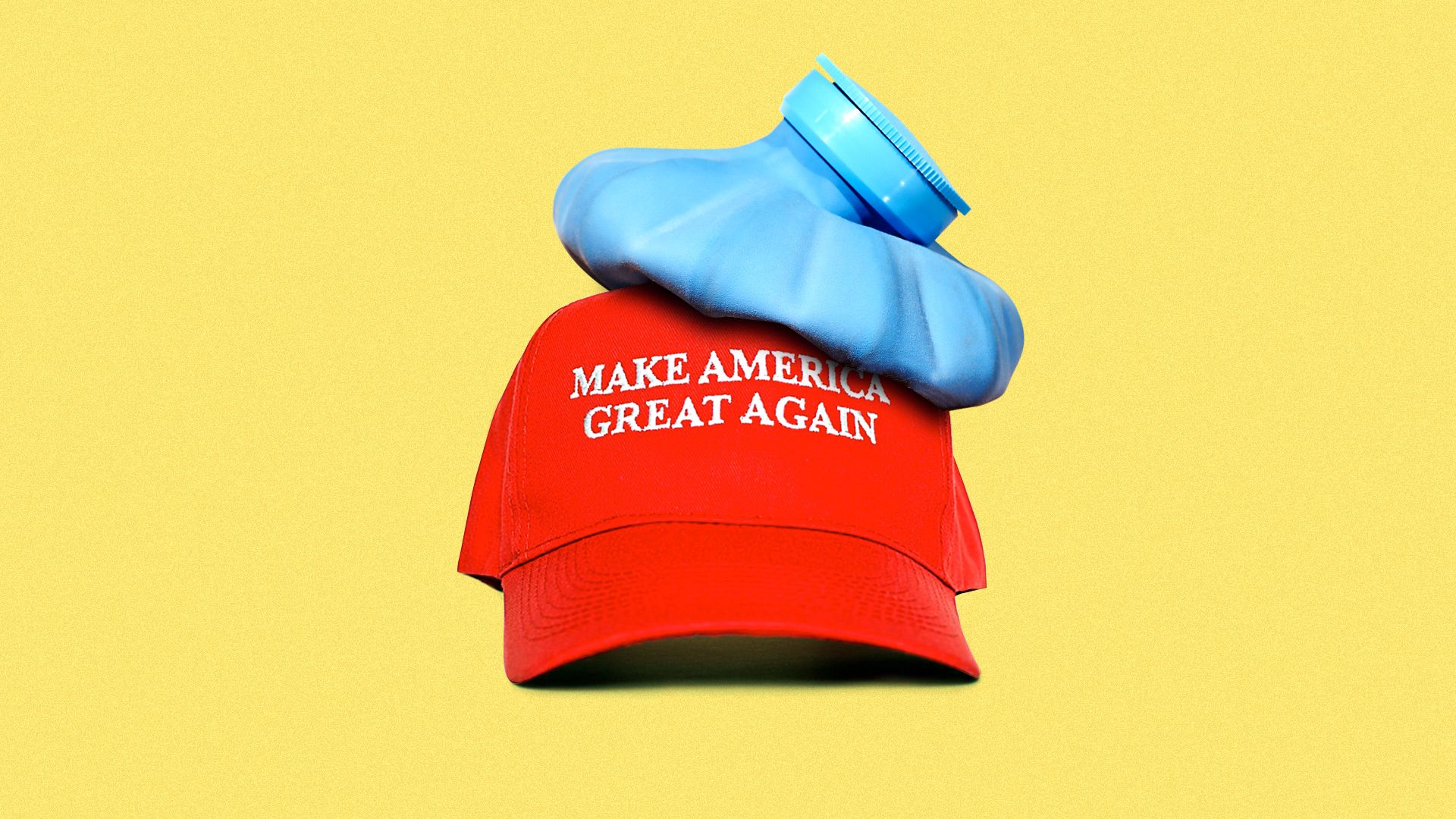
The demographics, work patterns and media habits of President Trump's base are putting many of his supporters at elevated risk for the health and economic impacts of coronavirus.
Why it matters: National surveys, including the Axios-Ipsos Coronavirus Index, found that Republicans and Midwesterners have been more likely to respond with less urgency than Americans who identify as Democrats or live in coastal centers.
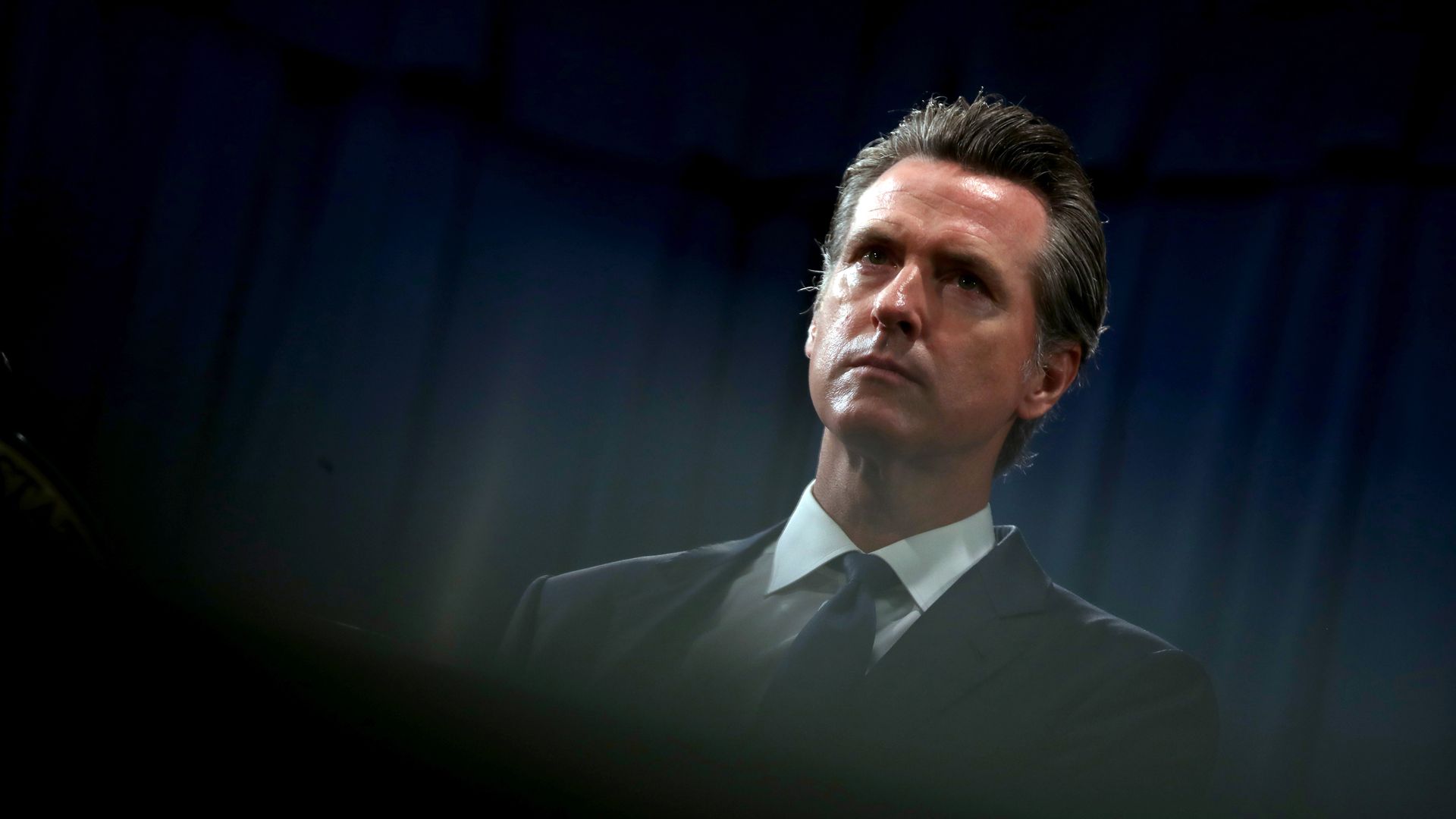
Nearly 40 million people in California are now required to a stay at home to curb the spread of the novel coronavirus, according to a Thursday evening order from Gov. Gavin Newsom.
Why it matters: This is the first statewide order of its kind in the U.S. since the coronavirus outbreak began.
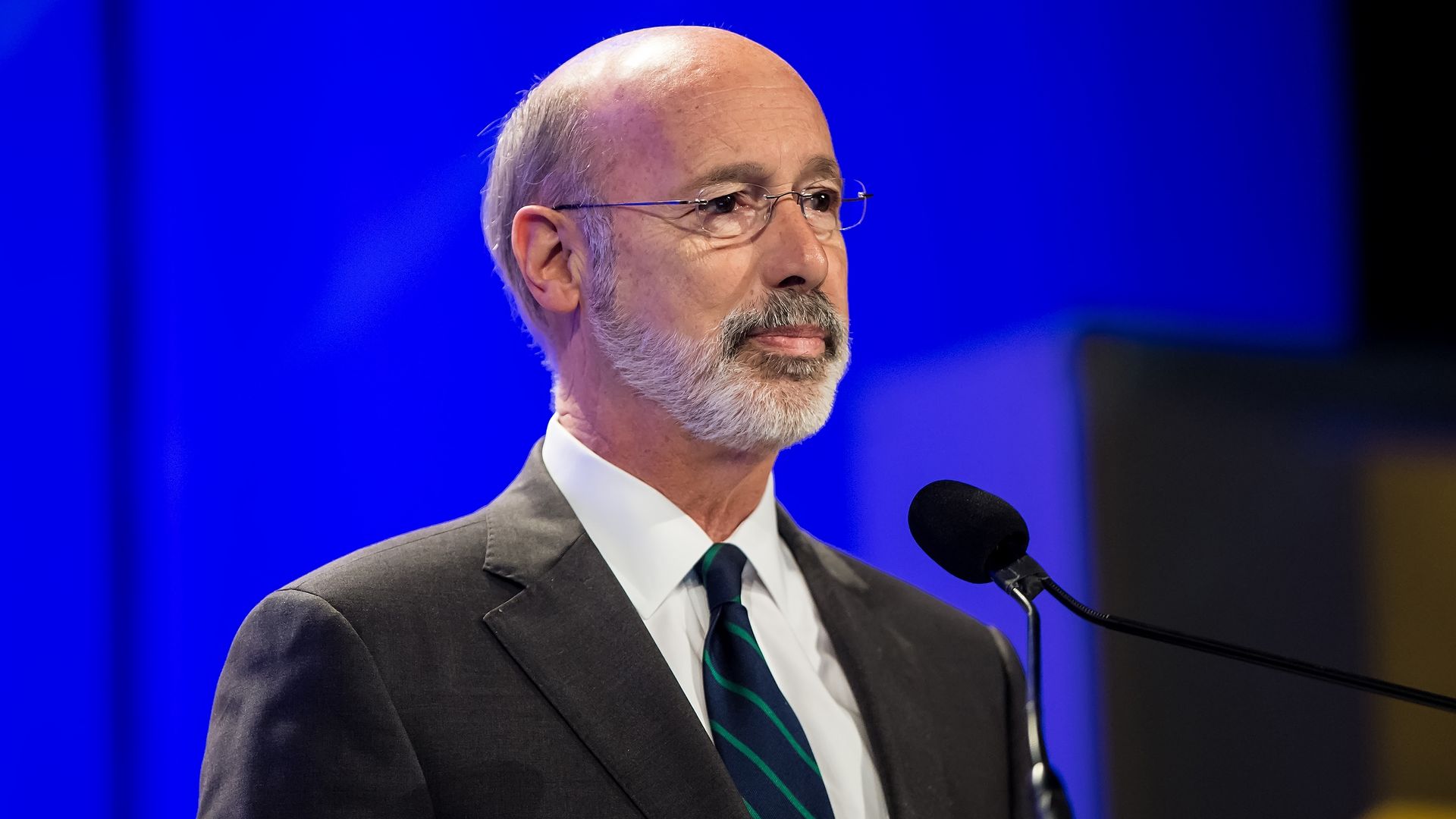
Pennsylvania Gov. Tom Wolf issued an executive order on Thursday mandating the closure of all non-life-sustaining businesses in the state to curb the spread of the novel coronavirus, per a statement.
Where it stands: The order's enforcement will begin Saturday. Municipalities and states across the U.S. have been close down non-essential businesses to minimize person-to-person contact with COVID-19 on the rise.