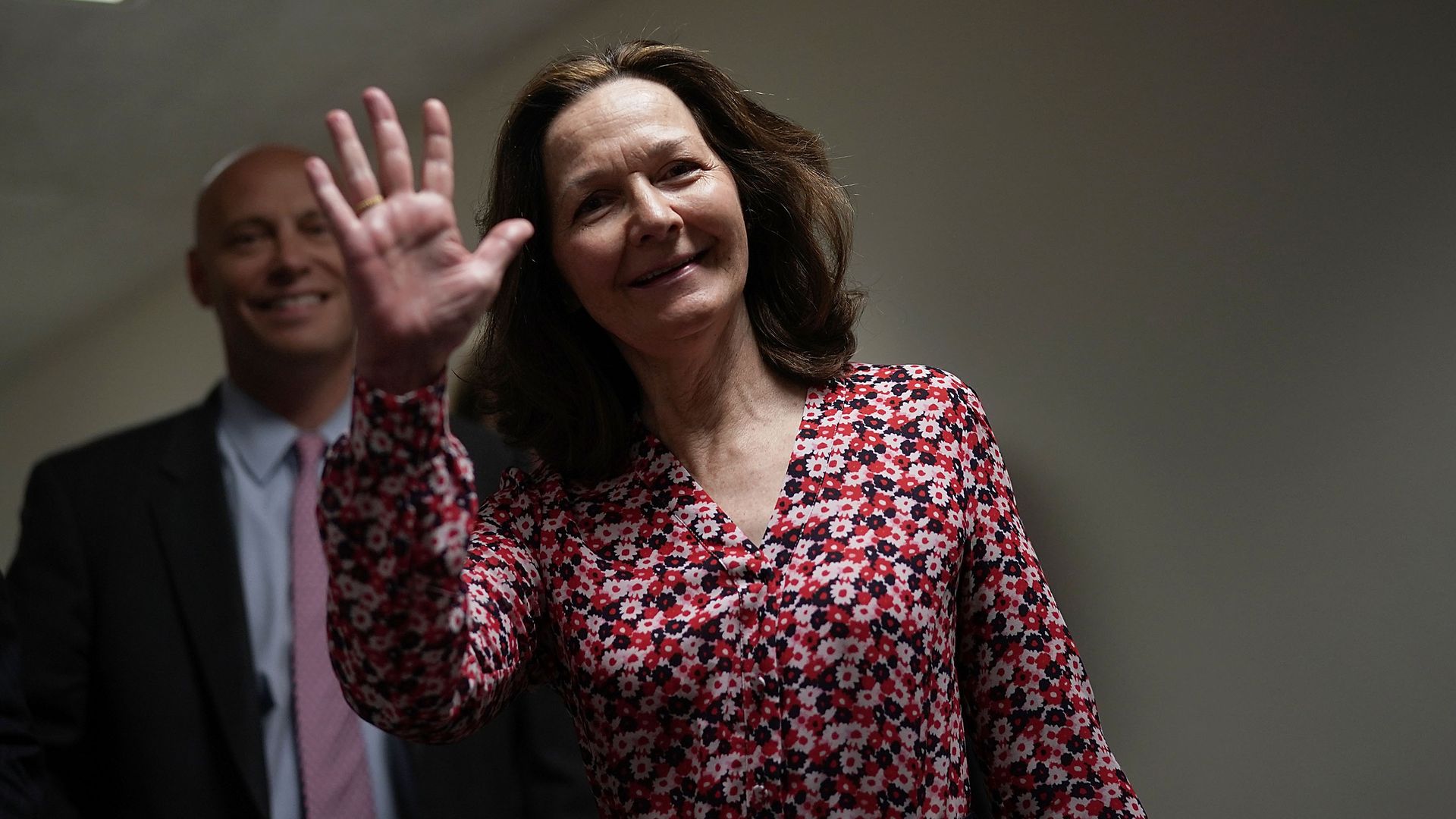
Khalid Shaikh Mohammed, the main planner of the 9/11 attacks,has asked permission from a Guantánamo Bay military judge to give six paragraphs of information about CIA nomineeGina Haspel to the Senate Intelligence Committee, according to the New York Times.
What we don't know: It's unclear what information KSM has, or why senators should trust it. KSM was tortured, but he was held in prisons in Afghanistan and Poland — not Thailand, which was overseen by Haspel. Per the Times, it's unknown whether Haspel "was involved, directly or indirectly" in KSM's torture.
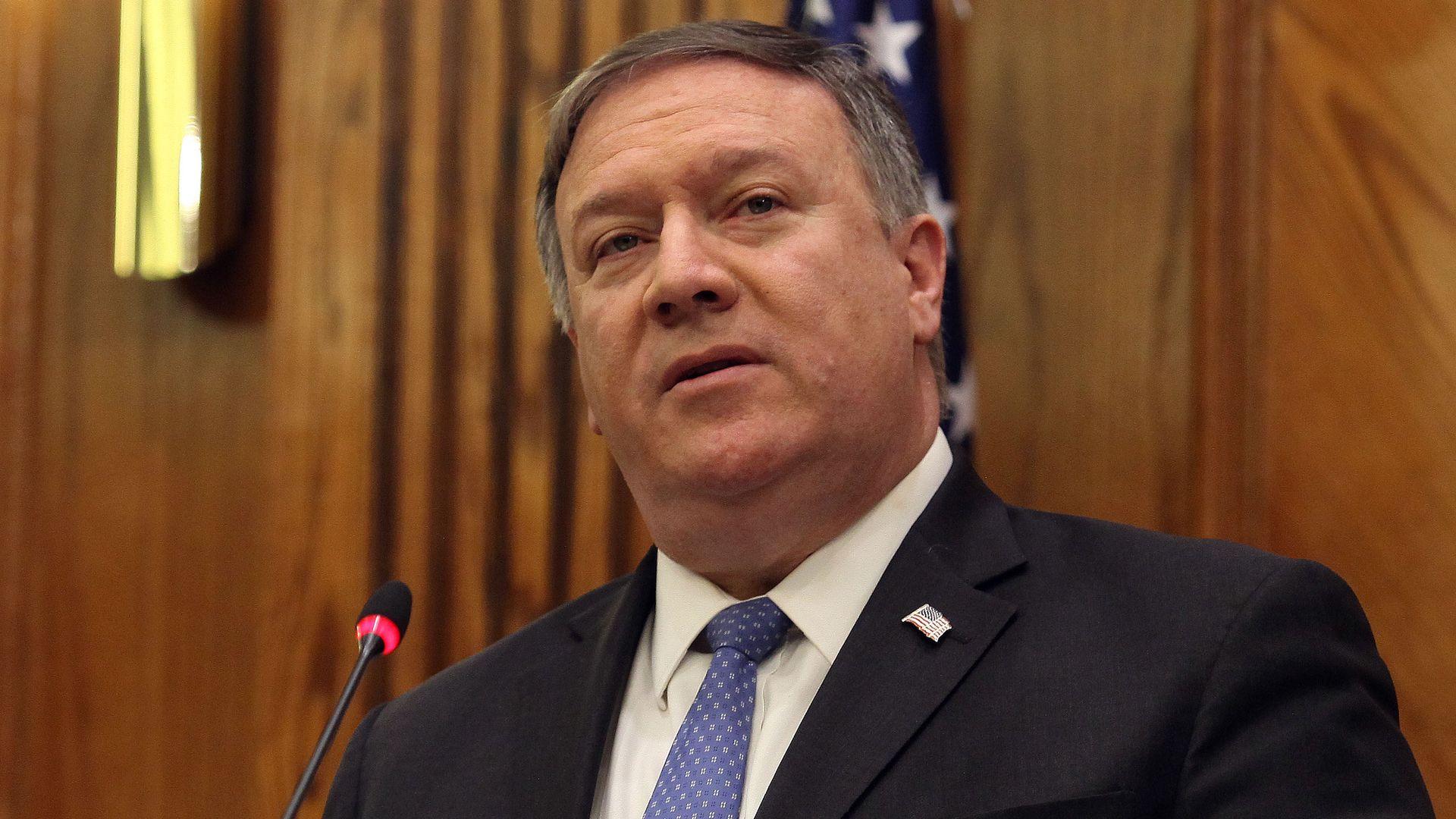
Cliff Sims, the director of White House messaging strategy, is expected to join Mike Pompeo's State Department as a senior adviser to the Secretary, according to two sources with knowledge of the planning. Politico first reported the expected move.
A source close to Pompeo told me: "Cliff will be a senior advisor to Secretary Pompeo. Cliff worked on communications for Pompeo’s confirmation and did an outstanding job, which led to Secretary Pompeo offering him that position."
The concern that Gina Haspel could restart the CIA's "enhanced interrogation" program is misplaced, according to former CIA Director Gen. Michael Hayden, who says President Trump is "the last president" the CIA would do it for.
"There is no [CIA] director who has been involved with this who would say we're going to do this again. That's not a repudiation of what we did, it's just a realization that we did it once before, we thought you had our back, and you didn't."
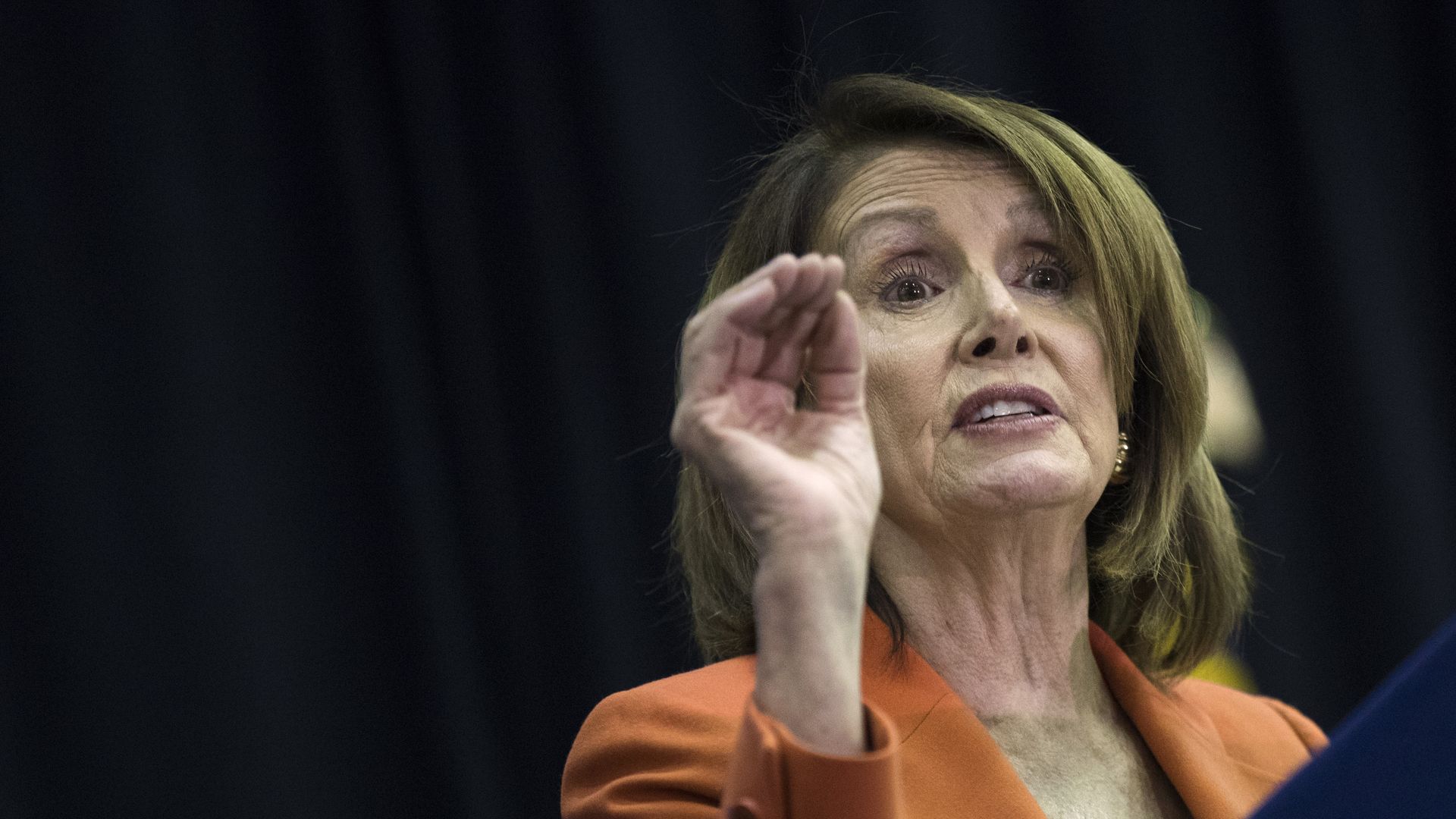
Nancy Pelosi, at a Politico event Tuesday, was asked what she thinks about Democratic candidates across the U.S. saying they won't back her as Speaker:
"I think if they have to do that to win the election, I'm all for it. ... Just win, baby."
— Nancy Pelosi
Why it matters: Several Democratic candidates, like Connor Lamb who won the PA-18 special election in March, have openly opposed Pelosi as House leader in their campaigns. This is Pelosi's first public statement acknowledging this, despite stating last week that she has no plans on ditching her leadership position.
As midterm primaries kick into high gear today, here are five signs (all Real Clear Politics averages) that the current headwinds for House Republicans could turn into a throw-out-members wave.
The bottom line: When a party is this badly under water in national sentiment and perception, individual candidates have a hard time distancing or distinguishing themselves. That's why a wave is apparent so early — 182 days before Election Day.
The Democrats have a good shot at winning a majority in the House this November, and now there's even talk of the Senate being in play — but this chart shows why that's such a long shot.
Reality check: It would take a tsunami, not a wave. Of the 35 seats up in 2018, 26 are held by Democrats or independents who caucus with the Democrats. And 10 of them are up for re-election in states won by President Trump in 2016, while Republicans only have to defend one seat in a state won by Hillary Clinton.
The Department of Homeland Security will announce a new policy on Monday that directs agents to refer anyone caught crossing the border illegally to the Justice Department for prosecution, the L.A. Times first reported and Axios has confirmed.
Why it matters: The move is directly aligned with Attorney General Jeff Sessions' new "zero-tolerance policy," and could lead to parents being separated from their children if caught crossing the border illegally — a sharp departure from current immigration procedure.
Rear Admiral Ronny Jackson’s decision to remove himself for consideration as the next Secretary of Veterans Affairs was the right move. Only a two-star officer, he lacked relevant experience running a large agency, and the congressional investigations found multiple complaints regarding his tenure as the White House physician.
The big picture: As Lisa Rein writes for The Washington Post, there are a large number of senior VA officials leaving under intense scrutiny from the White House amid a lack of leadership. In this type of environment, a VA Secretary with a four-star background would have a better chance of success.
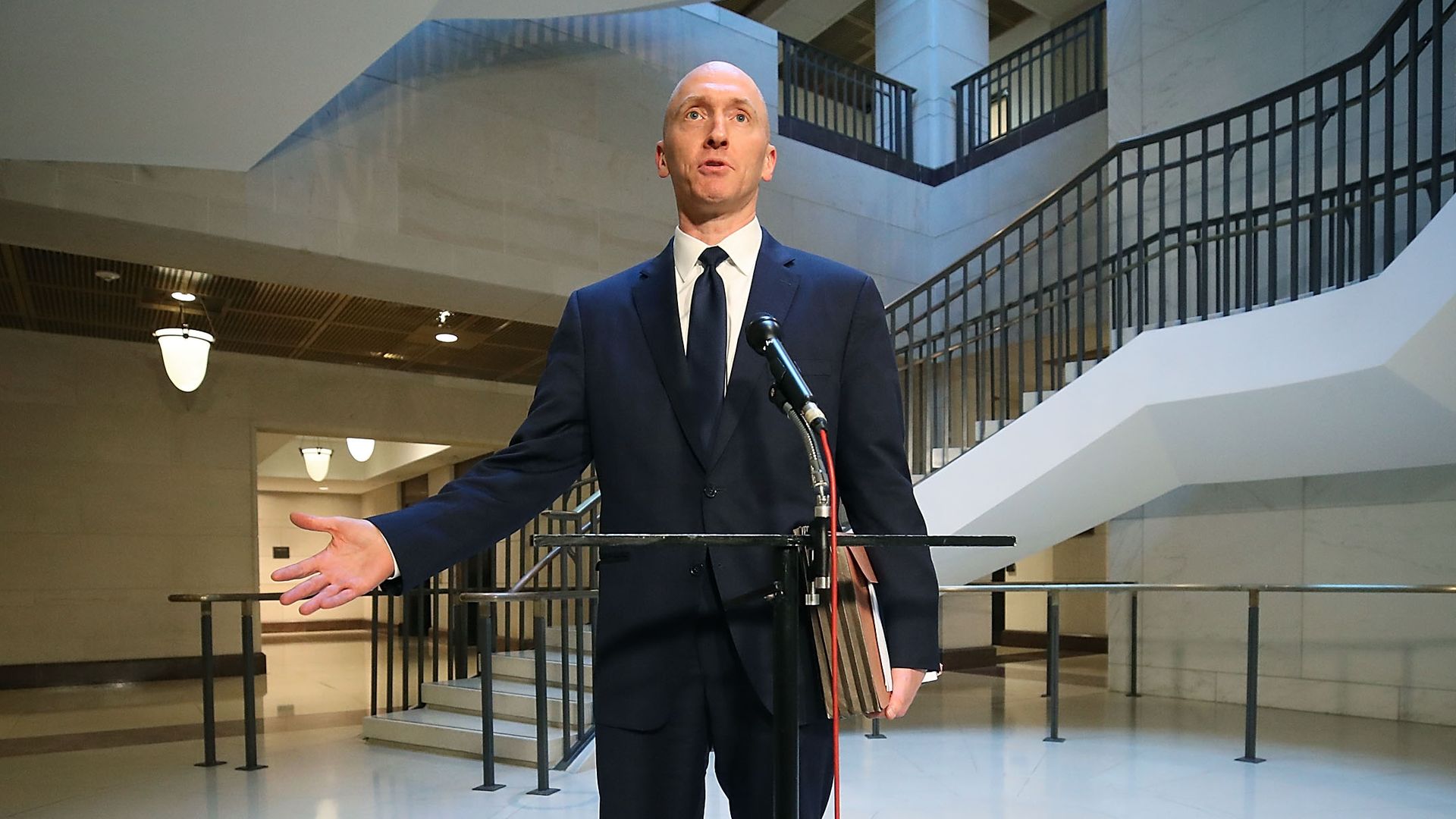
Former Trump campaign advisor Carter Page tweeted that the Senate Intelligence Committee "should consider their own Witch Hunt tactics before harassing others this week" as it weighs the appointment of CIA Gina Haspel who once oversaw a black site — and Page told Axios that the comparison to torture wasn't purely hyperbole.
What he's saying: "Read the definition in [the U.N. Convention against Torture] ... if you had the full details of what they put me through you would probably understand," Page told Axios via email.
Democrats scored several wins in the newest version of the House prison reform bill scheduled for a markup on Wednesday — and Attorney General Jeff Sessions is not happy about some of the changes.
The details: The bill would send 4,000 prisoners home, allow men and women in prison to earn time in house arrest or halfway homes instead of prison cells, require them to be placed within 500 miles of family, outlaw shackling during child birth and mandate the provision of sanitary napkins and tampons to female inmates, according to a copy of the latest language obtained by Axios.
President Trump issued a legal threat to Special Counsel Robert Mueller's investigative team in a Monday tweet, telling the "13 Angry Democrats" on the team to "just wait ‘till the Courts get to see your unrevealed Conflicts of Interest!"
Reality check: While 13 members of Mueller's team have previously registered as Democrats, Mueller himself is a registered Republican. The other four investigators in the probe have no affiliation, per the Washington Post.
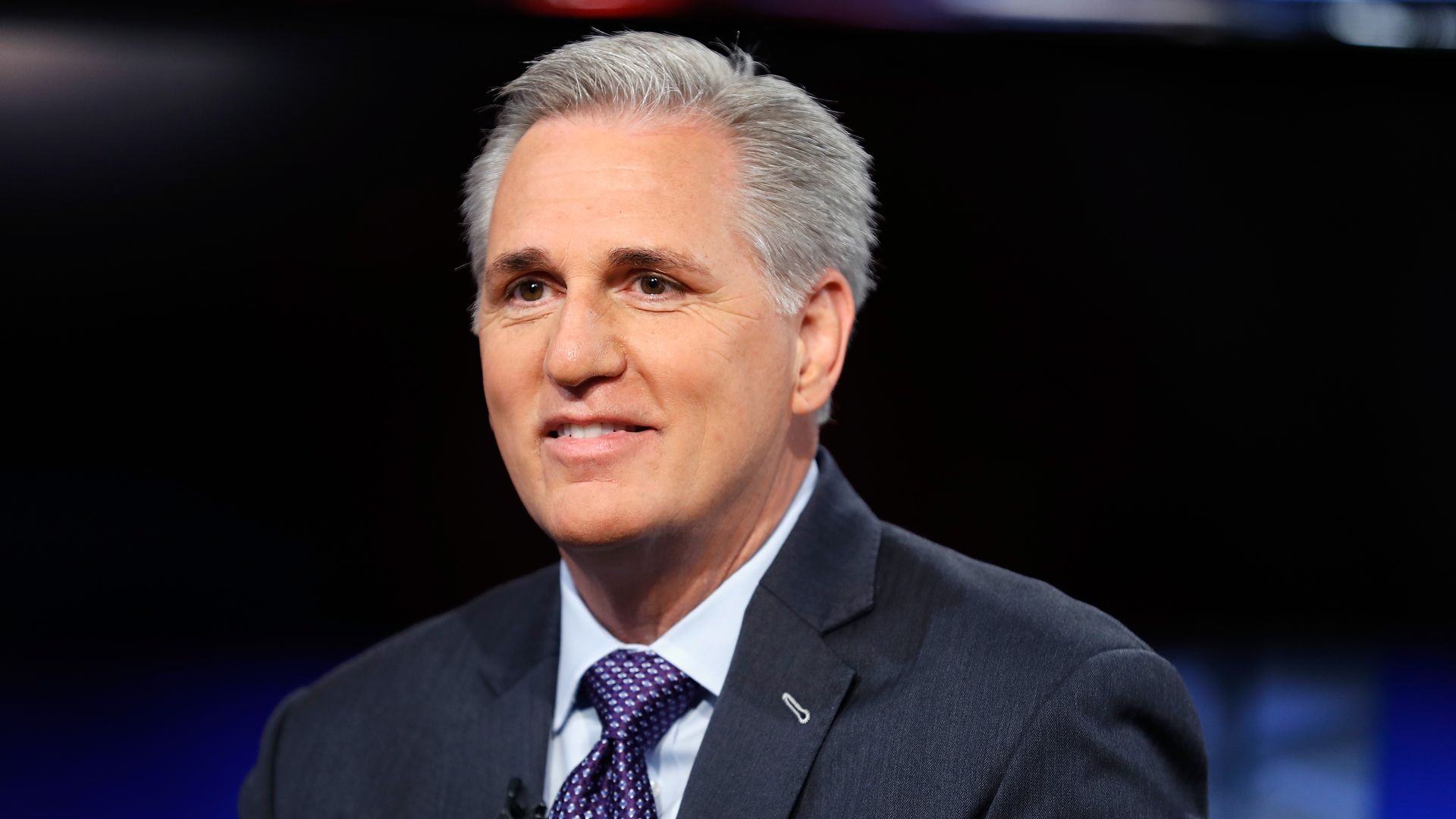
House Majority Leader Kevin McCarthy (R-Calif.), perhaps President Trump's closest Hill ally, is plotting his ascent to House speaker, AP's Lisa Mascaro reports.
The big picture: "[L]ast week, back at home while Congress was on recess, McCarthy told a group of students he’s unlikely to run for another office after serving in the House: 'That’s where my political career will probably end.'"
"Across the country, dozens of House Republicans who previously coasted to victory are for the first time facing credible and well-financed Democratic opponents — and working furiously to find a strategy for survival," the WashPost's Dave Weigel and Paul Kane report.
The bottom line: "Many newly vulnerable Republicans represent suburban communities ... where Donald Trump won in 2016 but has since lost popularity."