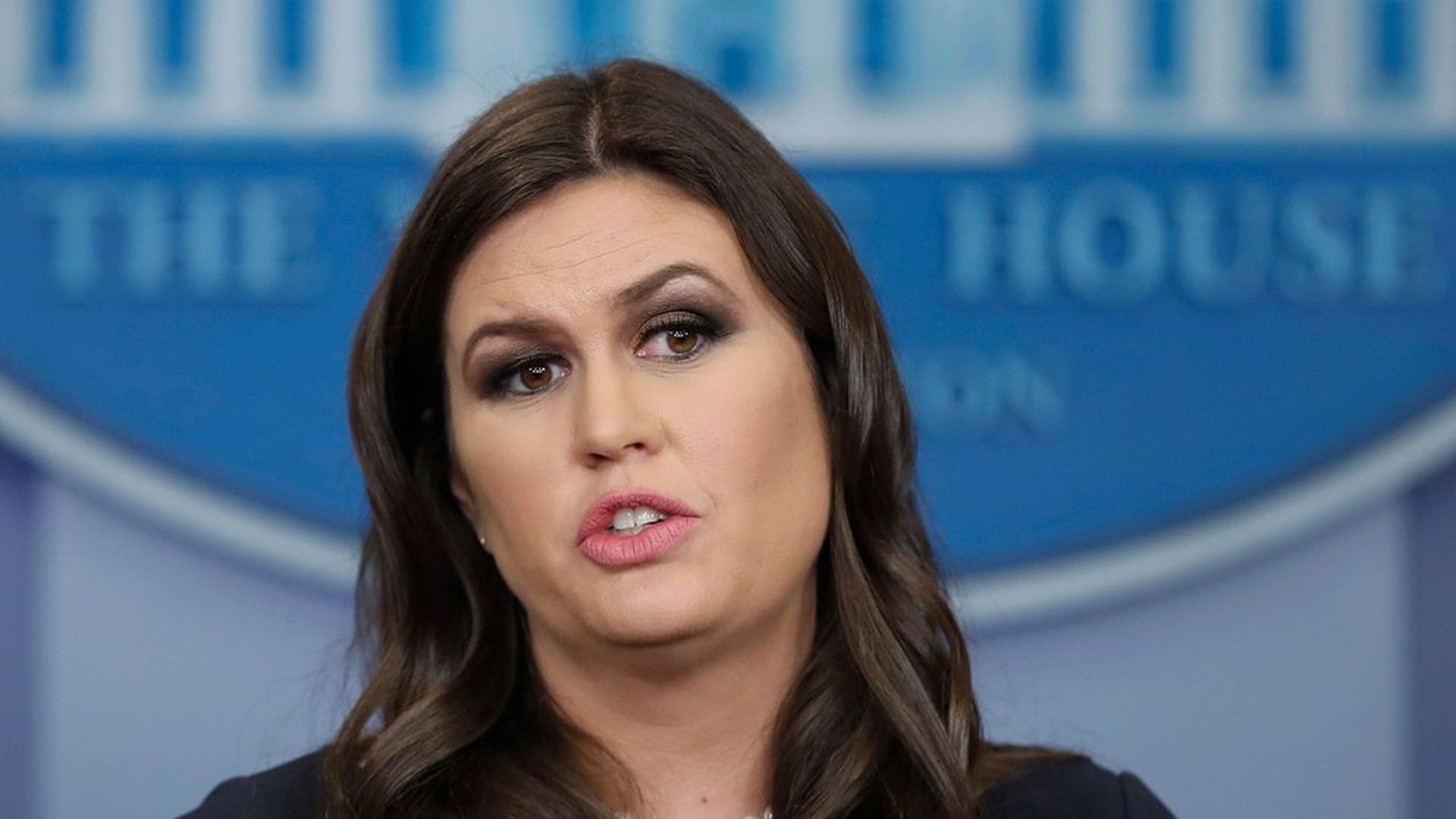
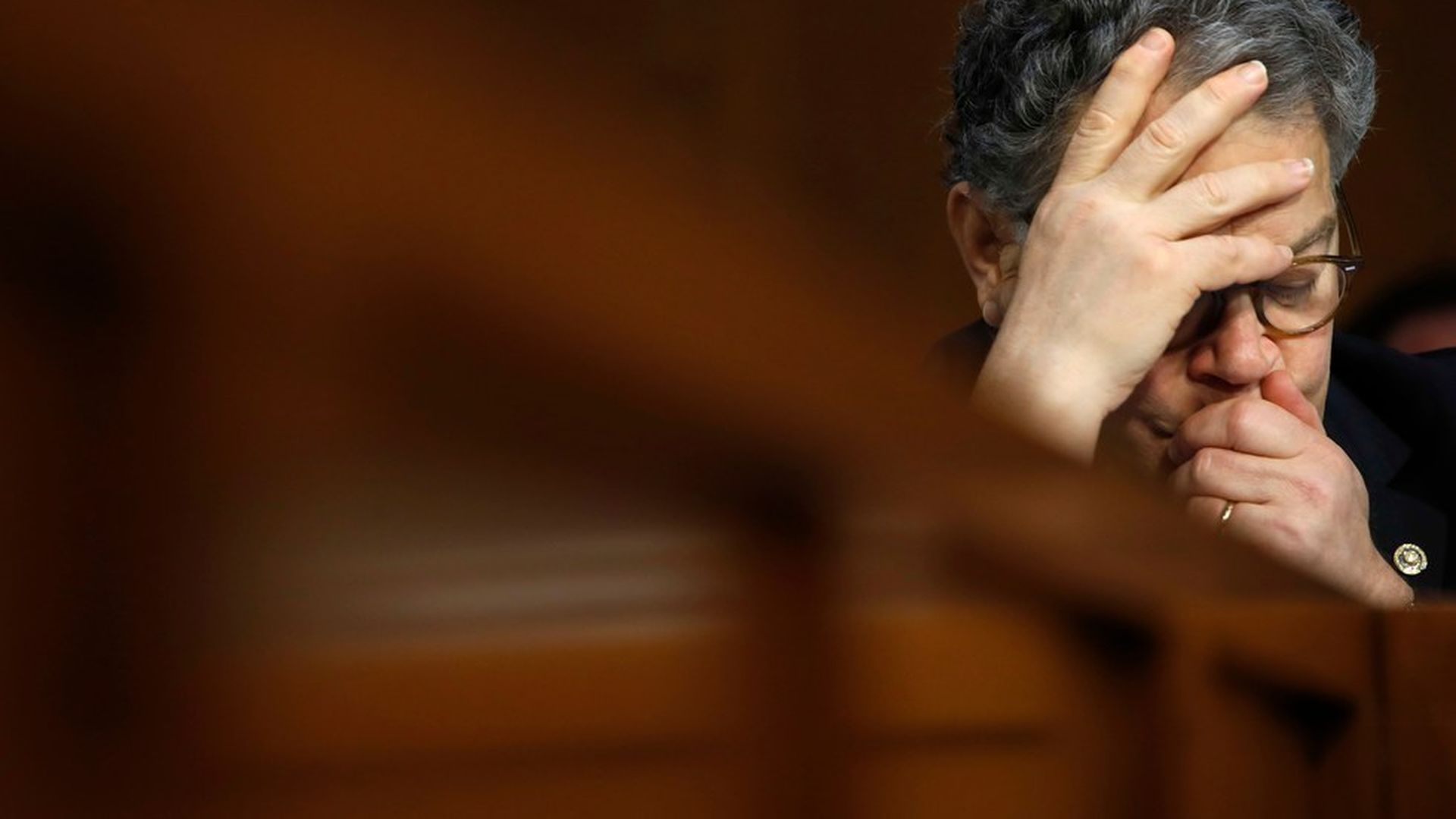
Press Secretary Sarah Sanders told reporters Friday that the allegations of sexual misconduct against Sen. Al Franken are different from those against President Trump because, "Senator Franken has admitted wrongdoing, and the president hasn't. That's a very big distinction."
Key quote: When asked why allegations against Franken merit an investigation but those against Trump don't, Sanders replied "The American people spoke very loud and clear when they elected the president."
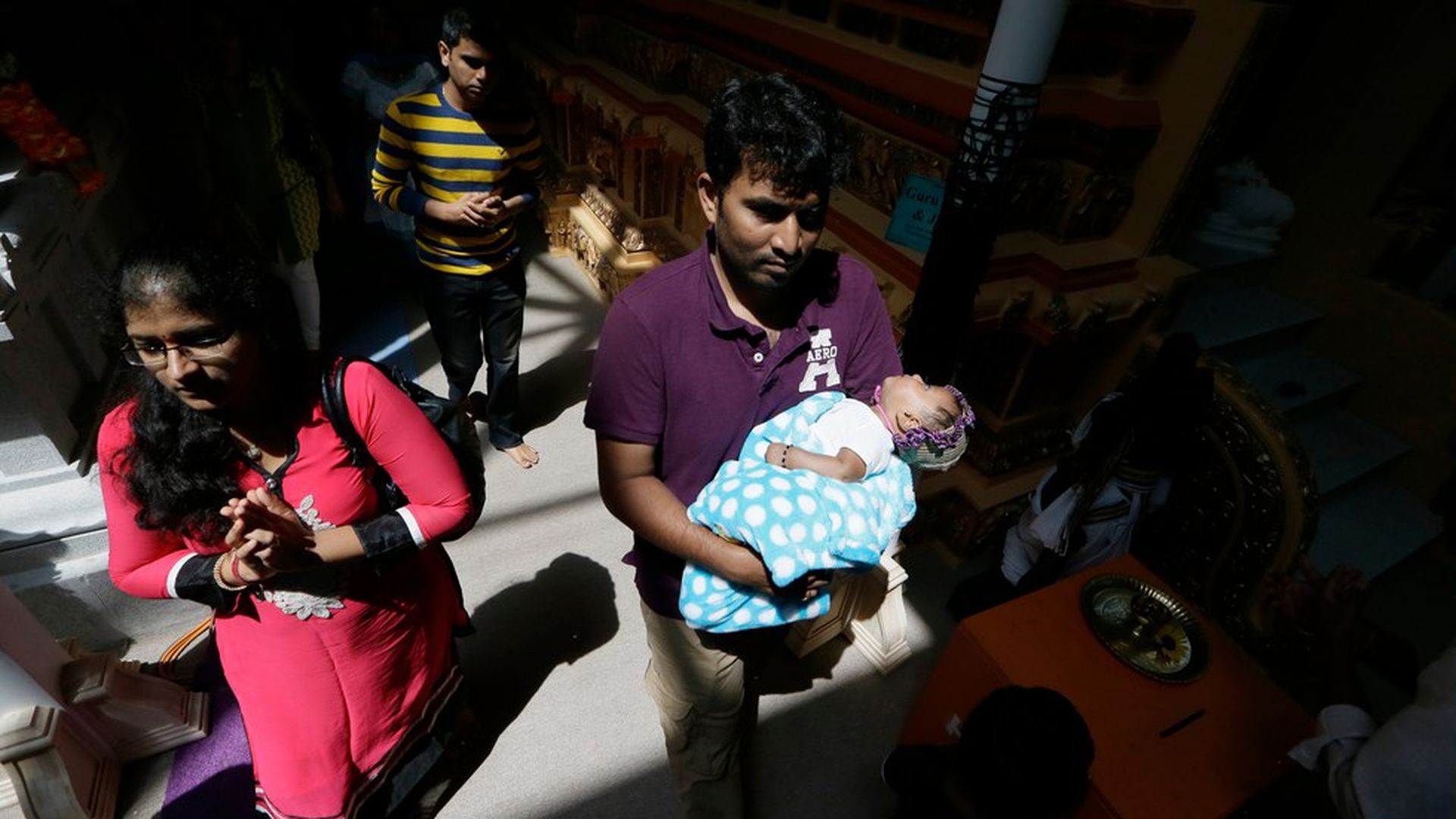
The Trump administration plans to halt work permits for the spouses of H-1B visa holders, which would discourage H-1B visa applicants from staying in the country and would revoke the ability to work for thousands of visa holders' spouses, the San Francisco Chronicle reports.
Why it matters: It's another move by the Trump administration to make it more difficult for foreign workers to come to America in its larger effort to safeguard American jobs.
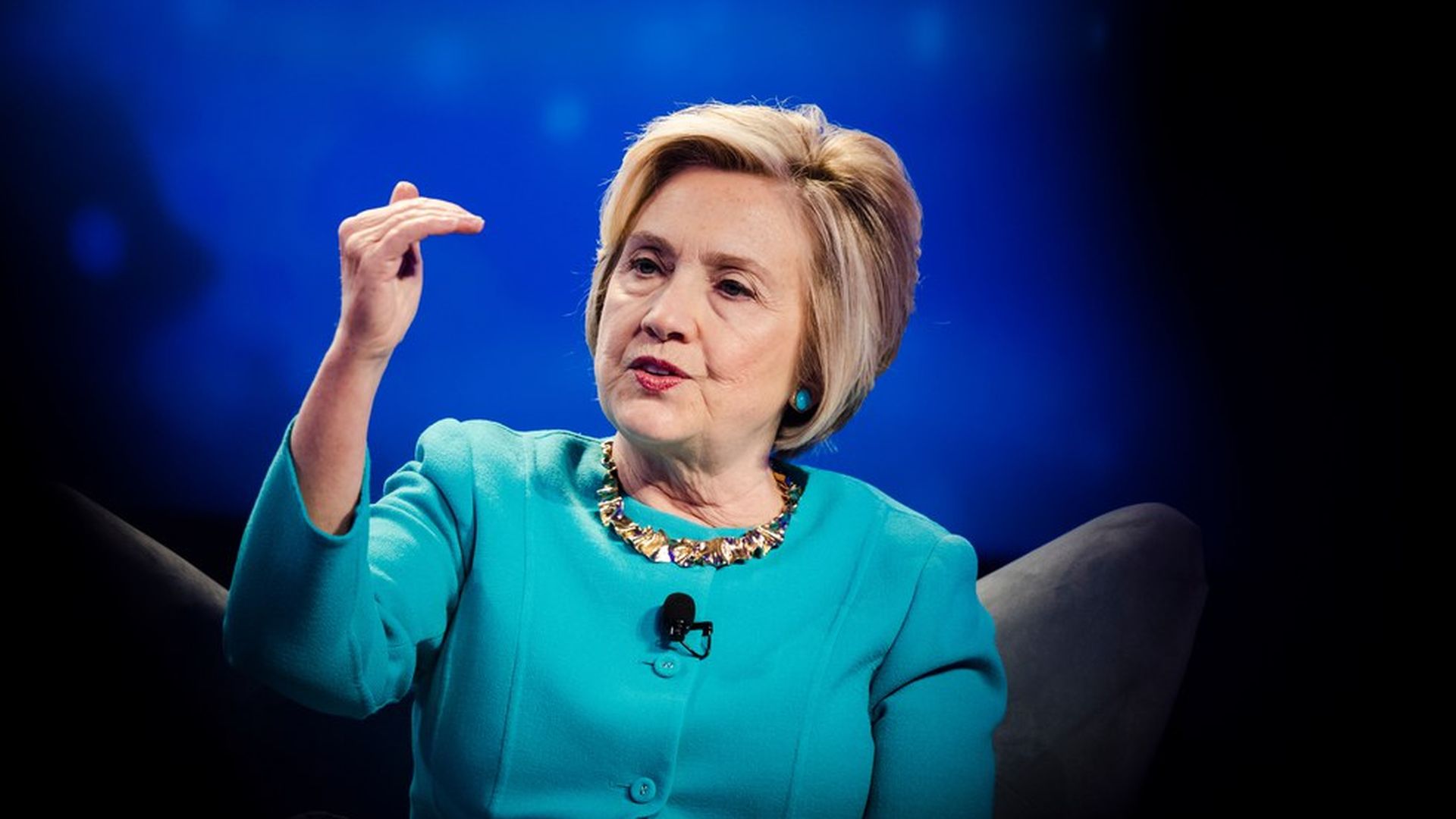
Hillary Clinton still questions the legitimacy of the 2016 presidential election results, especially given Russia's interference, and thinks an independent commission is needed to get to the bottom of it.
In an interview with Mother Jones' Ari Berman, Clinton said the result of Moscow's meddling "wasn't just influencing voters, it was determining the outcome."
Get smart: American intelligence agencies, including the CIA, NSA, FBI and the ODNI (Office of the Director of National Intelligence) have all agreed that Russia actively worked to tilt the election in favor of Donald Trump. However, it's still unclear whether their efforts impacted the results.
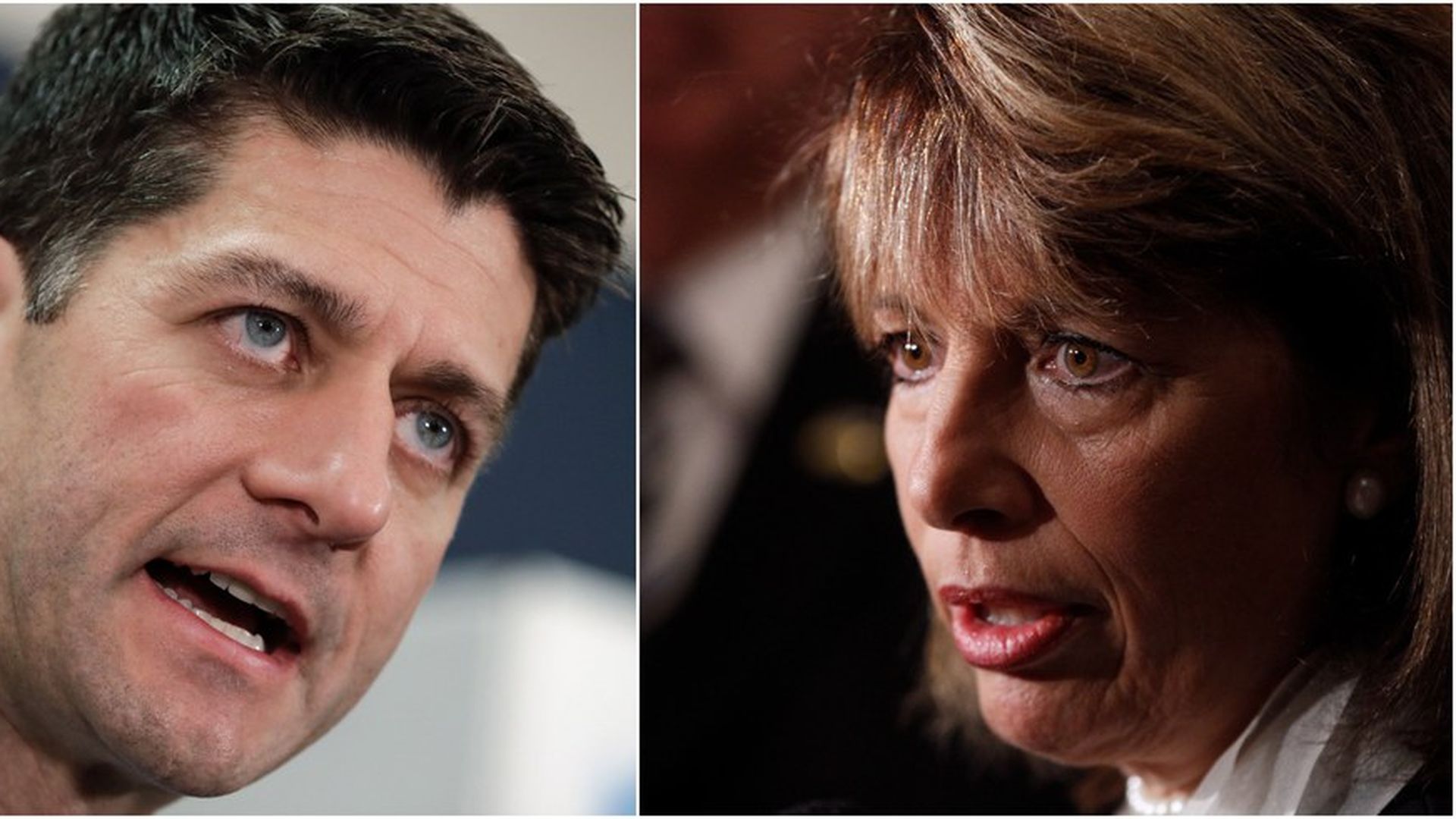
Congress has paid out more than $17.2 million over the last 20 years to cover 268 settlements on Capitol Hill, according to the Office of Compliance, which was set up in 1995 under the Congressional Accountability Act. In 2002 and 2007 those tallies topped several million dollars.
Why it matters: Lawmakers and aides in Congress have been speaking out about the prevalence of sexual misconduct on Capitol Hill, including allegations that current lawmakers have perpetrated such acts, and this gives documentation, to some extent, of the incidents and settlements.
In response to the flood of sexual harassment and assault allegations, members of both chambers have introduced three bills and requirements aimed at harassment culture in Congress.
Sen. Al Franken canceled his appearance at a major book festival in Atlanta yesterday, per the AP. He was slated to appear next Monday.
Why it matters: Sen. Franken is the first member of Congress to be publicly caught up in the recent slew of sexual assault revelations by powerful men across the country, and his behavior could influence how an eventual investigation into his conduct unfolds. Former Sen. Bob Packwood's response to the same committee's probe into his sexual misconduct was pivotal to determining how severe of a punishment the committee would dole out. The committee voted to expel him in 1995.
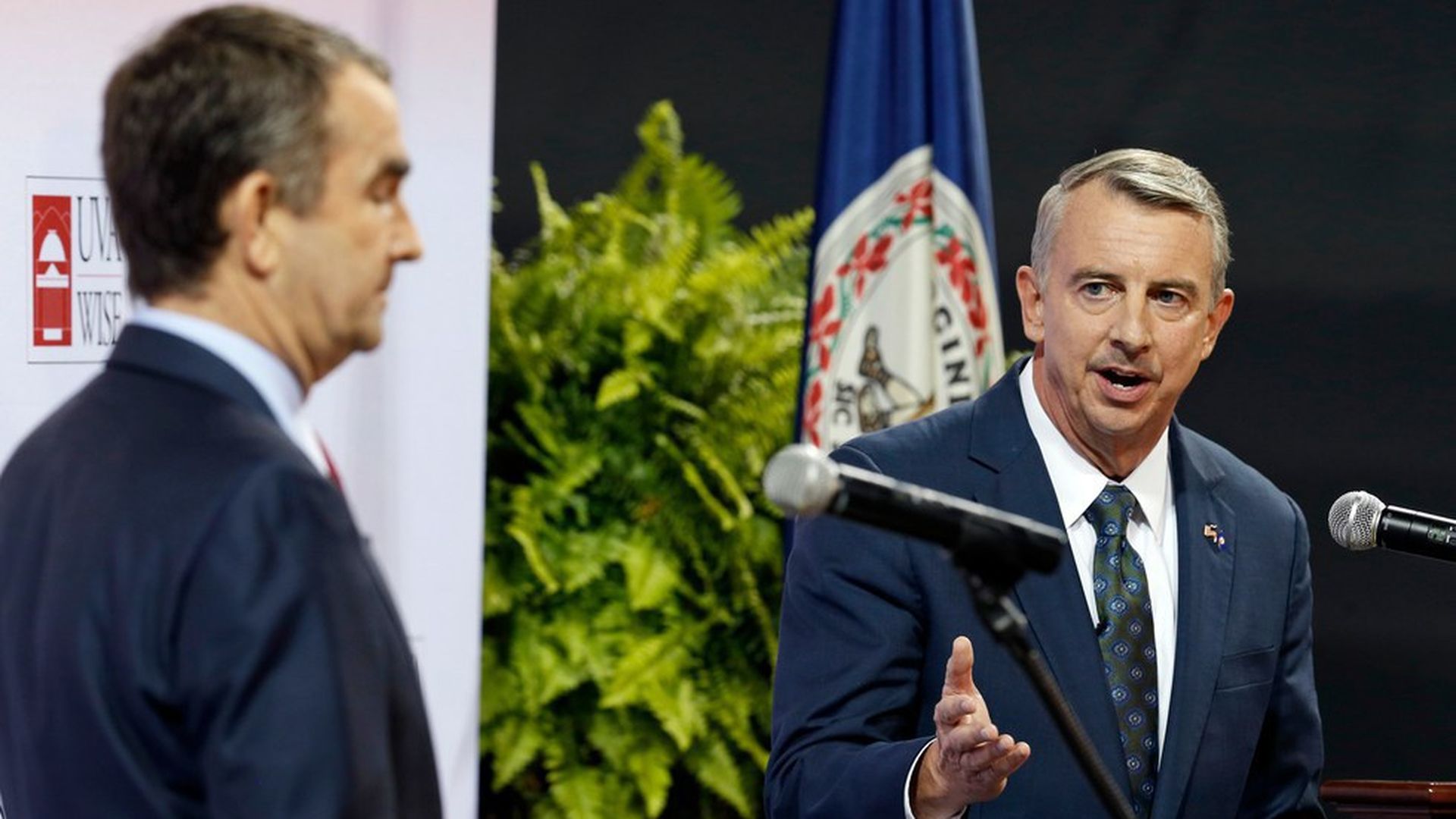
Republicans are now realizing how Trump is threatening their party's image and their candidates' chances in gubernatorial races, particularly after Ralph Northam beat Ed Gillespie, "an exceptionally good candidate" according to Gov. Scott Walker.
Why it matters: The GOP is trying to keep 26 governor's seats in the 2018 elections, including a handful in blue states, so the stakes are high for Republicans. And the Democratic Governors Association has already been refining their playbook after Northam's victory to share with Dem candidates in every race, but particularly those running in red states.
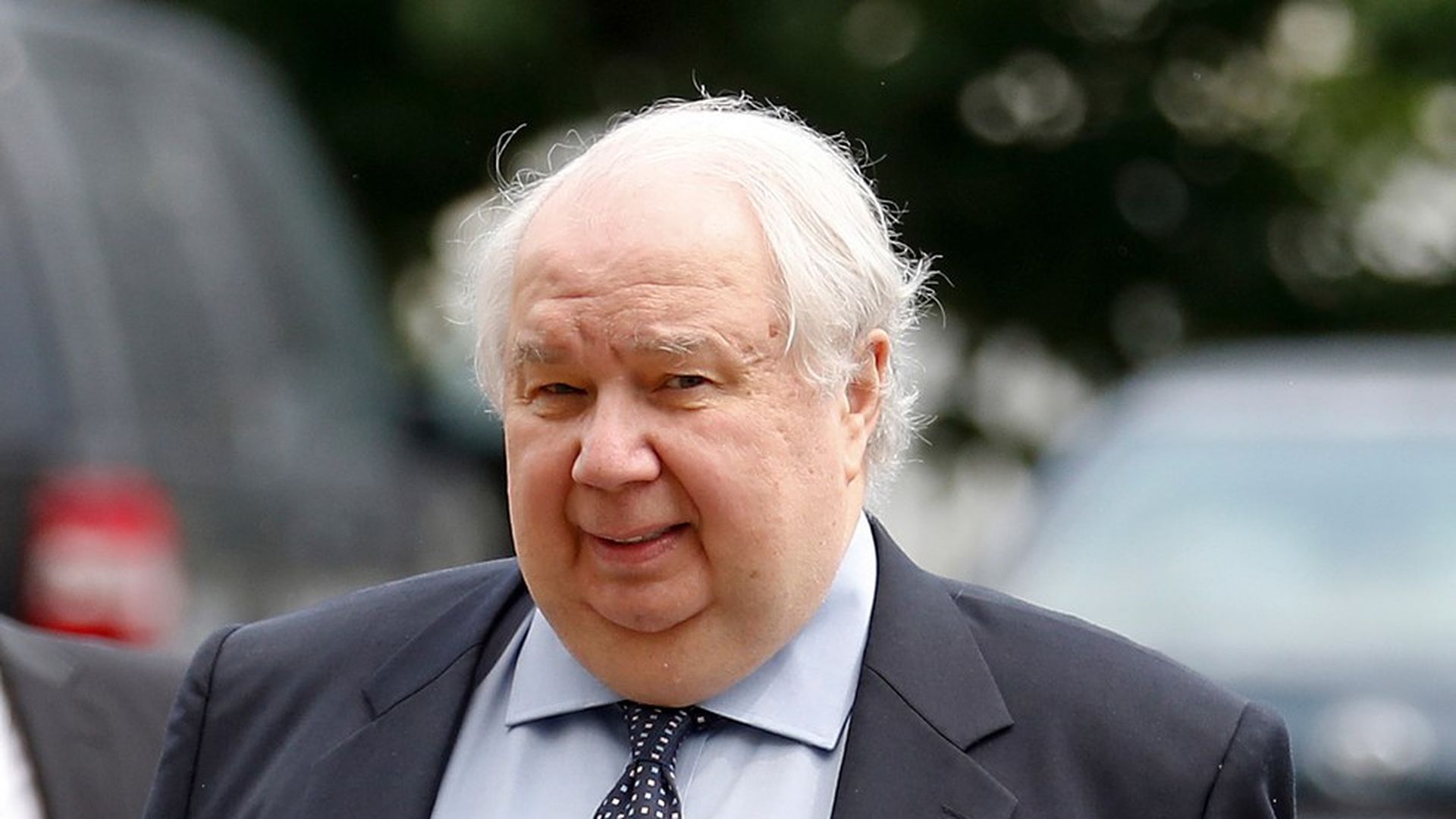
Former Russian Ambassador Sergey Kislyak said it would take him more than 20 minutes to list all of the Trump officials he's met with because the "list is so long." In an interview with state-run TV station Russia-1 Thursday, first reported by CNBC, Kislyak also dismissed the notion that Moscow "picked America's president" as "nonsense" and "very sad."
Timing: The interview comes just two days after Attorney General Jeff Sessions was grilled by the House Judiciary Committee for his meetings with the Russian ambassador, who was recalled to Moscow in June.
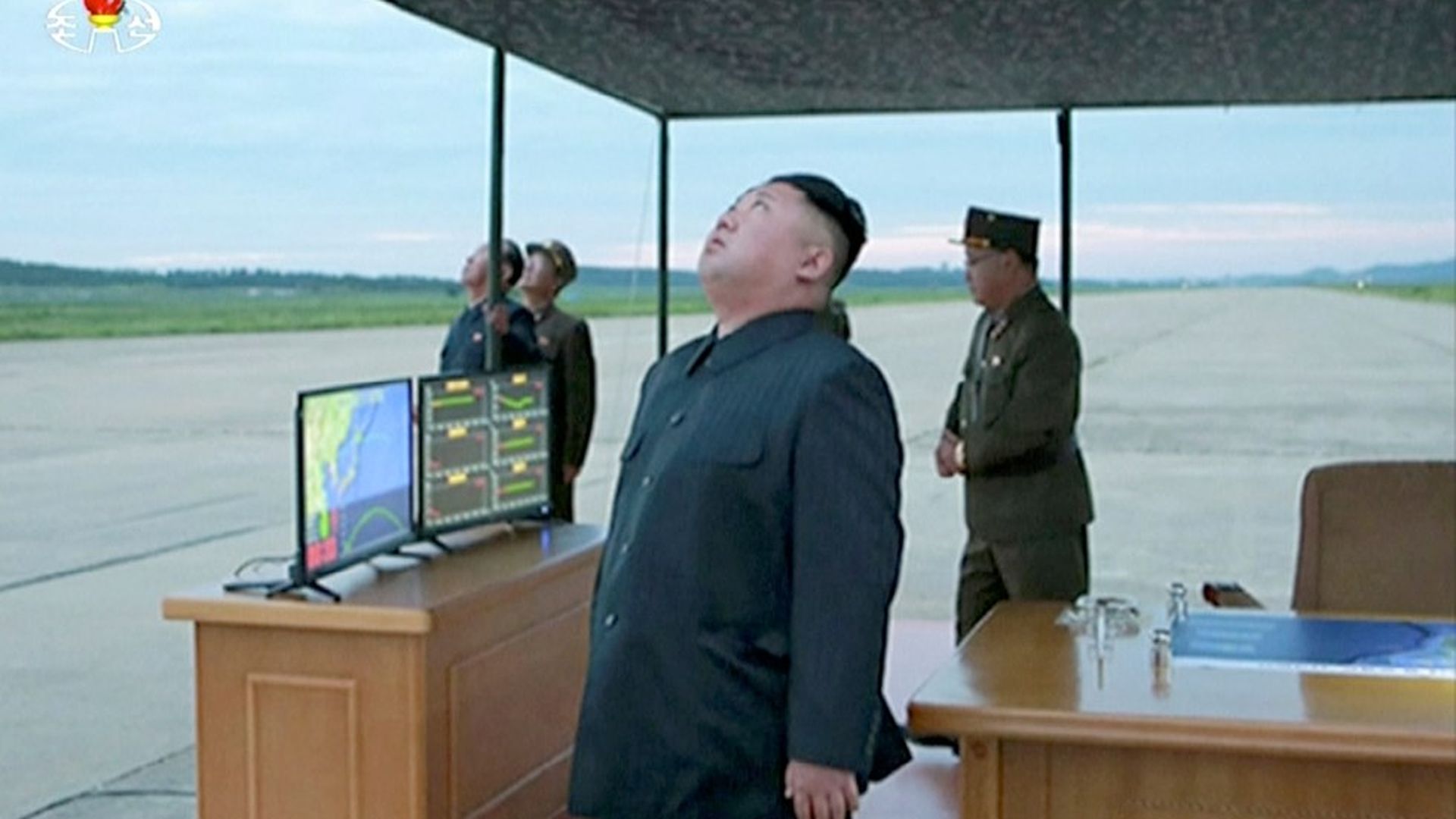
Kim Jong-un has gone two months without a ballistic missile test. That's unusual for the guy President Trump calls "Rocket Man." The portly dictator fired missiles every month between February and September — 22 in total, and he detonated the most powerful nuclear bomb in North Korea's history.What we're hearing: Secretary Jim Mattis won't say he's encouraged by Kim's pause — only that he's watching closely. Mattis won't publicly discuss even the possibility of preemptive strikes to take out North Korea's nuclear facilities.I asked Mattis whether he agreed with National Security Adviser H.R. McMaster that a "preventive war" was a viable option — in McMaster's words, "a war that would prevent North Korea from threatening the United States with a nuclear weapon.""You'll have to ask him [McMaster]," Mattis replied, adding, "I'm not going to answer the question."Between the lines: That response isn't unusual for Mattis; he always avoids discussing military plans. But it's telling that he's not publicly endorsing the more bellicose talk coming from the White House.What we're seeing: I flew with Mattis yesterday to the Rocky Mountains, where he spent the day visiting U.S. Northern Command (USNORTHCOM) and the joint U.S.-Canadian North American Aerospace Defense Command (NORAD). While Mattis attended classified briefings, the traveling press went inside the Cheyenne Mountain Complex (a Cold War era fortress made famous in the movie "WarGames"). We also visited the Peterson Air Force Base, the hub for monitoring threats to the homeland.The military officials who work here are responsible for defending America's airspace. The command centers they work in are the hubs for tracking North Korean missiles — which appear on the giant screens as a red donut that expands into a fan that shows which part of the world the missile threatens.Underneath the screens a sign with giant black block letters:"WE HAVE THE WATCH."When North Korea launches a missile, a white light starts shining and a horn starts honking. They gave us a trial run.Bottom line: After a day with these military officers, you can't help but be struck by the breadth of U.S. assets around the world and in space. But if this war of words between Trump and Kim becomes a real war, those radars, satellites and missile interceptors won't be able to prevent death on a scale the world has rarely seen.
Be smart: We have no idea why Kim has paused tests. All the North Korea experts are just guessing when it comes to this secretive man / regime.
President Trump's trip to Asia displayed a Dr. Jekyll and Mr. Hyde approach to security and economics in the region. Militarily, he is reassuring allies to stand against China's growing military might, but economically Trump is turning his back on broad trade pacts with those same allies.
Our thought bubble: Asian nations worried about China's rise want both strong military and economic ties with the U.S.
Israeli leaders are worried about the ceasefire deal in southern Syria signed last weekend between the U.S., Russia and Jordan. That's because the deal will allow Iranian-backed forces to position themselves as close as 3.5 miles from the Israeli border in the Golan Heights. But they also think it sends an alarming signal about the Trump administration's policies.
The big picture: Israeli officials see the deal as a sign that the Trump administration is too eager to pull out of the Middle East, and not willing to back up its rhetoric about confronting Iran's negative regional behavior with action.