Over the past several weeks, senior GOP aides have repeatedly said that if the Senate bill touches pre-existing conditions in any way, it will lose around a third of the caucus. Today, a provision that could cause sick people to pay much higher premiums than they currently do has not caused any Republicans to say they'll vote against the GOP health bill.
The U.S. has surpassed the Trump administration's refugee cap of 50,000, with 50,086 refugees admitted since the beginning of the budget year last October as of Wednesday, per the AP.
Now, refugees will have to prove they have a bona fide relationship with a U.S. person or business in addition to normal vetting procedures to be admitted. The additional layer will be in place for 120 days while the administration reviews security and screening procedures.
But the timing might be impacted in October, when the new budget year begins and a new cap on refugees will start. That's also when the Supreme Court will hear arguments on Trump's travel ban.
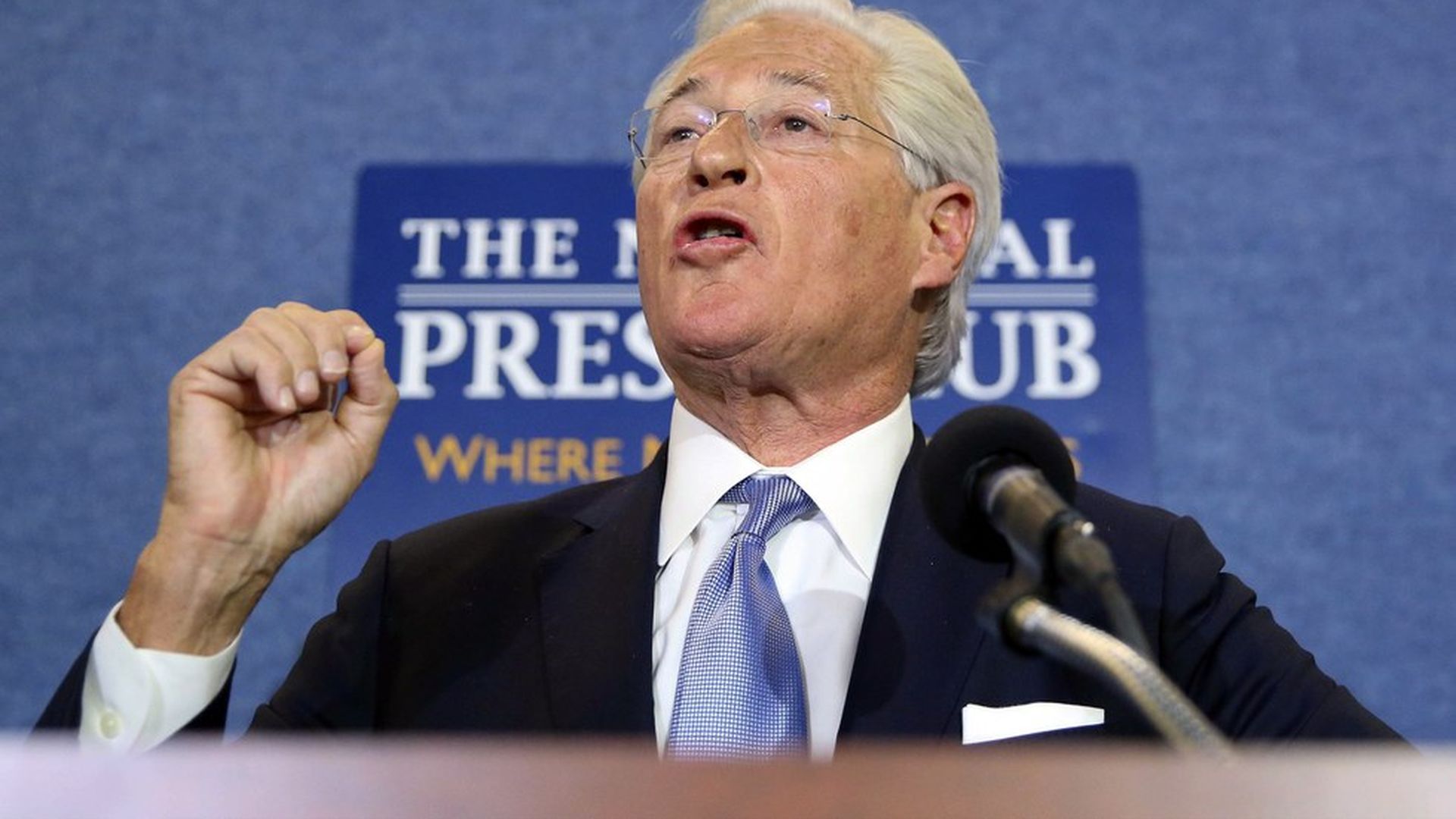
Marc Kasowitz, President Trump's personal attorney for the government's Russia probe, allegedly wrote a string of threatening emails last night to a unnamed man who sent him an email urging him to "Resign Now" as he was at risk of becoming a "disparaging historical footnote," per ProPublica.
The impetus for the man's initial email: A ProPublica story from earlier this week that alleged Kasowitz wasn't attempting to get a security clearance because a history of alcohol abuse would make it difficult to obtain one.
Why it matters: Kasowitz is Trump's longtime attorney, but their relationship was already reportedly deteriorating, according to the New York Times, which reported Kasowitz might resign. Stories like this only make a bad situation worse — not to mention the public relations disaster.
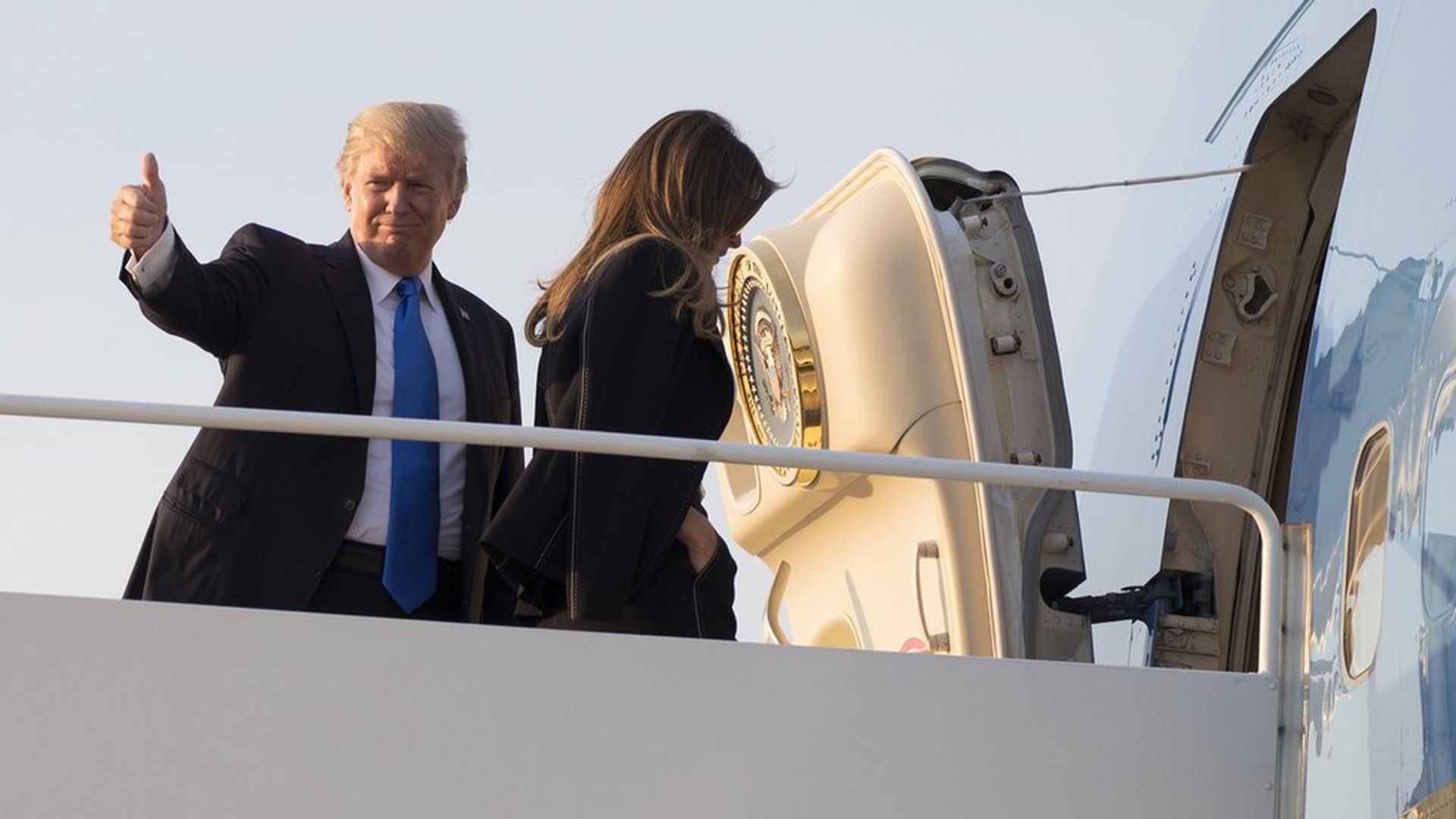
On board Air Force One en route to Paris last night, President Trump held an off the record gaggle with reporters, but he changed his mind this morning allowed his remarks — on everything from Russia to the border wall to China — to be released on the record.
The big thing: Trump told reporters that he'd be willing to invite Russian President Vladimir Putin to the White House at some point in the future:
"I don't think this is the right time, but the answer is yes I would. Look, it's very easy for me to say absolutely, I won't. That's the easy thing for me to do, but that's the stupid thing to do…If you don't have dialogue, you have to be fools. Fools. It would be the easiest thing for me to say... I will never speak to him, and everybody would love me. But I have to do what's right."
In the more establishment-aligned parts of the White House, Sebastian Gorka is a figure of ridicule, with some staff believing he's an embarrassment when he represents the administration on TV.
But to Trump's nationalist base, and the one person who matters inside the White House, he's become a rock star in recent days. Gorka's stock has soared as President Trump has watched him on various cable channels fighting with the hosts and accusing them of being part of the "fake news industrial complex."
President Trump and French President Macron held a joint news conference in Paris Thursday ahead of Bastille Day tomorrow. The two leaders were extremely warm toward one another, with Trump stating that their friendship "is unbreakable", while also noting their disagreements regarding the Paris Accord. The highlights:
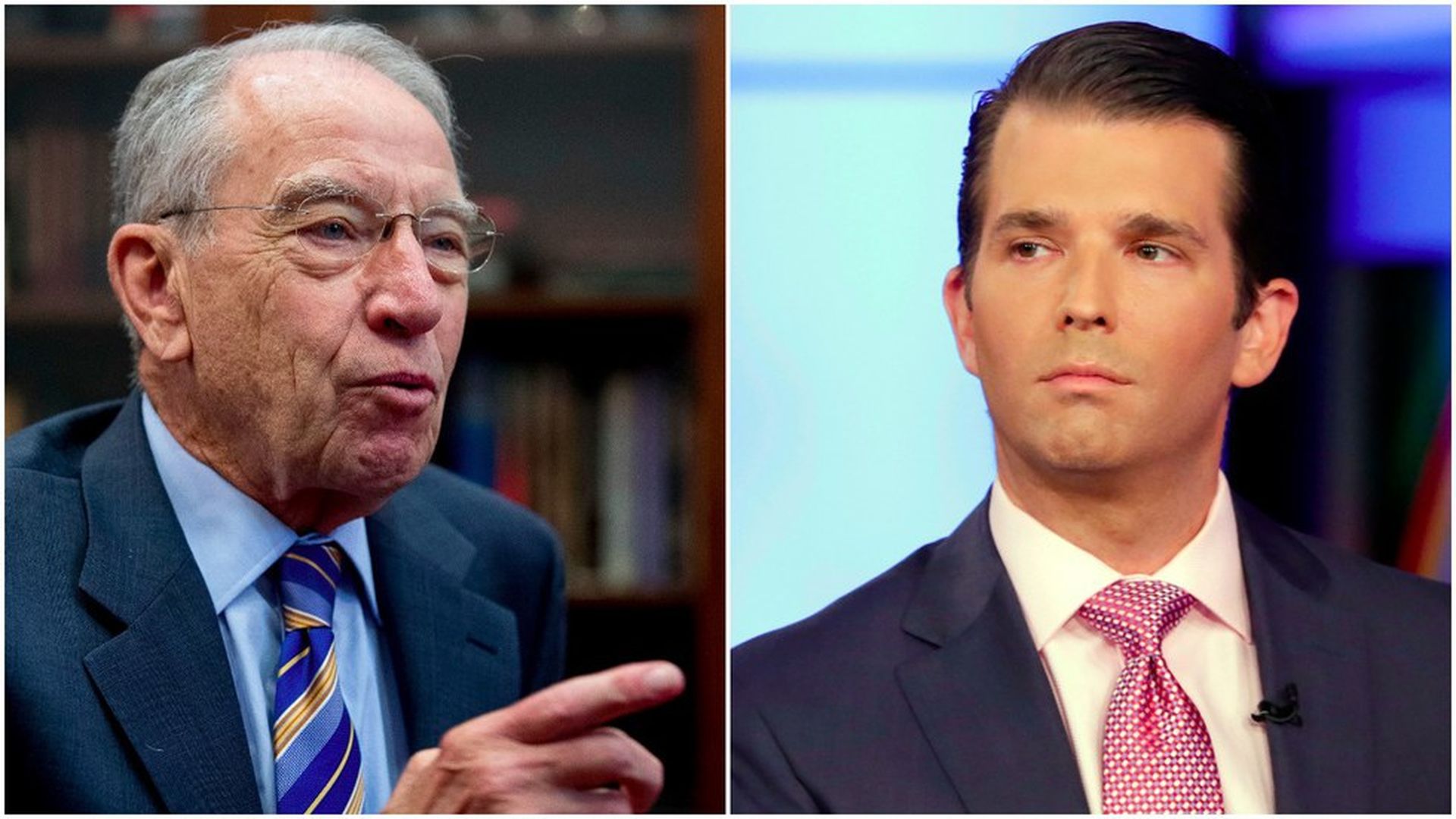
Senate Judiciary Chairman Chuck Grassley (R-IA) told NPR Thursday that he has sent a letter to Donald Trump Jr. asking him to testify in open session before the committee next week, and said he will be subpoenaed if necessary.
Trump Jr. told Sean Hannity Tuesday that he's willing to testify under oath about his June 2016 meeting with a Russian lawyer at Trump Tower.
Yesterday the committee asked Paul Manafort, Trump's former campaign chairman who also attended the meeting, to testify as well.
The Trump administration is working behind the scenes with Republican Sens. Tom Cotton and David Perdue to radically cut back on the amount of legal immigration to the U.S. According to Politico, the senators, with backing from Trump's policy advisor Stephen Miller and chief strategist Steve Bannon, are introducing a bill this summer that, by 2027, would cut the number of legal immigrants accepted each year in half, from 1 million immigrants annually to 500,000.
At the heart of the bill is a move away from the current immigration system centered on familial ties to one more focused on merit, ultimately resulting in an uptick in green cards for foreigners possessing desired skills.
Why it matters: It's no secret that Trump wants to scale back illegal immigration, and many lawmakers understand that stricter laws are needed. But legal immigration is a different story, and one that is sure to spark backlash in Washington, from Republicans included.
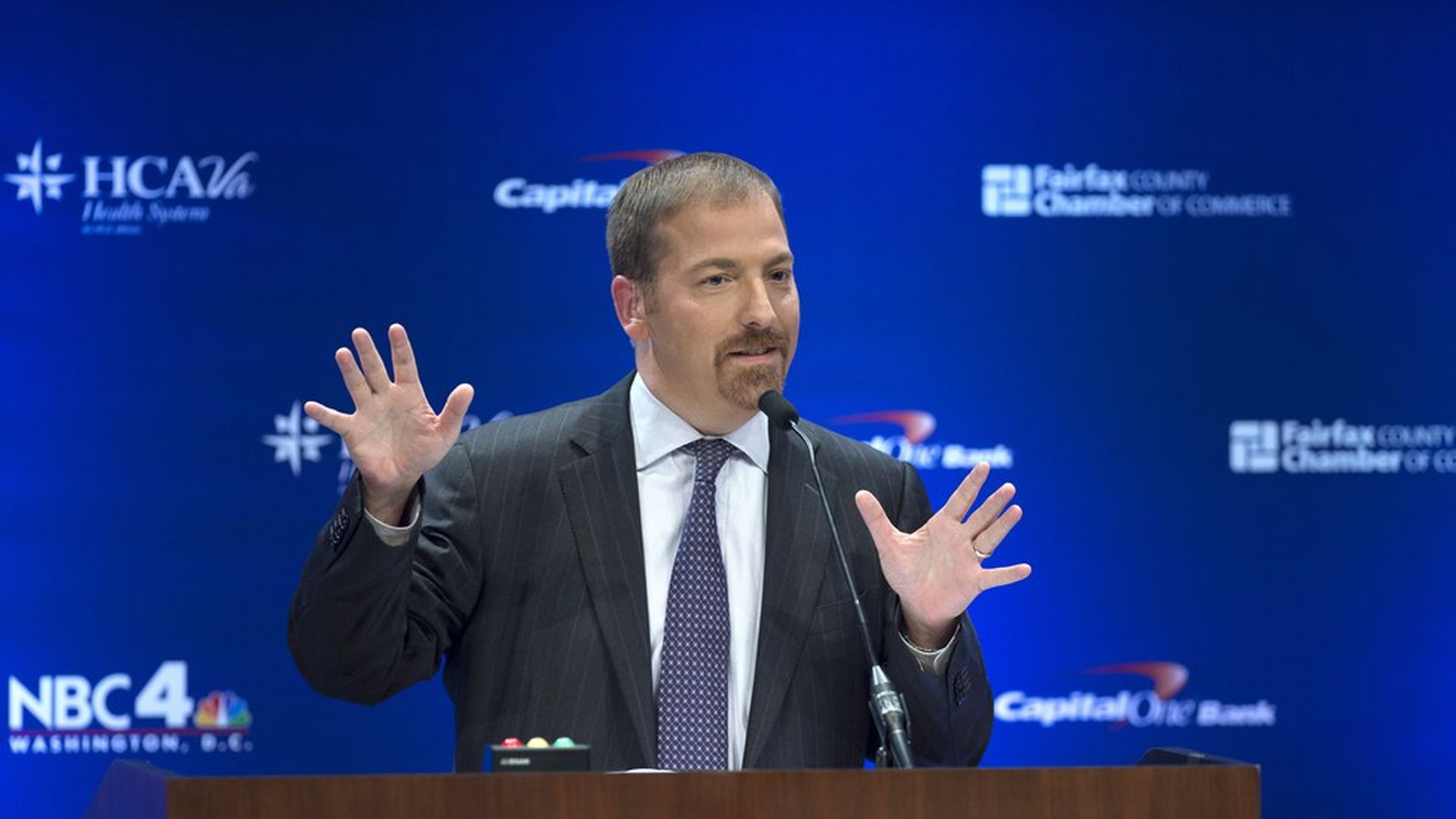
NBC News' Chuck Todd sat down with Axios' Jim VandeHei at the end of Axios and NBC News' roundtable discussion on the economy to talk about how President Trump's agenda is faring as the Russia scandal threatens to suck all of the air out of Washington.
Chuck's suggestion: Trump needs someone to help him calm the waters in Washington — like Howard Baker did for Ronald Reagan during the Iran-Contra affair. "Who is that person that will put their credibility on the line for this president?" he asked, before suggesting: Bob Gates, Ed Gillespie, Mitt Romney, and Jeb Bush — but he doesn't see any of them as wanting to accept a role in the Trump administration.
Some other observations:
Trump's big problem: "It's a White House that doesn't know what it's doing. They have no idea how to make legislation happen. They have no idea how to work with Congress. They came in with no big plan, no big agenda."
The White House right now: "We're at a point where it's every man and woman for themselves. It's not a point where everyone is abiding by that, but it's more and more every day."
POTUS' TV habit: "He showed me his DIRECTV list…he records a lot. If it's not about him, then [channel click noise]. He watches all five Sunday shows every Sunday at some point in time."
How the media covers Russia: "I do think some of my colleagues are spending way too much time worrying about how this story impacts them rather than simply covering the story."
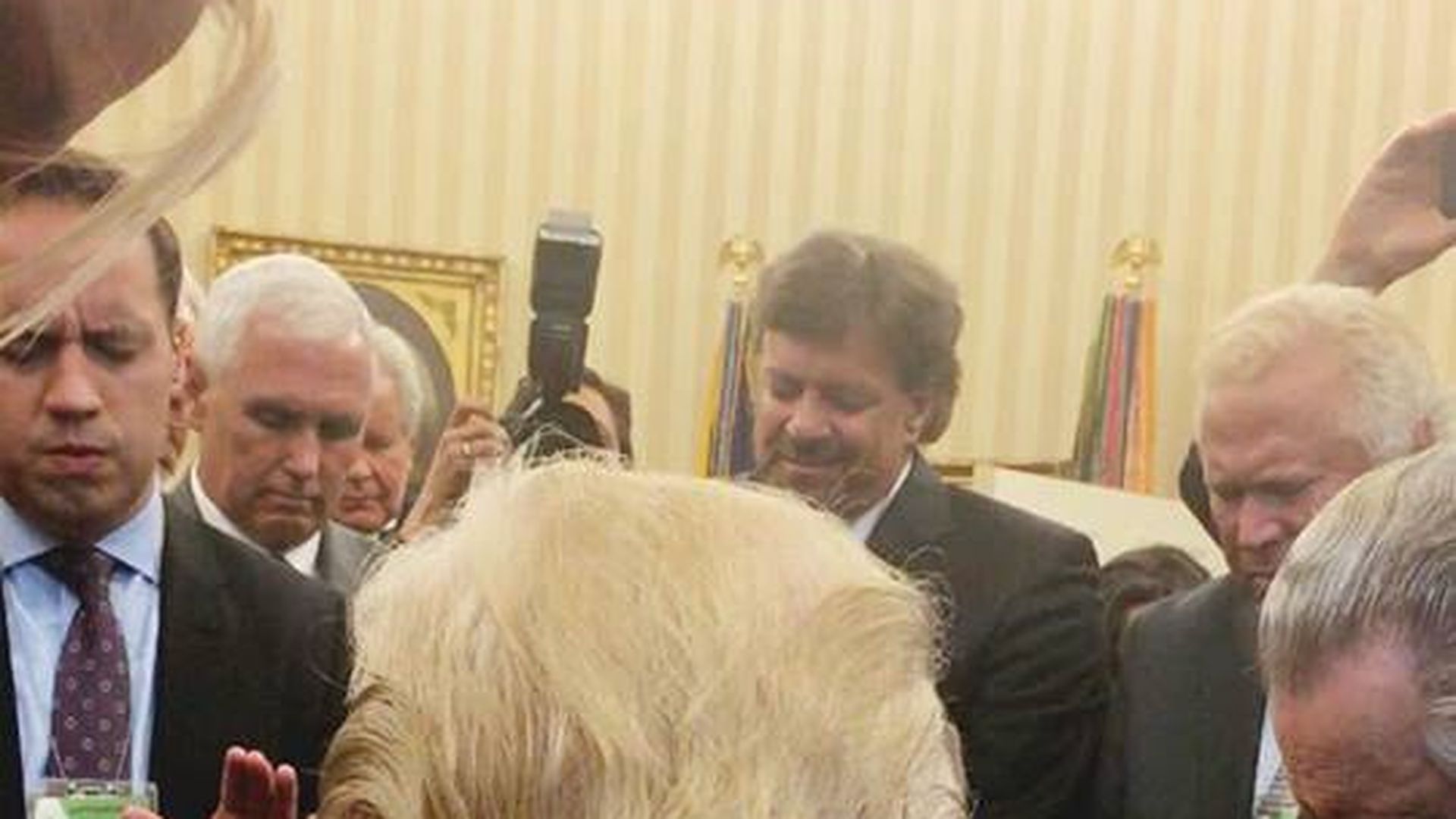
During a meeting at the White House yesterday, evangelical leaders prayed over the President and the photo went viral. Here's a glimpse of some of the folks who were in the room, reported by CBN, and what they had to say about it:
"The very nature of Trump's businesses — all of which are privately held, with few reporting requirements — makes it difficult to root out the truth about his financial deals. ... For the past three decades, state and federal investigators, as well as some of America's best investigative journalists, have sifted through mountains of real estate records, tax filings, civil lawsuits ...
"[N]o one has documented that Trump was even aware of any suspicious entanglements ... Taken together, the flow of money from Russia provided Trump with a crucial infusion of financing that helped rescue his empire from ruin, burnish his image, and launch his career in television and politics."
One of the casualties of the first six months of the Trump presidency is a common understanding of what is normal in our politics. It's easy to grow numb to abnormal actions, words and tactics.
But even our readers who love or feel loyalty to Trump need to remember that it's just not normal.
Why it matters: We're getting inured to the daily whirlwind. Each day's jaw drop or outrage seems to be topped by tomorrow's. Keep your head, even if all about you are losing theirs.
One important thing to keep in mind as Senate Republicans unveil their revised health-care bill today: This is not necessarily the final bill. The parliamentarian could still change it. Negotiations with individual senators could still change it.
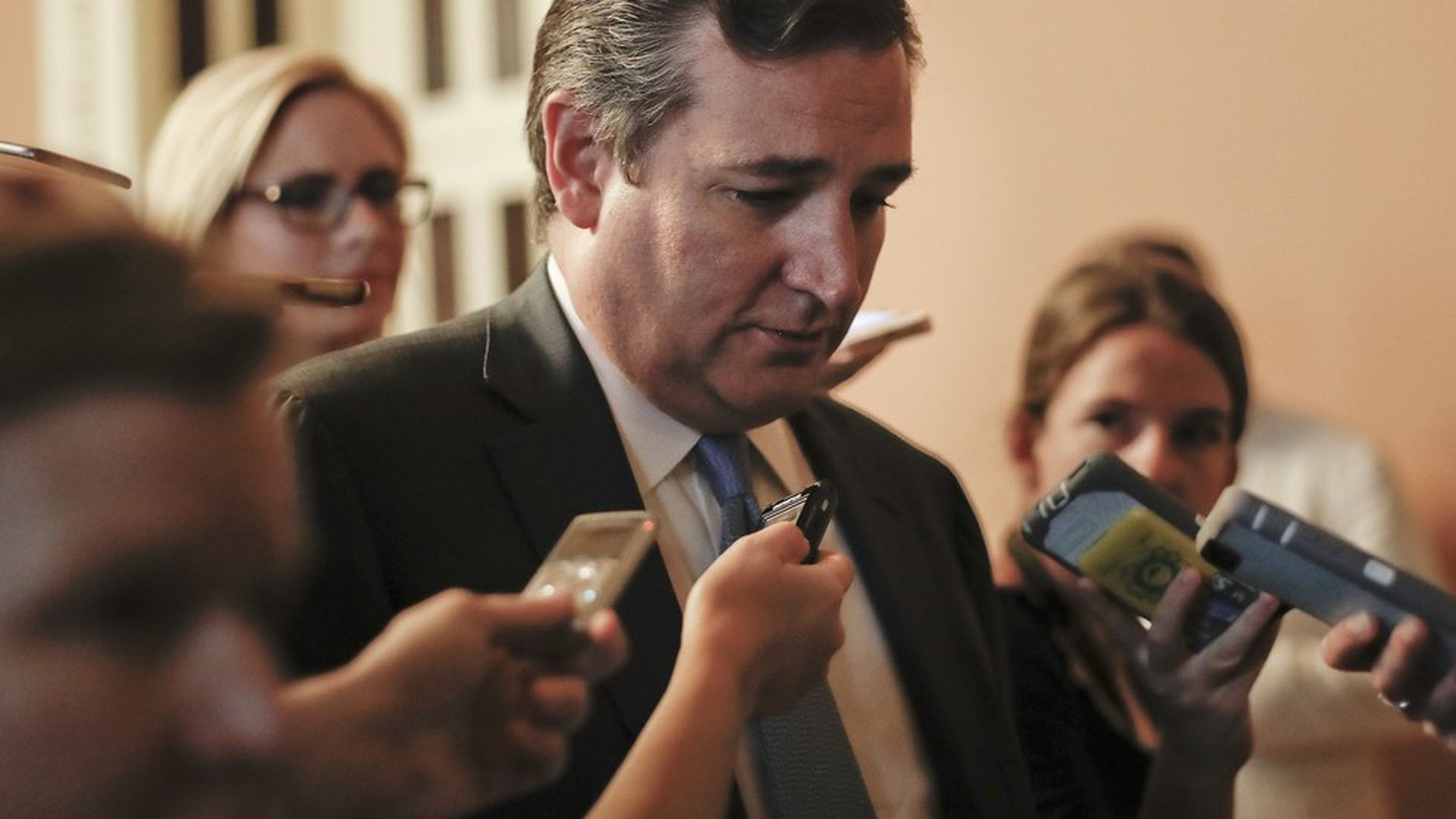
Even if Sen. Ted Cruz's consumer-choice proposal makes it in, that policy also could still change. At a minimum, lawmakers will need a new score from the Congressional Budget Office. So, we're not done yet.














/2017/12/15/1513304163107.gif?w=3840)