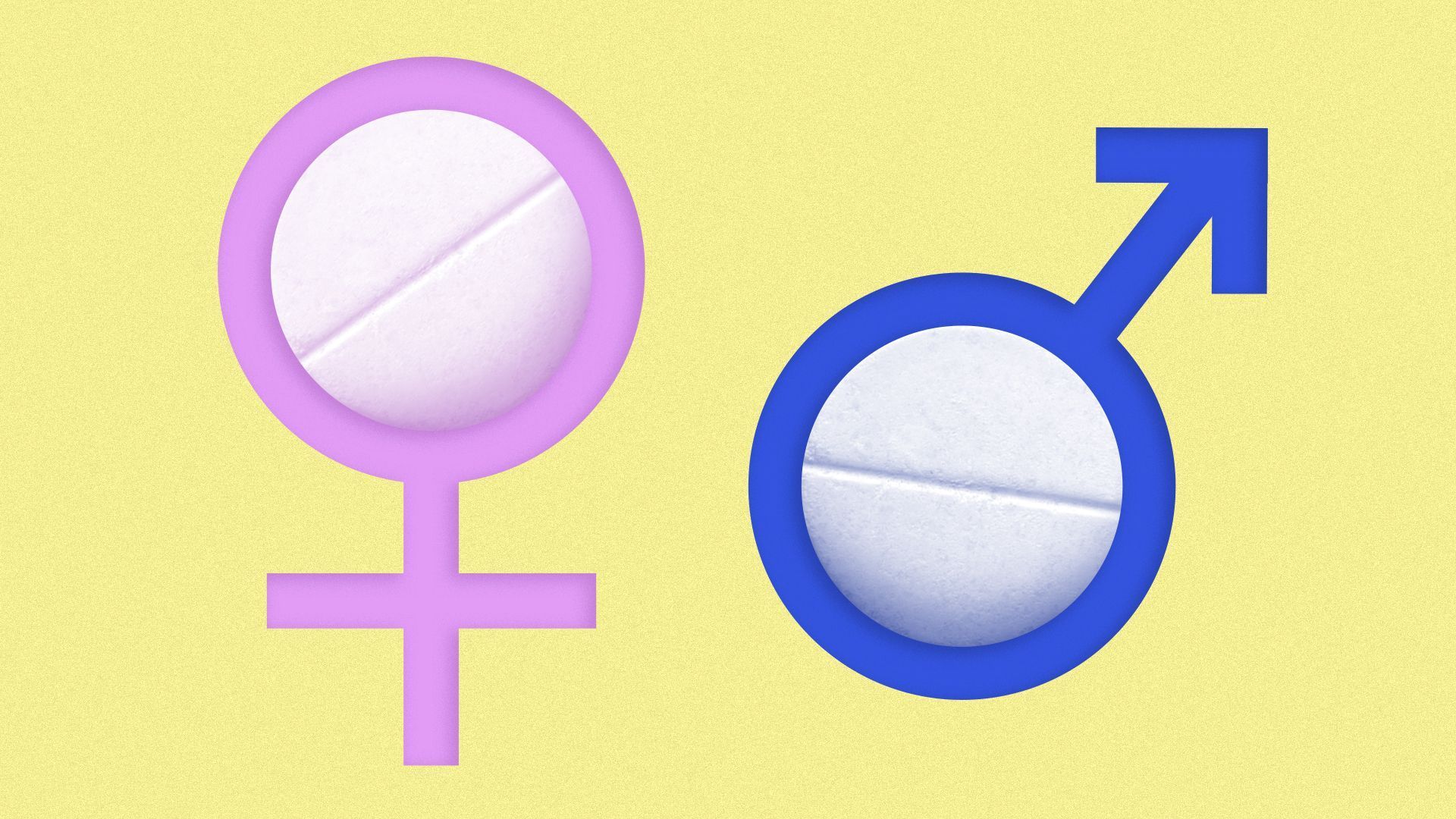
Scientists are beginning to understand how sex chromosomes and hormones affect people's risk for certain diseases — and whether the biology behind those differences can be harnessed to improve treatments.
Ten prescription drugs accounted for nearly one-quarter of gross Medicare drug spending in 2021 — and accounted for more than half of the increase in Part D drug spending from 2018 to 2021, according to a new KFF analysis.
Why it matters: The findings underscore the potential impact of negotiating prices for a limited number of big-ticket drugs under the Inflation Reduction Act.
With record high temperatures becoming the norm, humans are more regularly hitting the threshold of our ability to cope with heat.
Driving the news: The Earth has hit back-to-back historic heat records in recent weeks and excessively high temperatures have lingered across many regions in the U.S.
Legislation that would establish the nation's first minimum wage for health care workers advanced in the California State Assembly this week over the objections of an unusual alliance of providers, hospitals and a big nurses union.
Driving the news: The Labor and Employment Committee on Wednesday approved the bill, sending it next to the Appropriations Committee and giving it momentum headed into the August recess.
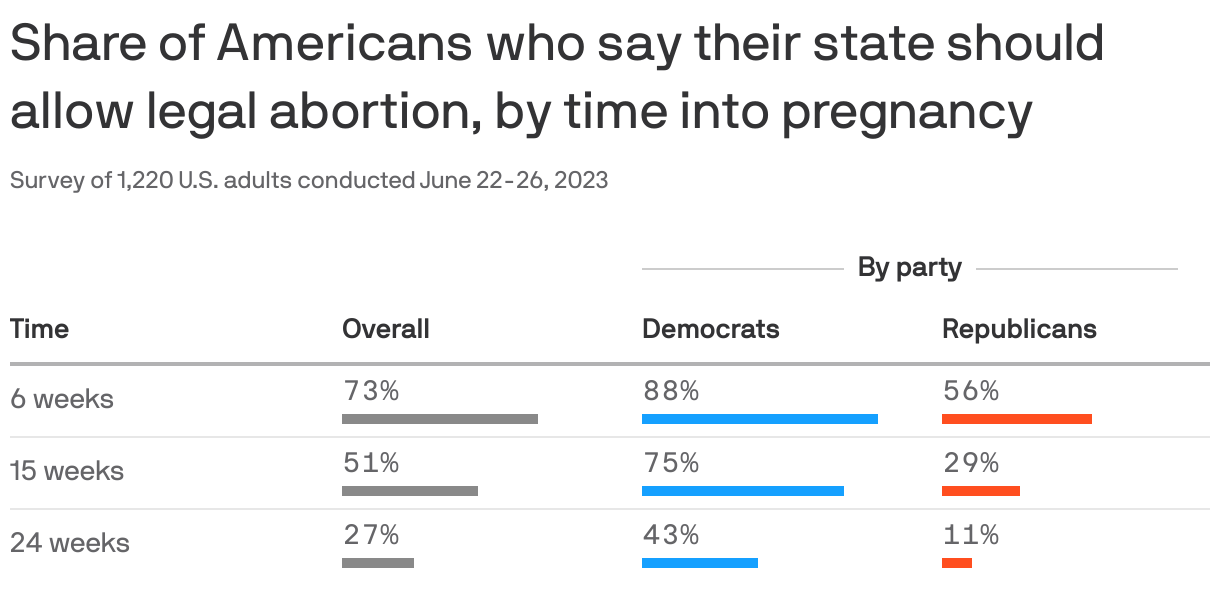
The majority of Americans believe abortion should be legal in all or most cases, according to an AP-NORC poll released Wednesday.
Why it matters: A year after the Supreme Courtoverturned Roe v. Wade, Americans' overall support for access to the procedure remains strong — even as red states continue to pass strict bans.
A massive data breach affecting 11 million HCA Healthcare patients provided a stark reminder this week of how often the defenses of America's largest health care organizations are hacked.
Why it matters: The hospital industry keeps sensitive personal data that is among the highest value assets on the black market — and experts predict further attacks will get harder to thwart.
Infectious disease experts are pressing Congress to commit $6 billion to incentivize the production of new treatments for drug-resistant infections as lawmakers take up broader pandemic preparedness legislation.
Why it matters:COVID-19 undid years of progress fighting superbugs that are a leading cause of deaths worldwide and that proliferated in hospitals during the health crisis.