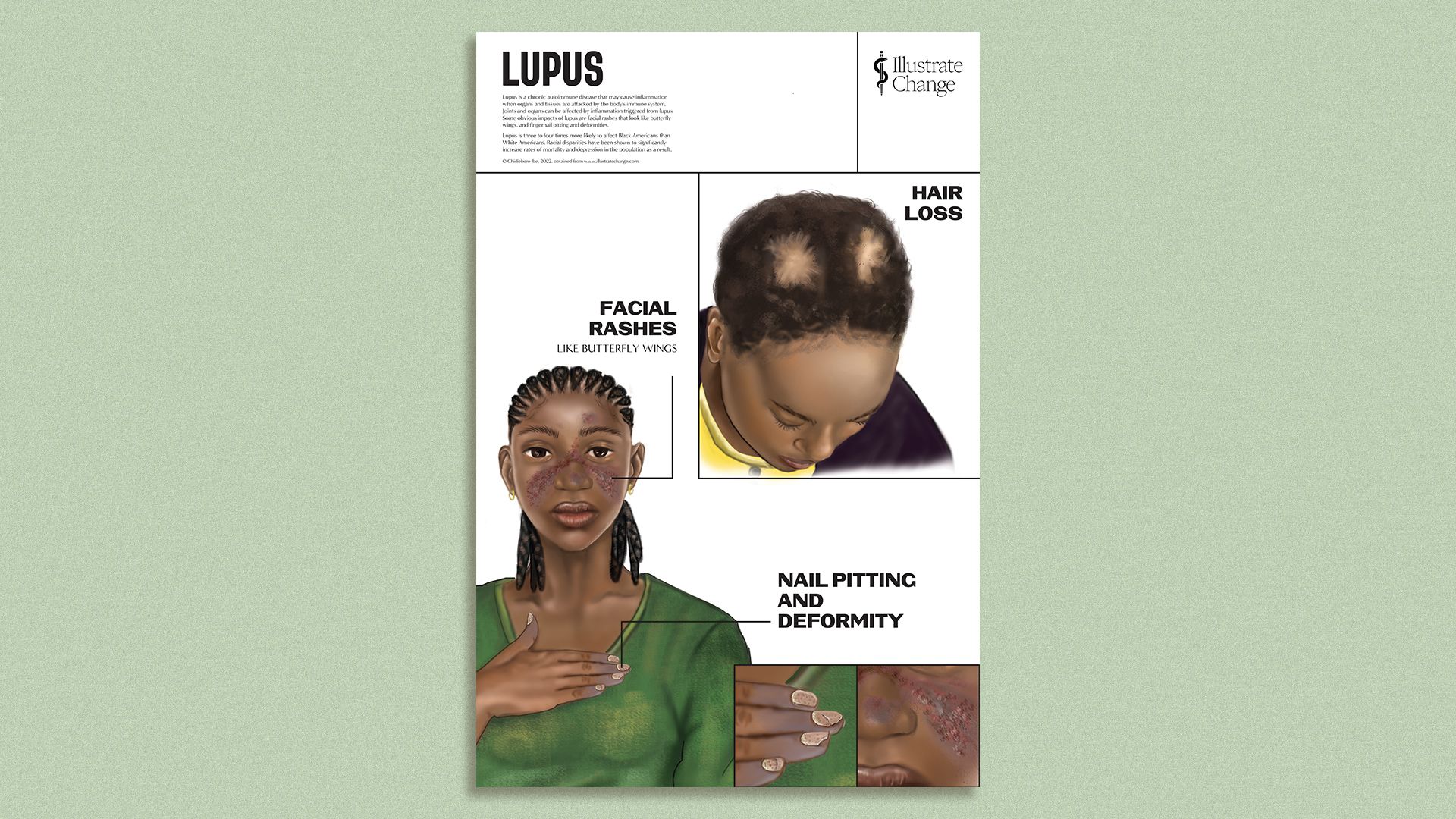
Chidiebere Ibe,whoseillustration of a Black fetus went viral a year and a half ago, is helping launch a campaign to diversify images used in medical textbooks and diagnosis manuals.
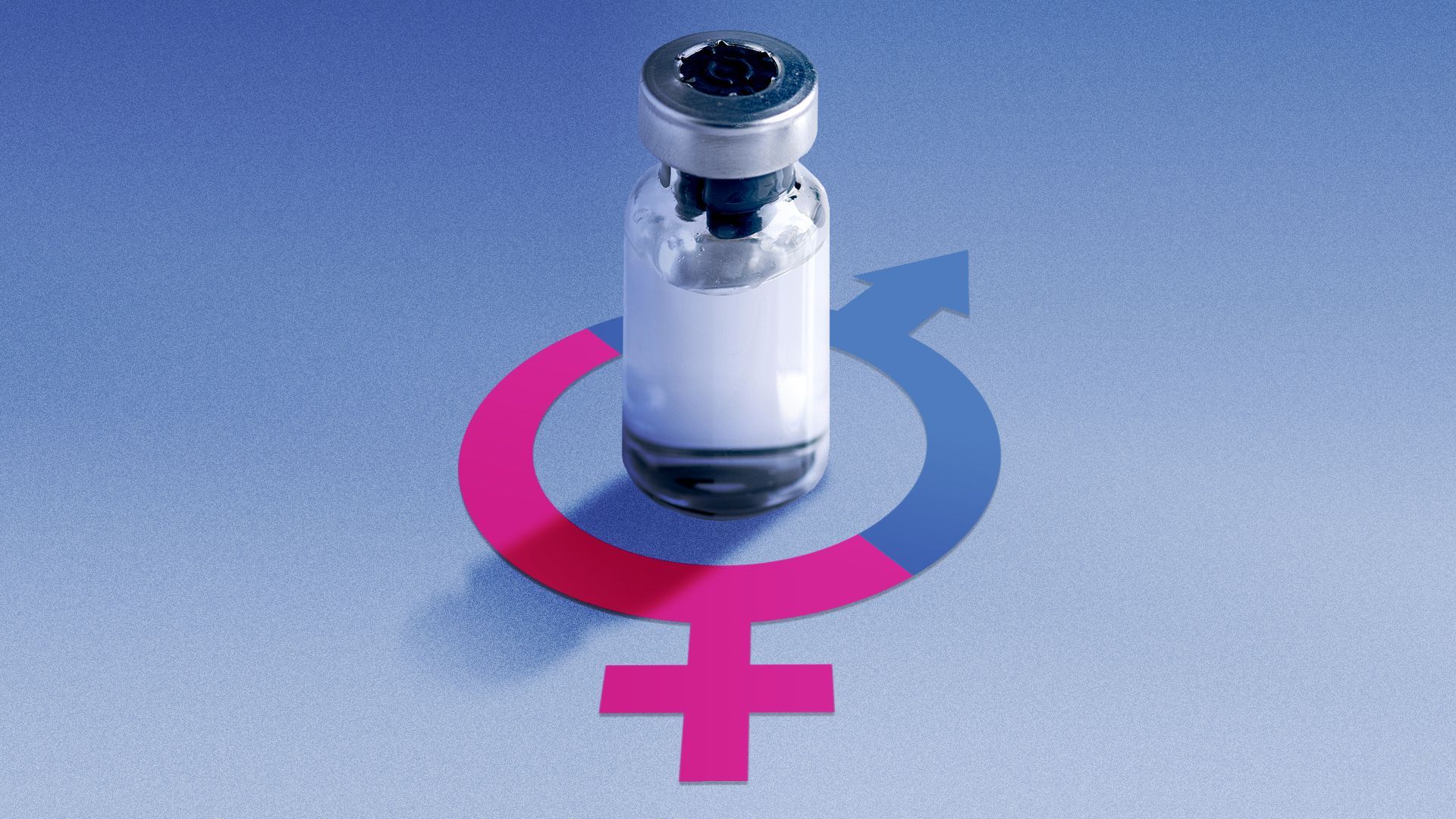
Some experts are questioning whether a newly approved Alzheimer's drug was shown in clinical trials to be less effective on women — even though the FDA didn't flag any such concerns when it was authorized last week.
Why it matters: Nearly two-thirds of Americans living with Alzheimer's disease are female, according to the Alzheimer's Association. The $26,500 drug, Leqembi, also can cause significant side effects, and some experts question whether the benefits outweigh the risks even without accounting for any gender disparities.
The Biden administration on Tuesday released a national plan targeting the spread of xylazine, an animal tranquilizer that's increasingly laced with fentanyl and is rapidly spreading through the illegal drug trade.
Why it matters: Overdose death rates involving xylazine have skyrocketed in the past five years, but a federal strategy to fight the emerging drug threat hasn’t existed until now, leaving the response largely to a patchwork of local efforts.
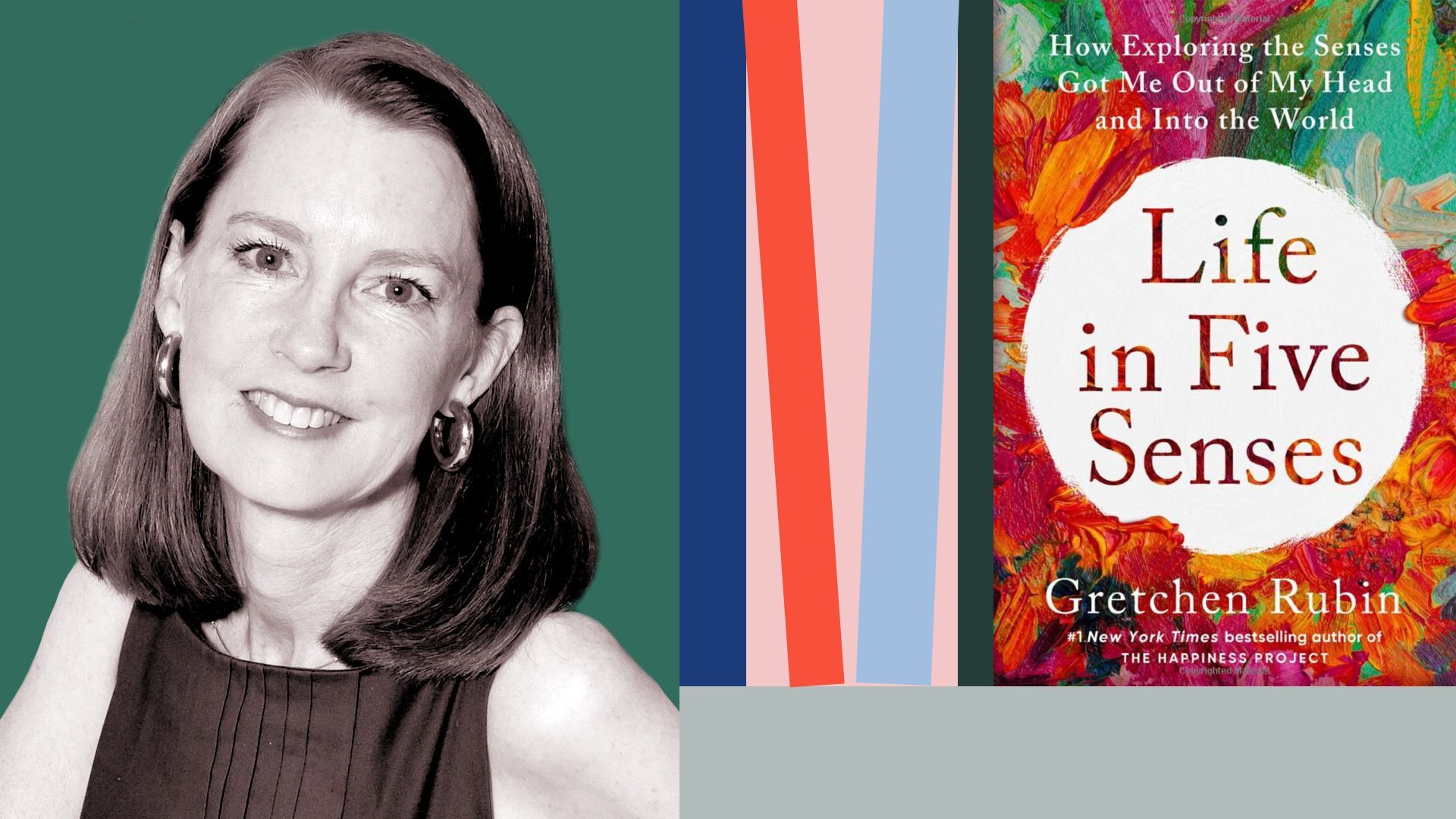
As the author of New York Times' bestsellers "The Happiness Project" and "Better Than Before," Gretchen Rubin is something of an authority on staying positive.
But during a doctor's appointment for a bout with pink eye, she got a jolt from news that she had an increased risk of vision loss.
While her vision was still fine, she walked out of the office with a renewed sense of purpose. She wanted to better appreciate the sight of her husband, the smells of home, the taste of something as simple — and complex — as Heinz ketchup.
Big retailers expanding into health care delivery increasingly see a growth opportunity tapping their huge customer bases to recruit participants into clinical trials.
Why it matters: The moves byKroger, Walgreens and Walmart, among others, could create a more diverse pool of subjects and expand access to cutting-edge treatments. But there are concerns, including whether there are enough safeguards to protect sensitive patient data.
The Centers for Medicare and Medicaid Services is proposing lump-sum payments to reimburse safety-net hospitals for about $9 billion in illegal discount drug program cuts from 2018 to 2022.
Yes, but: The payments will come at the expense of other hospitals under a proposal released Friday, because CMS wants the reimbursements to be budget-neutral, over the objections of leading industry groups.