Rich nations declaring the COVID pandemic is over should help lower-income countries reach that point too, a senior World Health Organization official said Friday in an interview with Reuters.
Why it matters: Bruce Aylward's comments come days after President Biden declared the pandemic over during a televised interview, noting that no one was now wearing masks and "everybody seems to be in pretty good shape."
Why it matters: Deaths from overdoses hit a new record of more than 107,000 throughout the 12-month period ending in December 2021, according to provisional data released by the Centers for Disease Control and Prevention.
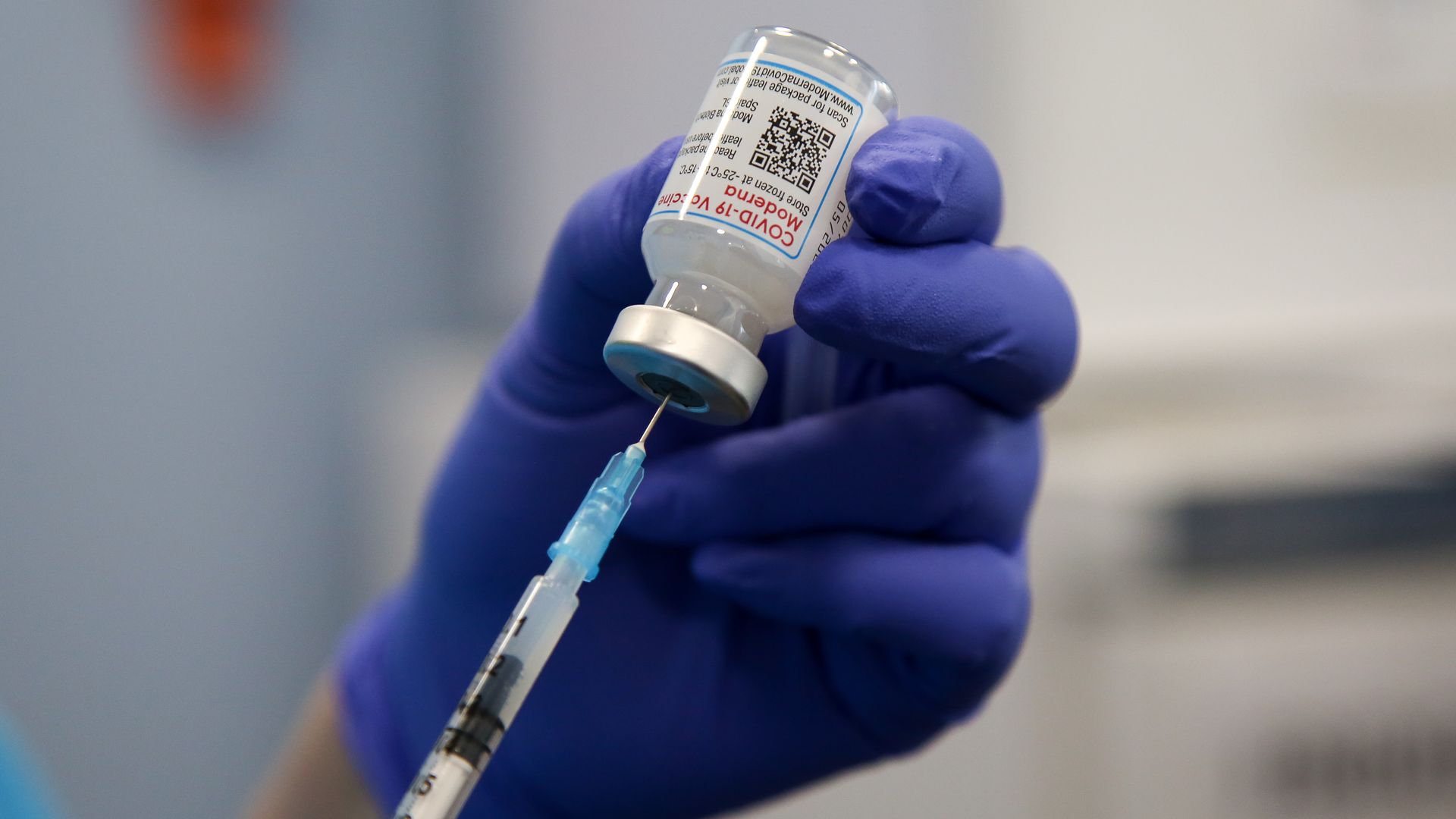
Moderna announced Friday that it has requested emergency use authorization for its omicron COVID-19 booster shots for children aged 6-17 years old.
Driving the news: The application for the bivalent vaccine for children ages 6 months to under 6 years old is expected to be completed later this year, the company said on Twitter.
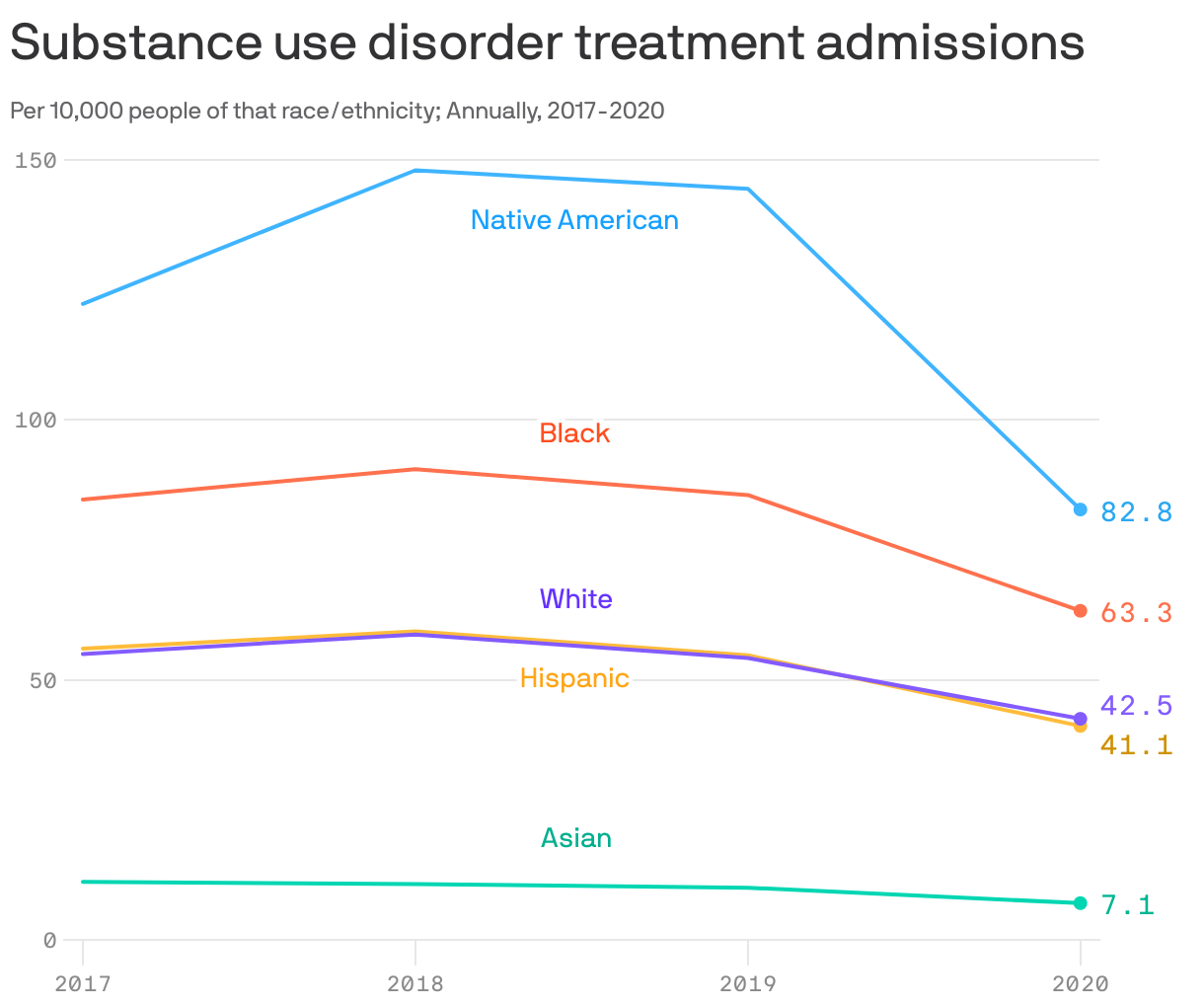
Admissions to drug treatment facilities fell by more than 23% during the pandemic as substance use disorders and overdose deaths rose, a new analysis published in the Journal of the American Medical Association shows.
What they found: Almost every state saw fewer patients seek treatment during 2020 than in previous years.
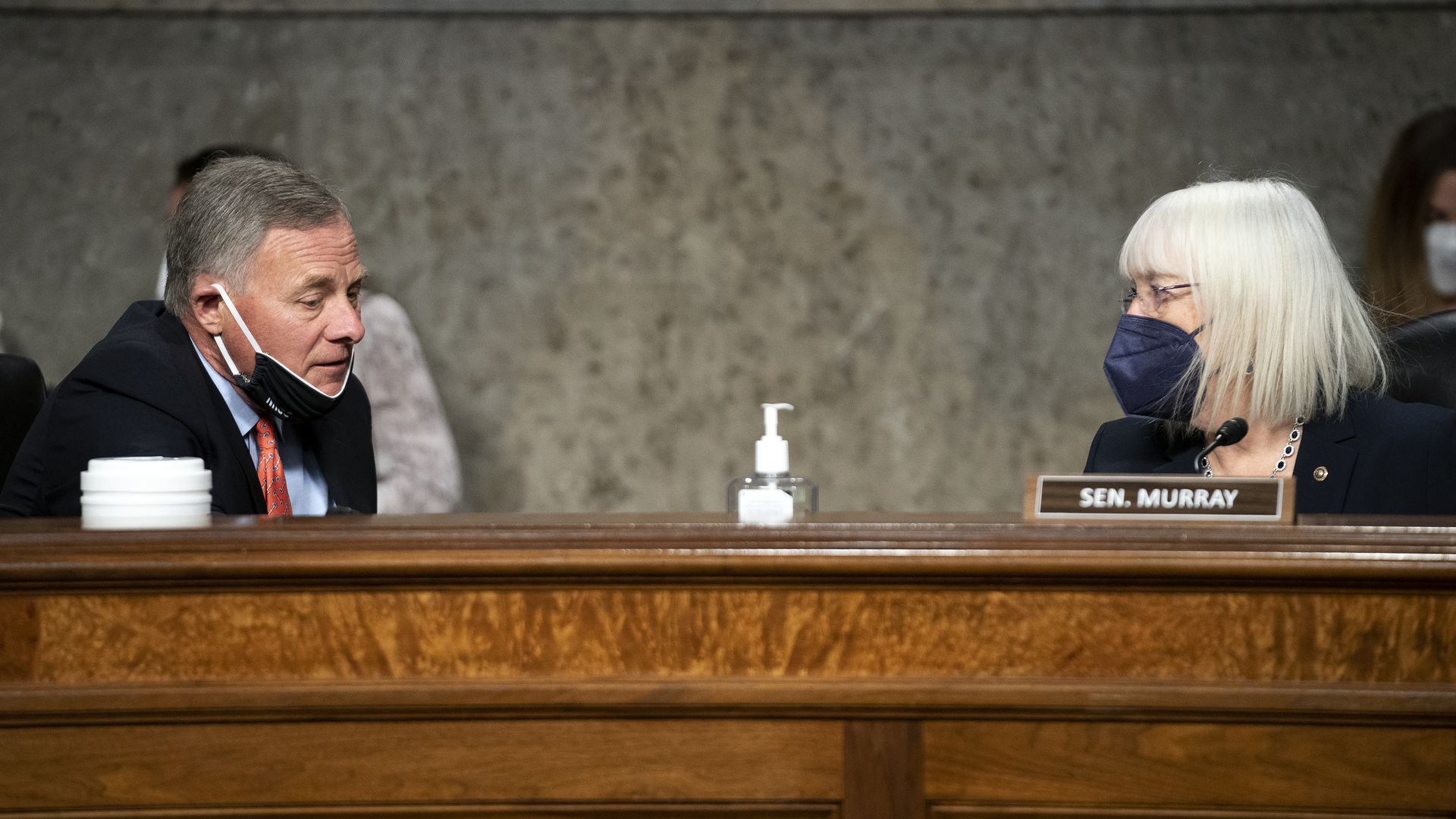
Senate and House health committee leaders on Thursday reached an agreement to renew programs that fund key Food and Drug Administration programs for another five years.
Why it matters: Without congressional action by the end of the month, the FDA would have started sending out furlough notices to staff and slowed down critical work like drug approvals.
Democrats are stepping up efforts to portray Sen. Lindsey Graham's proposed 15-week nationwide abortion ban as a de facto criminalization of certain forms of reproductive health care.
Driving the news: The White House's Gender Policy Council said in a memo obtained by Axios that the ban would "create a nationwide health crisis" and open the door to "doctors being thrown in jail if they fulfill their duty of care to patients according to their best medical judgment."
Bicycle Health, a Boston-based startup that offers virtual treatment for opioid addiction, raised $5 million in new venture capital funding.
Why it matters: Telehealth can reduce the stigma that precludes many people with addiction from seeking care, in addition to its lower costs and higher convenience.
Some key House Republicans are calling for the repeal of Democrats' newly-passed drug pricing measure if the GOP flips control of one or both chambers of Congress next year.
Why it matters: The comments show Republicans are not giving up the fight against sweeping measures aimed at lowering prescription drug prices, and give a glimpse of what their health agenda could look like.
The great strides in cancer survivability seen in recent decades could be undercut by fallout from the pandemic, the overturning of Roe v. Wade, and continued disparities in health care access, scientists warn.
The good news: There's been a 32% reduction in American cancer deaths from 1991 to 2019, with a 2.3% drop every year between 2016 and 2019, according to the American Association for Cancer Research.
Senate and House health committee leaders on Thursdayreached an agreement to renew programs that fund key Food and Drug Administration programs for another five years.
Why it matters: Without congressional action by the end of the month, the FDA would have had to start sending out furlough notices to staff and slow down critical work like drug approvals.
Why it matters: The memo comes after the VA said earlier this month it plans to provide abortions to beneficiaries when pregnancy is the result of rape or incest and when birth may present a danger to a pregnant person's health.
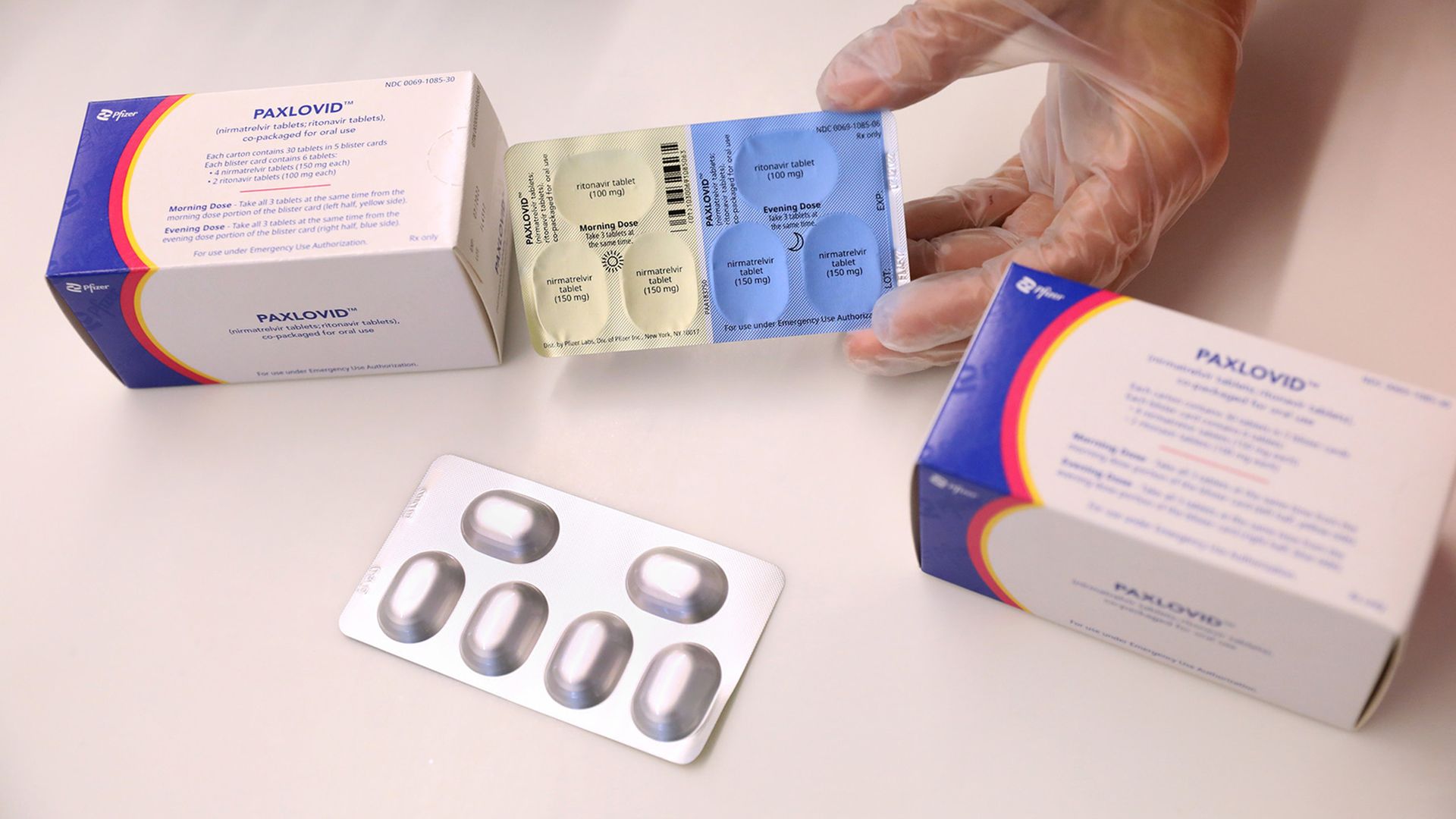
Here's one more data point to consider in the back-and-forth about Pfizer's antiviral pill Paxlovid: A new analysis found it can meaningfully reduce COVID hospitalizations and deaths, even in those younger than 65.
Why it matters: Paxlovid use surged over the summer as a tool to battle COVID, but it's also faced concerns about contributing to COVID rebound, in which patients test positive or have symptoms days after a course of the drug is completed.
Why it matters: Cancer continues to be the second leading cause of death in the U.S. and it's estimated that more than 600,000 people in the U.S. will die from cancer in 2022 — but this report shows where gains are being made against the disease.
Pfizer will supply up to six million Paxlovid treatments to the Global Fund in an effort toward equitable access to COVID-19 oral treatments, the company announced Thursday.
The big picture: Some 132 countries will have access to the antiviral pill based on "income classification and disease burden" through the Global Fund, which connects governments, health organizations and the private sector to help low-income countries treat and prevent disease.
Five forthcoming state ballot initiatives on abortion rights could add fissures to the fractured post-Roe landscape and the evolving patchwork of reproductive health policies.
The big picture: The U.S. Supreme Court decision overturning the constitutional right to an abortion has hardened sentiments in red and blue states and put critical access questions in front of voters this fall.
Walking is a simple way to improve health and lengthen life. But it's not just the number of steps you take that helps, it's also how quickly you take them.
The big picture: In a pair of newstudies, published in JAMA Internal Medicine and JAMA Neurology, researchers compared brisk walkers' risk of disease and premature death with that of slow or average walkers and found that walking fast made a difference.