The World Health Organization warned in a report Wednesday that most countries are "far off track" in their efforts to reduce premature deaths from noncommunicable diseases (NCDs), such as cancer, diabetes and cardiovascular diseases.
Driving the news: Chronic diseases are responsible for about 74% of deaths worldwide, with low- and middle-income countries disproportionately affected, according to the WHO. The organization estimates that chronic diseases claim one person's life every two seconds.
Rural hospitals that weathered the pandemic are facing a funding cliff, in danger of losing some $600 million in Medicare funding at the end of this month unless Congress intervenes.
Why it matters: With COVID relief no longer available, some rural facilities in parts of the country with older, sicker populations are struggling to stay open and are cutting services.
President Biden on Tuesday addressed comments he made during a "60 Minutes" interview this week in which he said "the pandemic is over," per a pool report.
Driving the news: Biden acknowledged at a New York City fundraiser that he was criticized for the remarks. "But it basically is not where it was," Biden added.
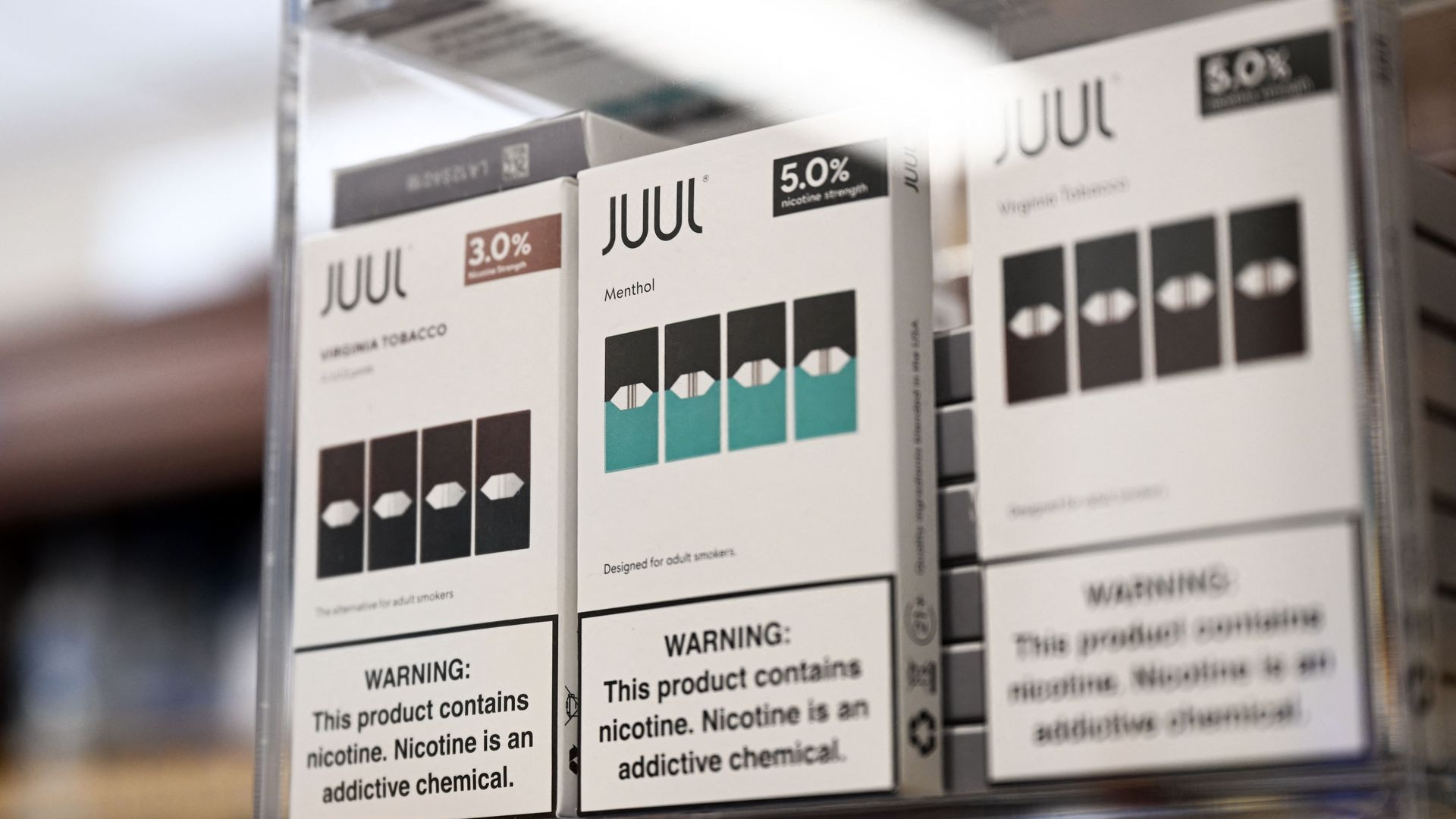
Juul Labs on Tuesday filed a lawsuit against the Food and Drug Administration over the agency's refusal to disclose documents supporting its order to take Juul's e-cigarettes off the shelves in the U.S. market.
The big picture: The FDA in June ordered Juul to take its e-cigarettes off the market saying the company hadn’t submitted enough evidence that they were safe. But the ban was later suspended after a federal appeals court granted Juul a temporary stay on the order.
Sexually transmitted diseases continued to rise in the second year of the pandemic, according to preliminary data from the Centers for Disease Control and Prevention.
The big picture: The statistics have health experts warning that the U.S. must invest significantly more funding in prevention efforts, especially as the nation continues to battle COVID-19 and monkeypox.
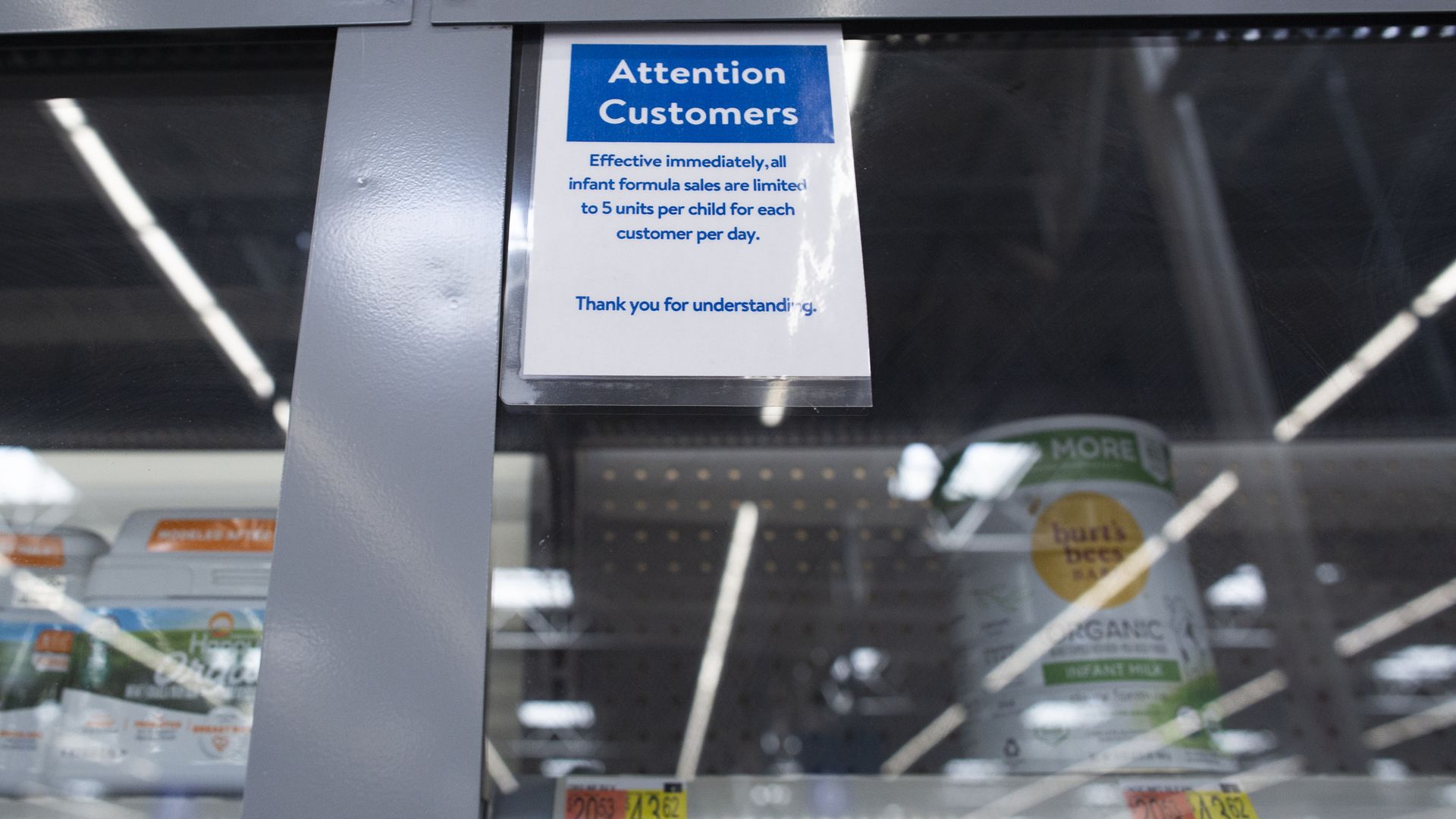
The Food and Drug Administration on Tuesday acknowledged that it was poorly equipped to handle the baby formula crisis that erupted in the spring, lacking sufficient technology, personnel and authority to address the situation.
Why it matters: Several babies died of suspected Cronobacter bacterial contamination, triggering a massive recall of Abbott Nutrition formula and widespread shortages of formula that sent parents scrambling to meet their babies' nutritional needs.
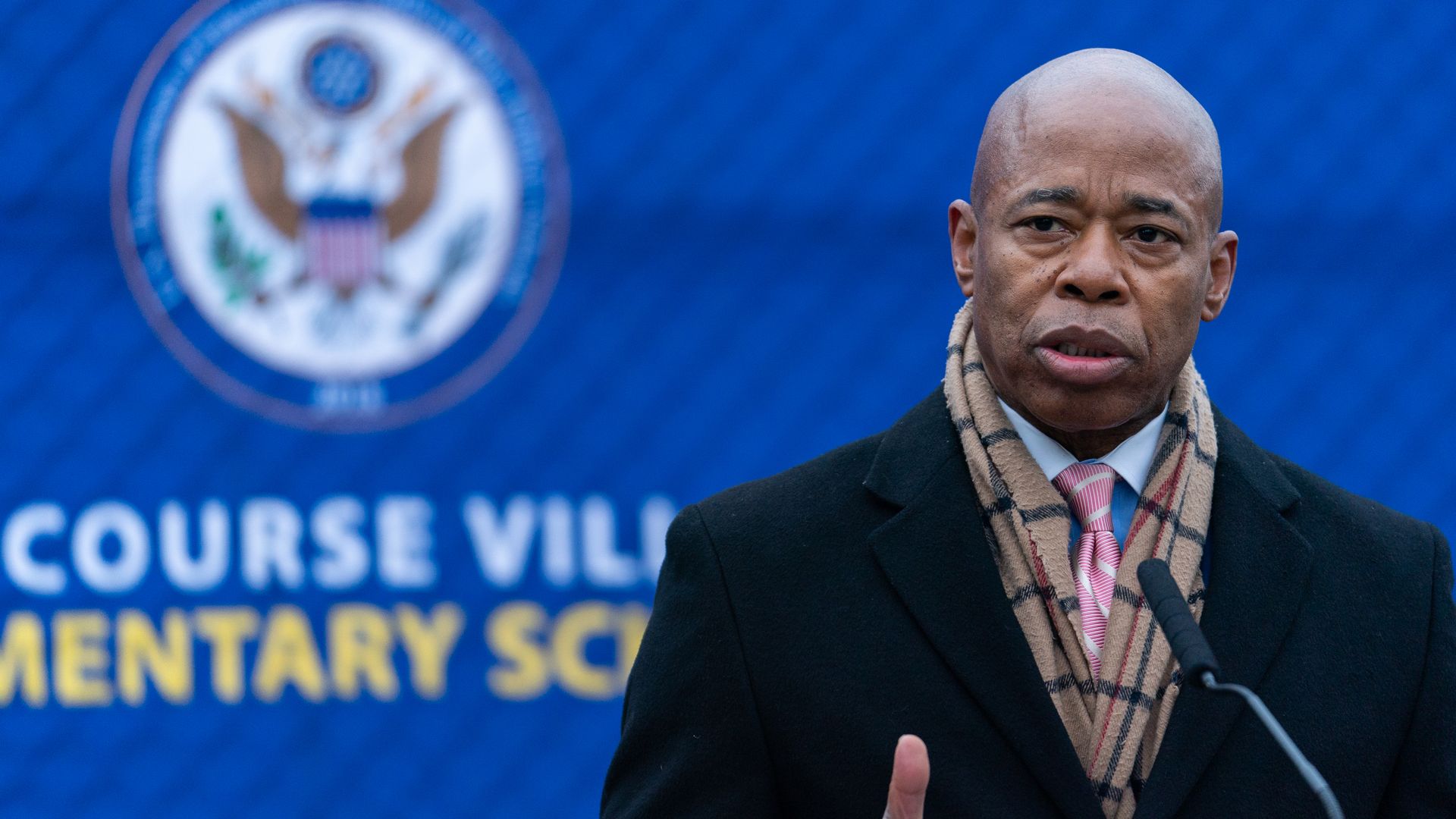
Private businesses in New York City will no longer be required to enforce COVID-19 vaccines starting Nov. 1, Mayor Eric Adams announced Tuesday.
Why it matters: Private employers having more flexibility in their vaccine policies signals a shift into the next chapter of the pandemic, now that around 89% of NYC residents have already received at least one dose of the COVID vaccine, per the latest data.
A federal task force for the first time is recommending screening adults under the age of 65 for anxiety.
Why it matters: Anxiety disorders are the top mental illness in the country, affecting about 19% of the adult population, according to the Anxiety & Depression Association of America.
President Biden's Q: Who's afraid of Joe Biden's antitrust enforcers?
A: Fewer people than last month.
Driving the news: A federal judge yesterday ruled that UnitedHealth can proceed with its $13 billion acquisition of Change Healthcare, denying a U.S. Justice Department effort to block the deal.
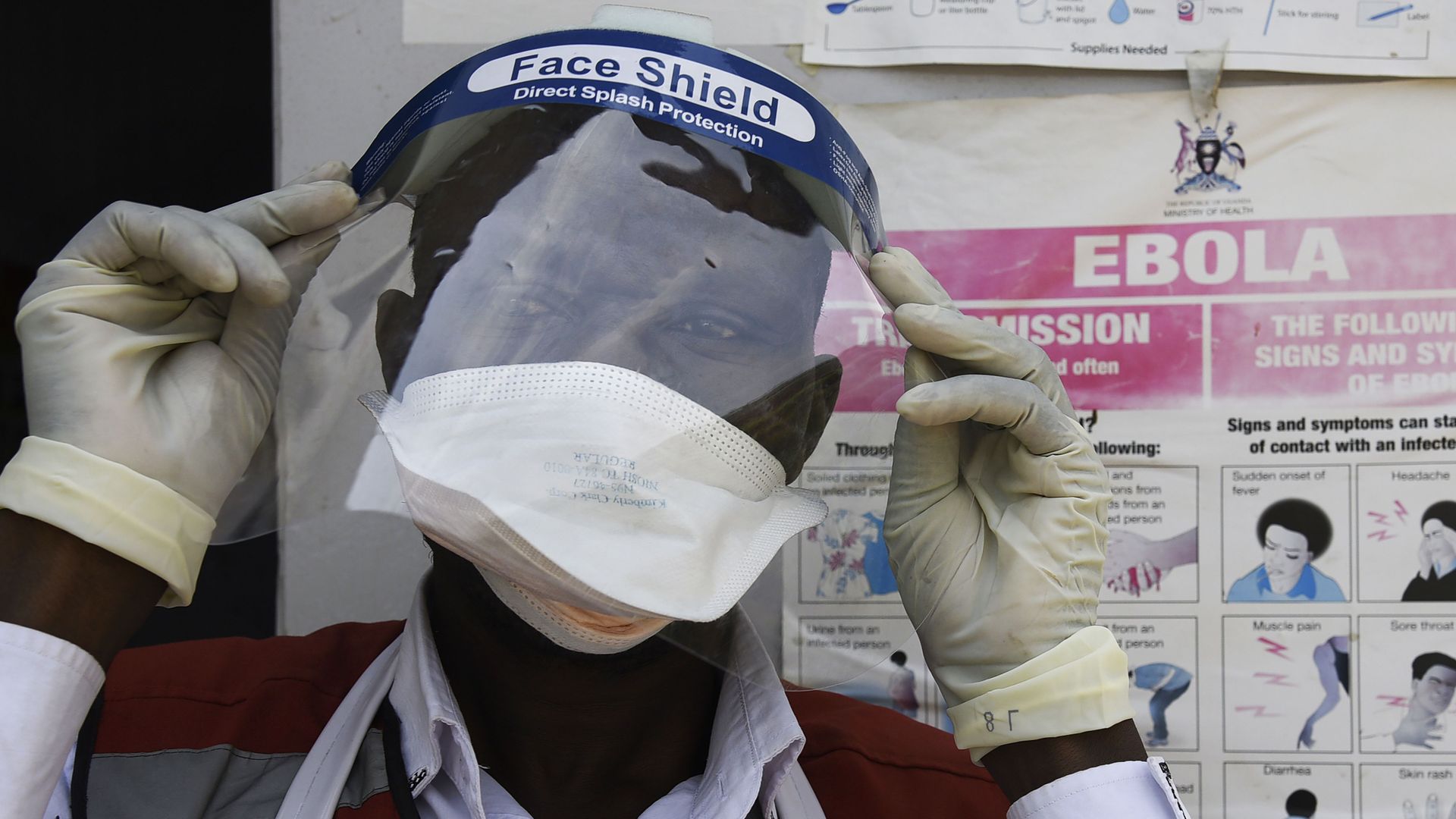
Health authorities in Uganda on Tuesday declared an outbreak of Ebola after officials found a case of a relatively rare strain.
Why it matters: It's the first time the country has called an outbreak of Sudan ebolavirus strain in more than a decade, per the World Health Organization.
Bureaucratic red tape at the state and federal levels is hindering access to treatments for opioid use disorder, a new analysis from the Pew Charitable Trusts shows.
Why it matters: Pew found that nearly all states have rules governing opioid treatments that are not based in evidence and, in turn, limit access to care or worsen the patient experience.
Senators eager to address mental health care this year are encountering stiff headwinds in a bid to ensure parity, the idea that health insurers cover behavioral health and substance abuse at the same level as physical health.
Why it matters: Advocates for decades have charged that insurers are not adequately covering behavioral health services. The issue has become a priority for more lawmakers as the aftereffects of the pandemic become clear.
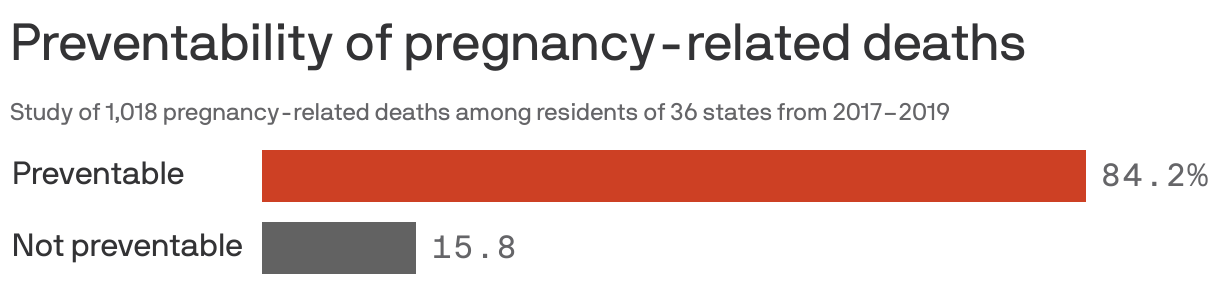
Data: CDC; Note: A death is considered preventable if the committee determines that there was at least some chance of the death being averted by one or more reasonable changes to patient, community, provider, facility, and/or systems factors. Preventability was unable to be determined for 22 pregnancy-related deaths; Chart: Nicki Camberg/Axios
More than 80% of pregnancy-related deaths that occurred between 2017 and 2019 were preventable, according to a new CDC report released Tuesday.
Why it matters: Researchers found six underlying causes accounted for the majority of fatalities: mental health conditions, hemorrhaging, heart problems, infections, blood clots and cardiomyopathy. The leading causes varied by race and ethnicity.
Puerto Rico may only be starting to take stock of the damage caused by Hurricane Fiona. But experts tell Axios indications are that medical supplies from plants there won't be disrupted the way they were when another storm ravaged the island in 2017.
Why it matters: A lot of pharmaceutical and medical device production occurs in Puerto Rico. Production problems there can send shocks up and down the U.S. medical supply chain.
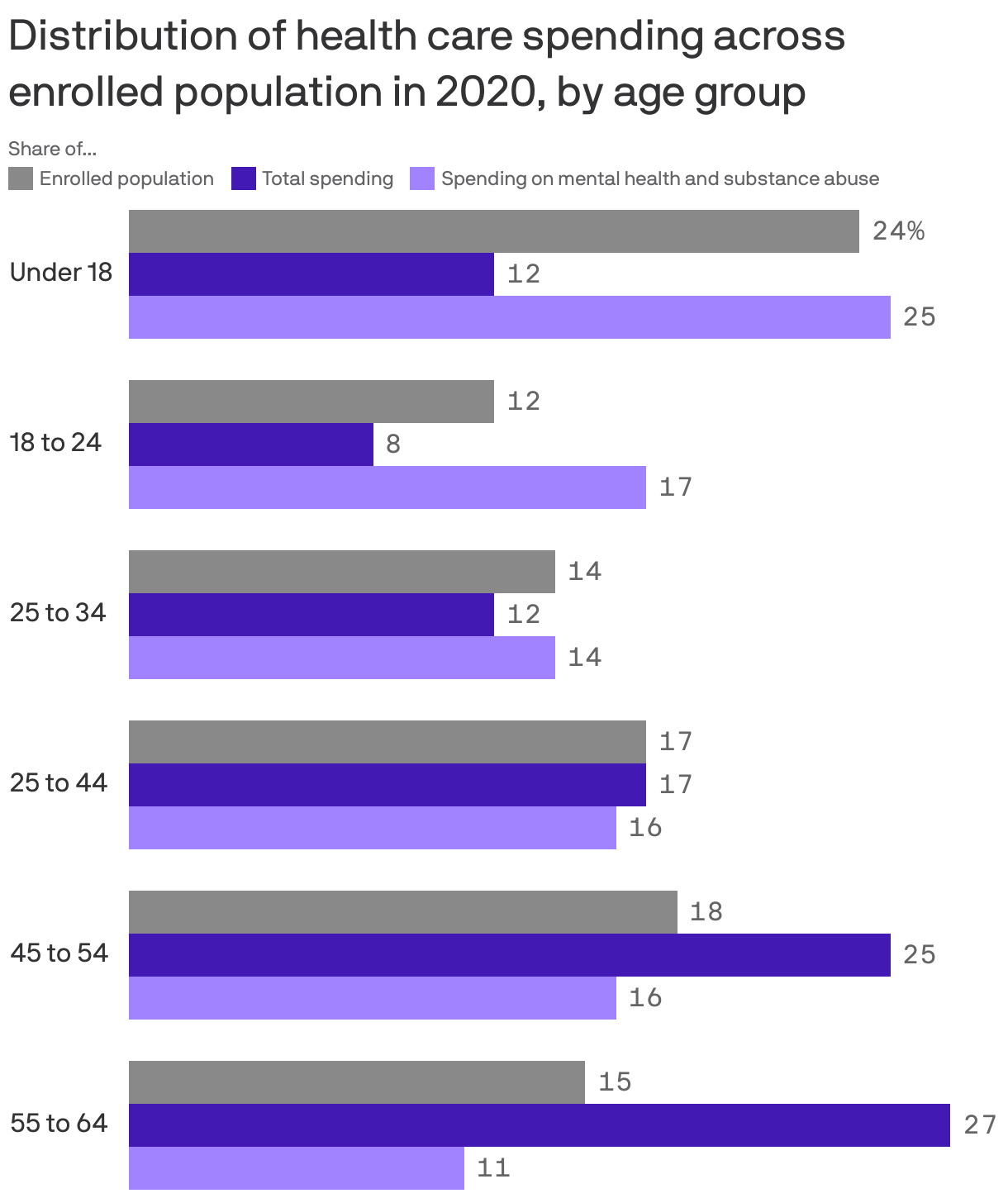
Data: Fronstin, et al., 2022, "Use of Health Care Services for Mental Health Disorders and Spending Trends"; Chart: Axios Visuals
While older people represent the lion's share of overall health care costs, people under 25 are propelling a slow and steady rise in mental health and addiction spending, according to a report by the Employee Benefit Research Institute (EBRI).
Why it matters: Employers face an increasingly tough balancing act: They know robust mental health benefits are critical to attracting and retaining top talent but chafe at the rising expense of offering those benefits — particularly as more people use them.



/2022/09/20/1663703192726.gif?w=3840)







/2022/09/20/1663686751740.gif?w=3840)