Alzheimer’s among U.S. Latinos is forecast to grow almost 600% in the next 25 years, but they’re chronically under-enrolled in clinical trials of drugs to treat the disease, according to the National Institutes of Health.
The big picture: U.S. Latinos are more likely to have Alzheimer’s or other forms of dementia than white non-Hispanics, according to the organization UsAgainstAlzheimer’s.
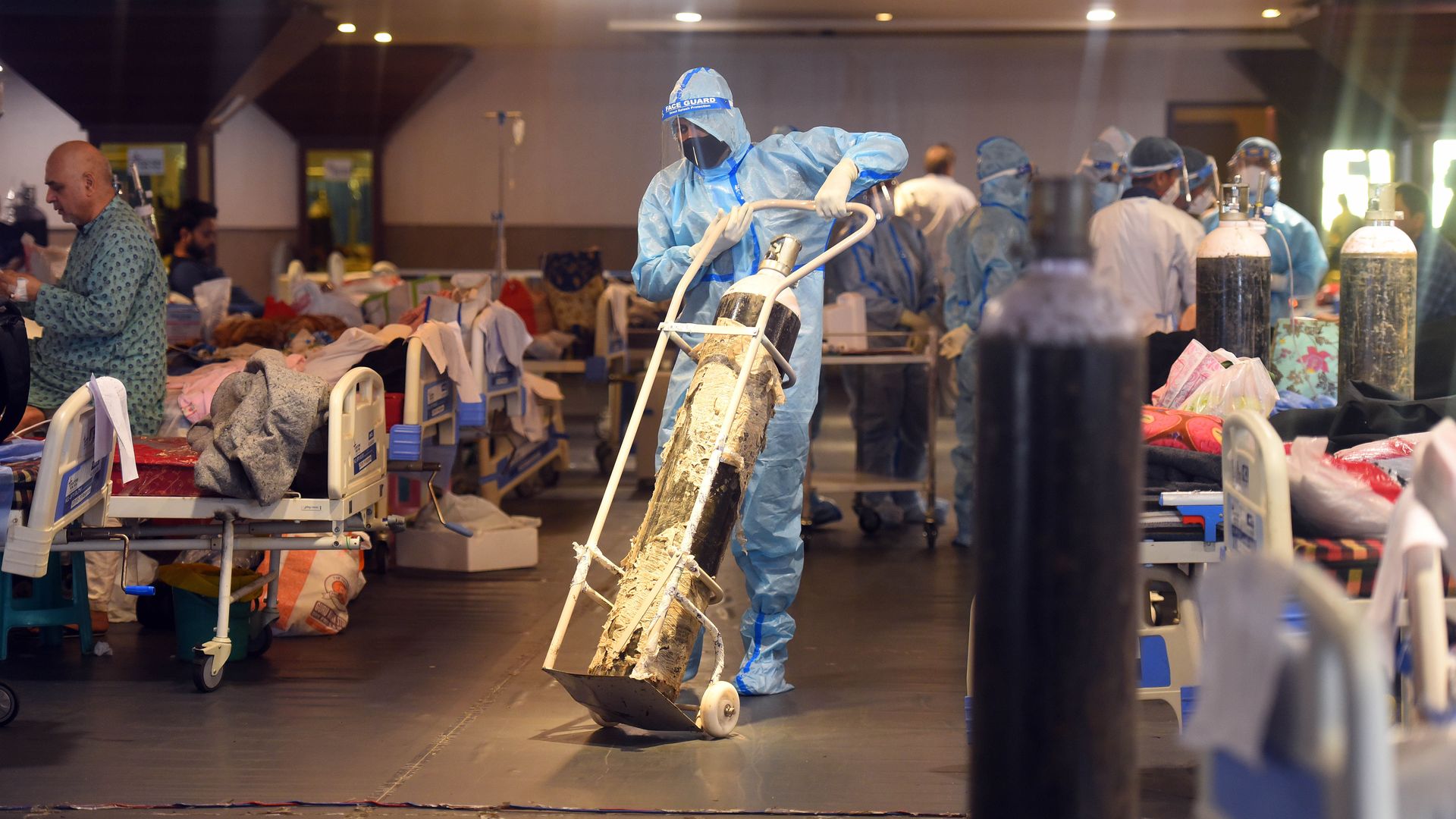
India saw its deadliest day of the pandemic yet with more than 4,180 confirmed COVID-19 deaths reported Saturday.
Why it matters: The country has recorded more than 21.8 million coronavirus cases and 238,270 deaths since the pandemic began. The true numbers, however, are likely much higher, experts say, as the country battles a continued surge in cases that has left hospitals and health workers overwhelmed.
European leaders ramped up their criticism of the United States' support for a proposal to waive certain patent protections for coronavirus vaccines, with European Council President Charles Michel saying Saturday that a waiver is not "the magic bullet,” AP reports.
Why it matters: The leaders instead pressed President Biden to lift U.S. export restrictions on vaccines, arguing it would have a greater impact on vaccine production and distribution.
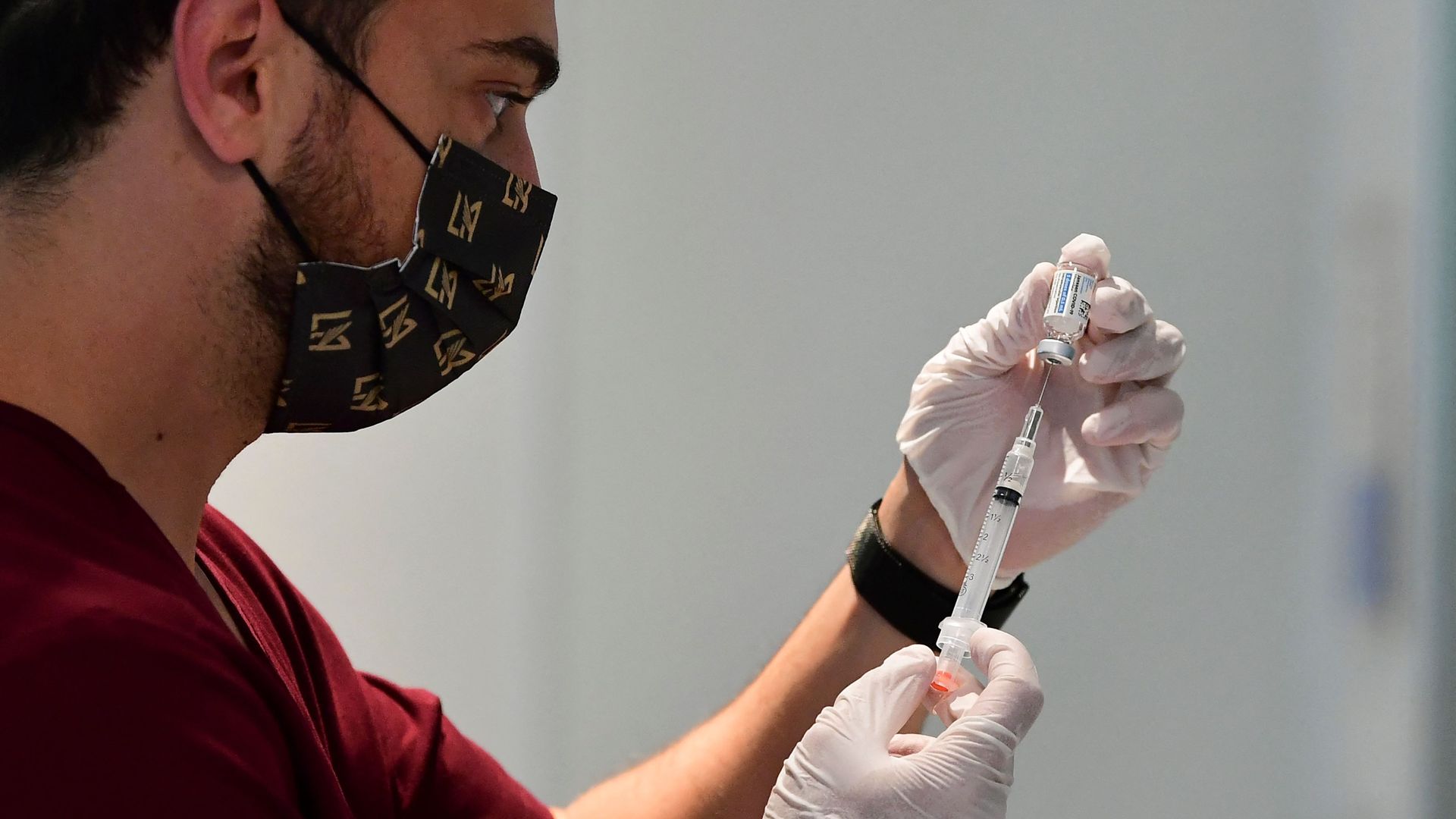
States are requesting fewer doses of the coronavirus vaccine as demand for the shots plummets, according to AP.
Why it matters: Over half of all American adults have now gotten at least one shot of a vaccine, and 42% of adults are fully vaccinated. But administering more vaccines may become more difficult because adults who are enthusiastic about getting vaccinated have likely already received at least one dose.
Several Asian countries are facing new coronavirus waves, with some struggling to keep up with some of the worst outbreaks since the beginning of the pandemic.
The big picture: While India accounted for half of the global infections this past week, per the World Health Organization, cases are surging in countries such as Nepal, Sri Lanka, Thailand and Cambodia, CNN reports.
Long quarantines were a necessary tool to slow the COVID-19 pandemic during its first phases, but better and faster tests — plus vaccines — mean they can be scaled back considerably.
Why it matters: Quick tests and regular surveillance methods that identify who is actually infectious can take the place of the two-week or longer isolation periods that have been common for travelers and people who might have been exposed to the virus, speeding the safe reopening of schools and workplaces.
The CDC acknowledged Friday that airborne spread of COVID-19 among people more than 6 feet apart "has been repeatedly documented."
Why it matters: This is "a change from the agency’s previous position that most infections were acquired through 'close contact, not airborne transmission,'" the N.Y. Times reports.
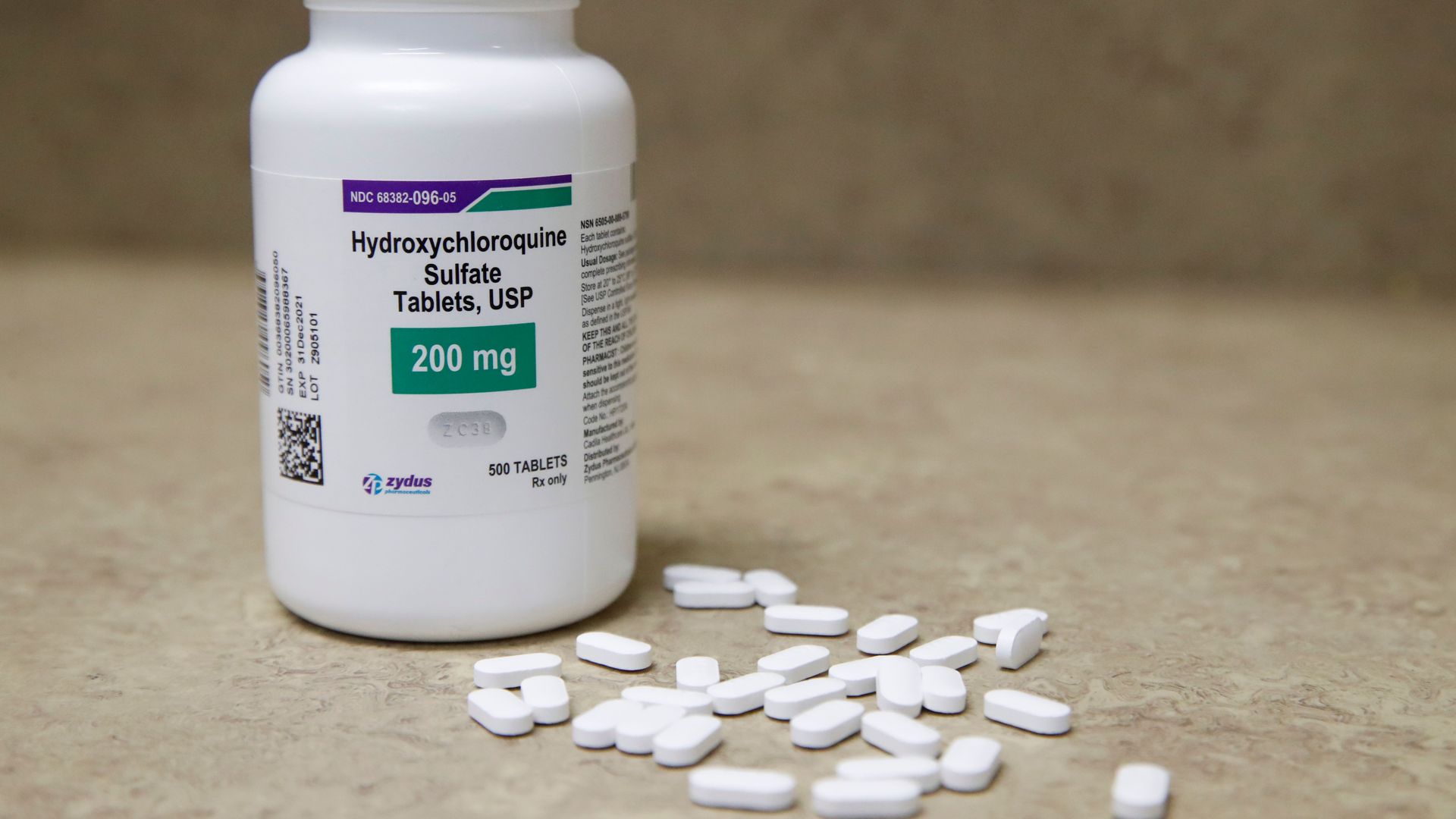
Oklahoma has secured a $2.6 million refund for a malaria drug purchase once touted by former President Trump as a treatment for COVID-19, the state's attorney general announced Friday.
Why it matters: Trump repeatedly promoted hydroxychloroquine last year despite health officials warning that the drug should not be prescribed for treating COVID-19 outside of research or hospital settings due to serious side effects. Oklahoma purchased 1.2 million hydroxychloroquine pills in April 2020, per AP.
The World Health Organization authorized China’s Sinopharm’s COVID-19 vaccine for emergency use on Friday, making it the sixth vaccine to receive clearance from the global health agency.
Why it matters: The authorization will allow COVAX, the WHO's initiative to equitably develop and distribute coronavirus vaccines, to purchase Sinopharm's vaccine and bolster its supply, according to the New York Times.
Amazon told CNBC Thursday it is delaying its annual Prime Day sales in Canada and India as both countries struggle to control surges in new coronavirus cases.
Why it matters: In an email reviewed by Bloomberg, the company said the delay was needed to protect "the health and safety of our employees and customers," though Amazon didn’t give a rescheduled date in either country.
Americans are slowly getting ready to fly again, with 44% of U.S. adults now saying they plan to fly in the next six months, data from CivicScience show.
By the numbers: That’s a 1 percentage-point bump from March and an 8 percentage-point increase from September. However, it's still well below pre-pandemic levels.
Former FDA Commissioner Scott Gottlieb said on CNBC Thursday night that the Centers for Disease Control and Prevention should consider lifting indoor mask mandates since vaccination rates have rapidly increased in the U.S.
Why it matters: The CDC said late last month that people who have been fully vaccinated against the virus don't have to wear masks outdoors and had previously said that vaccinated people can take fewer precautions in certain situations.
Pfizer and BioNTech announced Friday that they have initiated the process of applying for full FDA approval of their COVID-19 vaccine for people 16 and older.
Why it matters: It's the first coronavirus vaccine to seek a Biologics License Application (BLA), which requires at least six months of data, according to CNBC.
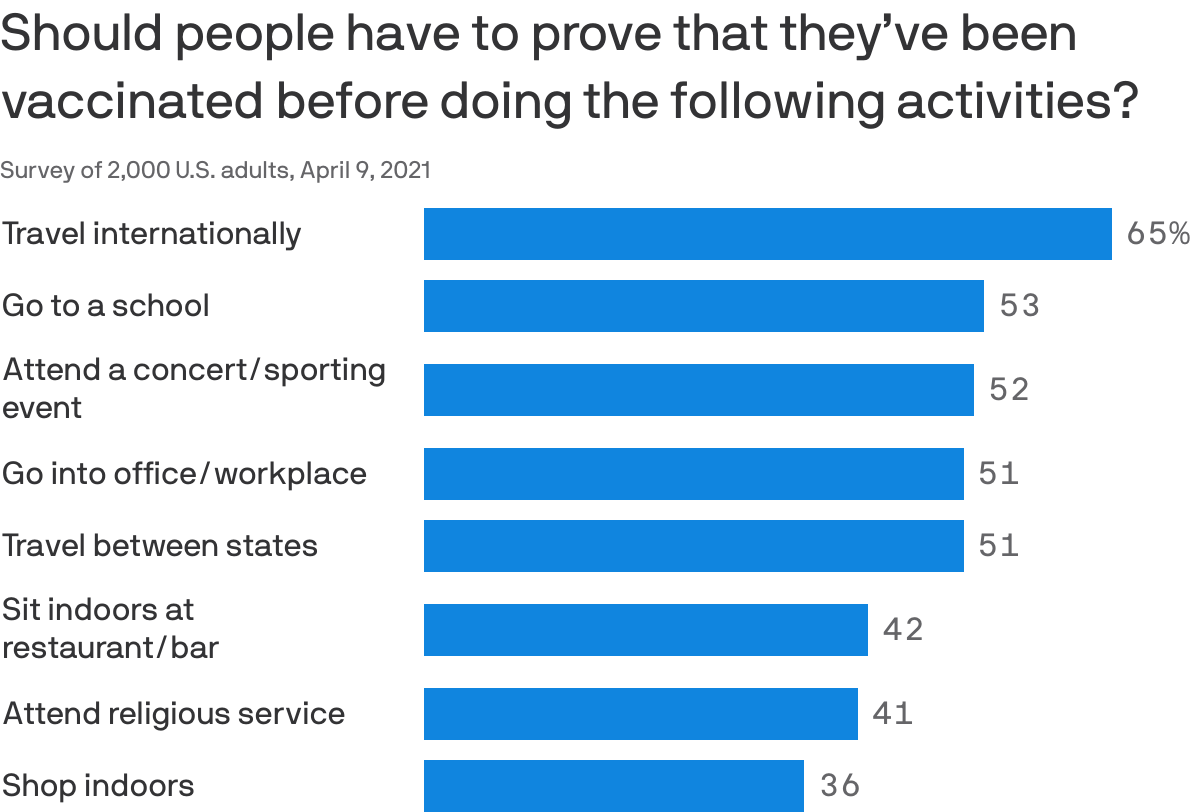
Most Americans support requiring proof they've been vaccinated against COVID-19 before traveling, going to school or going to work, a recent survey by Verywell found.
Democrats’ big investments in the Affordable Care Act appear to be paying off.
Driving the news: Almost 1 million Americans have signed up for ACA coverage since February, roughly half of them in April alone, the Centers for Medicare & Medicaid Services said yesterday.
Slow global COVID-19 vaccination rates are raising concerns that worse variants of the coronavirus could be percolating, ready to rip into the world before herd immunity can diminish their impact.
Why it matters: The U.S. aims to at least partially vaccinate 70% of adults by July 4, a move expected to accelerate the current drop of new infections here. But variants are the wild card, and in a global pandemic where only about 8% of all people have received one dose, the virus will continue mutating unabated.
Democrats have no workable plan to tackle the cost of prescription drugs, even with full control of Washington and after campaigning on the issue for years.
The picture: Voters still care about the cost of drugs, but Democrats don't have a feasible legislative strategy yet — or an agreed-upon policy to fit into a legislative strategy.