Today marks another devastating milestone in the 2020 history books:
The state of play: February 29: First reported U.S. coronavirus death; May 23: U.S. death toll hits 100,000; September 22: U.S. death toll hits 200,000, according to the Johns Hopkins tracker.
The Centers for Disease Control and Prevention issued holiday-specific guidelines this week to limit COVID-19 risks posed by gatherings and celebrations prior to the fall and winter holidays.
Why it matters: With the flu season just around the corner, medical experts are worried about the likelihood of battling COVID-19 and influenza at the same time. The coronavirus has now killed 200,000 Americans, and the U.S. is averaging roughly 830 per day. Cases and deaths could worsen again as the weather gets colder and people move indoors.
About 20% of Dunkin' Brands' customer transactions are digital in some form, Kate Jaspon, the company's chief financial officer, said Tuesday during an Axios virtual event.
Why it matters: Many restaurants and fast-food chains have had to drastically change or speed up their investment in technology services to make orders hands-free, cashless and safer for customers and workers during the coronavirus pandemic.
The big picture: Whatever contextyou try to put this in, it is a catastrophe of historic proportions — and is yet another reminder of America's horrific failure to contain the virus.
Health care wasn't the top issueheading into the 2020 election — and then Ruth Bader Ginsburg died.
Between the lines: This poll was conducted in the days before her death, which has significantly increased the threat to the Affordable Care Act and thus the threat to the law's pre-existing conditions protections.
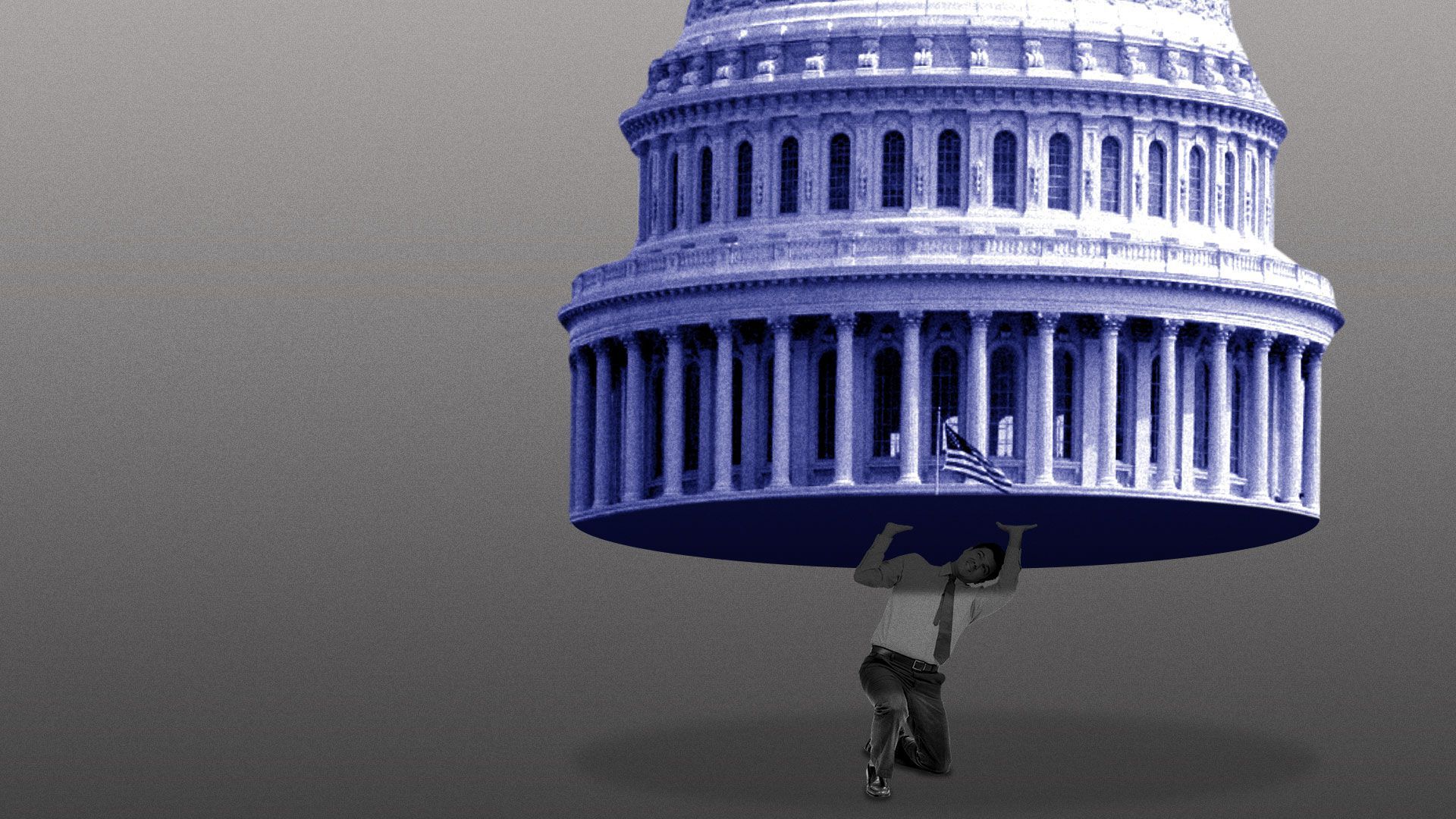
America's elected representatives have failed America.
Why it matters: The bipartisan inability to deliver economic stimulus could impede economic growth for months to come. It will create widespread damage across America — from small businesses to large industries to schools and day cares — and leave many Americans without jobs or homes.
The share of Americans eager to try a first-generation coronavirus vaccine dropped significantly in the latest installment of the Axios-Ipsos Coronavirus Index, as President Trump hyped suggestions that one could be ready before the election.
Why it matters: As the U.S. reaches a milestone of 200,000 deaths, this underscores the risks of politicizing the virus and its treatments.
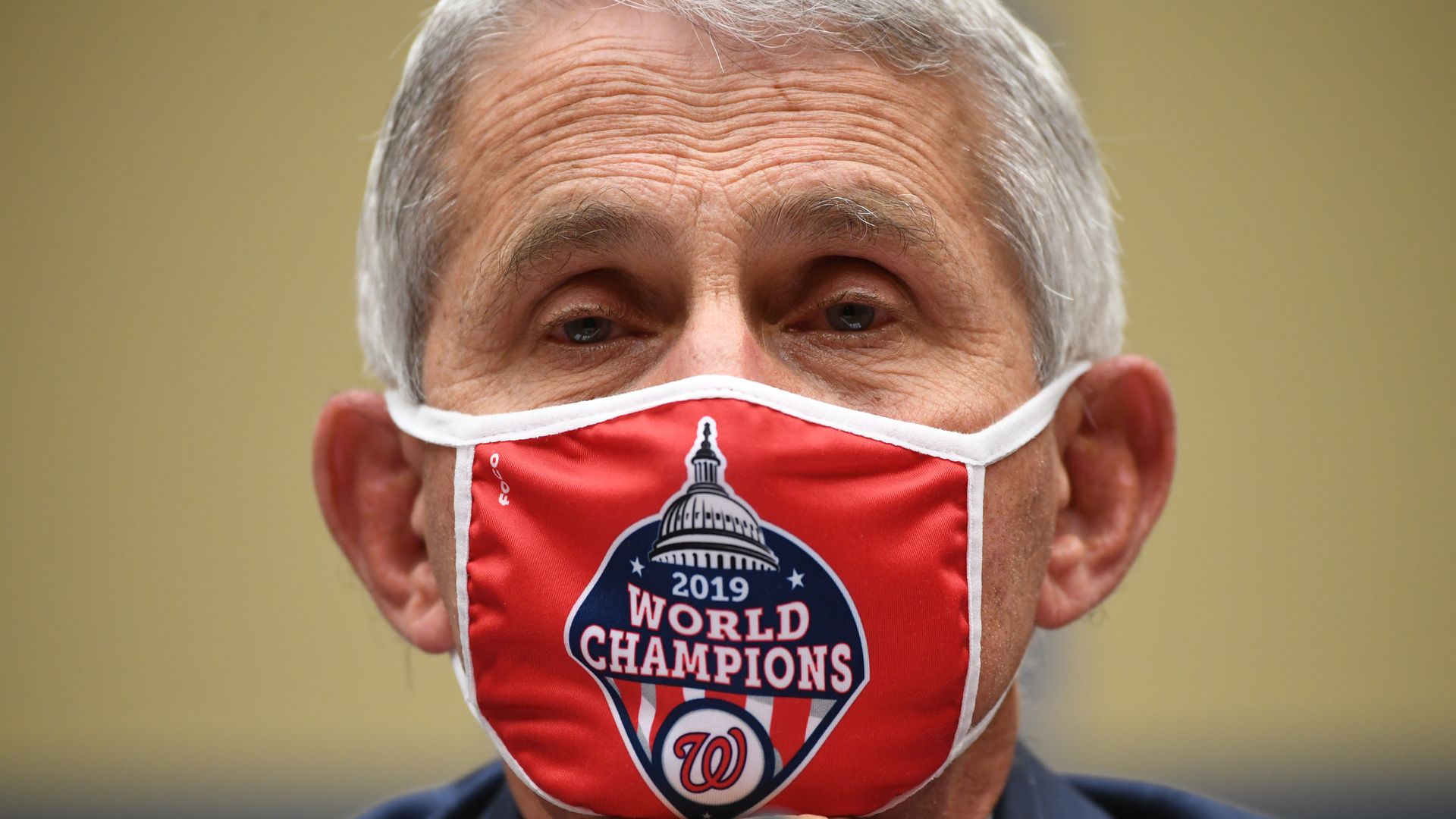
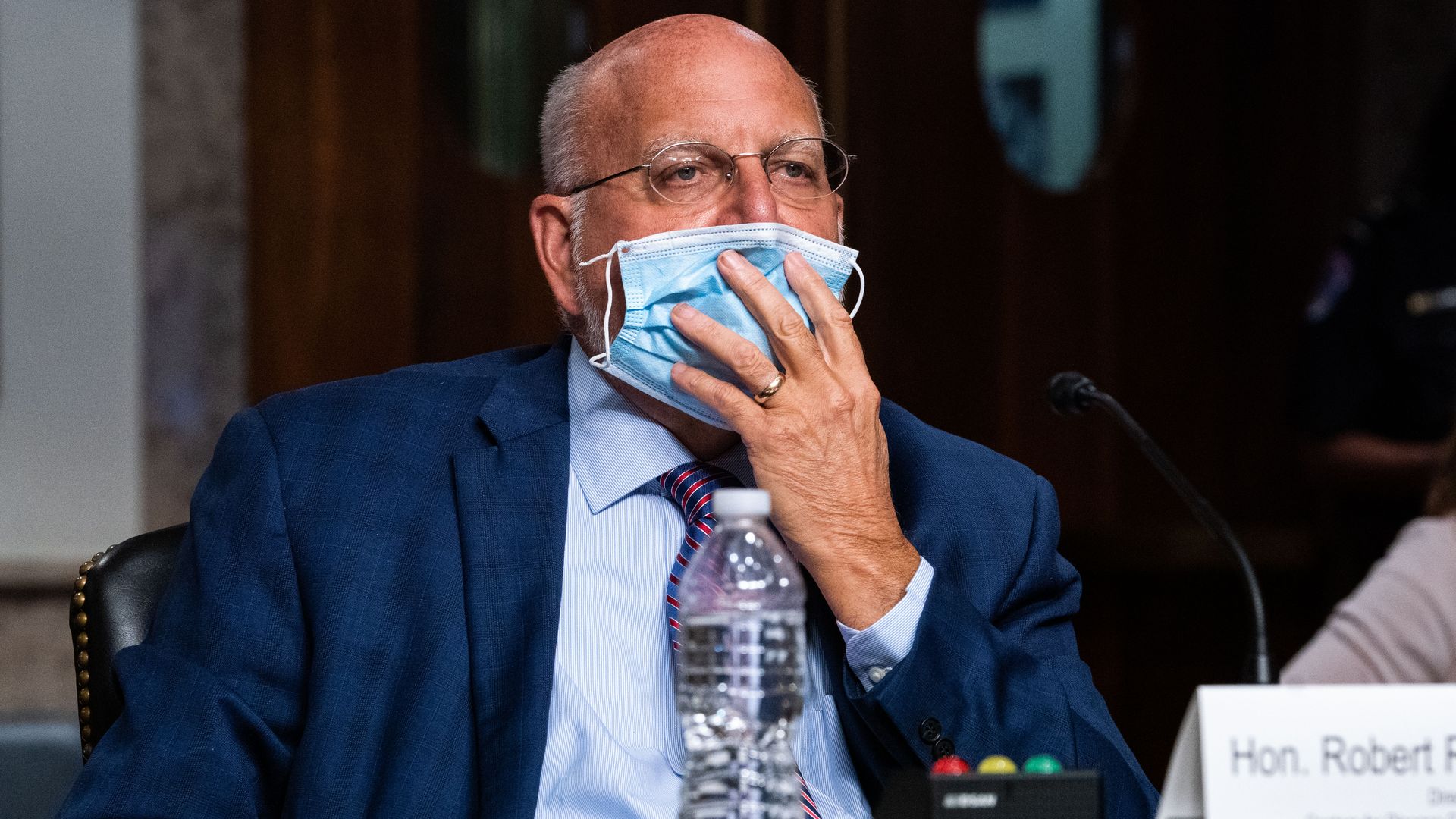
The Centers for Disease Control and Prevention abruptly removed new guidance saying that the coronavirus spreads via aerosols from its website yesterday, drawing a fresh barrage of criticism.
The big picture: Concerns about the CDC's competence and politicization have only grown as the pandemic rages on.
The U.K. could see up to 50,000 coronavirus cases per day by mid-October if current growth continues, top scientific advisers warned in a televised address from Downing Street on Monday.
The big picture: The U.K. has upgraded its coronavirus alert level from three to four as infections appear to be "high or rising exponentially." Meanwhile, recent European Center for Disease Prevention and Control (ECDC) data shows that over half of all European Union countries are seeing an increase in COVID-19 cases.
The managing editor of the conservative blog RedState, who under a pseudonym has attacked officials leading the U.S. response to the coronavirus pandemic, was actually a public affairs specialist for the National Institute of Allergy and Infectious Diseases (NIAID), The Daily Beast reports.
Why it matters: Under the pseudonym "strieff," William B. Crews has written several articles on RedState that directly contradict guidelines issued by the White House coronavirus task force and other government agencies. This includes misinformation that NIAID director Dr. Anthony Fauci and other leaders have warned undermine the U.S. response to the pandemic.
Before her death, Supreme Court Justice Ruth Bader Ginsberg was preparing to hear a case that could determine the availability of affordable health insurance for around 20 million Americans. Plus for those with pre-existing conditions.
Axios Re:Cap digs into the case and what happens next with University of Michigan law professor and Supreme Court expert Nicholas Bagley.
The CDC has removed new guidance that acknowledged airborne transmission of the coronavirus, posting in a note on its website that the guidance was only a draft and had been published in error.
Why it matters: The initial update — which was little noticed until a CNN story was published Sunday — had come months after scientists pushed for the agency to acknowledge the disease was transmissible through the air. The CDC previously said that close person-to-person contact was the bigger concern, and the language has been changed back to erase the warning about airborne transmission.
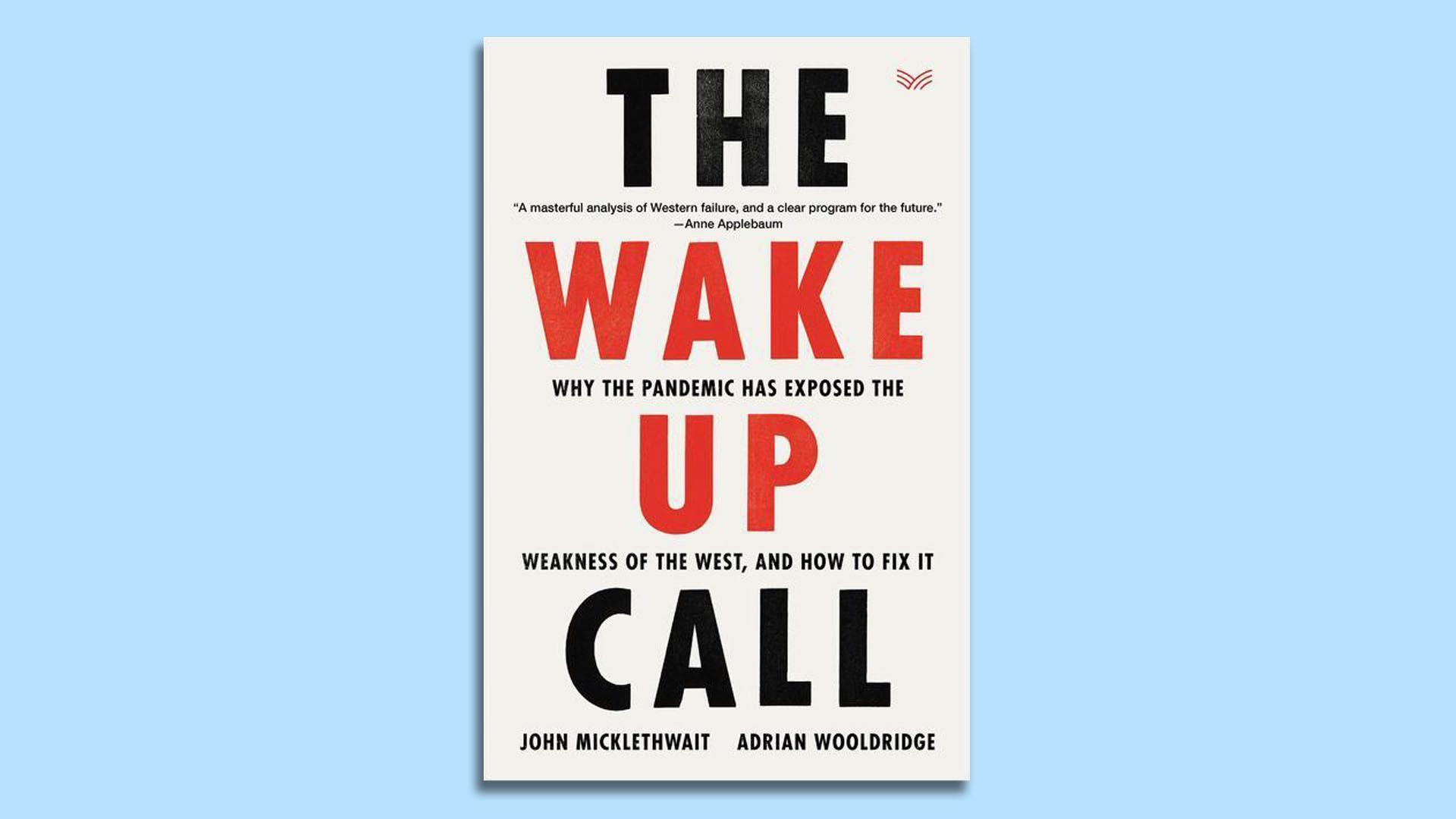
A new book, "The Wake-Up Call" — by Bloomberg News editor-in-chief John Micklethwait and The Economist political editor Adrian Wooldridge — warns the West about what can happen to great powers that mishandle a pandemic.
Axios talked to Micklethwait on Friday night, on his ride from Bloomberg's tower in London to the English countryside:
It's really important whether we find a vaccine. It's really important what happens to the economy. But in 20 years' time, if a historian looks back at this year and they say, "Wow, 2020 was the year when Asia clearly began to get ahead of the West," that will be a much bigger deal.
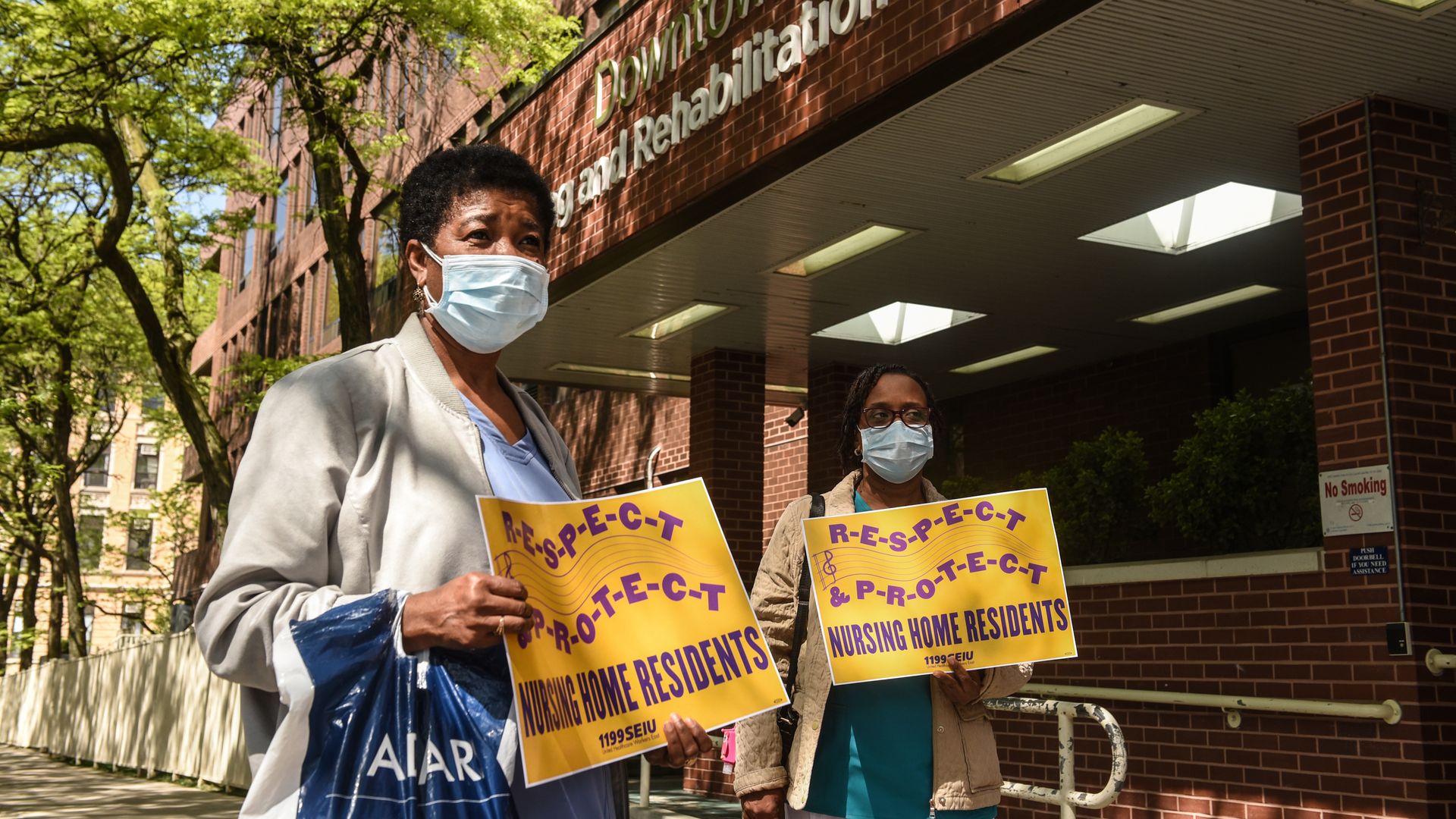
Nursing homes are finding ways to evict their most expensive patients — often by claiming those patients have psychiatric problems, the New York Times reports.
How it works: Nursing homes send patients to emergency rooms or psychiatric hospitals, claiming they need psychiatric care, and then refuse to let the patient return.
The Supreme Court vacancy created by Ruth Bader Ginsburg’s death leaves the Affordable Care Act in much greater jeopardy than it was just a few days ago.
The big picture: Conventional wisdom had held that Chief Justice John Roberts would likely join with the court’s liberals to save the ACA once again. But if President Trump is able to fill Ginsburg’s former seat, Roberts’ vote alone wouldn’t be enough to do the trick, and the law — or big sections of it — is more likely to be struck down.