Anthony Fauci was in the operating room under general anesthesia last Thursday when the White House coronavirus task force approved the narrowing of CDC testing recommendations to exclude asymptomatic individuals, according to CNN's Sanjay Gupta.
Why it matters: Fauci, who had vocal cord surgery last week, told Gupta that he is "concerned about the interpretation of these recommendations and worried it will give people the incorrect assumption that asymptomatic spread is not of great concern. In fact, it is."
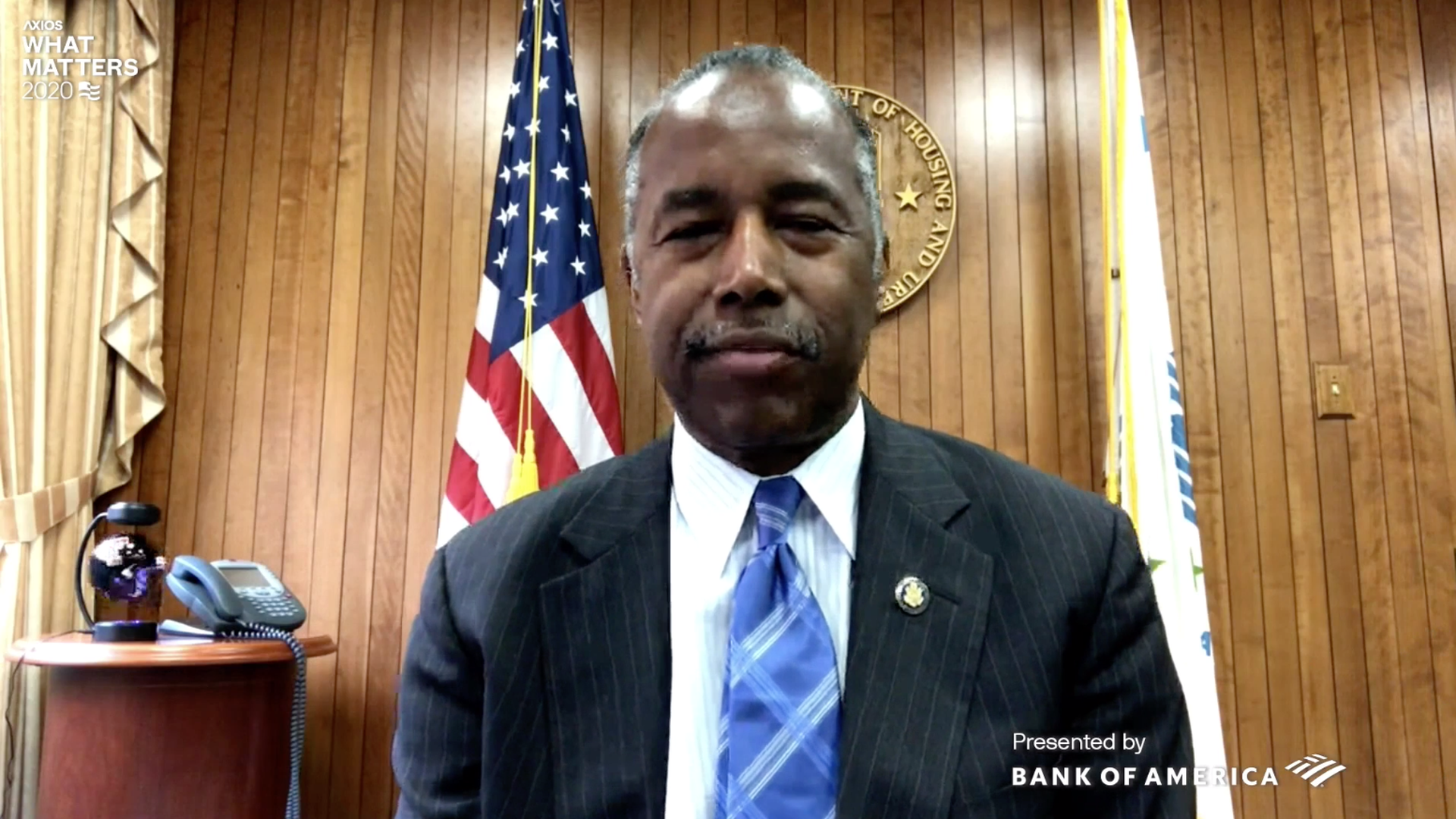
Housing and Urban Development Secretary Ben Carson says "this is not necessarily the time to take everything slowly" when it comes to the Trump administration's approach to getting vaccines and treatments to the public.
Why it matters: Carson's comments, made Wednesday during an Axios virtual event, came days after the Food and Drug Administration announced an emergency use authorization (EUA) for treating the coronavirus with convalescent plasma. President Trump accused the agency of slow-walking the development and approval of vaccines and therapeutics to hurt him politically.
After months of empty stadiums, the ancient practice of attending in-person sporting events is coming back — and in a hurry.
Driving the news: Sporting Kansas City became the second MLS team to play in front of fans on Tuesday, joining FC Dallas, which played its first home game in front of a reported 2,912 people two weeks ago.
The uproar over the FDA's authorization for the use of convalescent plasma in coronavirus patients is only partially about convalescent plasma. It's also about a vaccine that doesn't exist yet, and trust in the FDA's eventual stamp of approval.
The state of play: The FDA has been forced to defend itself on both fronts.
Some percentage of coronavirus patients experience symptoms that last well beyond their "recovery" — which can leave them on the hook for thousands in medical bills they may not be able to pay.
Why it matters: Its not clear whether guarantees from insurers and the federal government about covering coronavirus treatment costs will still cover long-term health effects, as the Wall Street Journal notes. And because some people never tested positive back when testing was scarce, they don't have a formal diagnosis — further hampering their issue.
Black Americans are less likely than white Americans to say they plan to get a flu vaccine this year, and significantly less likely to say they'll take a first-generation coronavirus vaccine, according to numbers from the latest edition of the Axios-Ipsos Coronavirus Index.
Why it matters: Black Americans have suffered disproportionately from COVID-19, which means they also stand to benefit from a successful vaccine. But a legacy of medical mistreatment, systematic racism in health care and targeted efforts by anti-vaxxers means that a wide trust gap needs to be closed first.
More than 70% of residential treatment programs in the U.S. don’t offer the medical standard of care for opioid addiction, a new report published in JAMA shows.
The big picture: Many facilities pushed clinically irrelevant therapies or outright discouraged widely accepted medication-based therapies.
Hospitals owned by private equity firms rake in almost 30% more income than hospitals that aren’t, according to new research published this week in JAMA Internal Medicine.
Why it matters: Private equity is gobbling up more and more of the health care industry. Investors are buying up physicians’ practices, hospitals and the firms that negotiate prices with insurers.
There's a hot new executive position at big companies: chief medical officer.
Why it matters: The coronavirus exposed a slew of vulnerabilities within our society, and one of them was the inability of large corporations to protect workers. Now, many firms are putting physicians in their C-suites to address some of those problems.
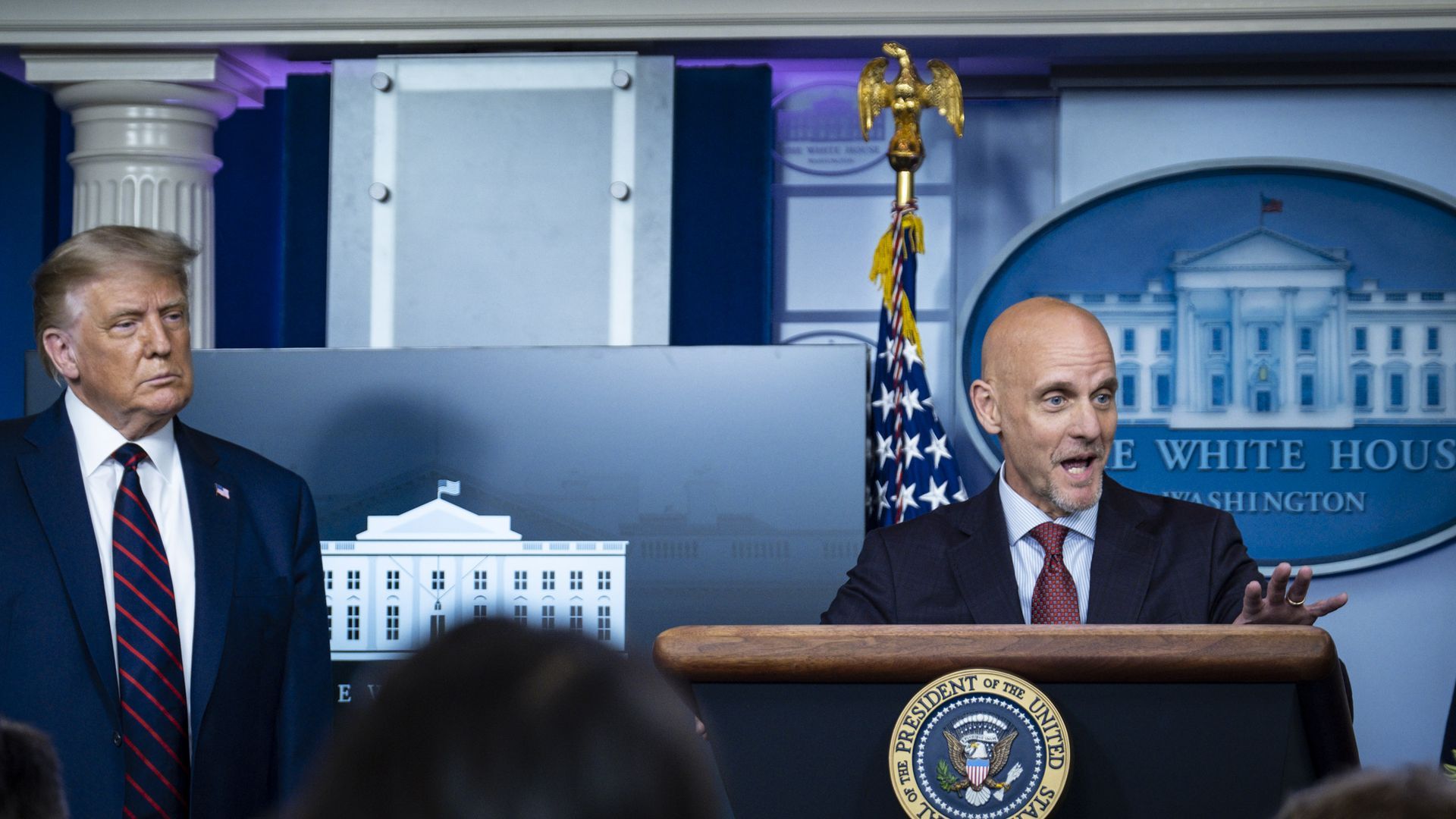
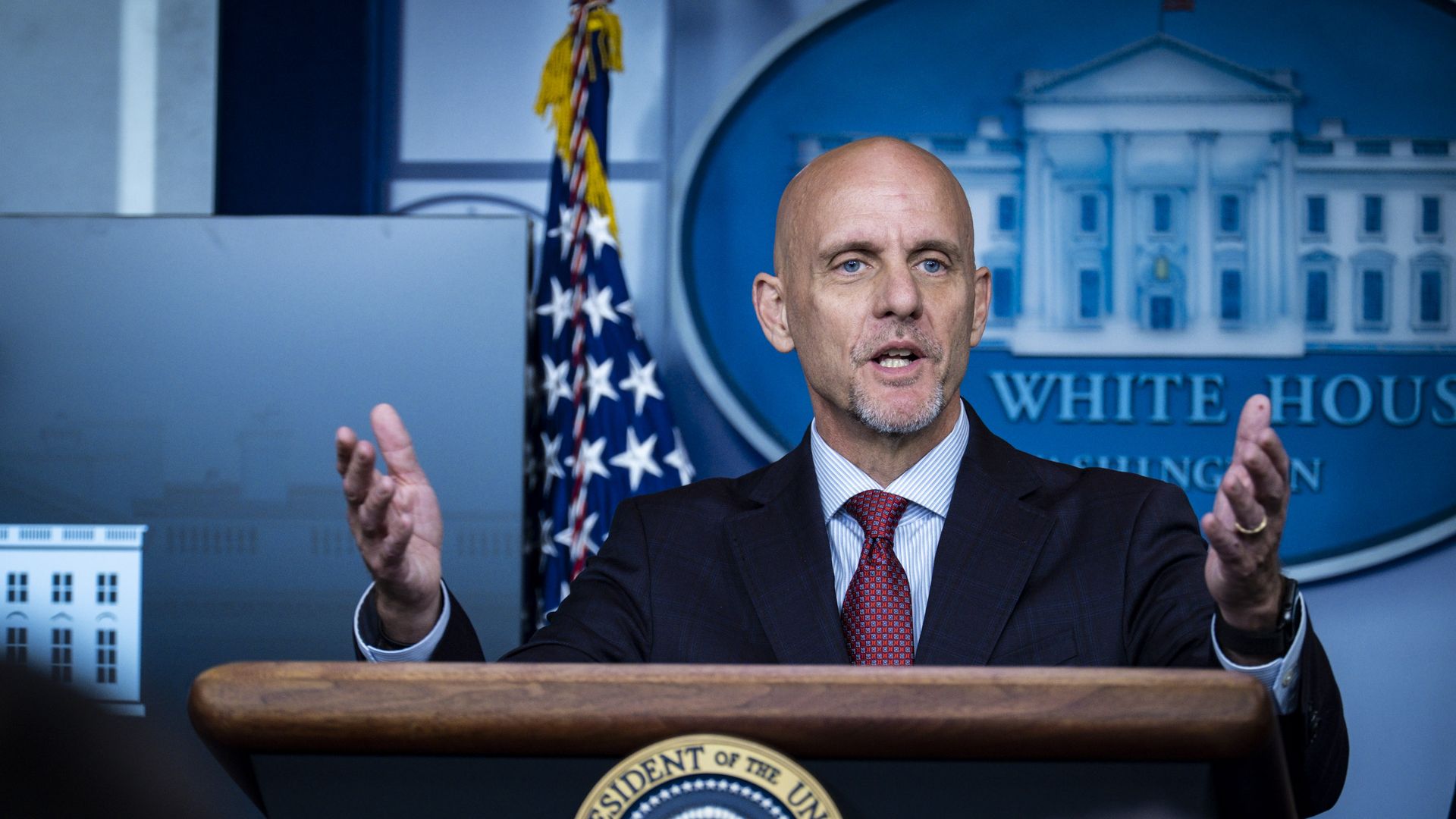
A big story that slipped under the radar during last night's RNC: The FDA commissioner apologized for overselling the benefits of convalescent plasma for treating the coronavirus.
Why it matters: The FDA is supposed to be a Switzerland of neutrality within government, able to act based on science instead of pressure from politicians and big business.
Miami-Dade County, Florida, Mayor Carlos Gimenez announced on Thursday that restaurant dining rooms can reopen at the end of August, the Miami Herald reports.
Why it matters: The move comes after Gimenez faced pressure from local leaders and restaurant owners to lift emergency restrictions on indoor dining to fight the spread of the coronavirus. The limits had been in place for nearly two months.
White House economic adviser Peter Navarro said on Tuesday that recommendations from health experts that convalescent plasma undergo a randomized trial as a COVID-19 treatment before receiving an emergency authorization are a "crazy talking point."
Why it matters: Top federal health officials urged the FDA last week to hold off on issuing an emergency use authorization for the safe, but unproven treatment, but the agency went ahead with it on Sunday amid pressure from Navarro and Trump.
College media outlets are calling out their universities for failing to address the potentially-devastating communal spread of COVID-19 in their college towns.
Why it matters: With local newspapers in decline, campus papers have increasingly become the default for how students and community members get their news.
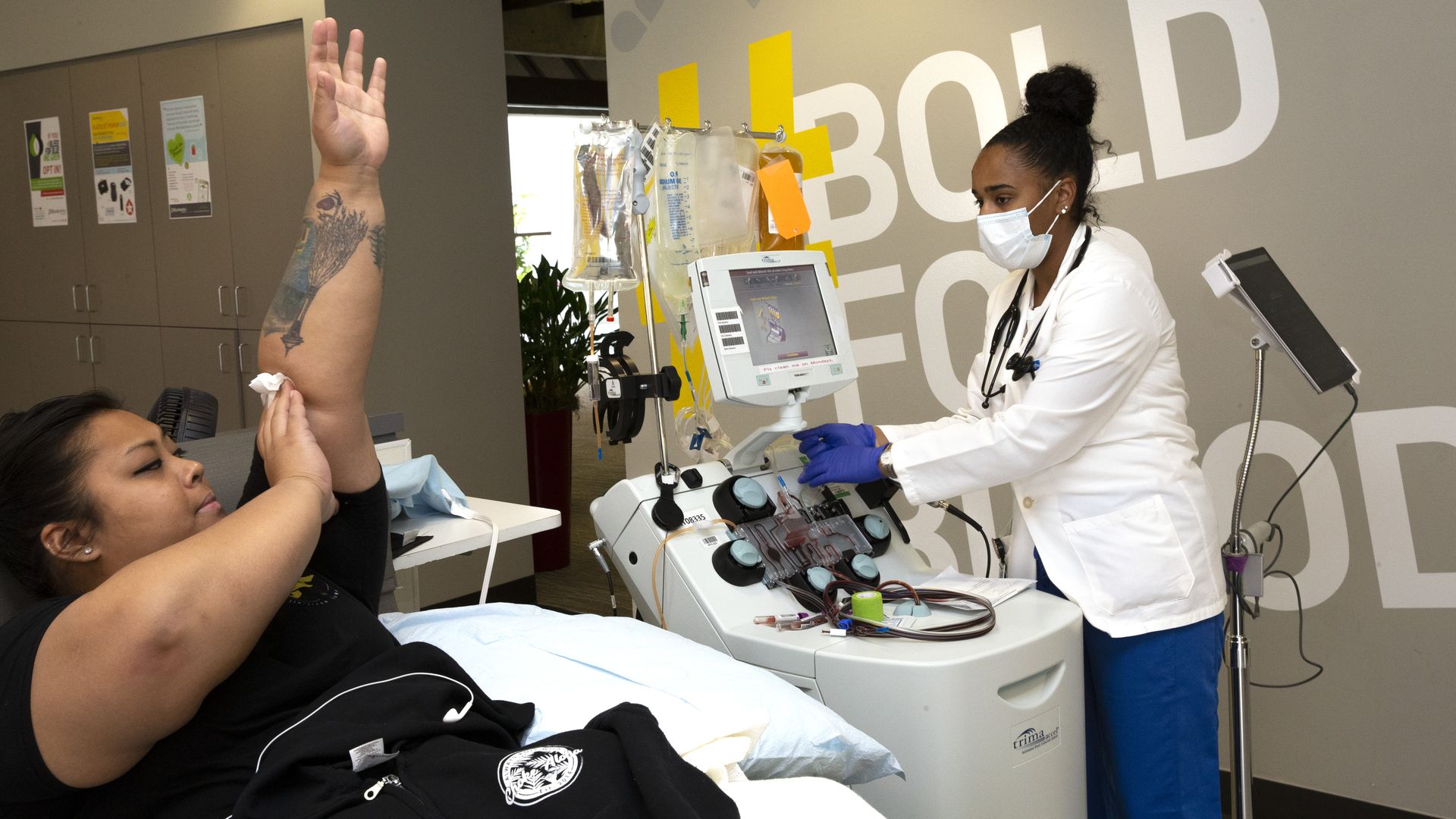
The FDA's controversial decision on Sunday to issue an emergency use authorization for convalescent plasma to treat COVID-19 patients has put new attention on the process of giving plasma.
Why it matters: If convalescent plasma does help mitigate the disease — a big and entirely unsettled if — then donating could be one of the most important things recovered patients could do. But the experience is a little different from standard blood donation.
President Trump wins significantly less trust than Joe Biden on who provides accurate information about the coronavirus — but neither one is trusted by even half the country, in the latest installment of the Axios-Ipsos Coronavirus Index.
Why it matters: Week 22 of our national survey exposes new depths of the virus' politicization as the two major political parties hold their nominating conventions — and it shows the challenges of governing that lie ahead for whoever wins in November.
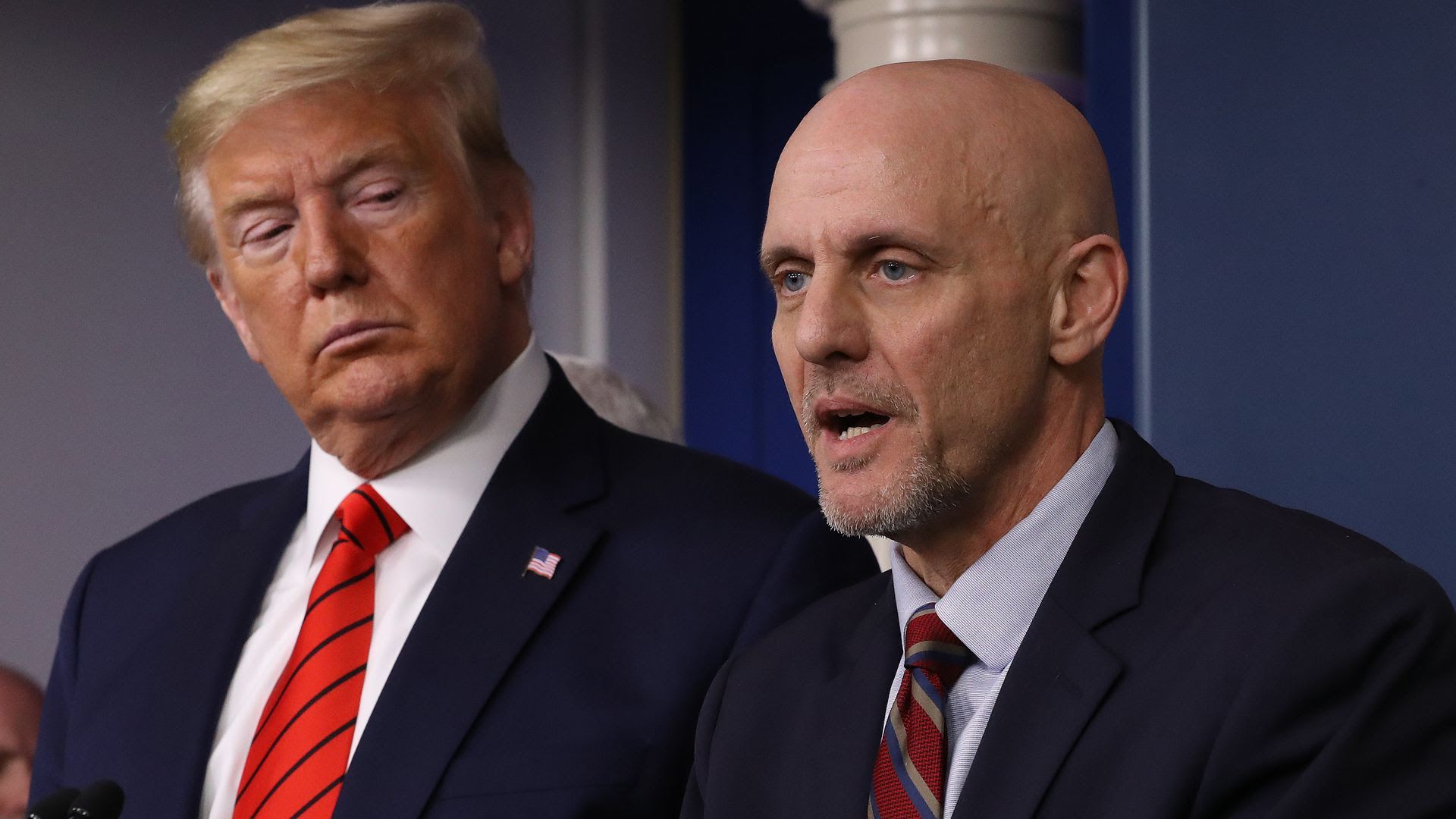
FDA commissioner Stephen Hahn said in a Twitter thread Monday night criticisms of his comments about granting an emergency use authorization (EUA) of convalescent plasma as a treatment for the coronavirus were "entirely justified."
The big picture: Hahn also addressed in his post the politicization of the FDA, in an apparent reference to President Trump and his trade adviser, Peter Navarro, accusing senior health officials of being part of the "Deep State" amid a decision to put the plasma treatment on hold.
The race is on to test and produce billions of doses of the myriad coronavirus vaccines currently in development — and to determine how they will be distributed if approved for use.