Concerns are growing over possible further election-related violence in the Democratic Republic of the Congo — not only for its potential to hurt the country's chance for its first peaceful transfer of power, but for the likelihood it would escalate the deadly Ebola outbreak there, experts tell Axios.
What we're watching: Prior and frequent violent attacks by rebels in DRC already have set back progress made in efforts to stem the outbreak — any significant uptick could not only temporarily halt health measures but could cause longer-term damage by forcing the UN and others to pull back from the epicenter of the outbreak.
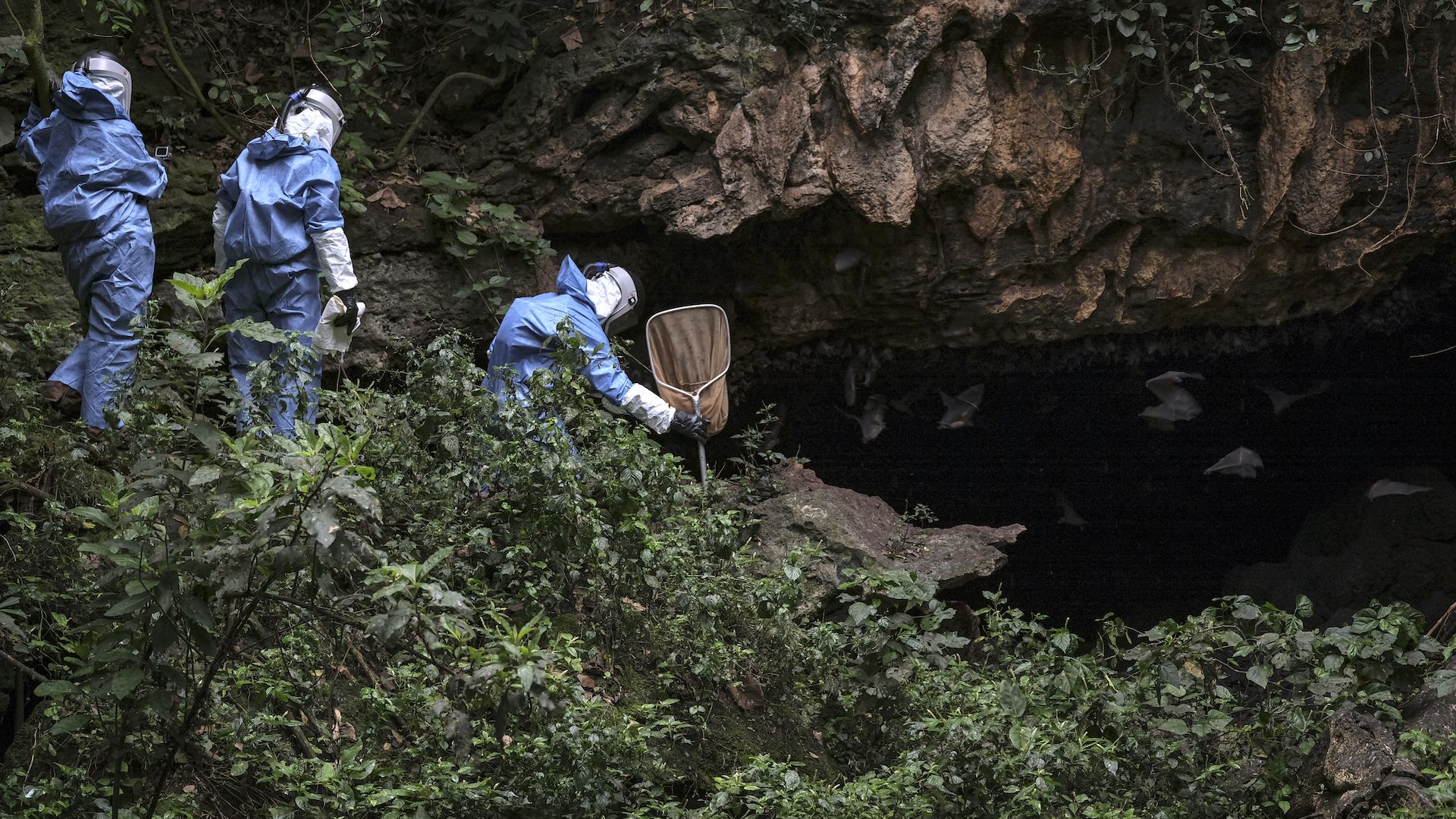
Scientists hunting for the animal sources for deadly hemorrhagic fevers, such as the Ebola and Marburg viruses, have made the first discovery of a Marburg reservoir in West Africa, the Centers for Disease Control and Prevention announced Thursday.
Why it matters: After the deadly West Africa outbreak of the Ebola virus in 2014–2016, scientists have been seeking more information about how animals, like the Egyptian fruit bats in Sierra Leone now found to be carrying Marburg, transmit the disease to humans. This discovery in West Africa means there's a greater risk there for human infection.
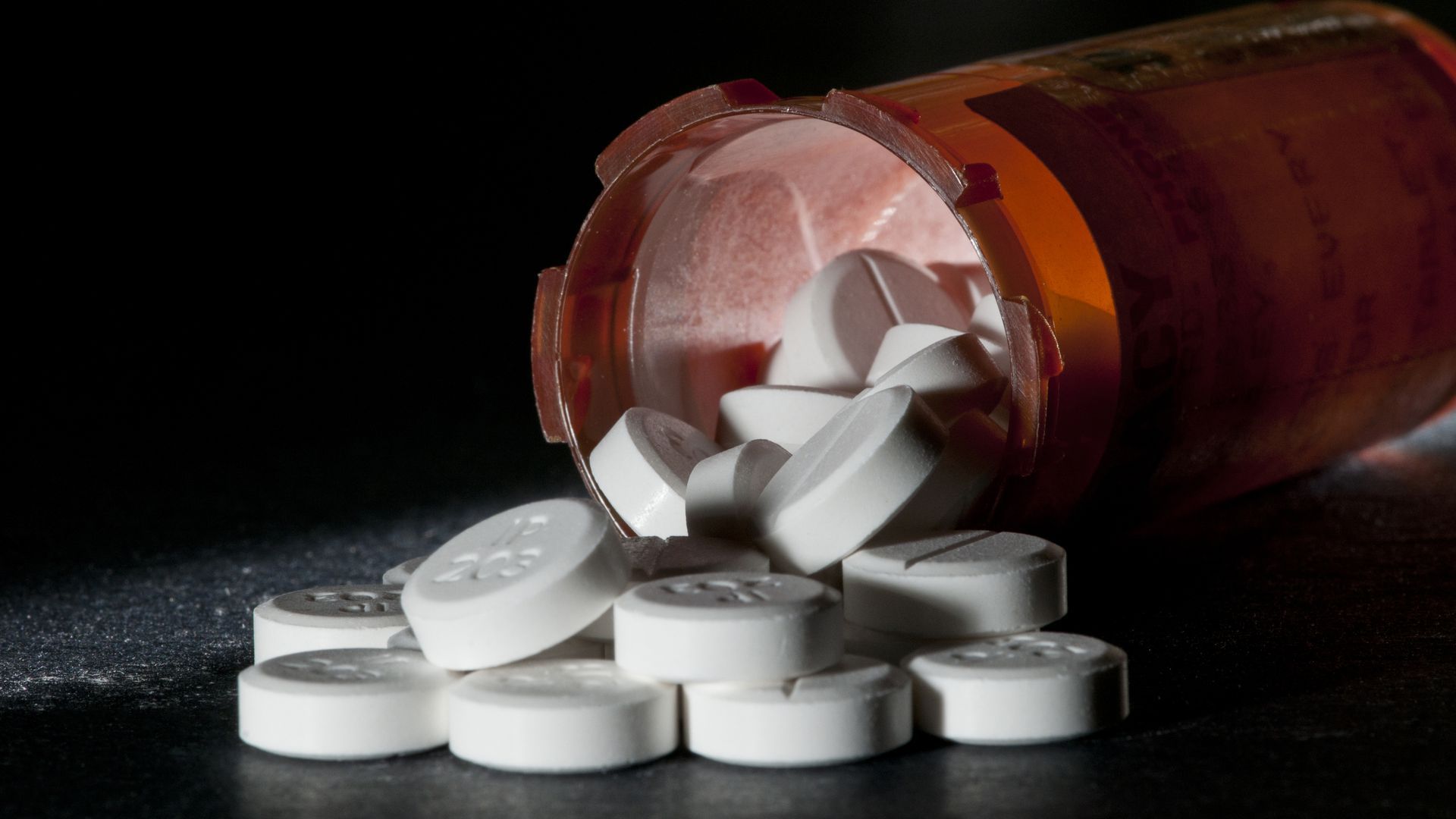
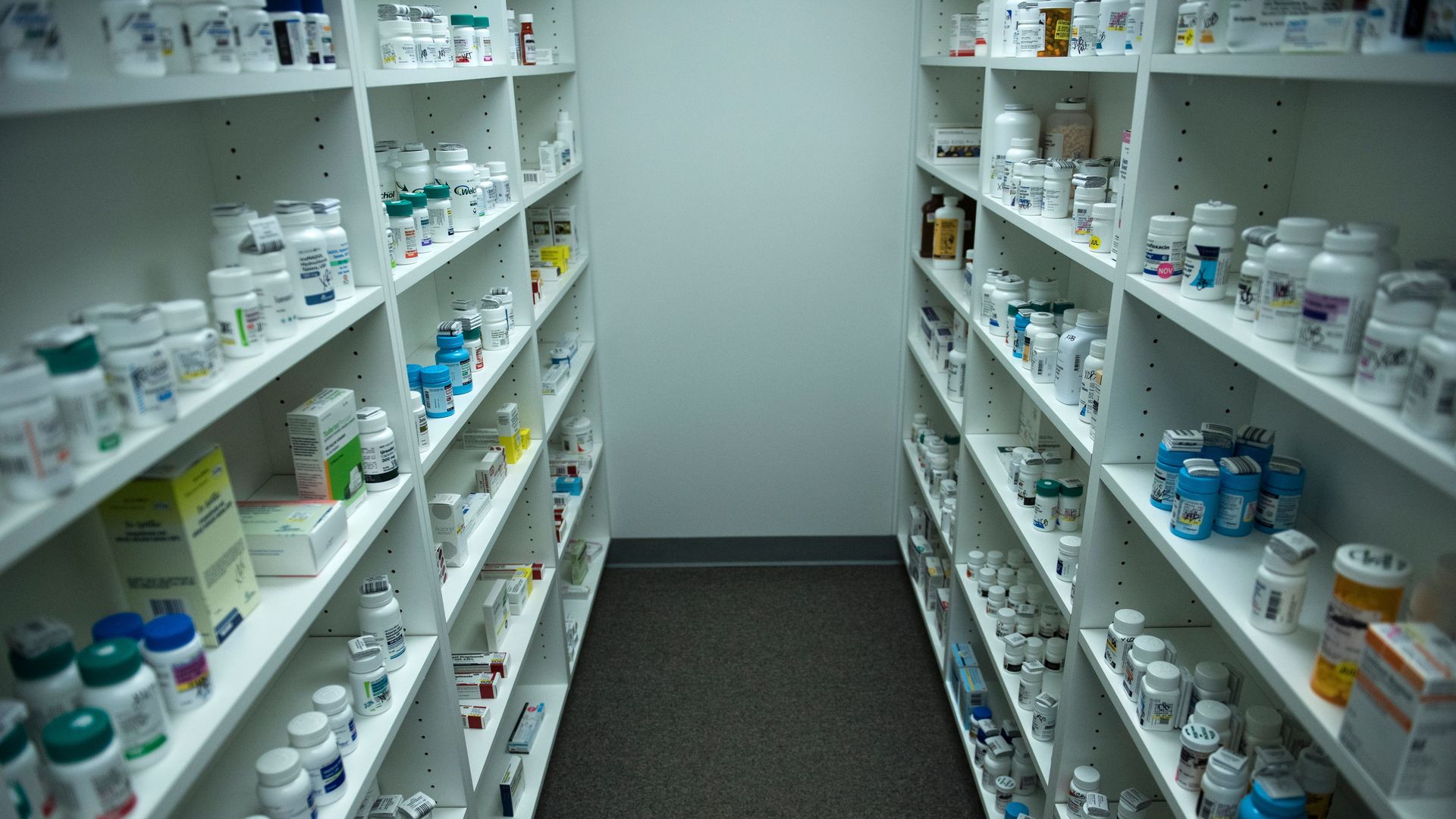
An Ohio district court judge's procedural ruling in the national opioids lawsuit Wednesday has big implications — because it could open up opioid makers, drug distributors and others to face serious charges in court.
Why it matters: The plaintiffs — various cities, counties and states — are suing the health care companies for their role in the opioid epidemic. Yesterday's ruling, in which the judge denied health care companies' motion to dismiss the lawsuit, may increase the amount of money at stake, which would go toward the fallout from the epidemic.
Tobacco giant Altria has invested $12.8 billion for a 35% stake in Juul, the popular e-cigarette company, the companies confirmed on Thursday after weeks of rumors.
Why it matters: The investment is sure to further raise questions about Juul's claims that it wants to replace cigarettes with a less harmful alternative.
Americans are not getting taller, but they are gaining more weight, according to new CDC data. Since 1999, the average weight of men has increased from 189 pounds to 198 pounds. The average weight of women has gone up from 164 pounds to 171 pounds.
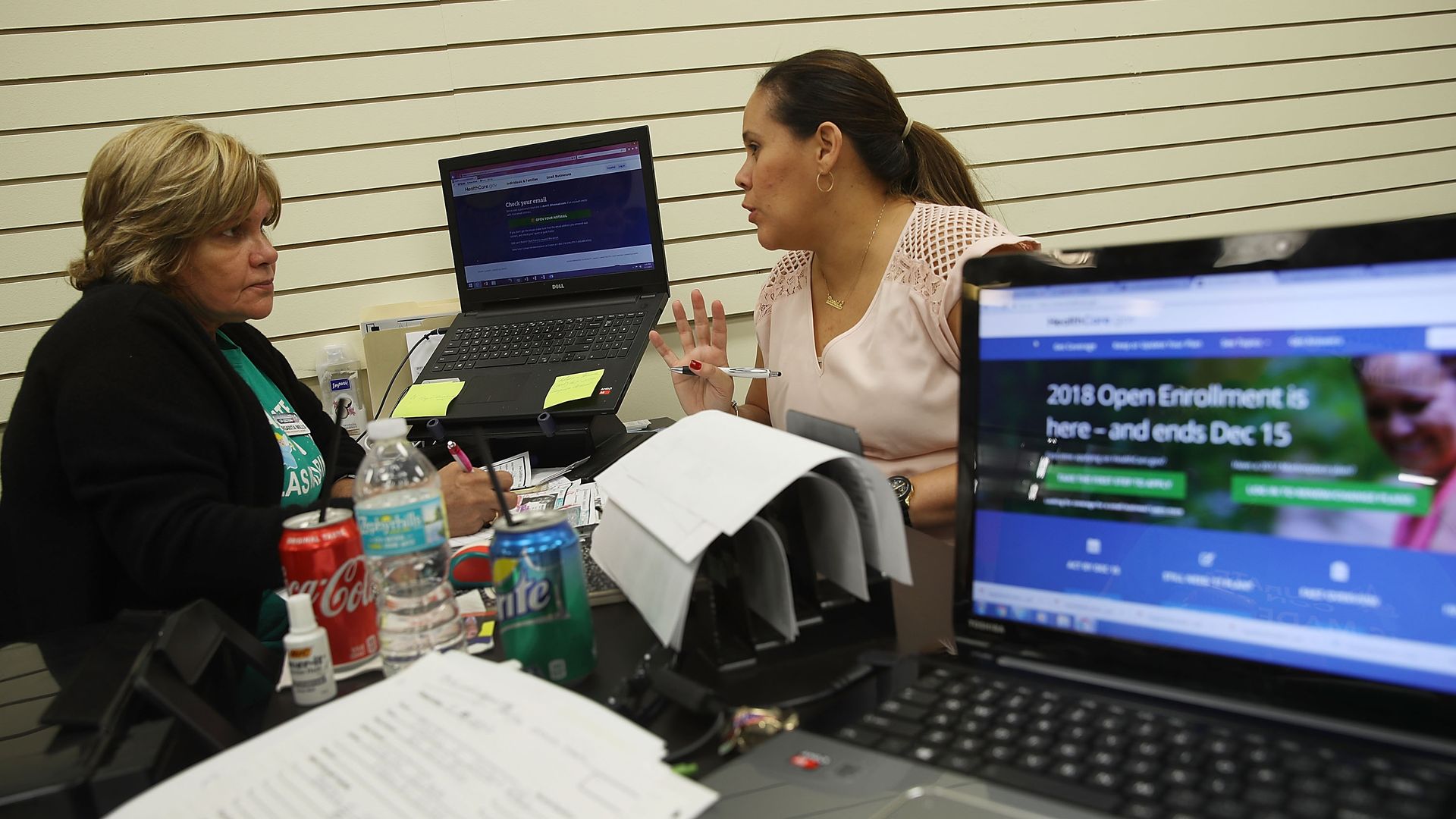
The Affordable Care Act's open enrollment period for 2019 is over, and almost 8.5 million people signed up for health insurance in the 39 states using the federal HealthCare.gov website — down about 4% from last year's open enrollment.
The big picture: Expensive premiums, low unemployment, people shifting into Medicaid and some Trump administration moves all contributed to the lower enrollment figure. However, other states still need to report their ACA signups, and it'll be just as important to watch how many people in this market pay their first premium.
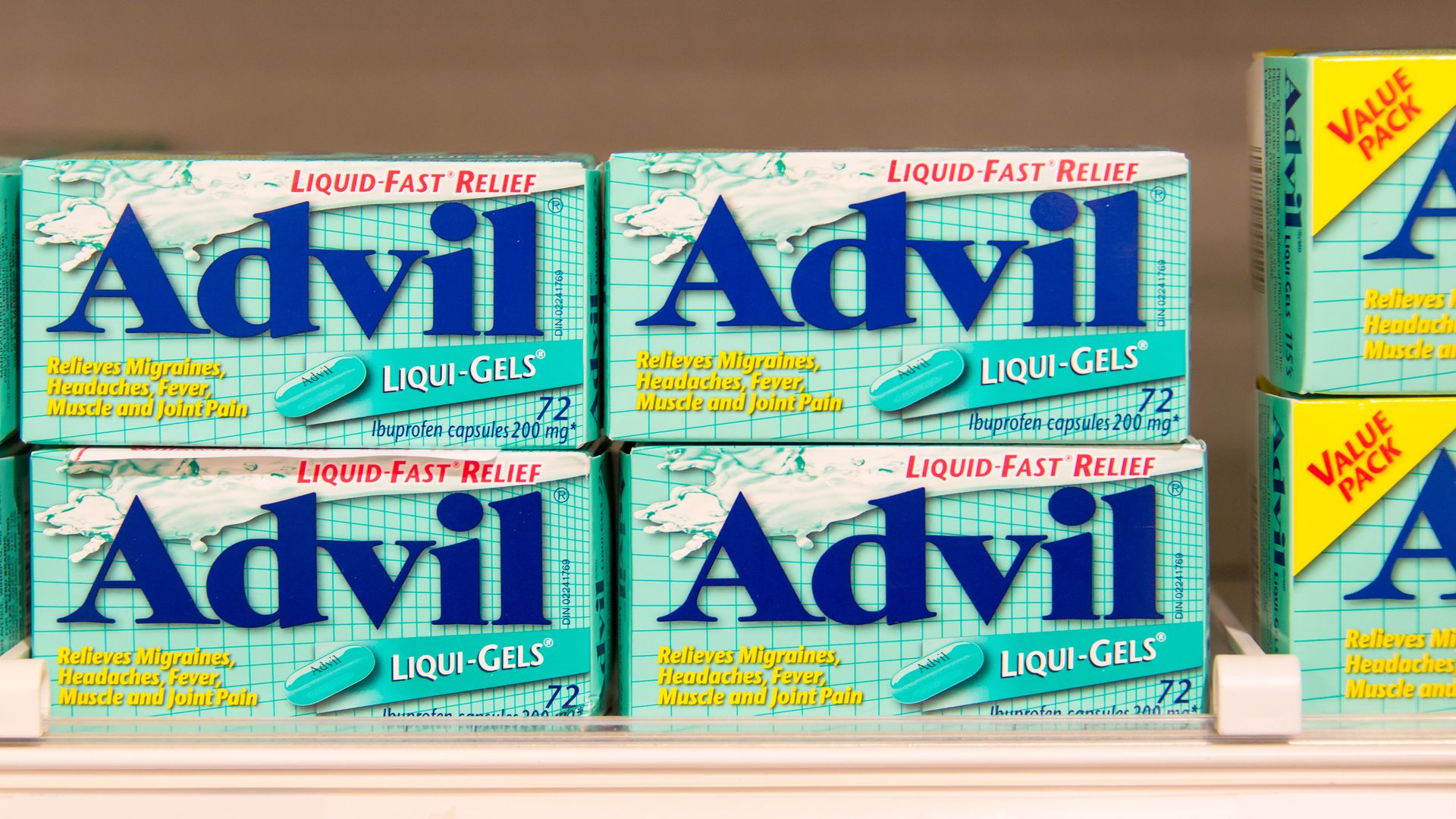
Pfizer and GlaxoSmithKline intend to combine their respective businesses that sell over-the-counter products and then spin out the merged company into its own publicly traded entity, the companies said Wednesday. GSK would own 68% of the company, and Pfizer would own the other 32%.
Why it matters:GSK previously pulled out of buying Pfizer's consumer business. This deal would heavily consolidate common health products — ranging from Pfizer's Advil and Nexium to GSK's Aquafresh toothpaste, Excedrin and Tums — into one $13 billion drug giant.
The Department of Veterans Affairs program that sends more veterans to private hospitals and doctors has resulted in longer wait times and a higher taxpayer bill, ProPublica reports with PolitiFact.
The big picture: The program was set up to help veterans avoid lengthy waits for care. Instead, veterans had to wait at least 30 days 41% of the time, and sometimes they had to wait as long as 70 days, according to government watchdogestimates.
We spend a little more than $4,000 per year for every Native American who gets care through the Indian Health Service — or more than three times less than what we spend on average for every person on Medicare, according to updated numbers in a Government Accountability Office report.
Why it matters: It's not surprising we spend a lot on Medicare beneficiaries, considering they are older, often have many chronic conditions or have life-altering disabilities. But this is a giant funding gap for Native Americans — who have high rates of alcoholism, suicide and diabetes, and who have been upset with care at IHS for years.
The Supreme Court has been quiet in the months since Justice Brett Kavanaugh’s wildly polarizing confirmation. And that’s how Chief Justice John Roberts seems to want it. Of course, Roberts' deliberately low-profile approach would end if the court takes up the big Affordable Care Act lawsuit. But it's not a sure thing that the case will reach SCOTUS.
Our thought bubble: With Justice Anthony Kennedy’s retirement this summer, Roberts is more in control of the court’s direction than he has ever been.
State Medicaid programs believe they are being ripped off on drug prices, and pharmacy benefit managers — the middlemen that negotiate drug prices on behalf of insurers and employers — are in their crosshairs.
The bottom line: "You will be hard-pressed to find a state that now isn't looking into this," an Illinois pharmacist told the Columbus Dispatch, the newspaper that has reported extensively on PBMs in Ohio.