The federal judge's ruling that the Affordable Care Act is unconstitutional is one more reminder about the history of predictions on the health care law: the track record is pretty embarrassing.
The big picture: Few legal experts took the Texas lawsuit seriously when it was filed in February, so they didn't see it as a threat to the law. Turns out it is. And that's just the latest in a long series of ACA predictions that didn't hold up.
The Trump administration on Friday eased up on groups of hospitals and doctors called "accountable care organizations," which were created by the Affordable Care Act, in a regulation that will allow those companies to retain more money if they hold Medicare costs down and keep patient quality high.
The bottom line: The agency that oversees Medicare is still requiring these networks to take on more financial risk. But it's now backpedaling from some of the proposed rules, and as a result, it expects fewer hospitals and doctors to leave the program.
Generic drugs are America's solution to high branded drug prices, but recent events have raised the question of whether the generics market is working the way it's supposed to.
Between the lines: Sometimes competition does fail, and generic drug prices become too high, experts say. But at the same time, some generic drugmakers struggle to turn a profit in the market because prices are so low, complicating the narrative.
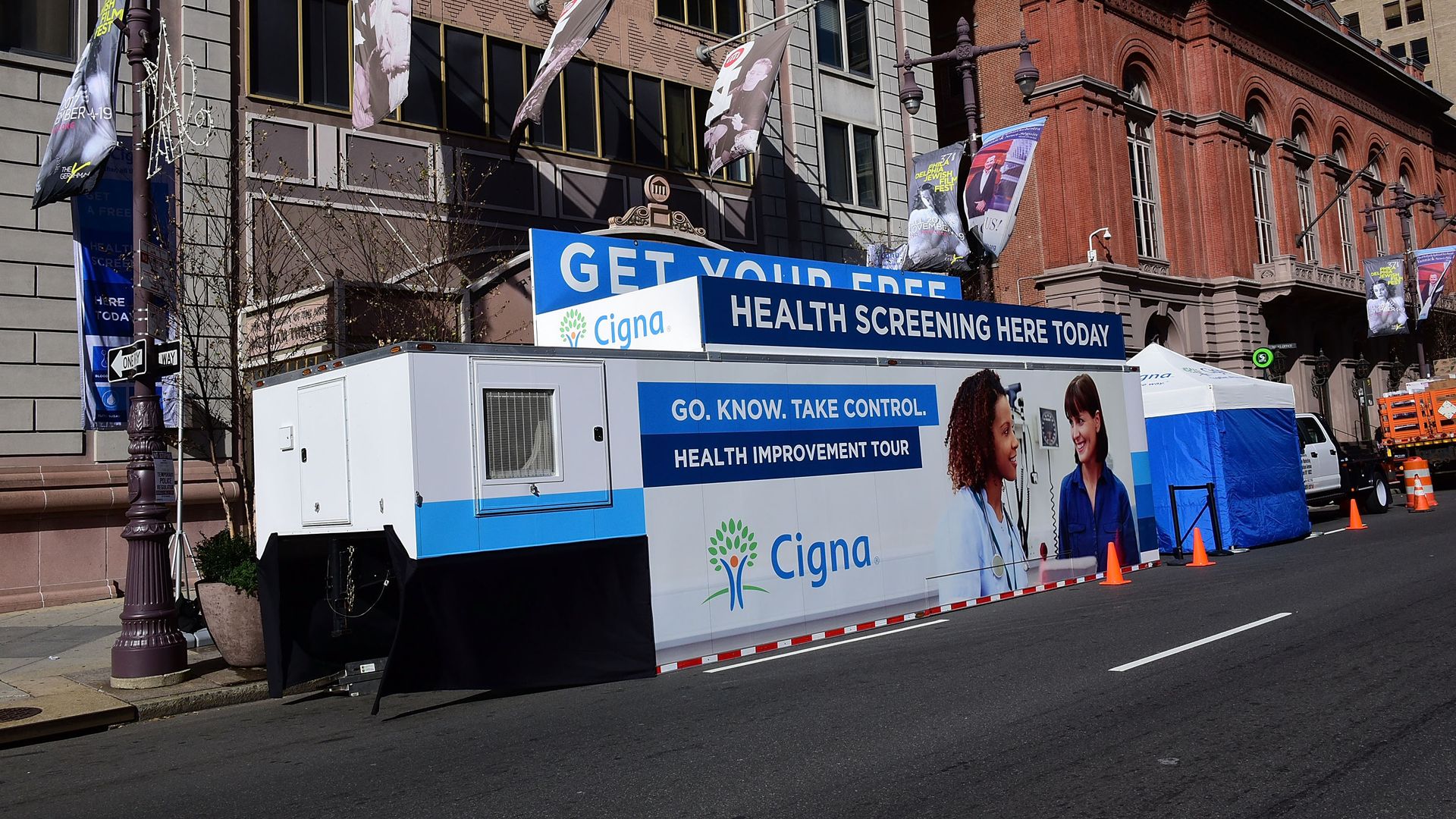
Express Scripts, one of the largest pharmacy benefit managers in the country, is officially part of Cigna, the companies said today. The deal is valued at $67 billion, including Express Scripts' debt.
Why it matters: The three biggest PBMs in the country — Express Scripts, CVS Caremark and OptumRx — are now all housed within a bigger parent company that includes a health insurer (pending CVS' last-minute survival in court). Each conglomerate says combining a PBM and an insurer will save people money on drug costs, but there's room for skepticism.