The Trump administration on Friday eased up on groups of hospitals and doctors called "accountable care organizations," which were created by the Affordable Care Act, in a regulation that will allow those companies to retain more money if they hold Medicare costs down and keep patient quality high.
The bottom line: The agency that oversees Medicare is still requiring these networks to take on more financial risk. But it's now backpedaling from some of the proposed rules, and as a result, it expects fewer hospitals and doctors to leave the program.
Generic drugs are America's solution to high branded drug prices, but recent events have raised the question of whether the generics market is working the way it's supposed to.
Between the lines: Sometimes competition does fail, and generic drug prices become too high, experts say. But at the same time, some generic drugmakers struggle to turn a profit in the market because prices are so low, complicating the narrative.
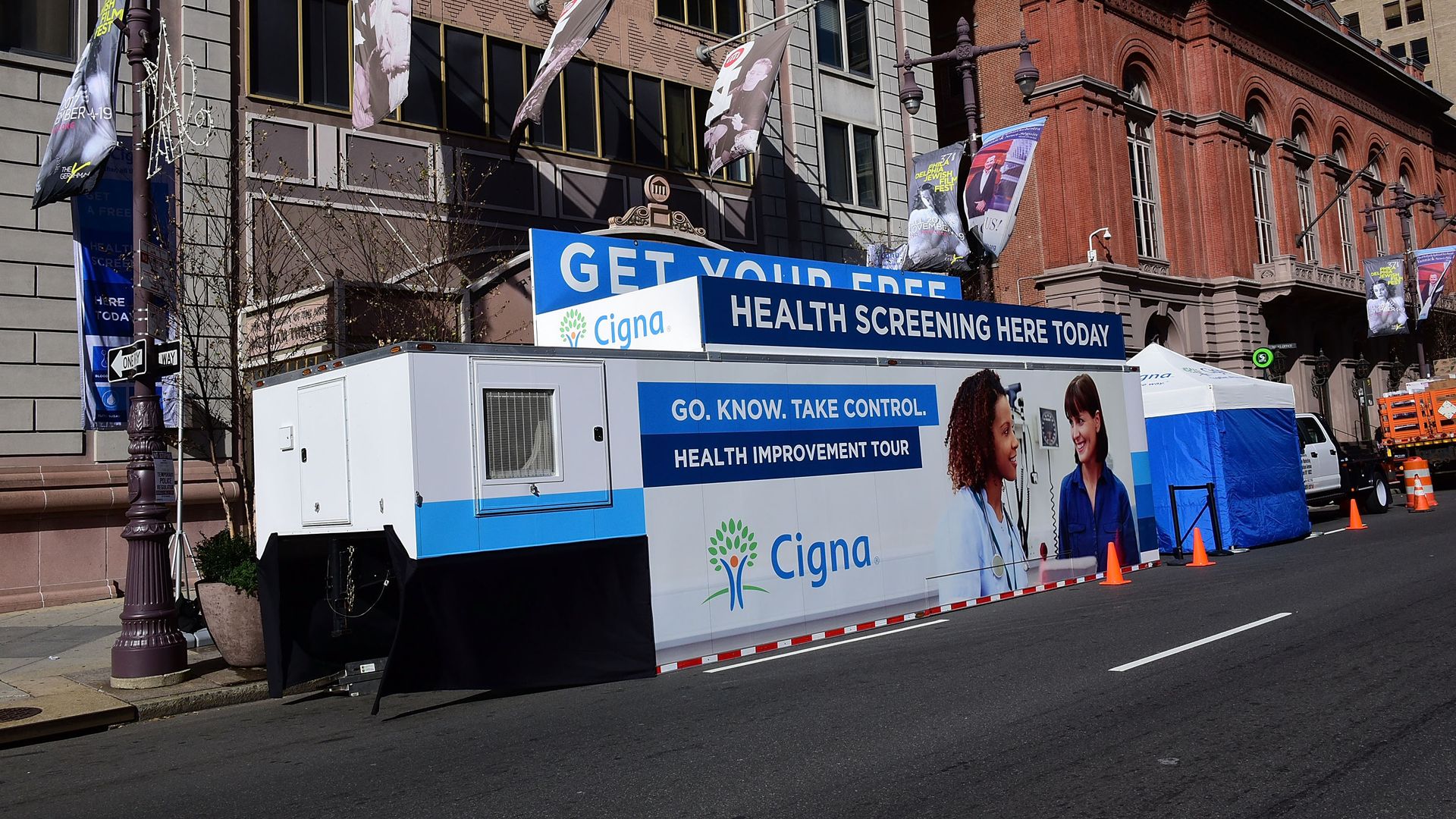
Express Scripts, one of the largest pharmacy benefit managers in the country, is officially part of Cigna, the companies said today. The deal is valued at $67 billion, including Express Scripts' debt.
Why it matters: The three biggest PBMs in the country — Express Scripts, CVS Caremark and OptumRx — are now all housed within a bigger parent company that includes a health insurer (pending CVS' last-minute survival in court). Each conglomerate says combining a PBM and an insurer will save people money on drug costs, but there's room for skepticism.
Concerns are growing over possible further election-related violence in the Democratic Republic of the Congo — not only for its potential to hurt the country's chance for its first peaceful transfer of power, but for the likelihood it would escalate the deadly Ebola outbreak there, experts tell Axios.
What we're watching: Prior and frequent violent attacks by rebels in DRC already have set back progress made in efforts to stem the outbreak — any significant uptick could not only temporarily halt health measures but could cause longer-term damage by forcing the UN and others to pull back from the epicenter of the outbreak.
Scientists hunting for the animal sources for deadly hemorrhagic fevers, such as the Ebola and Marburg viruses, have made the first discovery of a Marburg reservoir in West Africa, the Centers for Disease Control and Prevention announced Thursday.
Why it matters: After the deadly West Africa outbreak of the Ebola virus in 2014–2016, scientists have been seeking more information about how animals, like the Egyptian fruit bats in Sierra Leone now found to be carrying Marburg, transmit the disease to humans. This discovery in West Africa means there's a greater risk there for human infection.
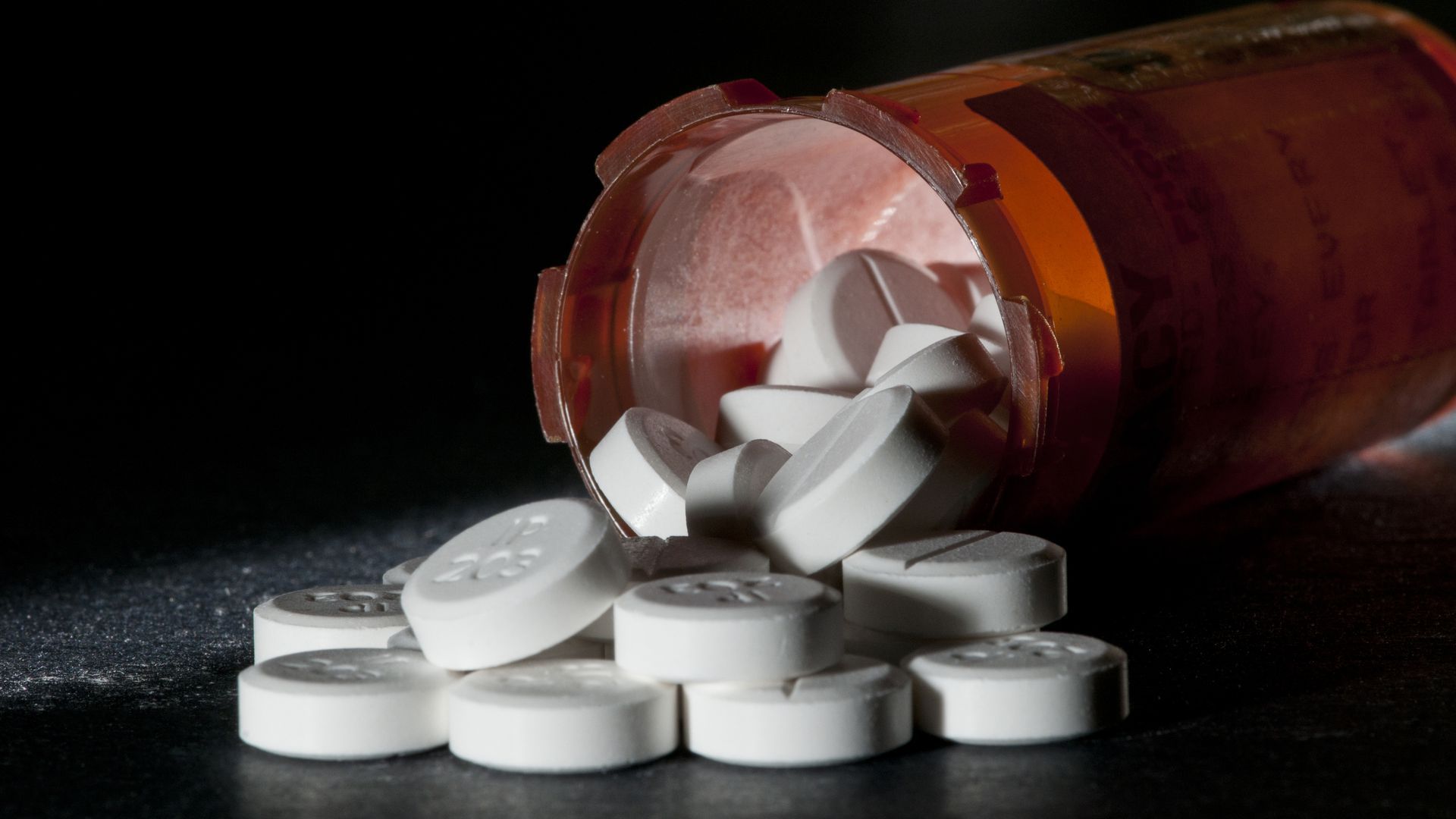
An Ohio district court judge's procedural ruling in the national opioids lawsuit Wednesday has big implications — because it could open up opioid makers, drug distributors and others to face serious charges in court.
Why it matters: The plaintiffs — various cities, counties and states — are suing the health care companies for their role in the opioid epidemic. Yesterday's ruling, in which the judge denied health care companies' motion to dismiss the lawsuit, may increase the amount of money at stake, which would go toward the fallout from the epidemic.
Tobacco giant Altria has invested $12.8 billion for a 35% stake in Juul, the popular e-cigarette company, the companies confirmed on Thursday after weeks of rumors.
Why it matters: The investment is sure to further raise questions about Juul's claims that it wants to replace cigarettes with a less harmful alternative.
Americans are not getting taller, but they are gaining more weight, according to new CDC data. Since 1999, the average weight of men has increased from 189 pounds to 198 pounds. The average weight of women has gone up from 164 pounds to 171 pounds.