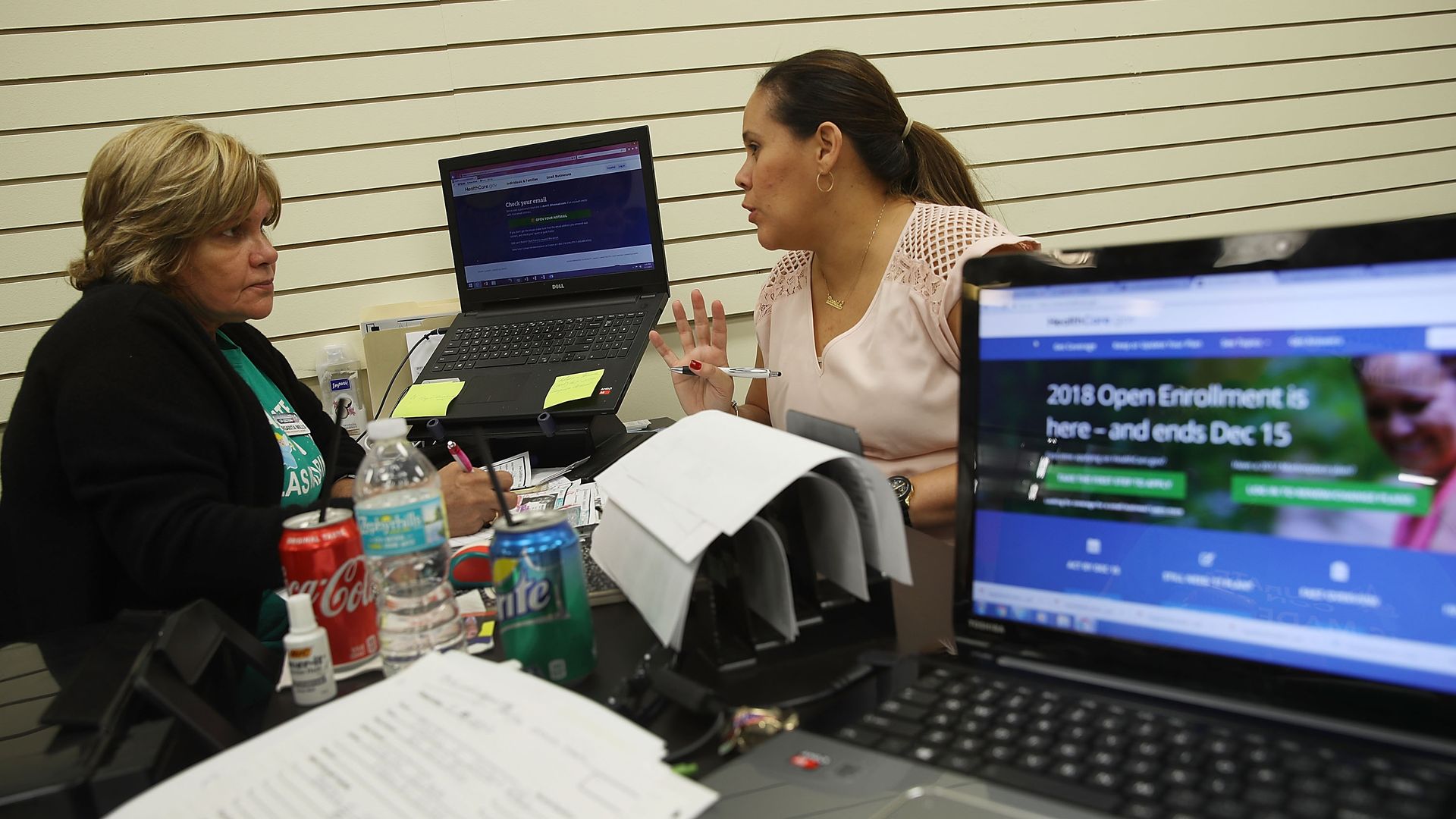
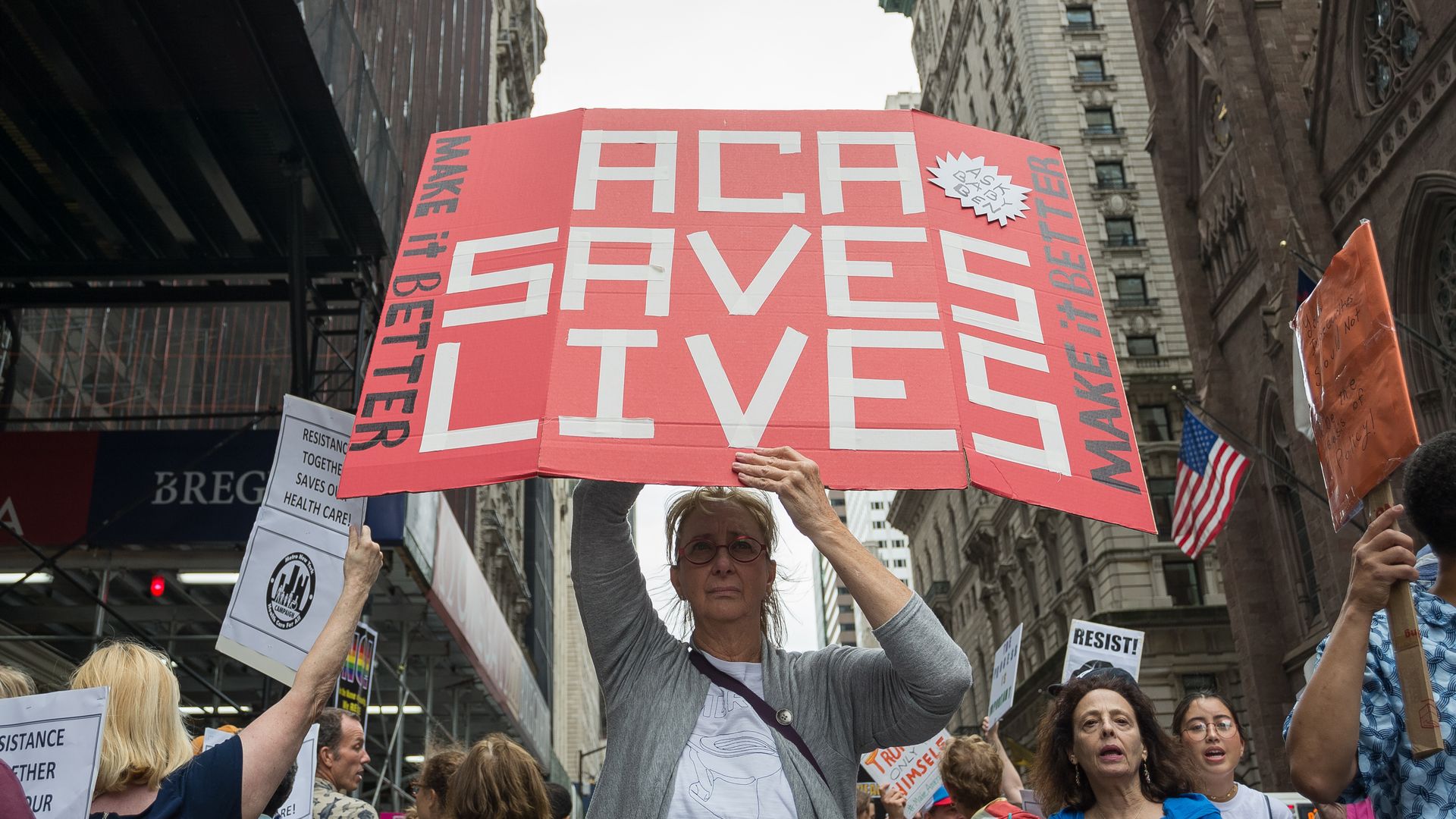
The Affordable Care Act's open enrollment period for 2019 is over, and almost 8.5 million people signed up for health insurance in the 39 states using the federal HealthCare.gov website — down about 4% from last year's open enrollment.
The big picture: Expensive premiums, low unemployment, people shifting into Medicaid and some Trump administration moves all contributed to the lower enrollment figure. However, other states still need to report their ACA signups, and it'll be just as important to watch how many people in this market pay their first premium.
Pfizer and GlaxoSmithKline intend to combine their respective businesses that sell over-the-counter products and then spin out the merged company into its own publicly traded entity, the companies said Wednesday. GSK would own 68% of the company, and Pfizer would own the other 32%.
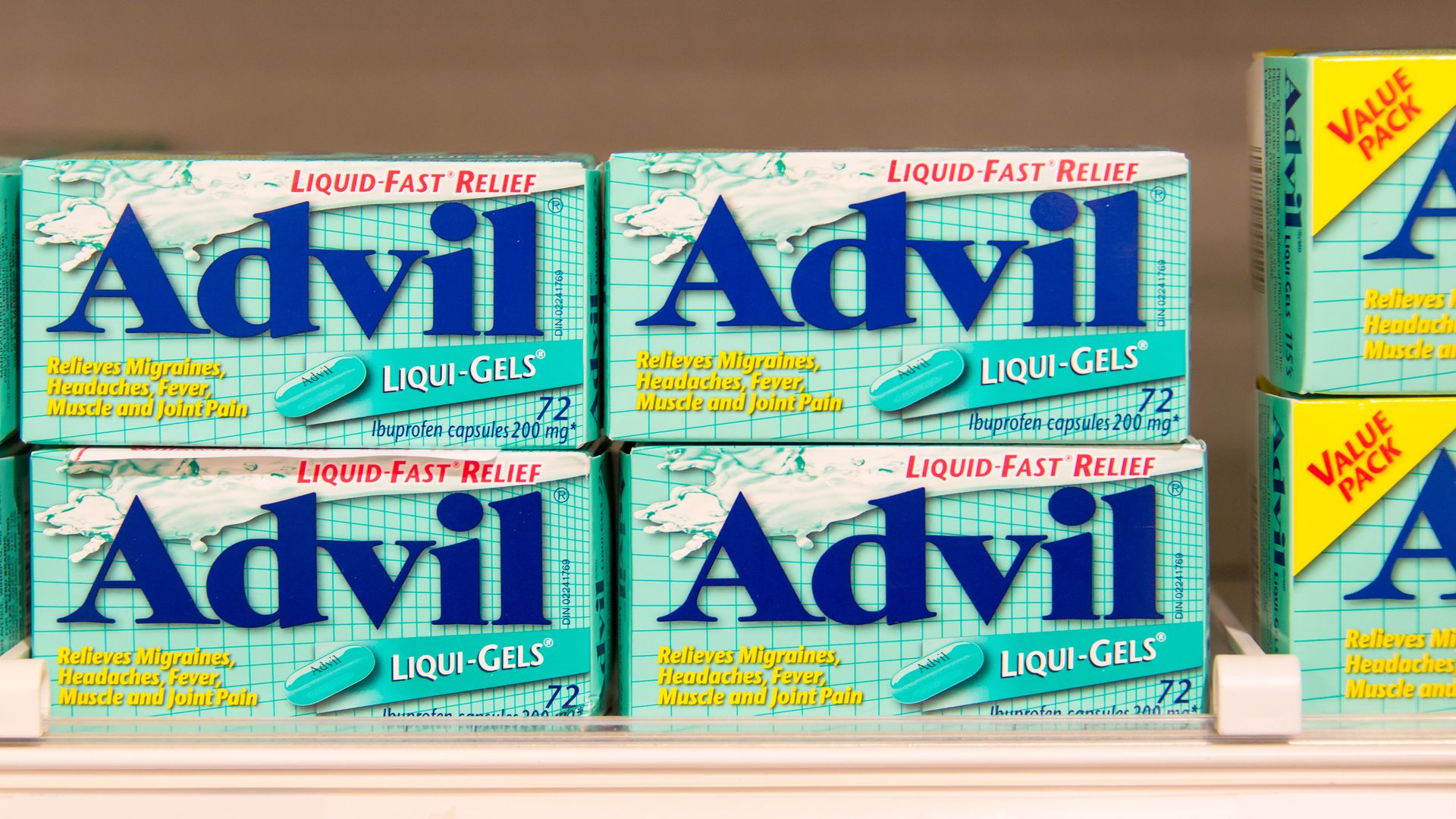
Why it matters:GSK previously pulled out of buying Pfizer's consumer business. This deal would heavily consolidate common health products — ranging from Pfizer's Advil and Nexium to GSK's Aquafresh toothpaste, Excedrin and Tums — into one $13 billion drug giant.
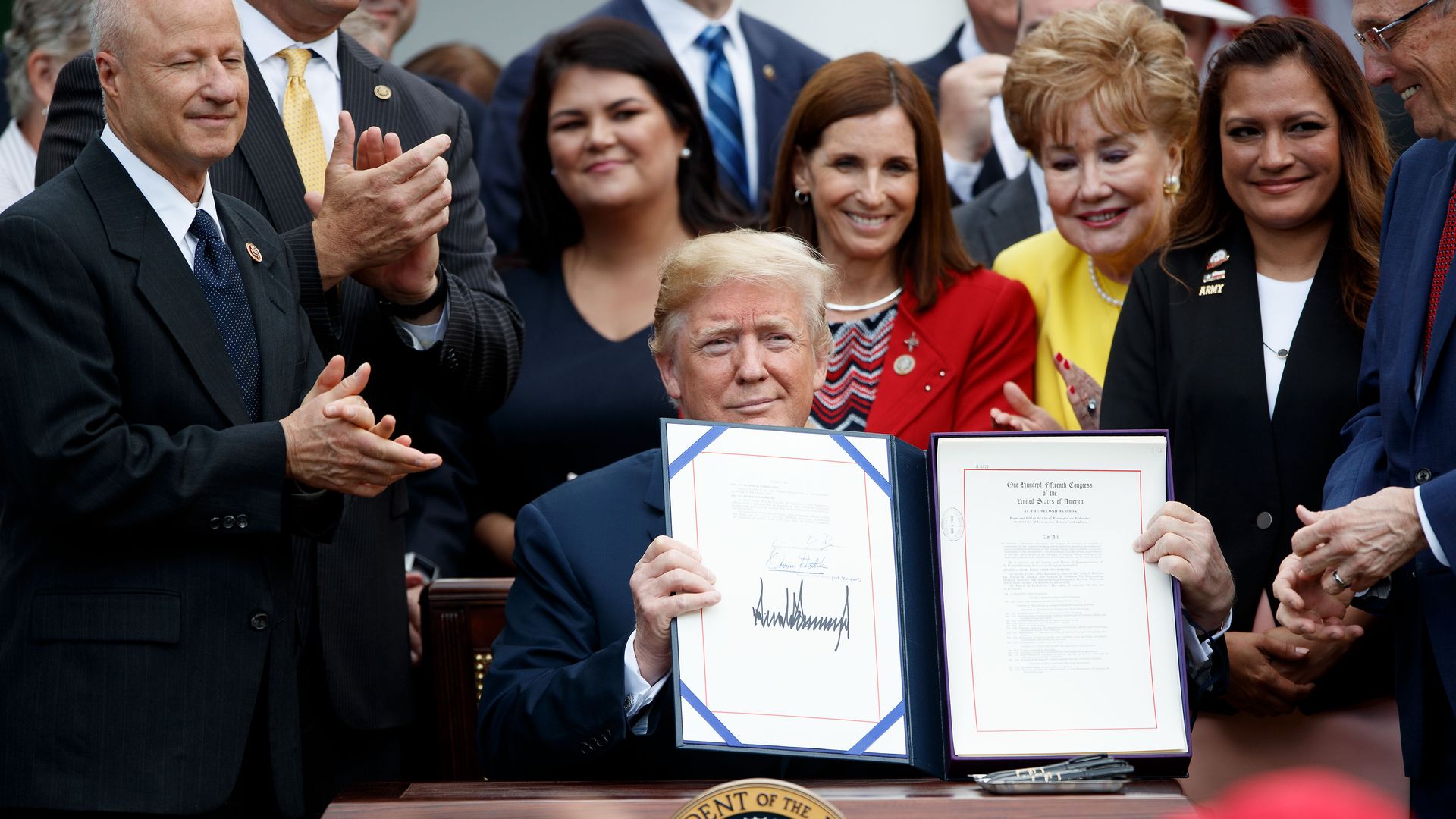
The Department of Veterans Affairs program that sends more veterans to private hospitals and doctors has resulted in longer wait times and a higher taxpayer bill, ProPublica reports with PolitiFact.
The big picture: The program was set up to help veterans avoid lengthy waits for care. Instead, veterans had to wait at least 30 days 41% of the time, and sometimes they had to wait as long as 70 days, according to government watchdogestimates.
We spend a little more than $4,000 per year for every Native American who gets care through the Indian Health Service — or more than three times less than what we spend on average for every person on Medicare, according to updated numbers in a Government Accountability Office report.
Why it matters: It's not surprising we spend a lot on Medicare beneficiaries, considering they are older, often have many chronic conditions or have life-altering disabilities. But this is a giant funding gap for Native Americans — who have high rates of alcoholism, suicide and diabetes, and who have been upset with care at IHS for years.
The Supreme Court has been quiet in the months since Justice Brett Kavanaugh’s wildly polarizing confirmation. And that’s how Chief Justice John Roberts seems to want it. Of course, Roberts' deliberately low-profile approach would end if the court takes up the big Affordable Care Act lawsuit. But it's not a sure thing that the case will reach SCOTUS.
Our thought bubble: With Justice Anthony Kennedy’s retirement this summer, Roberts is more in control of the court’s direction than he has ever been.
State Medicaid programs believe they are being ripped off on drug prices, and pharmacy benefit managers — the middlemen that negotiate drug prices on behalf of insurers and employers — are in their crosshairs.
The bottom line: "You will be hard-pressed to find a state that now isn't looking into this," an Illinois pharmacist told the Columbus Dispatch, the newspaper that has reported extensively on PBMs in Ohio.
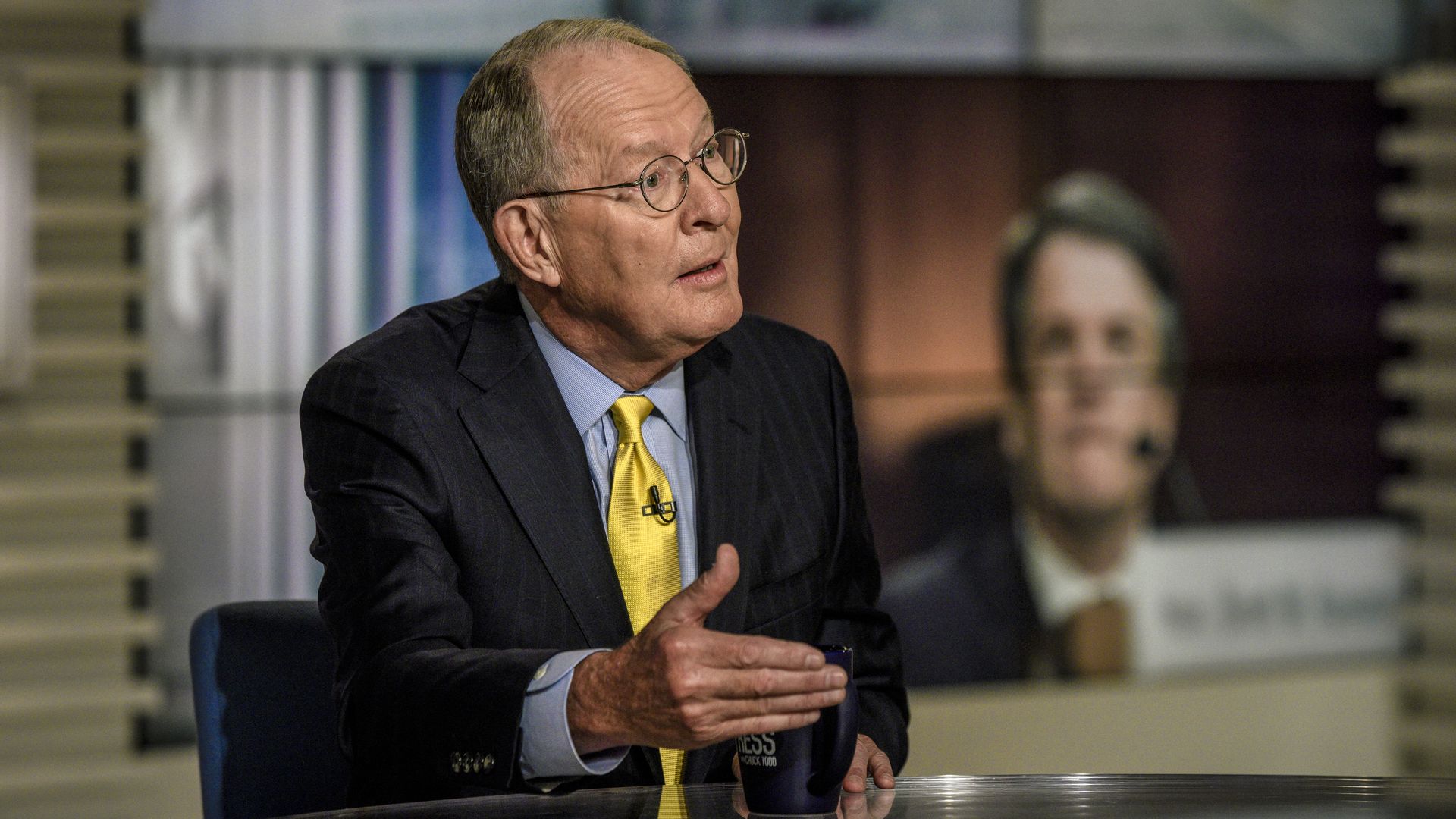
Sen. Lamar Alexander — chairman of the Senate Health, Education, Labor and Pensions Committee — announced his retirement yesterday morning, and so is officially in legacy-making mode.
The backdrop: Earlier this month, he said that a priority for next Congress would be addressing health care costs, a point he reiterated at an Axios event last week. This includes getting rid of wasteful spending, making prices more transparent and addressing surprise medical bills.
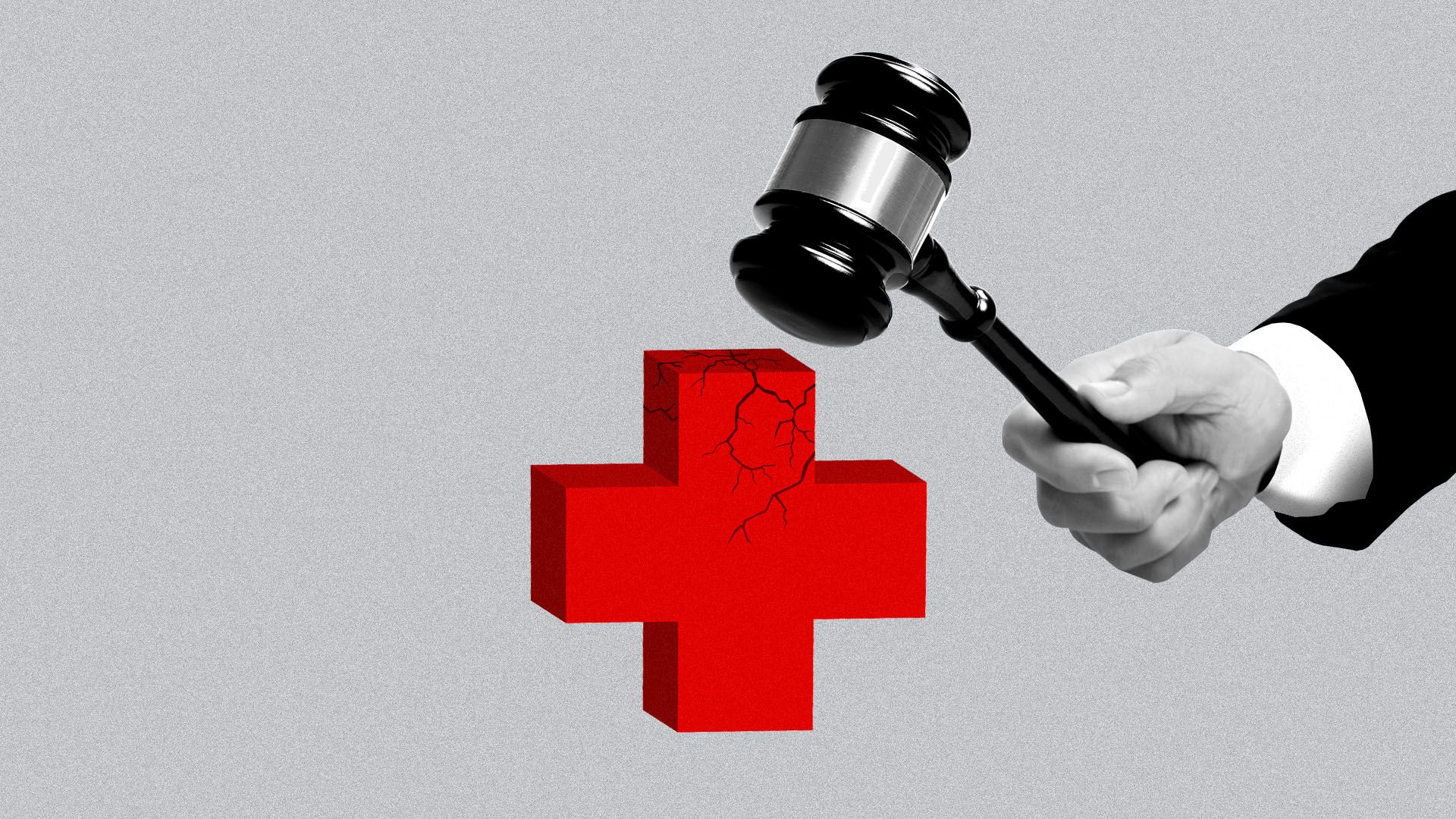
Congress could kill the lawsuit that threatens to wipe out the Affordable Care Act, legal experts say, but the politics of the issue will almost certainly keep it from doing so.
Why it matters: While these same legal experts think it's very likely that this case gets thrown out on appeal, that doesn't mean it definitely will — and a failure to overturn it would wreak havoc on the entire health care system.
Now that a Texas judge has ruled that the entire Affordable Care Act is unconstitutional — all because of its individual mandate — Republicans may find themselves wishing for a different outcome.
The big picture: There is little hope of a deal with Democrats on health reform in a divided Congress if the decision is upheld. Democrats will now use the 2020 campaign to paint Republicans as threatening a host of popular provisions in the ACA. And here’s the kicker: protections for pre-existing conditions, the provision that played such a big role in the midterms, is not even the most popular one.