The House will consider a second health care bill the week it votes on the Obamacare repeal and replacement, Speaker Paul Ryan said Thursday on the Sean Hannity Show.
We still don't know how much the Republican Obamacare replacement will cost or how it will affect health insurance coverage. The Congressional Budget Office is working on that, even as both House committees moved the bills forward. In the meantime, an analysis released Thursday by Loren Adler and Matthew Fiedler of the Brookings Institution said the CBO likely will find at least 15 million people will lose their coverage.
The key quote that explains the political problem: "Estimates could be higher, but it's is unlikely they will be significantly lower."
The 15 million number is based on the repeal of the individual mandate, lost employer coverage due to the mandate and cuts to Medicaid. The unknown effects of new tax credits, repealing the Medicaid expansion and installing a system that caps federal Medicaid payments for every person could drive that uninsured figure higher.
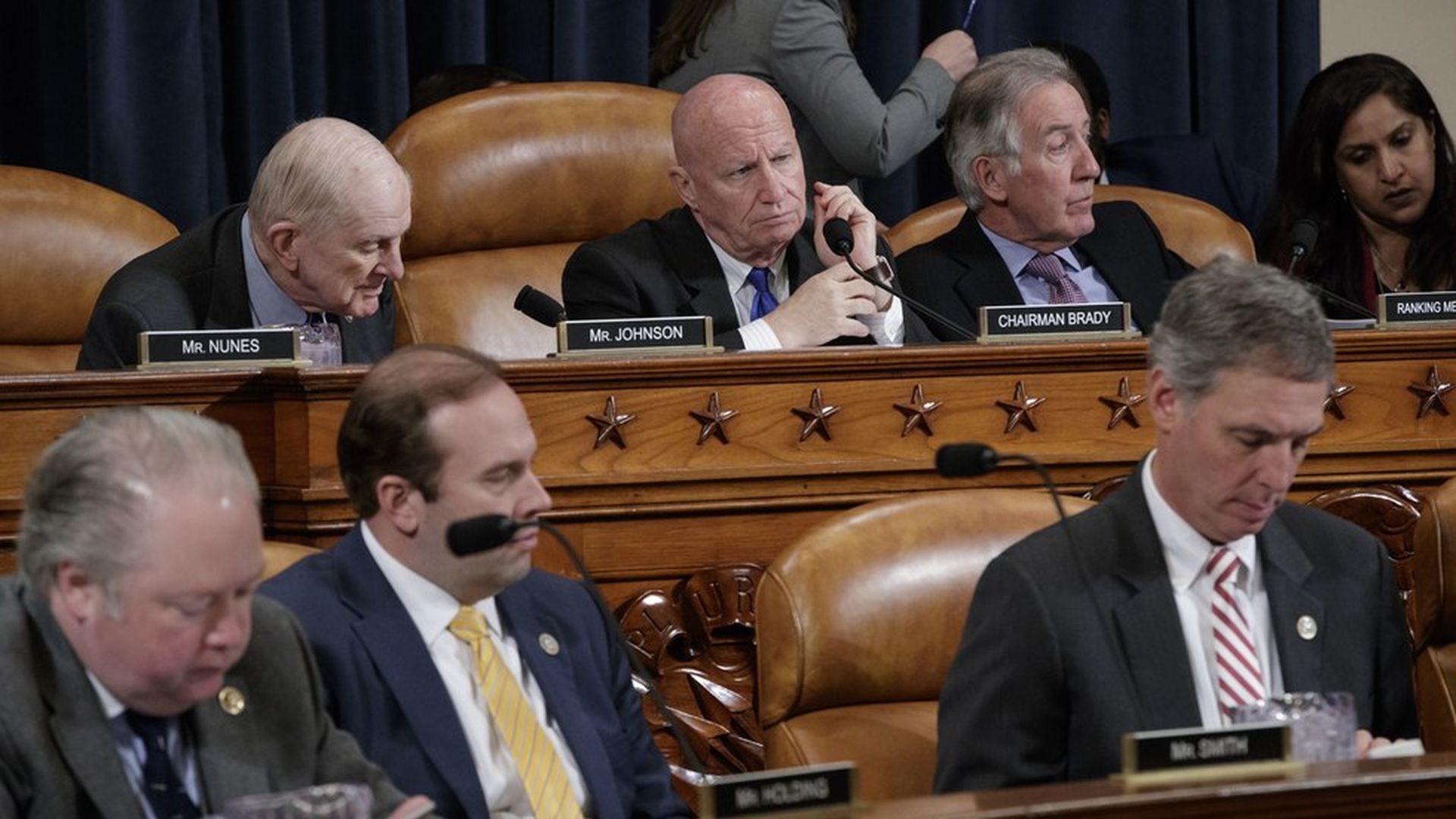
After a grueling session that lasted overnight and through the morning, the House Energy and Commerce Committee did what everyone knew it would do from the beginning: It approved its piece of the House Republican Obamacare replacement package on a party-line vote. The bill survived the marathon markup session basically unchanged, except for technical tweaks from the Republican side.
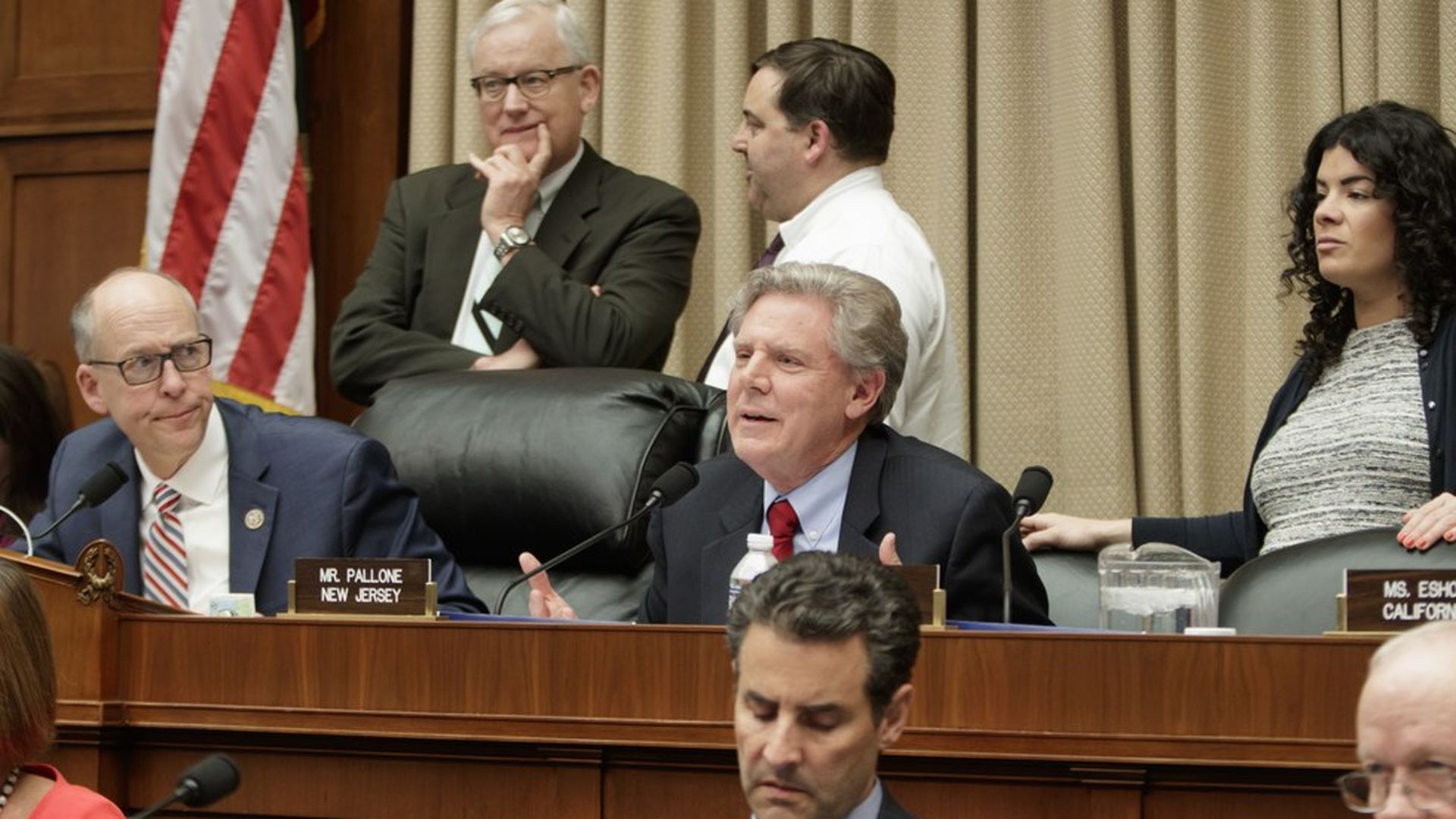
How it ended: Despite all of the bitter arguments about which was worse — Obamacare or the new bill — all of the anger seemed to be gone at the end, as dazed-looking Republicans and Democrats just wanted to get it over with. They all gave a round of applause to committee chairman Greg Walden and the committee staff members for making it through the night. Ranking Democrat Frank Pallone gave one last speech about how the GOP bill would "rip health care away from millions of Americans," but even his heart didn't really seem to be in it.
What's next: Rep. Joe Barton withdrew one important amendment he had expected to offer: ending Obamacare's Medicaid expansion at the end of this year rather than in 2020. That was a concession to conservatives, and has already been endorsed by groups like the Republican Study Committee. Barton said the White House is "looking at it" and that he has gotten a "considerable amount of positive feedback" in private conversations. So look for it to return later in the process.
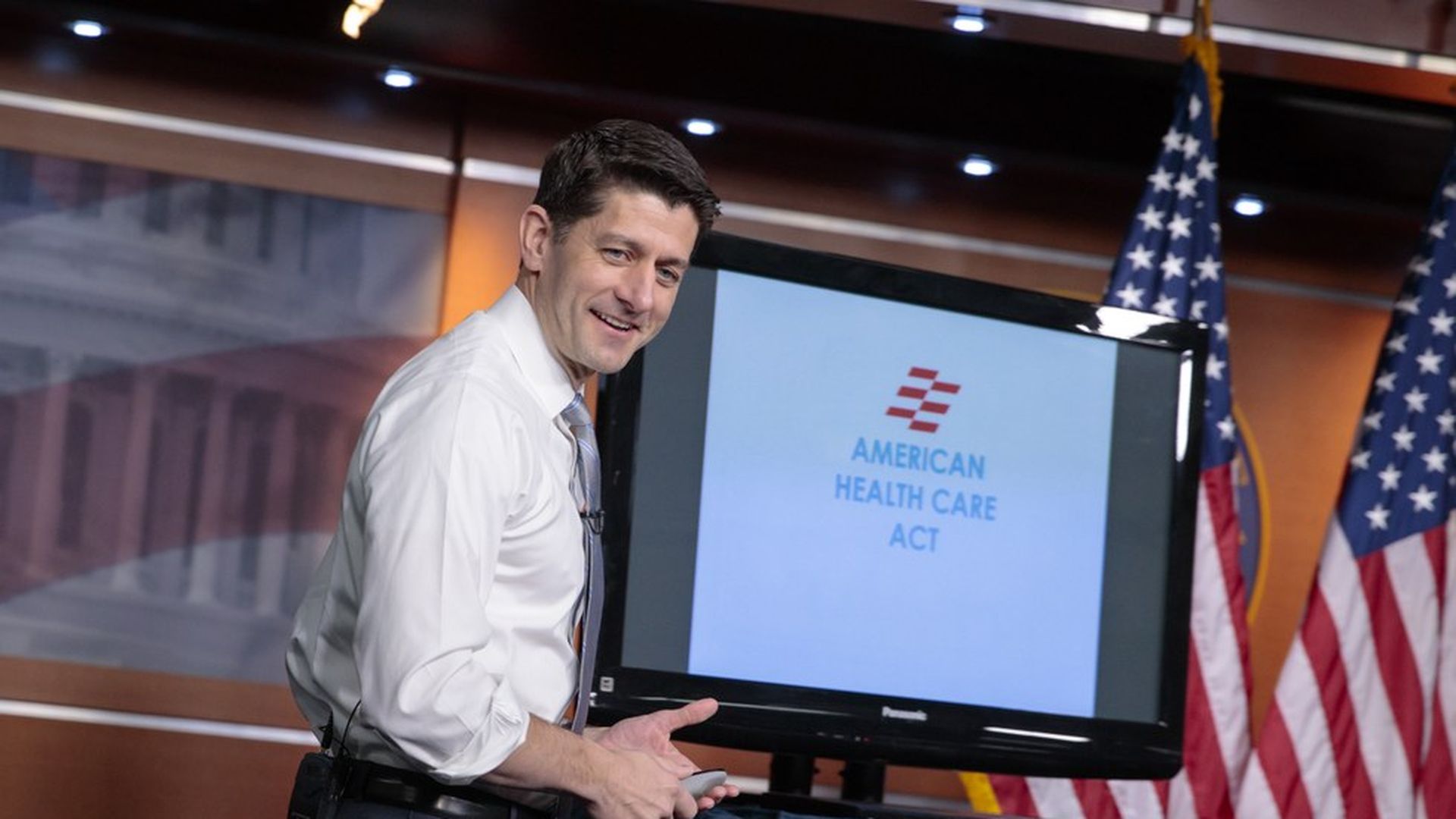
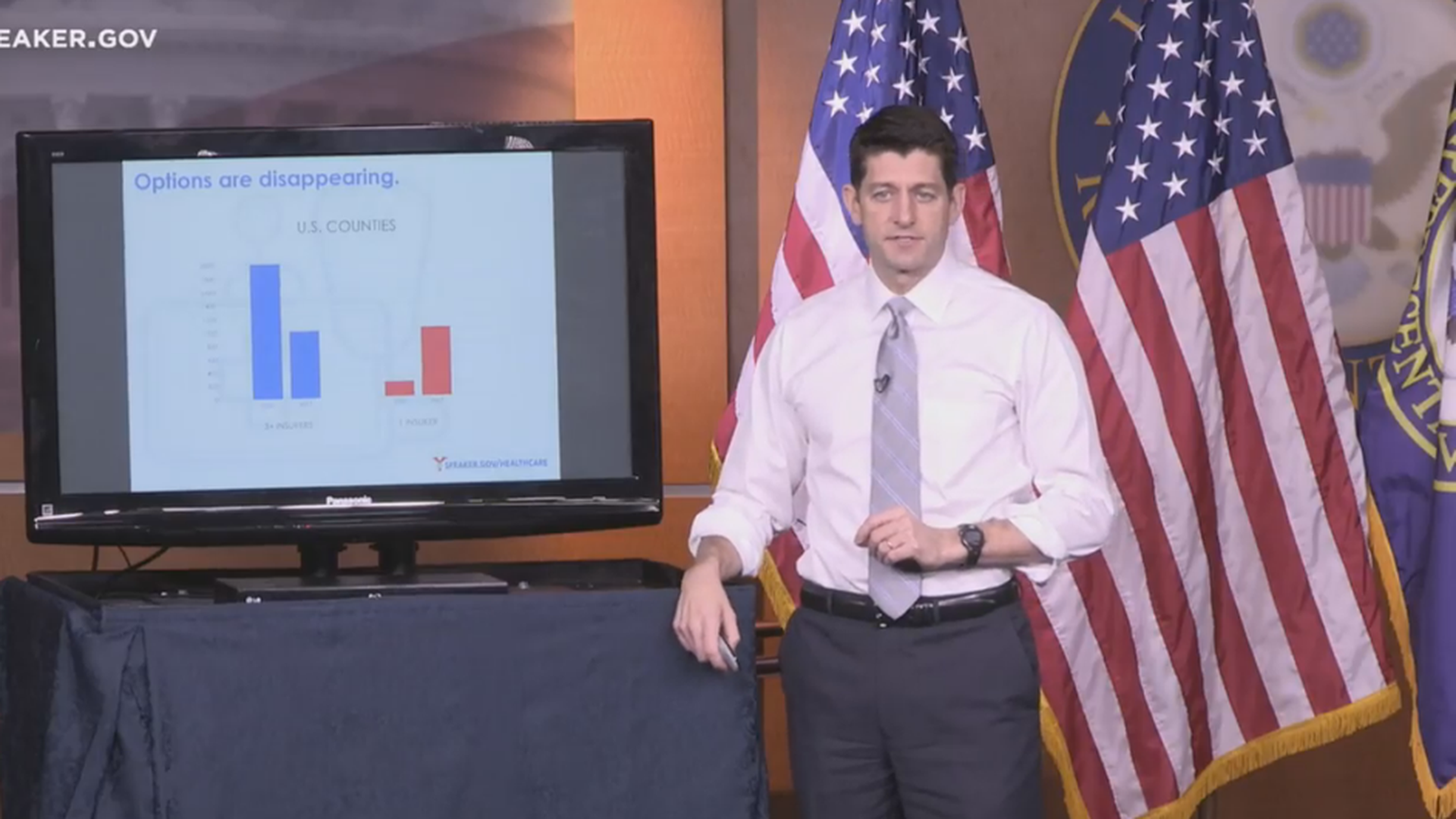
Paul Ryan rolled up his shirt sleeves and broke out a PowerPoint to educate Americans about his plan for repealing and replacing Obamacare. Most of the major cable networks broke in for the riveting show — there was even a balloon animation to illustrate the expanding costs of Medicaid.
But his goal was to convince other conservative lawmakers that his plan is the way to go: "The time is here. The time is now. This is the moment. And this is the closest this will ever happen. It really comes down to a binary choice."
The early reviews? Not great, at least from Rep. Justin Amash, who tweeted: "Binary choice" fallacy is a tool partisans on both sides use to quash policy debate and avoid difficult job of persuading and legislating.
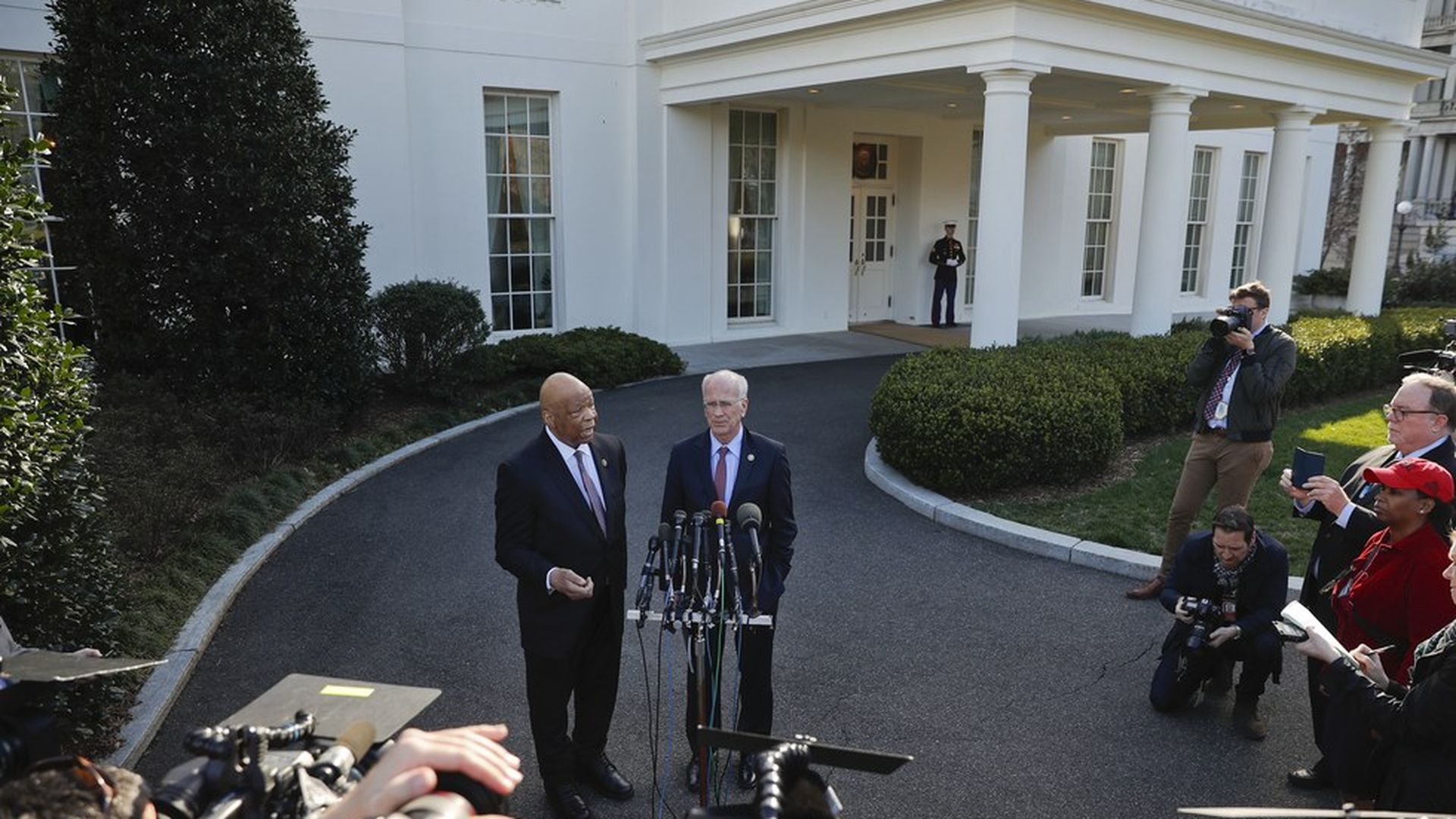
Two Democrats who met with Donald Trump yesterday about negotiating drug prices say the president agrees.
"He totally got it," Rep Peter Welch said after the meeting, the WSJ reports. Rep. Elijah Cummings said Trump called drug companies "very unfair to the American people."
White House statement: "President Trump expressed his desire to work with Congressman Cummings in a bipartisan fashion to ensure prescription drug prices are more affordable for all Americans, especially those who need lifesaving prescription medications."
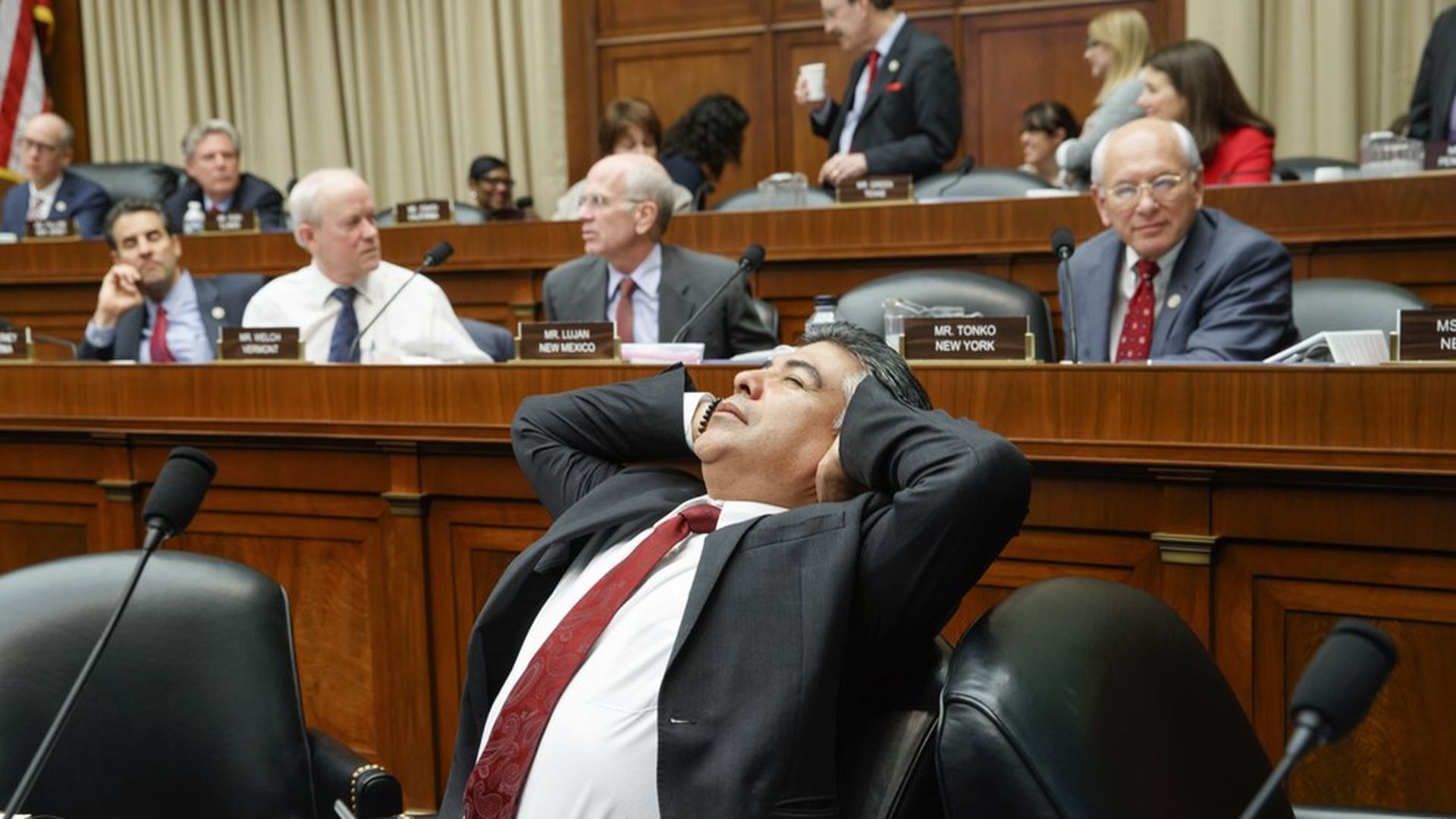
Time for a check-in with the House Energy and Commerce Committee markup of its Obamacare replacement bill. Here's what's happening after 24 hours:
There are lots of cups of coffee. Also, lots of committee members rubbing their eyes.
A couple of Republican committee members got angry at Democratic Rep. Ben Lujan for introducing an amendment to protect veterans' health care. "Disgusting" to suggest Republicans don't care about veterans, Rep. Markwayne Mullin told Lujan. "Let me ask you: You ever been shot at?"
Committee chairman Greg Walden advised everyone to chill, using his best Dad voice: "I appreciate that we've all been here for nearly 24 hours, and tempers are fraying, and we're all a little tired here."
Along the way, they have voted down some Democratic amendments, including measures to protect Obamacare's "essential health benefits" in state Medicaid plans and get rid of the "continuous coverage" provision in the GOP bill that would penalize people who don't stay insured.
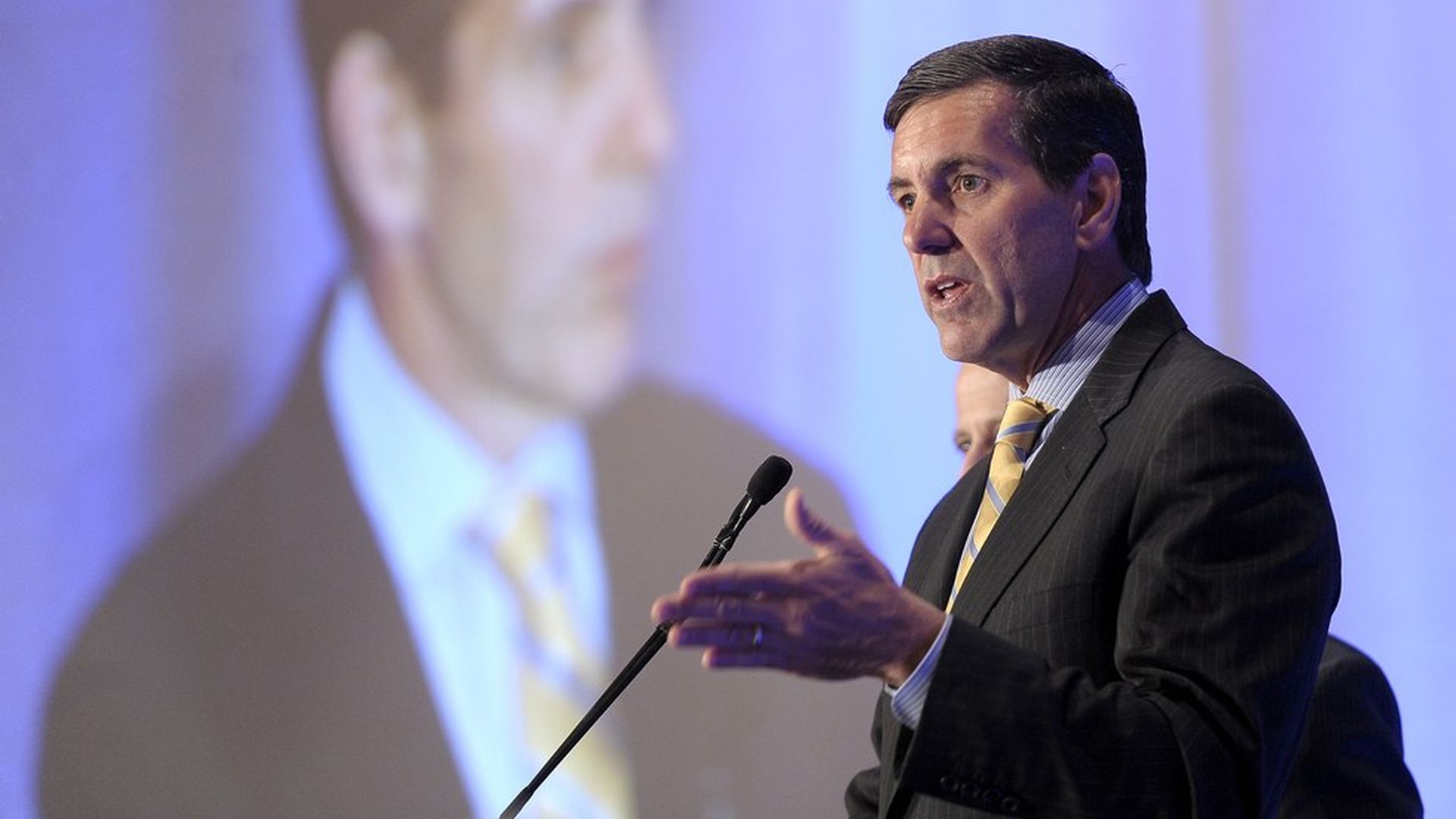
Last year was rough for Humana CEO Bruce Broussard. The Justice Department ruled against his company's proposed marriage with Aetna, and Humana's overall profit fell by more than 50% after it got clobbered in the Obamacare markets and struggled with its Medicare Advantage plans. (Don't forget: Humana is abandoning the Obamacare exchanges completely in 2018.) Yet Humana's annual proxy filing shows Broussard's pay package increased by more than three times.
The numbers: Broussard's total compensation (based on his actual realized stock gains, not estimated fair value of stock) in 2016 was $17 million, compared with $4.8 million in 2015.
How it got there: A vast majority of Broussard's pay came from cashed-out stock. But his bonuses were weighed heavily by a juiced-up figure known as adjusted earnings per share. That number excluded Aetna merger costs and losses associated with Obamacare's risk corridors. Humana said doing so was "consistent with past practice and appropriate."
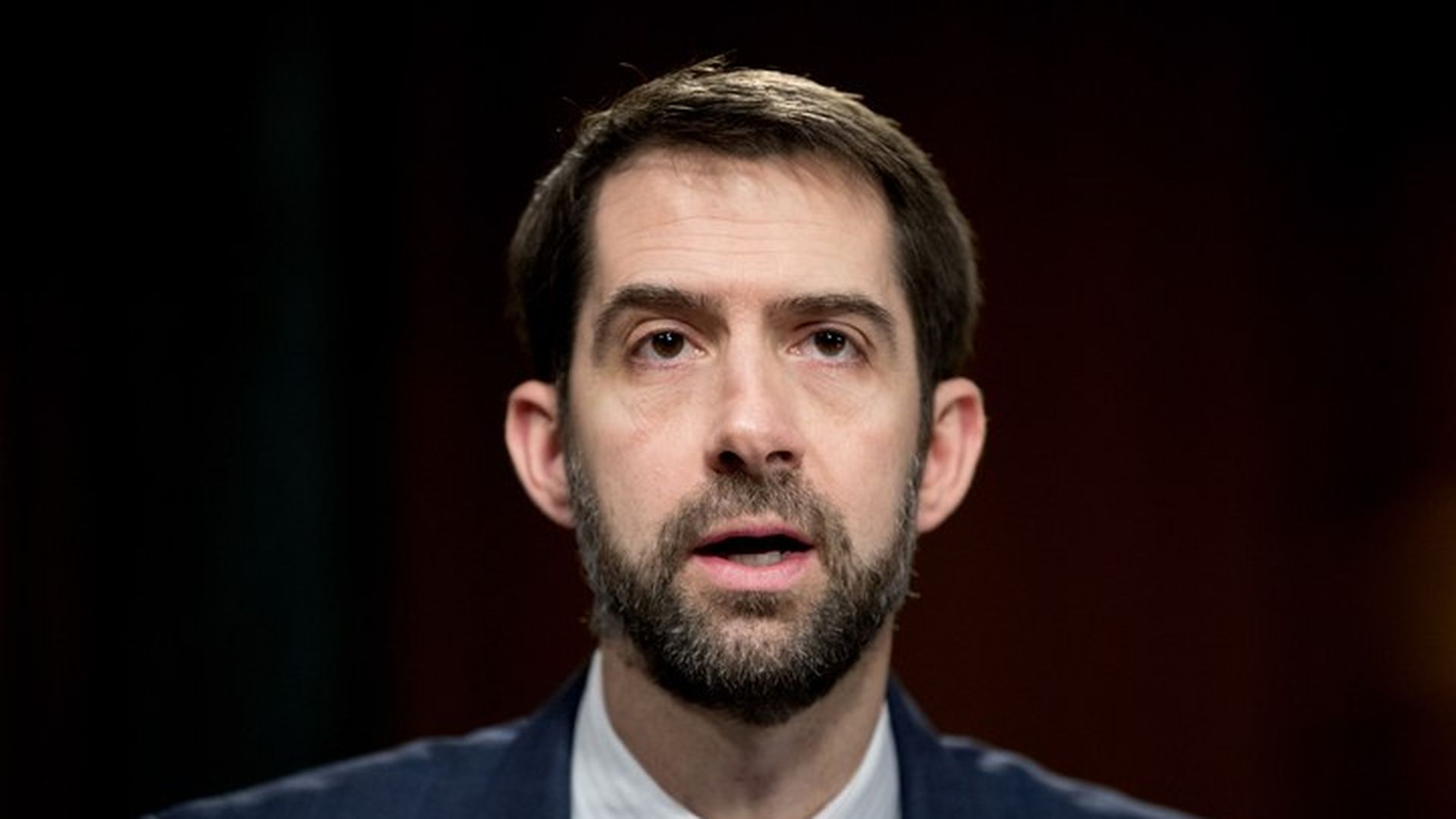
Republican Senator Tom Cotton has come in hot with a Tweetstorm on the Obamacare repeal and replace process, which has been running into some very early issues:
"House health-care bill can't pass Senate w/o major changes. To my friends in House: pause, start over. Get it right, don't get it fast... GOP shouldn't act like Dems did in O'care. No excuse to release bill Mon night, start voting Wed. With no budget estimate! ... What matters in long run is better, more affordable health care for Americans, NOT House leaders' arbitrary legislative calendar."
Why it matters: Republicans can afford quite a few defections and still pass a bill through the House, but the Senate is an entirely different issue, and for Cotton to go public so early is a danger sign for House leadership.
Caitlin Owens stayed into the early morning hours at the Ways and Means markup of the Obamacare replacement bills, so you should definitely read her story here. Me? I went to sleep and got up early. Didn't miss a thing. The big question right now is: What would it actually take to stop the hemorrhaging of conservative support?
The House Ways and Means Committee passed its half of the Obamacare repeal and replacement bill early Thursday morning after an all-night markup. The House Budget Committee is expected to take up the legislation next week, once the Energy and Commerce Committee passes its half.
The markup began at 10:30 a.m. Wednesday and then slogged through the rest of the day and night, ending around 4:30 a.m. Democrats forced votes on one trolly amendment after another, making Republicans take tough votes on things like protecting hospitals and coverage for everyone.
The bottom line: Every Democratic amendment failed. No Republicans offered any amendments, meaning the bill will move forward in the process exactly the way leadership wrote it. According to the House Freedom Caucus, this bill does not have the votes it needs to pass.
Here's the data for 27-year-olds and 50-year-olds of different incomes who are uninsured for a year and for six months. (For health care nerds: It assumes they're enrolled in a silver plan.) It's important to also note the Obamacare penalty is paid every year someone is uninsured, so the total penalty someone has paid gets bigger over time. The GOP penalty is paid over one year only, no matter if the person was uninsured for 64 days or 10 years.