Tuesday's health stories

Conservative websites going to war against Trumpcare

Influential right-wing websites are beating the daylights out of the Obamacare replacement plan developed by the House Republican leadership and the Trump administration.
Why this matters: Trump, Ryan and co. were already going to have a hard time selling their plan to right flank of the House and Senate. The last thing they need is a conservative media war against them. You can bet that someone's going to walk into the President's office during the next 24 hours with a print out of the Breitbart stories. It'll be interesting to see whether he stays the course against the backlash.

Chicago-area hospital systems call off merger

Advocate Health Care and NorthShore University HealthSystem have canceled their planned merger after a federal judge ruled against it, Crain's Chicago Business reports.
The merger had been in the works for two-and-a-half years. The combined Advocate-NorthShore system would have had $7.5 billion in annual revenue and dominant hospital market share throughout Chicago and its suburbs.
Why this matters: The Federal Trade Commission ultimately won this battle, as it argued the merger would have given Advocate and NorthShore too much pricing power that would have caused health insurance premiums to skyrocket. Health economists have warned that hospital and physician mergers have monopolized local markets and driven up health care spending. The Trump administration's FTC may look more favorably on transactions, but it likely will continue to review provider deals closely. Tad Lipsky, the new director of the FTC's Bureau of Competition, said Tuesday the FTC was "delighted" by the court's ruling to strike down the Advocate-NorthShore deal.

House chairmen to conservatives: don't blow this
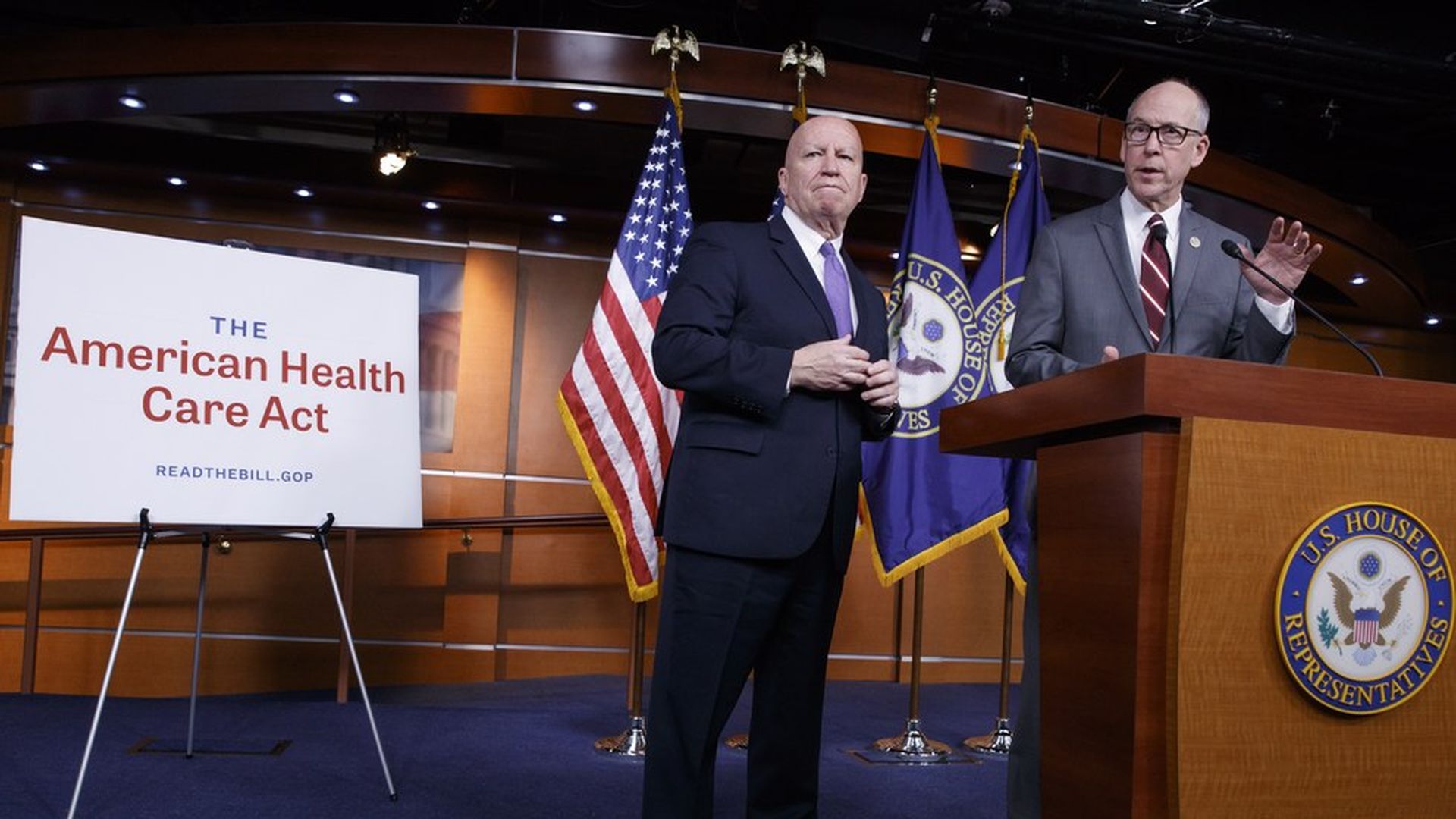
The chairmen of the main House health care committees had a message for conservative Republicans today: Don't tank the Obamacare replacement bill. "We can act now, or we can keep fiddling around and squander this opportunity to repeal Obamacare," Ways and Means Committee chairman Kevin Brady said at a press conference about the replacement bills. Energy and Commerce Committee chairman Greg Walden added that the Medicaid rewrite in his bill — which would convert the program to per-person funding limits — would be "the biggest entitlement reform in the last 25 years."
Between the lines: They're trying to fight back conservatives' charges that the package is "Obamacare Lite." Some of the leading GOP critics, including Freedom Caucus Chairman Mark Meadows and Sen. Rand Paul, are having a press conference this afternoon to blast the bills, which are scheduled for markups in both House committees tomorrow.

The Republican Study Committee has concerns about Trumpcare
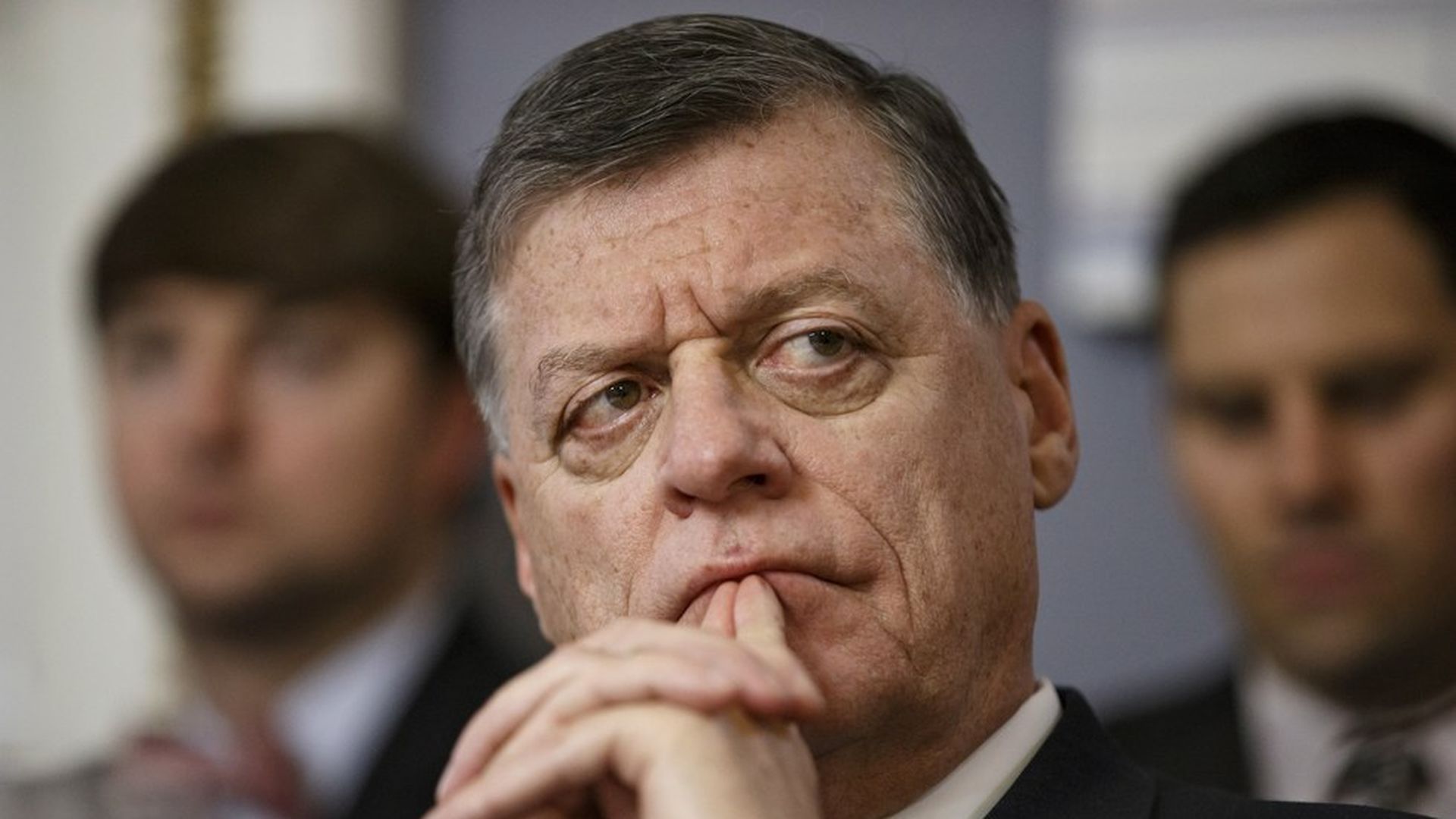
The Republican Study Committee (RSC) outline the major concerns they have with the GOP's new healthcare bill in their latest policy memo. Their main worries?
- Medicaid expansion: The RSC doubts that Congress will allow a freeze to Medicaid expansion in 2020, as the draft bill suggests, noting that the future reduction "is premised on a future Congress being willing" to let spending cuts go into effect.
- Tax credit: "Writing checks to individuals to purchase insurance is, in principle, Obamacare," states RNC. Argues that the costs incurred from the new plan may increase the deficit at the same rate as Obamacare.
Trumpcare: What to watch next
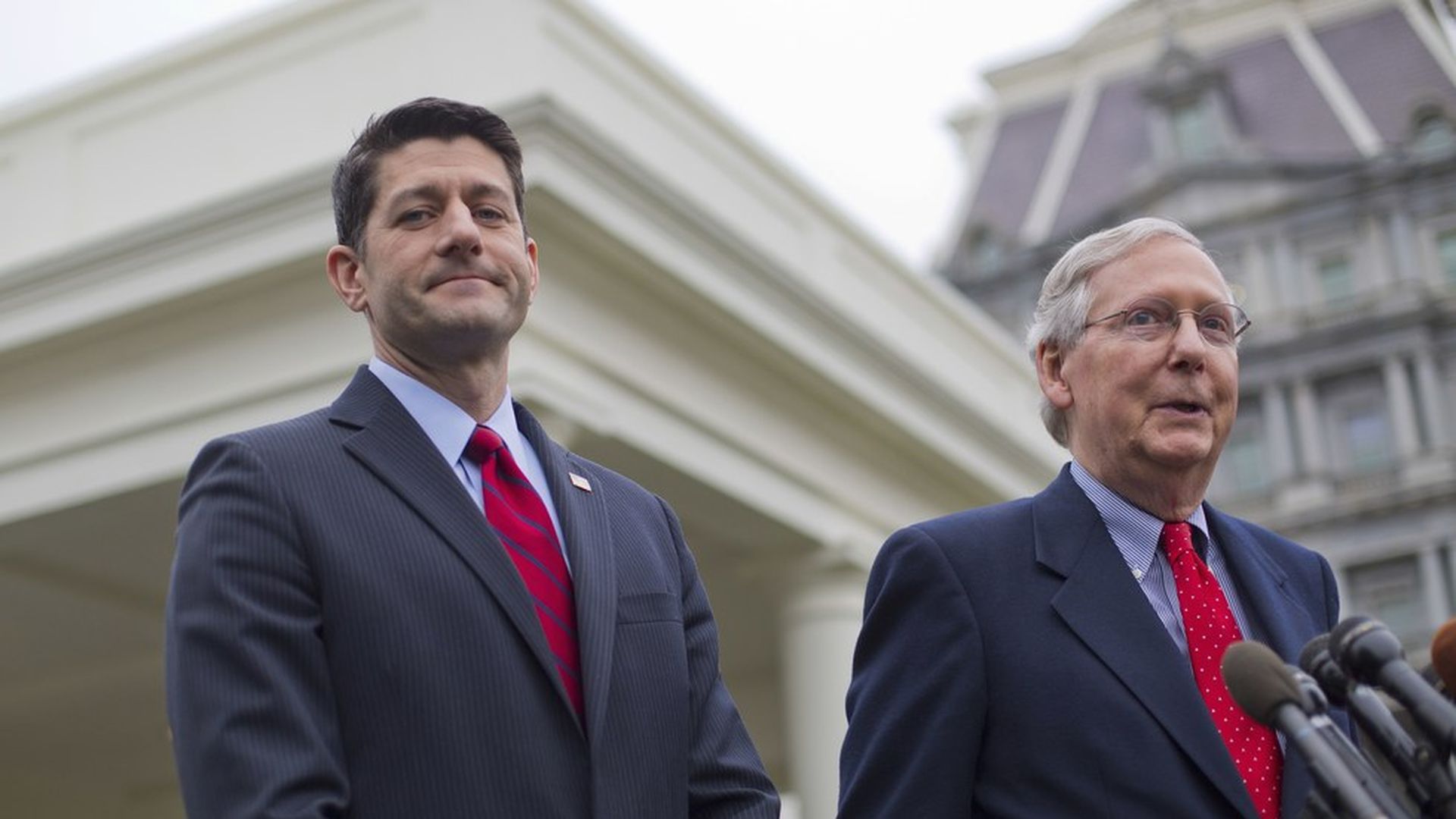
Well, you wanted to know what the Obamacare replacement plan was, right? The bills are out, and the House Energy and Commerce Committee and the Ways and Means Committee are going to "mark up" their pieces at the same time on Wednesday. Here's my speed-read writeup, or if you'd rather read the summaries yourself, you can take a look here and here.
Here are the main plot lines to watch in the coming days.
NantHealth stock plummets on report of self-dealing
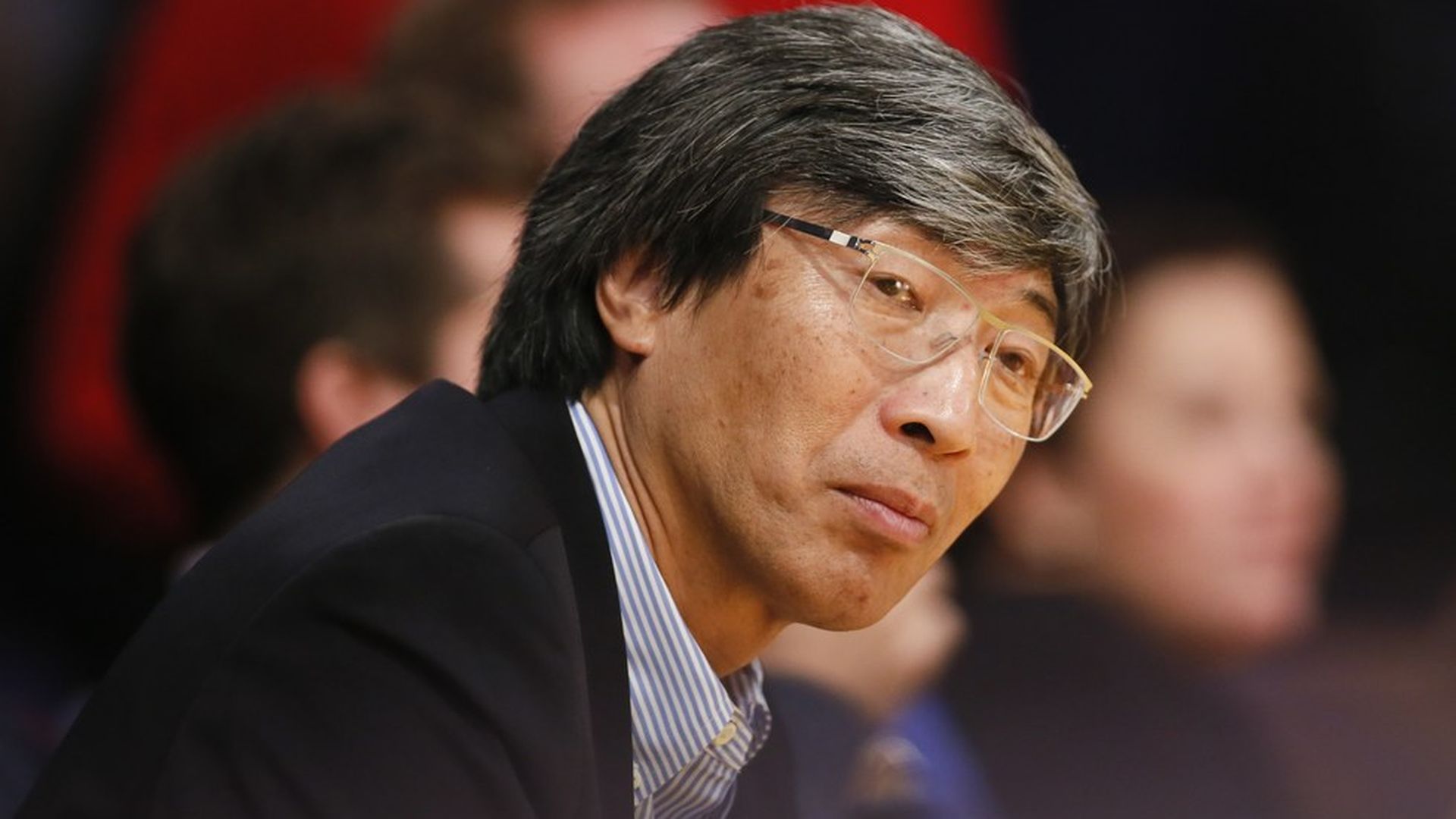
The stock of cancer testing company NantHealth cratered by more than 23% at the close of Monday to an all-time low of $5.50 a share after an investigation by Rebecca Robbins at STAT found that NantHealth's founder and CEO, Dr. Patrick Soon-Shiong, steered a charitable donation back to his company.
Soon-Shiong gave $12 million to the University of Utah, but a contract required $10 million to be funneled back to NantHealth for genetic testing. Tax experts interviewed by STAT said the deal was at best an "optics problem" and at worst a form of money laundering.
Why this matters: Soon-Shiong, the world's richest physician who has talked with President Trump about being a "health care czar," has been criticized for inflating his own business claims. This report provides damning evidence about the extent of Soon-Shiong's actions to prop up one of his struggling companies.
Trumpcare: What's in, what's out
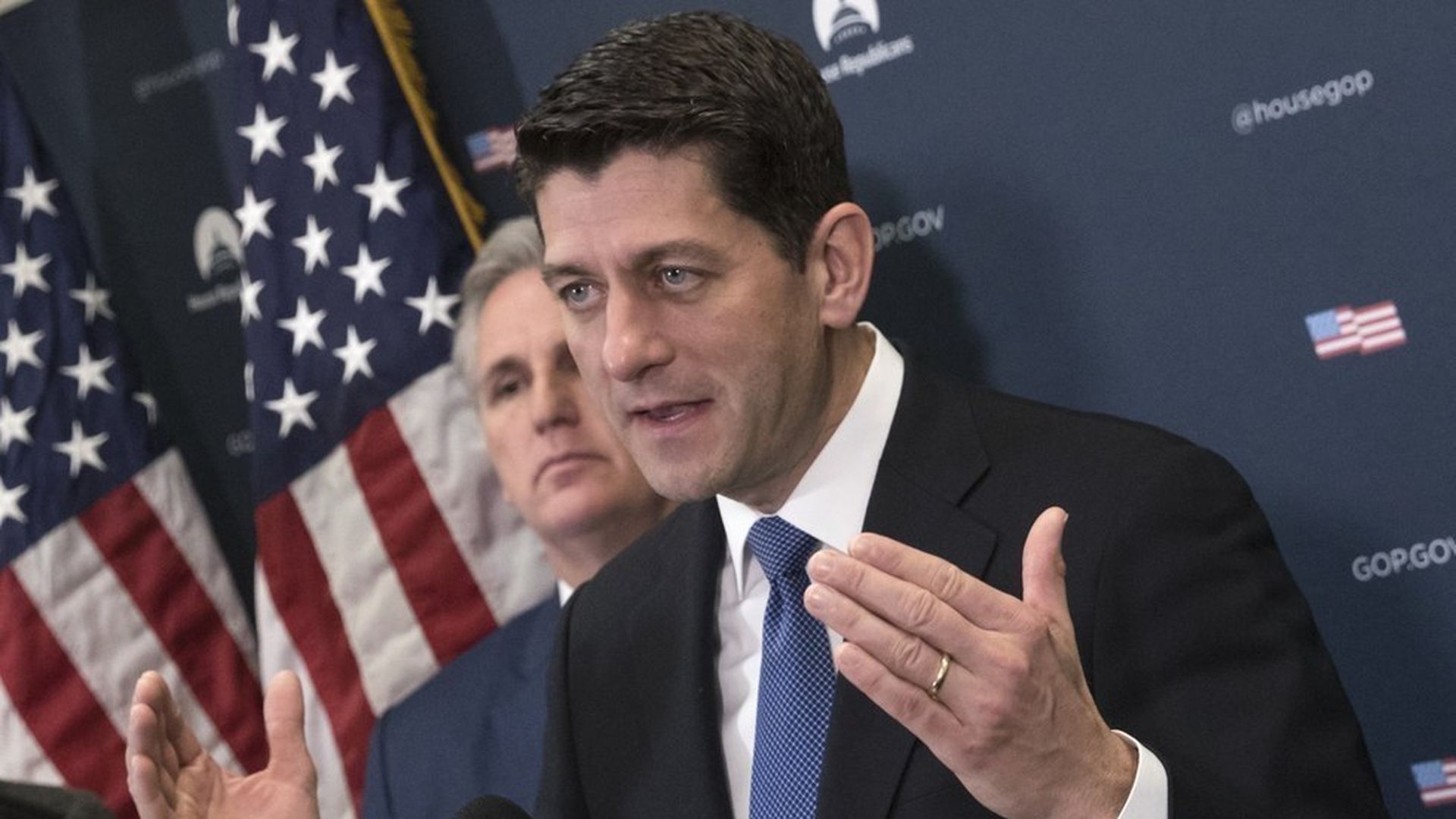
The House Republican Obamacare replacement package is finally out, and the two main health care committees — Ways and Means, and Energy and Commerce — are scheduled to start working on the bills on Wednesday. Here's your speed read on what's in them — summaries are available here and here:

Obamacare replacement dead on arrival without Medicaid protection, GOP senators warn
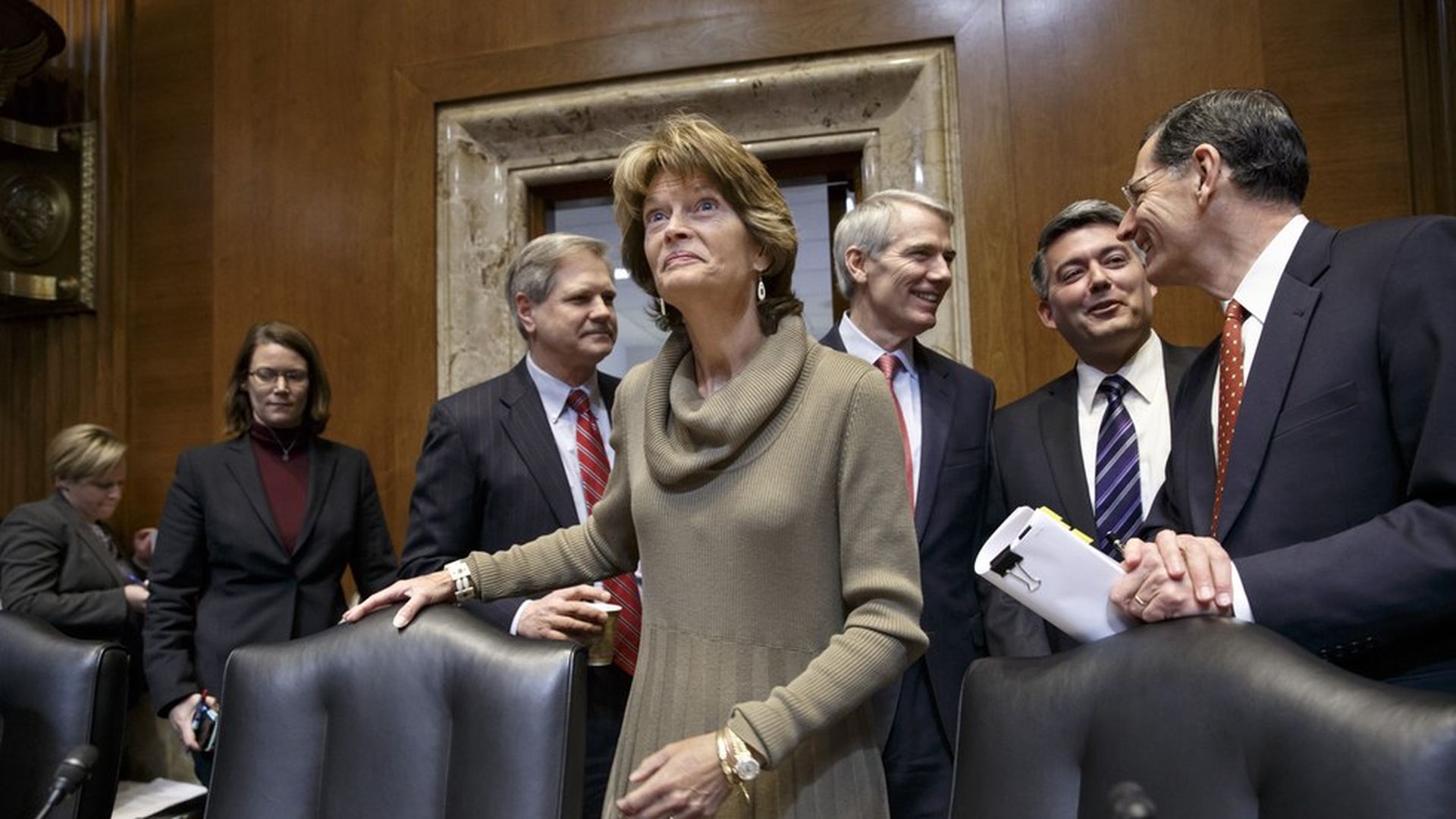
Four senators from states that expanded Medicaid on Monday said they won't support a bill that takes the same approach to the program as a leaked Obamacare repeal and replacement bill did. This means the House bill set to be released tonight could be dead on arrival.
New report says multiple sclerosis drugs are overpriced

At least 400,000 Americans have multiple sclerosis, and they are paying too much for their drugs to treat the condition, according to a new report from the Institute for Clinical and Economic Review.
ICER, a not-for-profit group that the pharmaceutical industry loathes, attempts to identify the cost effectiveness of drugs. Many of the multiple sclerosis drugs ICER studied are clinically effective. But the group's president, Dr. Steven Pearson, said in a statement that "high prices and regular price increases contribute significantly to restrictions on coverage and access that make it difficult for patients to get the medications they need." Multiple sclerosis drugs cost between $63,000 per year and more than $100,000 per year.
Companies in the crosshairs that make multiple sclerosis drugs: AbbVie, Bayer, Biogen, Genentech, Merck, Novartis, Sanofi, and Teva Pharmaceutical Industries.