Monday's health stories


NantHealth stock plummets on report of self-dealing
The stock of cancer testing company NantHealth cratered by more than 23% at the close of Monday to an all-time low of $5.50 a share after an investigation by Rebecca Robbins at STAT found that NantHealth's founder and CEO, Dr. Patrick Soon-Shiong, steered a charitable donation back to his company.
Soon-Shiong gave $12 million to the University of Utah, but a contract required $10 million to be funneled back to NantHealth for genetic testing. Tax experts interviewed by STAT said the deal was at best an "optics problem" and at worst a form of money laundering.
Why this matters: Soon-Shiong, the world's richest physician who has talked with President Trump about being a "health care czar," has been criticized for inflating his own business claims. This report provides damning evidence about the extent of Soon-Shiong's actions to prop up one of his struggling companies.

Trumpcare: What's in, what's out
The House Republican Obamacare replacement package is finally out, and the two main health care committees — Ways and Means, and Energy and Commerce — are scheduled to start working on the bills on Wednesday. Here's your speed read on what's in them — summaries are available here and here:

Obamacare replacement dead on arrival without Medicaid protection, GOP senators warn
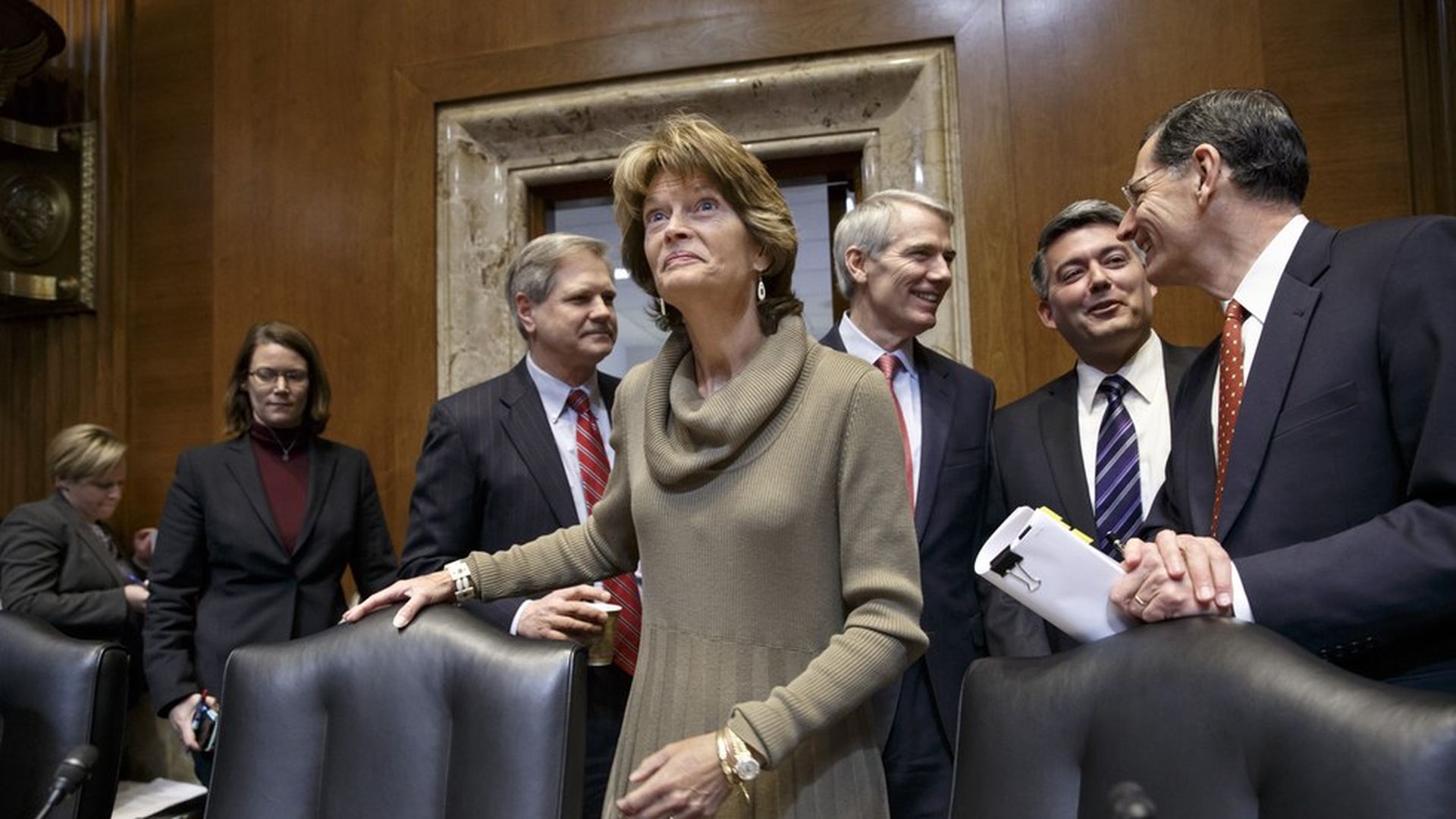
Four senators from states that expanded Medicaid on Monday said they won't support a bill that takes the same approach to the program as a leaked Obamacare repeal and replacement bill did. This means the House bill set to be released tonight could be dead on arrival.

New report says multiple sclerosis drugs are overpriced
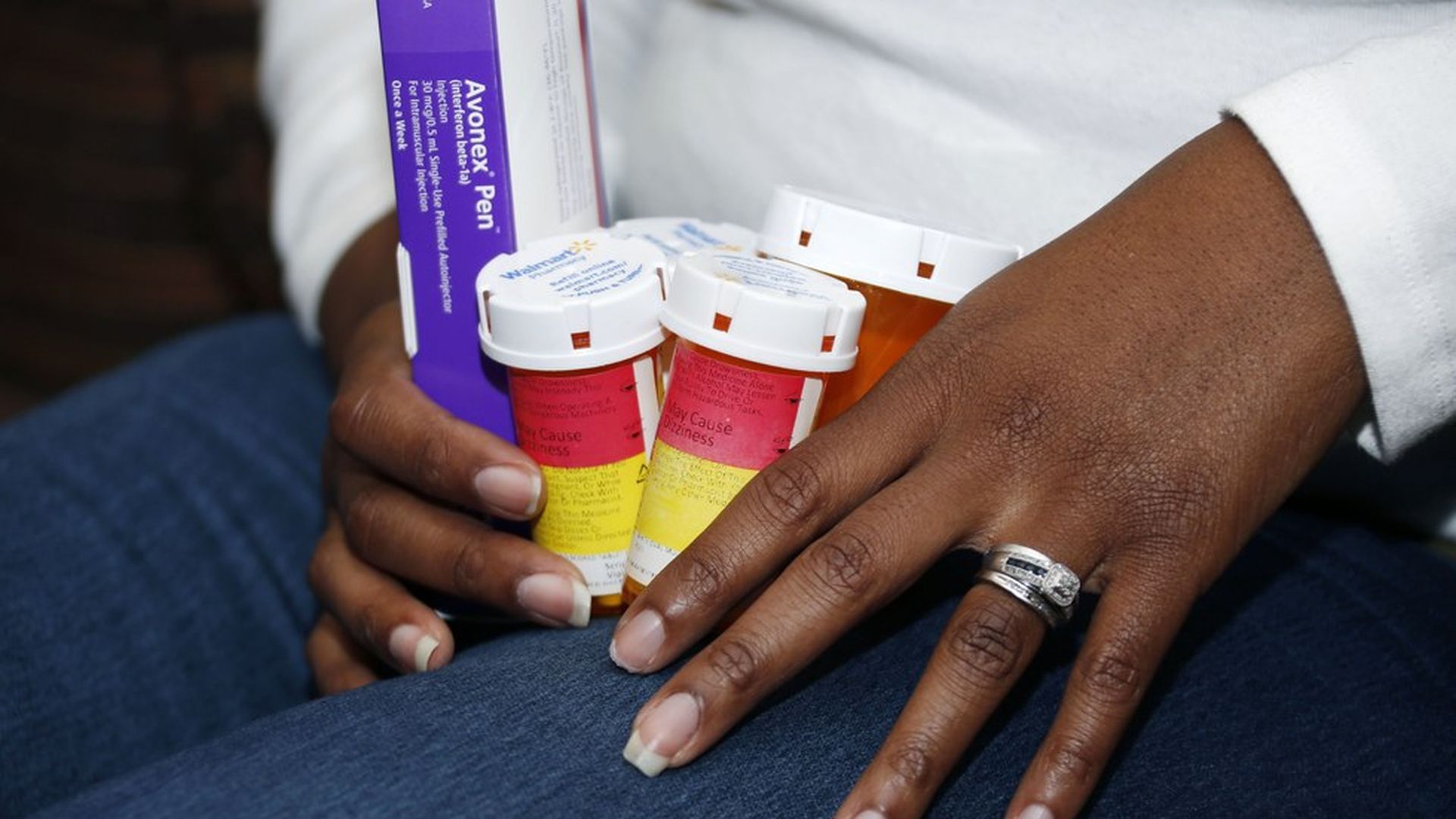
At least 400,000 Americans have multiple sclerosis, and they are paying too much for their drugs to treat the condition, according to a new report from the Institute for Clinical and Economic Review.
ICER, a not-for-profit group that the pharmaceutical industry loathes, attempts to identify the cost effectiveness of drugs. Many of the multiple sclerosis drugs ICER studied are clinically effective. But the group's president, Dr. Steven Pearson, said in a statement that "high prices and regular price increases contribute significantly to restrictions on coverage and access that make it difficult for patients to get the medications they need." Multiple sclerosis drugs cost between $63,000 per year and more than $100,000 per year.
Companies in the crosshairs that make multiple sclerosis drugs: AbbVie, Bayer, Biogen, Genentech, Merck, Novartis, Sanofi, and Teva Pharmaceutical Industries.

Obamacare's big week
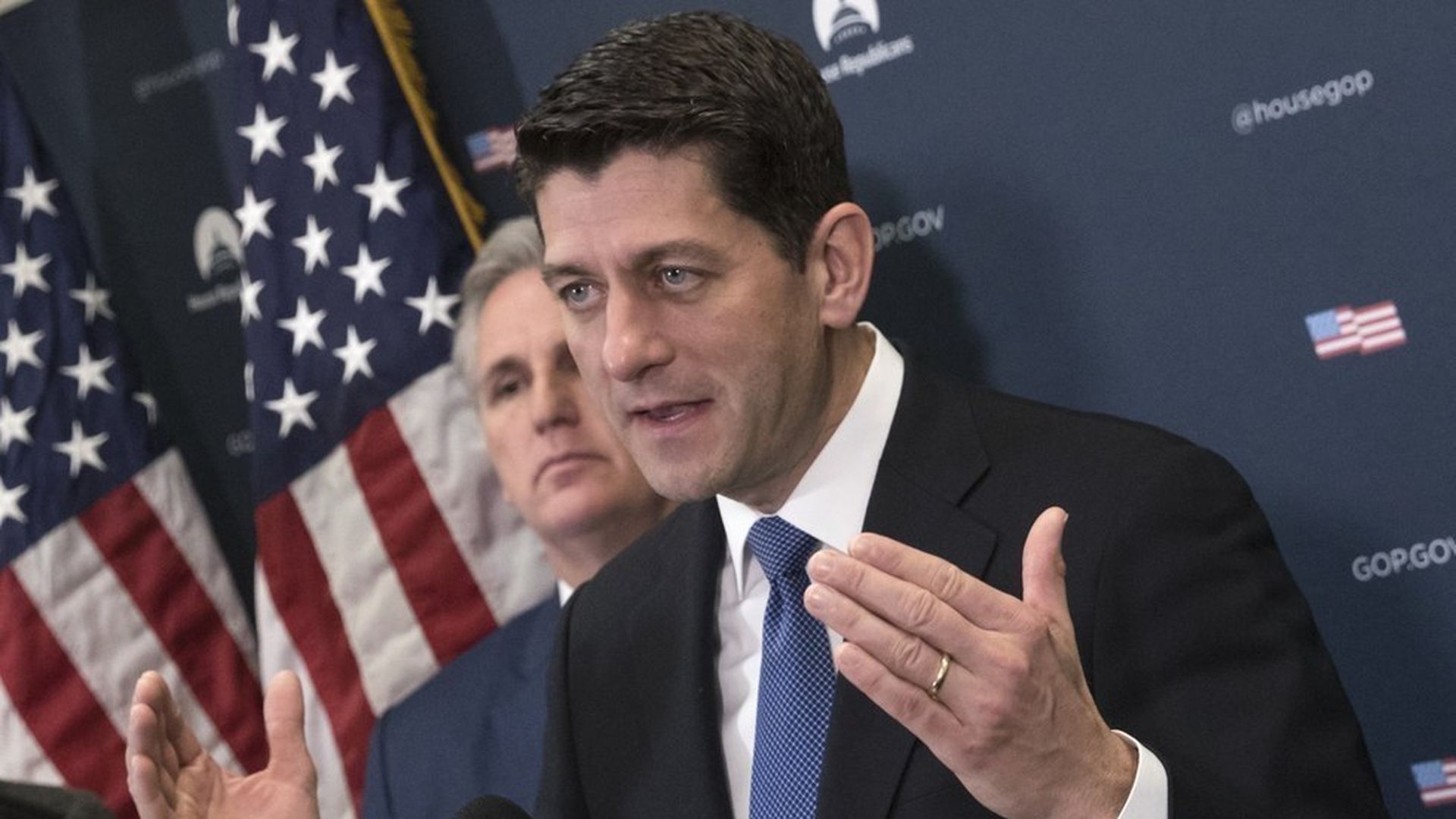
Capitol Hill will be consumed by Obamacare for the foreseeable future but this week is a big one, with House committees expected to mark up the first legislative text. Committees responsible for the health-care bill — led by Ways and Means chair Kevin Brady and Energy and Commerce chair Greg Walden — worked over the weekend with the White House "to tie up loose ends and incorporate technical guidance from the administration," a senior GOP aide tells me.
There was a weekend call with the big players crafting the policy: Speaker Ryan, Walden, Budget Director Mick Mulvaney, HHS Secretary Tom Price, White House senior policy hand Andrew Bremberg, and others. Outstanding issues, still being worked through by the committees:
- Design of the tax credits: We're told that Republicans are going to put an income cap on the tax credits. This helps bring down costs — a top GOP priority — and will ensure that the super-rich aren't getting financial assistance they don't need.
- Tweaking coverage: We're told that the early estimates about how many people would be covered by the healthcare plan were pretty bad. Republicans have been tweaking the plan to ensure that the coverage gets better.
What's going to come after Republicans wavering on Obamacare repeal
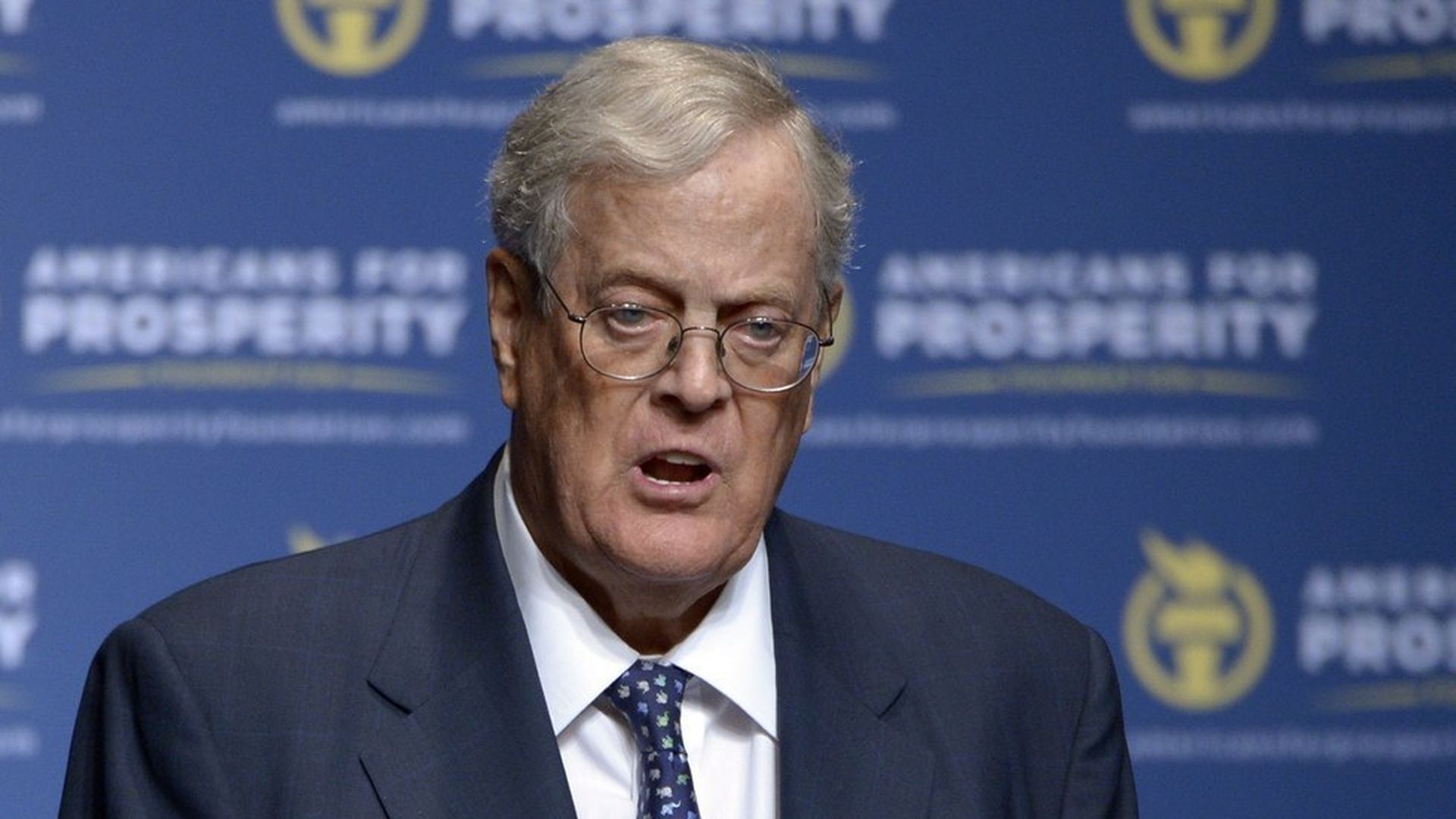
Republicans are about to come under pressure to keep their promise to repeal Obamacare, the New York Times reports, highlighting a coming campaign backed by the Koch brothers and their allies. The key quote from Tim Phillips, president of Americans for Prosperity, which is coordinating the effort:
"We've been patient this year, but it is past time to act and to act decisively . . . Our network has spent more money, more time and more years fighting Obamacare than anything else. And now with the finish line in sight, we cannot allow some folks to pull up and give up."
Why this matters: Initial spending is just in the "low six-figures" the NYT reports, but this could be a sign of pressures to come for Republicans as the Obamacare repeal (and replace) effort seems to have stalled in Congress. As the Times puts it: "this early rift between the party's activist wing and its leadership in Washington could be a taste of what Republicans can expect now that they control the government entirely and are no longer able to blame Democrats for blocking their agenda."

Drug overdose fatality rate higher than suicides, cars, guns
A new Centers for Disease Control and Prevention study shows the rate of fatal drug overdoses has more than doubled since 1999. Those between 55 and 64 years of age were the hardest hit. Rates increased for both males and females and increased across all age groups.
The 2015 rate for fatal drug overdoses is higher than deaths from suicides (13.4 deaths per 100,000) car accidents (11.1 deaths per 100,000) and firearms:

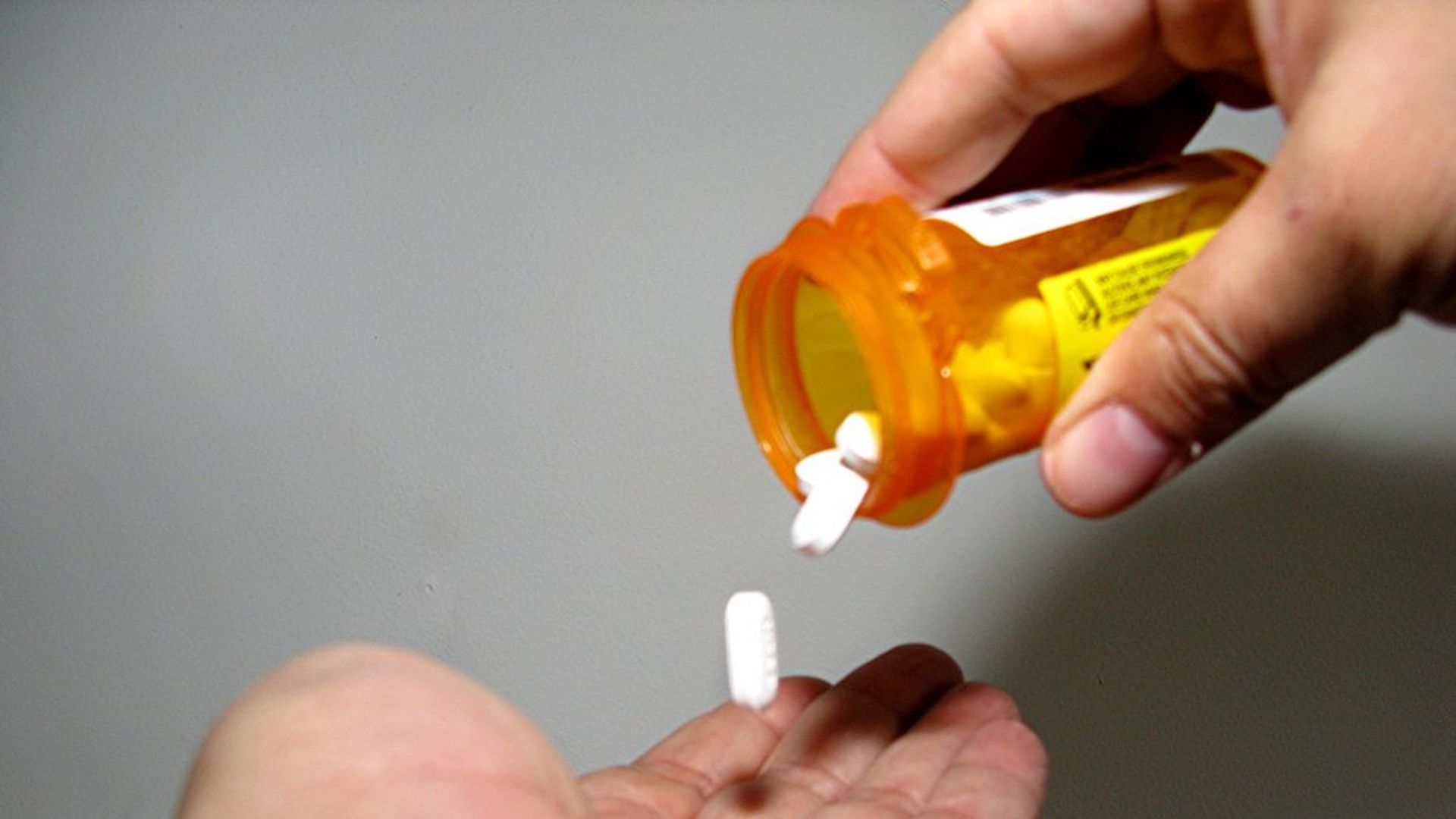
Opioid-related deaths linked to high unemployment rates
A new study from economists at Indiana University and the University of Virginia has found that the economy has played an important role in the rise of the opioid epidemic — in which deaths from opioid overdoses have quadrupled among white people since 1999, per the Washington Post.
Alex Hollingsworth, Christopher J. Ruhm and Kosali Simon's analysis of health records from 1999-2014 found that rates of opioid deaths grew more quickly in counties where the unemployment rate climbed faster than average. A 1 percentage-point increase in the unemployment rate led to a 3.6% increase in the rate of fatal opioid overdoses, and a 7% increase in emergency room visits related to opioid overdoses.
Why it matters: The research tells us that places that better survived the Great Recession were more likely to resist the opioid epidemic, while places that suffered through the nation's economic downturn were more vulnerable to the drug.
(First sentence corrected to say economists from Indiana University.)