Thursday's health stories

The divergent finances of two merging health systems

Catholic Health Initiatives and Dignity Health, two massive not-for-profit hospital systems exploring a merger (they call it an "affiliation"), are sitting on very different financial foundations right now.
The numbers: Dignity Health reported Thursday a $165 million operating surplus in the first six months of its fiscal year, which ended Dec. 31, on $6.6 billion of revenue. CHI, meanwhile, lost $384 million on $8.1 billion of revenue in the same time period. CHI has struggled to manage its health insurance company, which it is selling, and the system has been weighed down by bloated expenses and fewer patients with commercial insurance.
Why this matters: This is one of the largest potential deals in the health care industry right now, and both sides are still evaluating the pros and cons. A combined CHI-Dignity system would have almost $30 billion in annual revenue, making it larger than companies like McDonald's or Macy's. But a glaring issue is whether CHI can stop the bleeding.

Big questions on House Republican Obamacare plan still unresolved
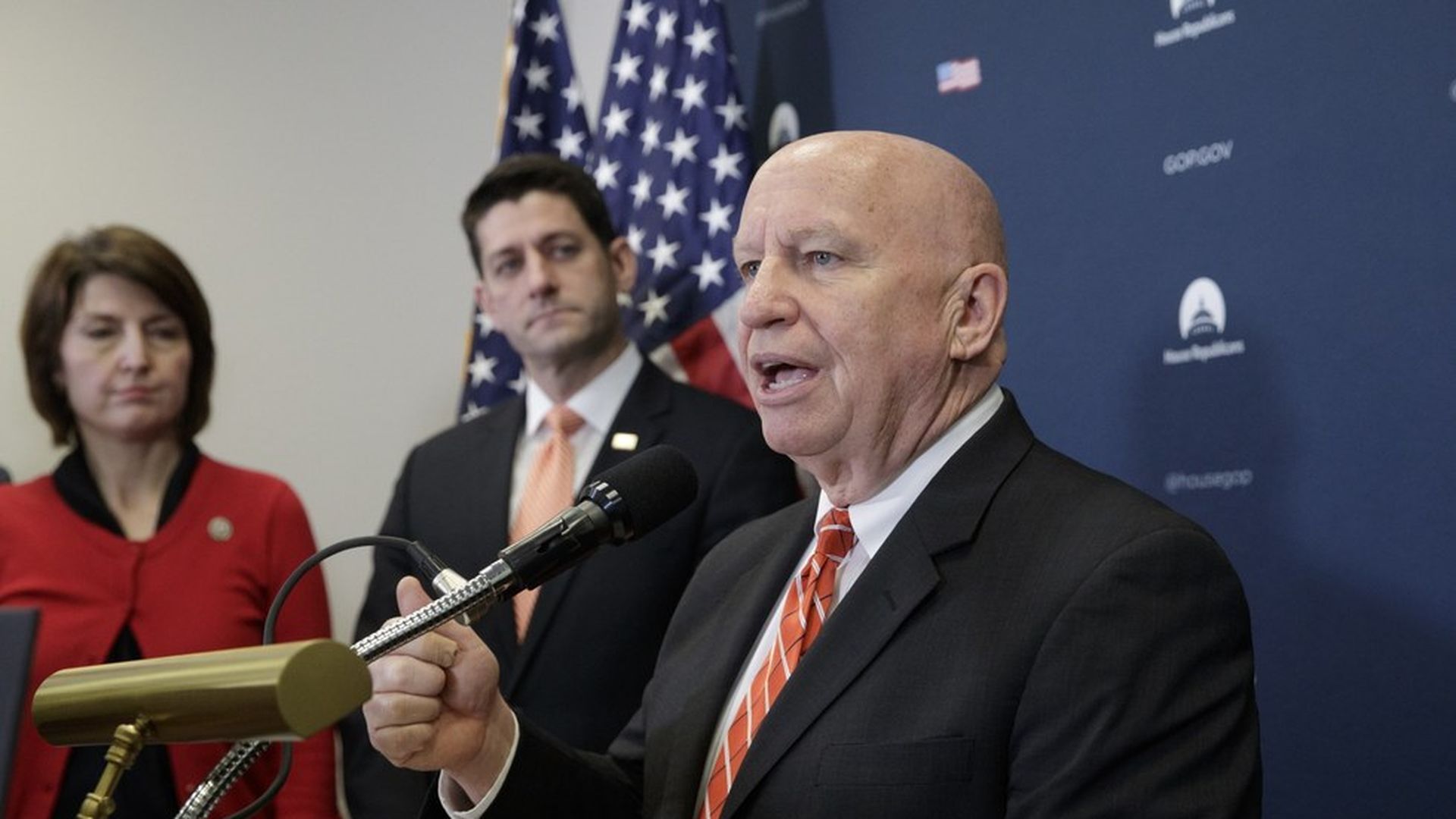
The House Republican briefing on their most likely Obamacare replacement plans was a bit of an anticlimax. Republicans who emerged from the briefing said there were major elements still under discussion, like what kind of Medicaid reform it would include and how they'd pay for the package.
House Ways and Means Committee chairman Kevin Brady said he and Energy and Commerce Committee chairman Greg Walden gave their colleague "a very in-depth view of what the replacement will be," including health savings accounts, high-risk pools to cover sick people, and "greater state control of health care."
But he said a basic question — whether Medicaid would be restructured as a block grant or as per-person funding limits — was "still under discussion," as were the possible ways to pay for the package. (A briefing document says the Medicaid package will include both per-capita caps and block grants.)

The leading candidates for the GOP Obamacare replacement plan
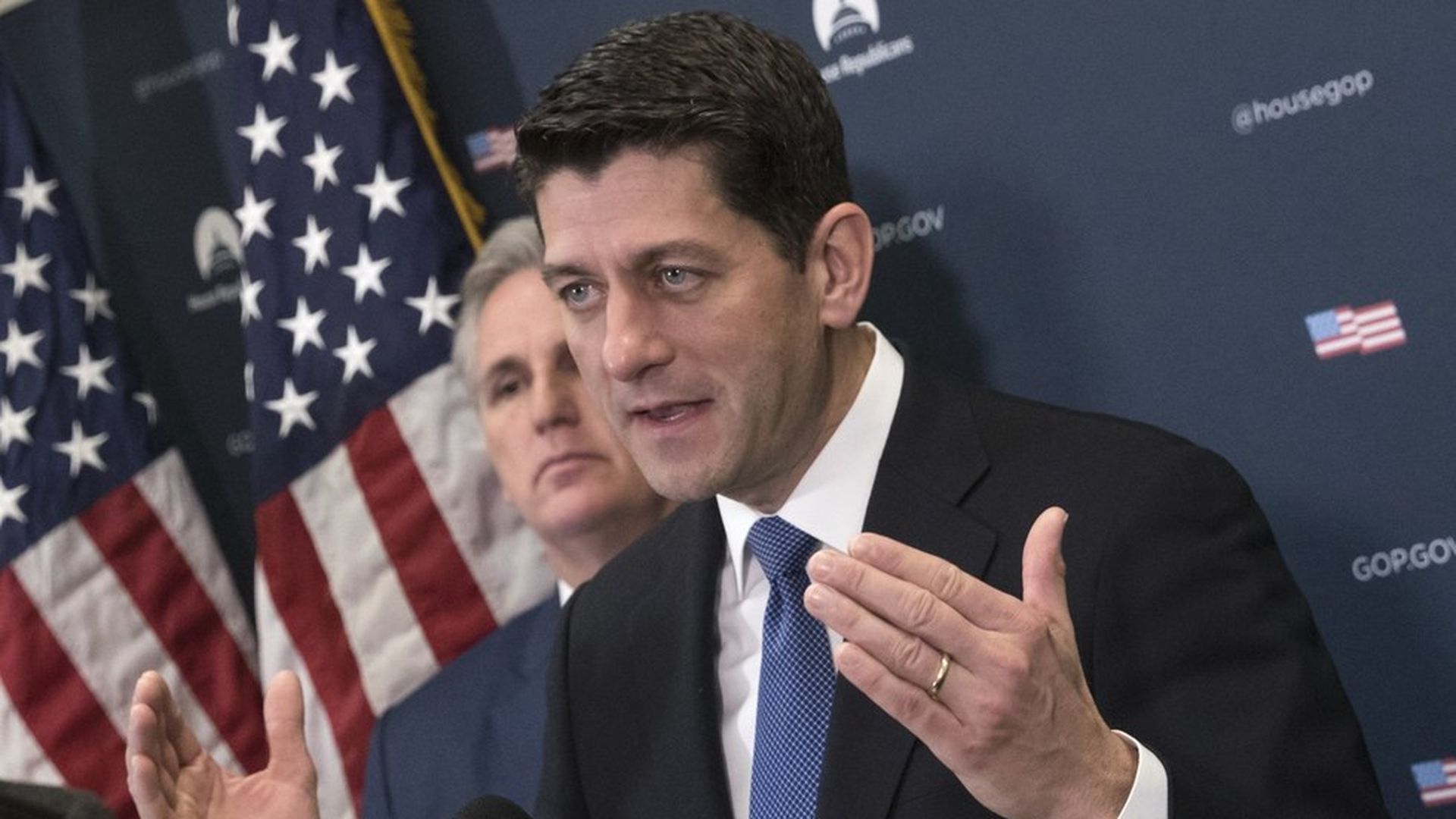
Republican leaders in the House and Senate, despite the objections of conservative members, are pushing ahead with their plans to include pieces of an Obamacare replacement plan in the repeal bill. We have a pretty good idea of what the most likely pieces will be, but Republicans are still talking about them and there's still time for them to change before House committees take them up after the recess.
With that in mind, here are some of the leading policy ideas based on my conversations with Republican staff members, and the pros and cons of each.
Obamacare causes unexpected losses for Molina Healthcare

Molina Healthcare's stock tumbled after hours Wednesday after the health insurer posted a fourth-quarter loss that was attributed to parts of Obamacare — a big problem for one of the health insurers that has had success in the program.
However, the company didn't lose money because it had sicker-than-expected enrollees. In fact, medical costs for its Obamacare enrollees were $120 million lower than Molina thought. Instead, Molina got slammed because it had healthier members and had to pay $325 million into an Obamacare program called risk adjustment, which pools money from insurers in a given state and redistributes it to those who had higher-cost enrollees.
Molina's losses also were "exacerbated by the federal government's failure" to make payments under Obamacare's risk corridor program, another feature designed to reduce insurer losses in the early years. Axios reported last month that Molina, which has not yet committed to the exchanges in 2018, was suing the federal government for $52 million in risk corridor payments. Molina believes it is entitled to another $90 million for 2016.
Why this matters: Insurers like Humana are exiting Obamacare because they said they didn't have enough young and healthy members to offset the higher costs of older and sicker people. But Molina's problems show there are other components of Obamacare that insurers want fixed in any kind of replacement package. The risk corridor problem, however, lays entirely at the feet of the congressional Republicans who stymied those payments.
National health spending slowed down in 2016

Americans spent $3.36 trillion on health care in 2016, a 4.8% increase from 2015, according to the latest spending projections from the Centers for Medicare and Medicaid Services.
Although last year's growth rate in health care expenses was lower than the 5.8% increase in 2015, it was still more than double the broader U.S. inflation rate of 2.1%, according to the report from the agency's Office of the Actuary. That indicates health care costs have moderated broadly during the Obamacare years, but health care continues to eat up more of the U.S. economy. Read on for some of the other important stats from the report.
Obamacare rule is mostly tinkering, but suggests bigger plans
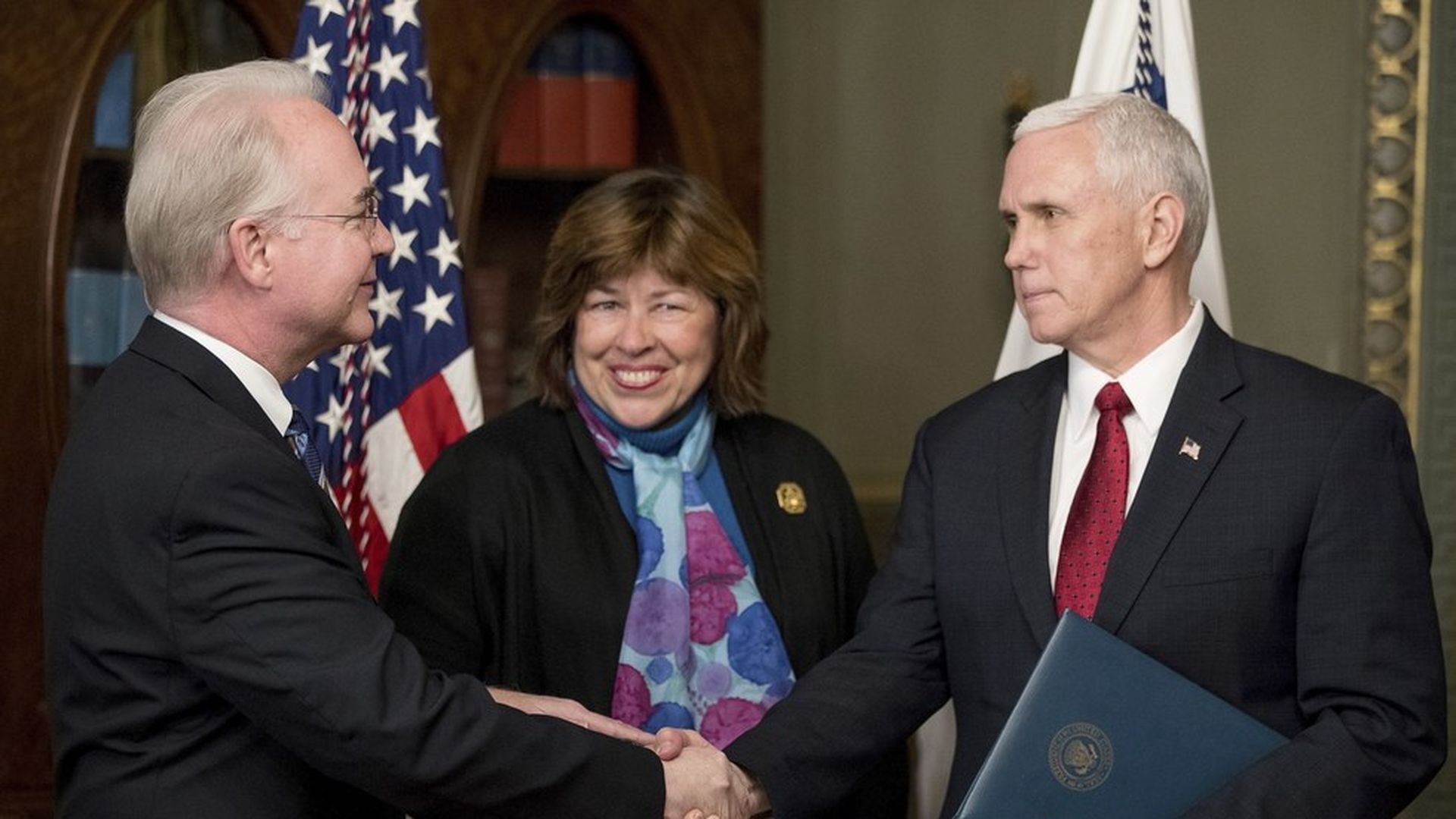
The Obamacare "market stabilization" rule released this morning dodges a lot of the biggest issues health insurers are worried about. It's mostly meant to send signals about where the Trump administration is headed — and analysts say the signals suggest a more insurer-friendly environment, with tighter rules for consumers and separate treatment for sick people.
Insurers are mostly happy with the changes in the proposed rule, though they're noncommittal about whether it will bring them back to the Obamacare marketplaces next year. But liberals and consumer groups are up in arms about it, saying it will shift costs to patients. Health and Human Services Secretary Tom Price said in a statement that it's the first stage of an effort to "reverse the harmful effects of Obamacare."
Read on for highlights of the early reactions.
Aetna CEO: Obamacare is in "death spiral"
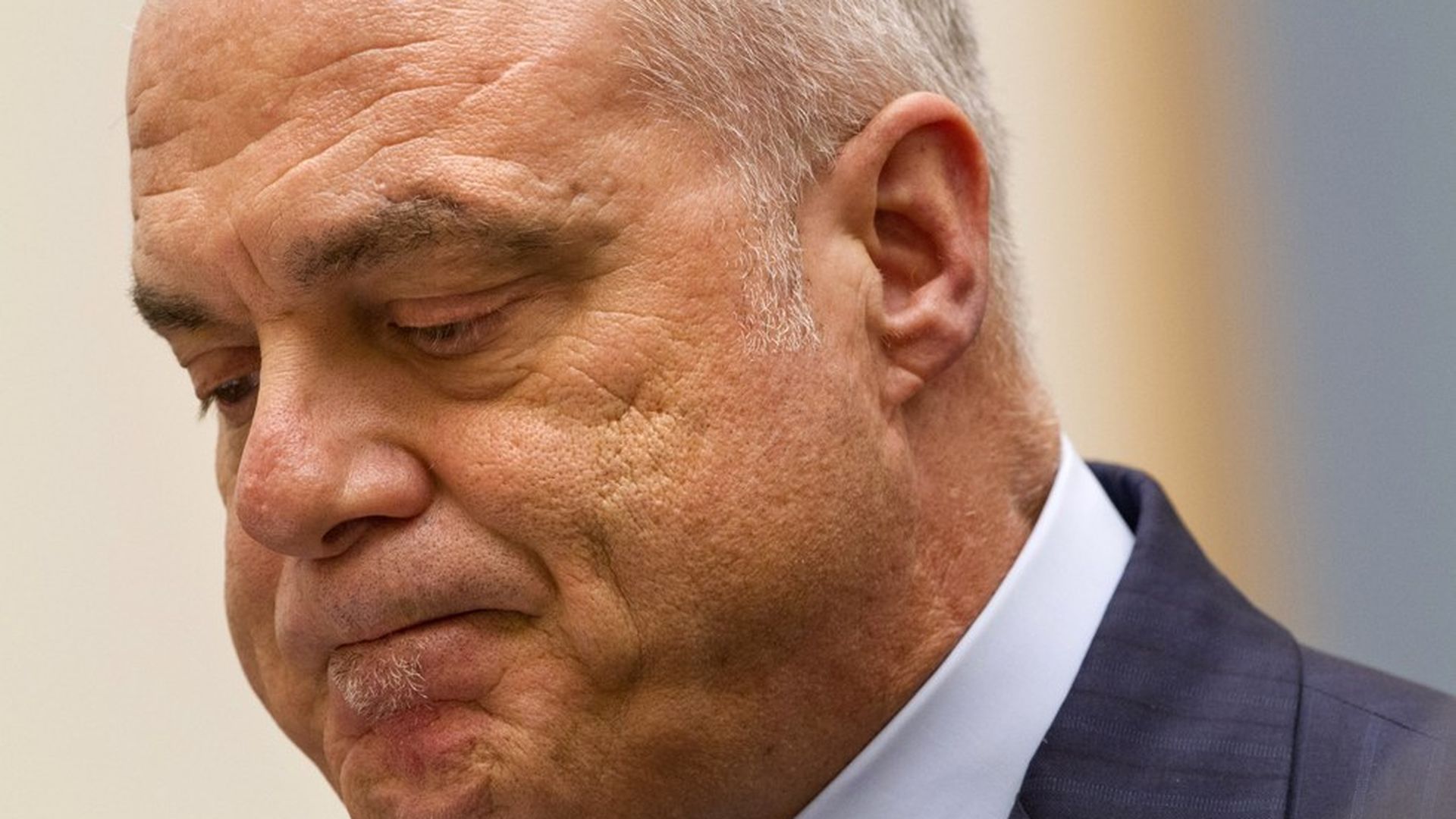
Aetna CEO Mark Bertolini told the Wall Street Journal's Dennis Berman in a livestreamed interview Wednesday that Obamacare "is in a death spiral." Aetna has already scaled back its Obamacare plans for 2017, citing $450 million in losses, and Bertolini wouldn't make any commitments for next year.
However, his "death spiral" claim — a situation in which healthy people leave an insurance marketplace and drive up costs for the sick — was quickly questioned by health policy analysts who said the evidence argues against it.

AARP takes aim at piece of GOP Obamacare replacement
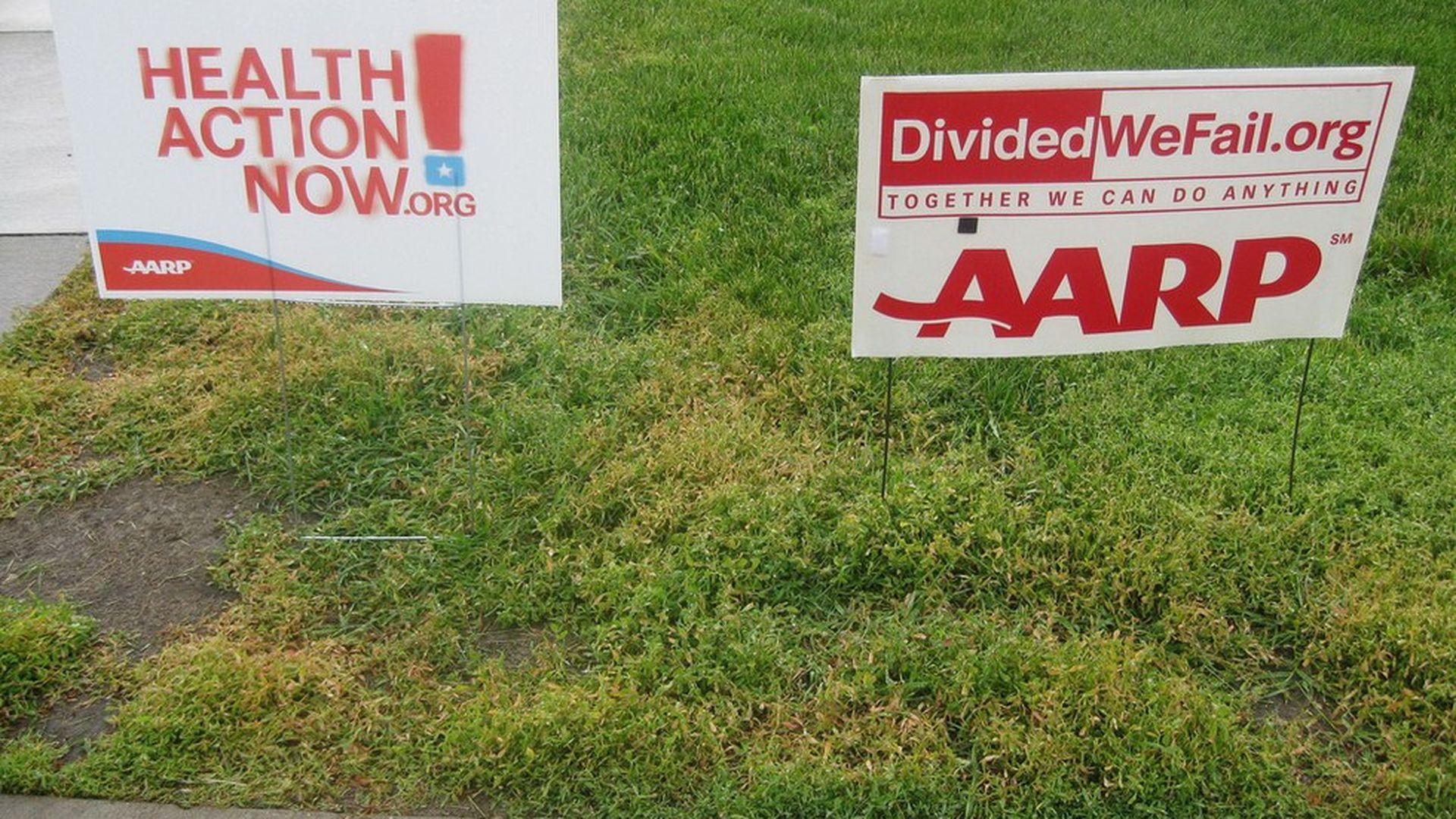
AARP is launching a campaign against Congress' proposed State Age Rating Flexibility Act, what it's calling an "age tax," that lets health insurance companies make premiums 5 times more expensive for adults, up from the 3x increased rates they are currently allowed to charge.
The group argues that the new legislation — which is expected to be a big part of Obamacare debate — will unfairly hurt middle class families in order to "line the pockets" of big insurance companies.
Why it matters: Opposition from a politically powerful interest group adds to the headaches of Republicans as they work to repeal and replace Obamacare.
Trump administration tightens Obamacare enrollment rules
The Trump administration has released its first big Obamacare rule, and it tightens several rules for enrollment to try to "stabilize" the individual health insurance market.