Tuesday's health stories
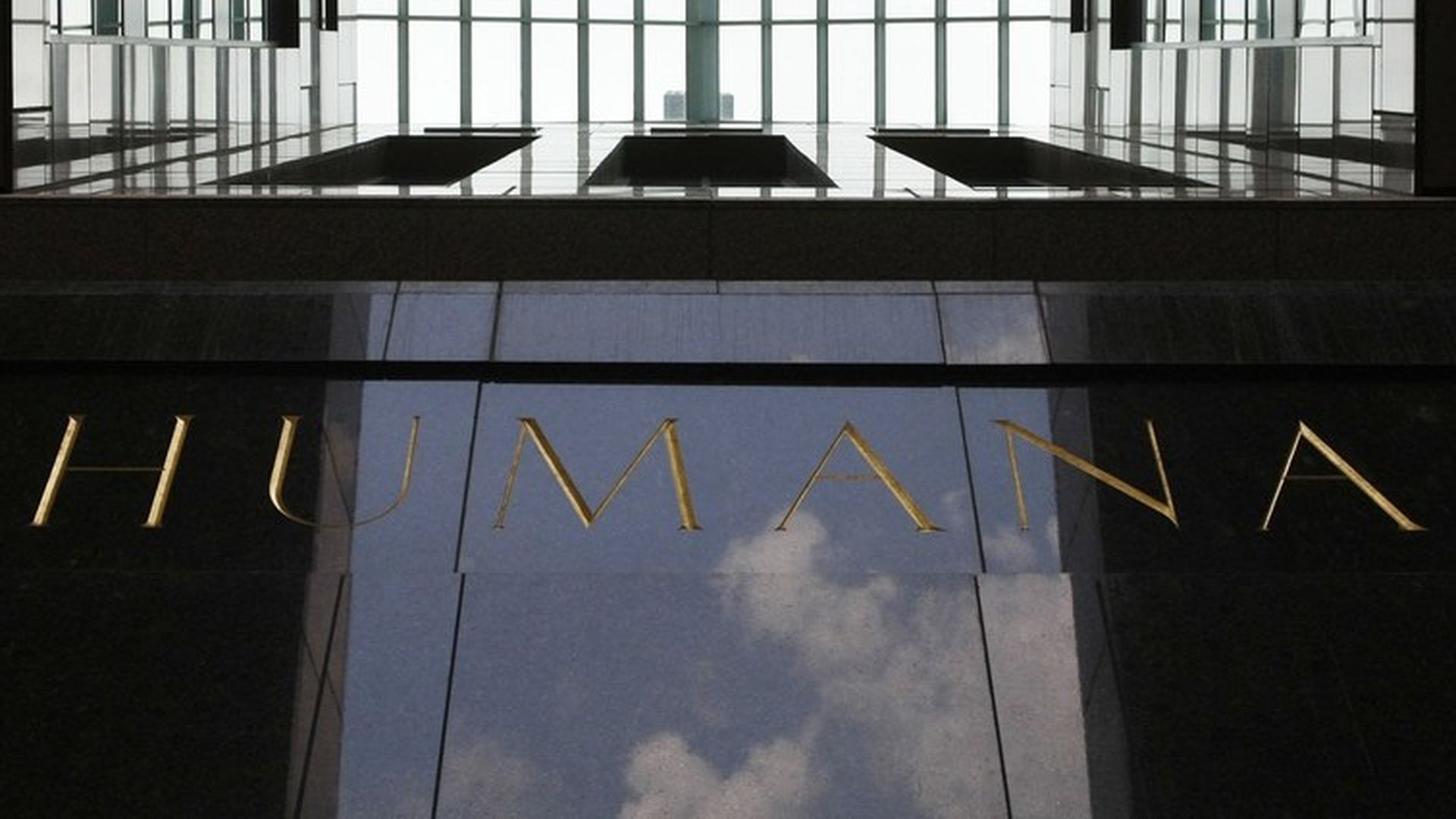
Humana to exit Obamacare exchanges in 2018
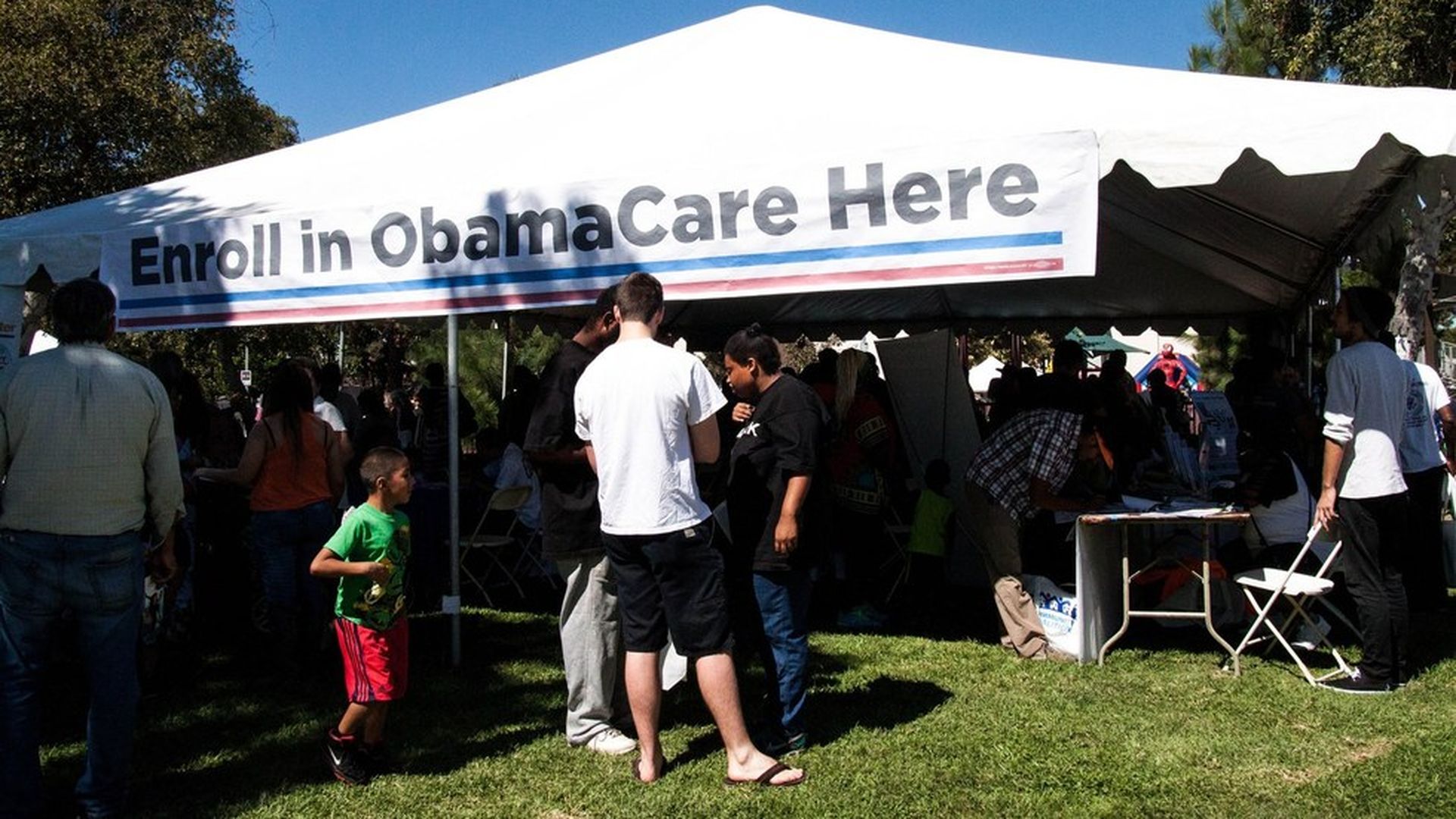
Humana is ready to jump ship completely on Obamacare. Executives said Tuesday that Humana "cannot continue to offer" Obamacare coverage for 2018, saying that the recent enrollment period showed the exchanges still have too many sick people and not enough healthy enrollees.
Humana spokesman Tom Noland confirmed that Humana, which had already scaled back its Obamacare participation, would stop selling coverage both on and off the individual exchanges in 2018. It has 152,000 customers in those plans. Federal law bars insurers from re-entering the marketplaces for five years, assuming they discontinue all types of individual policies.
Why this matters: Humana is now the first health insurance company to publicly come out and say it will completely end all Obamacare plans after this year. Other insurers are debating their participation internally and are waiting for President Trump and Republicans in Congress to put out an Obamacare replacement plan before they commit to the individual market. But the inability of Republicans to coalesce around a new plan is starting to have a real effect.
What to watch for: This could be the beginning of a domino effect in the individual market. If the Trump administration doesn't adequately stabilize the exchanges, more insurers could follow Humana, leaving many consumers out of health insurance options for 2018.

Uninsured rate is down, but deductibles are up
Just 8.8% of Americans lacked health insurance as of this past September, according to the latest numbers from the National Health Interview Survey conducted by the Centers for Disease Control and Prevention.
That historic low is due in large part to the Affordable Care Act's expansion of coverage through the exchanges and Medicaid. It's also why people are protesting at Republican town halls — to preserve the health coverage gains. However, 28 million Americans still have no health insurance.
Yes, but: More insured people are on the hook for sizable portions of their health care costs. More than 39% of Americans younger than 65 are enrolled in a plan with a high deductible — a big increase from 2010, when 25% of people were in a high-deductible policy. Popular Republican plans to replace Obamacare rely heavily on high deductibles and health savings accounts.



Republicans should fear health care protests
Republicans aren't panicked about the protests over their Obamacare repeal plans. They should be.
Democrats in Congress are under direct orders from party leaders to crank up their own protests, to build on the loud and angry demonstrations at Republican town halls. And there is every reason to believe they will be highly effective.

Marathon pauses rollout of pricey drug
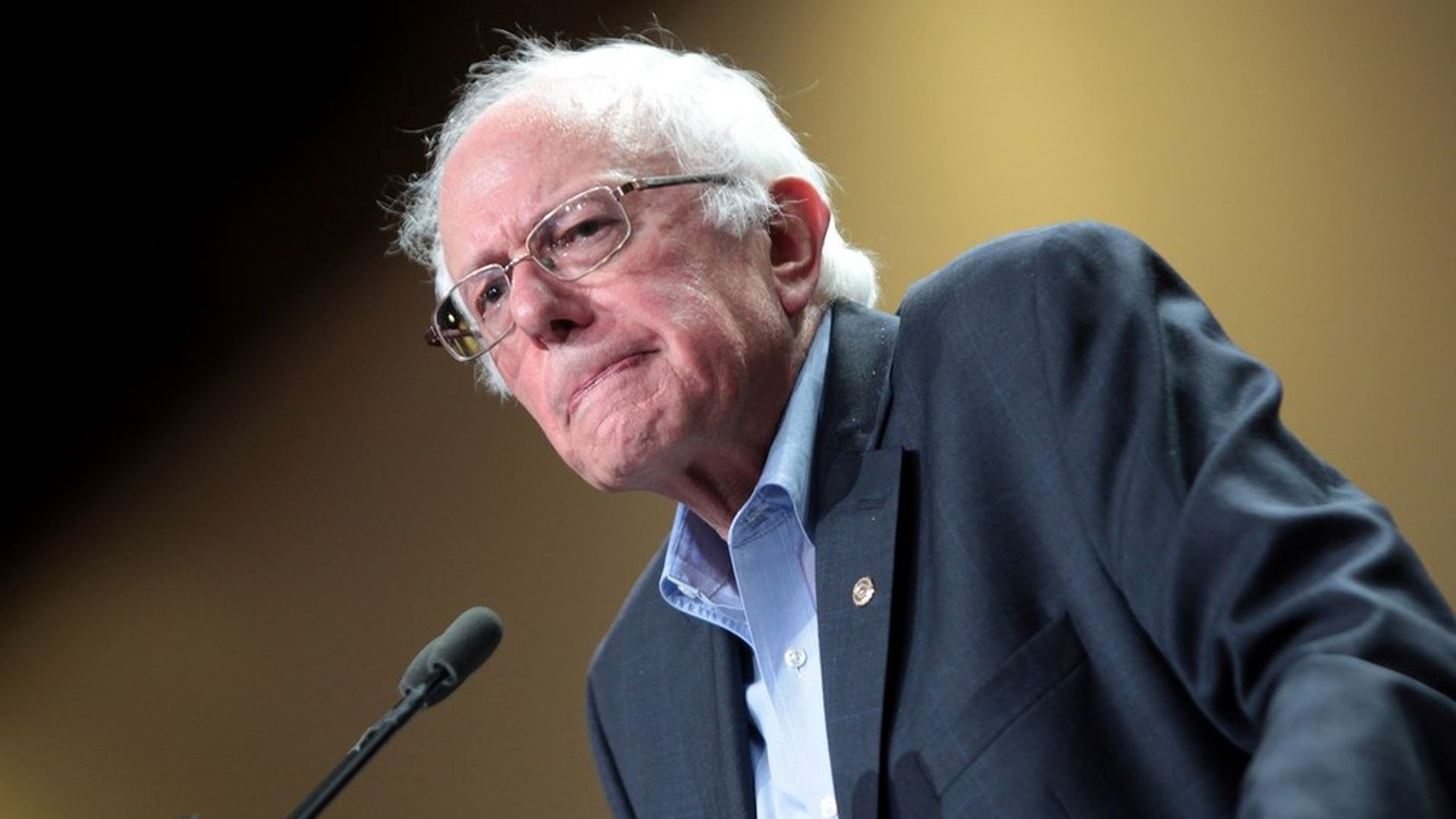
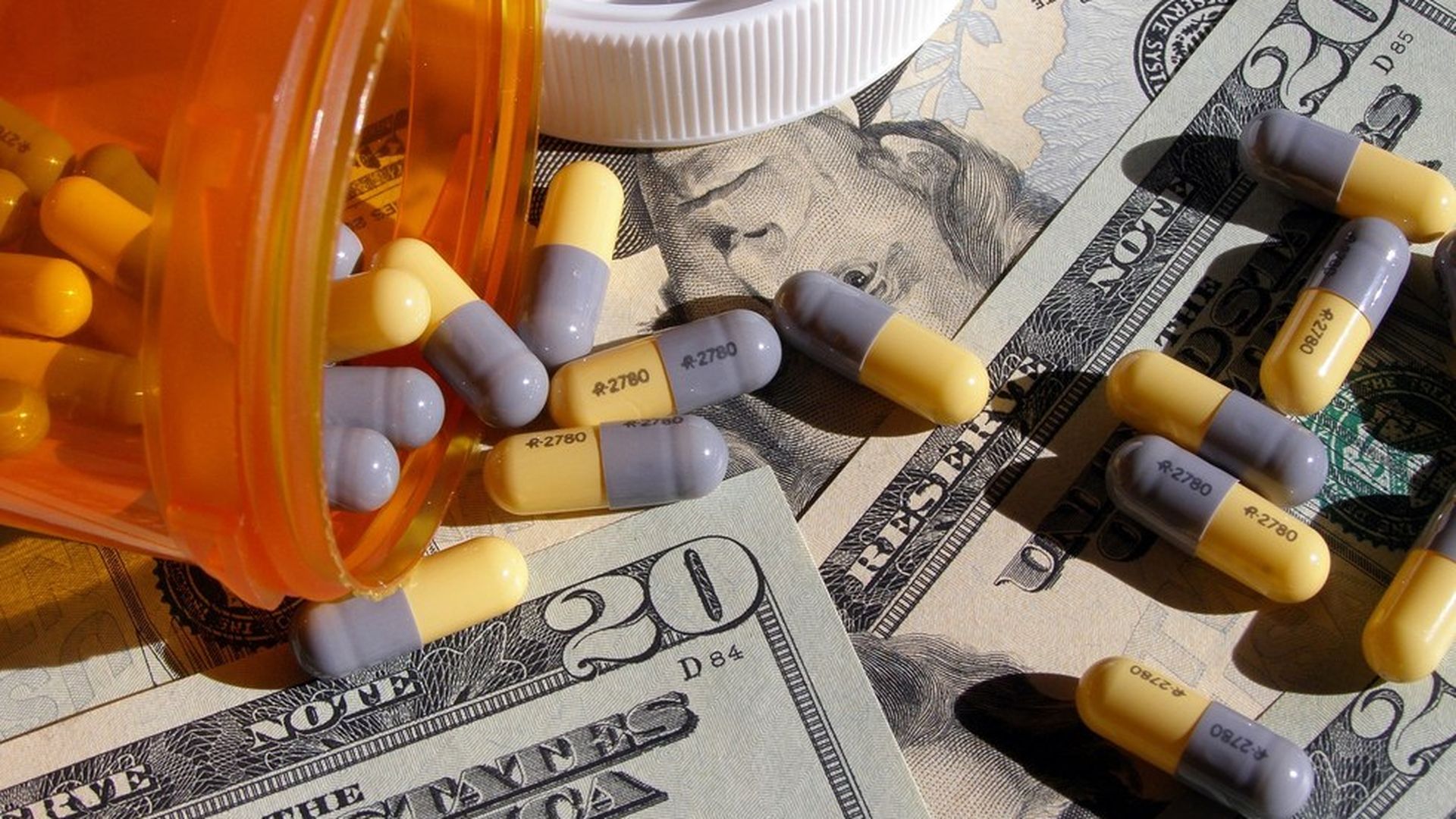
Marathon Pharmaceuticals is delaying the U.S. launch of its drug recently approved to treat patients with Duchenne muscular dystrophy after its $89,000 list price stoked an uproar from Sen. Bernie Sanders, Rep. Elijah Cummings, patient groups and many who work in the industry.
Patient advocacy group Parent Project Muscular Dystrophy announced the pause, first reported by the Wall Street Journal, on Monday afternoon. The group said it was "alarmed by the hefty price tag being considered for Emflaza in the U.S., especially considering this is not a new drug."
Marathon responded that it is "taking this pause so that conversations between the company and the community can continue before a launch price is finalized." The company had said the amount it will actually receive, net of rebates and discounts, will be $54,000 annually — still a lot more expensive than what the drug costs abroad.
Why this matters: Several years ago, Marathon's drug price hike would have floated under the radar. But this is the clearest example yet of what will happen if drug companies price medications beyond what is acceptable by the public and Congress.

Sanders and Cummings hit Marathon for drug price hike
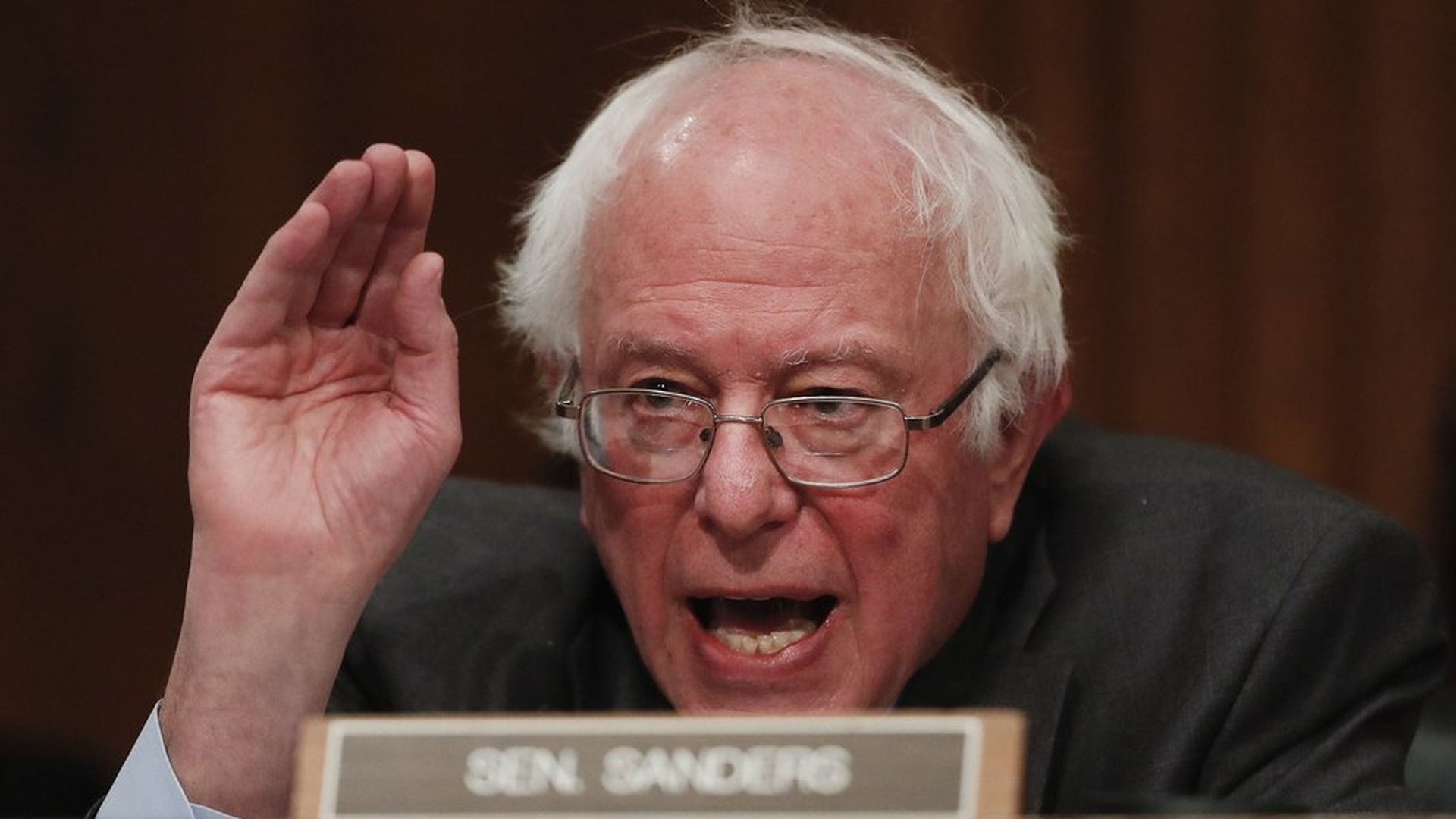
Sen. Bernie Sanders and Rep. Elijah Cummings have launched an investigation of Marathon Pharmaceuticals over its decision to raise the price of an annual supply of deflazacort, a steroid used to treat a rare degenerative muscular disease, to $89,000.
From their letter to Marathon's CEO: "Exorbitantly pricing potentially life-saving medications that should be widely available for a fraction of the price hinders patient access and drives up costs for the entire health care sector."
Why it matters: This is the first congressional action in the Marathon scandal, from two Democrats who have focused heavily on rising drug prices. It could signal further congressional action on the issue, an area in which President Trump has vowed action.

Top priority for insurers: Keep Obamacare’s coverage mandate and subsidies
The Trump administration's highly anticipated Obamacare "market stabilization" regulation, which could come as soon as this week, may help insurers by tightening the enrollment rules. But that's not what's at the top of health insurers' wish list. They care a lot more about keeping the subsidies and individual mandate tax — and they want the taxes on them repealed permanently.
That was the message Blue Cross Blue Shield Association lobbyists presented at a meeting with White House and Department of Health and Human Services officials on Feb. 6. Documents housed at the White House's Office of Management and Budget reveal that the industry wants the feds to temporarily keep the individual mandate until high-risk pools are funded and there are new rules for covering people with pre-existing conditions.
They also want to repeal the Obamacare taxes and "do no harm by maintaining cost-sharing reductions." And they're reminding federal officials that the insurance industry needs to know what to expect by this spring.

Why Marathon's defense of its drug price hike falls short
John Carroll at the pharmaceutical news website Endpoints did some interesting digging on the new high-priced drug from Marathon Pharmaceuticals for Duchenne muscular dystrophy. The drug company claims that the annual $89,000 list price is justified to recoup the lofty research and development costs and that it won't be profitable for years, but Carroll found that defense probably doesn't hold up. The key points:
- Carroll consulted with two pharmaceutical industry experts, who analyzed the data and said the costs for acquiring and developing the drug were as low as $6 million and likely no more than $75 million.
- A slide from a webinar about the effort listed no new registrational studies, which are usually the most expensive part of research and development costs.
- Assuming Marathon only gets the negotiated rate of $54,000, the company would only have to treat 200 to 1,400 U.S. patients who have Duchenne (or no more than 8% of the market) in one year "to cover a barebones R&D effort." And don't forget: Marathon has seven years of exclusive monopoly pricing for the drug, and it acquired a valuable "priority review voucher" that can be sold or used to speed along a new drug.