Wednesday's health stories
Obamacare causes unexpected losses for Molina Healthcare
Molina Healthcare's stock tumbled after hours Wednesday after the health insurer posted a fourth-quarter loss that was attributed to parts of Obamacare — a big problem for one of the health insurers that has had success in the program.
However, the company didn't lose money because it had sicker-than-expected enrollees. In fact, medical costs for its Obamacare enrollees were $120 million lower than Molina thought. Instead, Molina got slammed because it had healthier members and had to pay $325 million into an Obamacare program called risk adjustment, which pools money from insurers in a given state and redistributes it to those who had higher-cost enrollees.
Molina's losses also were "exacerbated by the federal government's failure" to make payments under Obamacare's risk corridor program, another feature designed to reduce insurer losses in the early years. Axios reported last month that Molina, which has not yet committed to the exchanges in 2018, was suing the federal government for $52 million in risk corridor payments. Molina believes it is entitled to another $90 million for 2016.
Why this matters: Insurers like Humana are exiting Obamacare because they said they didn't have enough young and healthy members to offset the higher costs of older and sicker people. But Molina's problems show there are other components of Obamacare that insurers want fixed in any kind of replacement package. The risk corridor problem, however, lays entirely at the feet of the congressional Republicans who stymied those payments.

National health spending slowed down in 2016
Americans spent $3.36 trillion on health care in 2016, a 4.8% increase from 2015, according to the latest spending projections from the Centers for Medicare and Medicaid Services.
Although last year's growth rate in health care expenses was lower than the 5.8% increase in 2015, it was still more than double the broader U.S. inflation rate of 2.1%, according to the report from the agency's Office of the Actuary. That indicates health care costs have moderated broadly during the Obamacare years, but health care continues to eat up more of the U.S. economy. Read on for some of the other important stats from the report.


Obamacare rule is mostly tinkering, but suggests bigger plans
The Obamacare "market stabilization" rule released this morning dodges a lot of the biggest issues health insurers are worried about. It's mostly meant to send signals about where the Trump administration is headed — and analysts say the signals suggest a more insurer-friendly environment, with tighter rules for consumers and separate treatment for sick people.
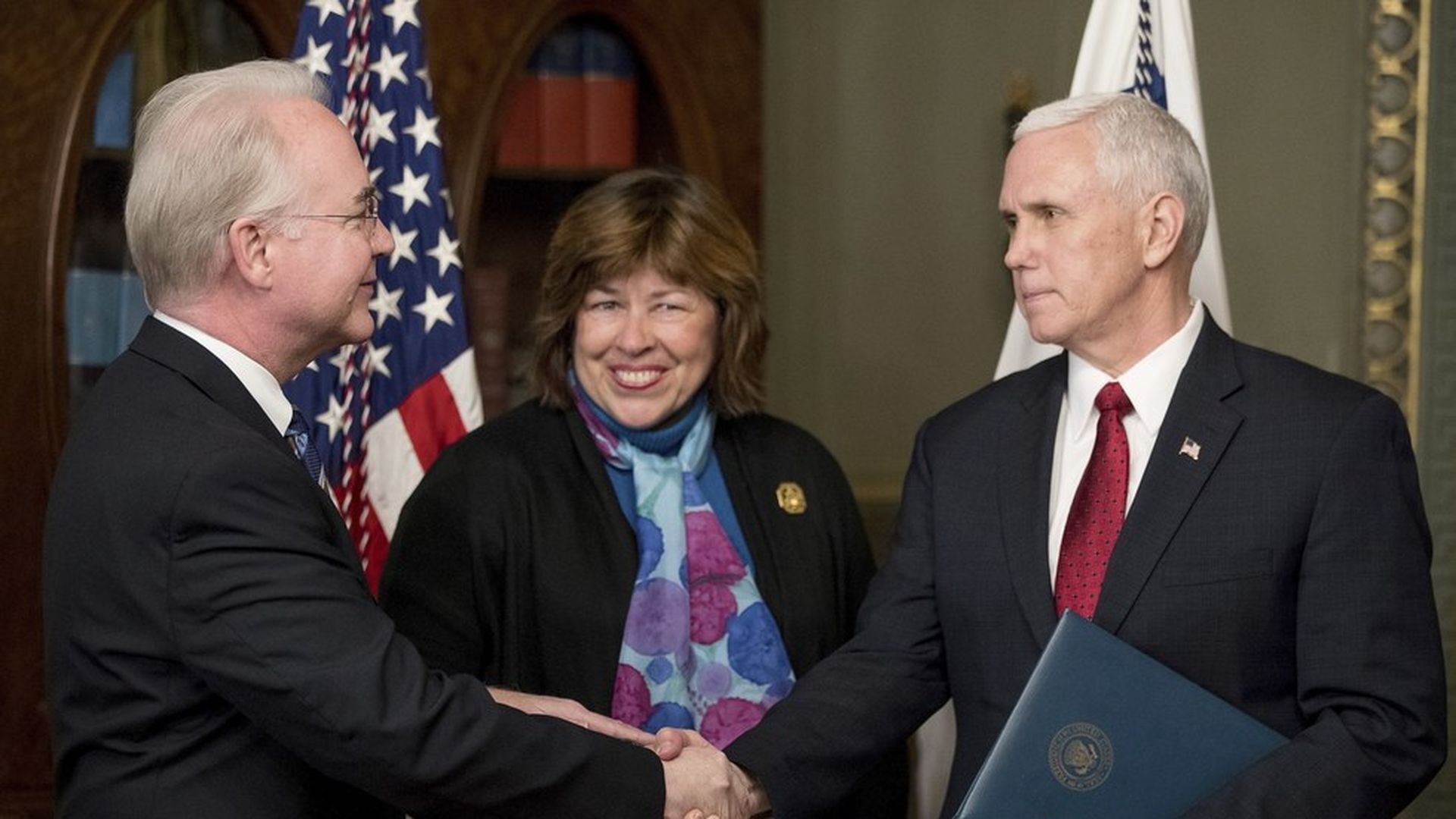
Insurers are mostly happy with the changes in the proposed rule, though they're noncommittal about whether it will bring them back to the Obamacare marketplaces next year. But liberals and consumer groups are up in arms about it, saying it will shift costs to patients. Health and Human Services Secretary Tom Price said in a statement that it's the first stage of an effort to "reverse the harmful effects of Obamacare."
Read on for highlights of the early reactions.

Aetna CEO: Obamacare is in "death spiral"
Aetna CEO Mark Bertolini told the Wall Street Journal's Dennis Berman in a livestreamed interview Wednesday that Obamacare "is in a death spiral." Aetna has already scaled back its Obamacare plans for 2017, citing $450 million in losses, and Bertolini wouldn't make any commitments for next year.
However, his "death spiral" claim — a situation in which healthy people leave an insurance marketplace and drive up costs for the sick — was quickly questioned by health policy analysts who said the evidence argues against it.

AARP takes aim at piece of GOP Obamacare replacement
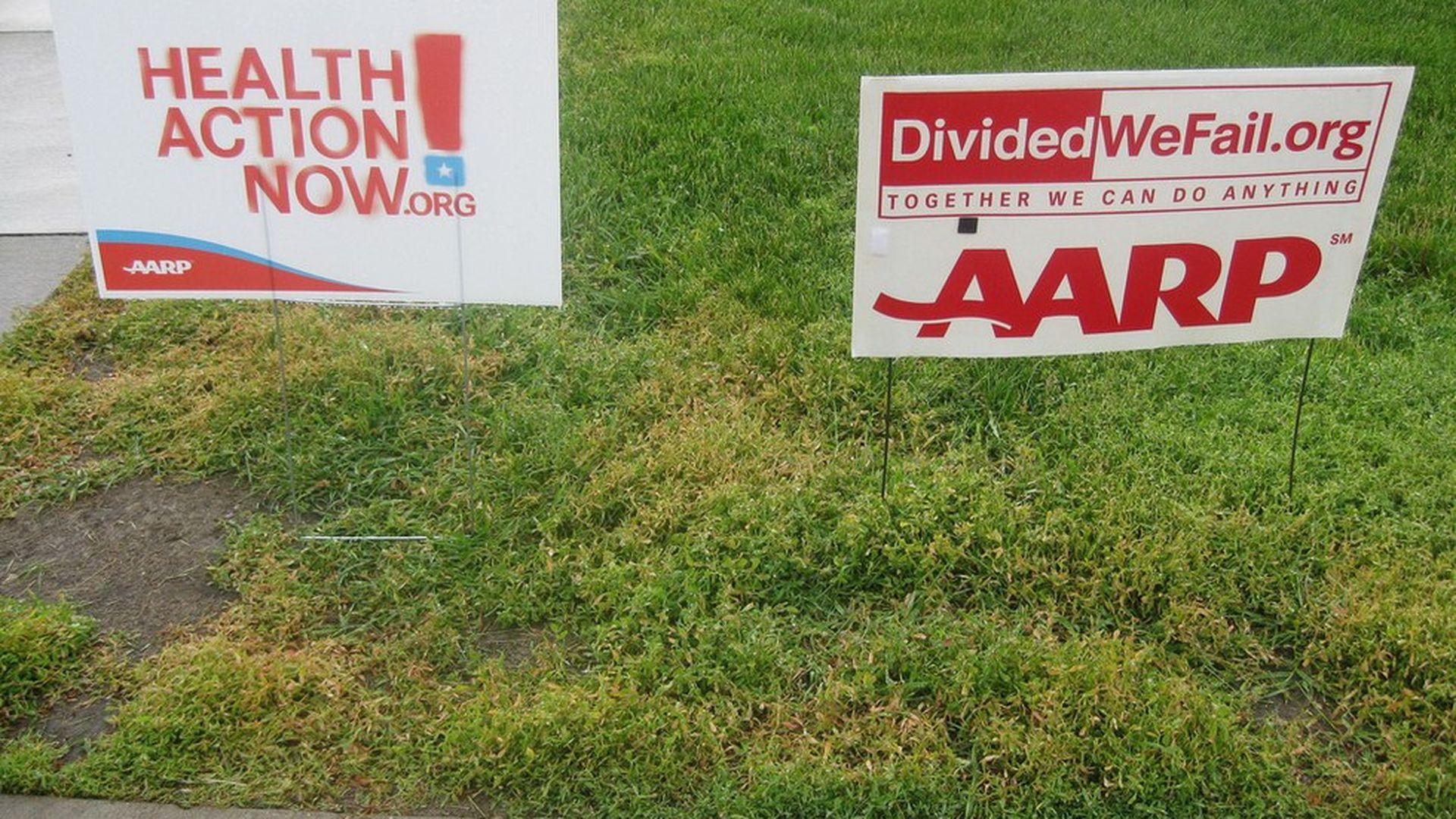
AARP is launching a campaign against Congress' proposed State Age Rating Flexibility Act, what it's calling an "age tax," that lets health insurance companies make premiums 5 times more expensive for adults, up from the 3x increased rates they are currently allowed to charge.
The group argues that the new legislation — which is expected to be a big part of Obamacare debate — will unfairly hurt middle class families in order to "line the pockets" of big insurance companies.
Why it matters: Opposition from a politically powerful interest group adds to the headaches of Republicans as they work to repeal and replace Obamacare.

Trump administration tightens Obamacare enrollment rules
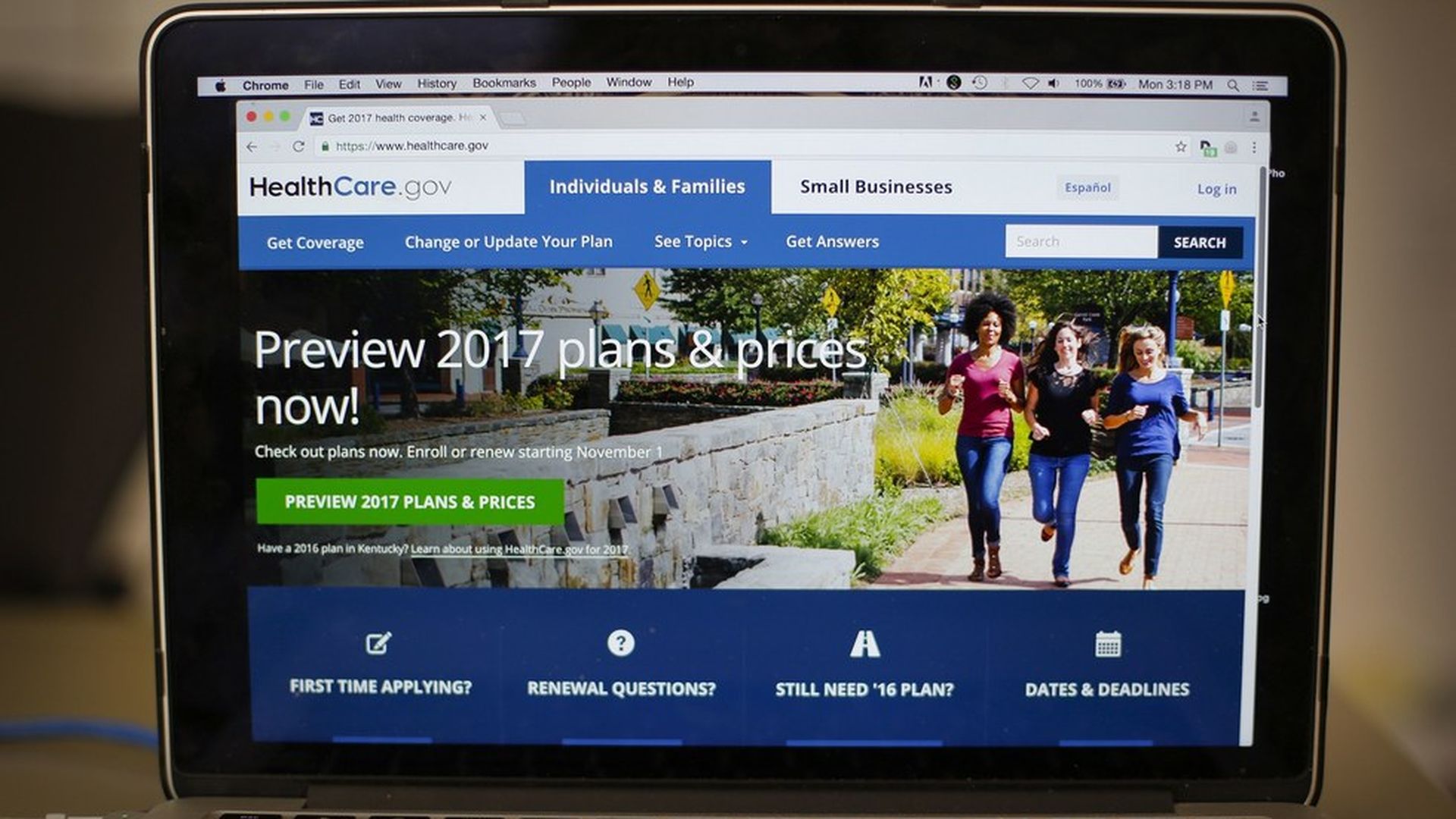
The Trump administration has released its first big Obamacare rule, and it tightens several rules for enrollment to try to "stabilize" the individual health insurance market.

Humana to exit Obamacare exchanges in 2018
Humana is ready to jump ship completely on Obamacare. Executives said Tuesday that Humana "cannot continue to offer" Obamacare coverage for 2018, saying that the recent enrollment period showed the exchanges still have too many sick people and not enough healthy enrollees.
Humana spokesman Tom Noland confirmed that Humana, which had already scaled back its Obamacare participation, would stop selling coverage both on and off the individual exchanges in 2018. It has 152,000 customers in those plans. Federal law bars insurers from re-entering the marketplaces for five years, assuming they discontinue all types of individual policies.
Why this matters: Humana is now the first health insurance company to publicly come out and say it will completely end all Obamacare plans after this year. Other insurers are debating their participation internally and are waiting for President Trump and Republicans in Congress to put out an Obamacare replacement plan before they commit to the individual market. But the inability of Republicans to coalesce around a new plan is starting to have a real effect.
What to watch for: This could be the beginning of a domino effect in the individual market. If the Trump administration doesn't adequately stabilize the exchanges, more insurers could follow Humana, leaving many consumers out of health insurance options for 2018.

Uninsured rate is down, but deductibles are up
Just 8.8% of Americans lacked health insurance as of this past September, according to the latest numbers from the National Health Interview Survey conducted by the Centers for Disease Control and Prevention.
That historic low is due in large part to the Affordable Care Act's expansion of coverage through the exchanges and Medicaid. It's also why people are protesting at Republican town halls — to preserve the health coverage gains. However, 28 million Americans still have no health insurance.
Yes, but: More insured people are on the hook for sizable portions of their health care costs. More than 39% of Americans younger than 65 are enrolled in a plan with a high deductible — a big increase from 2010, when 25% of people were in a high-deductible policy. Popular Republican plans to replace Obamacare rely heavily on high deductibles and health savings accounts.

Republicans should fear health care protests
Republicans aren't panicked about the protests over their Obamacare repeal plans. They should be.
Democrats in Congress are under direct orders from party leaders to crank up their own protests, to build on the loud and angry demonstrations at Republican town halls. And there is every reason to believe they will be highly effective.