Wildfires burning around Yellowknife, the capital of Canada's Northwest Territories, forced the city's government to order the evacuation of thousands of people on Wednesday night and Thursday morning.
Why it matters: The blazes around Yellowknife were among more than 1,000 fires burning across Canada on Thursday morning during its worst wildfire season on record.
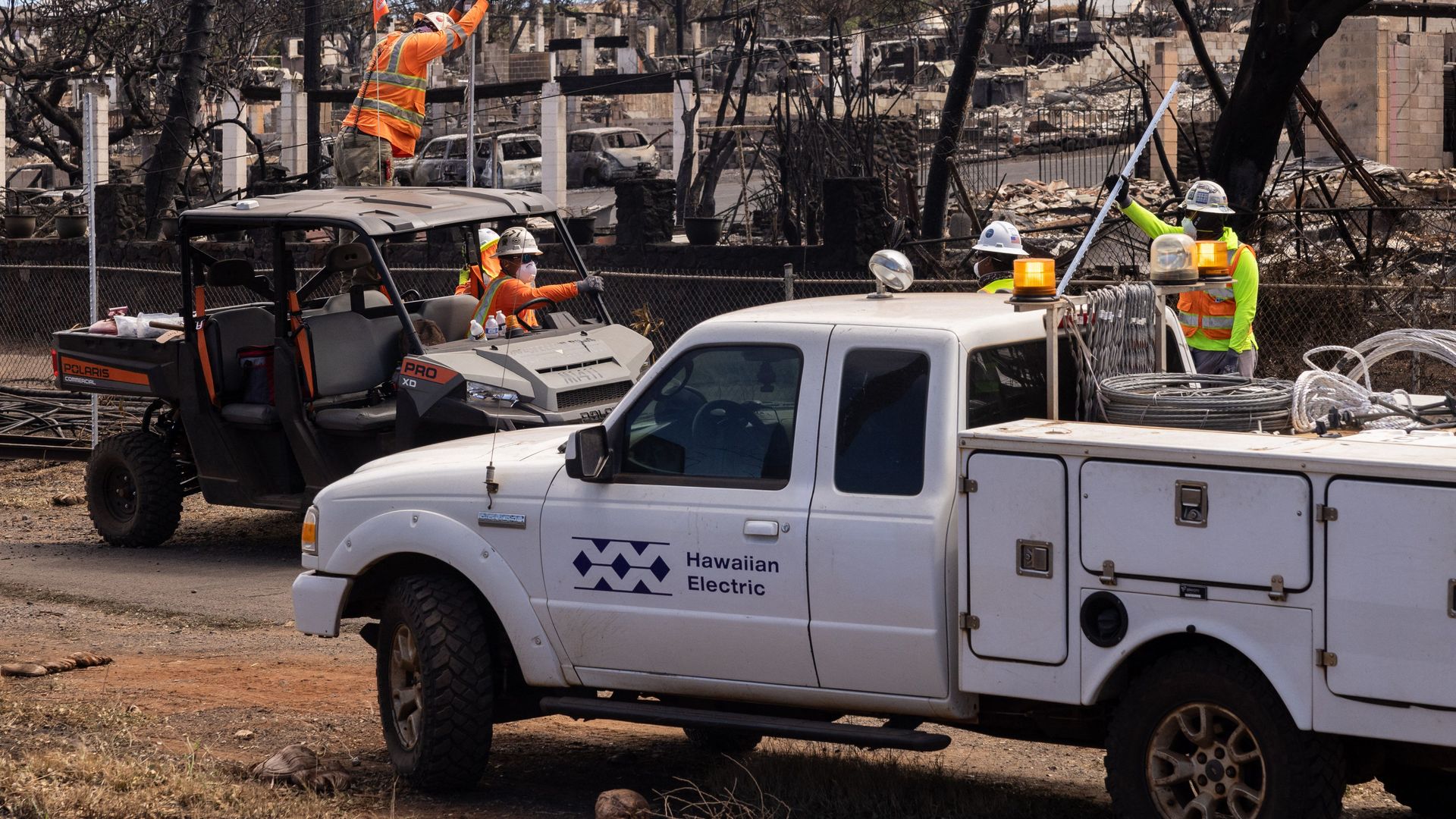
Power companies and grid operators increasingly risk financial calamity from natural disasters, with challenges intensified by operational hurdles, soaring costs and the effects of climate change.
Why it matters: The utility industry was once thought of as virtually impervious to financial disaster — a surefire investment bound to deliver steady returns.
In the wake of the devastating Hawai'i wildfires, many businesses that typically cater to the islands' tourism sector have pivoted to focus on relief efforts for locals.
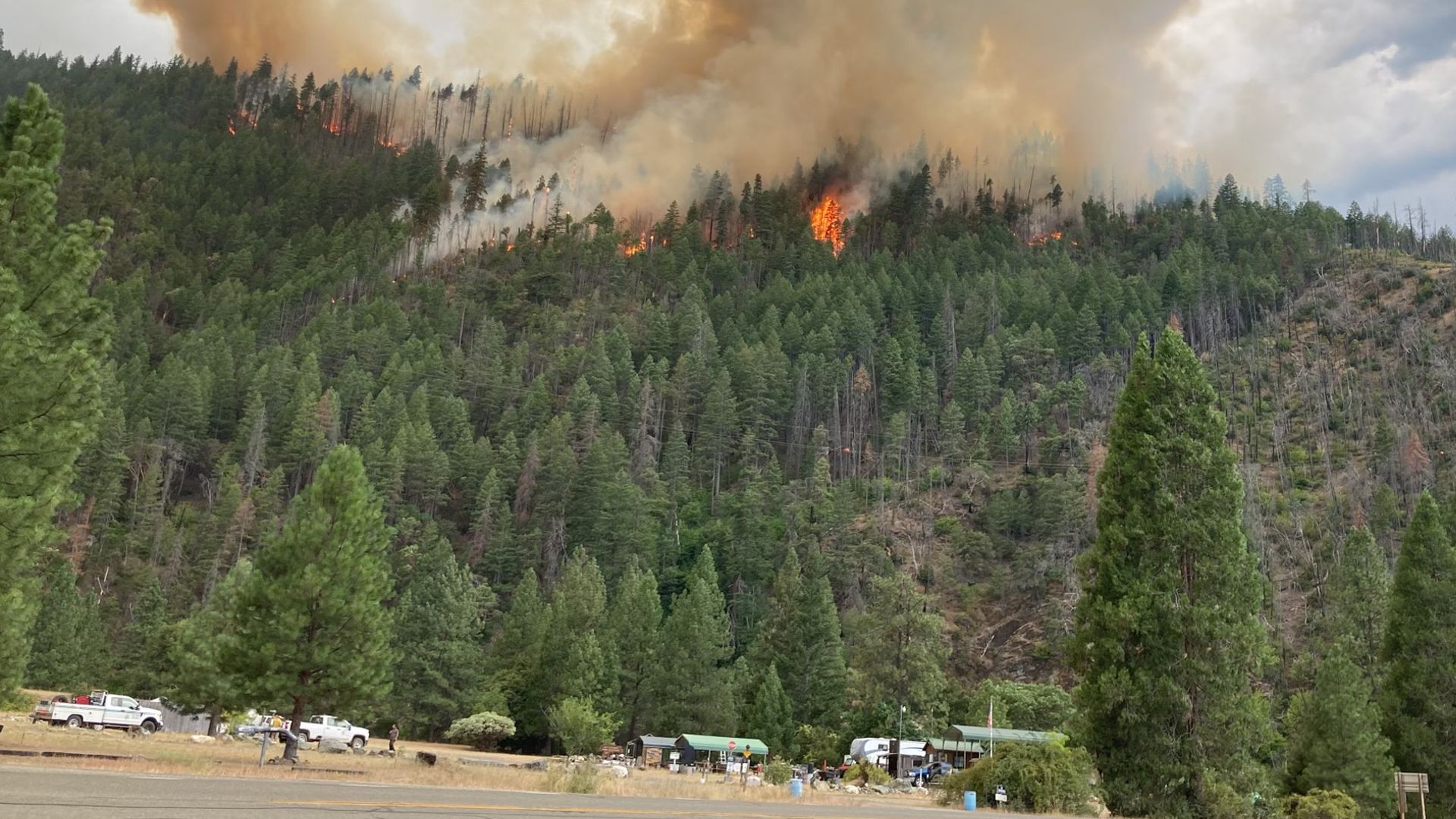
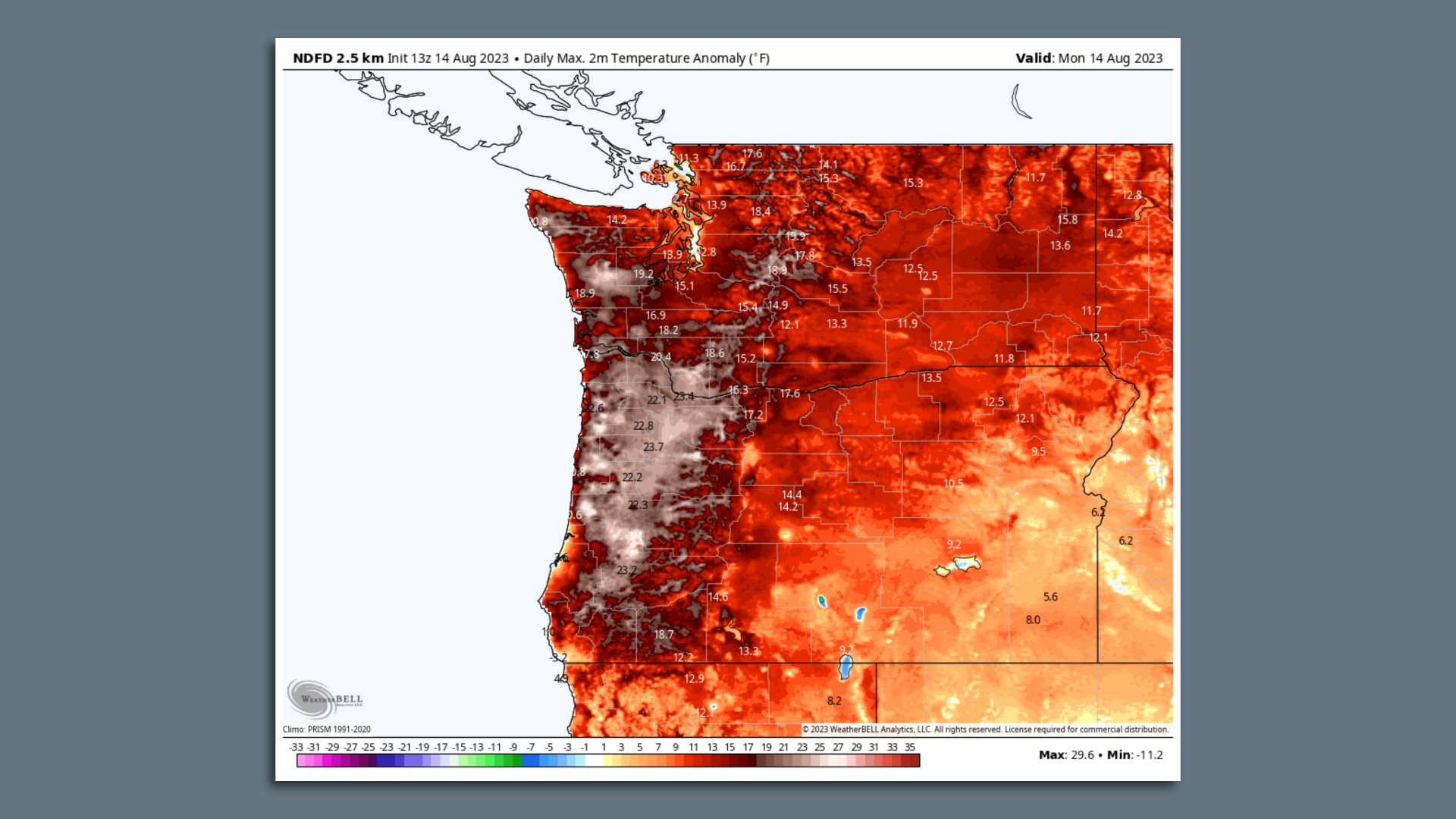
Wildfires in Northern California near the border with Oregon have triggered evacuation orders and road closures in rural communities, as a record heat wave envelopes the Pacific Northwest.
The big picture: Red flag warnings and heat alerts were in effect as firefighters battled 20 wildfires that lightning from thunderstorms ignited Monday in the Klamath National Forest, as Redding, Northern, Calif., hit a daily record high of 112°F Wednesday.
Editor's note: Read the latest on Hurricane Hilary's forecast here.
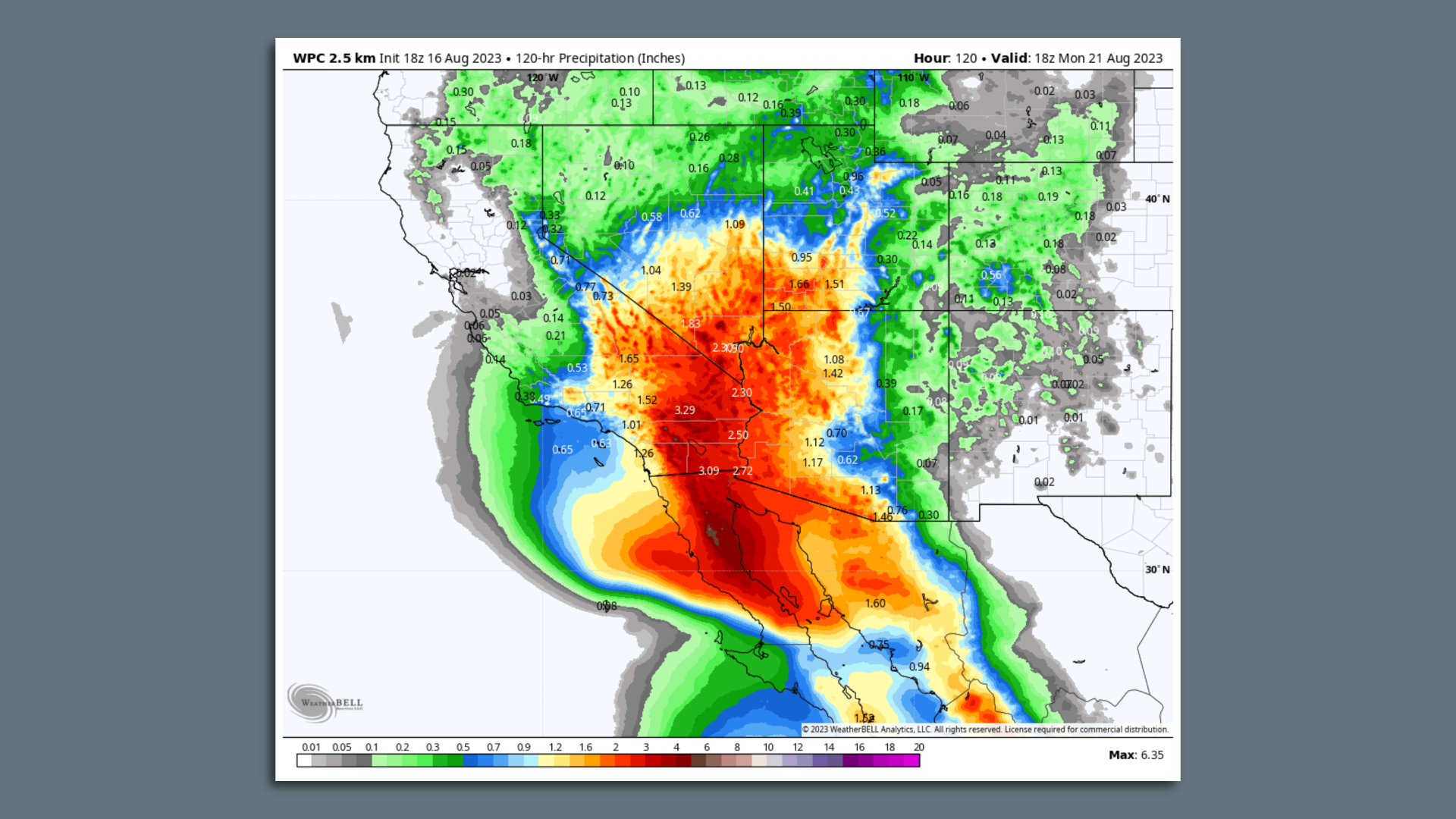
Tropical Storm Hilary formed Wednesday off the Southwestern coast of Mexico, and is poised to rapidly intensify into a powerful hurricane through Friday.
Threat level: The storm has the potential to make a rare direct hit, in a weakened form, somewhere between the Baja Peninsula of California and San Diego.
Renewable energy projects such as solar and windhave drawn the bulk of climate tech investment dollars across the U.S. and abroad since President Biden signed the Inflation Reduction Act, according to data from S&P Global.
Zoom in: Renewables is the least risky of the areas for climate tech investing. And the check sizes for these assets tend to be large, especially in offshore wind.
Of note: The lines between where the U.S. and the rest of the world are spending on climate tech run parallel.
The IRA's 45X tax credit, for example, introduced an incentive for advanced manufacturing in the U.S., fueling a new race between countries rushing to build solar, wind and battery components within their borders.
"The provision will pay OEMs to make things for the first time since WWII," Overture VC managing partner Shomik Dutta tells Axios, referring to the tax credit's impact on manufacturers like automakers.
What we're watching: There's been a steady drumbeat of funding announcements related to hydrogen development. We'll see whether and how that sector accelerates.
Hawai'i's governor is trying to curb developers from purchasing destroyed lands in Maui as the island reels from the deadliest wildfires in the U.S. in over a century.
The big picture: Concerns are growingthat newly built homes would attract wealthy buyers — exacerbating a housing crisis that has already driven Native Hawaiians and local-born residents out of their land, AP noted.
Jim Skea, the new chair of the influential UN climate science panel, has doubts about the world's ability to meet the Paris Agreement's most ambitious temperature goal, but wants to make it easier for governments to act.
The big picture: In an interview with Axios, Skea said policy makers are making it known that they need more actionable information, at a faster cadence, than what the Intergovernmental Panel on Climate Change (IPCC) has historically produced.
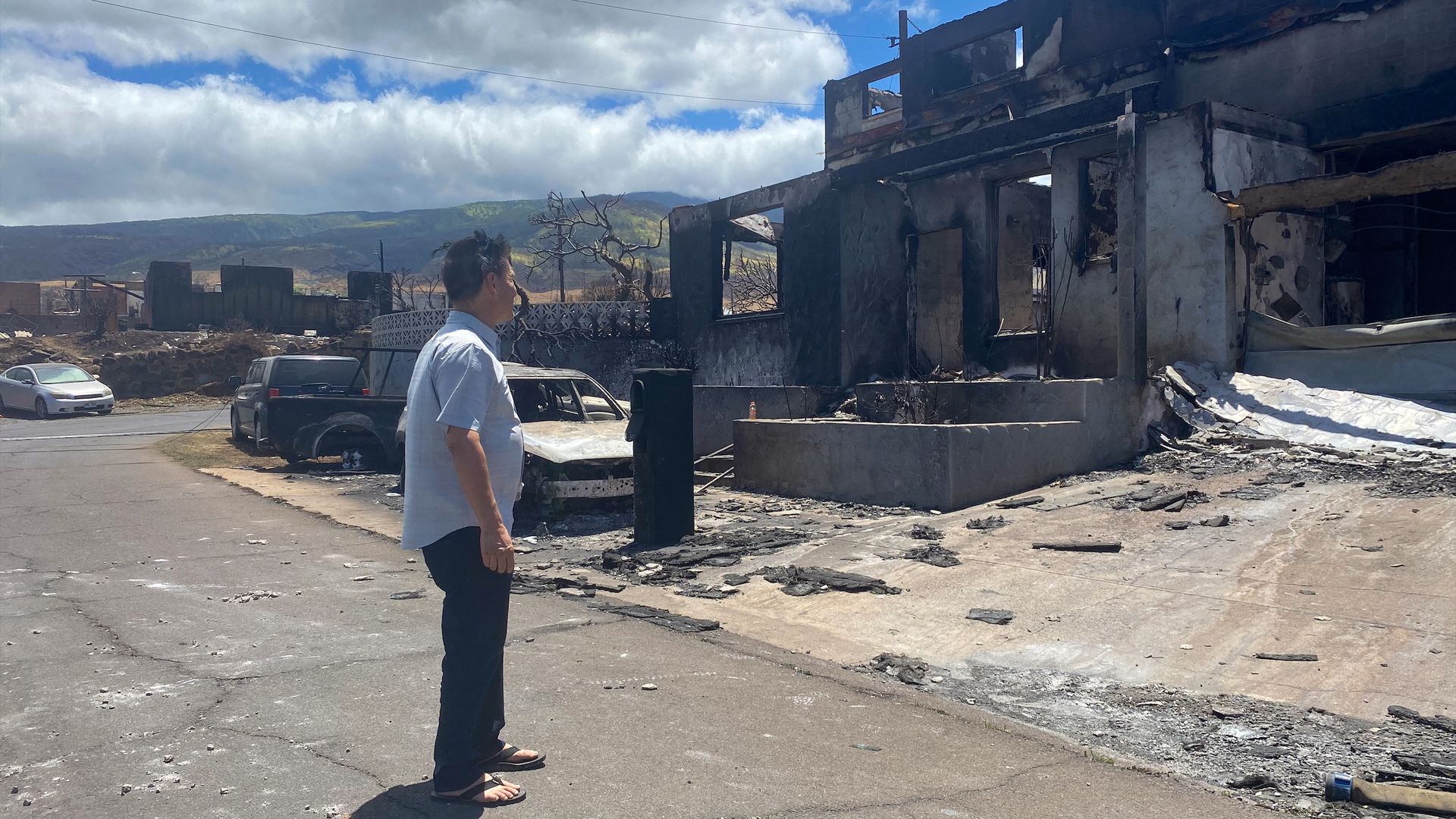
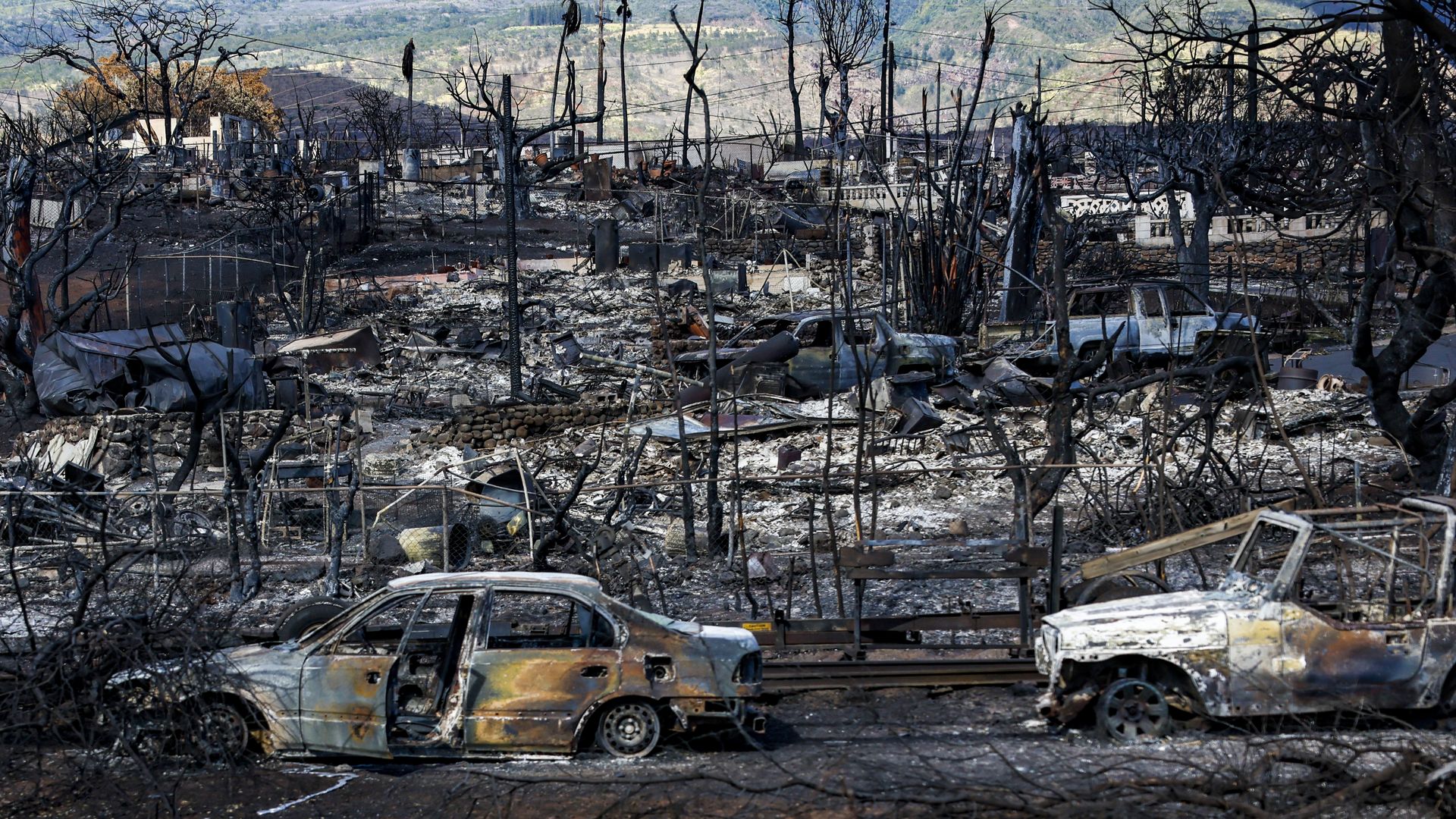
The big picture: The fires that razed much of western Maui and destroyed most of the island's historic town of Lahaina are the most destructive on record in Hawai'i. The Lahaina fire is the deadliest U.S. wildfire since 1918 and many people are still missing.
Authorities in Hawai'i are still searching for survivors of this week's destructive wildfires, which killed at least 106 people and injured dozens more on Maui Island. Officials expect the death toll to rise.
The big picture: The fires are the deadliest in the U.S. in over a century, surpassing the toll from California's 2018 Camp Fire, which killed 85.
Threat level: The National Weather Service has issued excessive heat warnings and heat advisories from California's Central Valley to all of Oregon and Washington state through this week.