The White House and crude traders both had shrug-emoji responses to Saudi Arabia's oil production cut.
🏃🏽♀️Catch up fast: A contentious weekend OPEC+ meeting brought Saudi plans toslash output by 1 million barrels per day next month — and possibly longer.
Over 500,000 words from climate change resources have been translated from English into dozens of languages, thanks to the combined forces of a global network of volunteers and one AI-powered model.
Decisions by two major insurers to stop offering new homeowner's policies in California highlight the growing portion of America that's becoming close to uninsurable.
Why it matters: The threat of climate change-related disasters is a large factor driving up consumer costs and putting insurers out of business in parts of California, Florida, Louisiana and elsewhere.
A pilot and three passengers were killed in a plane crash that prompted officials to place the U.S. Capitol complex on alert Sunday afternoon.
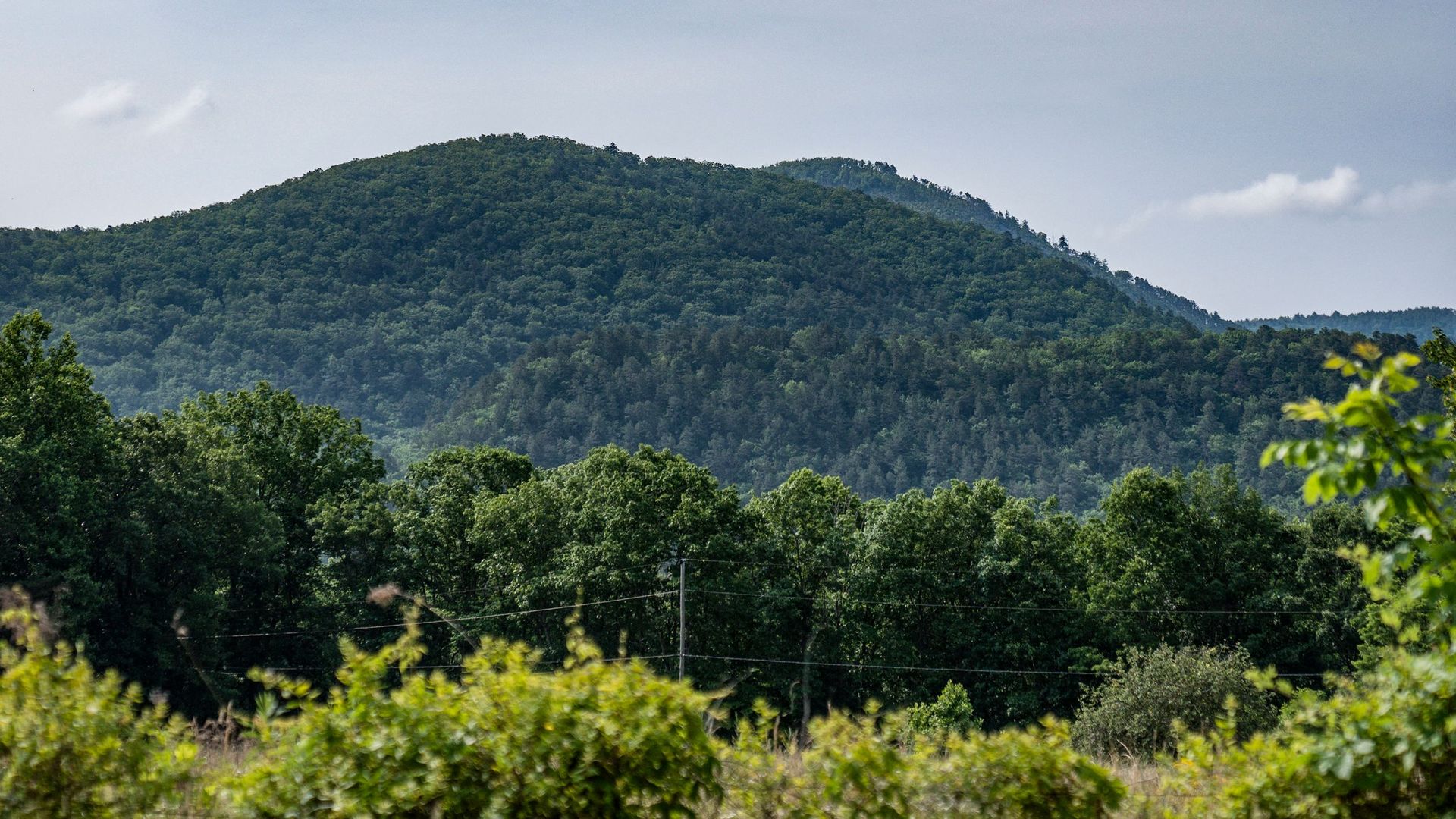
State of play: Federal investigators said they expected to be at the scene for several days to determine why the plane went off course and collided into a mountain in heavily wooded and rural terrain some two to three miles north of Montebello, Virginia.
Saudi Arabia helped end a cliffhanger over OPEC+ oil production levels but created fresh suspense — and potentially higher energy prices — in the process.
Driving the news: The kingdom will cut output by 1 million barrels per day in July, and then decide whether to continue with the lower output.
After last year's Bonn Climate Change Conference ended in a stalemate, food policy organizations across the world are heading into two weeks of U.N. climate talks with mixed expectations.
Why it matters: The talks in Bonn, Germany will help sharpen the agenda for COP28 in November, a crucial convening of world leaders that already has faced some backlash over its president-designate.
The upcoming United Nations climate summit in Dubai will be aimed at closing the gap between Paris Agreement's climate goals and global emissions commitments, according to COP28 director-general Majid al-Suwaidi.
Why it matters: COP28 is viewed as a last-ditch effort to limit warming to the most ambitious Paris target of 1.5°C (2.7°F) above preindustrial levels by 2100, by bending the trajectory of emissions sharply downward.









/2023/06/05/1685926409831.gif?w=3840)