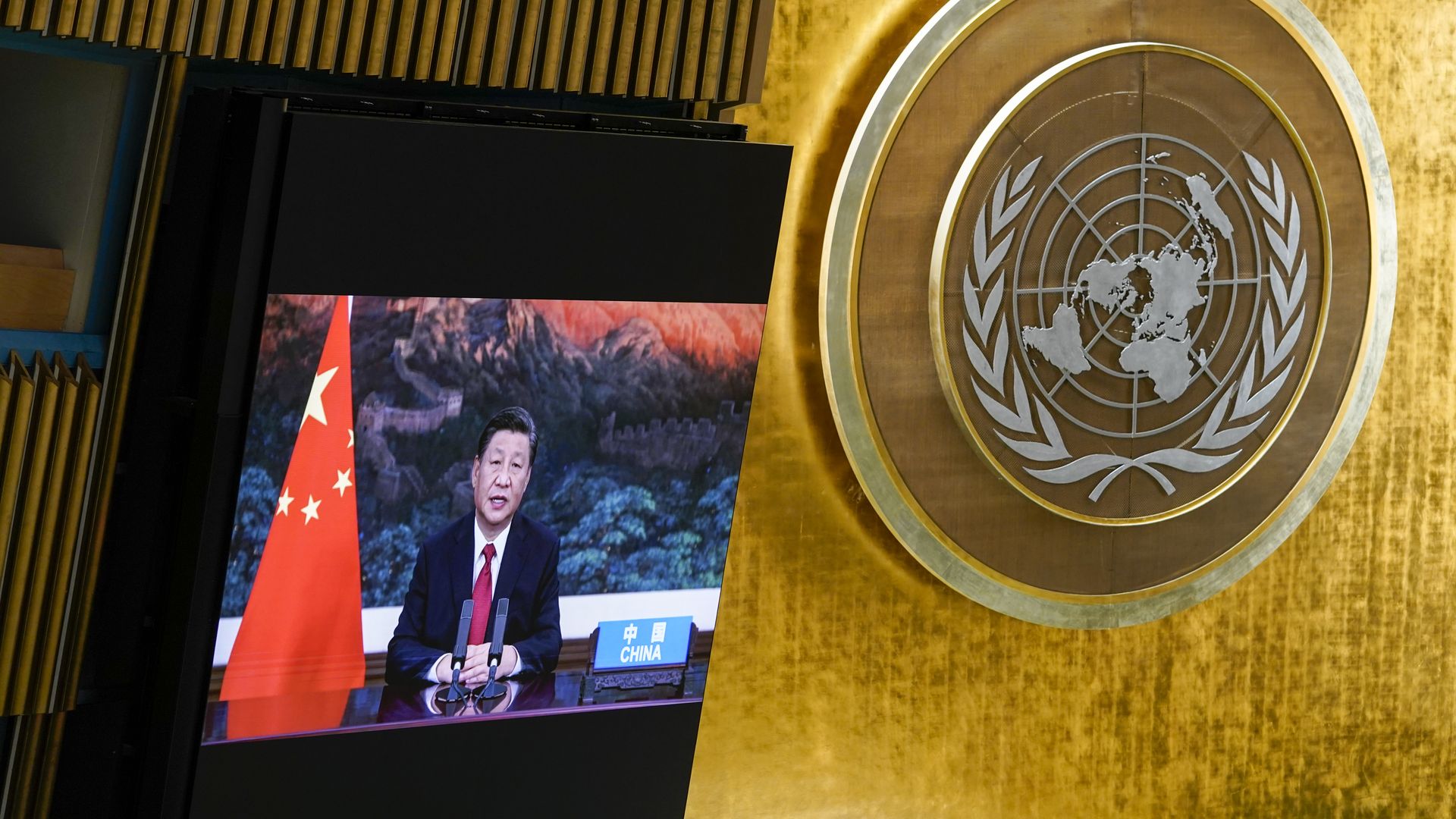
Chinese President Xi Jinping told the UN General Assembly Tuesday that his country "will not build new coal-fired power projects abroad" and plans to boost support for clean energy in developing nations.
Why it matters: The pledge, if maintained, would mark a breakthrough in efforts to transition global power away from the most carbon-emitting fuel.
Credit Mexican engineering and entrepreneurship for developments that led to the color television, oral contraception and finding a way to help mend the ozone layer.
Why it matters: The contributions helped modernize how we could see the world; improve women's health and expand women's roles beyond the home; and identify dangerous emissions and how to reduce them.
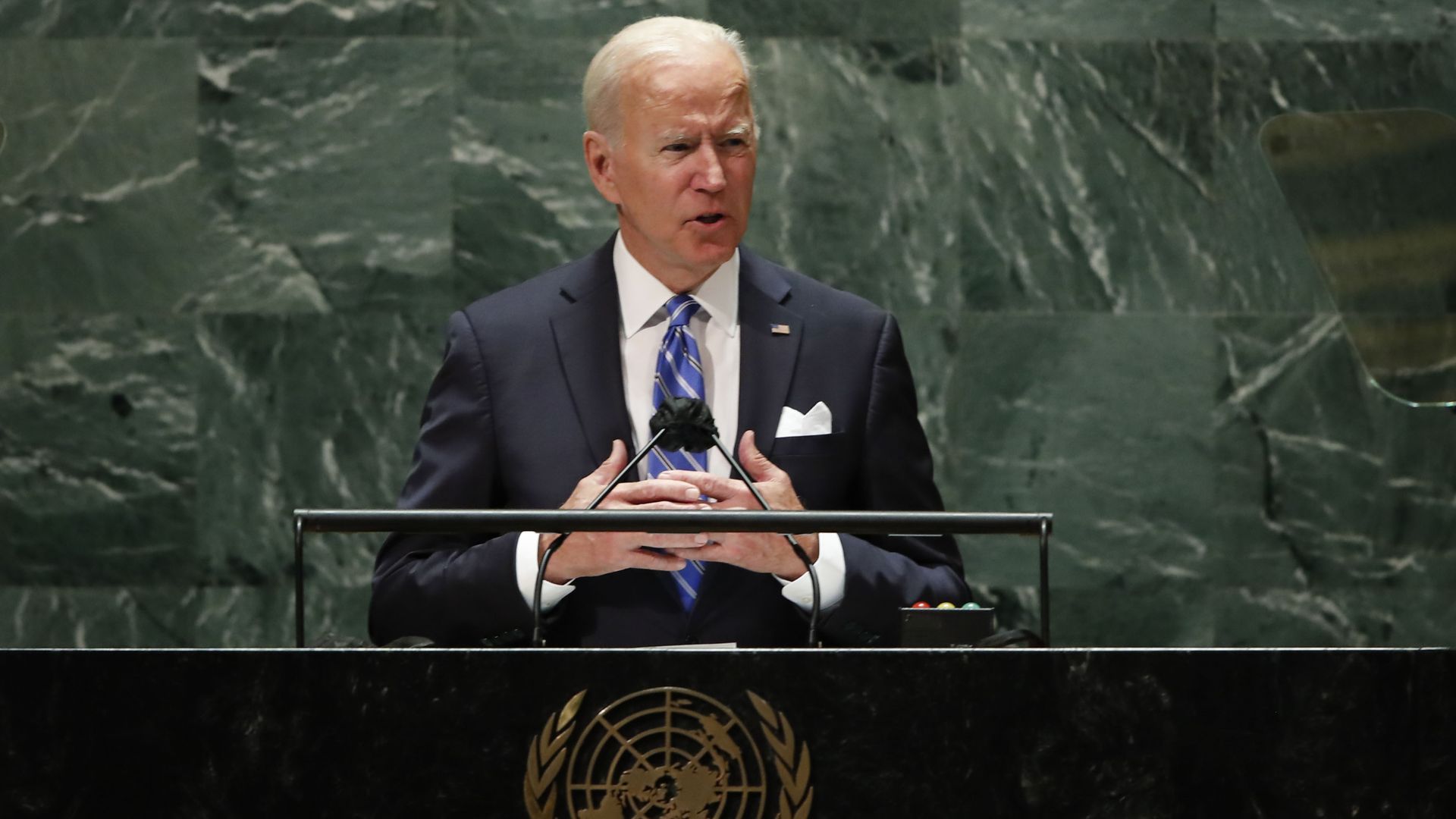
Staring down a "borderless climate crisis," President Biden told the UN General Assembly on Tuesday that the U.S. will double public financial assistance to developing countries, including money to help them adapt to present-day climate impacts.
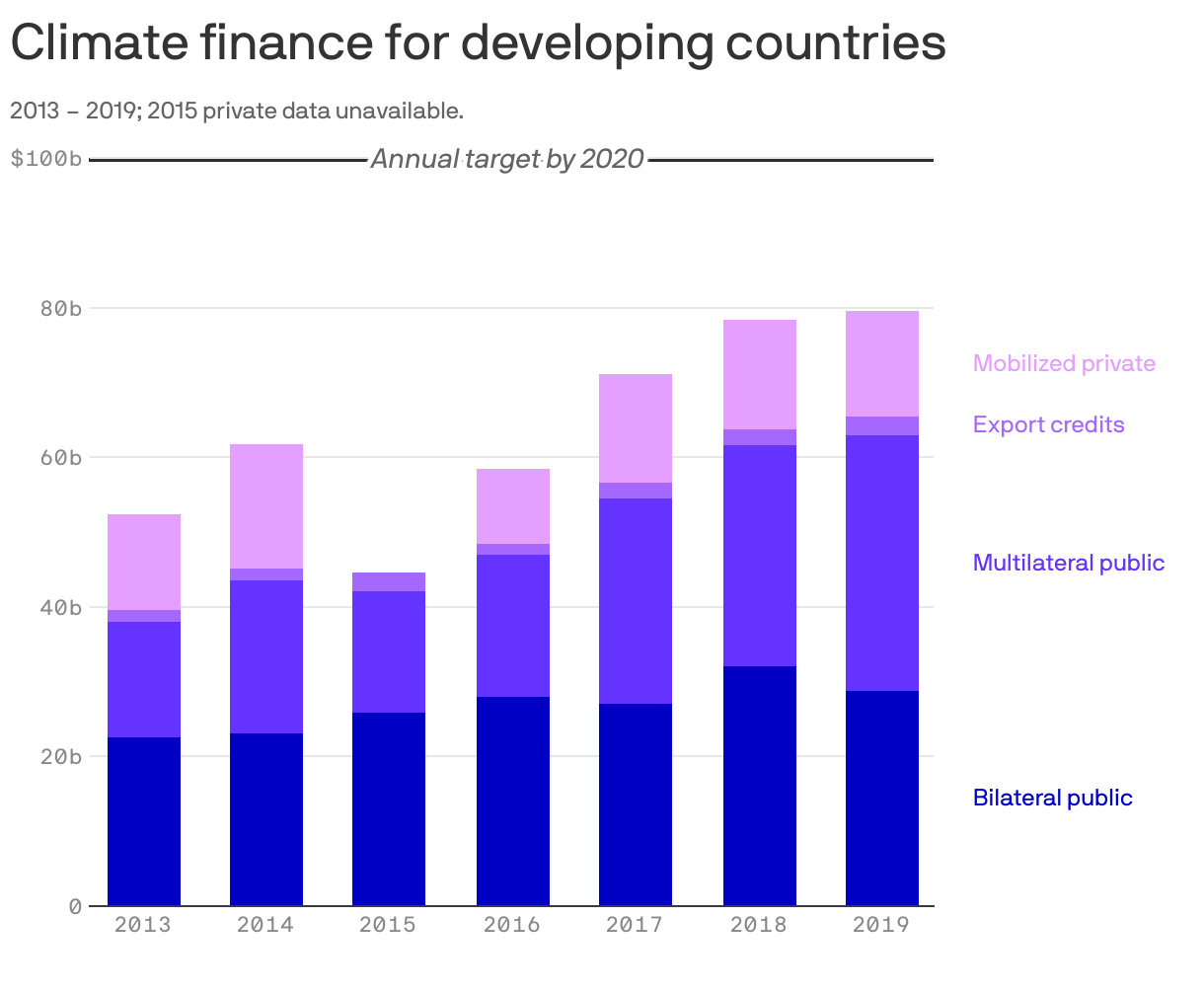
Why it matters: The failure of industrialized nations to fulfill a 2009 pledge to devote $100 billion annually to developing countries is a major impediment to a successful UN Climate Summit in Glasgow, which starts next month.
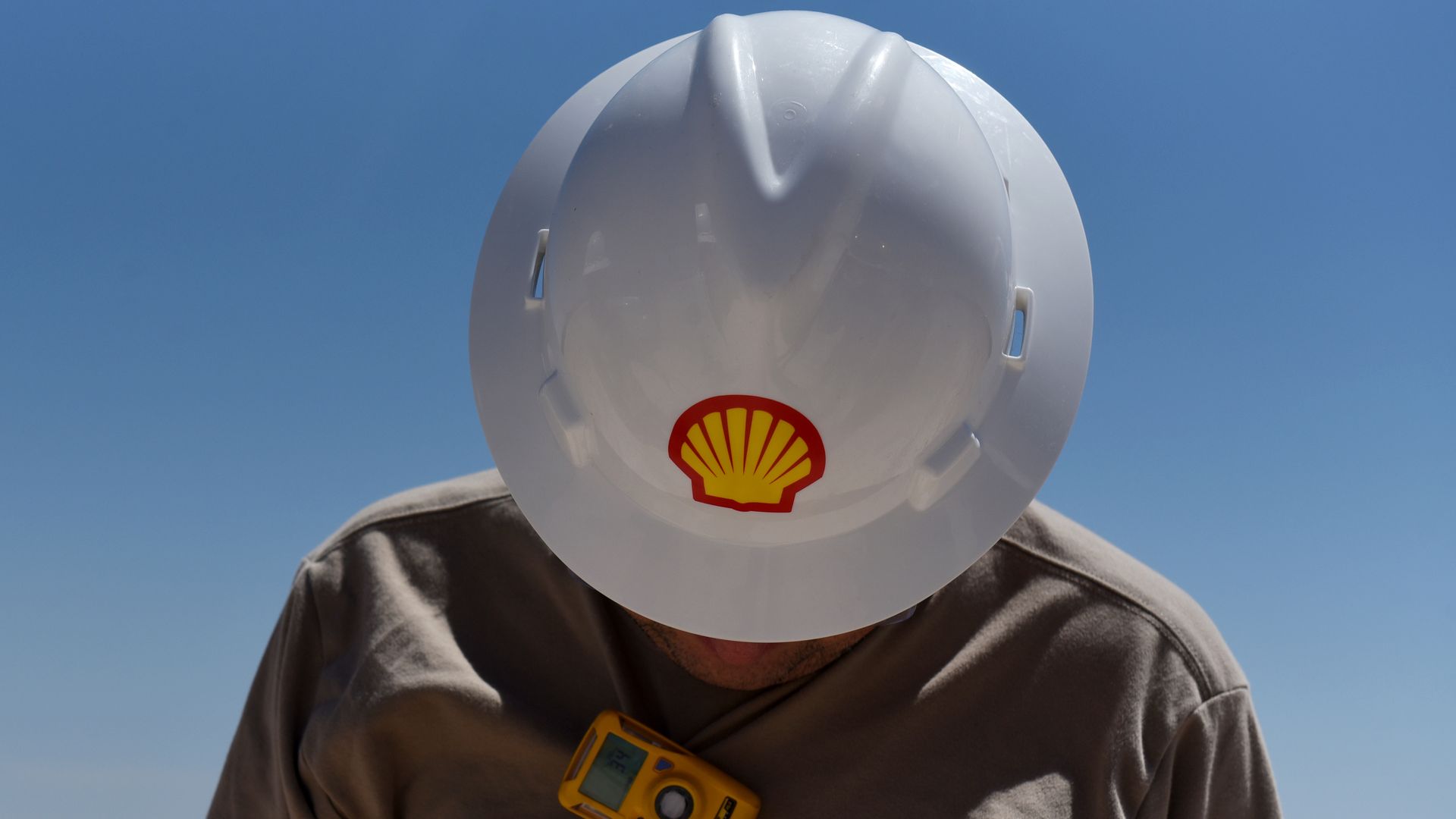
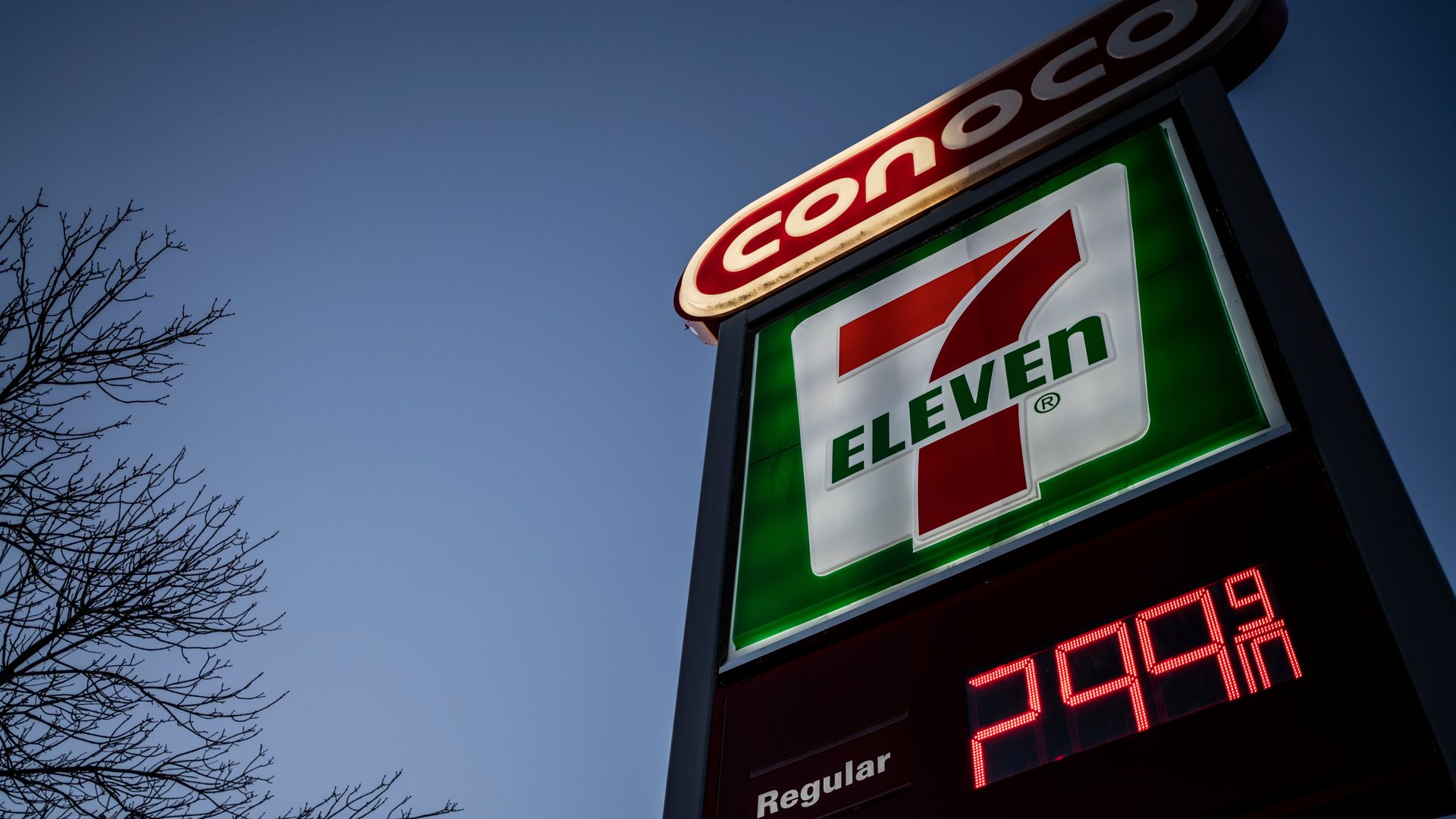
Royal Dutch Shell's sale of its Permian Basin assets to ConocoPhillips can't be untethered from how the industry is positioning itself as it faces pressure on climate change.
Catch up fast: The companies announced the $9.7 billion cash deal yesterday afternoon. ConocoPhillips will get 225,000 acres in Texas it expects will produce 200,000 barrels of oil equivalent per day in 2022.
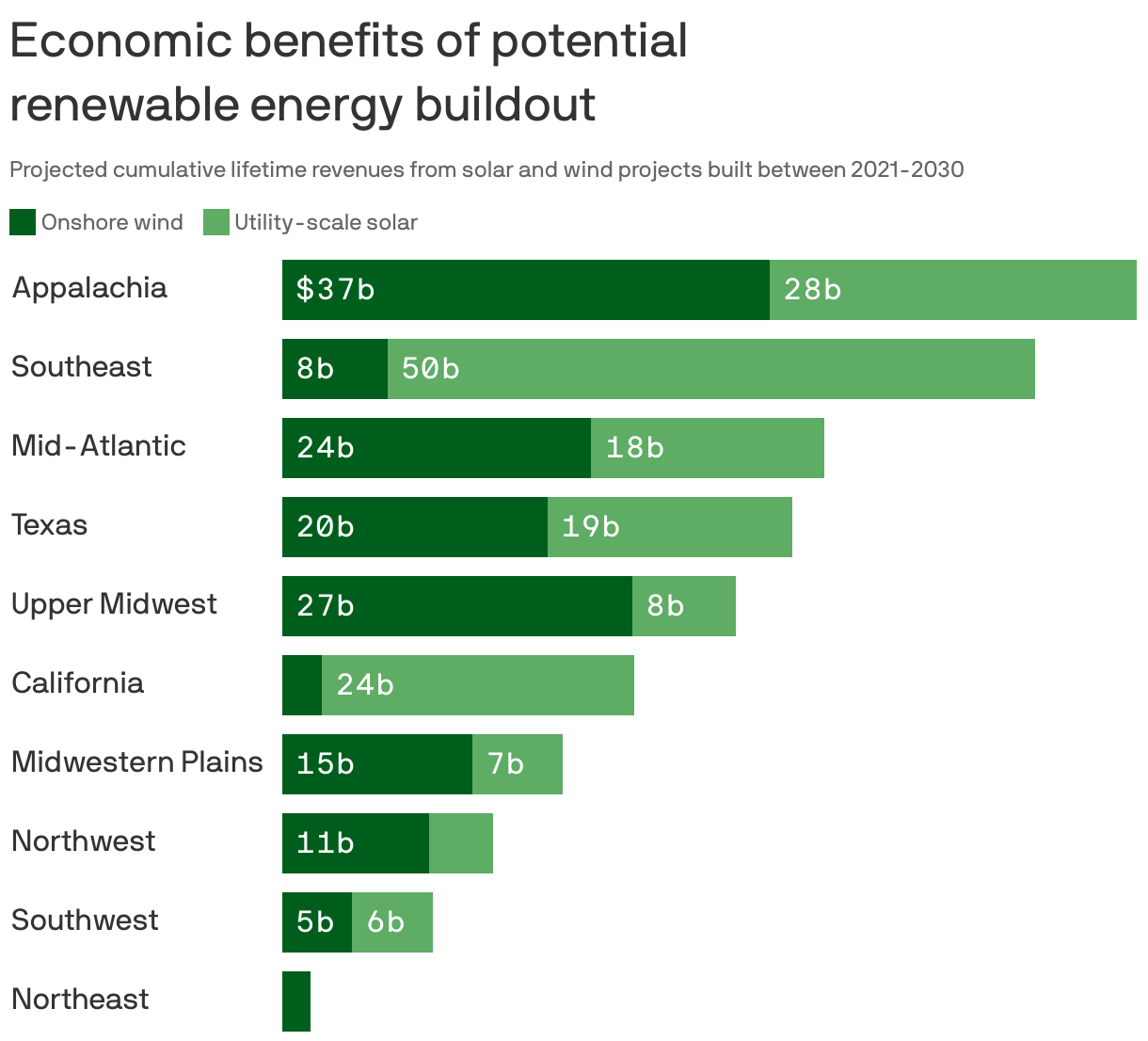
A new analysis findsthat greatly accelerating wind and solar power deployment would bring major economic benefits to rural areas, with Appalachia seeing especially strong gains.
Driving the news: The clean energy think tank RMI is out with new regional-level projections shared first with Axios and shown above.
Salesforce, the customer relations management company that many readers may know for its Slack software, announced it has achieved net-zero emissions throughout its value chain.
Driving the news: This includes the energy used by its customers, it says.
The relationship between a company’s climate disclosure and its potential future performance is becoming easier to see.
Why it matters: The SEC is readying new rules around mandatory risk and climate commitment disclosures, which will likely help investors compare companies on an equal footing.
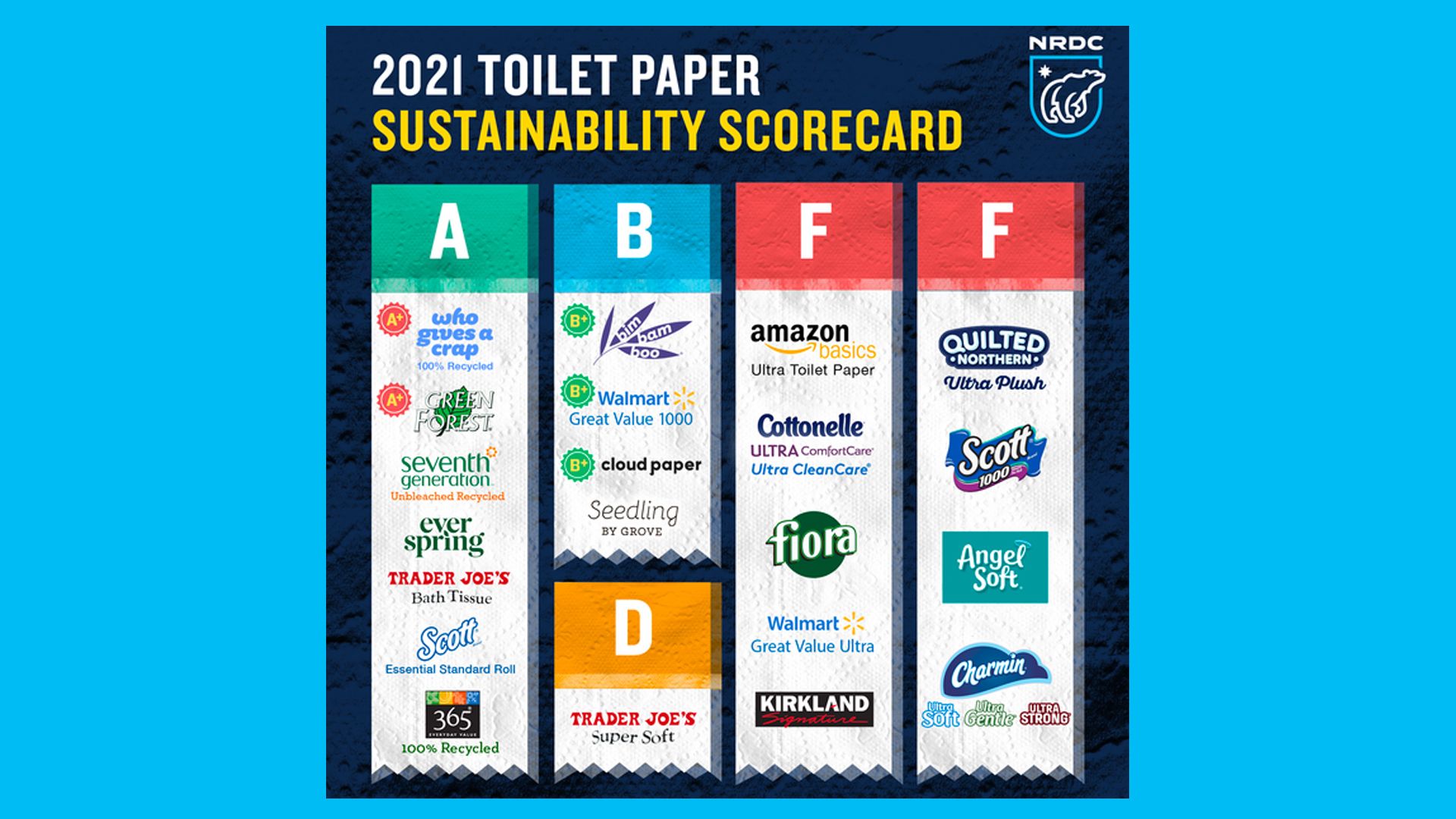
Soft? Quilted? Strong? The familiar adjectives from the supermarket aisle play no role in the Natural Resources Defense Council's annual toilet paper scorecard, which uses environmental yardsticks to judge what the industry so gently describes as bathroom tissue.
Why it matters: Consumers who pick products based on their green credibility will be troubled to learn that big-name brands (which are often cheaper) get poor marks compared with startups that typically cost more.
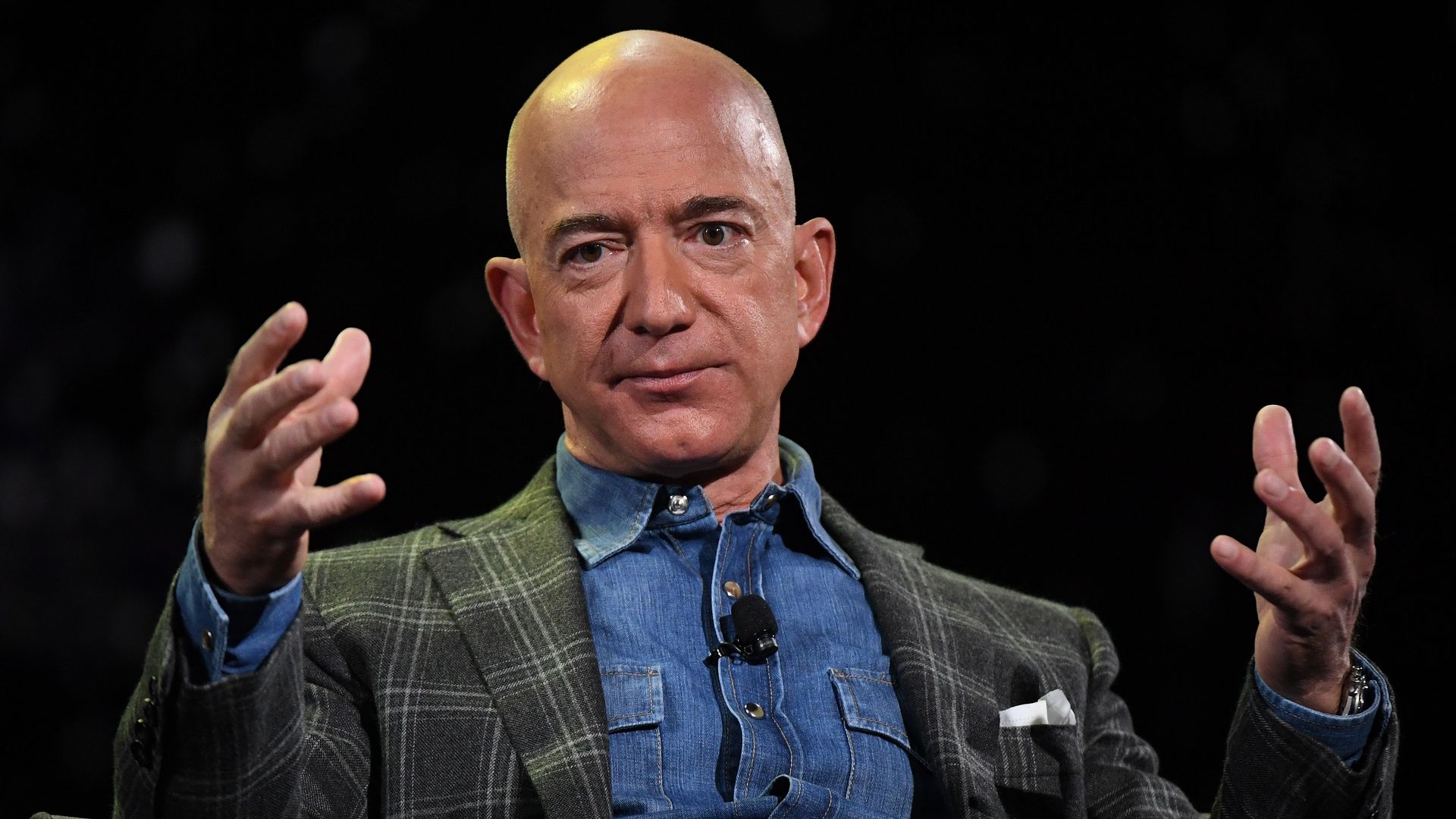
Jeff Bezos' climate philanthropy on Monday pledged $1 billion for conservation and biodiversity, with the first grants beginning later this year focused on the Congo Basin, the Andes region and the Pacific Ocean.
Driving the news: The money will be used to "create, expand, manage, and monitor protected and conserved areas," according to the announcement.
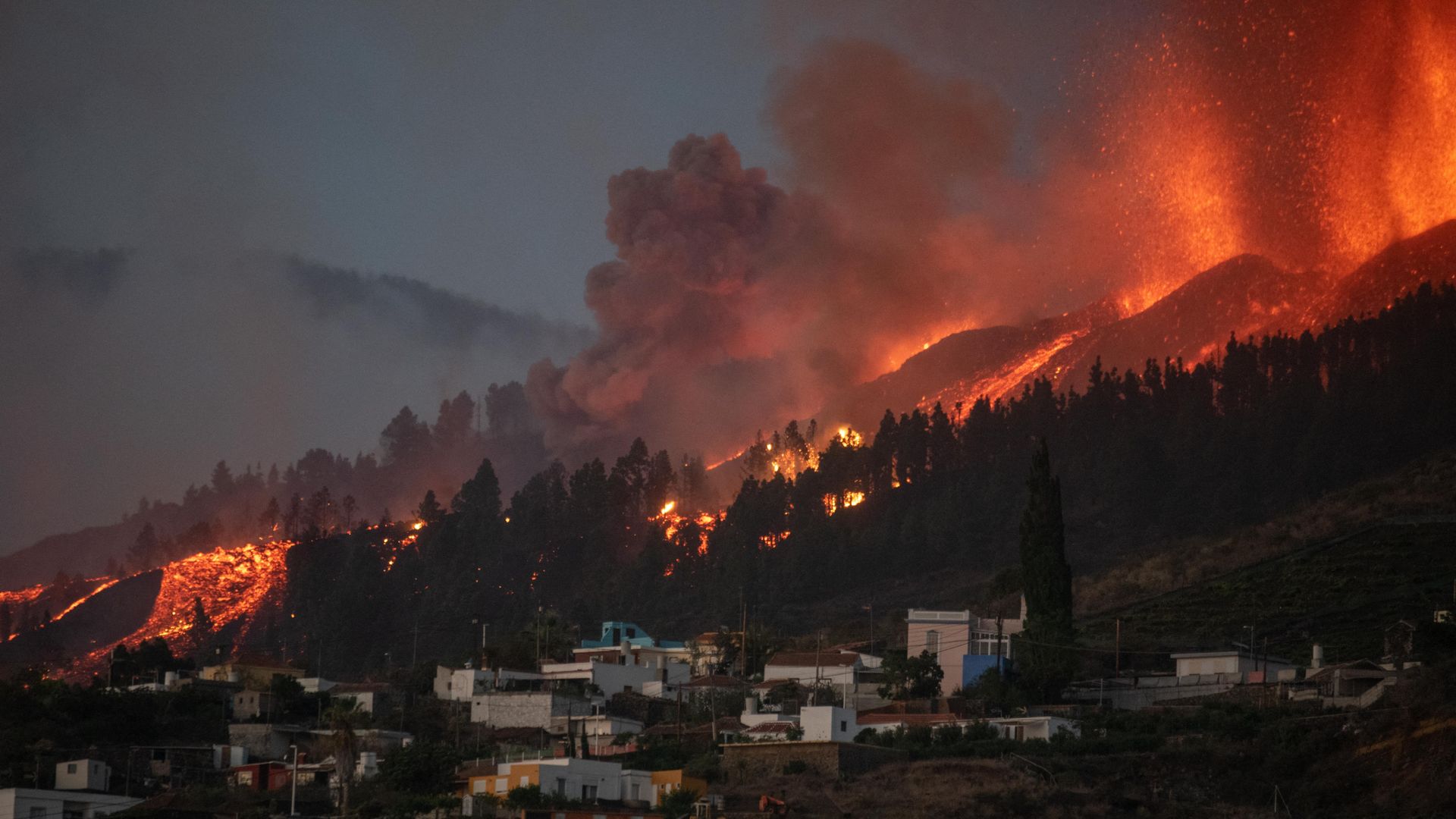
About 5,000 people, including 500 tourists, on the Spanish island of La Palma, have been forced to evacuate after a volcano, known as Mount Cumbre Vieja, erupted Sunday, Reuters reports.
Driving the news: The explosion, which took place in a southern area of the island known as Cabeza de Vaca, came after several weeks of seismic activity, with authorities recording an earthquake of about 3.8 magnitude before the eruption.
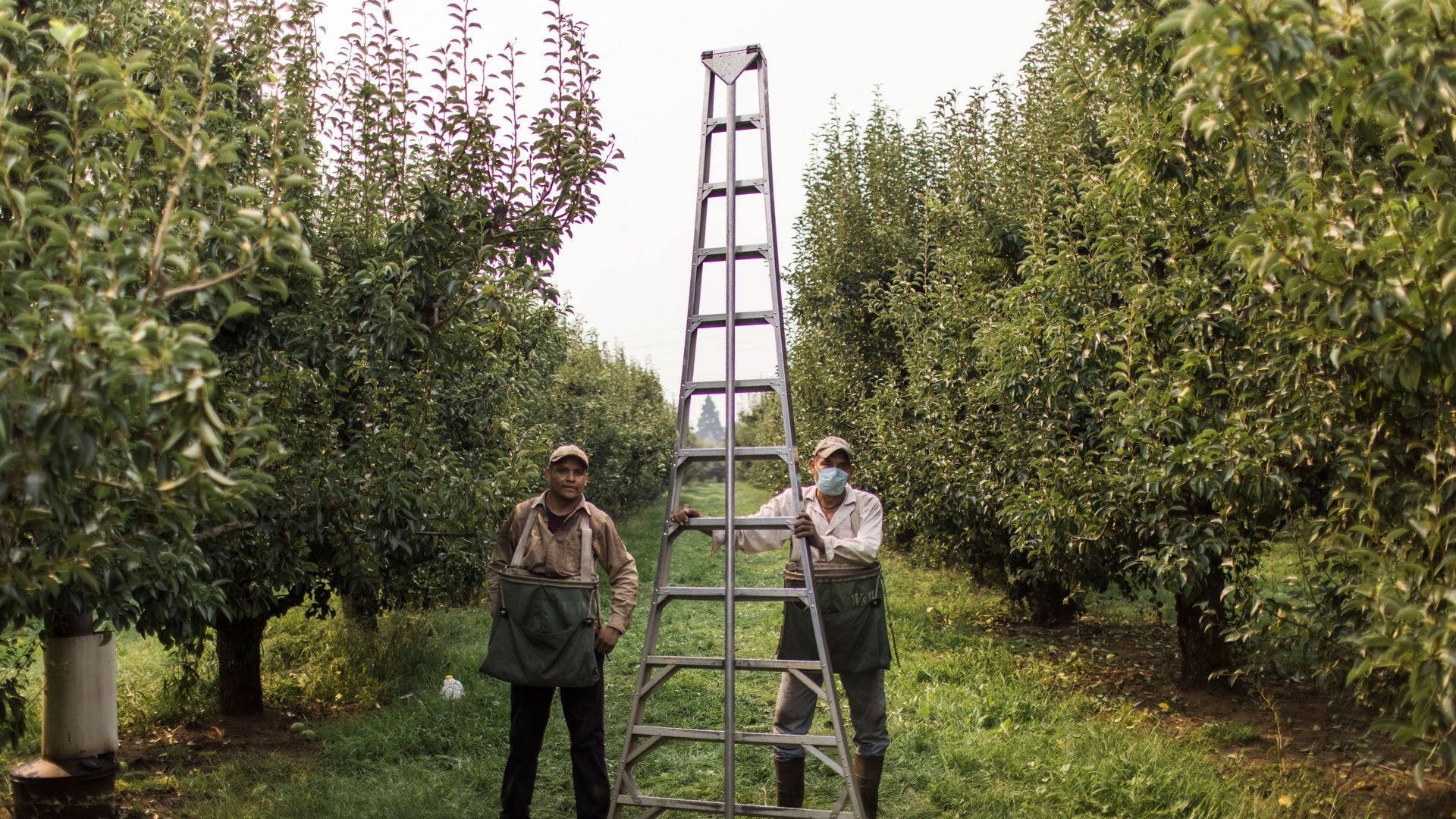
The White House announced a slew of actions Monday, including the start of a rule-making process at the Occupational Safety and Health Administration (OSHA), to protect American workers from extreme heat.
Large real estate companies are putting $140 million into a climate tech fund that aims to help decarbonize the sector, according to an announcement Monday morning from the venture firm Fifth Wall.
Why it matters: The funding round, which includes some of the largest players in the industry, signals growing momentum toward backing new technologies needed to slash carbon emissions to net-zero by midcentury and achieve negative emissions thereafter.
Two new reports show the gap between multilateral climate goals and what's actually happening.
Driving the news:OECD data shows developed economies are falling short of a 2009 pledge to mobilize $100 billion annually by 2020 to help developing nations cut emissions and adapt to warming.
High-level talks in New York City and Washington this week will provide more signals about what might get done — or not — at the critical United Nations climate summit this fall.
Driving the news: British Prime Minister Boris Johnson and U.N. Secretary-General António Guterres will convene a closed-door gathering of leaders Monday morning on the sidelines of the U.S. General Assembly.
This week will showcase how more big companies are taking steps to cut emissions — and why corporate pledges only go so far.
The big picture: It's Climate Week. That's the annual New York City event that brings together businesses, governments and activists for speeches, symposiums and pledges. The event typically serves as a venue for corporations to announce their latest efforts, and that's already starting.
The newly formed Coalition for Urban Innovation consists of 14 companies and nonprofits "dedicated to advancing federal policies that make our cities more sustainable and equitable through technology and innovation."
Why it matters: With the infrastructure bill still a congressional work-in-progress, the group aims to tilt money and policy toward smart infrastructure, energy efficiency, clean energy, reducing the carbon footprint of buildings and the like.
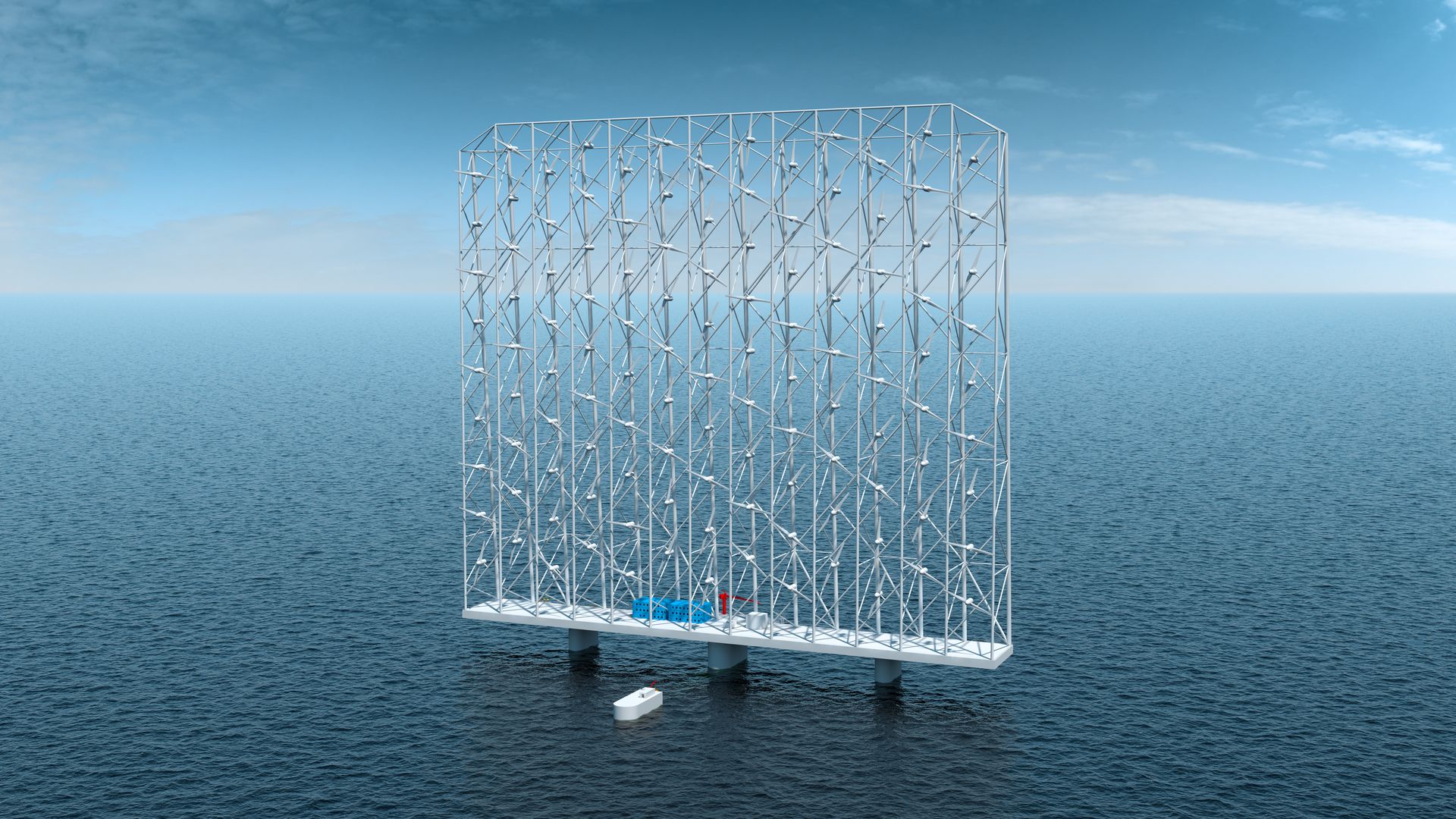
A Norwegian company has come up with a radically different design for offshore wind turbines that could help the world achieve its renewable energy goals.
Why it matters: Wind power is cheap and efficient, but the strongest winds are far offshore, in deep waters, where it’s difficult to drive a turbine into the seabed. Floating wind farms can be anchored farther into the ocean.
Planes used to be the only aircraft crisscrossing the sky. Now there are drones, more frequent rocket ships and — soon — flying taxis, elbowing their way into the National Airspace System.
Why it matters: Managing the congestion up above is becoming an urgent mission for America's traffic cops in the sky. While the Federal Aviation Administration has a stellar safety record when it comes to commercial aviation, its challenge is infinitely more complex today.
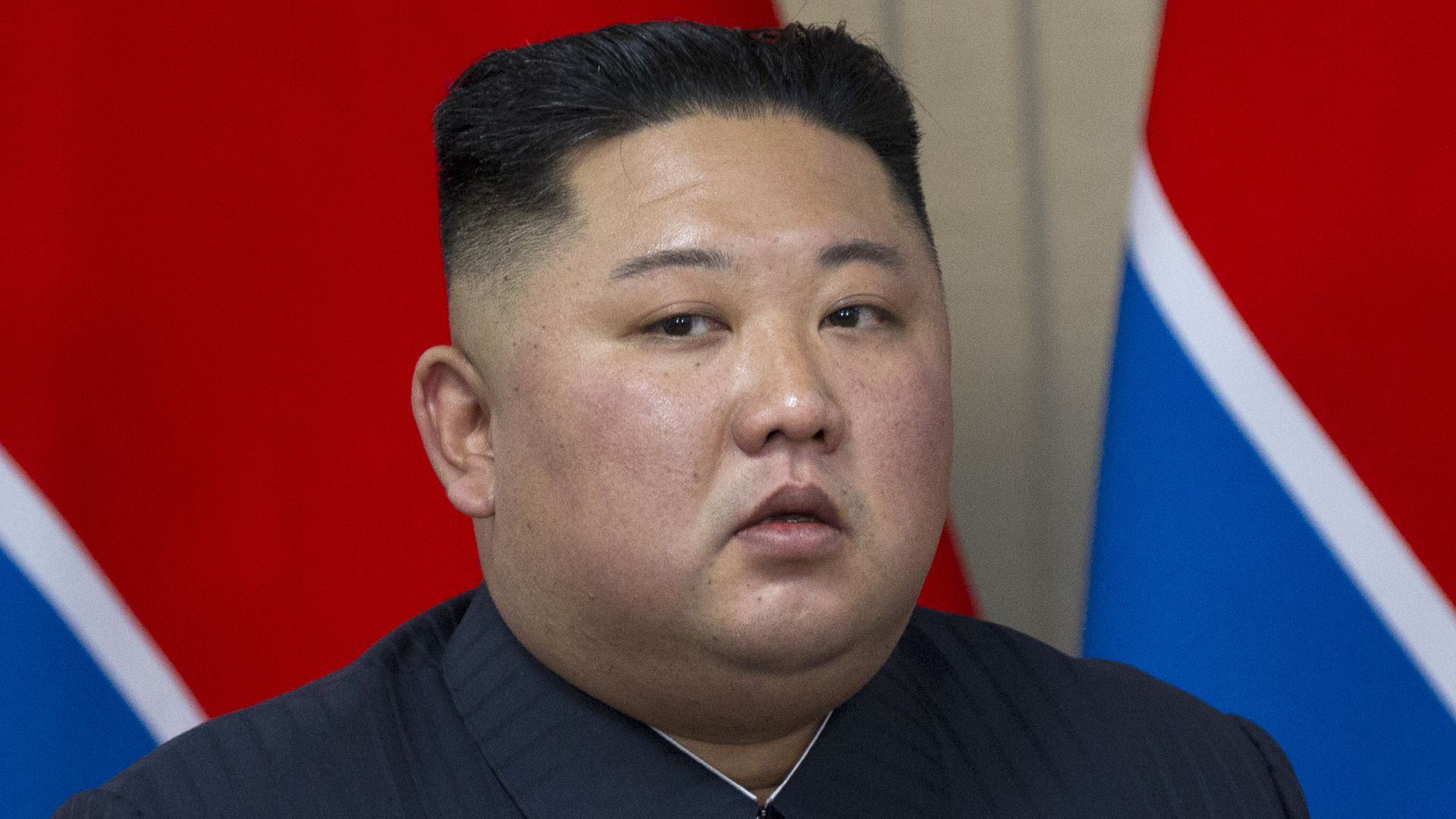
North Korea warned of possible "counteraction" if it finds the new U.S. deal to provide nuclear-powered submarines to Australia is a threat to its security, per a statement published by the state-run KCNA news agency Monday.
Details: The North Korean Foreign Ministry statement said both the U.S. security partnership with the U.K. and Australia, known as AUKUS, and the submarine deal were "extremely undesirable and dangerous acts which will upset the strategic balance in the Asia-Pacific region and trigger off a chain of nuclear arms race."










/2021/09/17/1631904254404.gif?w=3840)