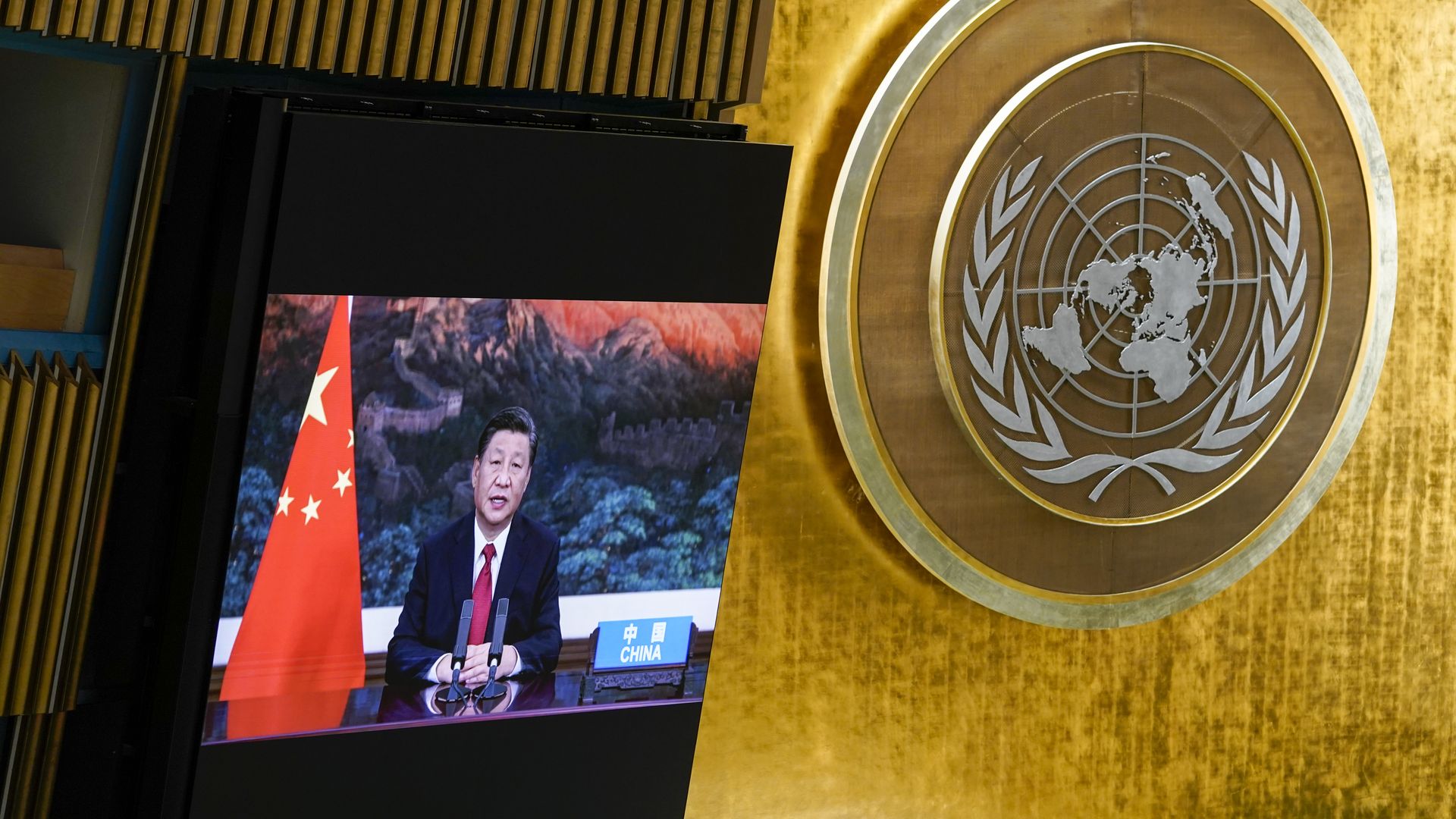
Catch up fast: Chinese President Xi Jinping yesterday pledged to end overseas finance for building new coal-fired power plants and boost support for clean energy in developing nations.
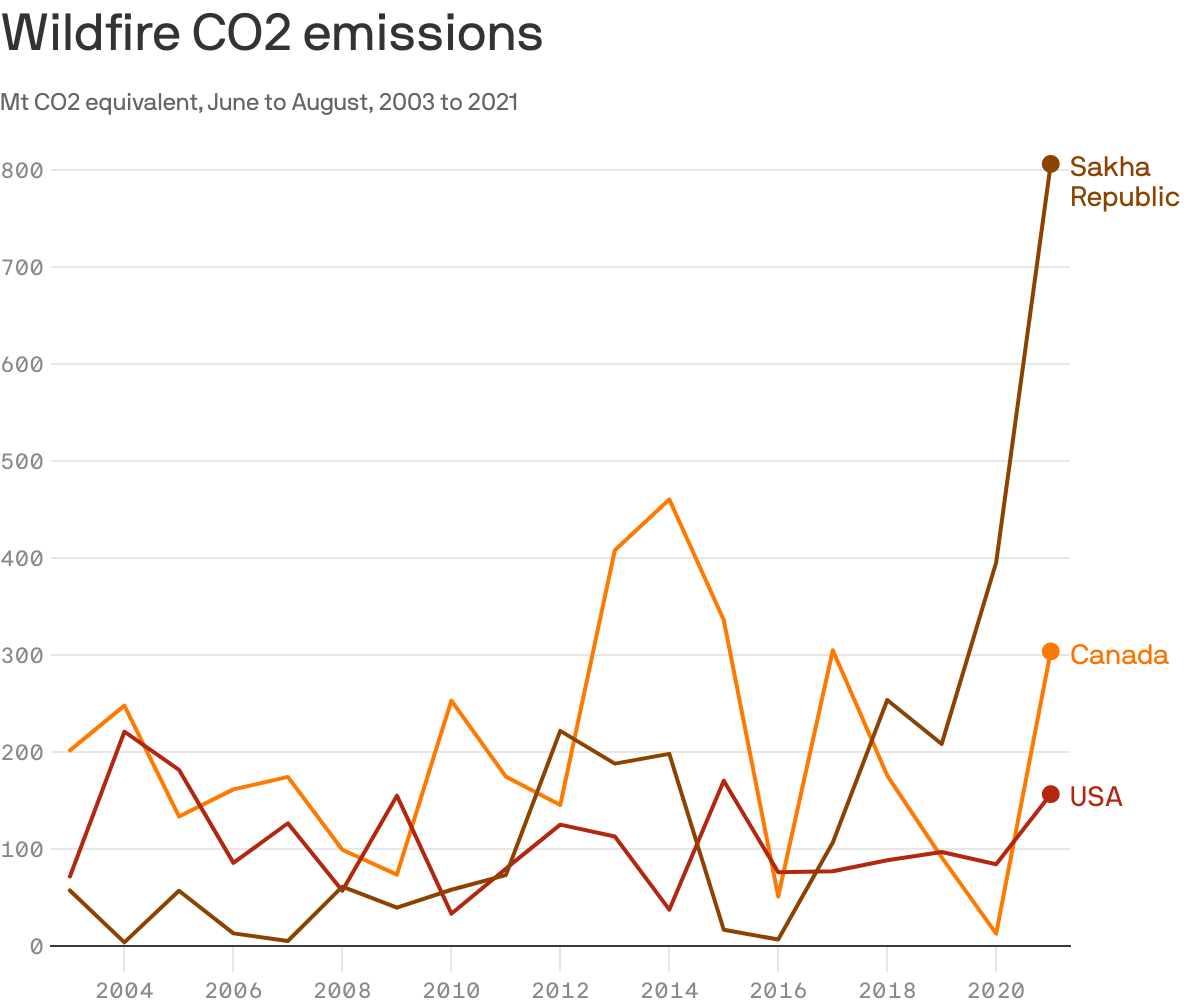
Data: Copernicus/CAMS via Mark Parrington; Chart: Will Chase/Axios
The widespread wildfires that stretched across the Northern Hemisphere this summer set records for their carbon dioxide emissions, particularly in Siberia, according to data released Tuesday.
Why it matters: The severe fire season in Siberia is tied in part to unusually warm conditions with low soil moisture, which studies have linked to human-caused climate change.
Ford is partnering with battery recycling company Redwood Materials to lay the groundwork for a domestic supply chain for electric vehicle batteries that relies on closed-loop recycling.
The big picture: The long-term vision would ensure that critical battery materials like lithium, nickel, copper and cobalt are re-used in new batteries, reducing the need for imports and avoiding further environmental damage through mining.
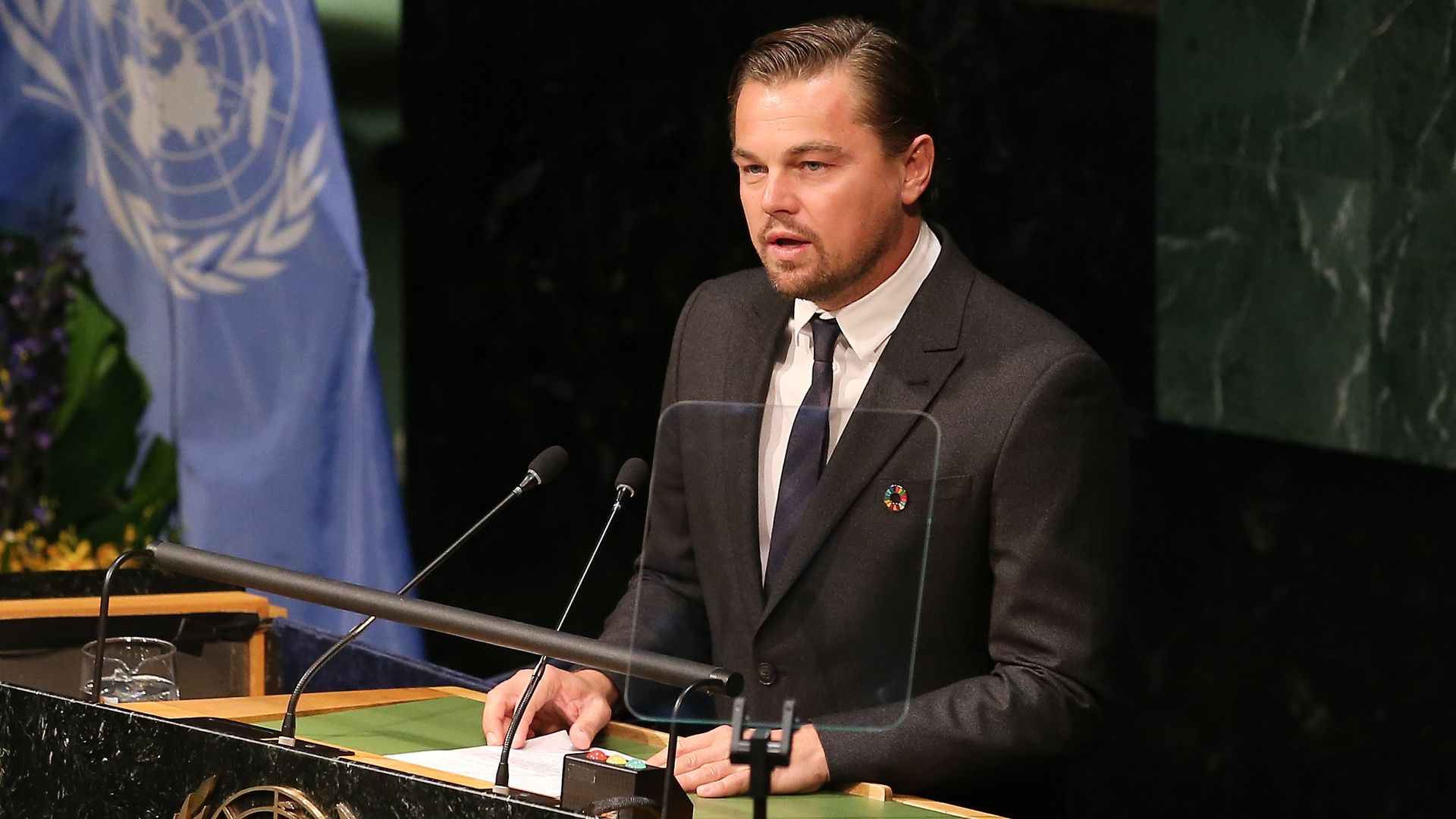
Actor and environmentalist Leonardo DiCaprio is investing in a pair of cultivated meat startups and joining their advisory boards, Axios can report first.
Why it matters: Cultivated meat — which is grown from animal cells — is still in early stages and has garnered criticism from some greens, but DiCaprio's involvement provides a boost from one of the world's most prominent climate activists.
Chinese President Xi Jinping told the UN General Assembly Tuesday that his country "will not build new coal-fired power projects abroad" and plans to boost support for clean energy in developing nations.
Why it matters: The pledge, if maintained, would mark a breakthrough in efforts to transition global power away from the most carbon-emitting fuel.
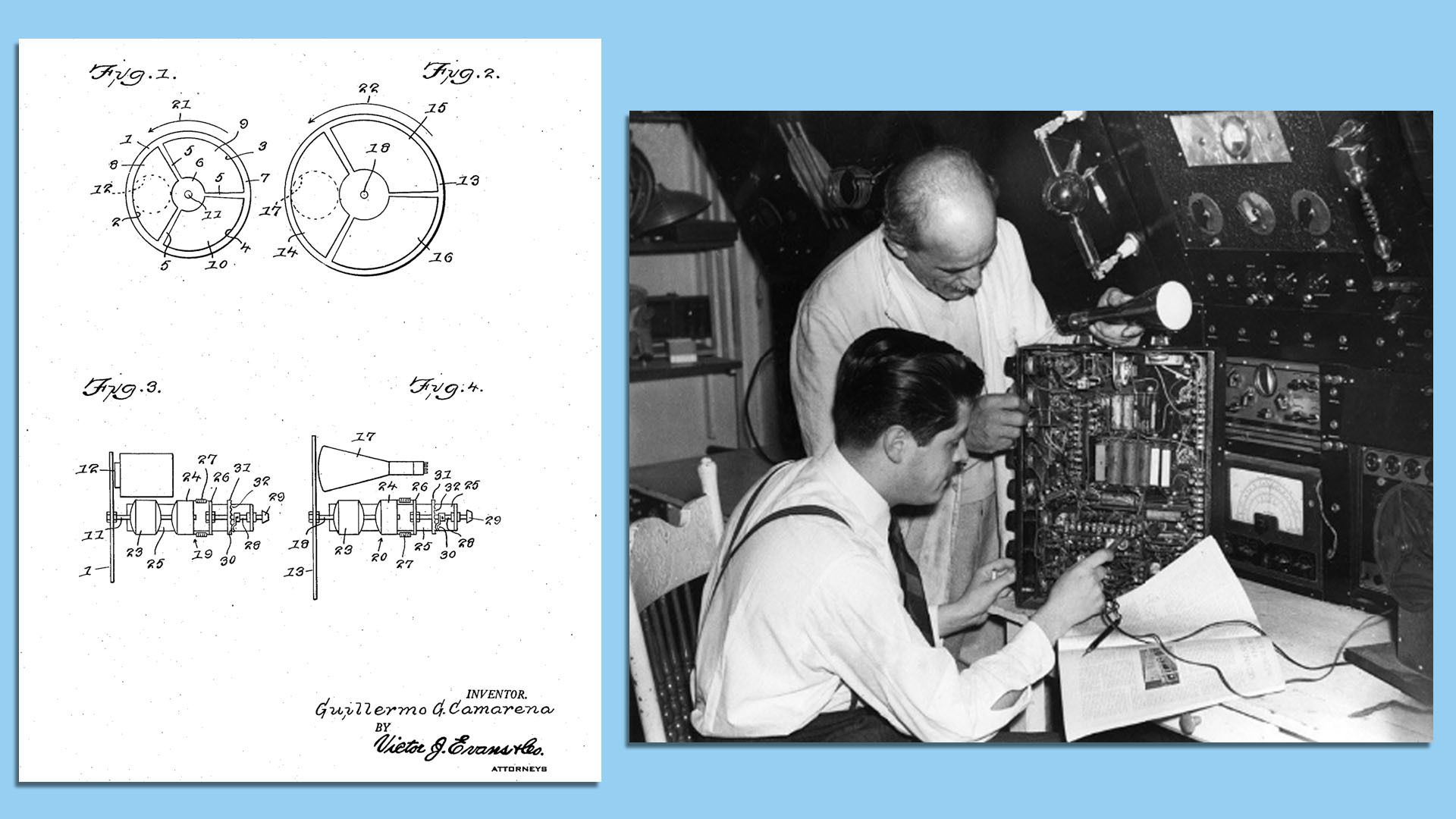
Credit Mexican engineering and entrepreneurship for developments that led to the color television, oral contraception and finding a way to help mend the ozone layer.
Why it matters: The contributions helped modernize how we could see the world; improve women's health and expand women's roles beyond the home; and identify dangerous emissions and how to reduce them.
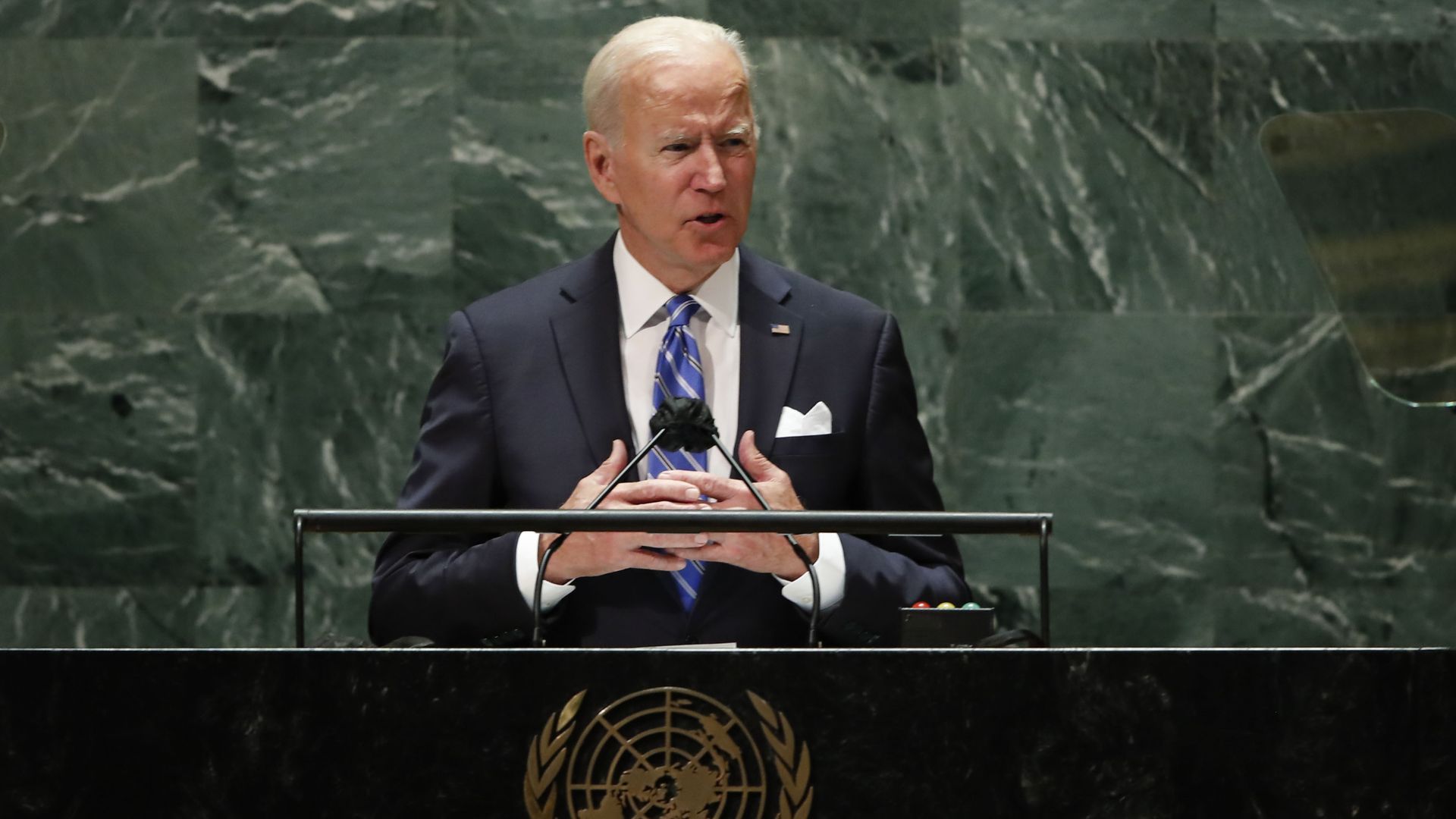
Staring down a "borderless climate crisis," President Biden told the UN General Assembly on Tuesday that the U.S. will double public financial assistance to developing countries, including money to help them adapt to present-day climate impacts.
Why it matters: The failure of industrialized nations to fulfill a 2009 pledge to devote $100 billion annually to developing countries is a major impediment to a successful UN Climate Summit in Glasgow, which starts next month.
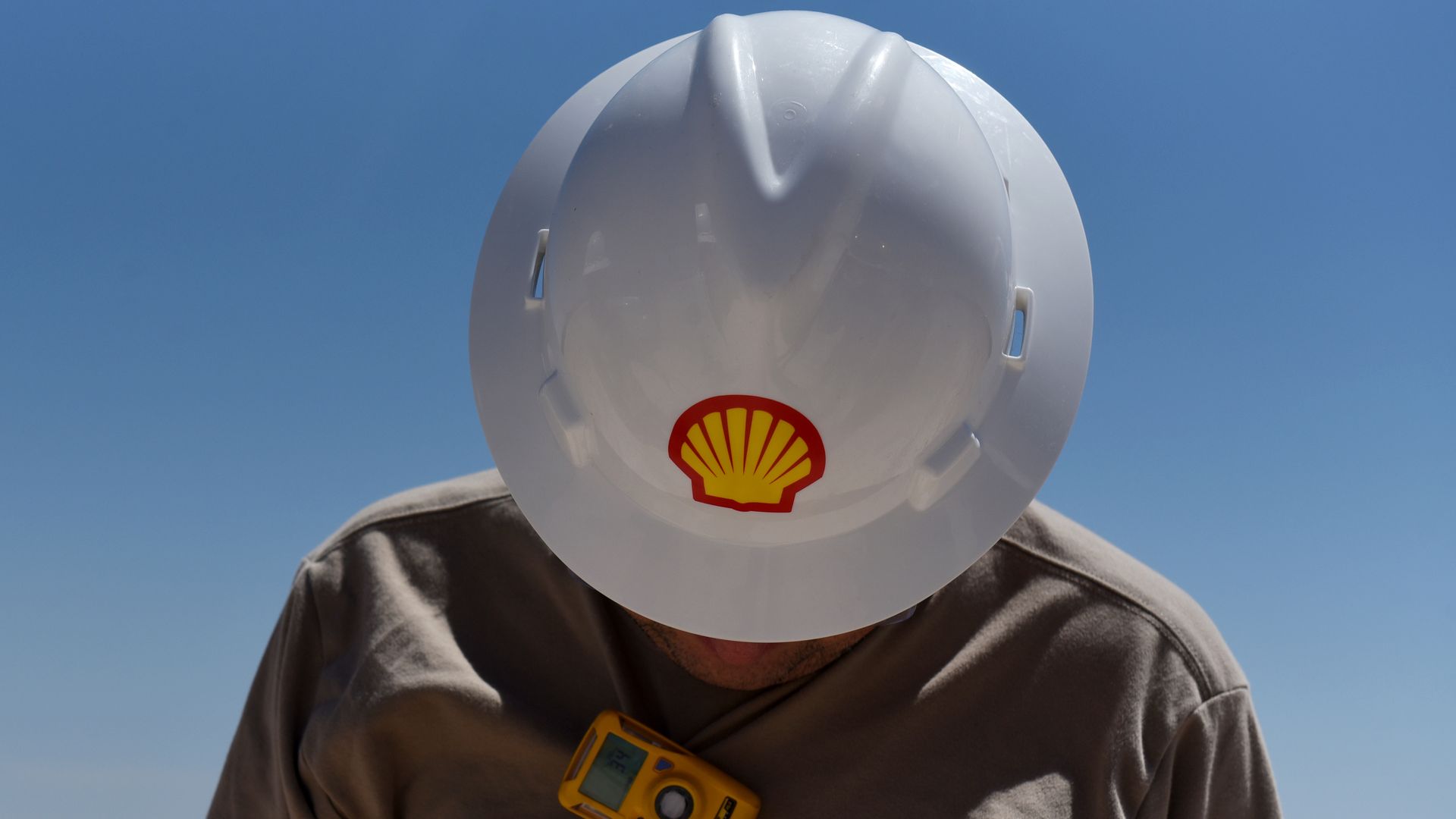
Royal Dutch Shell's sale of its Permian Basin assets to ConocoPhillips can't be untethered from how the industry is positioning itself as it faces pressure on climate change.
Catch up fast: The companies announced the $9.7 billion cash deal yesterday afternoon. ConocoPhillips will get 225,000 acres in Texas it expects will produce 200,000 barrels of oil equivalent per day in 2022.
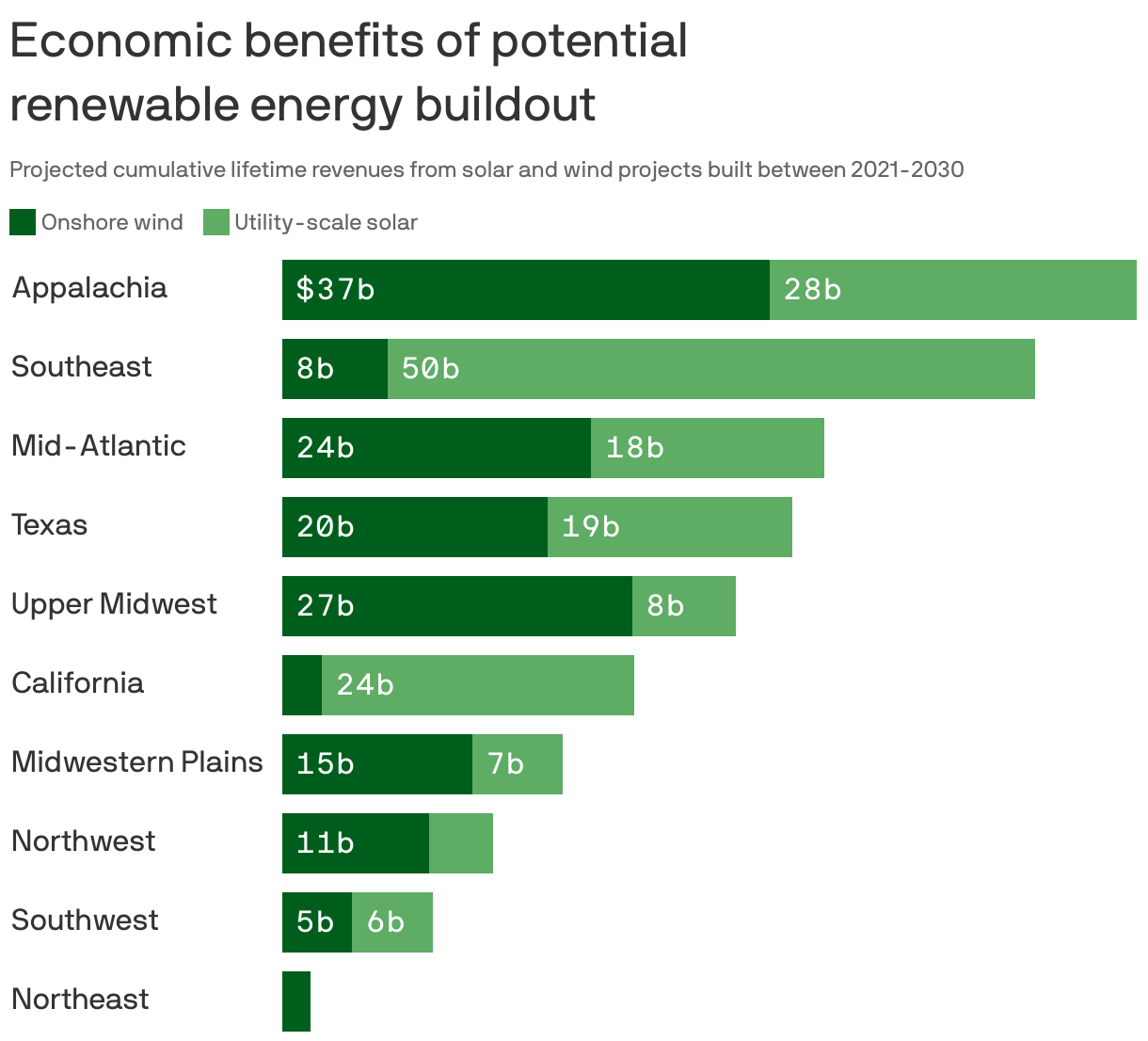
A new analysis findsthat greatly accelerating wind and solar power deployment would bring major economic benefits to rural areas, with Appalachia seeing especially strong gains.
Driving the news: The clean energy think tank RMI is out with new regional-level projections shared first with Axios and shown above.
Salesforce, the customer relations management company that many readers may know for its Slack software, announced it has achieved net-zero emissions throughout its value chain.
Driving the news: This includes the energy used by its customers, it says.
The relationship between a company’s climate disclosure and its potential future performance is becoming easier to see.
Why it matters: The SEC is readying new rules around mandatory risk and climate commitment disclosures, which will likely help investors compare companies on an equal footing.
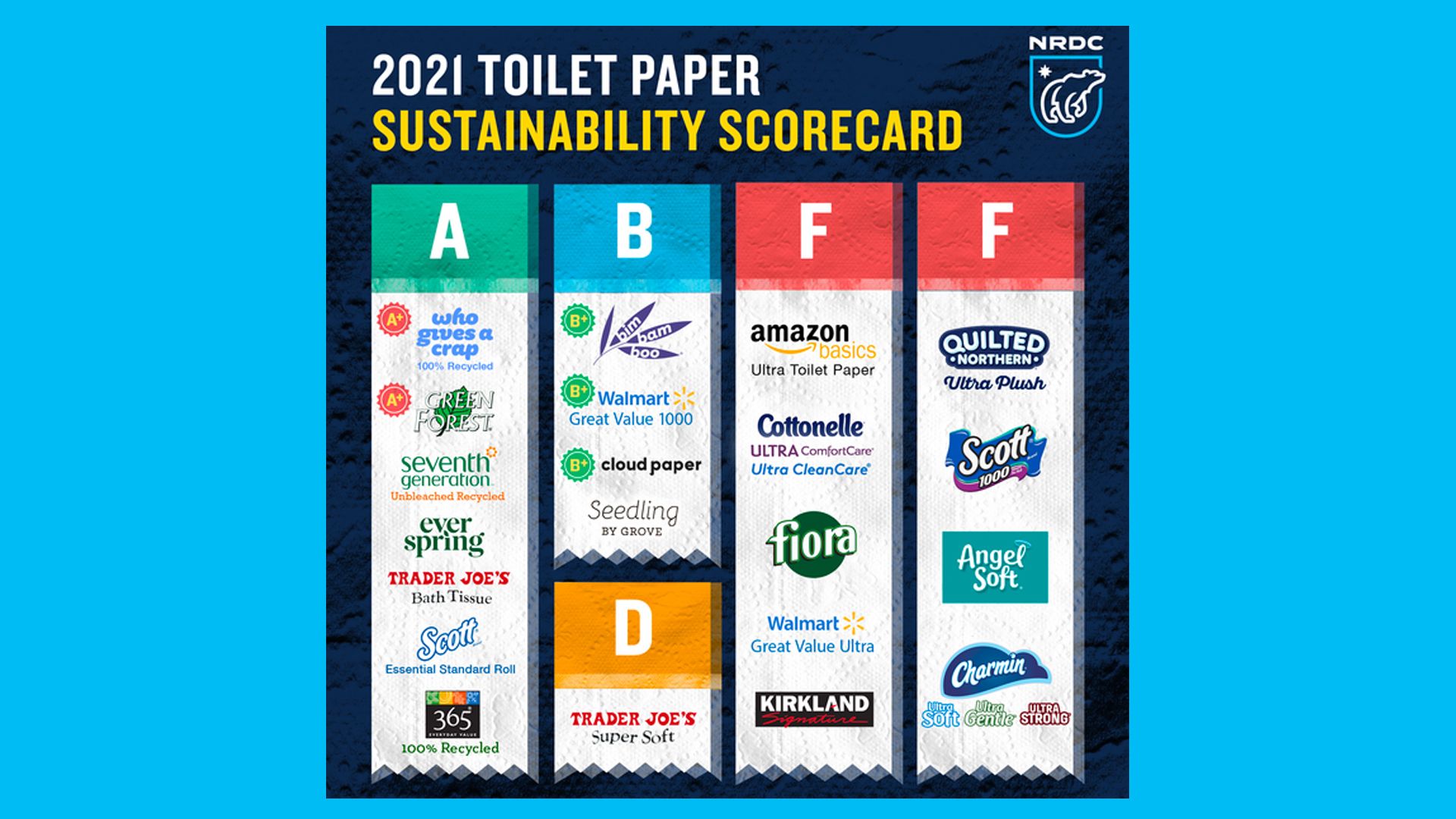
Soft? Quilted? Strong? The familiar adjectives from the supermarket aisle play no role in the Natural Resources Defense Council's annual toilet paper scorecard, which uses environmental yardsticks to judge what the industry so gently describes as bathroom tissue.
Why it matters: Consumers who pick products based on their green credibility will be troubled to learn that big-name brands (which are often cheaper) get poor marks compared with startups that typically cost more.