Data: International Energy Agency; Chart: Axios Visuals. Note: 2020 figures are estimates.
The U.S. currently lags way behind Europe and China in offshore wind, a fact the Biden administration hopes to change with plans to spur the development of 30 gigawatts of offshore U.S. wind generating capacity by 2030.
Why it matters: While several big commercial-scale projects along the Atlantic Coast are already in the works, there's only one small project in operation off Rhode Island as of now.
President Biden's attempt to steer huge energy infrastructure plans through Congress and his wide-ranging executive agenda are together creating intense lobbying and advocacy efforts to shape the policies.
Why it matters: The new proposal for an energy infrastructure package is vastly larger than the roughly $90 billion for clean energy in the 2009 stimulus, and the constellation of interests in play is huge.
President Biden is asking Congress to approve hundreds of billions of dollars to remake transit, overhaul power grids and expand clean energy in a sweeping plan the White House says will fight climate change while outcompeting China.
Why it matters: The plan, if enacted, would be the most far-reaching federal investment to date in programs that would help curb greenhouse gas emissions. But it faces serious challenges in the closely divided Congress.
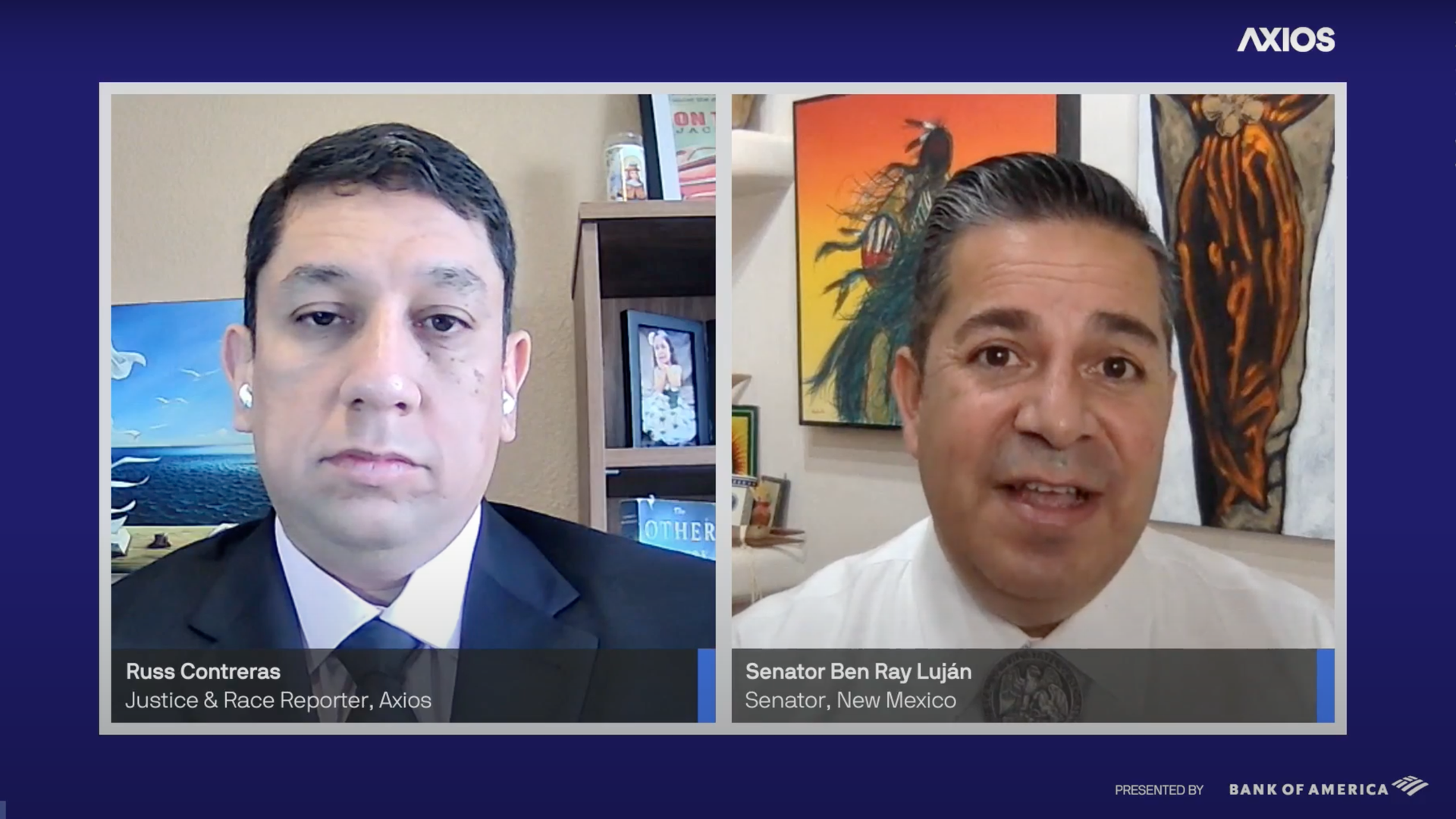
New Mexico Sen. Ben Ray Luján (D) said at an Axios event Tuesday that diversifying New Mexico's economy will create "homegrown" opportunities, providing a different type of job security for workers who rely on oil and gas industries.
Why it matters: Politicians have sparred over environmental justice and its impact on workers in the oil and gas industries. But even major oil and gas producers across the U.S. are making changes now, Luján said, which means New Mexico needs to move fast about planning for the future.
How it works: Tides are usually higher during a full or new moon. But that effect was boosted by the year's first supermoon — which occurs when a full moon orbits closest to the Earth.
BlackRock has named Paul Bodnar, a climate finance and diplomacy veteran who held senior roles in the Obama administration, as its global head of sustainable investing.
Why it matters: BlackRock is the world's largest asset manager. The hiring comes as BlackRock and other finance and banking giants are stepping up their sustainability efforts — and face pressure from climate activists to move faster.
The next month is the most important period for U.S. climate action in more than a decade, and possibly ever, longtime advocates and observers tell Axios.
Why it matters: With scientists issuing more urgent warnings that time is running out to curtail the consequences of global warming, the policy choices proposed through the end of April could reverberate for decades to come.
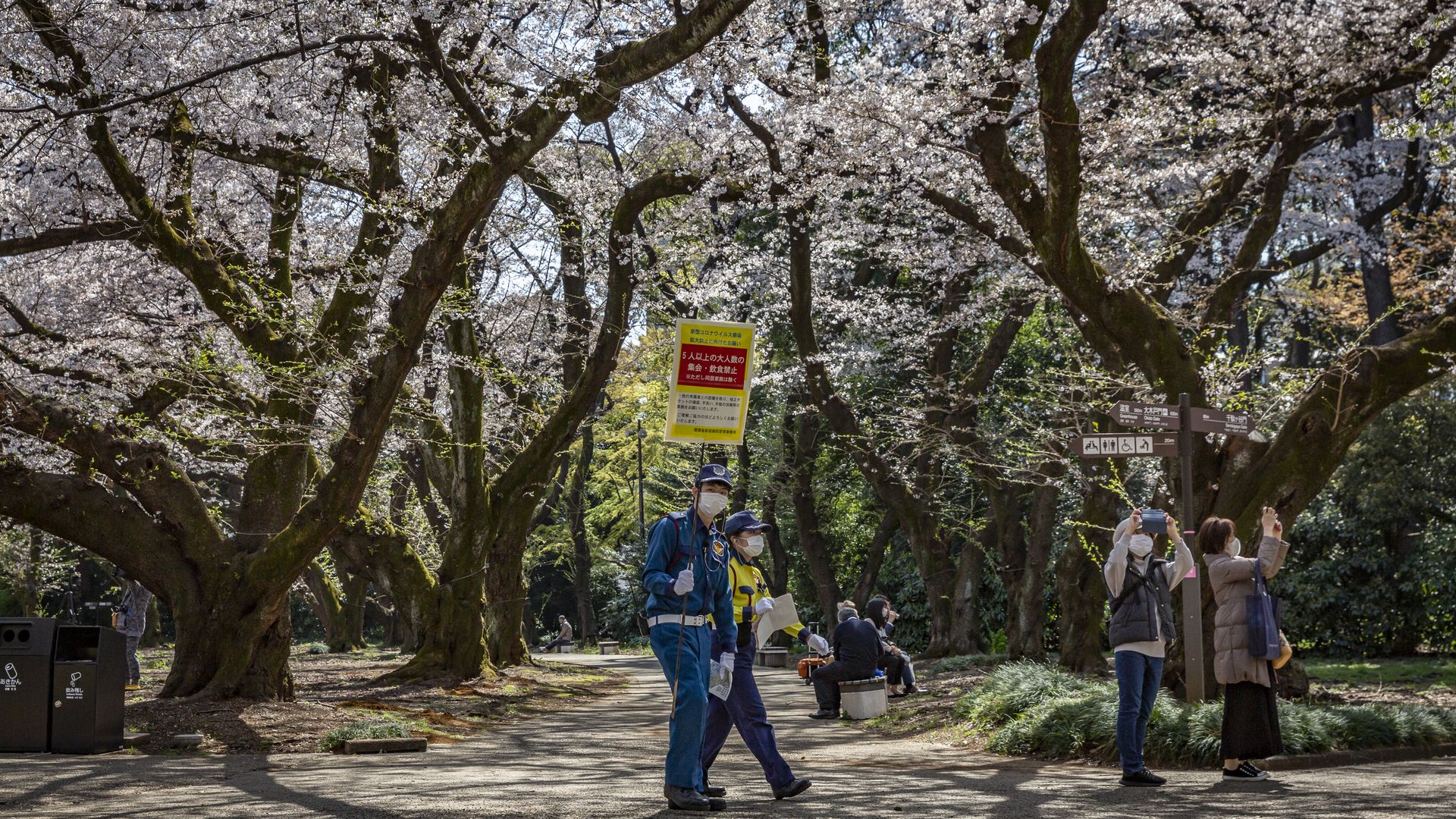
Cherry blossoms in Washington, D.C. and Japan have already reached peak flowering dates — and the Japanese city of Kyoto recorded its earliest bloom for over 1,200 years, the Washington Post reported on Monday.
Why it matters: It fits a longer-term trend spanning decades of Japanese mountain cherry trees flowering earlier, and scientists warn it's another strong sign of the impact of climate change.
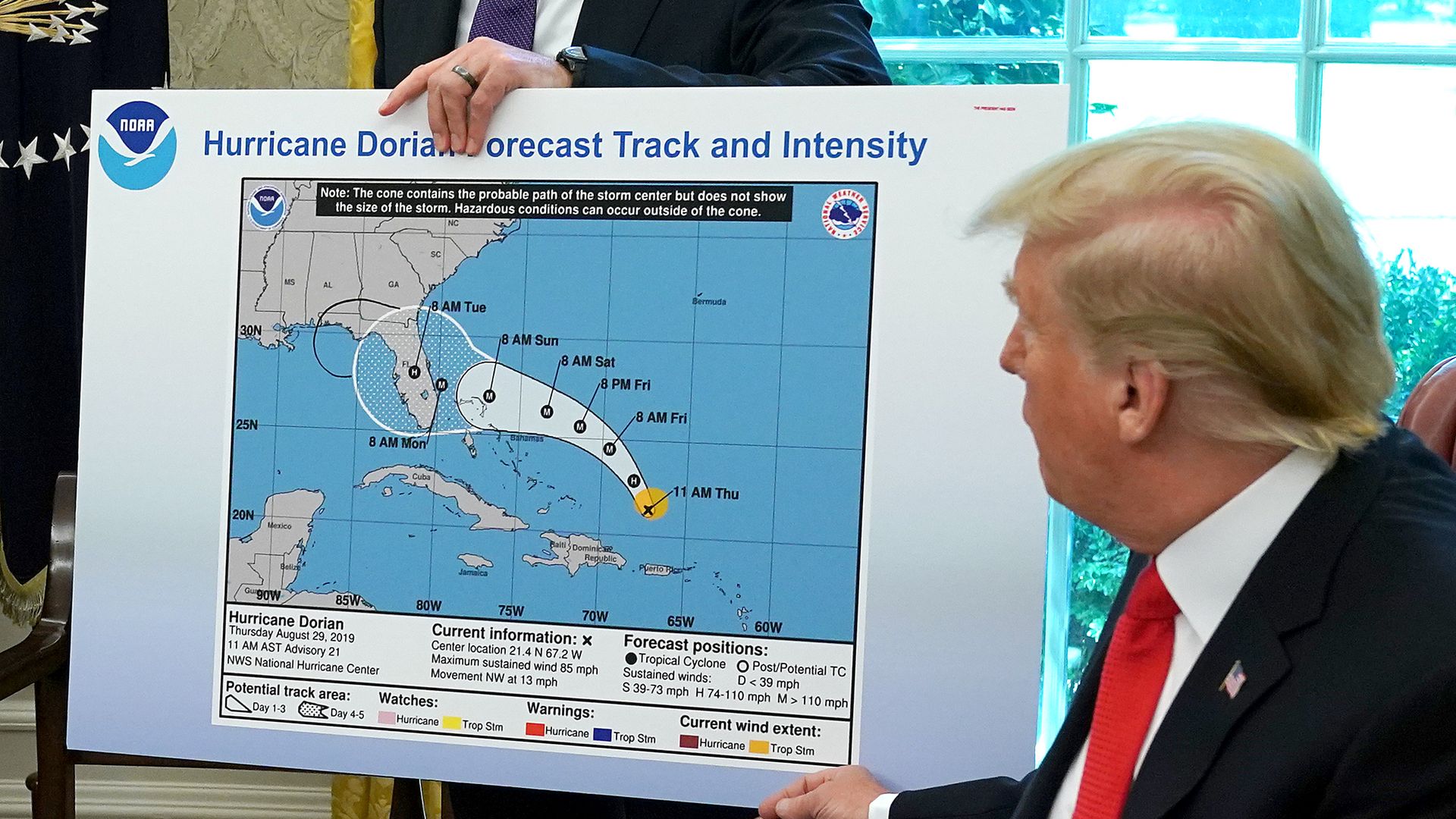
The Biden White House is launching a review of scientific integrity policies across the federal government, following reports of political interference with research during the Trump administration.
Why it matters: The review, to be conducted by the Office of Science and Technology Policy (OSTP), could result in an expansion of policies across the government aimed at insulating scientific research and communication from political meddling.
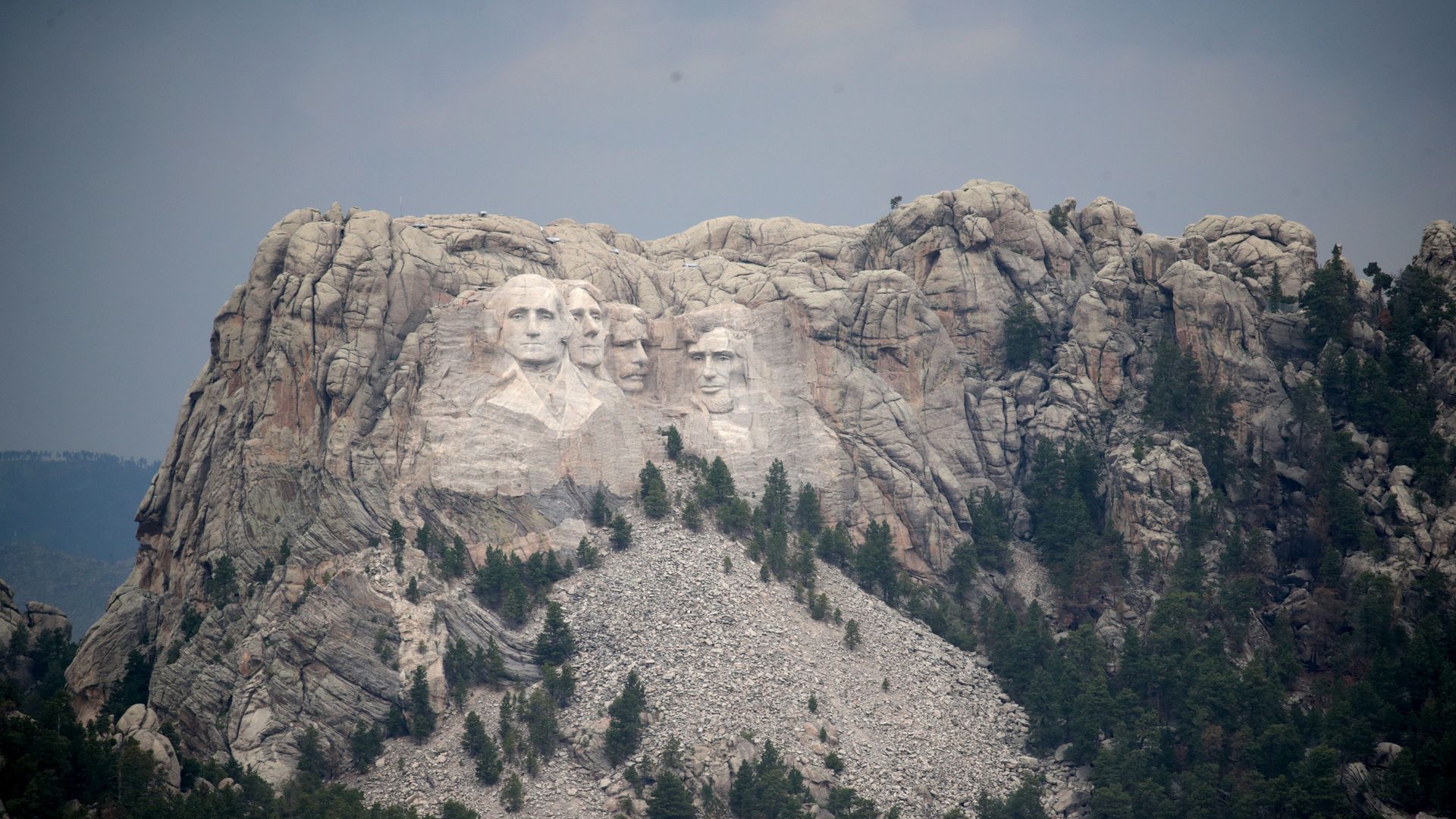
More than 400 homes are being evacuated in South Dakota and Mount Rushmore has been shut down in response to wildfires in the state's Black Hills, AP reports.
The state of play: "Critical" to "extremely critical" fire weather conditions have developed across the Dakotas and much of the Plains as strong winds combine with a dry air mass ahead of a cold front moving in from the west.