For the second straight year, the Bering Sea — a turbulent and bountiful stretch of the northern Pacific Ocean — is virtually ice free at a time of year when it should be gaining ice.
Reproduced from Rick Thoman using NSIDC data; Chart: Axios Visuals
The Department of Energy has been declining to update and strengthen many energy efficiency standards for home appliances and equipment. A newly proposed process rule from the department could slow or freeze further updates to the standards and provide for additional product exemptions.
Why it matters: These energy efficiency rules have been instrumental in cutting Americans' energy use, even as home appliances have expanded their features and improved their performance. They have also saved Americans money on their utility bills — about $63 billion in 2015 alone. Failing to update them could cost households billions of dollars over the next several years.
ExxonMobil yesterday announced plans to boost capital spending in coming years as the multinational giant seeks to develop massive resources in the shale patch and offshore in South America.
Why it matters: Exxon said its capital expenditure (capex) would be $30 billion this year and up to $35 billion annually through 2025. The updated capex stands in contrast to more thrifty (by massive-industry standards) plans by some other companies, including rival Chevron.
"Our investments reflect quality opportunities secured when much of the industry pulled back with the last downturn in the commodity price cycle," Exxon CEO Darren Woods told investors in remarks Wednesday.
But, but, but: The company's stock dipped slightly yesterday.
"With investors increasingly pressuring energy companies to return cash to shareholders, it is no surprise that the higher capital budget was not positively received by the market," Raymond James analyst Muhammed Ghulam told Reuters.
The big picture: "Exxon is doing nothing less than an overhaul of the portfolio, as might be expected after a few years of setbacks. When you're this big — the size of an OPEC producer — that costs money," notes Bloomberg columnist Liam Denning.
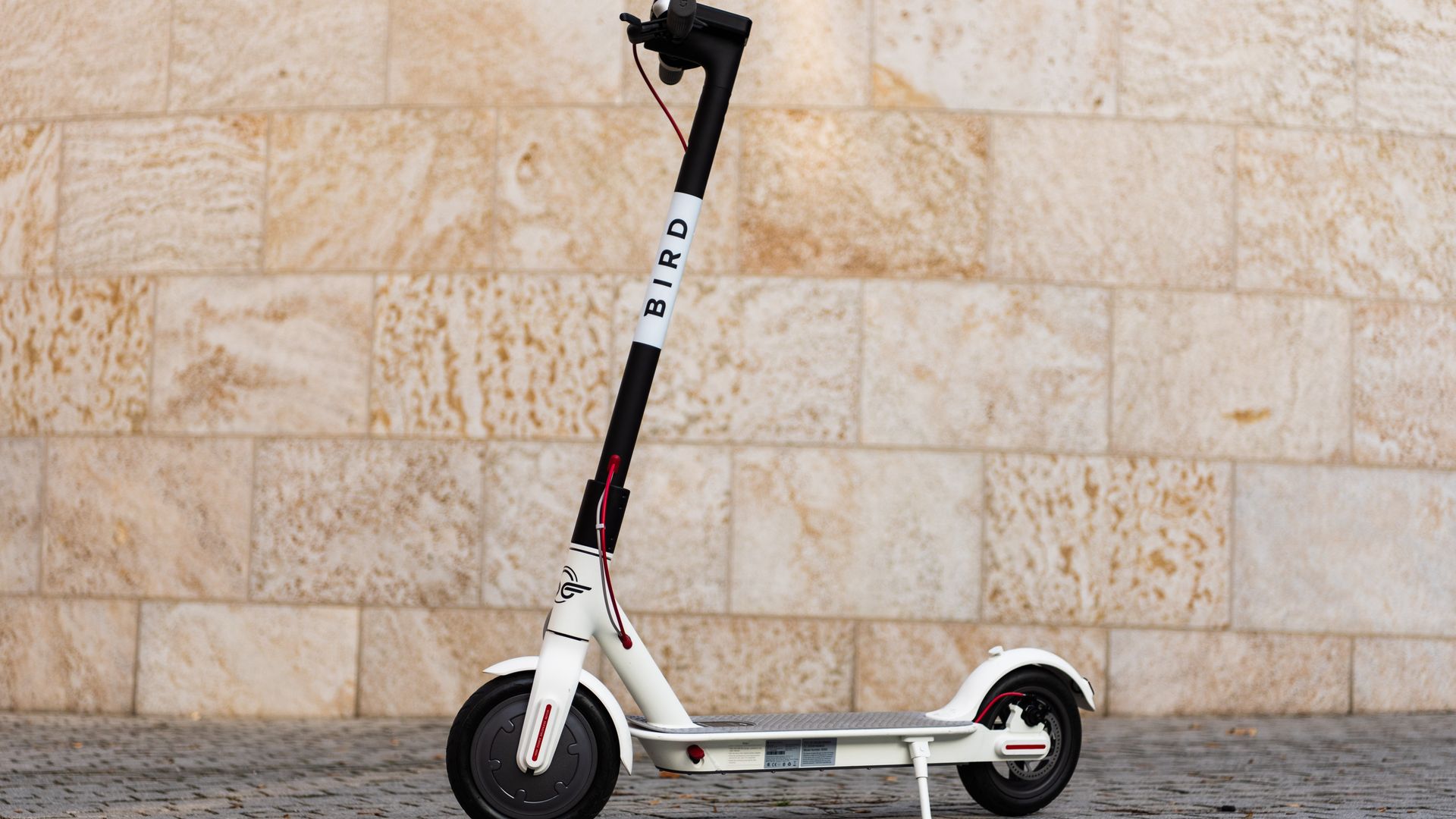
Scooter company Bird is finally rolling out its franchise program, first announced last fall, through which it will provide select entrepreneurs with scooters and software for them to operate local scooter rental services.
The big picture: This could be a clever way for the company to outsource some of its growth into new markets. But it will also be interesting to see whether it'll be a healthy business.
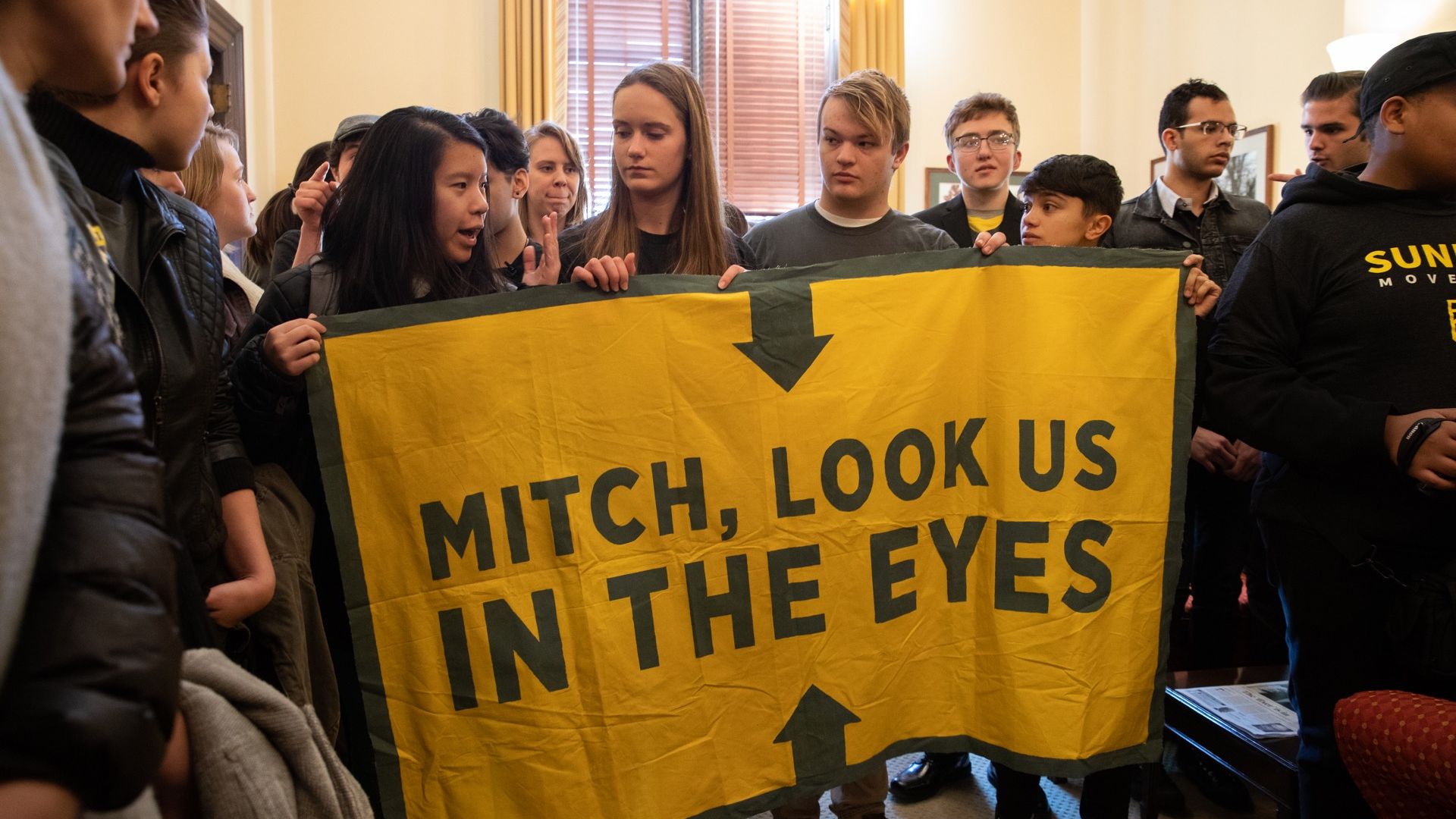
Republicans and Democrats staged a rhetorical war over climate change on the Senate floor yesterday, but it was just a theatrical preview of more consequential battles to come.
Where it stands: Majority Leader Mitch McConnell wants to put his opponents in a political bind over the Green New Deal resolution, which has uncertain Democratic support. Democrats are countering with attacks on GOP rejection of mainstream climate science and what they call the party's absence of effective ideas.
Even without seeing Robert Mueller's report, or knowing what prosecutors with the Southern District of New York have unearthed, or what congressional investigators will find, we already have witnessed the biggest political scandal in American history.
Historians tell Axios that the only two scandals that come close to Trump-Russia are Watergate, which led to President Richard Nixon's resignation in 1974, and the Teapot Dome scandal of the early 1920s, in which oil barons bribed a corrupt aide to President Warren Harding for petroleum leases.
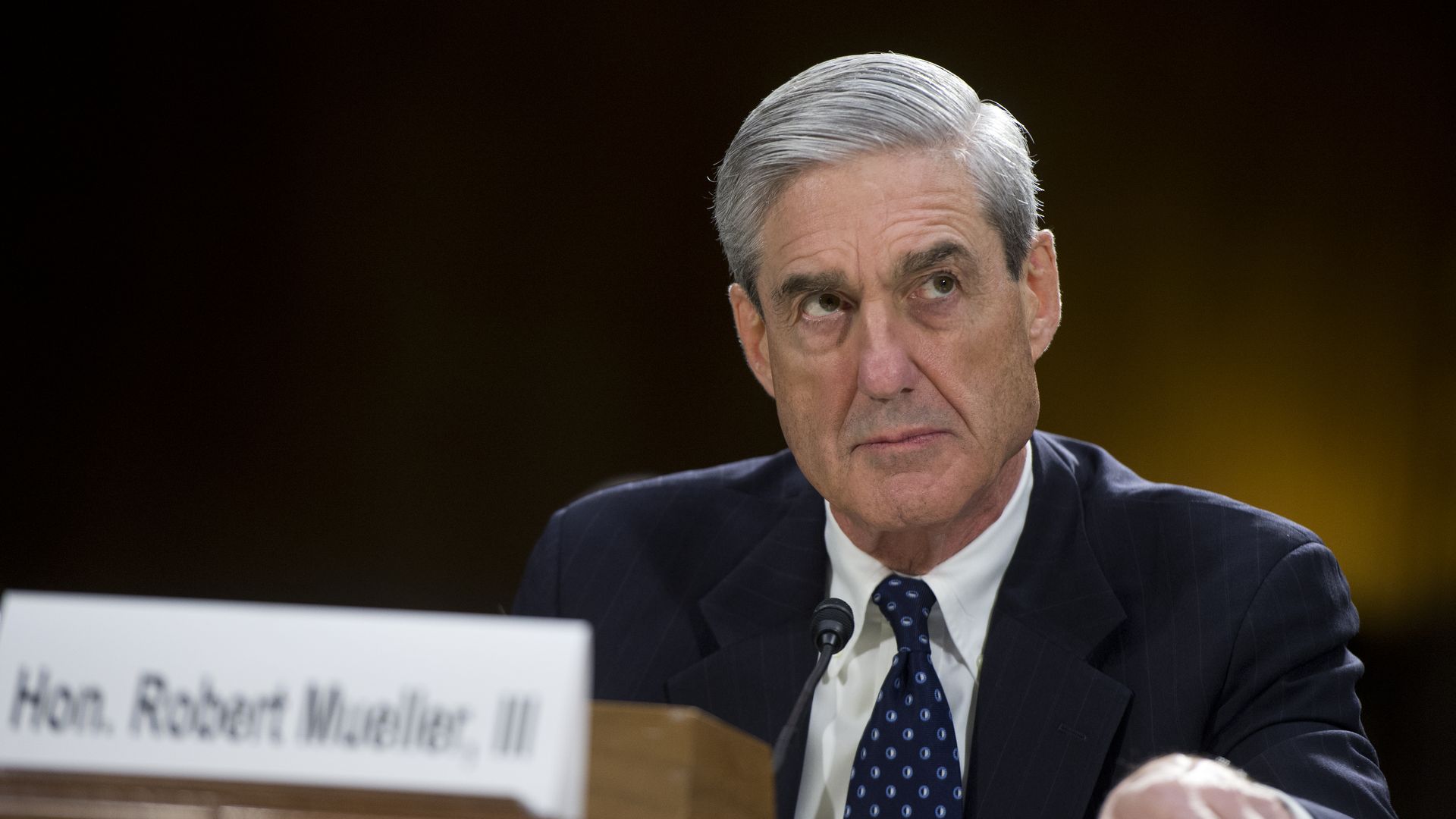
Upon the conclusion of special counsel Robert Mueller's investigation, Attorney General William Barr will be required to submit a memo to the House and Senate Judiciary Committees detailing each instance in which Mueller's supervisors rejected his requests, according to a Justice Department regulation highlighted by Politico.
Why it matters: Regardless of what it reveals, the memo will be meaningful in the context of Mueller's broader findings. If it's blank or sparse, it would suggest that Mueller was able to carry out his investigation unimpeded. If it contains evidence of Mueller being blocked from taking certain actions — such as a presidential subpoena or some explosive indictment — it could provide grounds for further investigation by Democrats.
Federal authorities leave it up to automakers to assess the safety of their own automated driving systems, but mounting investigations into Tesla crashes suggest regulators need to get tougher.
Why it matters: Tesla cars cannot drive themselves, but some owners are too trusting of their car's Autopilot assisted-driving technology and fail to stay alert. If the government finds Teslas are more prone to crashes than other vehicles with similar systems, it could determine Autopilot has a defect that poses "an unreasonable risk to safety" and order the company to conduct a recall.
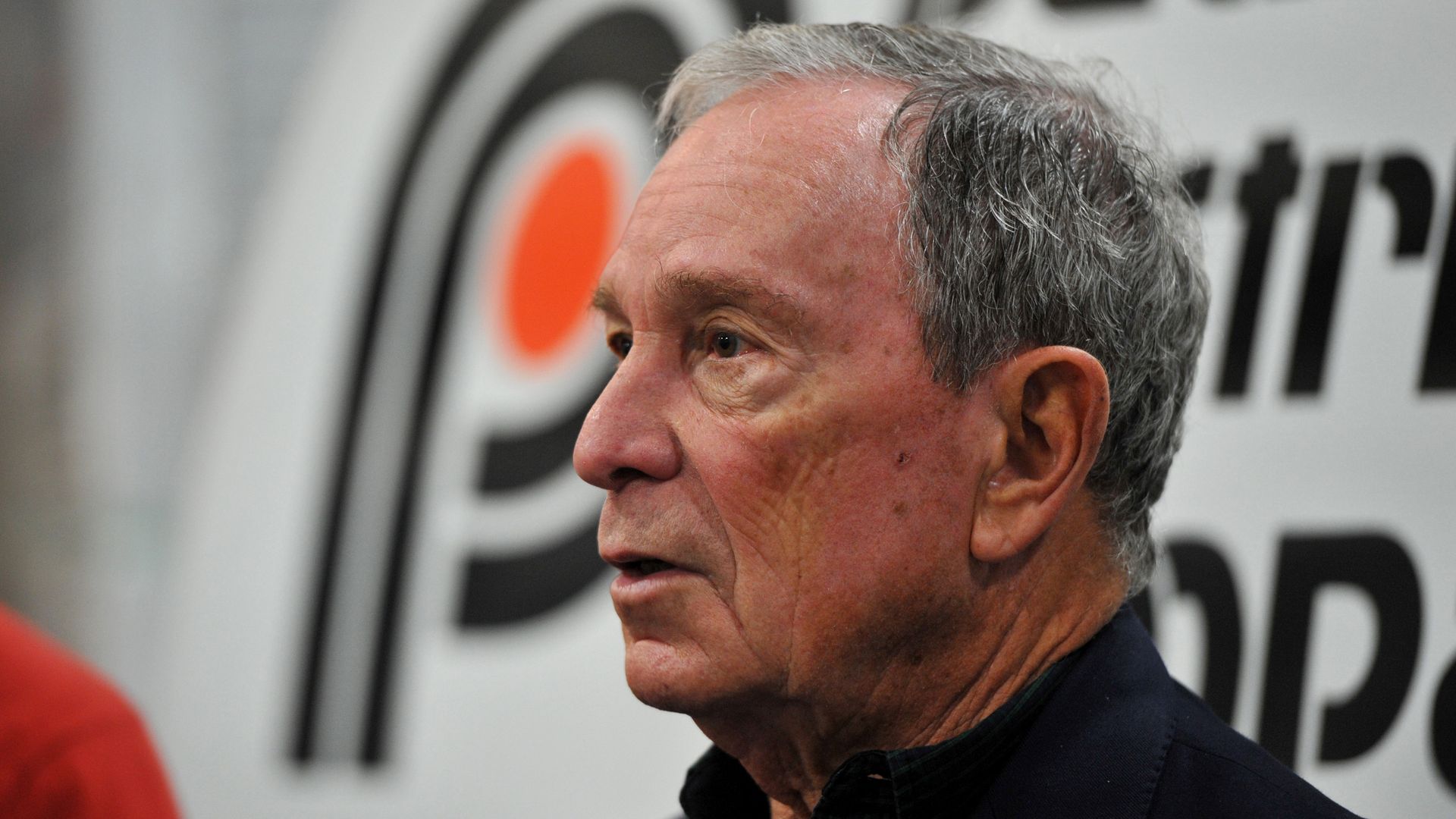
You may have read by now that Michael Bloomberg isn't running for president, but I'm more interested in something he is doing: expanding his climate campaign to fight oil-and-gas.
Where it stands: The billionaire activist announced something called the "Beyond Carbon" campaign yesterday. It's an expansion of his longstanding work with the Sierra Club to shut down coal plants via an effort called "Beyond Coal," a campaign that will also continue.
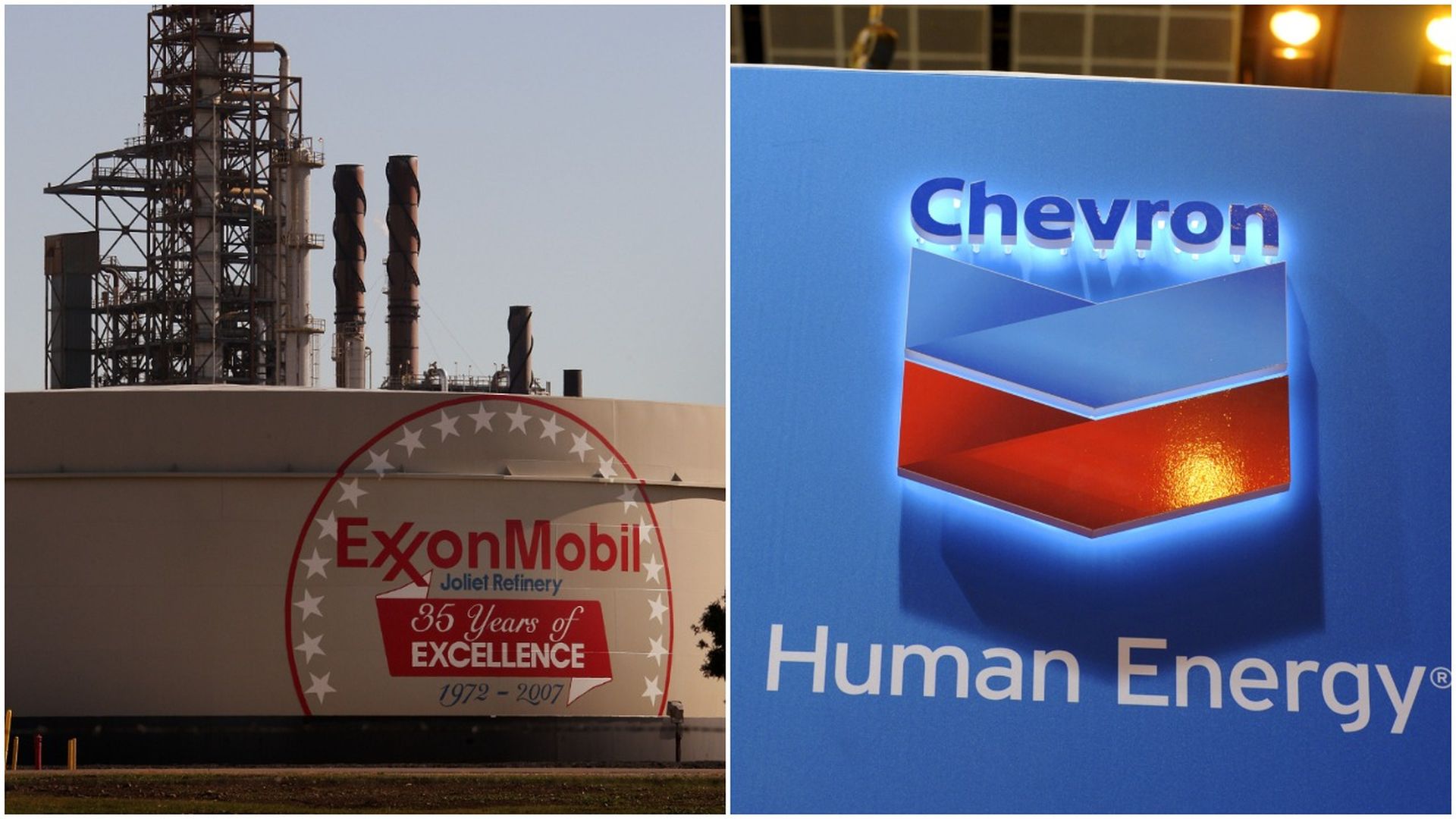
Chevron and ExxonMobil are both going very big on U.S. shale.
By the numbers: Exxon said yesterday that it plans to increase production by 80% to over 1 million barrels per day of oil equivalent in the Permian Basin by as soon as 2024. That news arrived just after Chevron, the second-largest U.S.-based major, said it's planning Permian production of 900,000 barrels per day of oil-equivalent by 2023. That's more than double current levels, per an investor presentation.
The Axios Harris Poll 100 ranks the reputations of the most visible U.S. companies, based on a nationally representative sample of 18,228 Americans, and the rankings are billed as "a measurement of what real people think right now about the companies in our cultural conversation."
The big picture: From the world's most influential tech companies to the places where Americans shop to eat everyday, there are three big trends that Harris uncovered in this year's poll.
Tesla's public reputation took a big hit in 2018, a tumultuous year for the electric automaker marked by a series of controversial comments by CEO Elon Musk, a new Axios-Harris Poll survey shows.
Why it matters: The drop in Tesla's ranking from number 3 to number 42 in the annual survey — the second-biggest decline after Facebook — shows the risks for companies with identities so closely aligned with one person.