Erik Solheim, the executive director of the United Nations Environment Program (UNEP), has resigned following an internal audit that found he spent nearly $500,000 on flights and hotels in 22 months, reports The Guardian.
Why it matters, per Axios science editor Andrew Freedman: UNEP is the UN's primary environmental organization, and having a leader perceived to be jetting around the world — with a high carbon footprint — jeopardized the reputation of the agency. Solheim's resignation comes just as the group is set to release a key report analyzing how much of a gap exists between current pledges by world leaders to cut global emissions of greenhouse gases and what is needed to meet targets in the Paris climate agreement.
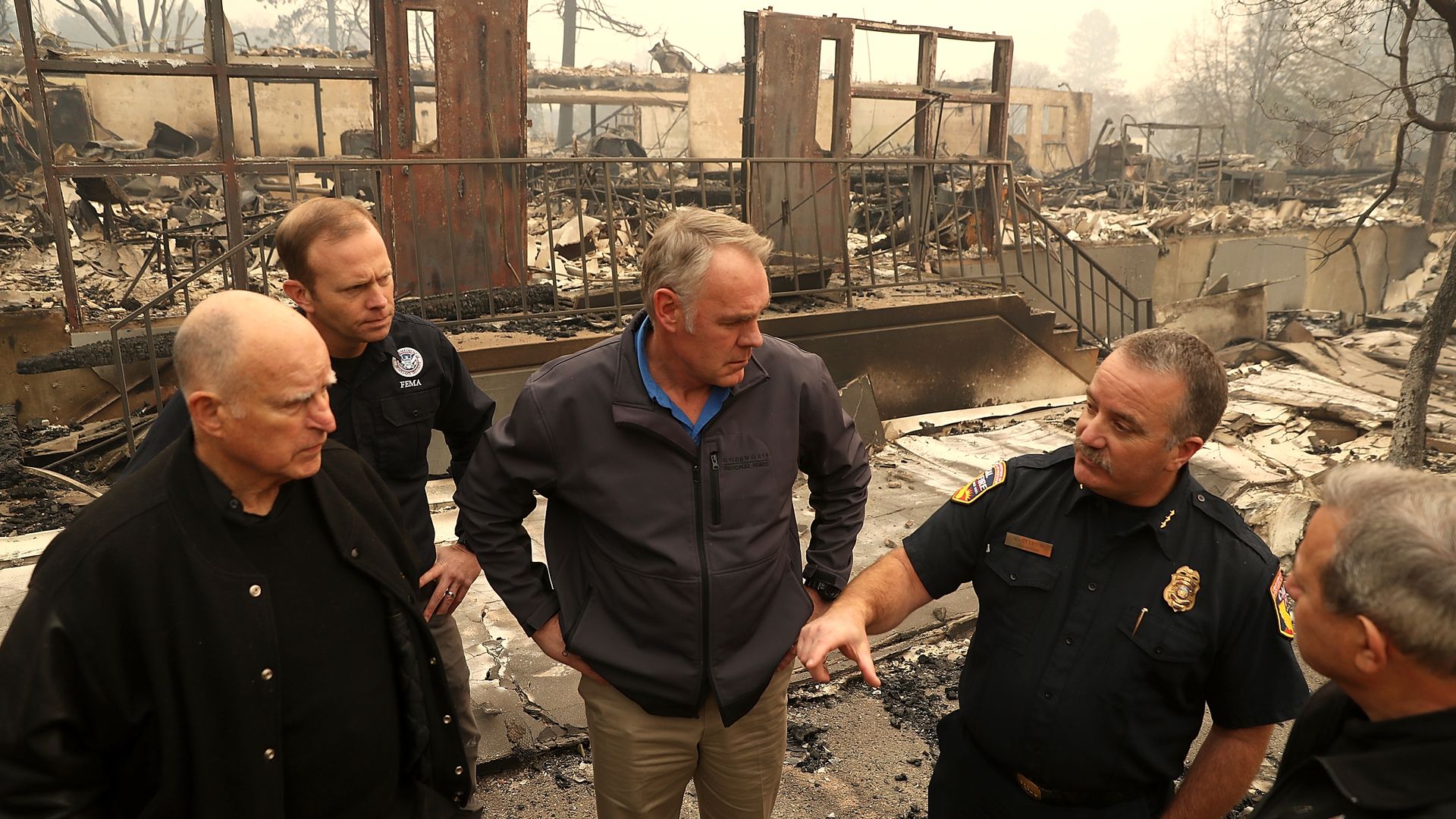
Interior Secretary Ryan Zinke called the country's current forest management principles "unsustainable and unacceptable" when speaking to reporters about California's ongoing wildfires on Tuesday. He called for more focus and funding on strategies such as thinning the forests, removing dead and dying trees, insect control and underbrush control to prevent fires.
The big picture: Zinke's comments come on the back of President Trump pointing to "gross forest mismanagement" as the reason for the state's wildfire issues. California is one of the fastest-warming states in the United States. Hotter dry seasons increase evaporation, providing more fuel for fires to burn. In addition, earlier spring snowmelt and later fall rains have helped stretch the fire season to nearly year-round. These are factors that better forest management may not be able to overcome when it comes to preventing major fires.
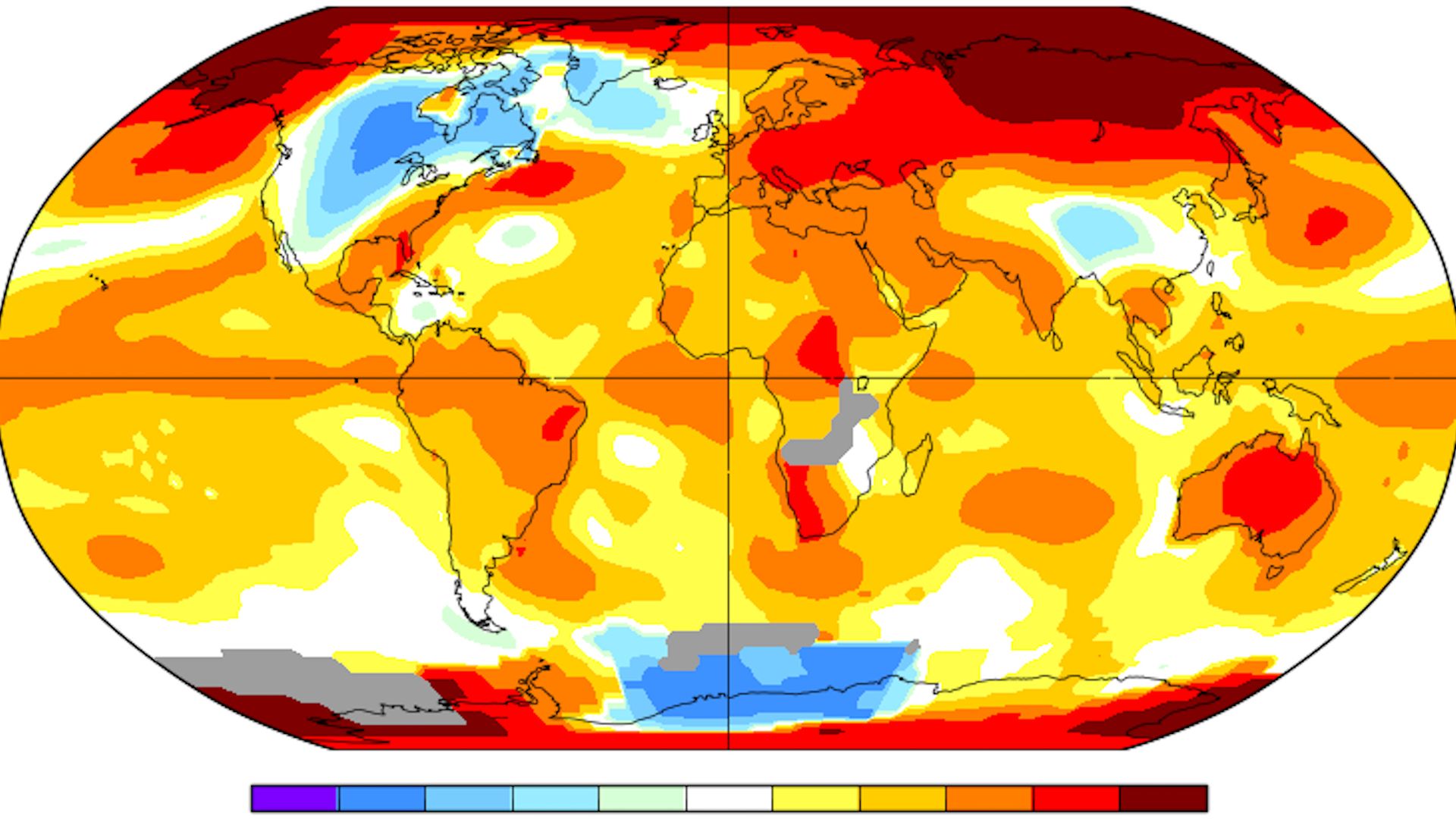
Earth just had its second-warmest October on record, according to NOAA data released Tuesday. NASA reported the same finding last week.
The big picture: The finding extends the planet's hot streak to 406 straight months with temperatures above the 20th century average. Meanwhile, the last colder-than-average month occurred in February 1985. This means that no one under the age of 32 has ever experienced a cooler-than-average month on this planet.
Aided by improved weather conditions, firefighters are slowly containing the Camp fire, California's deadliest and most destructive wildfire. As of Tuesday morning, the fire had burned 151,373 acres and was 70% contained. It has killed at least 79 people, with more than 600 still listed as missing.
The big picture: The fire destroyed the entire town of Paradise in just a few hellish hours on the morning of Nov. 8. According to Cal Fire, 12,637 homes were destroyed, along with 483 commercial buildings and 3,718 other structures. The thick smoke from the blaze prevented satellites from detecting the fire damage until over the weekend, when winds removed enough smoke for images to be taken.
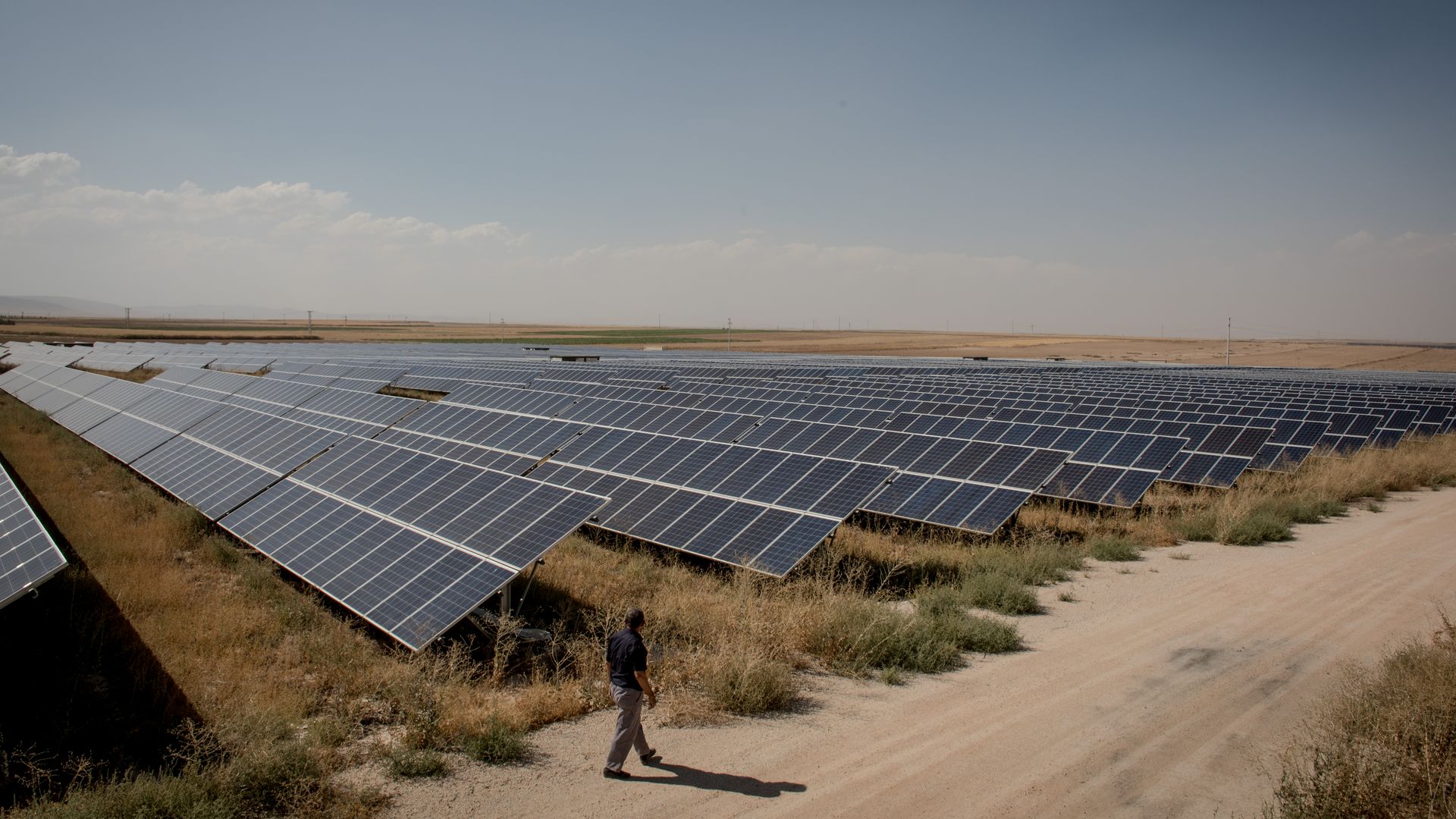
Solar and wind facilities are now the least expensive option for new power worldwide, except in Japan, according to the consultancy Bloomberg NEF.
The big picture: That's the top-line finding of their latest twice-yearly look at the so-called levelized cost of electricity — a metric that compares costs of building, running, supplying and maintaining different types of facilities over time.
Ascendant House Democrats are grappling with how to approach climate in the next Congress.
Driving the news: Rep. Nancy Pelosi, who is likely to become House speaker again, plans to revive some version of the select committee on global warming and clean energy that operated when Democrats last had power. One reason the effort is getting lots of attention is because Congresswoman-elect and progressive star Alexandria Ocasio-Cortez is making a high-profile push for the revived committee to write legislation that she calls a "Green New Deal."
Globally, air pollution reduces average life expectancy by 1.8 years, according to a new index developed by the University of Chicago. The metric, known as the Air Quality Life Index, or AQLI, attempts to clearly indicate how emissions of tiny particles, called particulates, are having an affect on people's health worldwide.
Why it matters: The report comes at a time when millions in California are being forced to wear protective masks to shield themselves from particulate pollution originating from the state's deadly wildfires. It also comes at the height of smog season in India, a country that ranks high on the list of most-affected nations, according to the new index.
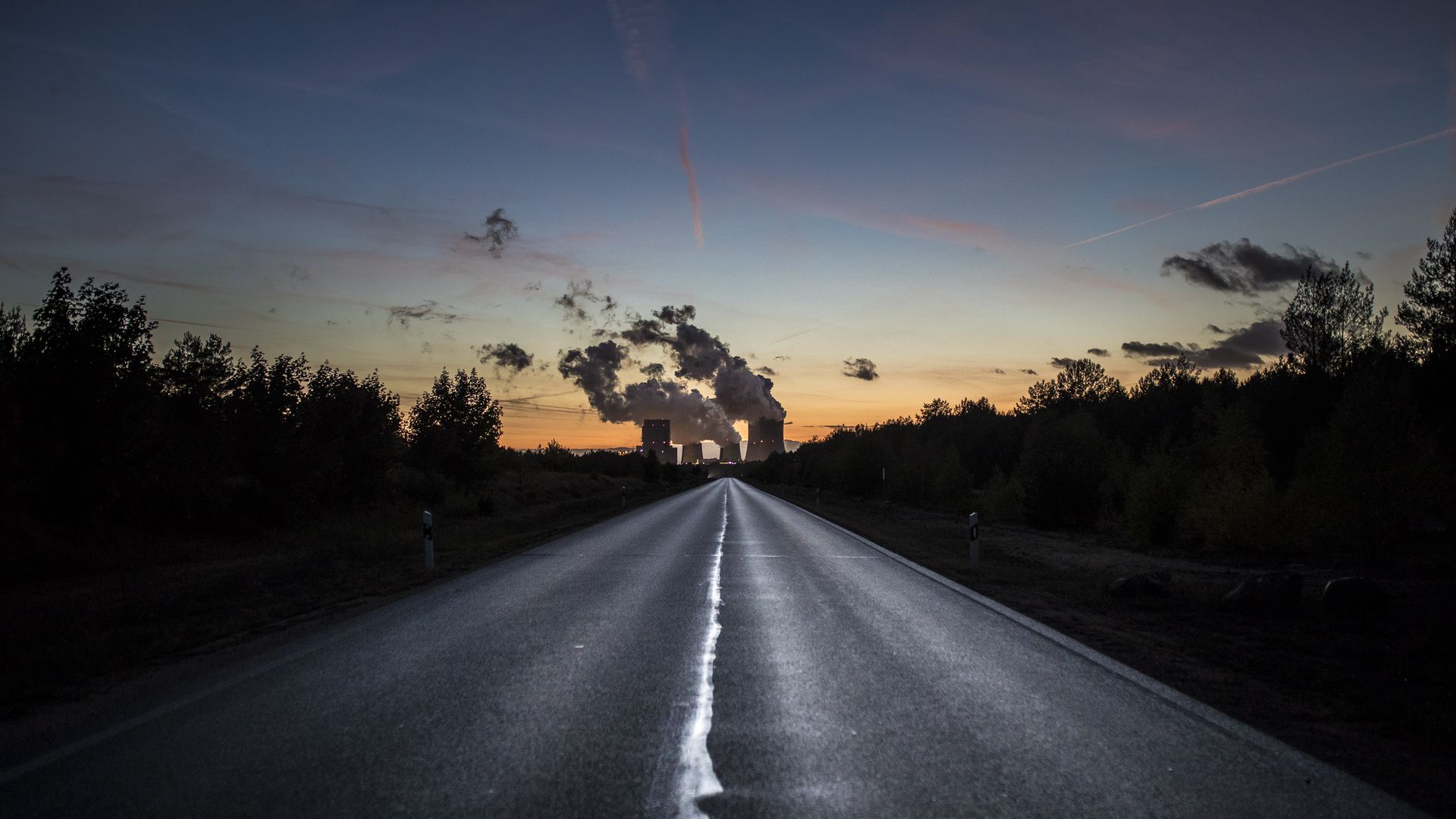
Last week, Italian insurance titan Generali, the largest insurer in Italy and third largest in Europe,announced it will no longer insure the construction of new coal mines or plants, and it will not accept new clients who derive more than 30% of their energy production or revenues from coal.
Why it matters: The firm joins a growing list of insurers who will not back new initiatives around coal, though some, including Generali, will continue to serve existing clients. The move is seen as further evidence that the risks associated with investing in coal are driving a structural decline that is hastening a transition to clean energy.
California and Finland are not places that typically come up in the same sentence. However, their management of forests is now front and center in a debate sparked by President Trump's response to California's devastating wildfires.
The background: During a tour of the wildfire damage in Paradise, California, on Saturday, President Donald Trump touted the virtues of Finland's "raking" of the forest floor to clear it of flammable material, thereby averting wildfires like those California has seen over the past 13 months.
Officials from several oil, power and industrial giants say in a new analysis that there's a cost-effective path to "net-zero" emissions by 2060 from economic sectors that are tricky to decarbonize — like cement, steel, chemicals, heavy trucking and shipping.
Why it matters: While clean power and passenger vehicle tech gets lots of attention, one huge challenge is economically wringing carbon out of what the report calls "harder to abate" areas that account for nearly a third of industrial and energy emissions.
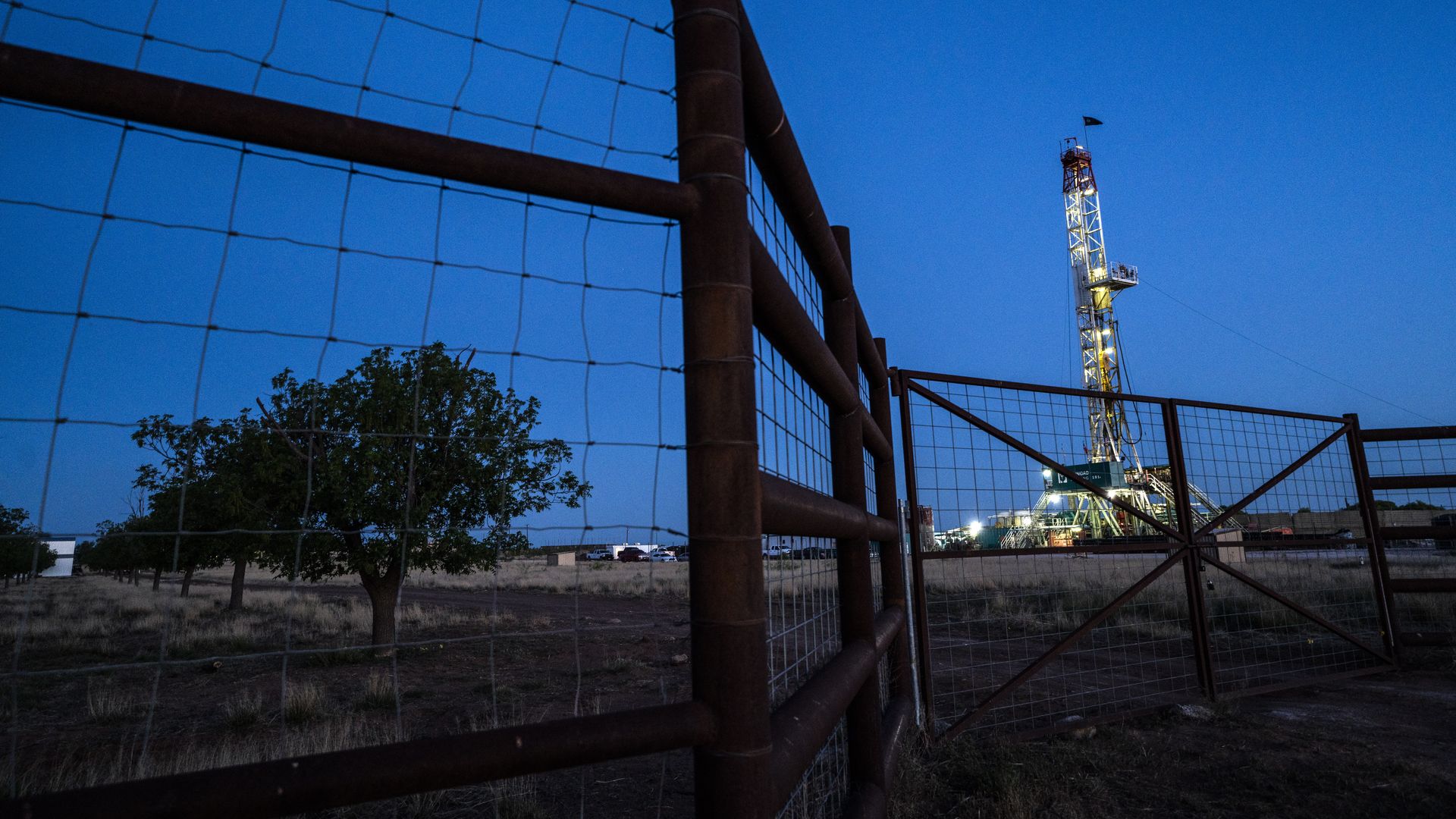
Oil companies active in the Permian Basin are jointly pledging $100 million over several years toward education, infrastructure, housing needs and workforce training in the region at the epicenter of the U.S. production boom.
Why it matters: The weekend announcement from the Permian Strategic Partnership is a recognition that the oil surge is also creating problems in the region. The influx of workers and development has strained local roads, public services and caused housing shortages in the part of Texas and New Mexico that's now producing roughly 3.6 million barrels per day and climbing.
"Russia’s energy minister insisted the country and its allies in OPEC need to watch the oil market in the coming weeks before making any decisions to cut output," Bloomberg reports.
Why it matters: The Russian wavering is a sign of tricky negotiations looming in Vienna next month with OPEC and allied producers will discuss dialing back production to prop up prices, which have tumbled by roughly $20 per barrel since early October.
Let’s clear the decks: Nobody is confusing President Trump with Al Gore, and nobody ever will. But …
Between the lines: Behind Trump’s aggressive agenda rolling back environmental regulations are a small handful of moves that look like they might have come from the Obama administration — and some of them even did. Let’s examine the few policies Trump is moving ahead with, or at least leaving alone.



/2018/11/20/1542730238981.gif?w=3840)