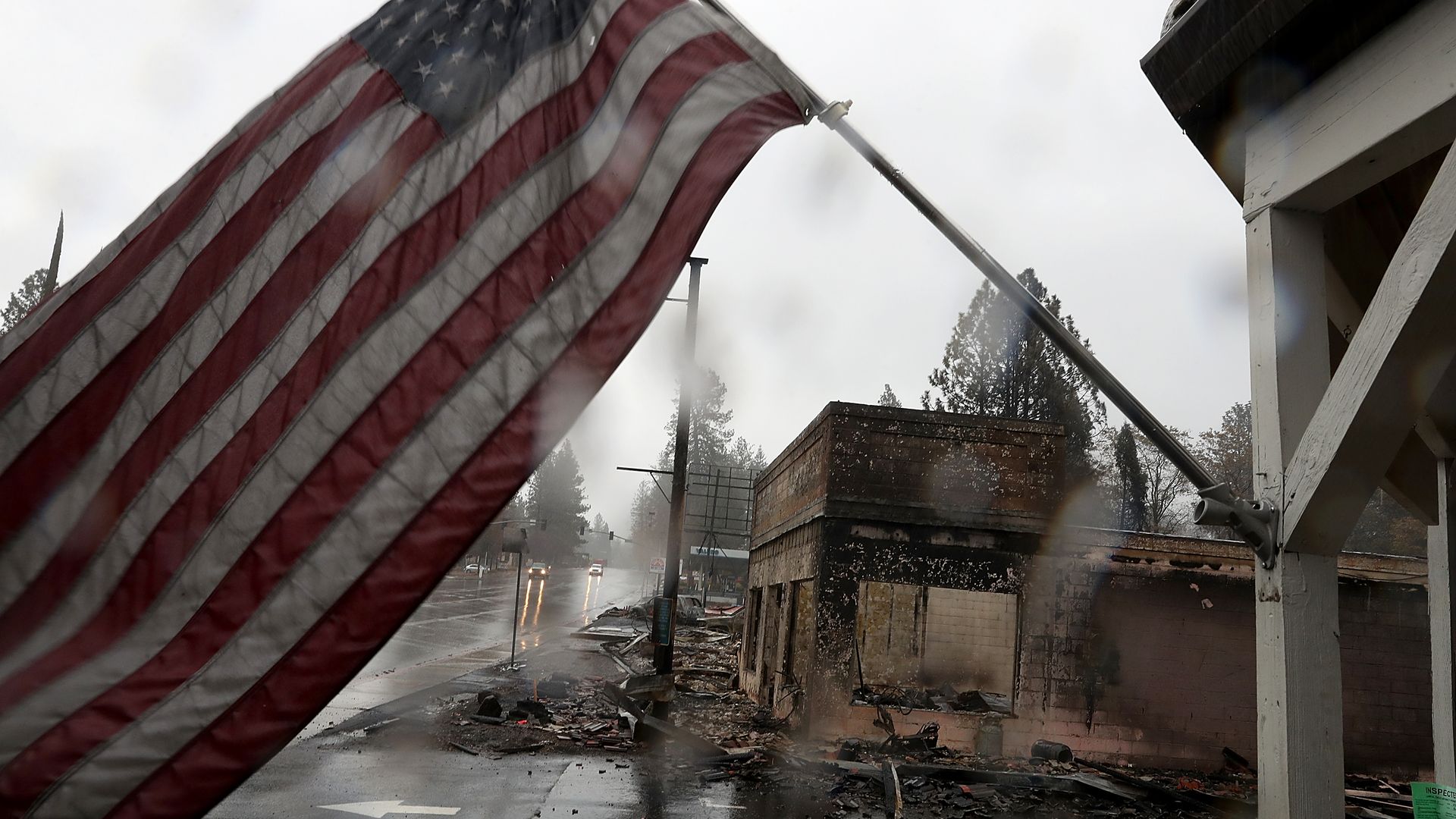
From mass shootings to hurricanes and fires, The Associated Press reminds that "2018 was a year of loss unlike any other."
The big picture: In the past year, the U.S. has experienced two major hurricanes, several mass shootings, hate crimes and destructive fires. Amid the tragedy, people are focusing on unity this Thanksgiving season, sometimes without the traditional meal attached.
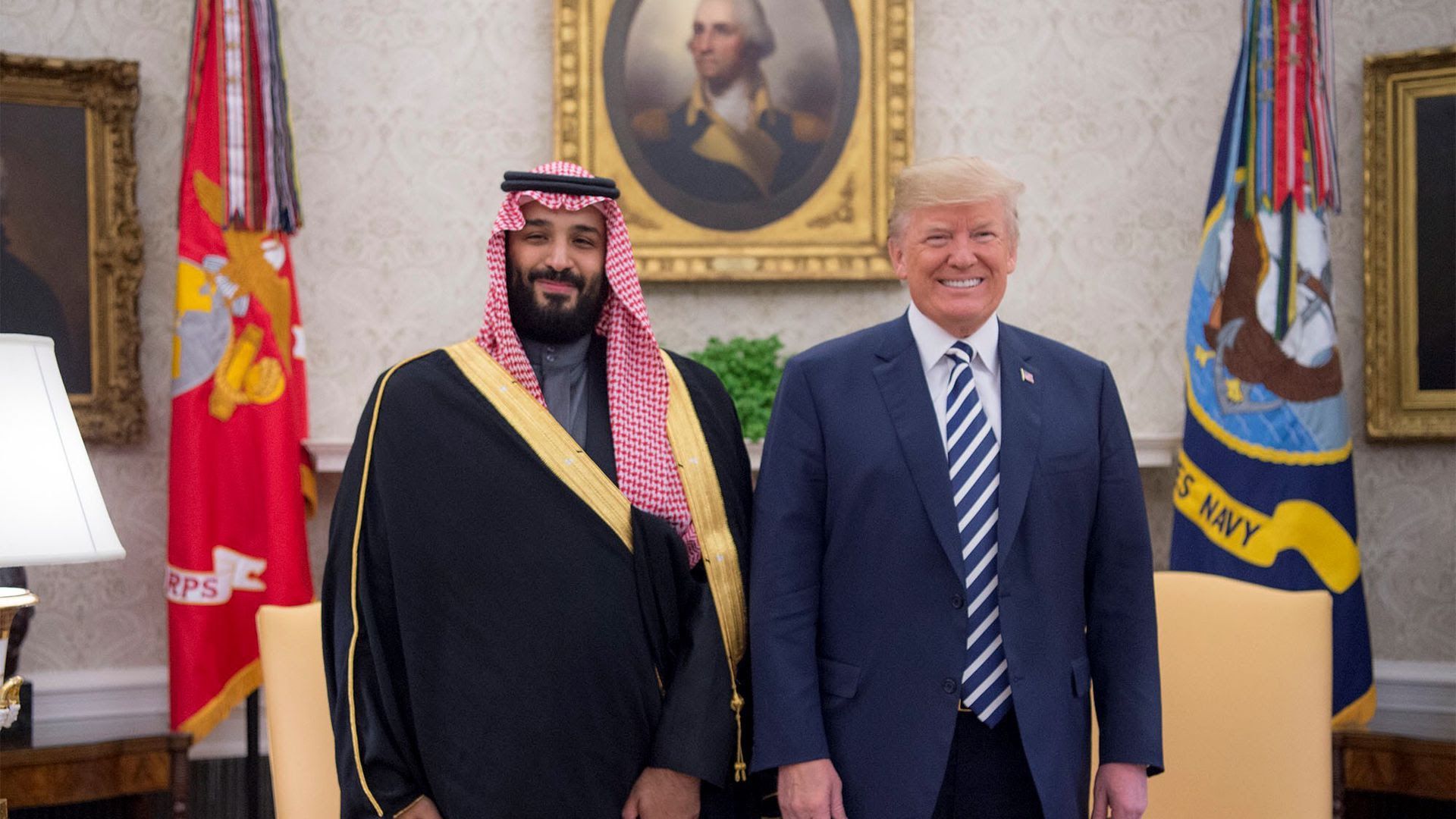
In a tweet praising Saudi Arabia, which remains at the center of an international controversy over the murder of journalist Jamal Khashoggi, President Trump was misleading about the price of oil, falsely claiming the price had fallen to $54 a barrel, when it was "just $82."
Between the lines: There are two major varieties of oil on the market, and Trump used a near-peak price of one to make the near-bottom price of the other seem more dramatic. West Texas Intermediate is indeed $54, but was only at $75 during its recent high in October and hasn't been at $82 since 2014. Brent Crude is currently at $64 a barrel, and was at recent high of about $85 in October. The two are not the same, and the $28 a barrel price swing Trump is praising hasn't happened.
The path for Trump's choice to fill an open Federal Energy Regulatory Commission seat may be getting more complicated thanks to newly unveiled comments on renewable energy and fossil fuels.
Why it matters: It opens up the nominee to charges that he'll bring an ideological approach to the commission. "FERC is an independent agency whose regulators typically pride themselves on a 'fuel neutral' approach to energy regulation," writes Utility Dive's Gavin Bade.
Two countervailing forces that will influence looming OPEC's decisions were on prominent display Tuesday: President Trump and fallling prices.
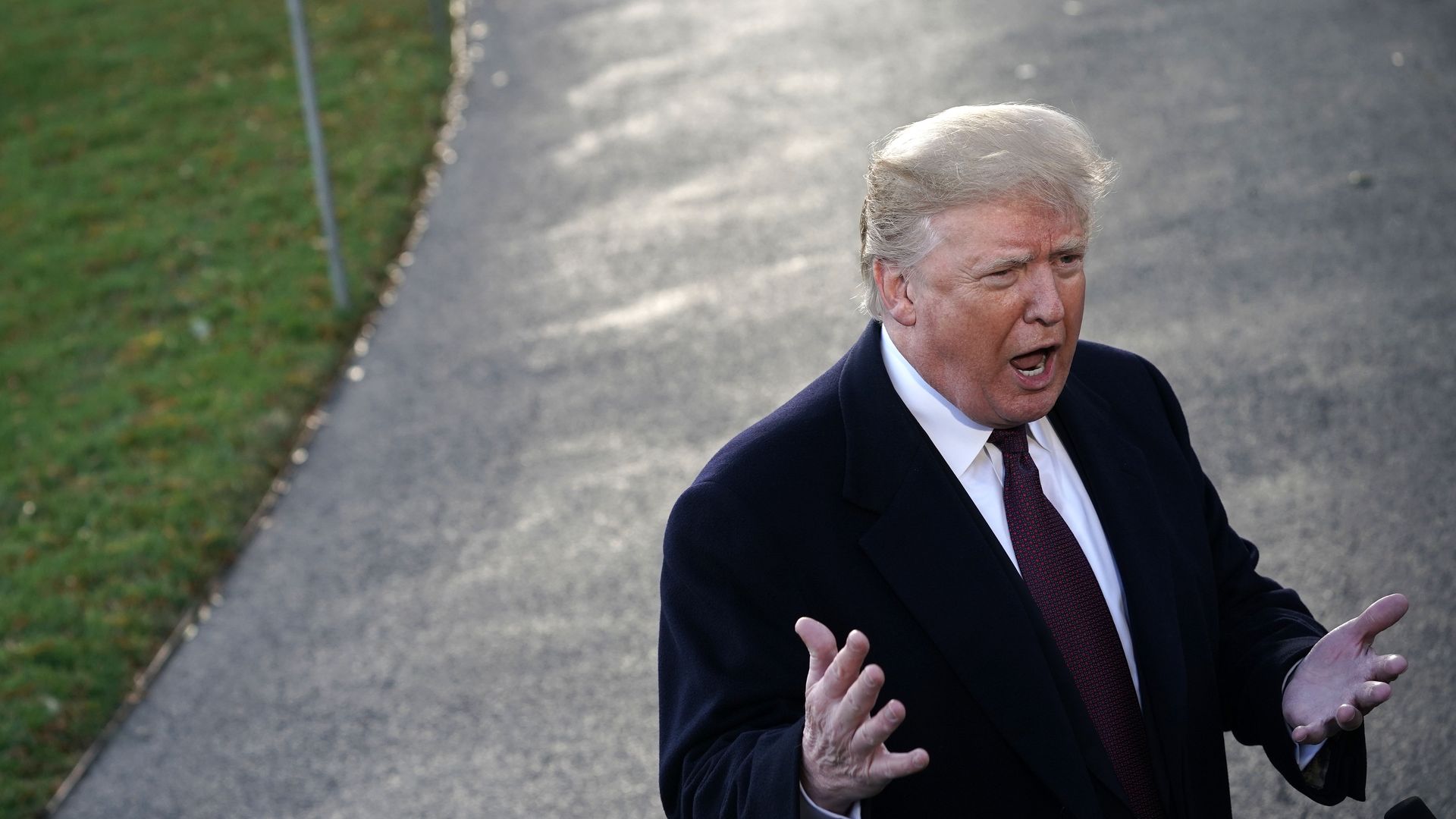
What's happening: Trump caused a stir yesterday when he issued a statement signaling clear U.S. backing for Saudi Arabia despite the murder of journalist Jamal Khashoggi. He stayed in realpolitik mode, later telling reporters that the Saudis have helped keep oil prices down. And he tweeted this morning, "Oil prices getting lower. Great! Like a big Tax Cut for America and the World. Enjoy! $54, was just $82. Thank you to Saudi Arabia, but let’s go lower!"
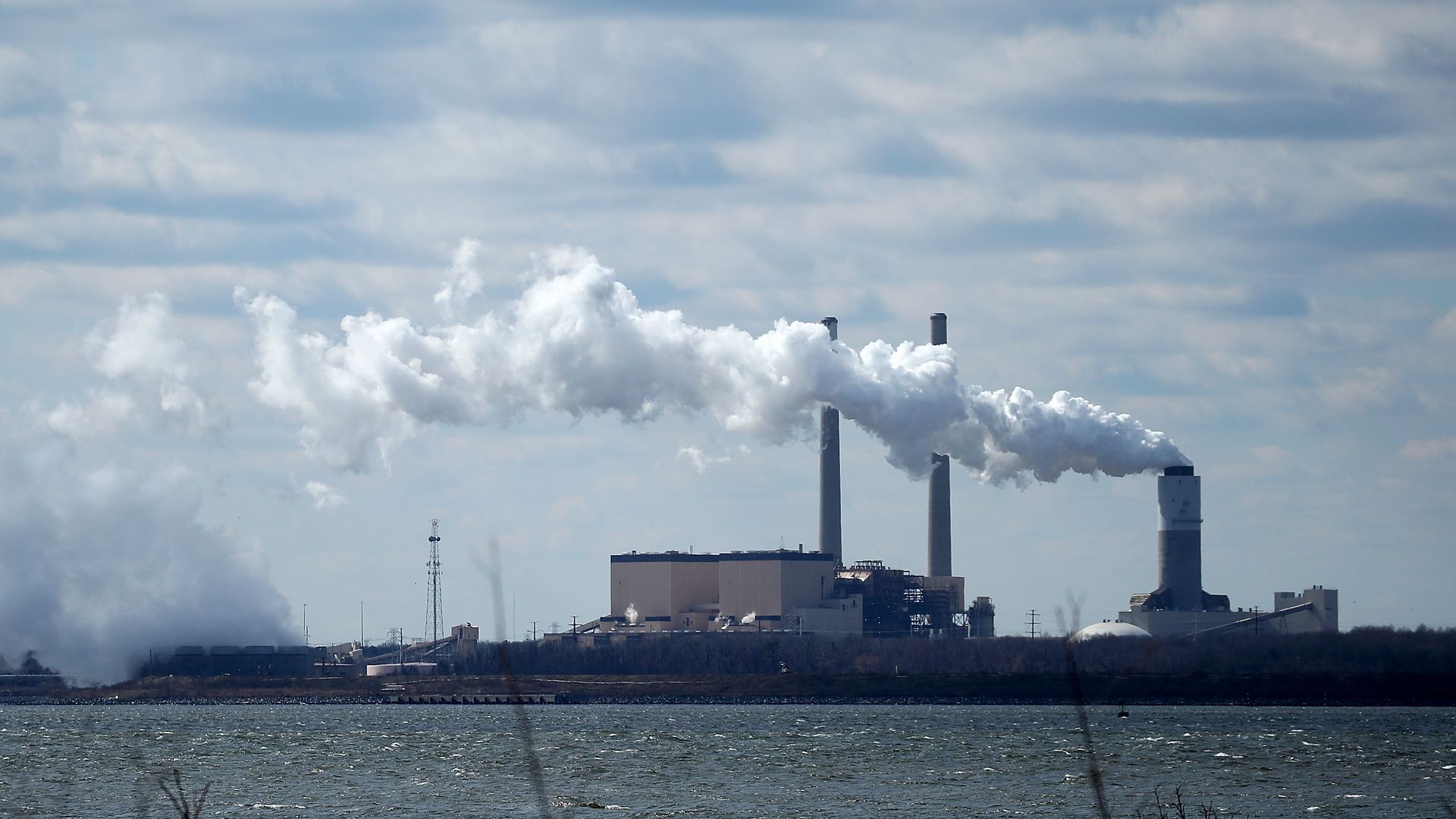
Although Washington state’s proposed carbon tax failed at the ballot box, carbon pricing remains one of the best policy solutions to mitigate the effects of climate changes as the window to keep global warming below 1.5°C continues to narrow.
The big picture: There are stark trade-offs to both a carbon tax, under which companies pay for each ton they emit, and a cap-and-trade system, which requires them to buy permits for emissions. However, a hybrid model could be the sweet spot between practical politics and effective policy.