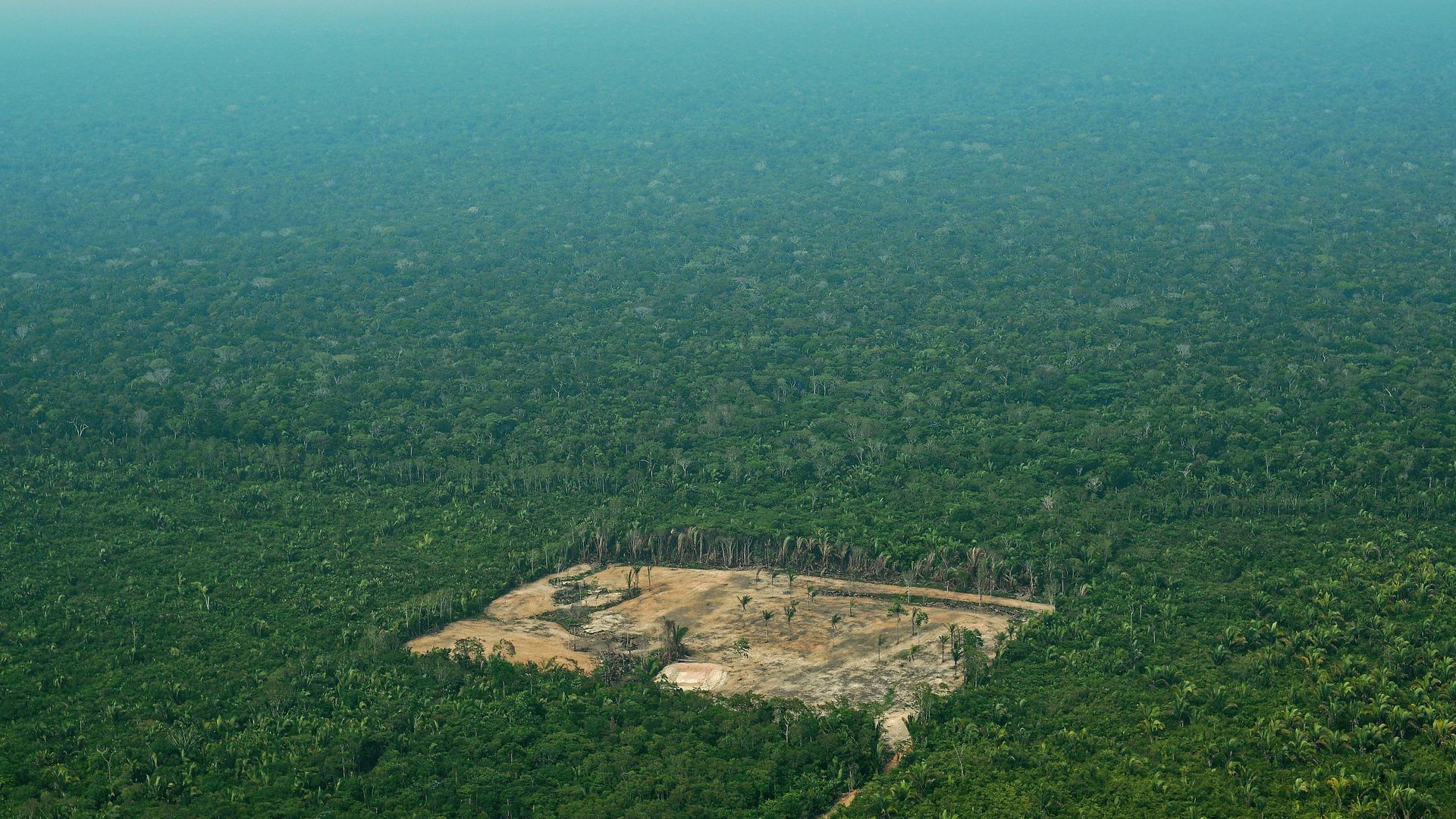
A new government report released on Friday said the demolition of Brazil’s Amazon rainforest, driven by illegal logging and the expansion of agriculture in the area, has reached its highest level in a decade, per BBC.
Why it matters, per Axios science editor Andrew Freedman: The trees and soils of the Amazon rainforest make the region a massive carbon sink, meaning that cutting down trees and replacing them with palm oil plantations or mines causes more planet-warming greenhouse gases to be emitted into the air. With the newly elected leader of Brazil pledging to further develop the Amazon, many climate and forestry experts fear the deforestation rate will only increase.
Parisian law enforcement used tear gas and water canons on a crowd of thousands of activists protesting rising fuel taxes and French President Emmanuel Macron on Saturday morning.
By the numbers: 5,000 protestors surged around the Champs-Elysees on Saturday, and six protestors have already been arrested, according to the AP. The nationwide protests have taken place all week with an estimated 23,000 participants, according to Interior Minister Christophe Castaner. Thousands of police have been deployed, hundreds of people have been injured, and two have been killed in accidents related to the protests, the AP reports.
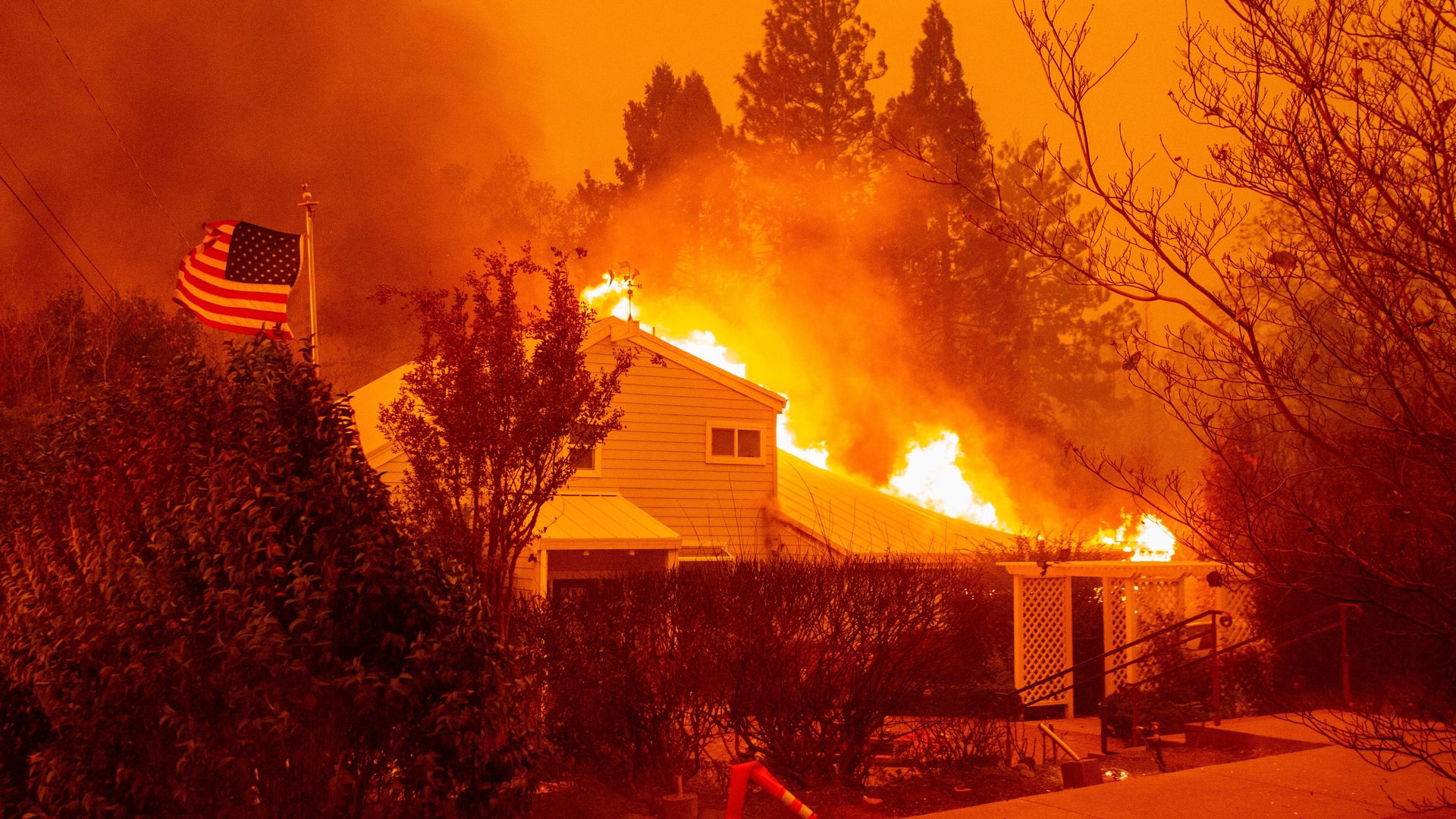
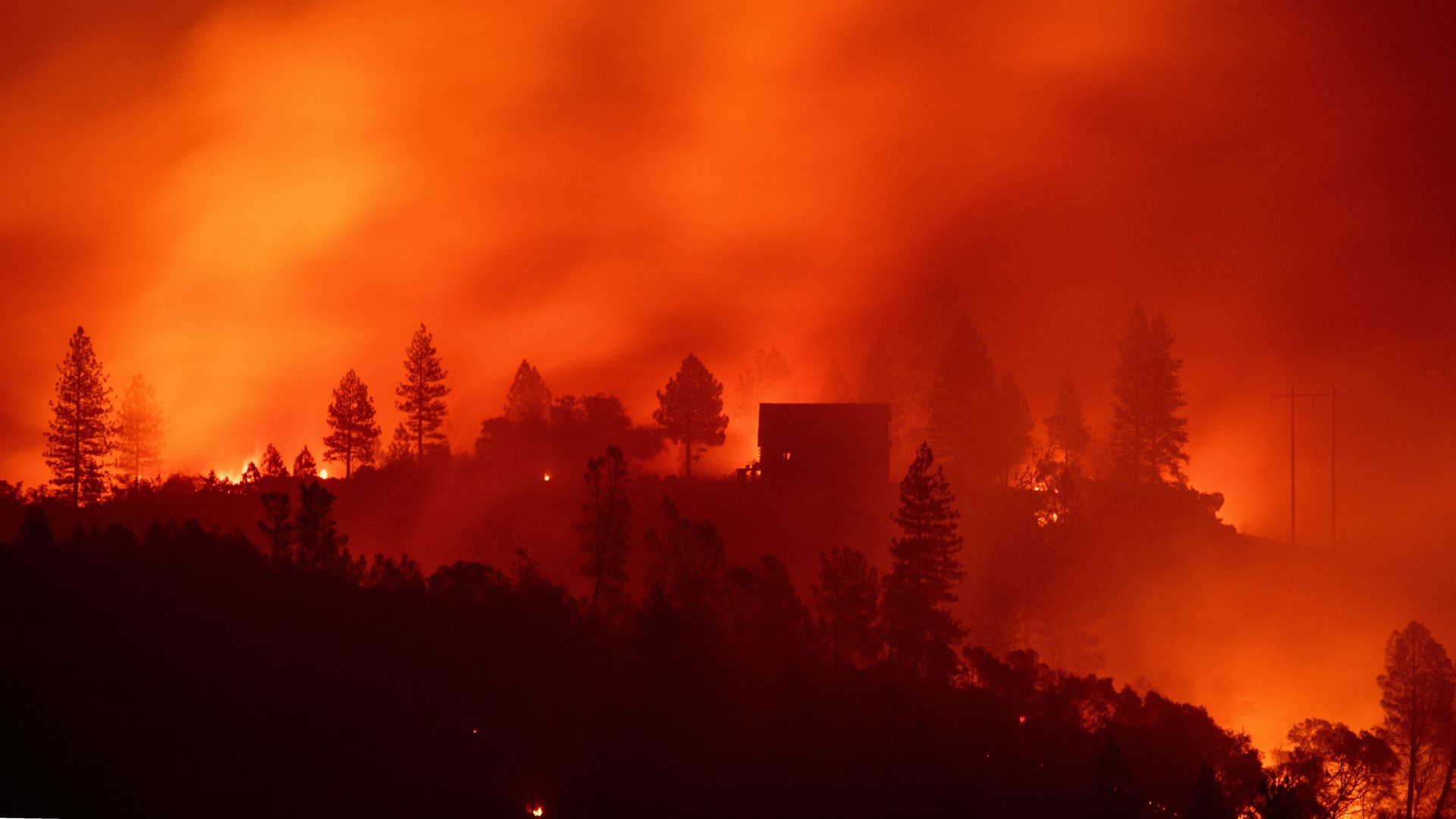
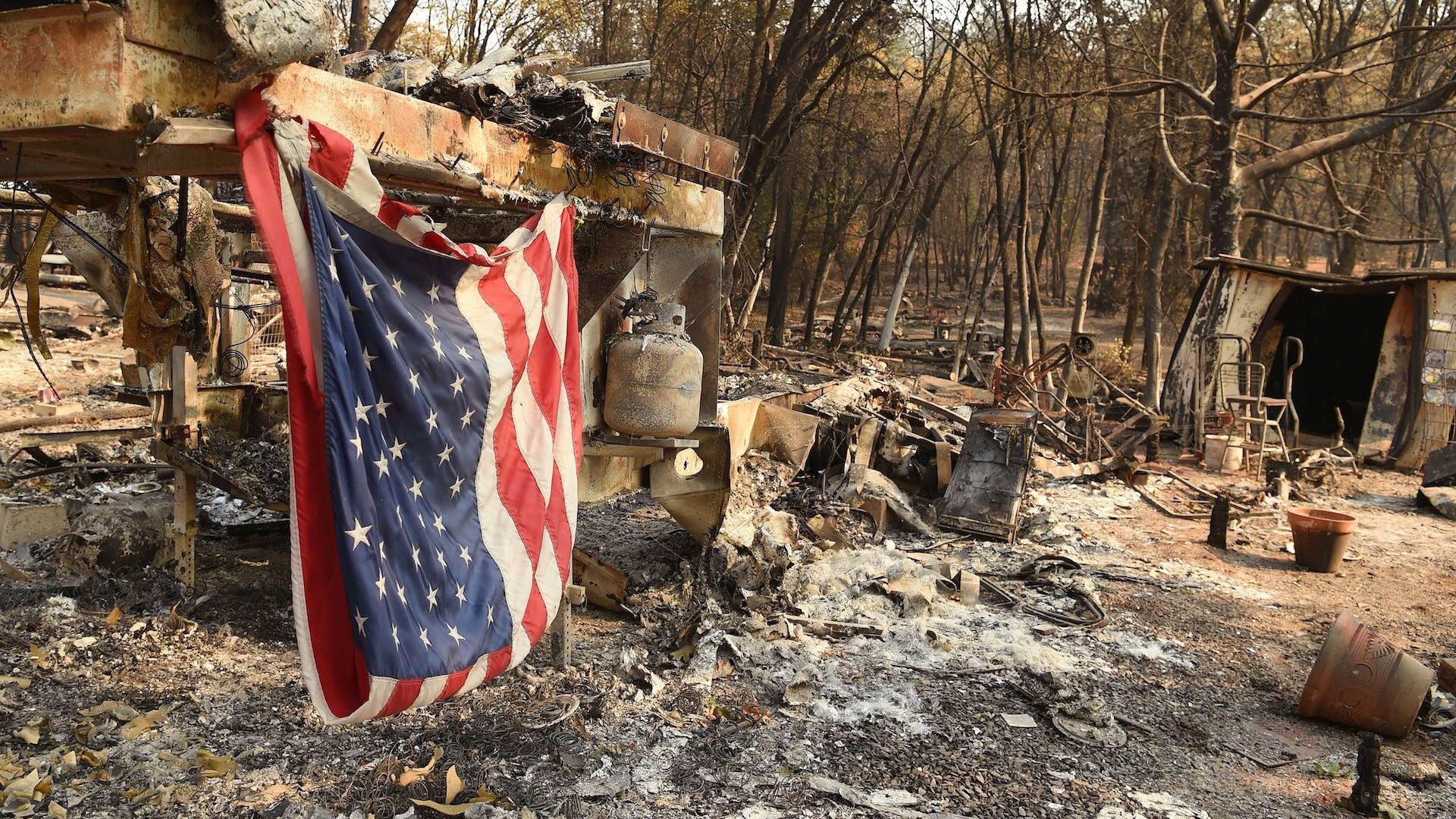
November has become one of the most devastating months in history for California, with two major wildfires raging in the northern and southern parts of the state.
The big picture: It's worth a closer look at what the future holds in California and across the West, where a changing climate is leading to larger fires. Here's a roundup of our coverage and the best stories from other sources — including local media reports that can give us the best insight into possible causes, what it would take to reduce the risk, and how the disasters have affected people's lives.
New UN data shows that annual financial aid from wealthy nations to poor countries for fighting climate change and adapting to its effects reached over $70 billion in 2016, according to Bloomberg.
Why it matters: The report arrives ahead of the next major UN climate summit in Poland next month, and climate finance will be among the items on the agenda, the story notes.
The Trump administration didn't interfere with the content of today's grim report about the damage we're already seeing from climate change. It just released the report in a way that will draw the least attention possible: by putting it out on Black Friday.
That's a good way to minimize the impact of a science-heavy report that clashes with President Trump's attitude toward climate change.
The Trump administration released a major new climate science report on Black Friday, warning of "hundreds of billions of dollars" in annual losses to some economic sectors without scaled up actions to adapt to current changes and slash emissions to avoid future warming.
Why it matters: The report by scientists from 13 federal agencies constitutes the second volume of the Fourth National Climate Assessment, which is a congressionally mandated report. Its conclusion: Lives and property are already at risk in the U.S. due to climate change.
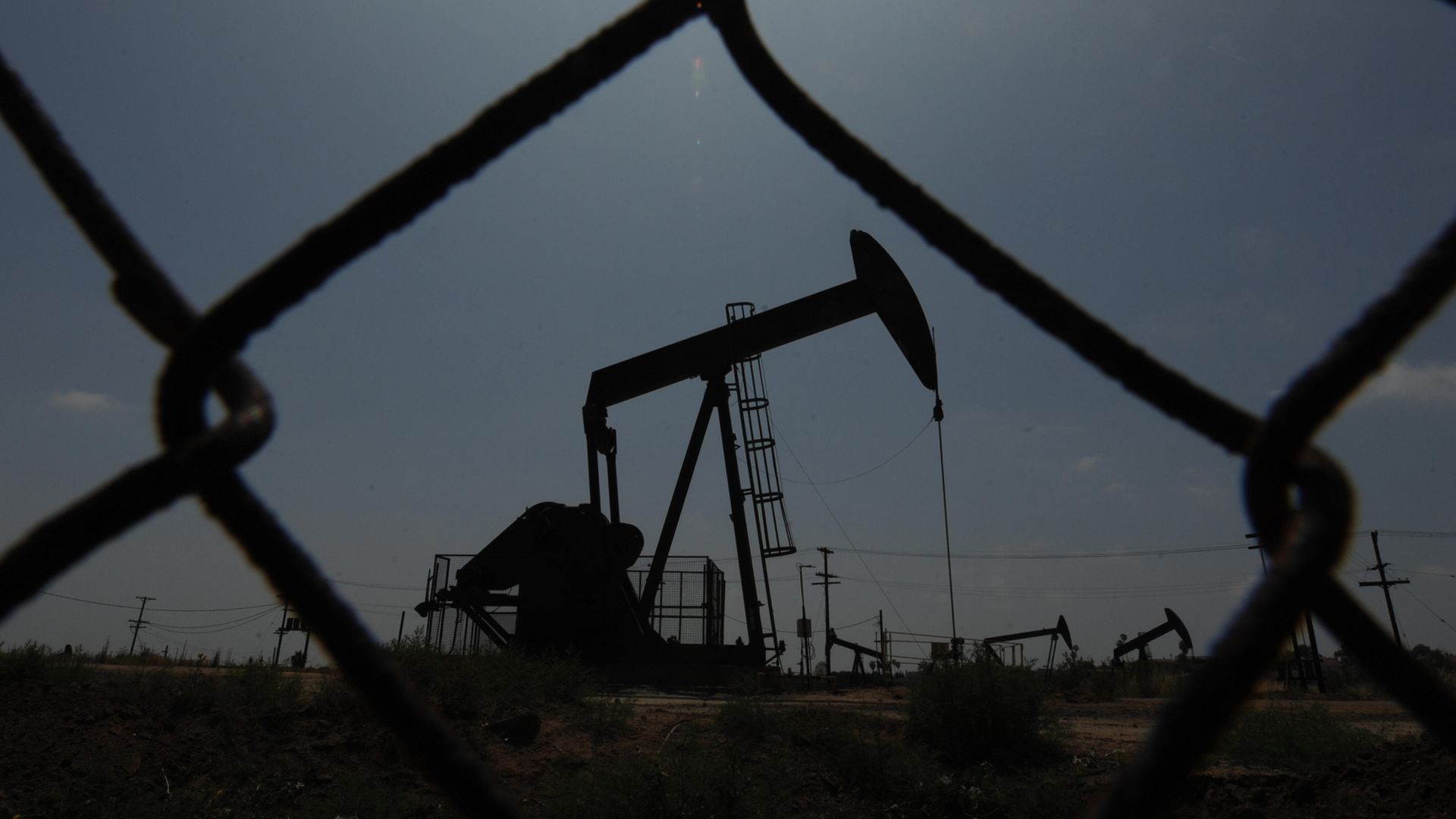
Crude oil prices tumbled by several dollars to their lowest levels in over a year on Friday.
Why it matters: The latest slide will fuel the already intense focus on the December 6-7 OPEC meeting, where the cartel and allied producers — notably Russia — will decide on potential output cuts aimed at tightening the market.