Globally, air pollution reduces average life expectancy by 1.8 years, according to a new index developed by the University of Chicago. The metric, known as the Air Quality Life Index, or AQLI, attempts to clearly indicate how emissions of tiny particles, called particulates, are having an affect on people's health worldwide.
Why it matters: The report comes at a time when millions in California are being forced to wear protective masks to shield themselves from particulate pollution originating from the state's deadly wildfires. It also comes at the height of smog season in India, a country that ranks high on the list of most-affected nations, according to the new index.
Last week, Italian insurance titan Generali, the largest insurer in Italy and third largest in Europe,announced it will no longer insure the construction of new coal mines or plants, and it will not accept new clients who derive more than 30% of their energy production or revenues from coal.
Why it matters: The firm joins a growing list of insurers who will not back new initiatives around coal, though some, including Generali, will continue to serve existing clients. The move is seen as further evidence that the risks associated with investing in coal are driving a structural decline that is hastening a transition to clean energy.
California and Finland are not places that typically come up in the same sentence. However, their management of forests is now front and center in a debate sparked by President Trump's response to California's devastating wildfires.
The background: During a tour of the wildfire damage in Paradise, California, on Saturday, President Donald Trump touted the virtues of Finland's "raking" of the forest floor to clear it of flammable material, thereby averting wildfires like those California has seen over the past 13 months.
Officials from several oil, power and industrial giants say in a new analysis that there's a cost-effective path to "net-zero" emissions by 2060 from economic sectors that are tricky to decarbonize — like cement, steel, chemicals, heavy trucking and shipping.
Why it matters: While clean power and passenger vehicle tech gets lots of attention, one huge challenge is economically wringing carbon out of what the report calls "harder to abate" areas that account for nearly a third of industrial and energy emissions.
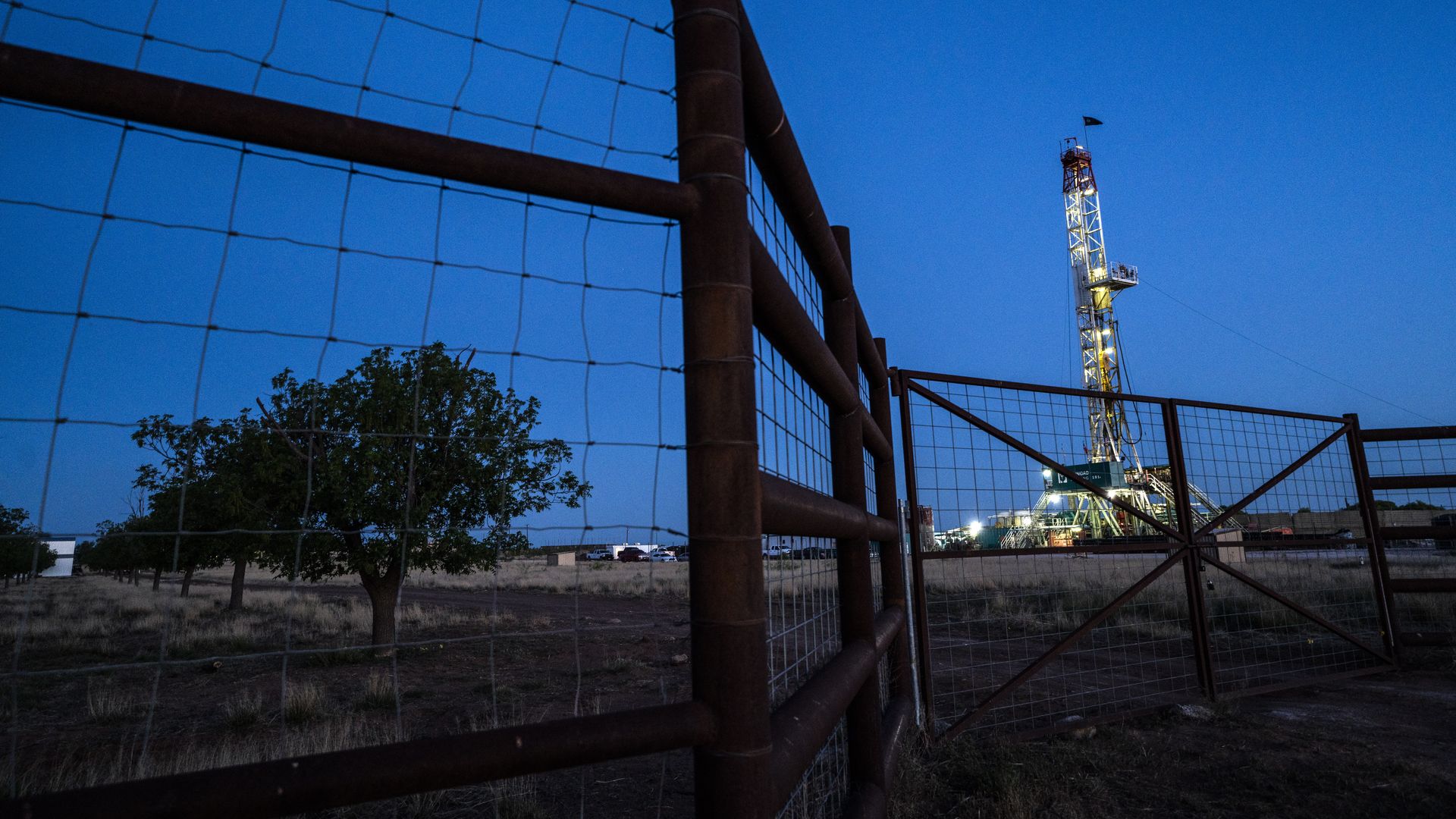
Oil companies active in the Permian Basin are jointly pledging $100 million over several years toward education, infrastructure, housing needs and workforce training in the region at the epicenter of the U.S. production boom.
Why it matters: The weekend announcement from the Permian Strategic Partnership is a recognition that the oil surge is also creating problems in the region. The influx of workers and development has strained local roads, public services and caused housing shortages in the part of Texas and New Mexico that's now producing roughly 3.6 million barrels per day and climbing.
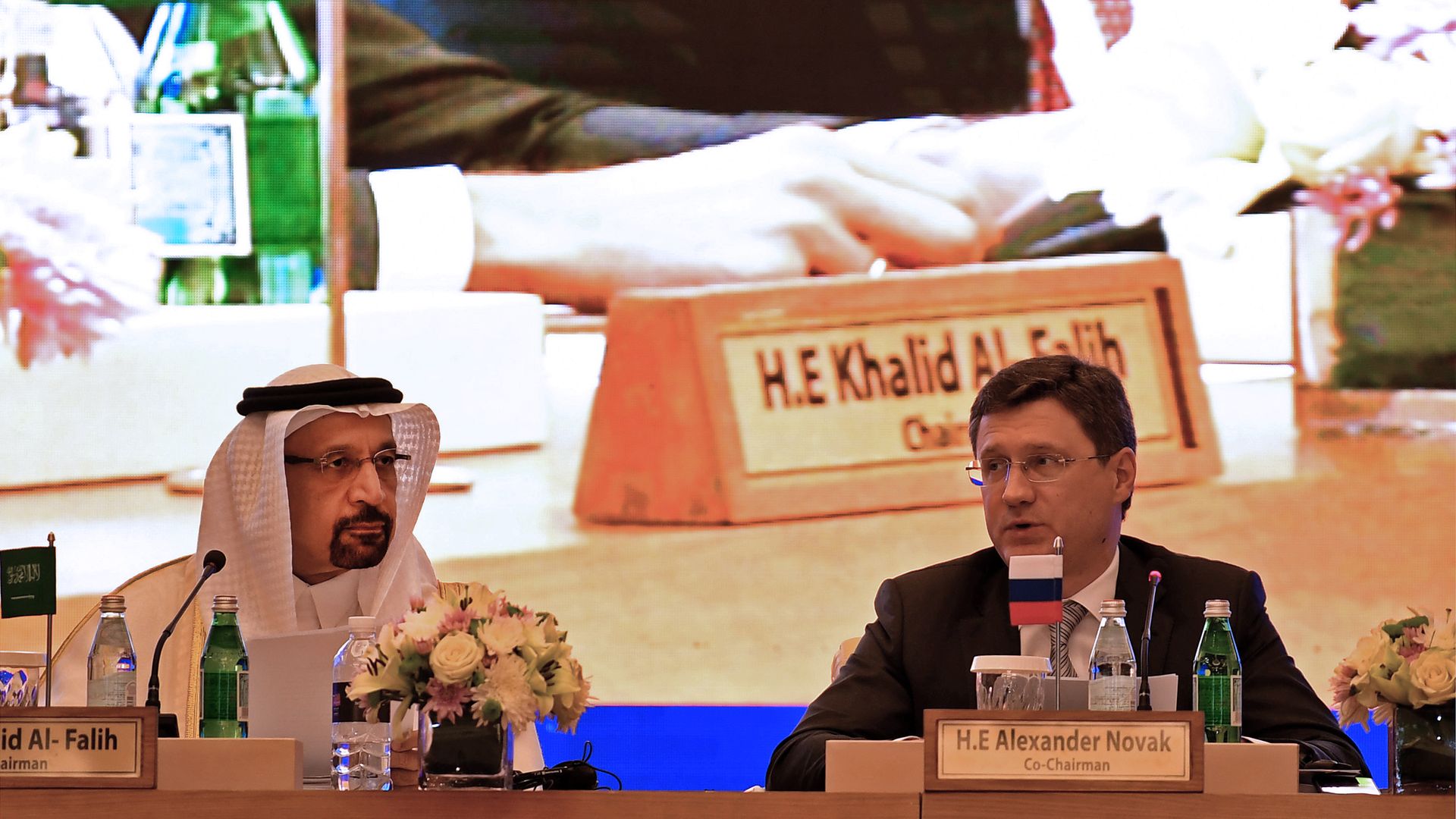
"Russia’s energy minister insisted the country and its allies in OPEC need to watch the oil market in the coming weeks before making any decisions to cut output," Bloomberg reports.
Why it matters: The Russian wavering is a sign of tricky negotiations looming in Vienna next month with OPEC and allied producers will discuss dialing back production to prop up prices, which have tumbled by roughly $20 per barrel since early October.
Let’s clear the decks: Nobody is confusing President Trump with Al Gore, and nobody ever will. But …
Between the lines: Behind Trump’s aggressive agenda rolling back environmental regulations are a small handful of moves that look like they might have come from the Obama administration — and some of them even did. Let’s examine the few policies Trump is moving ahead with, or at least leaving alone.