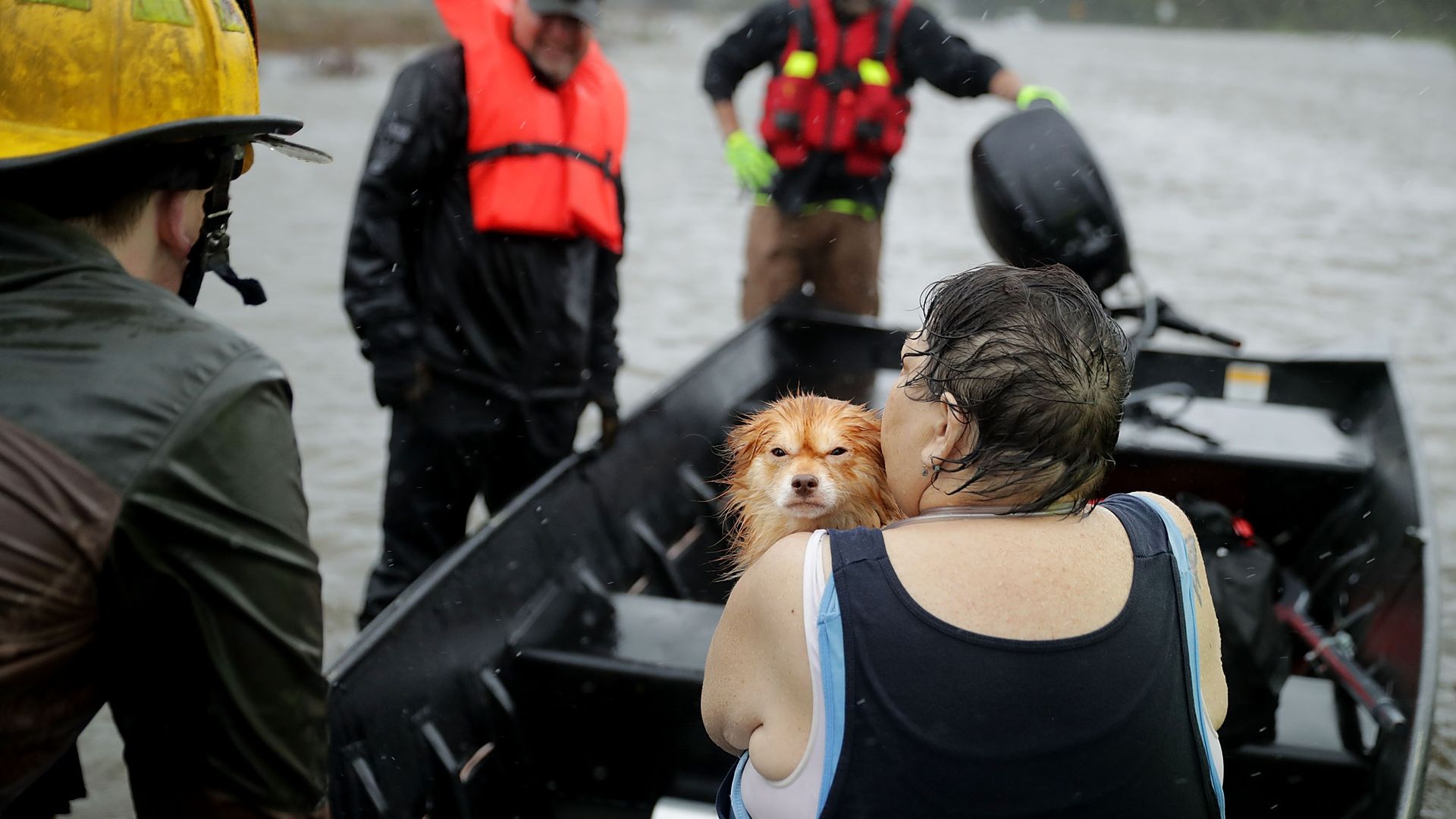
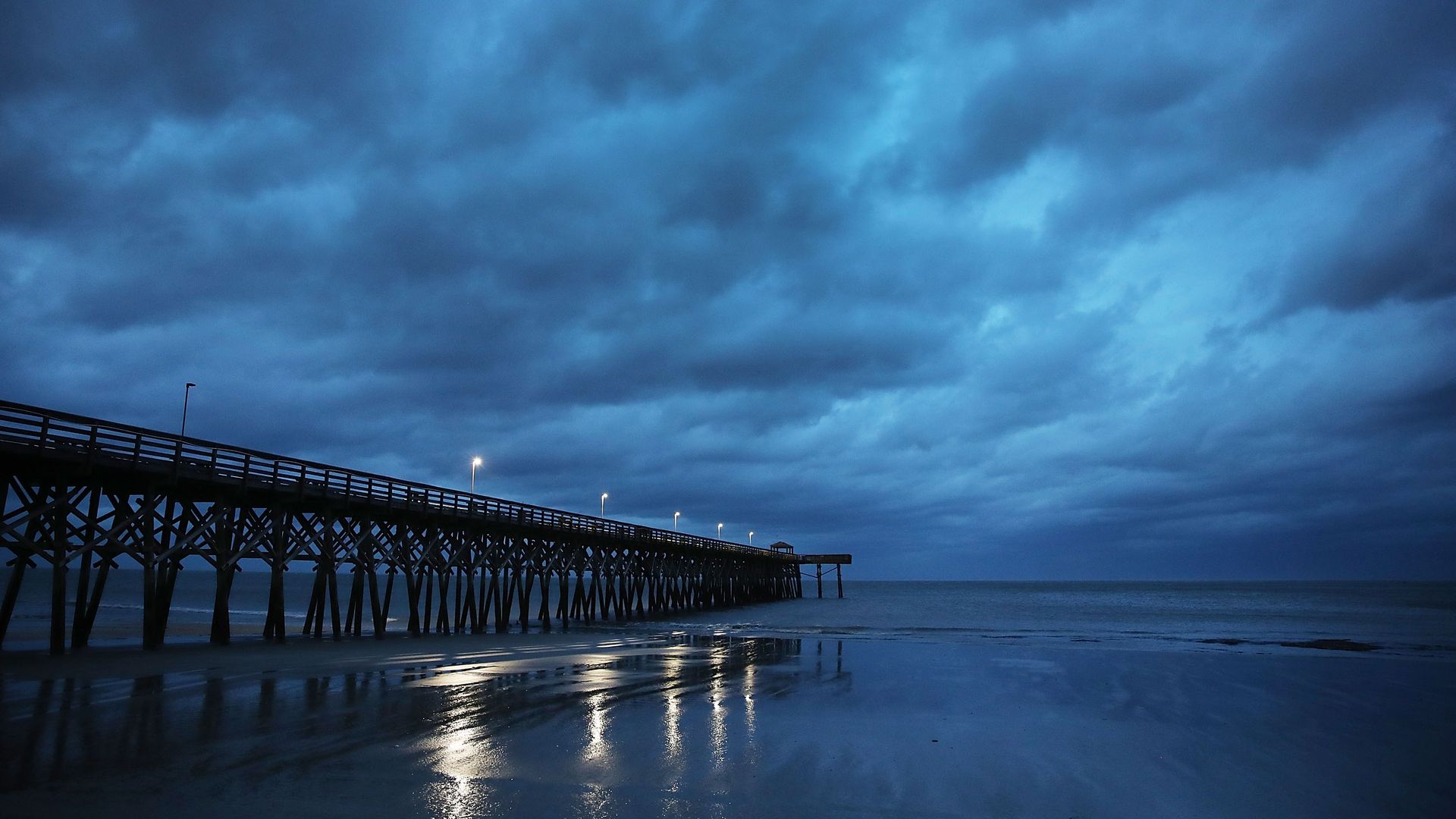
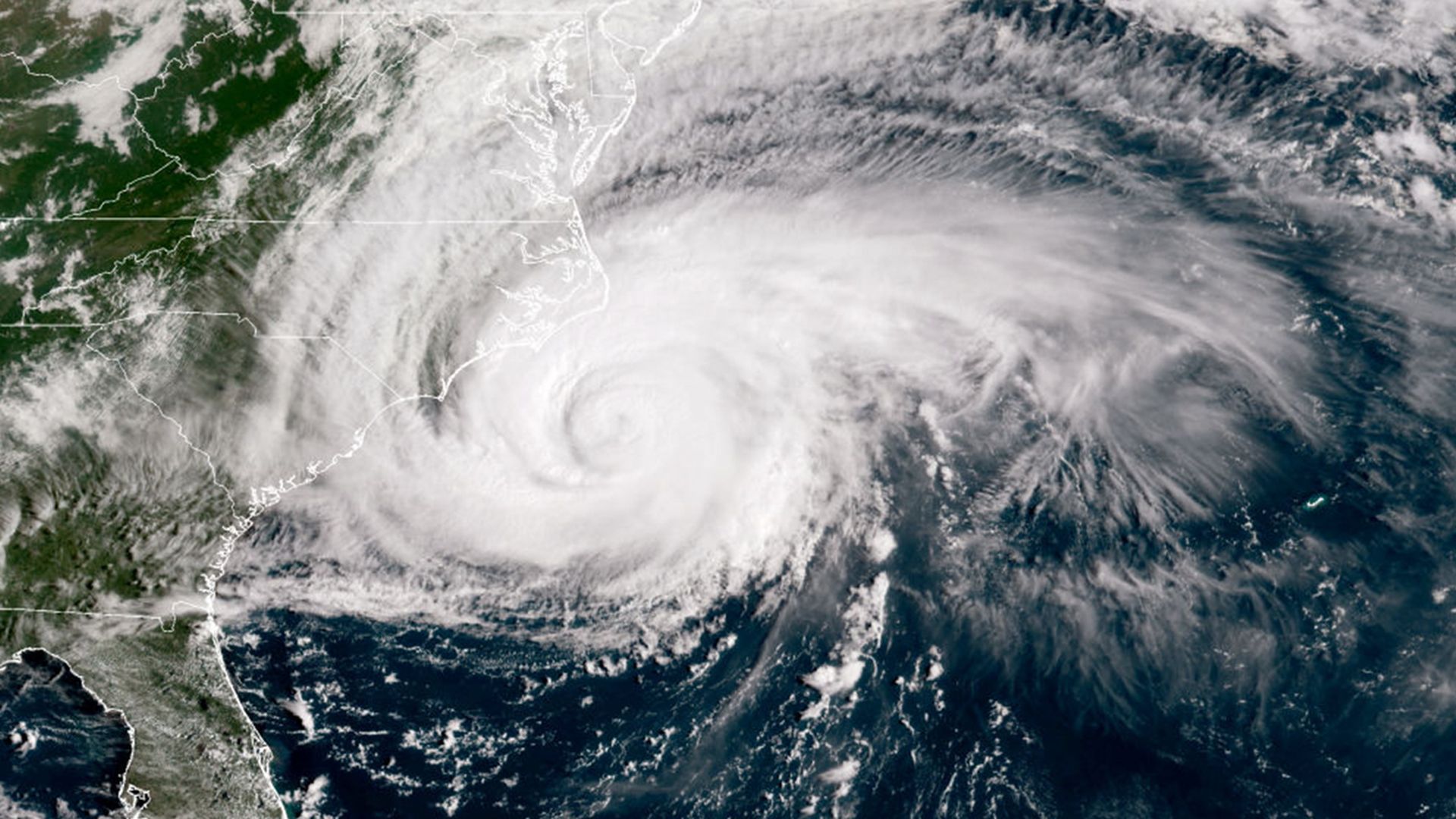
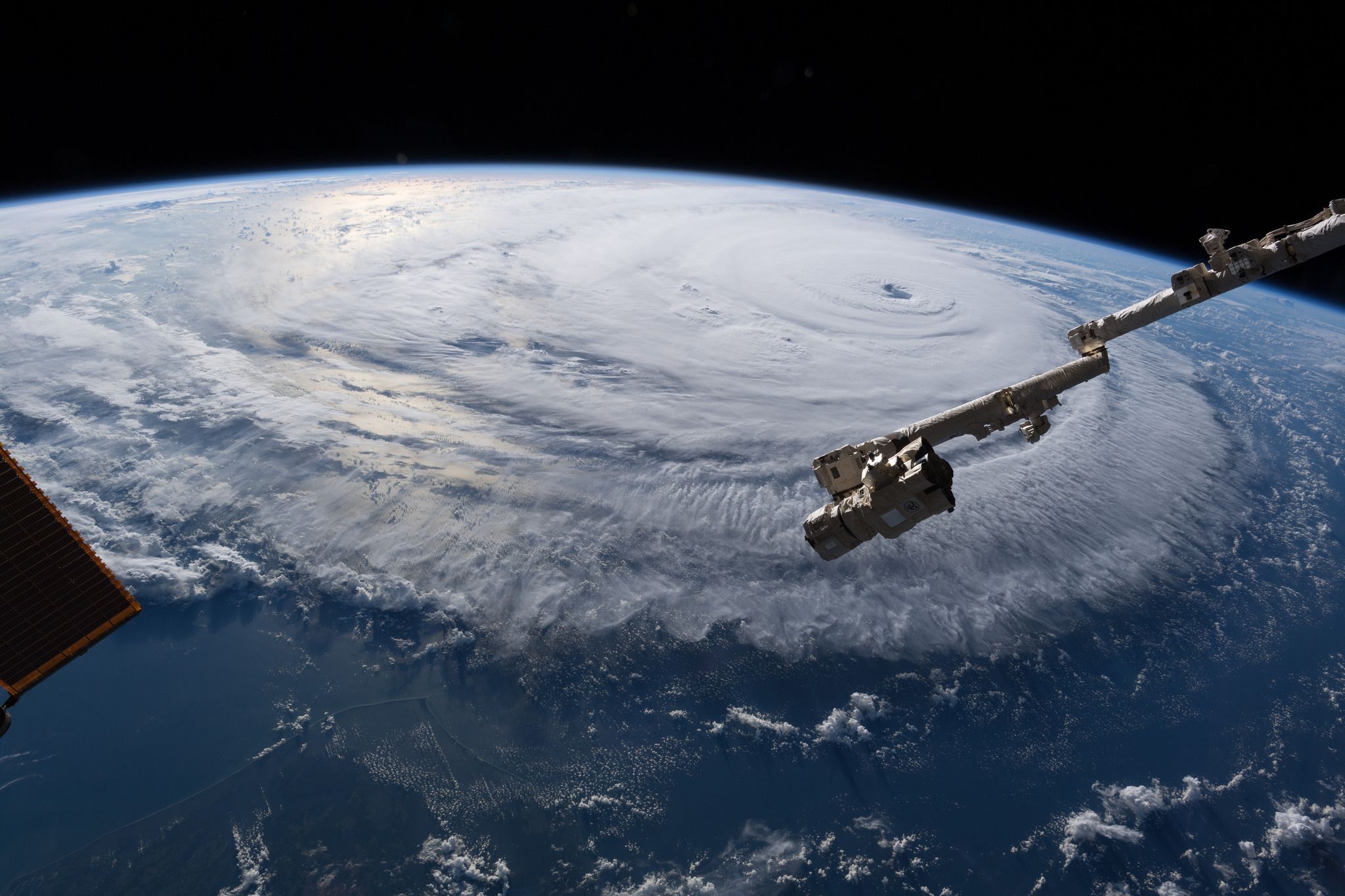
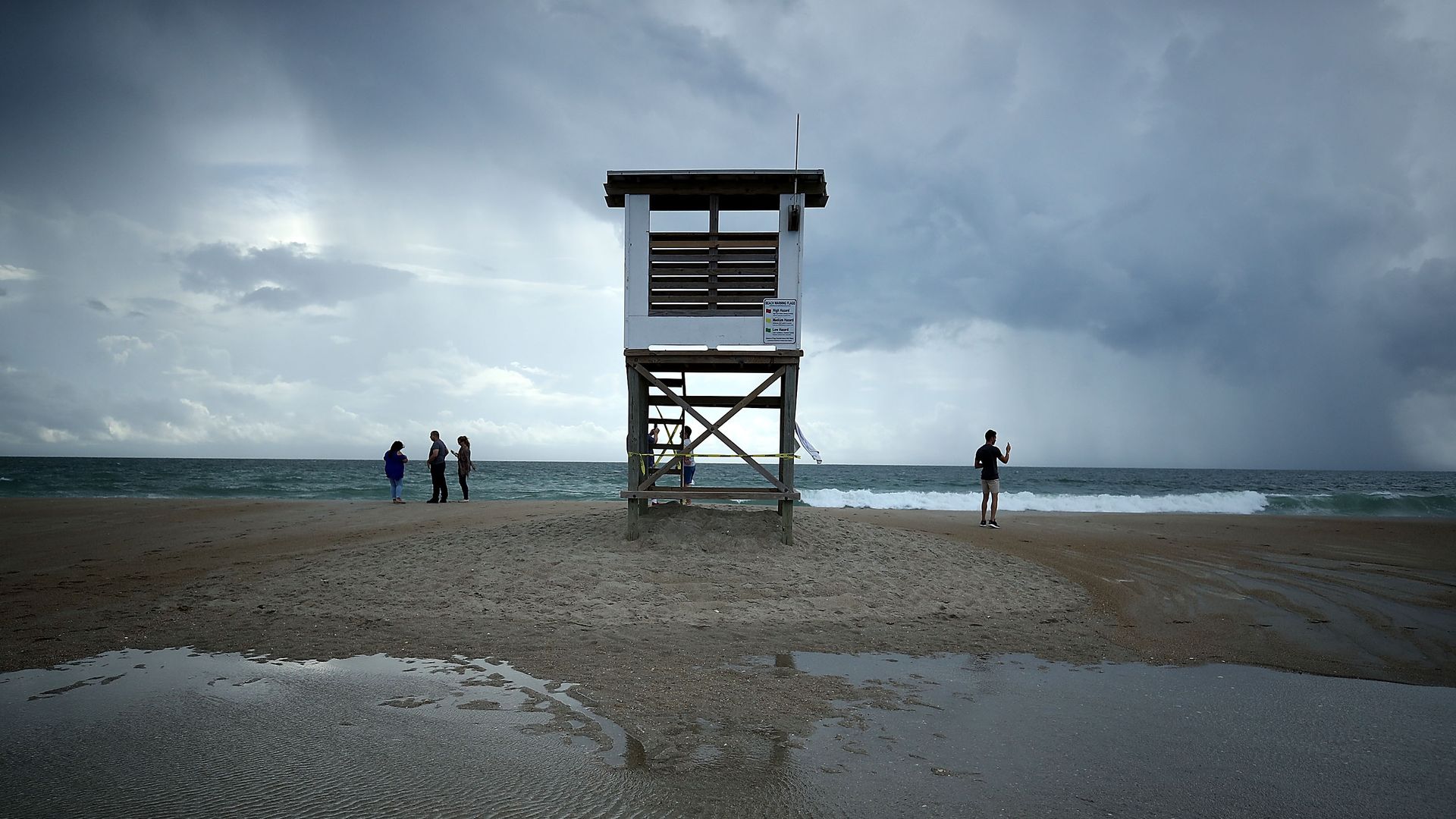
Hurricane Florence roared onto the North Carolina coast at a snail's pace Friday, subjecting the coastline to more than 12 hours of punishing hurricane-force winds and pushing a massive storm surge inland. Based on a weakening of sustained wind, Florence has since been downgraded to a tropical storm.
The big picture: The surge put a large portion of the community of New Bern underwater Thursday night and Friday. While winds are still gusting to greater than 100 miles per hour in some locations, the danger from here on out remains the surge and inland flooding from what is likely to be the worst tropical cyclone-related rainstorm in North Carolina history. In some areas, rain was falling at rates between 3 and 7 inches per hour.
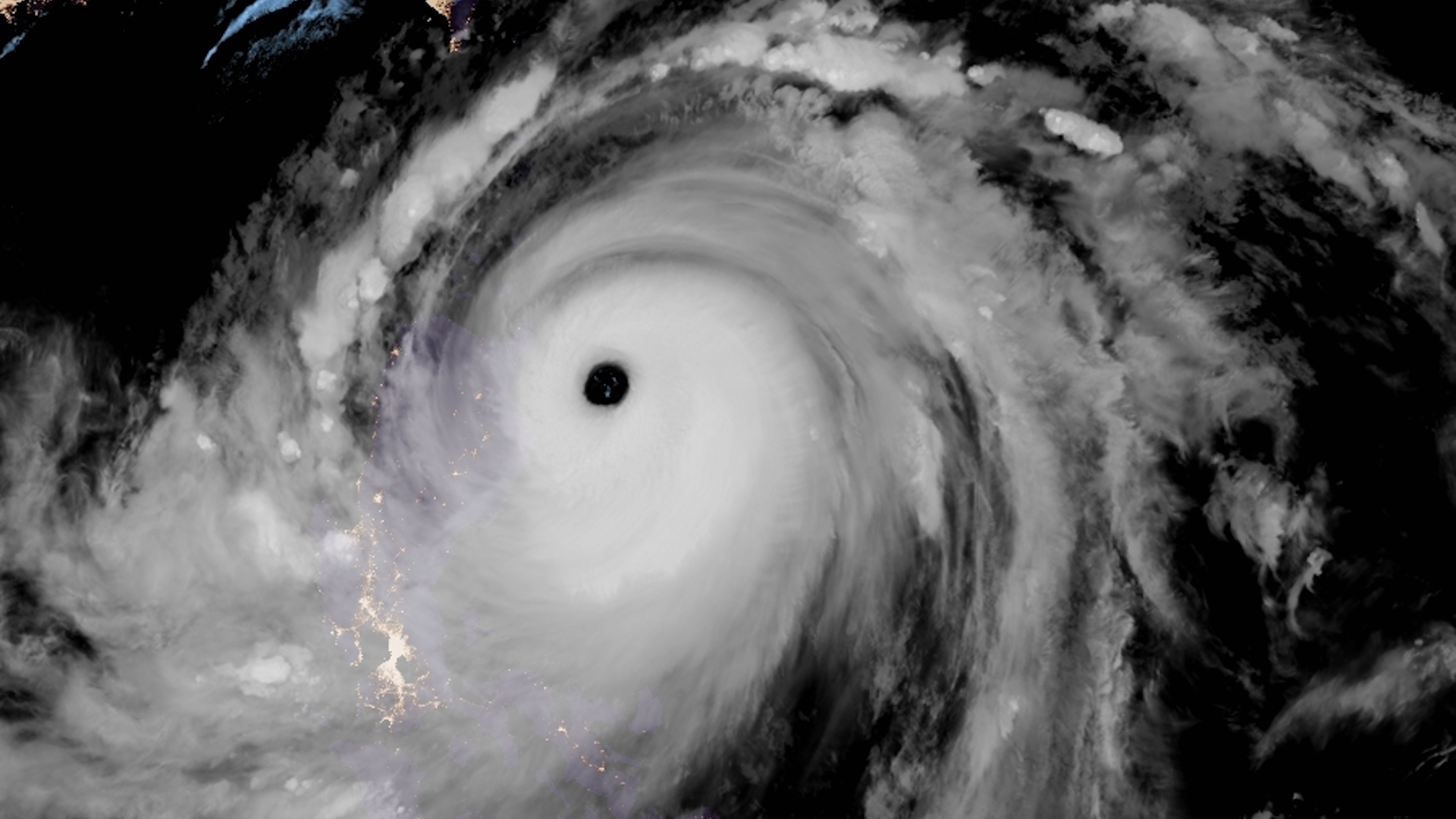
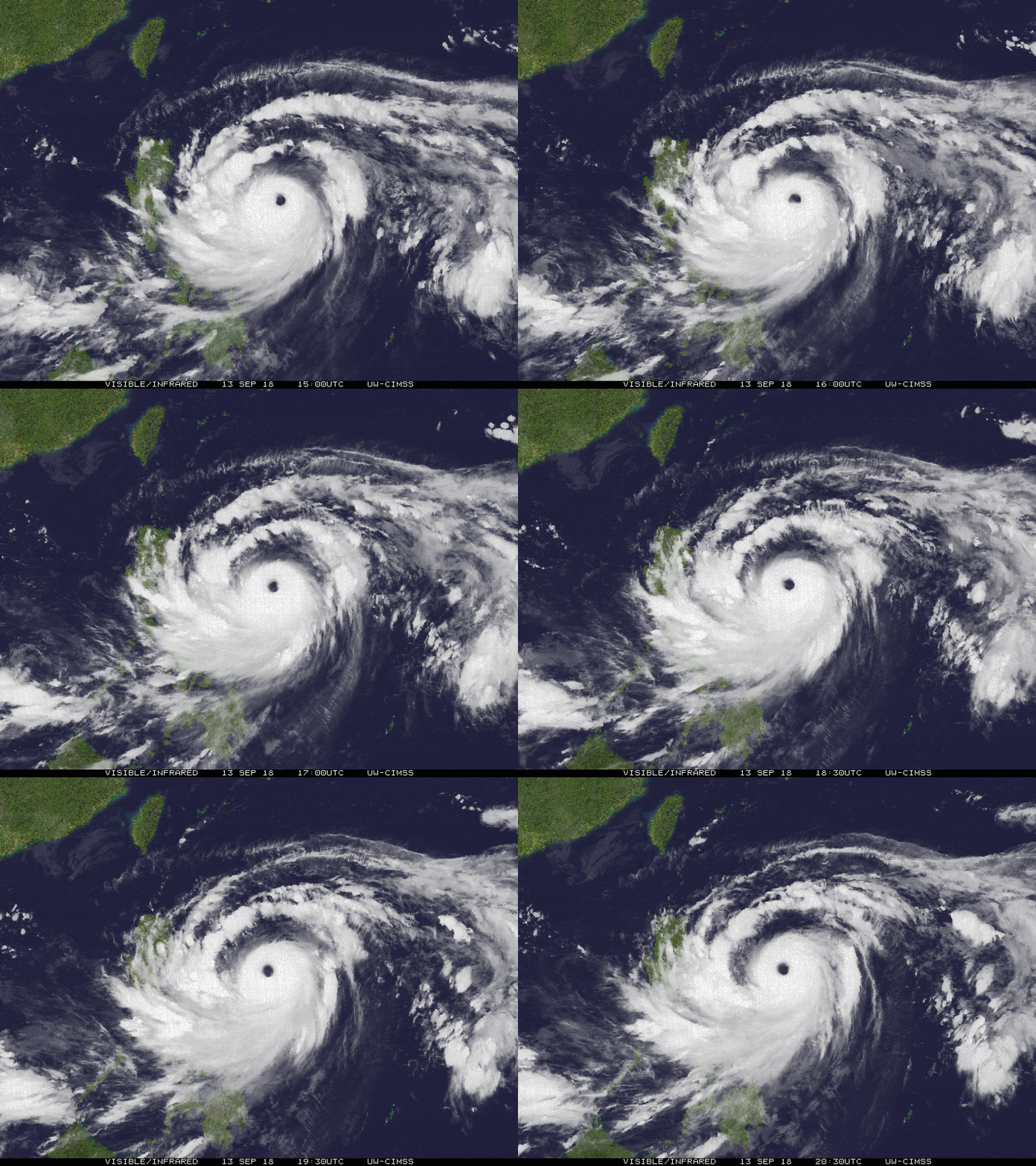
While most of the attention in the U.S. has focused on Hurricane Florence, a far stronger storm has struck more vulnerable country, as Super Typhoon Mangkhut made landfall on the island of Luzon in the Philippines.
Why this matters: Mangkhut, which struck land Friday afternoon Eastern time, is one of the strongest typhoons to hit that country since the devastating Super Typhoon Haiyan virtually wiped the city of Tacloban off the map in 2013.
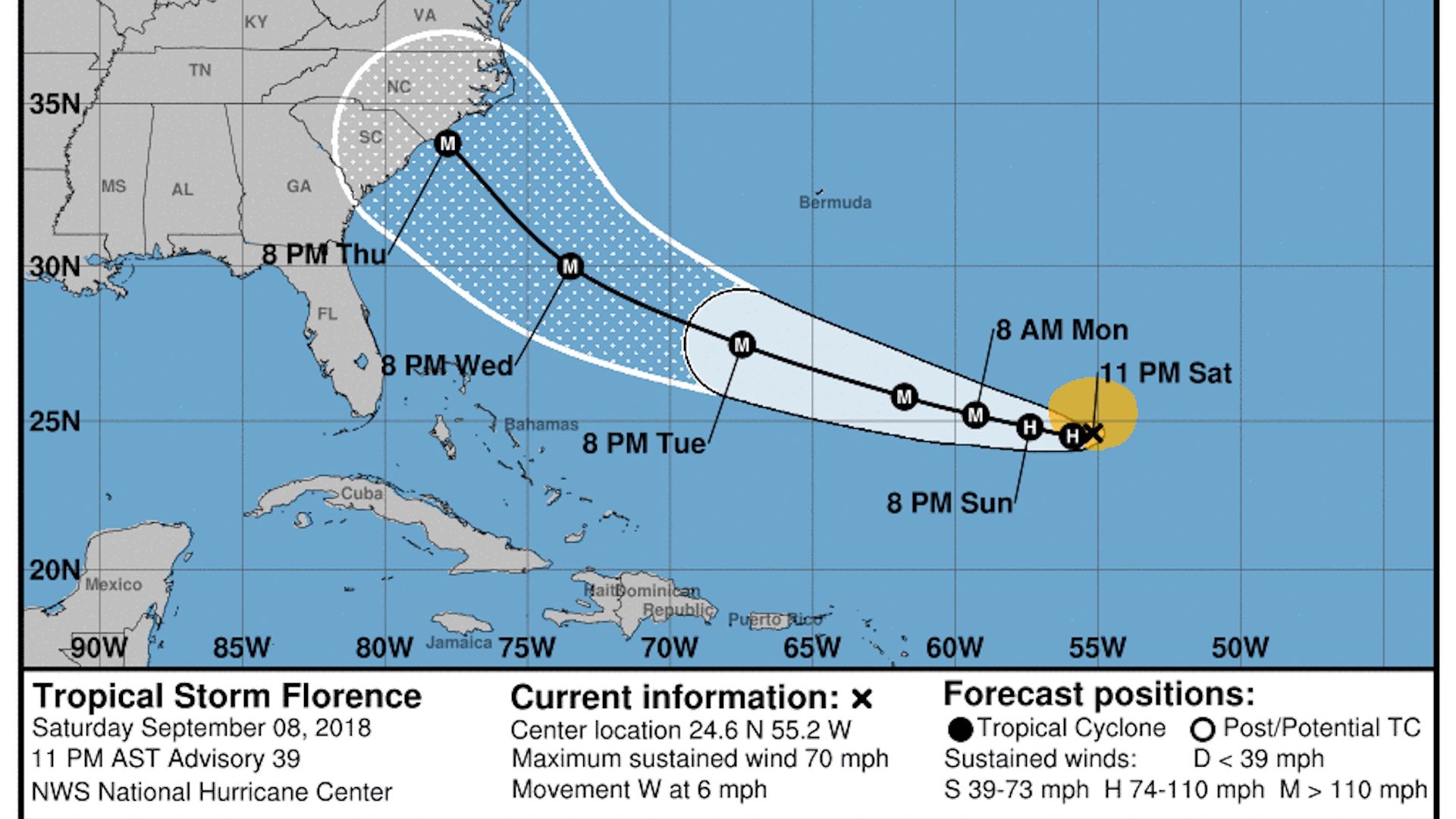
When it comes to hurricane track forecasts, the one that the National Hurricane Center issued for Hurricane Florence at 11 p.m. on September 8 may go down in history as the most accurate 5-day forecast they've ever issued — just 2 miles off target in the center of the "cone of uncertainty."
Why it matters: The average 5-day error is closer to 250 miles, to put that in perspective. The forecast provided residents of the Carolinas with 5 days of lead time to prepare for the storm, and alerted governors and emergency managers to start moving assets into position to respond to the storm.
Shares of NiSource fell nearly 10% following multiple gas explosions in several towns in Massachusetts. The company's subsidiary, Columbia Gas of Massachusetts, owns the gas pipeline investigators suspect led to the destruction of homes, injuries and at least one death.
Between the lines: The worry for investors is NiSource could face investigations and lawsuits (which, if history is any guide, will certainly be the case), and the company will suffer hefty fines or penalties.
California's new law to decarbonize electricity could drive even bigger emissions cuts in other energy sectors of the huge state, according to a new analysis by the nonprofit group Third Way.
The big picture: The law signed this week requires the world's fifth-largest economy to have 100% carbon-free electricity by 2045. And Gov. Jerry Brown issued an executive order to have the whole state become "carbon-neutral" by then.
Hurricane Florence made landfall in North Carolina around 7:15 a.m. on Friday morning. The storm's eye crossed the coast near Wrightsville Beach.
What's next: Florence is expected to move further inland across southeastern North Carolina and eastern South Carolina today and Saturday. Heavy rain, inland flooding and storm surge flooding will continue through the weekend. Axios' Andrew Freedman reported that there "are no historical analogs for Florence. Its forecast track is unprecedented, and its array and magnitude of threats are as well."
The most intense storm on Earth so far in 2018 is on track to hit the northern Philippine island of Luzon on Friday. Super Typhoon Mangkhut peaked in intensity at sustained winds of 180 miles per hour, equivalent to a Category 5 hurricane, and was expected to make landfall near full strength.
The big picture: On the other side of the world, Hurricane Florence is barreling towards the U.S. East Coast with sustained winds of 100 miles per hour. Mangkhut, with current sustained winds of 170 mph, is one of the most powerful typhoons to hit the Philippines since the disastrous Super Typhoon Haiyan ravaged the islands in 2013.

Firefighters have responded to at least 70 reported fires and explosions at homes caused by over-pressurized natural gas lines in three Massachusetts towns, according to state police, forcing neighborhoods to evacuate as first responders scramble to secure scenes and prevent further damage.
The big picture: The explosions underscore the inherent risks of relying on fuels that can be explosive, Axios' Amy Harder writes. This is likely to add to already intense opposition to natural gas across the U.S., particularly in New England. America has become increasingly reliant on the fuel over the last decade as fracking and other extraction techniques helped unlock new supplies.
Hurricane Florence is slowing down on its way toward the North Carolina coastline, and its peak sustained winds have diminished to 105 miles per hour — but it will bring the storm surge equivalent to a Category 4 and an inland flooding threat of historic proportions. The storm's slow movement means that heavy rain bands will keep forming over the Atlantic and moving over land, causing flooding well inland of the coast.
The big picture: This storm illustrates the limits of the official rankings of hurricanes. The model, called the Saffir Simpson Hurricane Wind Scale, only measures a storm's wind speeds. But hurricanes primarily kill with water, and even though Florence is officially a Category 2 right now, it's setting in motion massive amount of water that will result in a near record surge along the North Carolina coast.
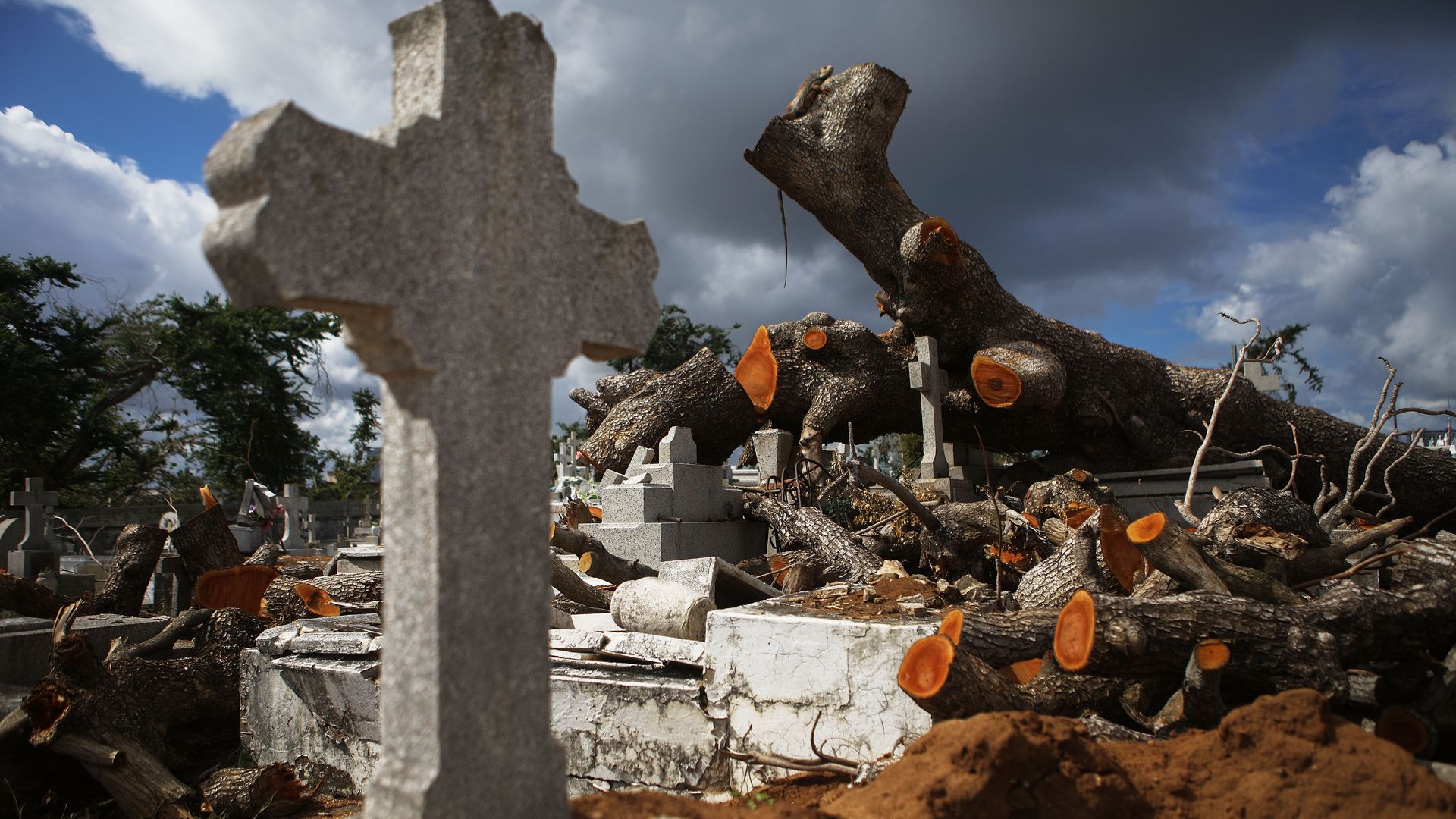
President Trump set off a social media firestorm Thursday after claiming, without evidence, that Democrats had inflated the Puerto Rican death toll stemming from last year's Hurricane Maria.
The big picture: The death toll estimate, the product of a George Washington University study that was commissioned by the Puerto Rican government, was a conservative one. And lawmakers were not shy about calling out the president for his baseless claim.
Hurricane Florence is a highly unusual storm, not just because of its intensity and size, but also the journey it's taking toward the Carolina coastline.
The big picture: As this historical track map shows,few other major hurricanes have hit North Carolina — and none hasfollowed as bizarre a path as Florence is expected to take.
President Trump claimed on Thursday, without evidence, that the death toll of Hurricane Maria was "done by the Democrats in order to make me look as bad as possible," and disputed the official count of almost 3,000 deaths.
Reality check: The number provided by the George Washington University study, which was commissioned by the Puerto Rican government, was conservative, the report's authors noted in the study.
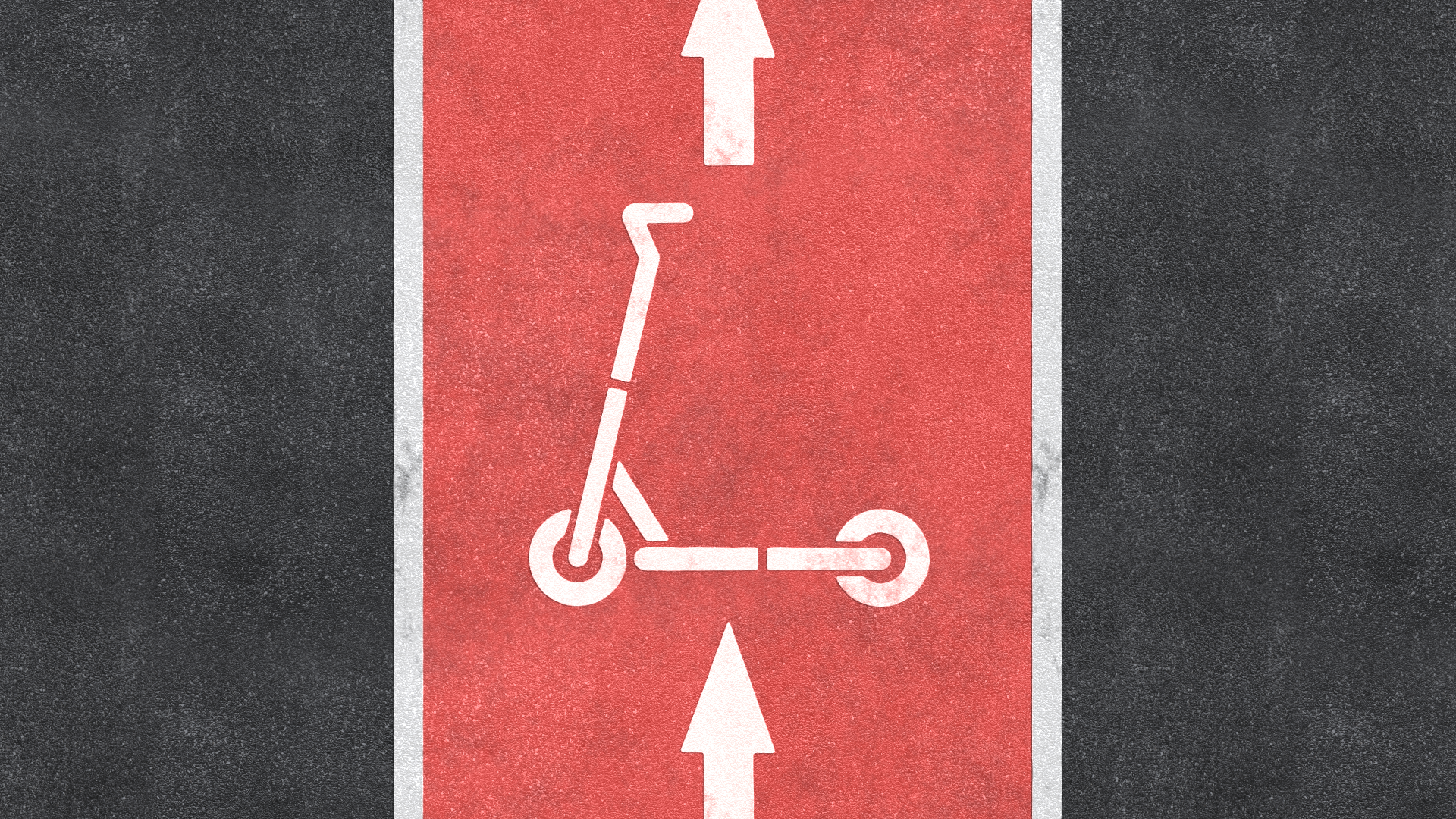
Yellow, a Brazilian e-scooter and bike company, raised $63 million in Series A funding led by GGV Capital.
Bottom line: The scooter wars have expanded to Latin America, especially as Yellow plans to expand to Mexico, where Y Combinator-backed Grin already operates.
In a series of Thursday morning tweets, President Trump denied the report commissioned by the Puerto Rican government that put the death toll from last year's Hurricane Maria's near 3,000, blaming Democrats for inflating the numbers "in order to make [him] look as bad as possible."
"3000 people did not die in the two hurricanes that hit Puerto Rico. When I left the Island, AFTER the storm had hit, they had anywhere from 6 to 18 deaths. As time went by it did not go up by much. Then, a long time later, they started to report really large numbers, like 3000. This was done by the Democrats in order to make me look as bad as possible when I was successfully raising Billions of Dollars to help rebuild Puerto Rico. If a person died for any reason, like old age, just add them onto the list. Bad politics. I love Puerto Rico!"
The International Energy Agency said Thursday that the global crude market is entering a "very crucial period" as U.S. sanctions against Iran loom and the country's exports have already dropped. Oh, and Venezuela is still collapsing.
The big picture: There's certainly enough crude from elsewhere sloshing around right now.
Hurricane Florence is taking aim squarely at the Carolinas — with North Carolina in the crosshairs first on Thursday through early Saturday, followed by South Carolina and possibly Georgia. The maximum sustained winds have weakened, and Florence is now expected to approach the coast as a Category 2 storm.
The bottom line: An unusual mix of weather systems across the U.S. will force Florence to hit the brakes as it nears the coast, somewhere close to the border of the Carolinas. It is likely to be the strongest hurricane to hit the coast in at least 25 years.
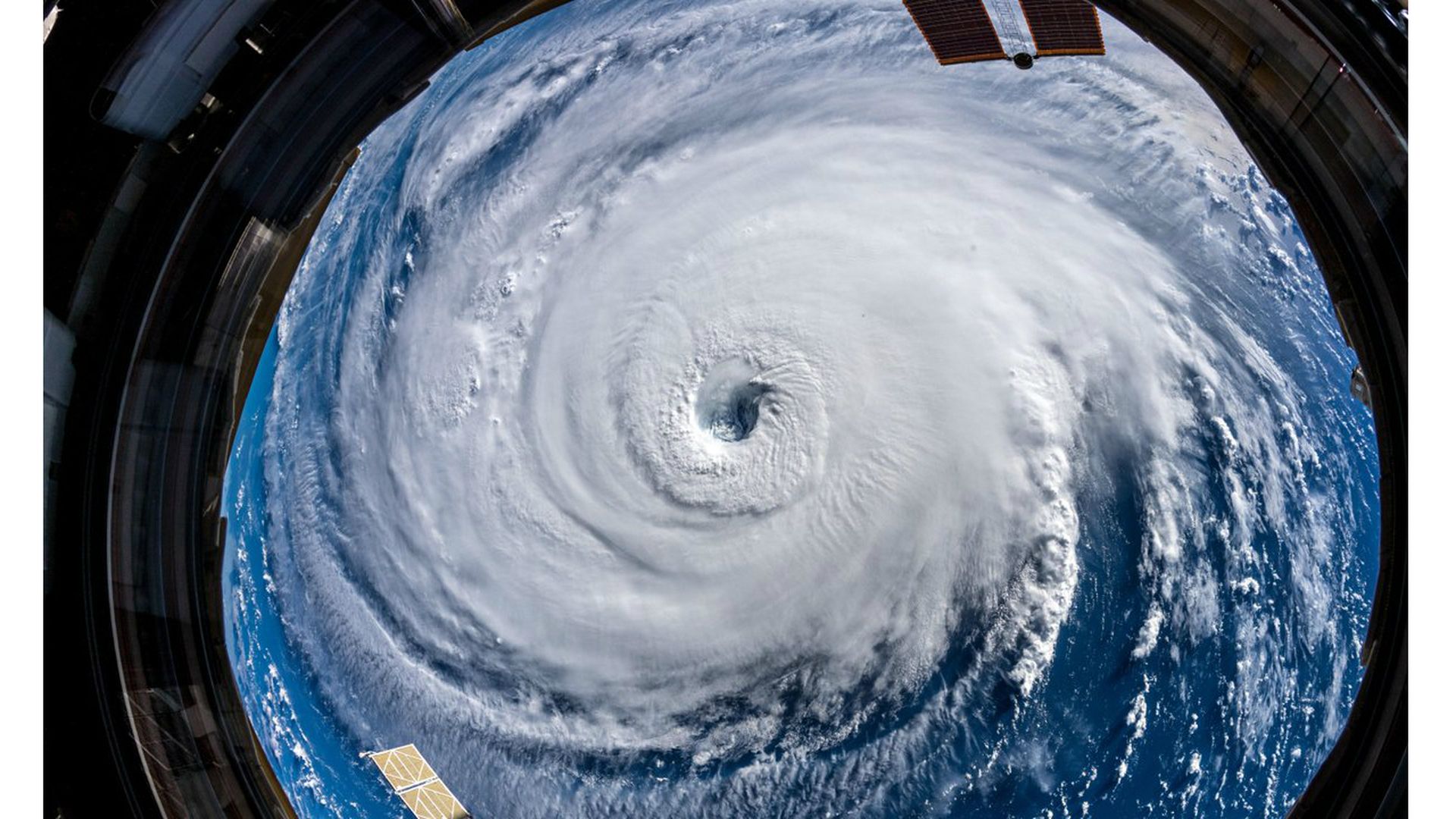
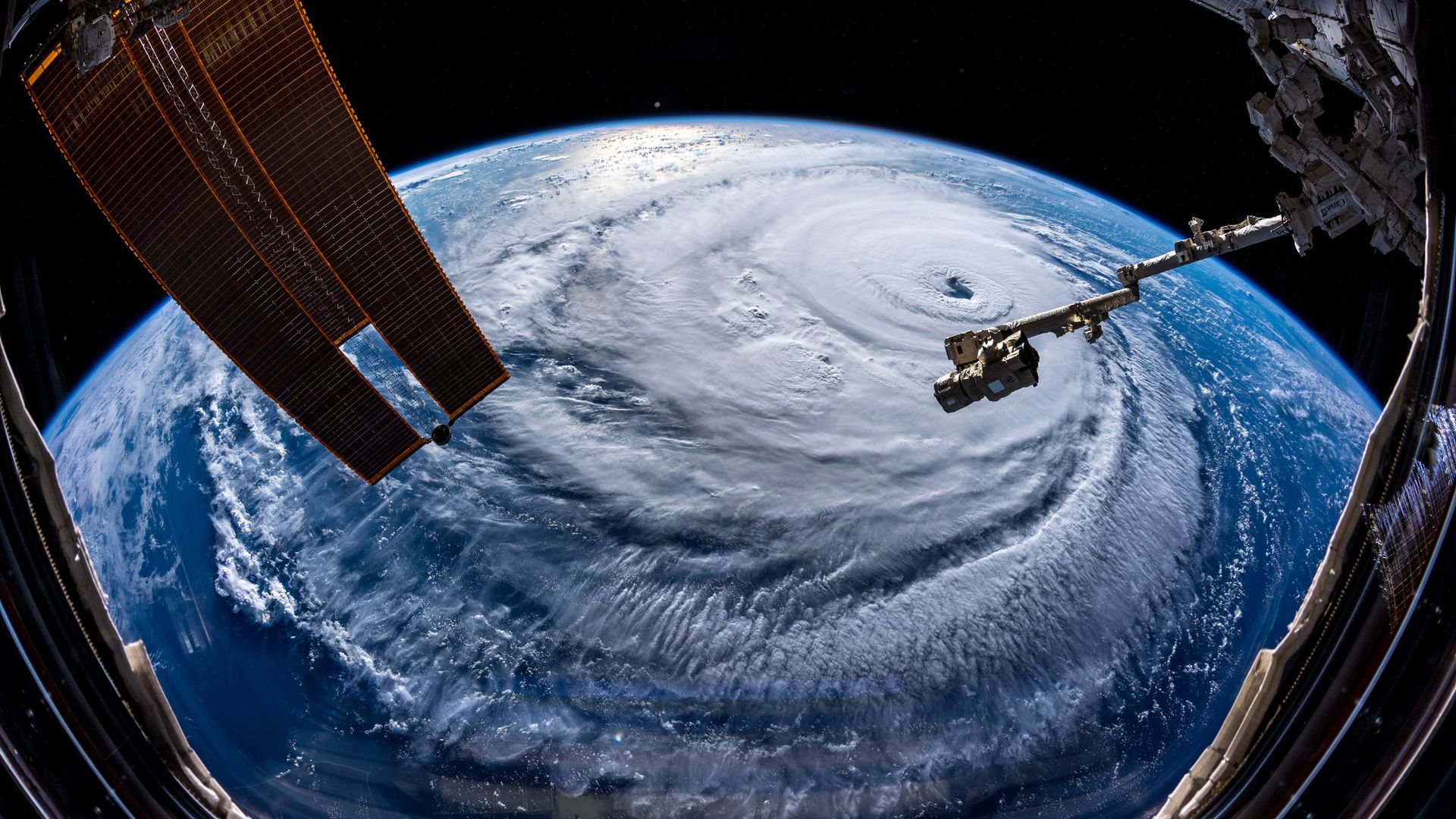
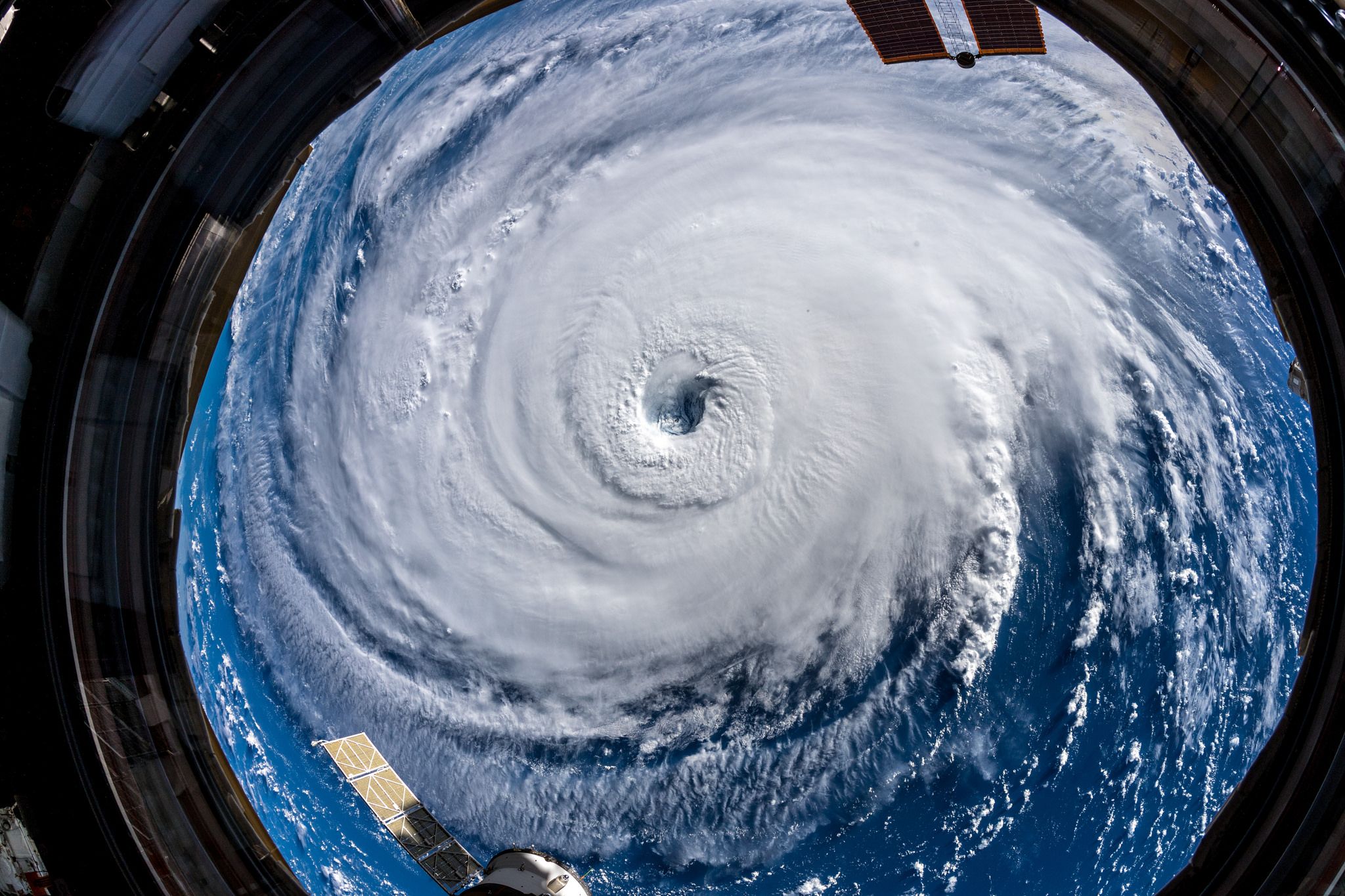
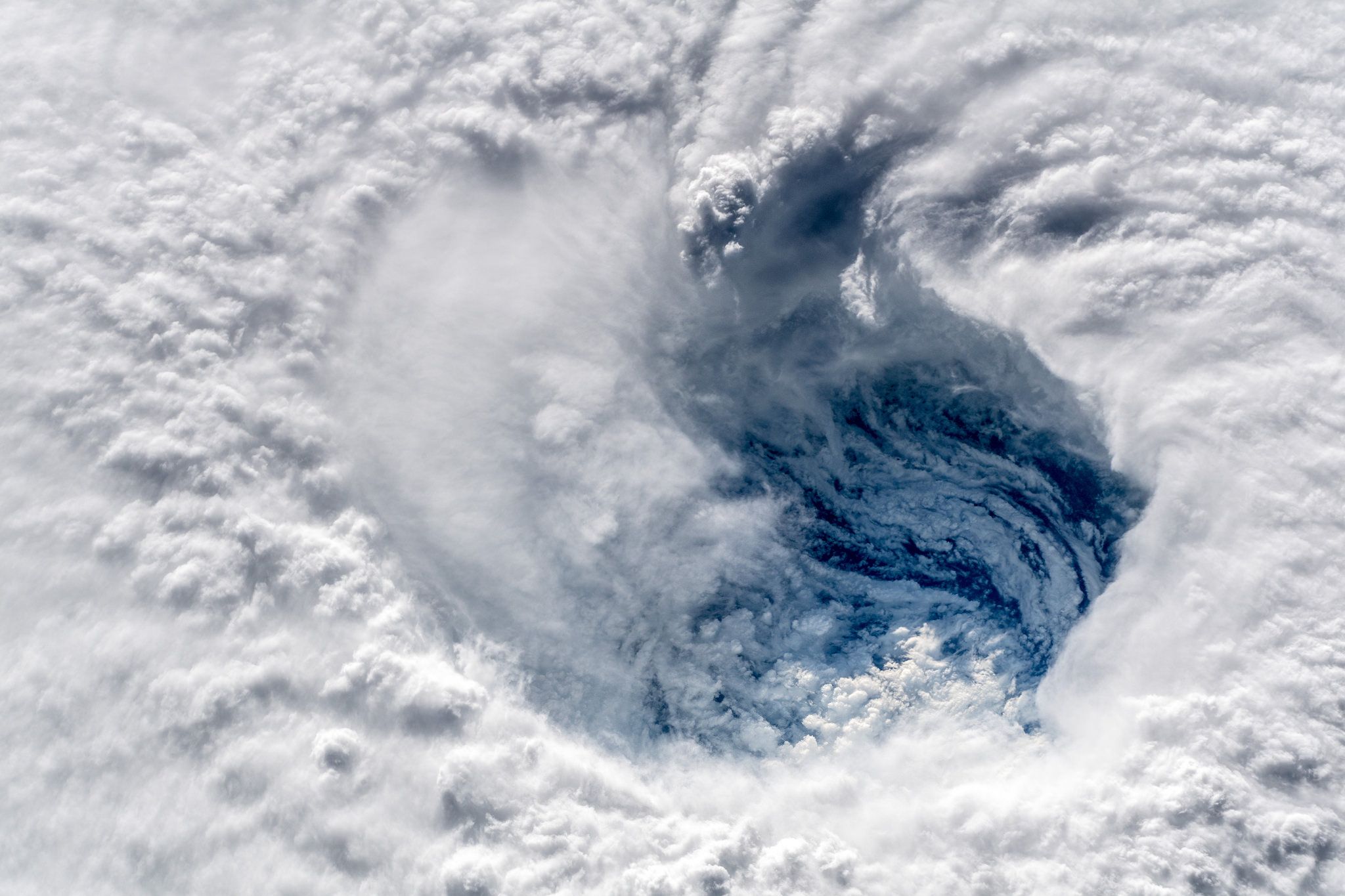
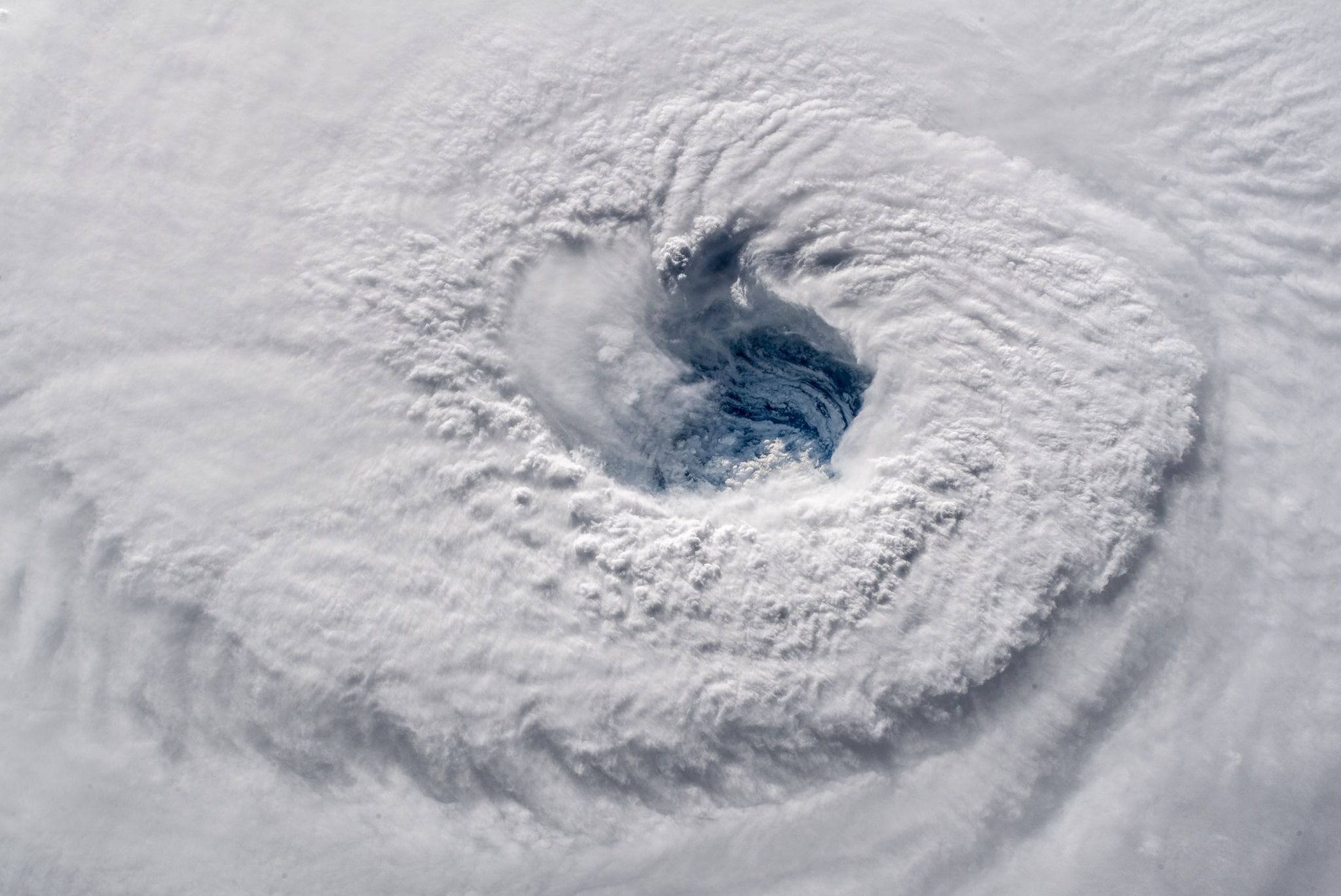
On Wednesday morning, European astronaut Andrew Gerst captured a unique set of photos of the massive Hurricane Florence barreling towards the East Coast.
At the time of these pictures, Florence was a Category 4 storm with a 25-mile-wide eye, based on hurricane hunter aircraft flying inside the storm. Gerst used "a super wide angle lens from the International Space Station, 400 km directly above the eye" to capture the images. These are angles few people ever get to witness firsthand, and almost manage to make the destructive storm look beautiful and serene — almost.
Hurricane Florence is a unique Atlantic hurricane, projected to stall out after hitting land and forecast to dump upwards of 2 feet of rain on several states, much like Hurricane Harvey did in Texas last year.
The big picture: There are several characteristics of the changing climate that are helping to increase the risks of damage from Hurricane Florence, even though global warming is not directly causing such a storm to spin up.