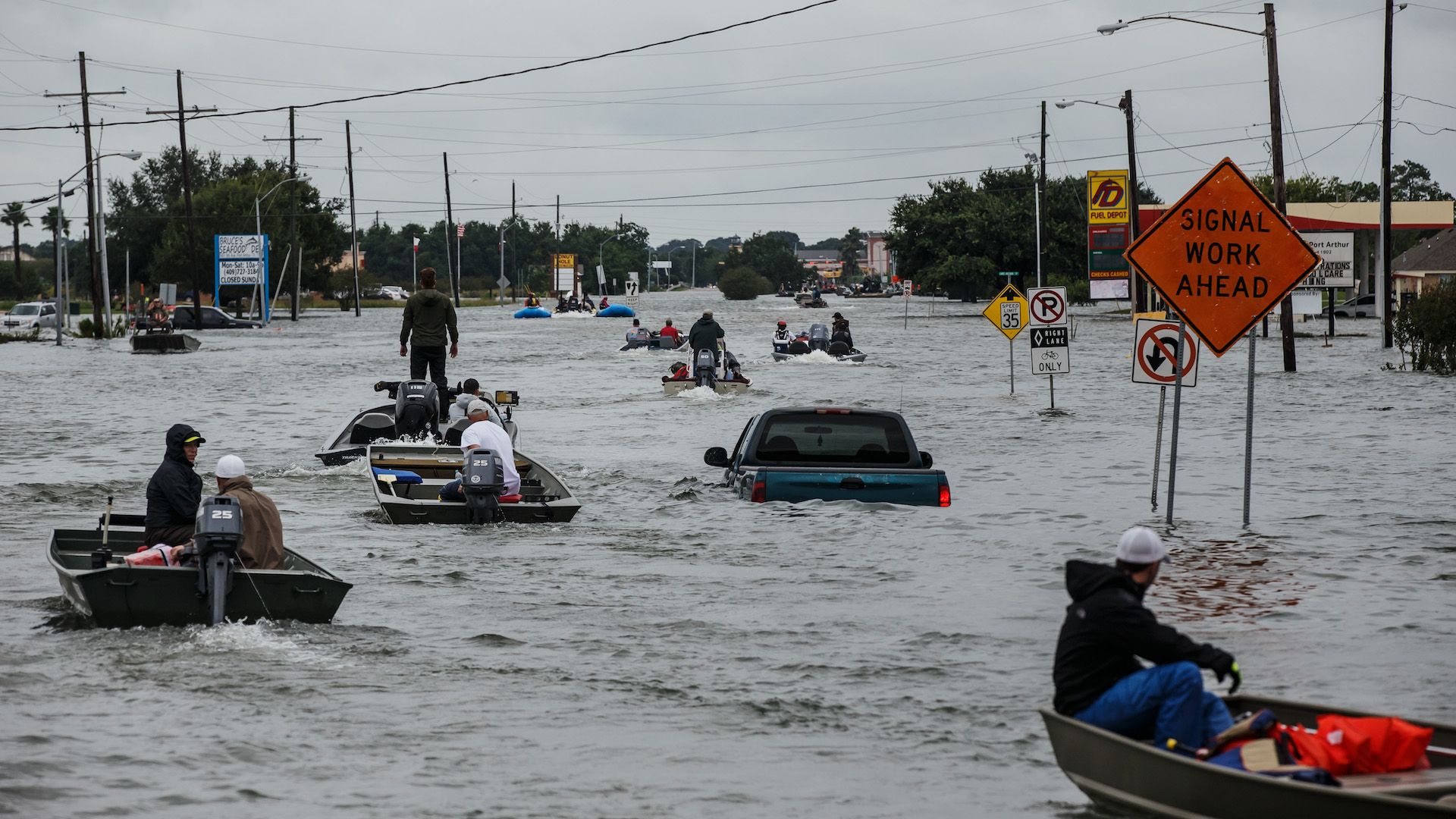
Last year, Hurricane Harvey dumped more than 5 feet of rain on the Houston area in just a few days making it the heaviest rainstorm the U.S. has ever recorded. Now, a new study shows that multiple factors, each of them climate change-related, are raising the risk of similar, meandering hurricanes in the U.S. and other parts of the globe.
Why this matters: Hurricanes are nature's most powerful and destructive storms, inflicting billions in damage each year. In the U.S., inland flooding, not coastal storm surge, is now their deadliest threat, and new data suggests this problem is going to get worse as the climate continues to warm.
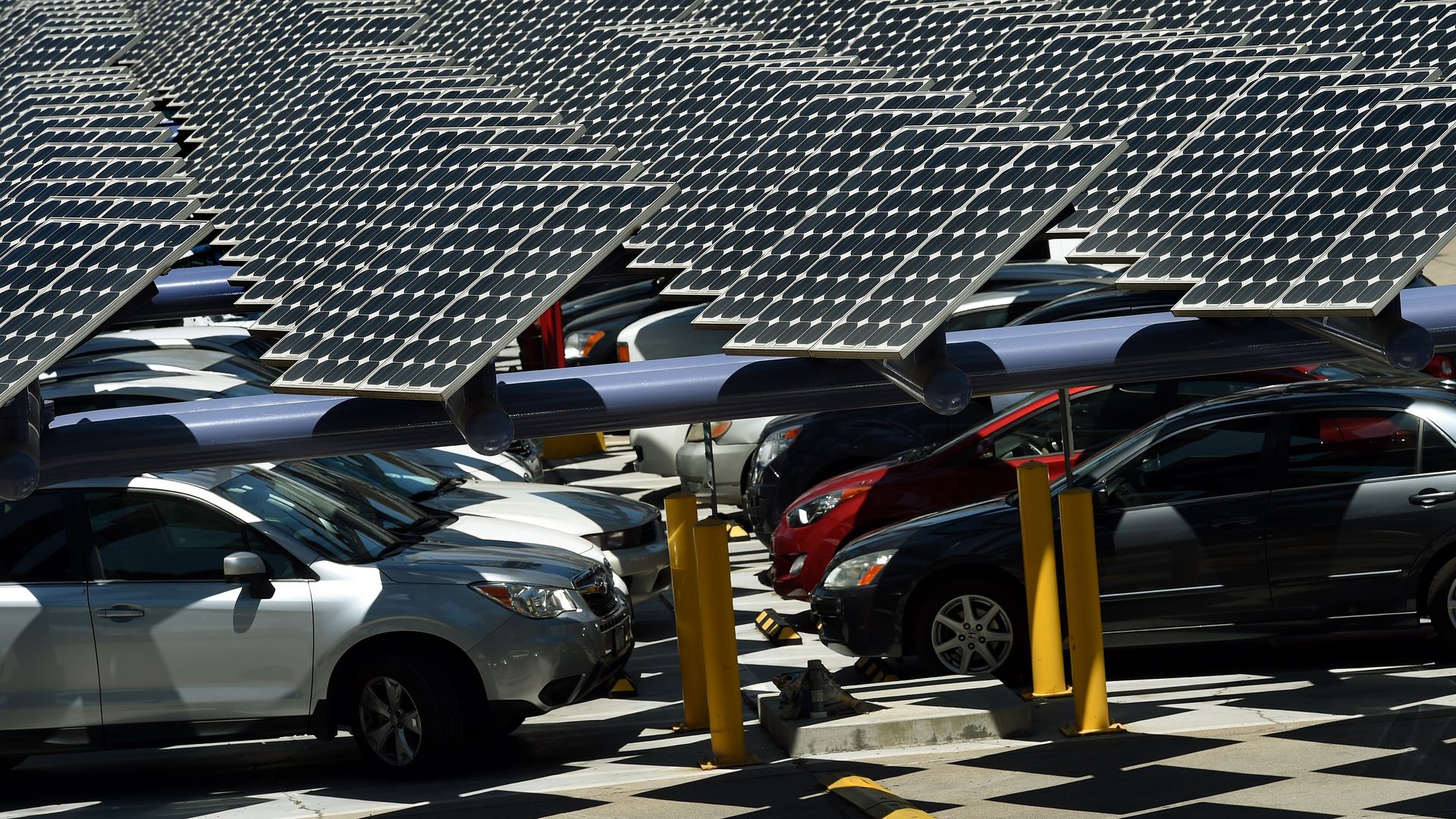
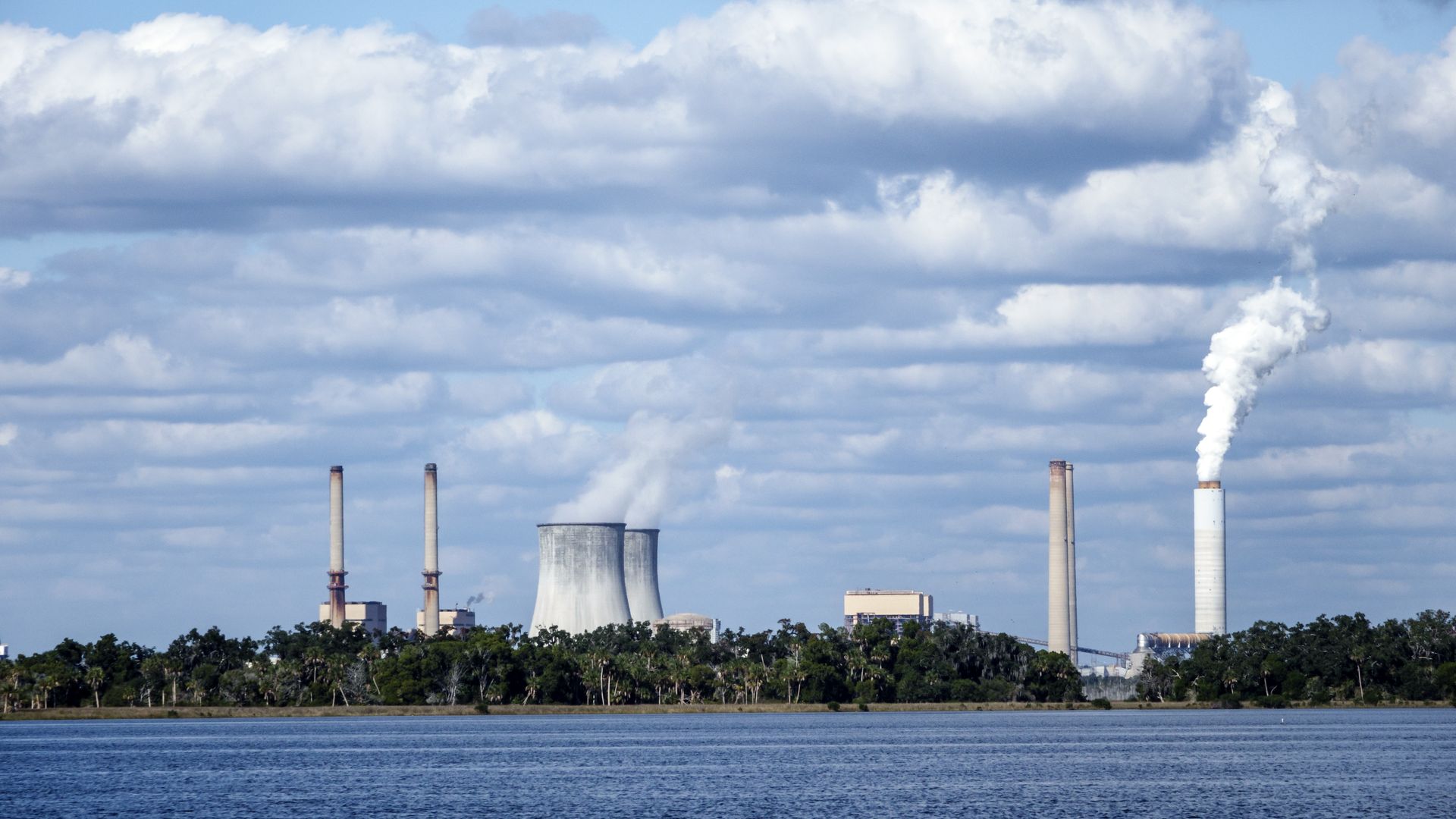
A new study and a brewing federal policy change together highlight contrasting forces that could help shape U.S. power markets in coming years.
Two possible futures: The analysis shows the nationwide scope of the trend toward a lower-carbon mix, yet the Trump administration is preparing aggressive steps aimed at halting coal's decline.
Big oil companies set to meet with Pope Francis later this week are being "duplicitous" in their support for addressing climate change, Sen. Sheldon Whitehouse, a Democrat from Rhode Island, says in a letter to the Pope dated Tuesday and being released today.
Why it matters: This letter is a window into the heart of the world’s climate and energy debate: To what degree big oil and gas companies, whose products are warming the Earth but also help run the global economy, are genuine about being part of the solution to climate change.
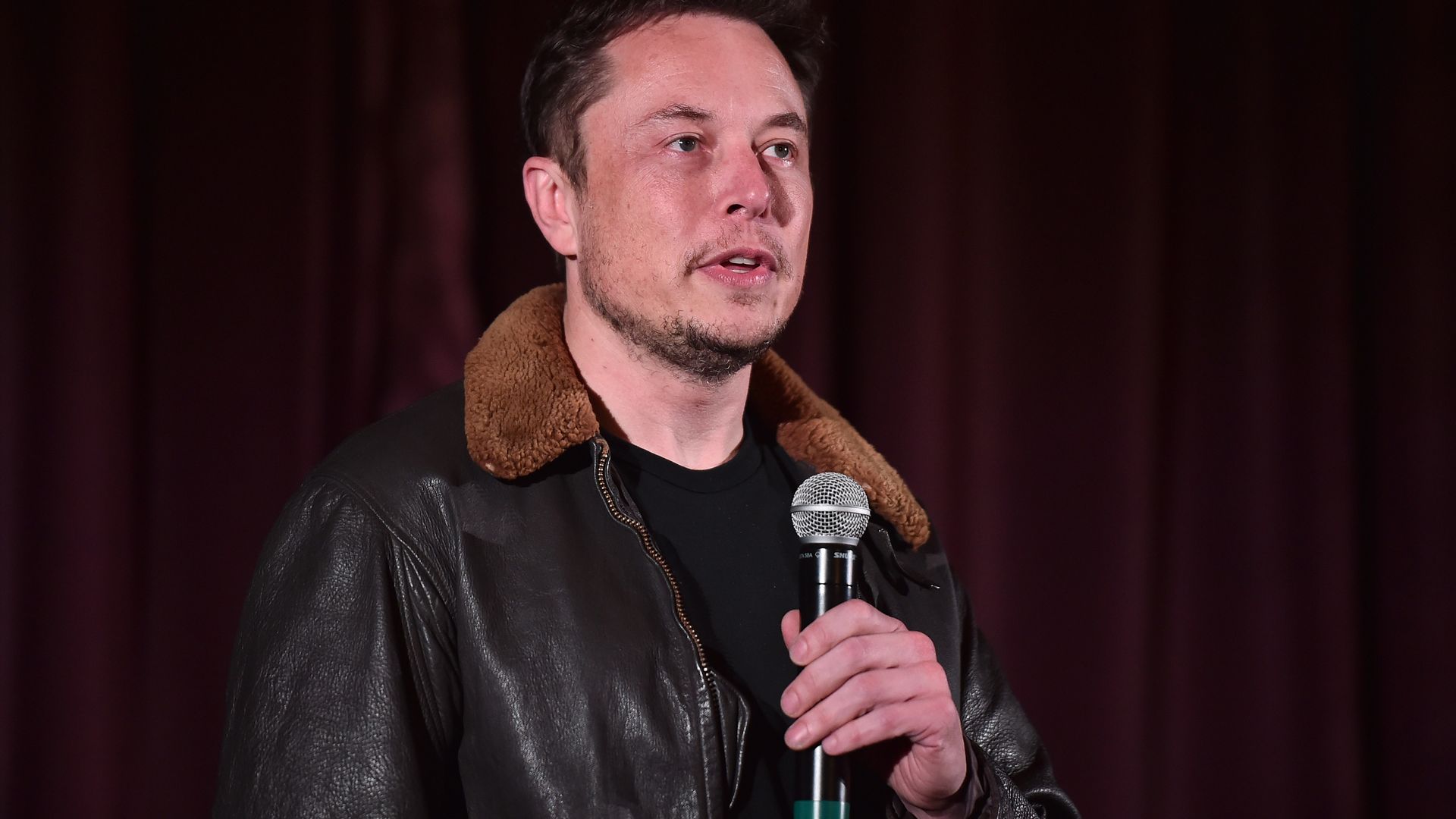
Challenged by critics who wanted to take away some of his corporate power, Tesla CEO Elon Musk told shareholders today that he will break through the 5,ooo-a-week barrier for Model 3 production by the end of June.
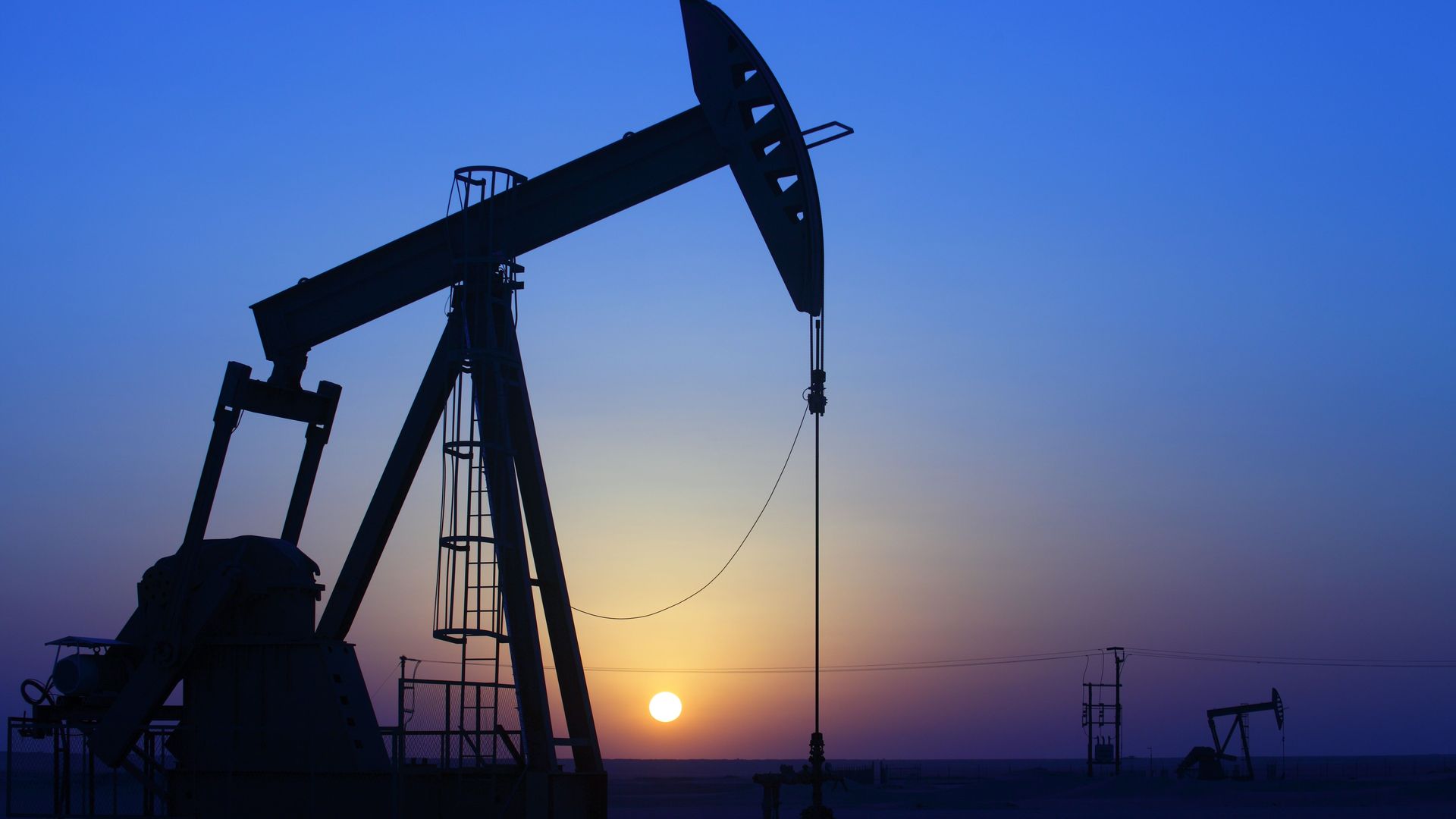
The U.S. government has asked Saudi Arabia and other OPEC countries to increase oil production, according to Bloomberg.
Why it's happening: The Trump administration is likely reacting to the fact that gasoline prices just spiked to their highest level in the U.S. in more than three years and they are likely concerned about potential political backlash, Axios' Amy Harder notes.
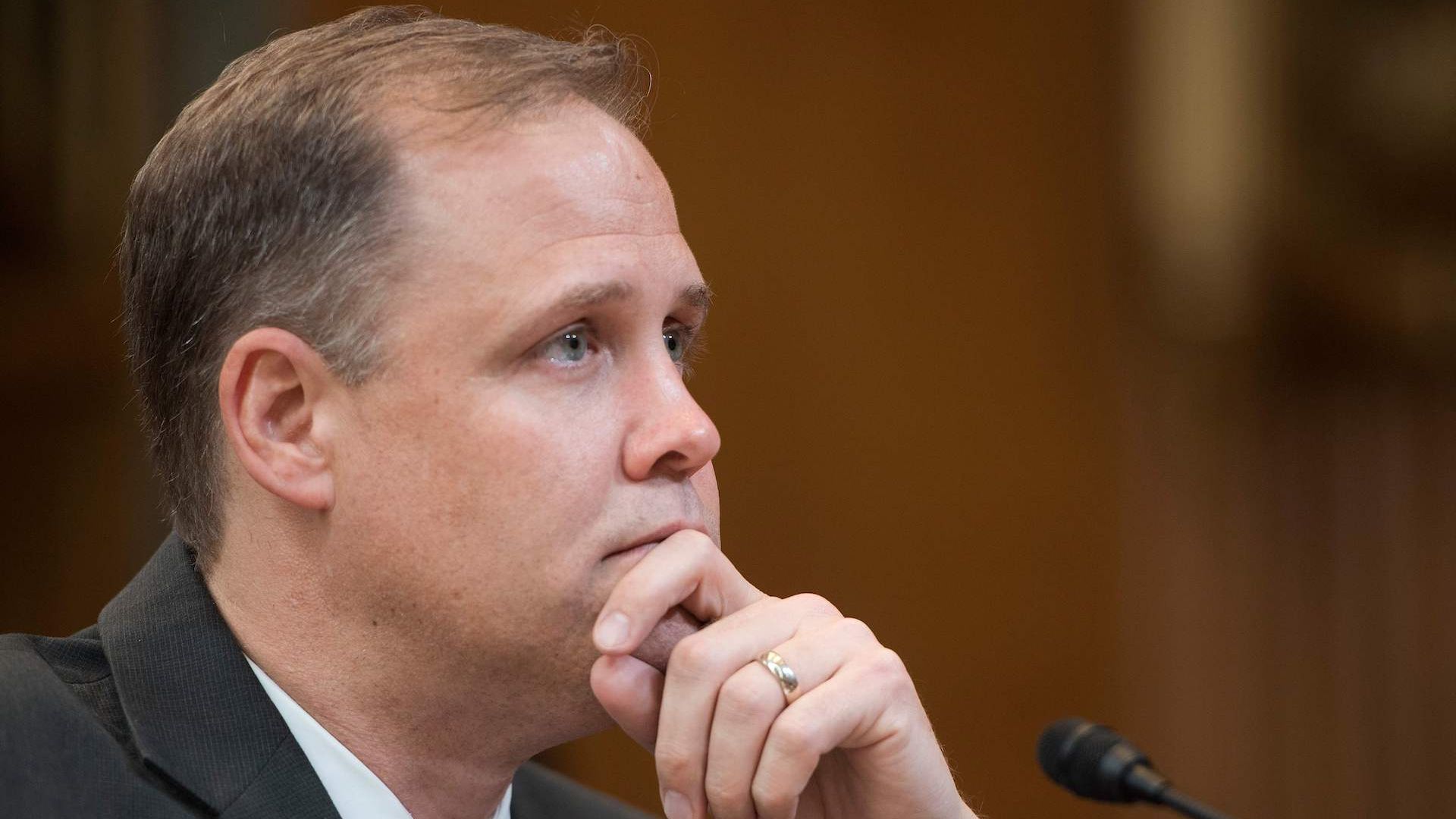
In an interview with the Washington Post on Tuesday, NASA Administrator Jim Bridenstine details his learning process on the climate issue, and how he went from climate science contrarian to agreeing with most Democrats on this issue.
Why it matters: Bridenstine occupies a unique position within the ranks of senior Trump administration officials. Unlike leaders of the EPA, Interior Department, Energy Department, and other agencies, he recognizes the mainstream scientific findings on climate change. His climate science views have rapidly evolved during the past year.
Lime, a San Francisco-based bike and scooter-sharing startup, is raising around $250 million in new funding led by GV (formerly Google Ventures), Axios has learned.
Why it matters: E-scooter competition keeps heating up, with rivals like Lime and Bird believing that cash-grabs will translate into land-grabs.
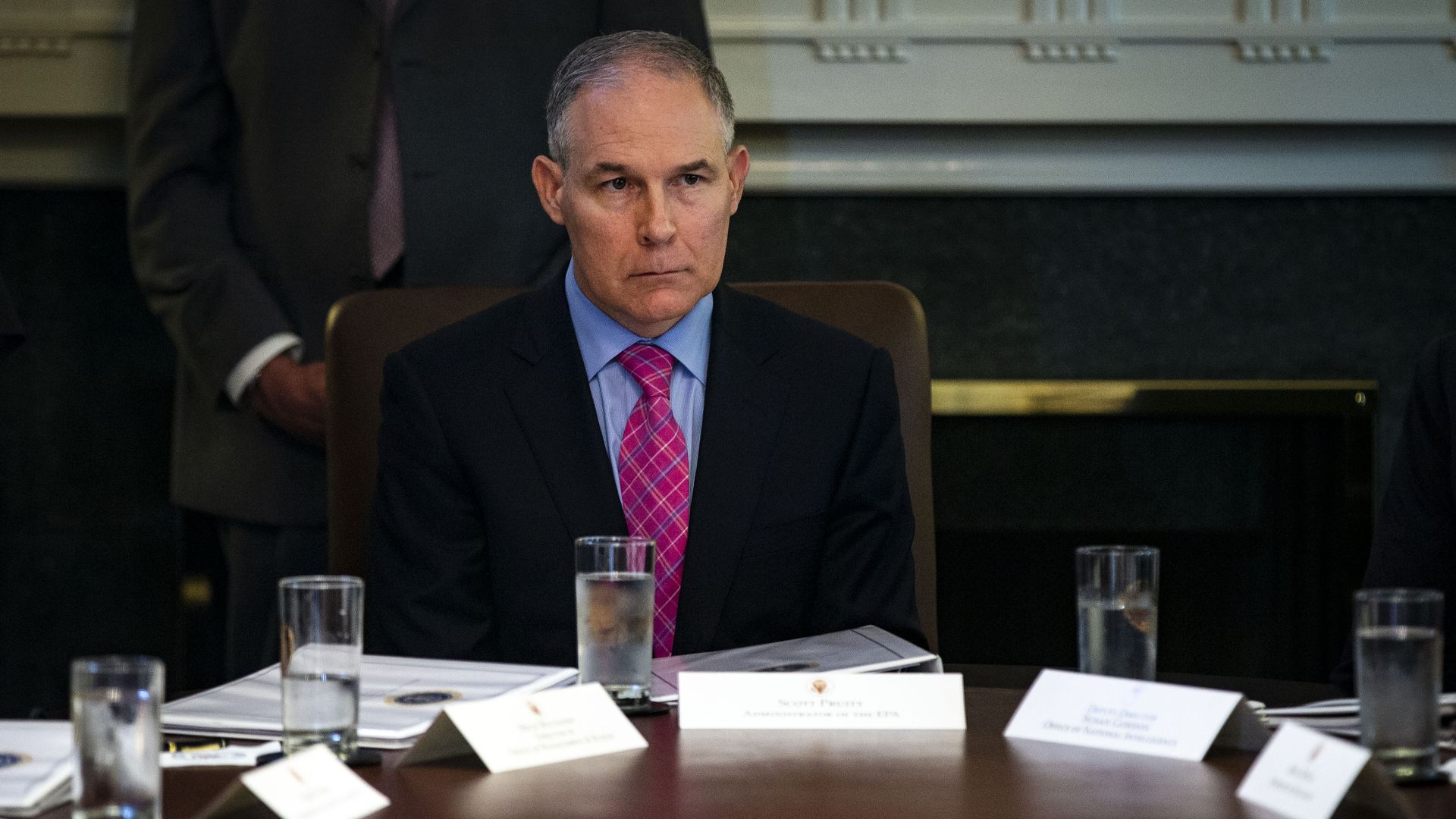
The emerging White House plan to throw an economic lifeline to struggling coal-fired and nuclear power plants would likely thwart progress on cutting greenhouse gas emissions, even though nuclear generation is the largest U.S. source of zero-carbon power, some analysts tell Axios.
Why it matters: This underscores how climate advocates increasingly fearful of a wave of nuclear plant closures — a topic we recently explored here and here — are still without policy allies in the White House despite the Trump administration's support for the fuel.
As Royal Dutch Shell faces both lawsuits and activists accusing it of misleading the public about climate change, its CEO addressed how the company has handled the issue — with a nod to the future.
Why it matters: Shell represents the leading edge in the oil industry when it comes to investments in cleaner sources of energy, but it has also borne a great deal of activist and investor pressure to do more.
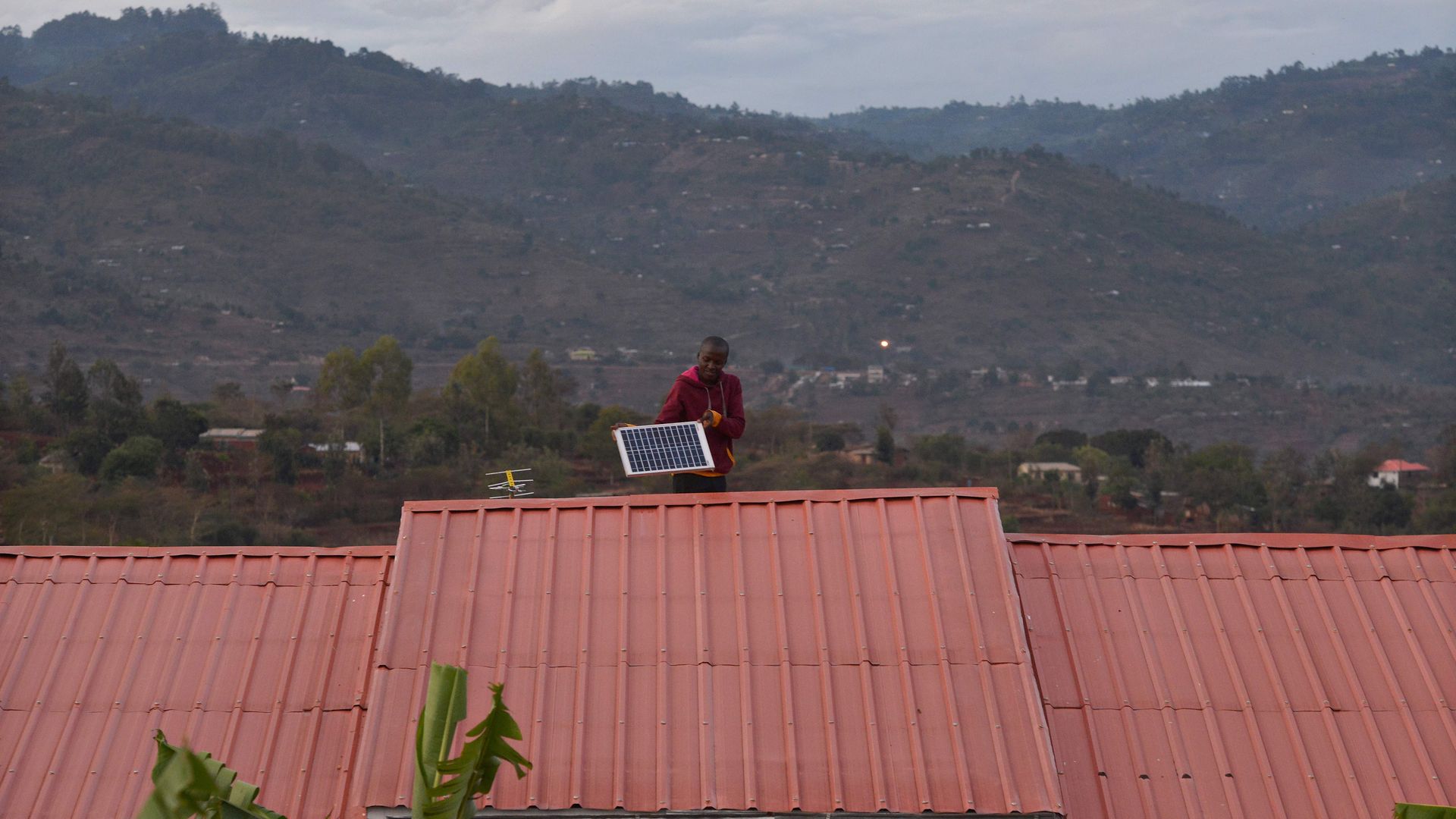
For the more than 1 billion people without reliable electricity access, advances in off-grid solar (OGS) solutions present significant promise: A recent World Bank report showed that by 2017 the global OGS sector was providing improved energy access to an estimated 73 million households.
Yes, but: Half of the projected $5.7 billion for OGS to hit its full potential from 2017 to 2022 still needs to be raised. While established multilateral and commercial financiers are expected to partially fill this gap, new financial innovations that tap less traditional investors also show strong potential to help meet the sector’s growing needs.