Uber wants to get into the scooter business in San Francisco and is submitting an application for the city's upcoming pilot program, the company confirmed to Axios on Thursday. Lyft also tells Axios that it's applied as well.
Why it matters: Electric scooter services are all the rage, and after acquiring bike-sharing startup Jump in April, Uber wants to deploy them as part of its plans to provide a variety of transportation options to customers. Lyft has also shown interest in going beyond cars.
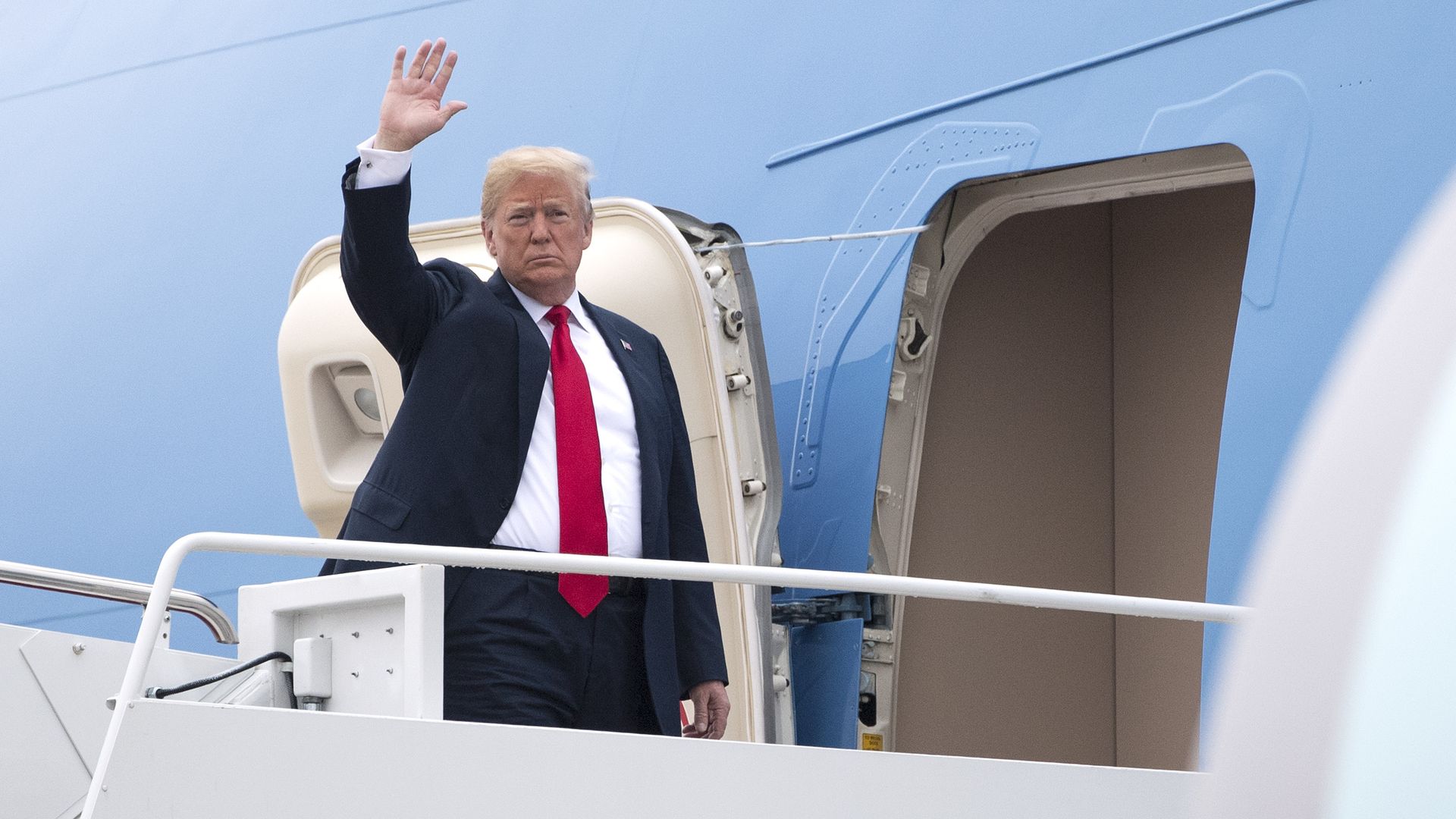
President Trumpis scheduled to be in attendance when the G7 summit begins in Quebec City tomorrow, although he has complained vociferously about going.
Why it matters: It will be the most dysfunctional G7 meeting — by a long margin — since the first in 1975. The Europeans, Japanese and Canadians all feel like they've been wrong-footed by the American president on trade. After their collective irritation with U.S. withdrawals from the Paris climate agreement and Iran nuclear deal, they're no longer hiding behind pleasantries.
The amount of carbon dioxide in the air exceeded 411 parts per million during the month of May, which was the highest monthly level ever recorded, according to the National Oceanic and Atmospheric Administration as well as Scripps Institution of Oceanography.
Why it matters: Based on studies of historical levels of greenhouse gases in the air, this is also the highest level in human history.
President Trump went to FEMA on Wednesday for an annual hurricane forecast briefing, but this one was anything but normal, a transcript reveals and audio obtained by the Washington Post shows.
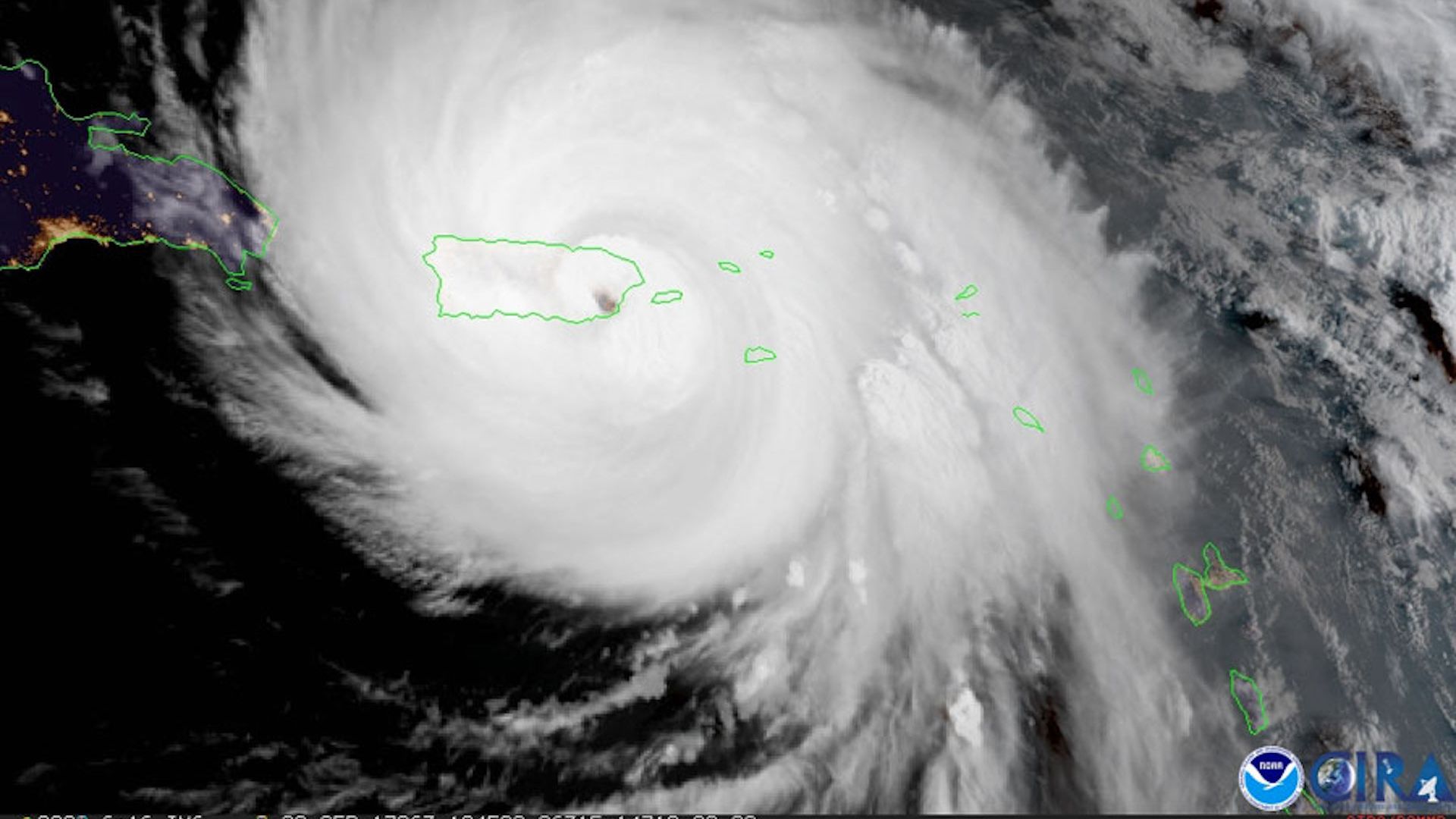
The big picture: The 2017 Atlantic hurricane season was among the most damaging on record, causing tens of billions in damage and possibly more than 4,000 deaths between the mainland U.S. and Puerto Rico. Hurricane Harvey, which caused the heaviest rainstorm ever observed in the U.S., had total costs of $125 billion alone.
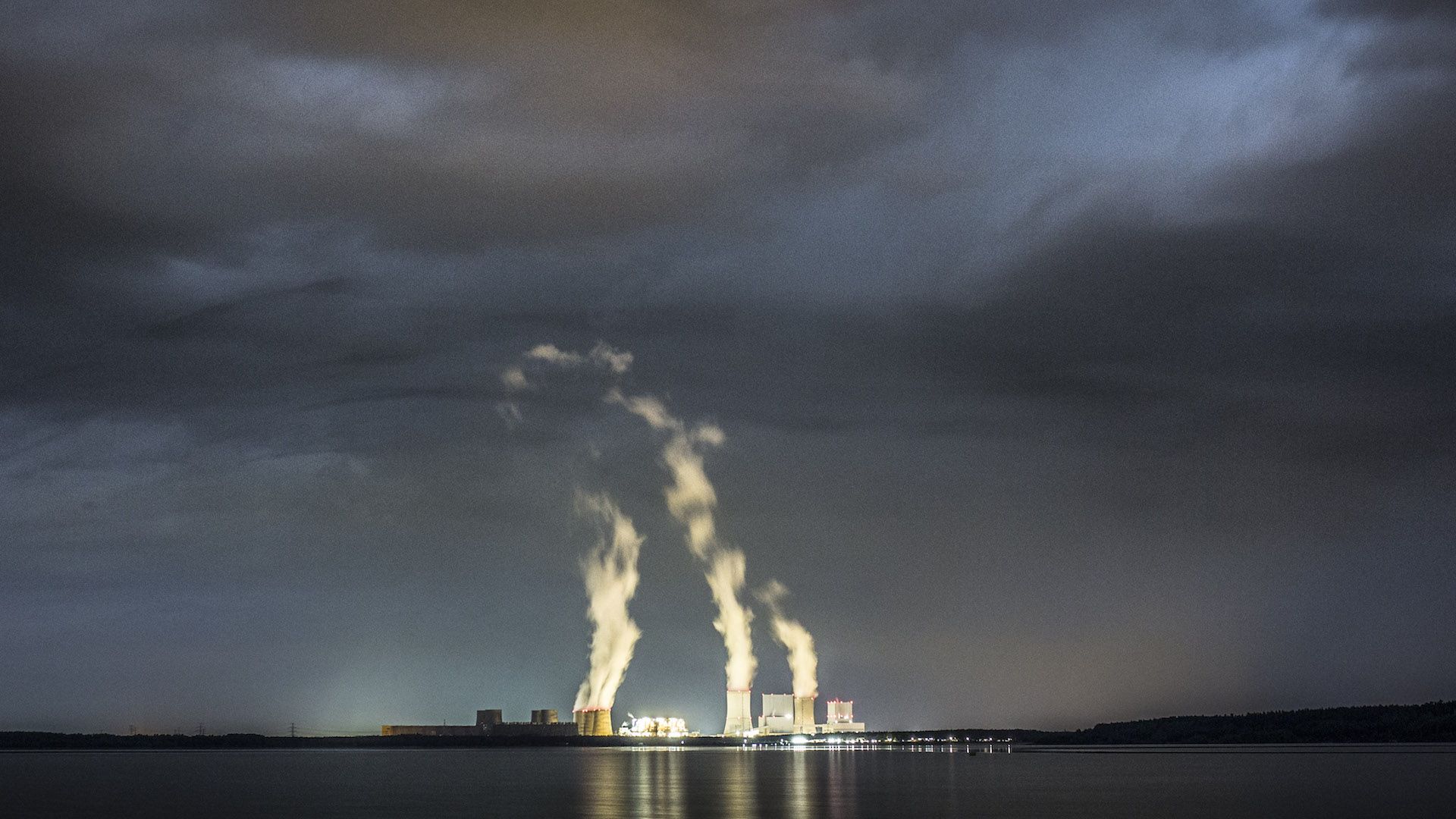
On Friday, President Trump reportedly directed the Department of Energy to order U.S. electricity markets to buy electricity from coal and nuclear generators at higher-than-market prices.
Why it matters: Trump's order would forever alter the established model of U.S. electric power markets, since investments based on market-clearing prices are predicated on the promise that governments will not intervene to reward particular constituents (e.g., coal-mine owners).
Every area of the globe has warmed since instrument records began in 1880, NASA data shows. The planet isn't warming equally, however — the fastest temperature increases are taking place at the poles. The Arctic, for example, is warming at more than twice the rate of the rest of the globe, melting sea ice, glaciers and permafrost.
The bottom line: Due largely to human emissions of greenhouse gases, there is virtually no such thing as a cooler than average year on Earth anymore. (The last cooler-than-average month was 30 years ago, in December 1984).
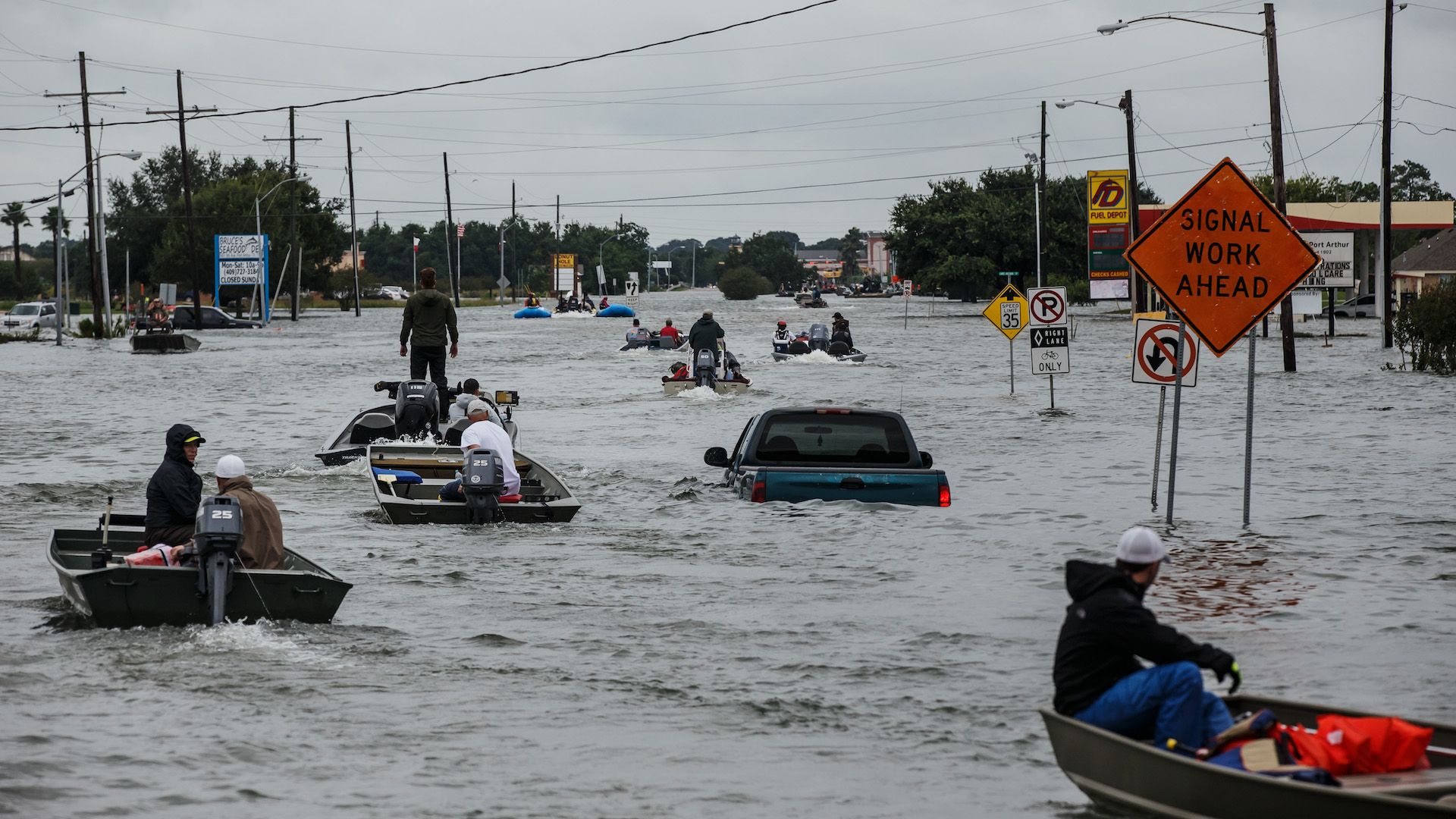
Last year, Hurricane Harvey dumped more than 5 feet of rain on the Houston area in just a few days making it the heaviest rainstorm the U.S. has ever recorded. Now, a new study shows that multiple factors, each of them climate change-related, are raising the risk of similar, meandering hurricanes in the U.S. and other parts of the globe.
Why this matters: Hurricanes are nature's most powerful and destructive storms, inflicting billions in damage each year. In the U.S., inland flooding, not coastal storm surge, is now their deadliest threat, and new data suggests this problem is going to get worse as the climate continues to warm.
A new study and a brewing federal policy change together highlight contrasting forces that could help shape U.S. power markets in coming years.
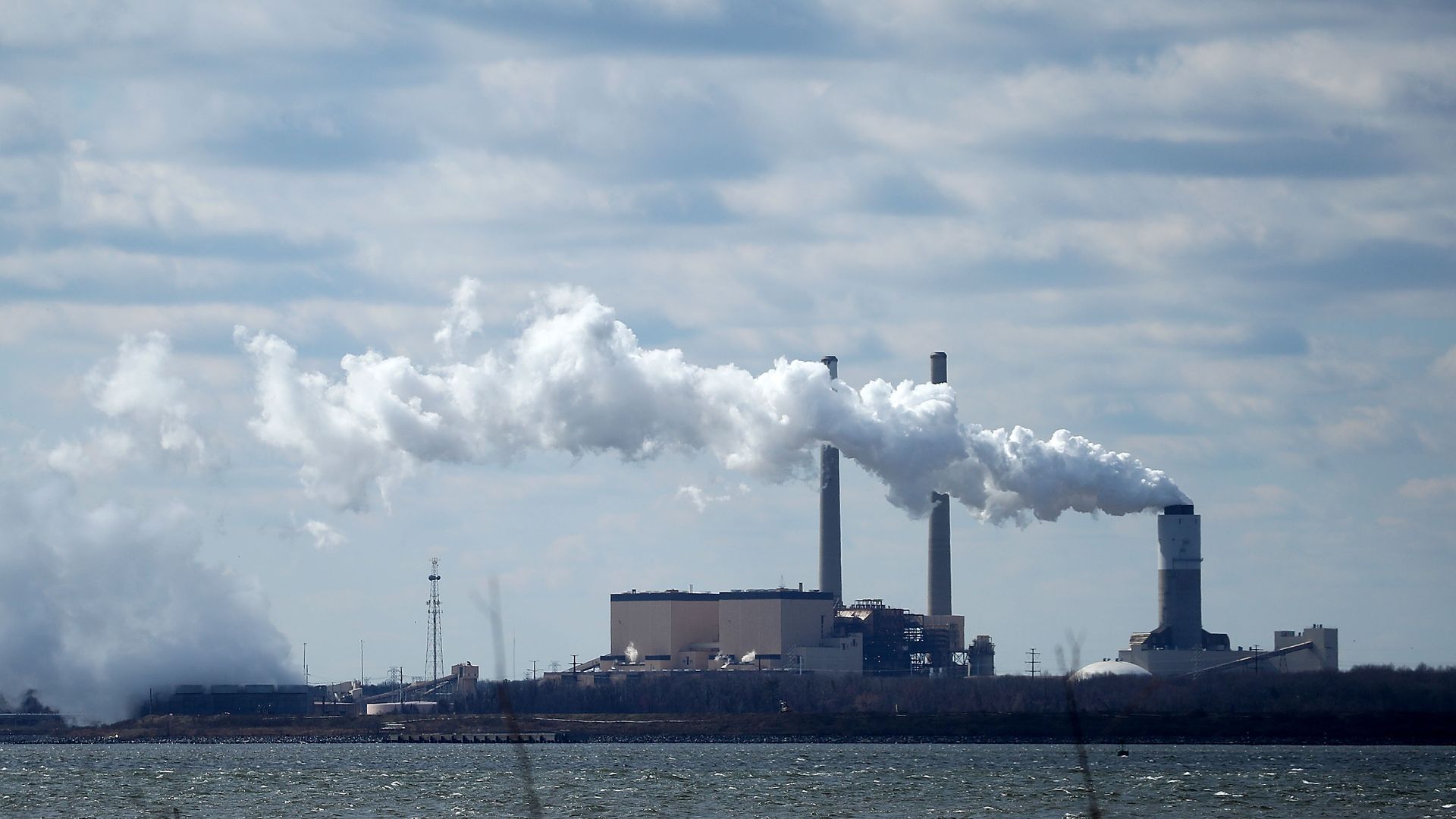
Two possible futures: The analysis shows the nationwide scope of the trend toward a lower-carbon mix, yet the Trump administration is preparing aggressive steps aimed at halting coal's decline.
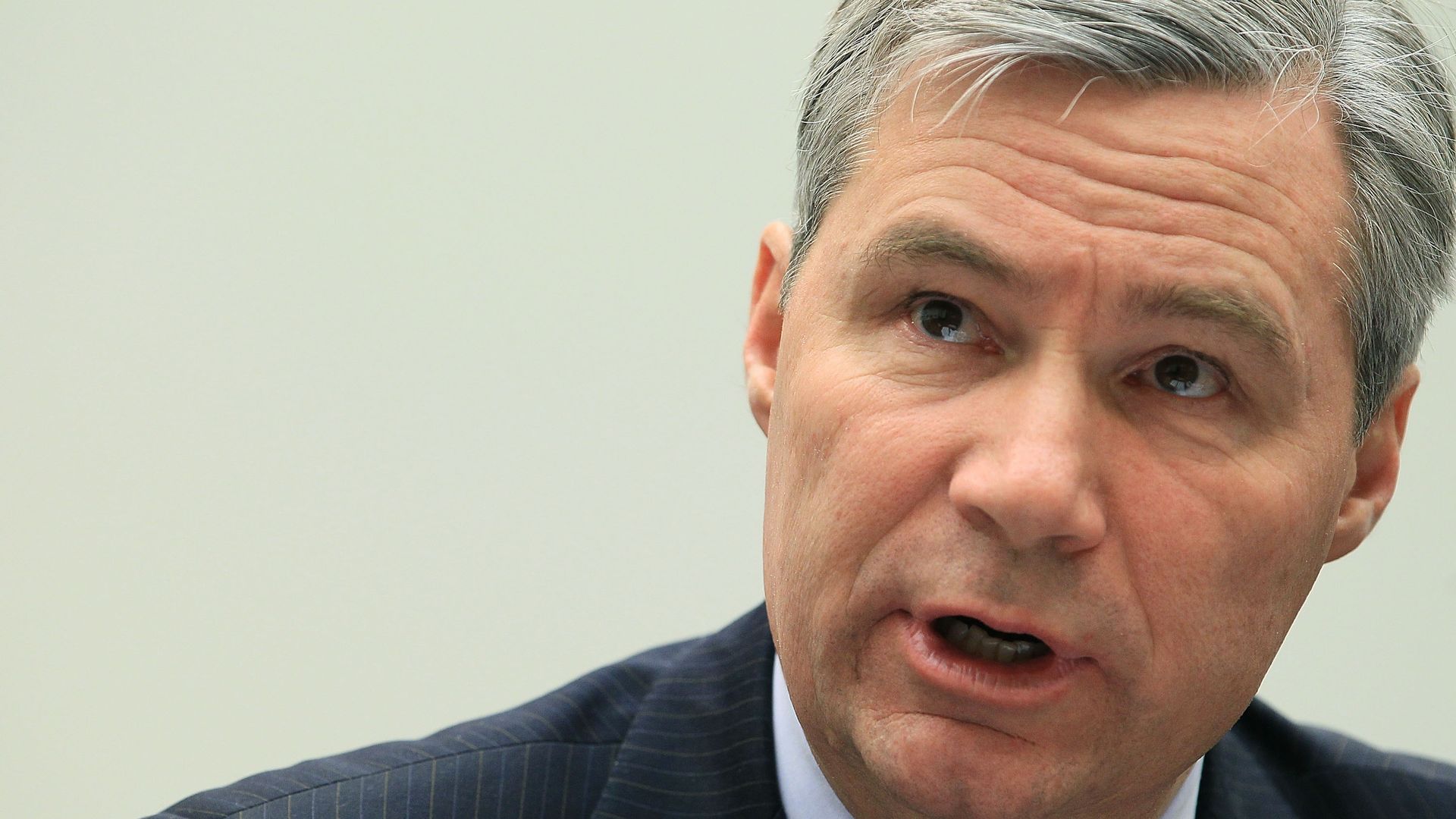
Big oil companies set to meet with Pope Francis later this week are being "duplicitous" in their support for addressing climate change, Sen. Sheldon Whitehouse, a Democrat from Rhode Island, says in a letter to the Pope dated Tuesday and being released today.
Why it matters: This letter is a window into the heart of the world’s climate and energy debate: To what degree big oil and gas companies, whose products are warming the Earth but also help run the global economy, are genuine about being part of the solution to climate change.