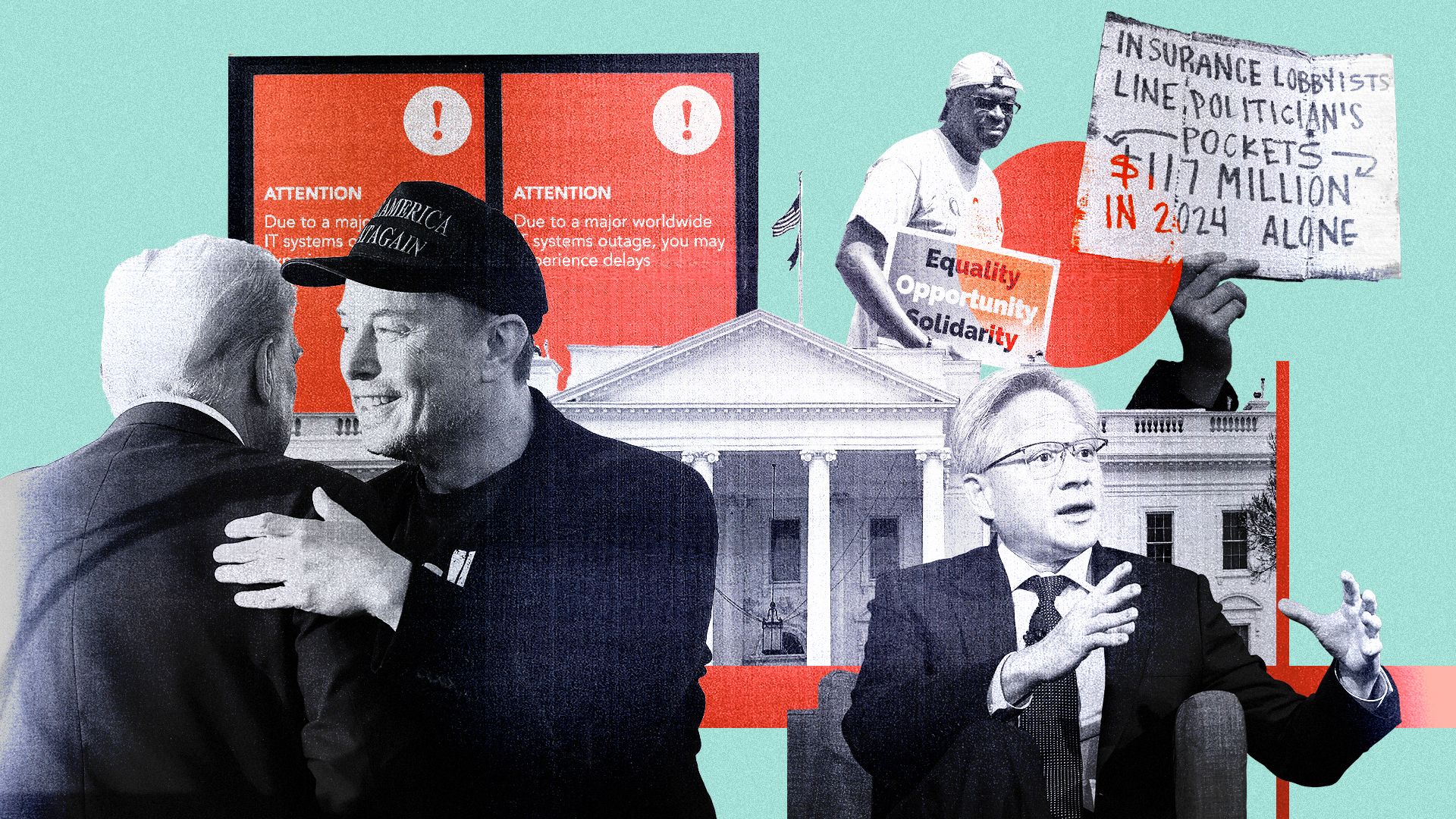
With Democrats heavily favored to regain control of the Senate and the House in the midterm Tuesday night, some of America's most powerful executives have a lot riding on the outcome.
Why it matters: A change of control on Capitol Hill could bring renewed political scrutiny and an uncertain regulatory landscape for leaders across industries from AI to crypto.
Jill Hazelbaker, Uber's president and chief corporate affairs officer, is moving to OpenAI in the new role of chief corporate affairs officer, overseeing the frontier AI company's global communications and corporate positioning.
Why it matters: Hazelbaker, a veteran of political campaigns who also held top jobs at Snap and Google, is among Washington's best-known and best-connected executives.
The big picture: Every major component of the Job Openings and Labor Turnover Survey report, which gives the richest data on what is happening to the labor market beneath the headline numbers, pointed to conditions improving in September.
The October employment report is due out Friday, and analysts expect it to confirm solid job growth and a low, steady unemployment rate at the onset of autumn.
AI may be repeating a painful pattern from previous technological revolutions: Workers who lose their jobs because of the technology struggle to find employment and risk displacement all over again.
Why it matters: AI does not need to trigger mass layoffs to cause lasting damage.
Against the "low-hire, low-fire" backdrop, workers whose skills become obsolete could struggle to find new jobs and suffer years of lost earnings — even if the broader economy avoids a major rise in unemployment.
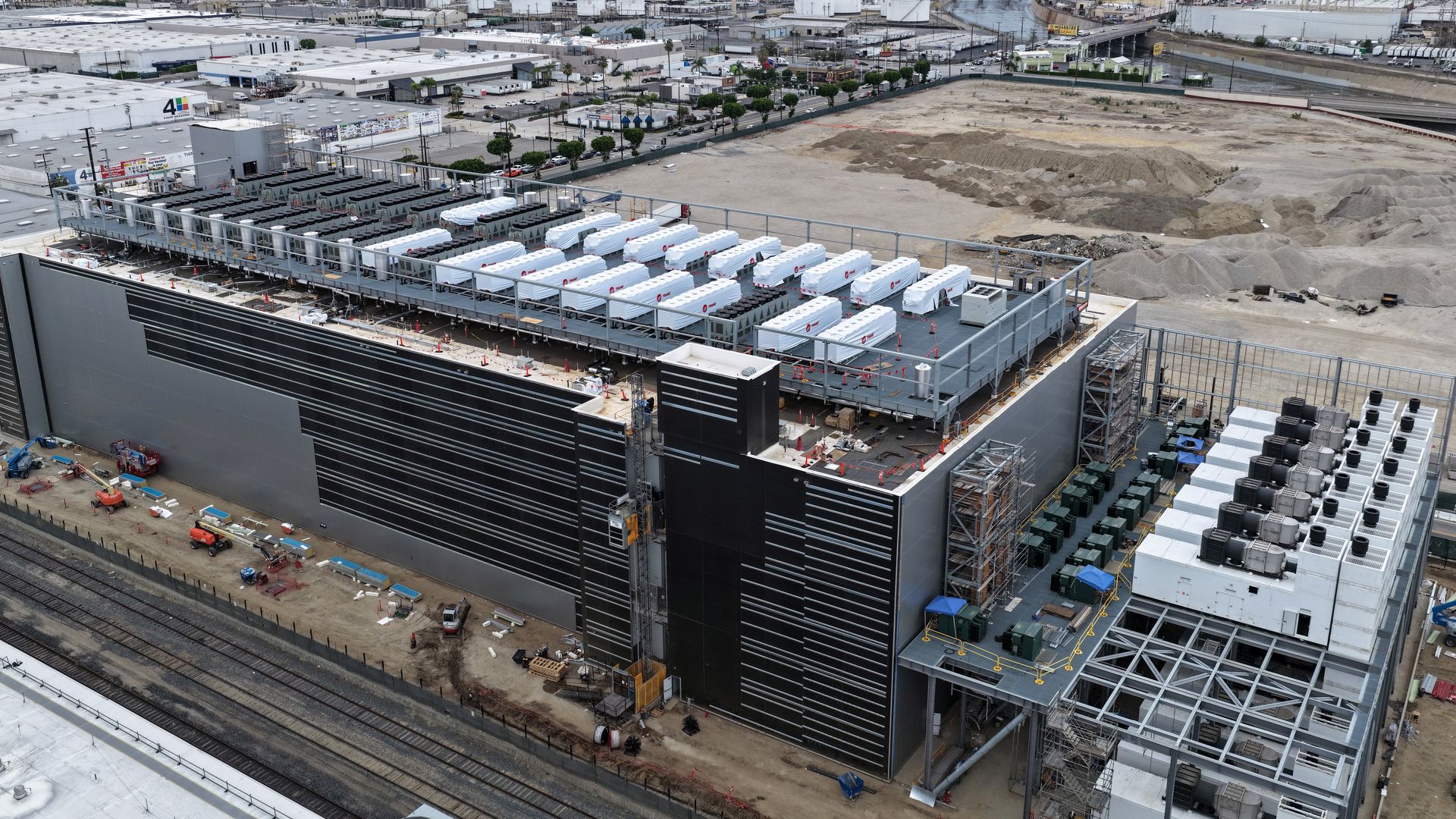
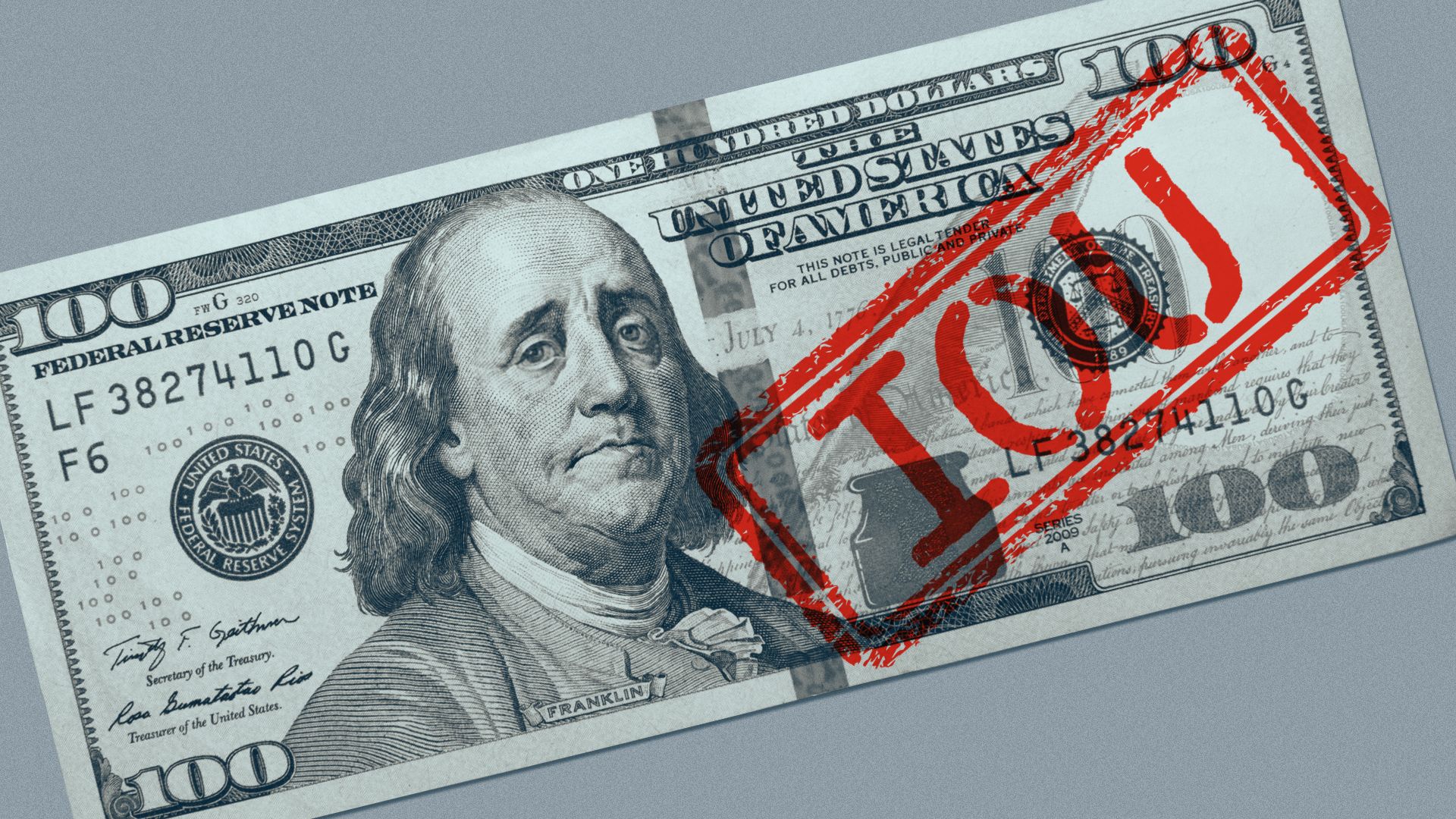
Big Tech just can't quit the bond market — Alphabet, Microsoft, Meta and Oracle are all lining up billions more in debt as the borrowing frenzy around the AI buildout shows little sign of cooling off.
Why it matters: They're having to pony up to borrow more. The AI buildout powering the markets and economy increasingly runs on borrowed money — and lenders are starting to charge more for it.
That doesn't seem to have stopped anyone from asking for more.
The 2026 midterms bring the first test of voter sentiment on the AI race, offering a window into how a niche policy debate is transforming into a wedge issue ahead of a presidential campaign cycle.
Why it matters: The results will reveal whether explicitly campaigning on AI regulation — or aligning with tech moguls like Elon Musk — is a winning political strategy or a liability for 2028.
One thing is already clear: Candidates increasingly can't afford to have half-baked AI agendas.
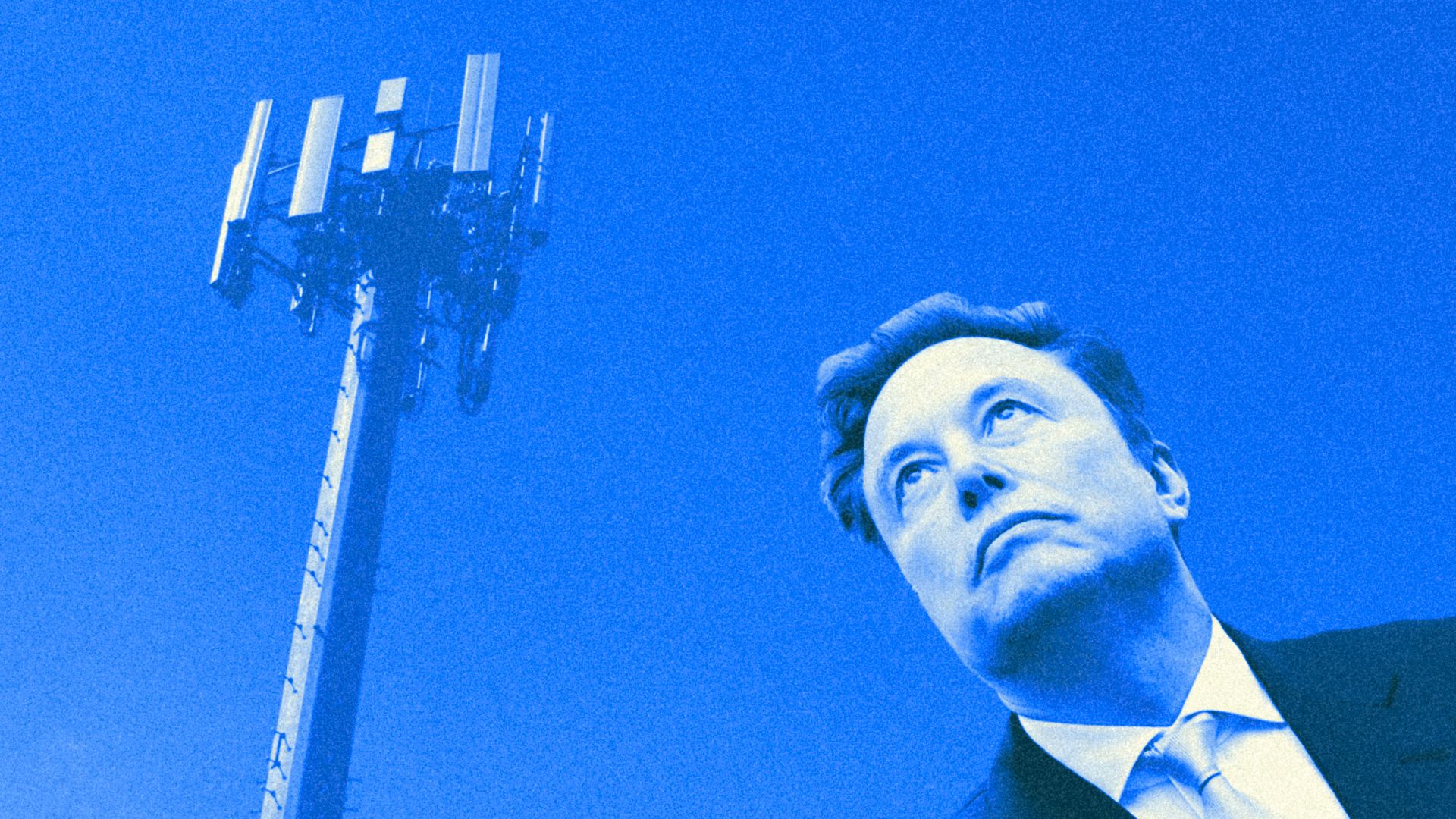
Elon Musk is looking to shake up America's wireless industry, potentially bringing the first major new competitive threat in years to a business dominated by three companies.
Why it matters: The cellular industry has seen enormous technological change but relatively little disruption to its competitive structure. Musk has the money, spectrum and satellite network to attempt something different — though he faces daunting obstacles.
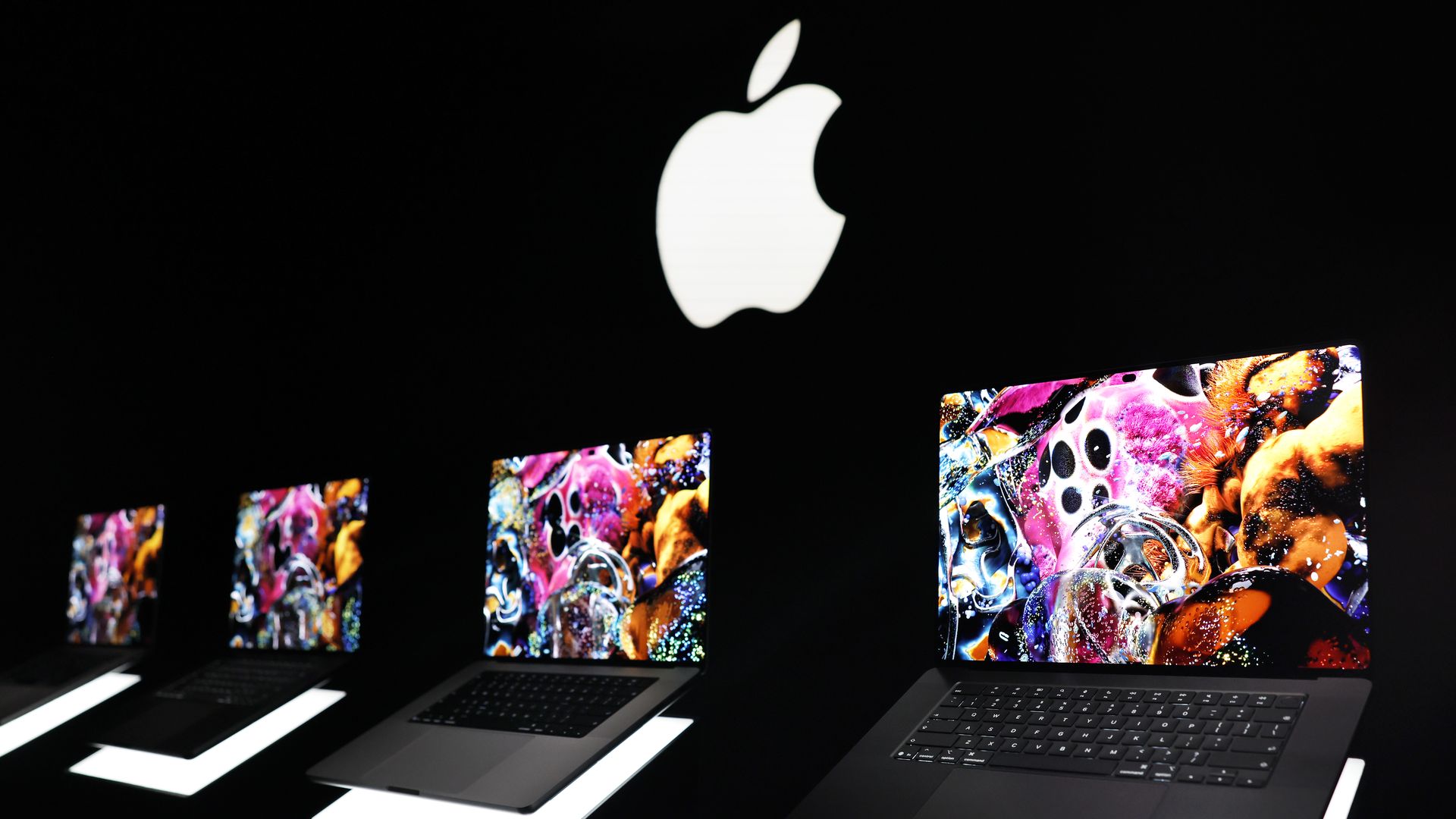
Apple delivered higher revenue than expected in its most recent quarter as the tech giant rides an uptick in iPhone sales.
Why it matters: Apple recently reclaimed its title as the world's most valuable company — topping Nvidia with its stock up about 25% in 2026 — as its cautious approach to AI spending grows on investors.
President Trump told Axios in a phone interview Monday he's "in no rush" to decide whether to resume fighting in Iran.
Why it matters: The midterm elections have been seen as an inflection point for Trump on whether to unleash a massive bombing campaign to try to bring the war to an end.
But it appears the president, at least for now, will continue on dual tracks — letting negotiations play out while preparing to go back to war if he concludes a deal isn't reachable.
Output of American factories continued to expand in October, driven by surging demand for AI-related equipment that's also straining supply chains and pushing up prices, according to two new manufacturing surveys.
By the numbers: The Institute for Supply Management's manufacturing index rose 1 point, to 55.5, last month — the 10th straight month of expanding activity following a yearslong slump.
After Tuesday's midterm elections, the 2028 presidential race unofficially begins. There is reason to think that fiscal policy will shape the contours of the race in a way that deficits and debt haven't for nearly four decades.
The big picture: Candidates for the White House will be running amid historically large deficits, high and rising debt service costs, elevated interest rates and an imminent Social Security funding crunch.
It is a world where policy trade-offs will be harder to ignore.
Lots of companies successfully price IPOs. Lots of other companies try to price IPOs, but cancel the process when it goes wobbly.
OPay appears to be the only company to have successfully priced its IPO, and then thrown in the towel. Just hours before its shares were set to begin trading.
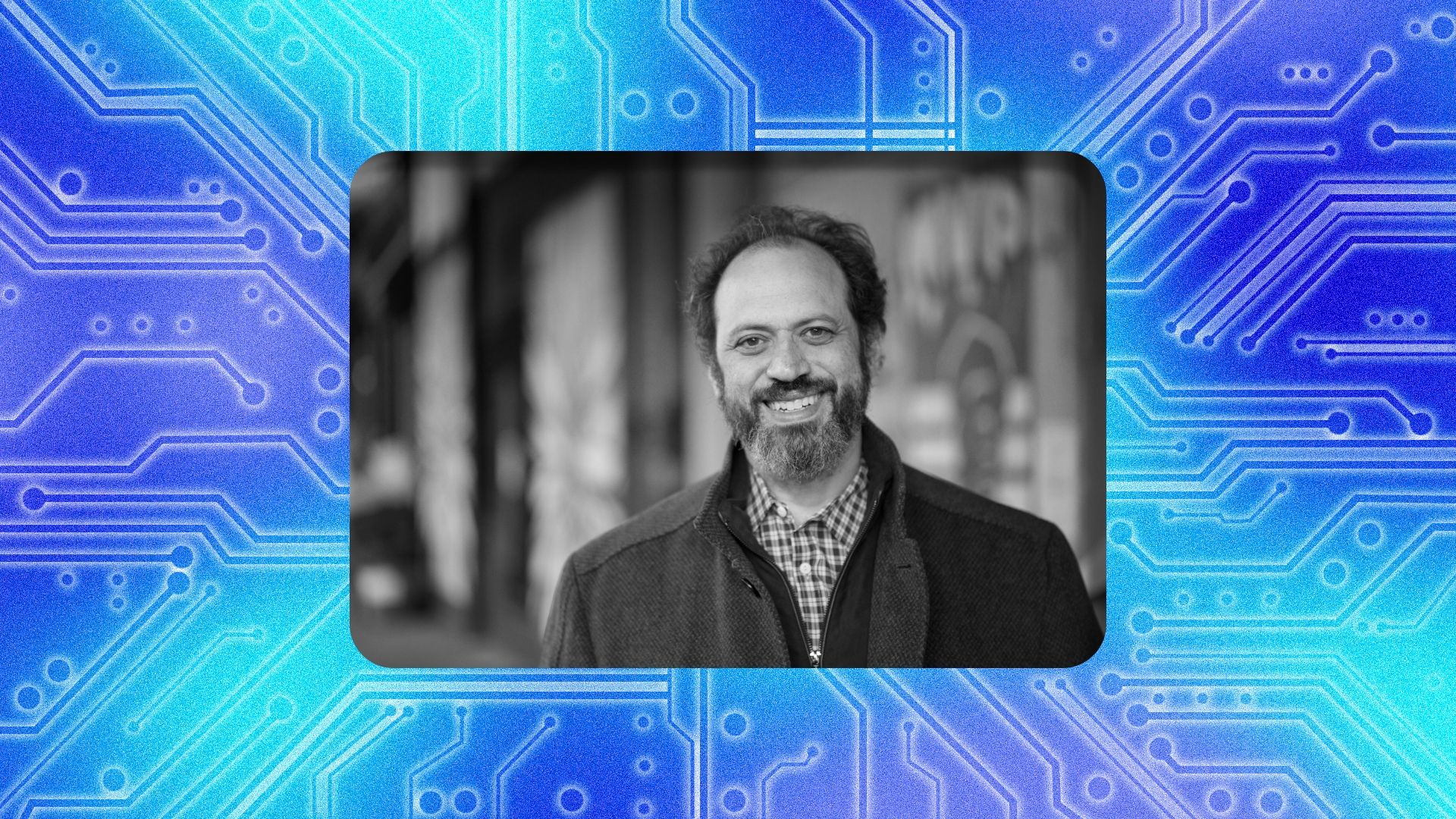
The AI industry's obsession with existential risk is diverting attention from the more immediate threats, Wharton professor Ethan Mollick told Axios in a discussion around his new book, "Co-Existence," billed as a field guide to AI.
Why it matters: Mollick's view provides an intellectual middle amid a sea of doom and hype surrounding the future of AI.
This conversation has been edited for length and clarity.
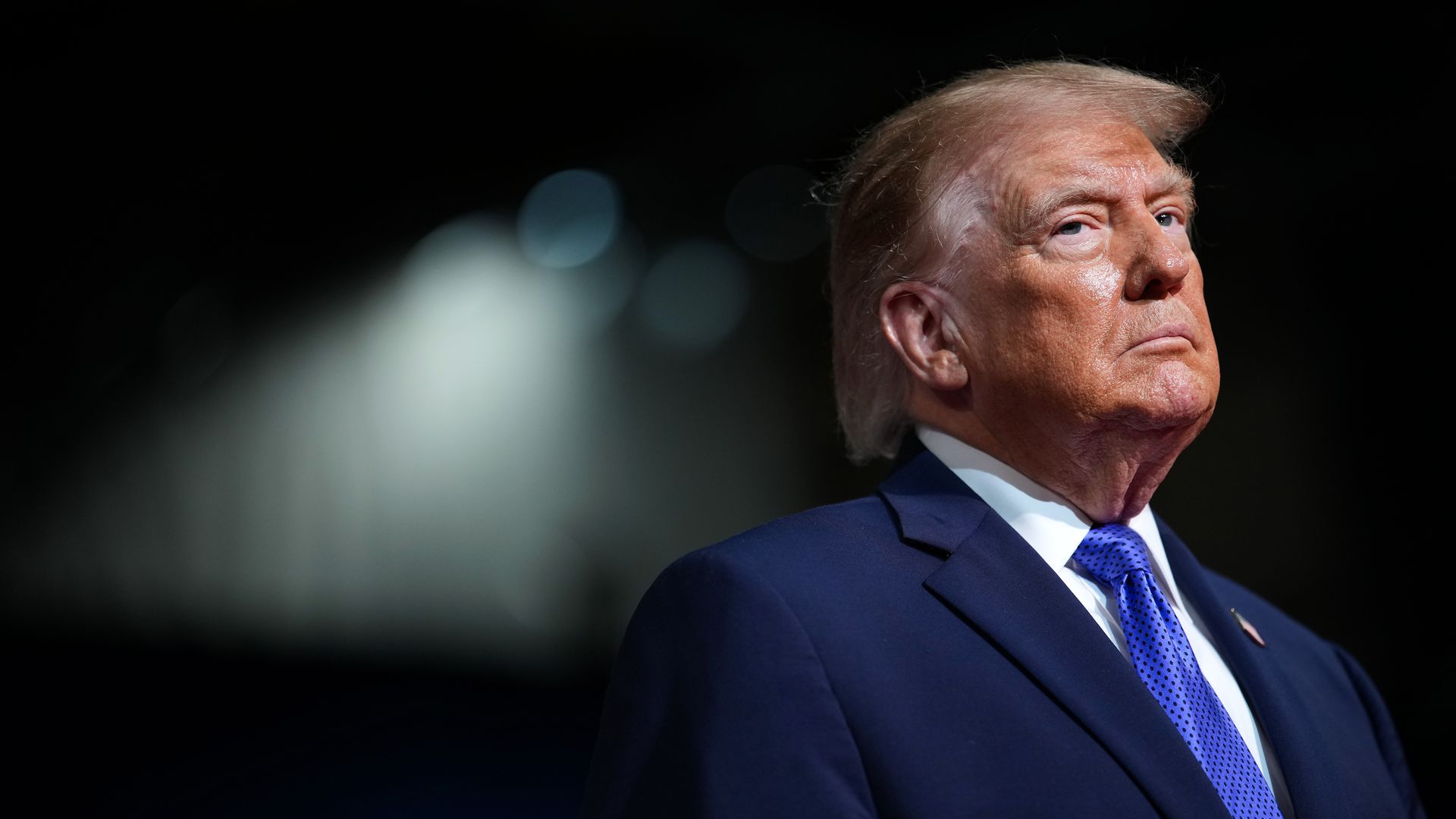
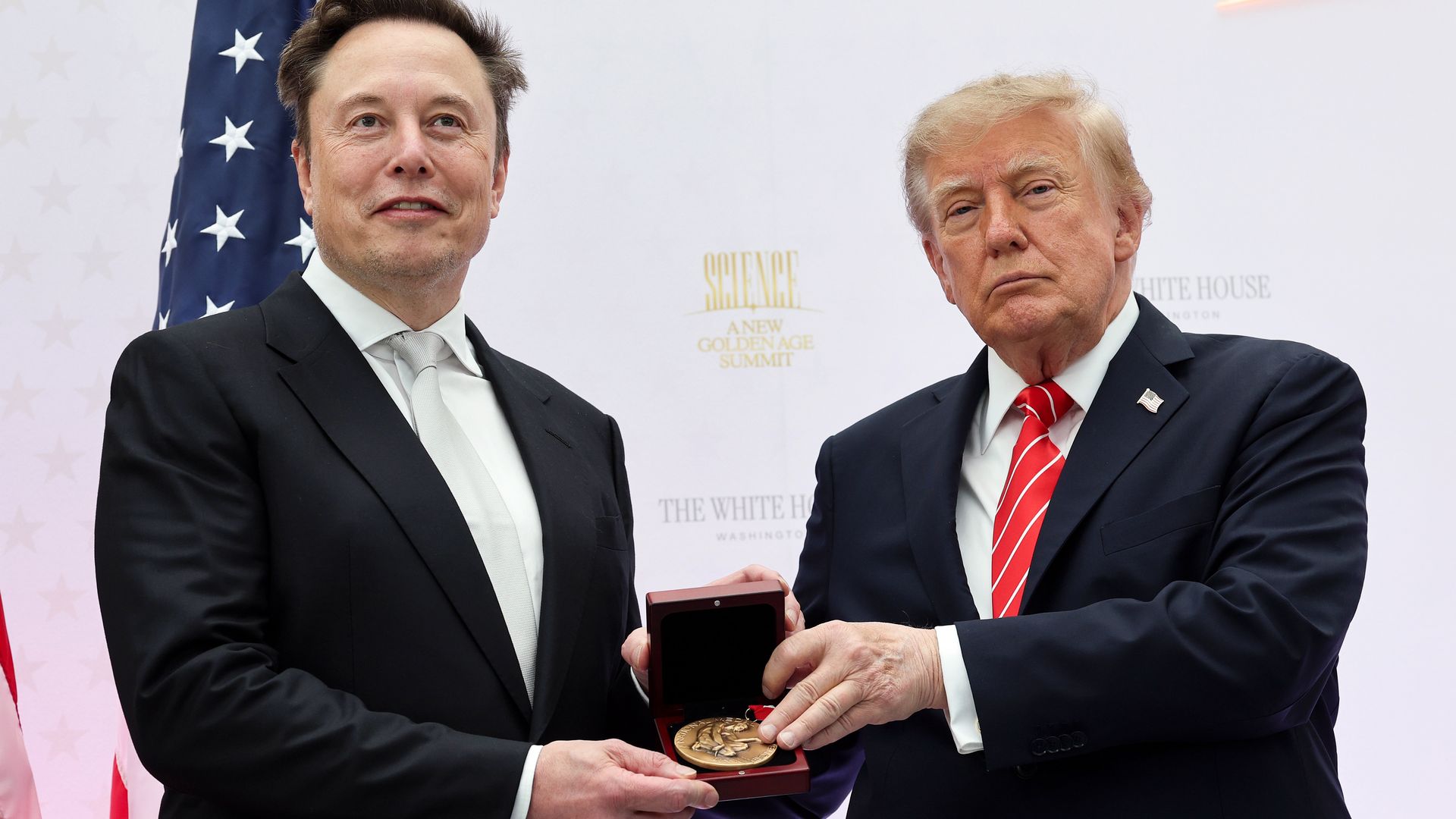
President Trump said Monday he'd move to protect Elon Musk if Democrats investigate the SpaceX and Tesla CEO after the midterm elections.
He also suggested the possibility of pre-emptive pardons for staff and others around him if Democrats pursue investigations.
Why it matters: Trump is positioning himself for a combative final two years in the White House, as polls increasingly point to the prospect of a significant blue wave.
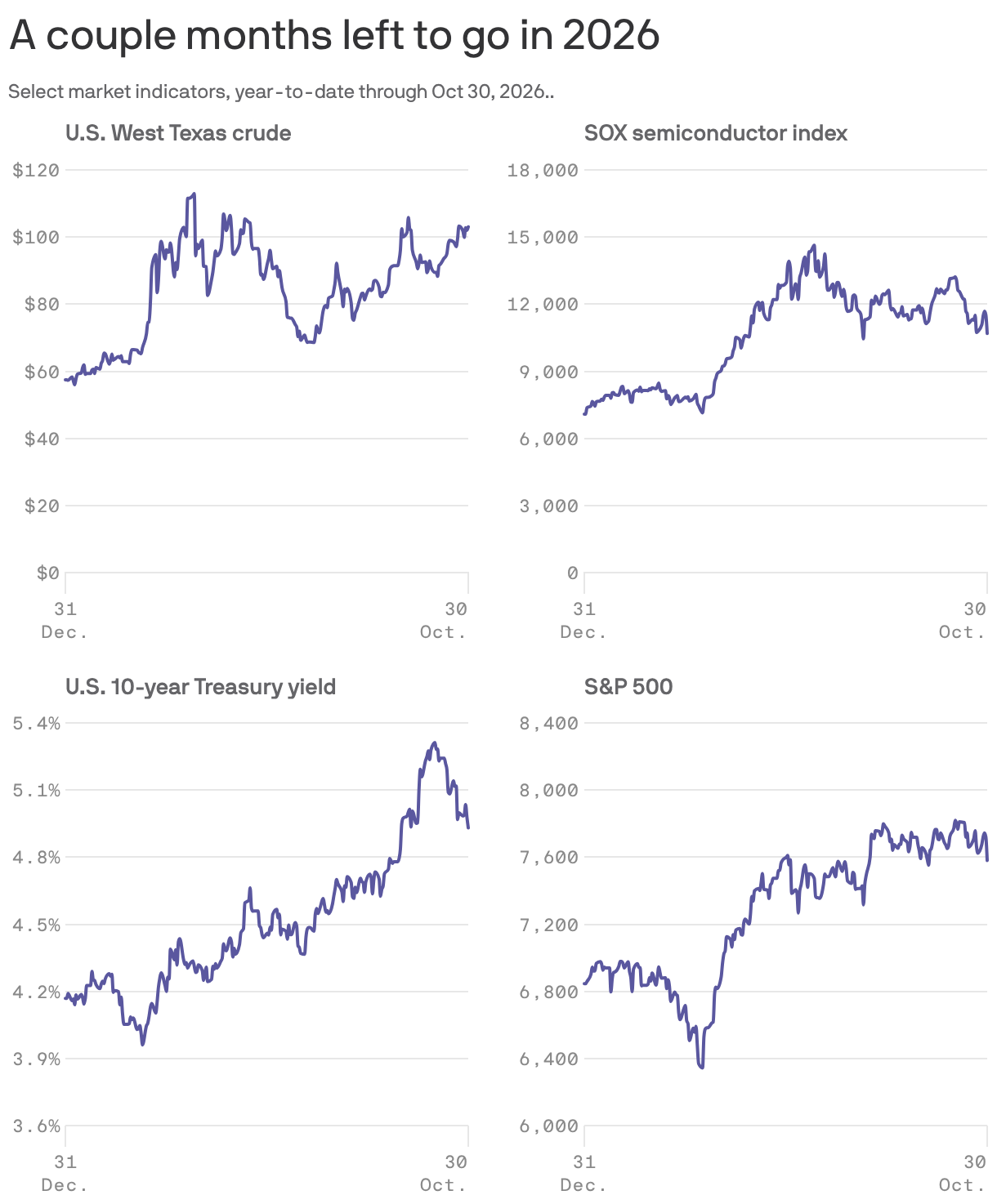
After another rough week for the AI trade, stocks seem to be bracing for more uncertainty in the days ahead.
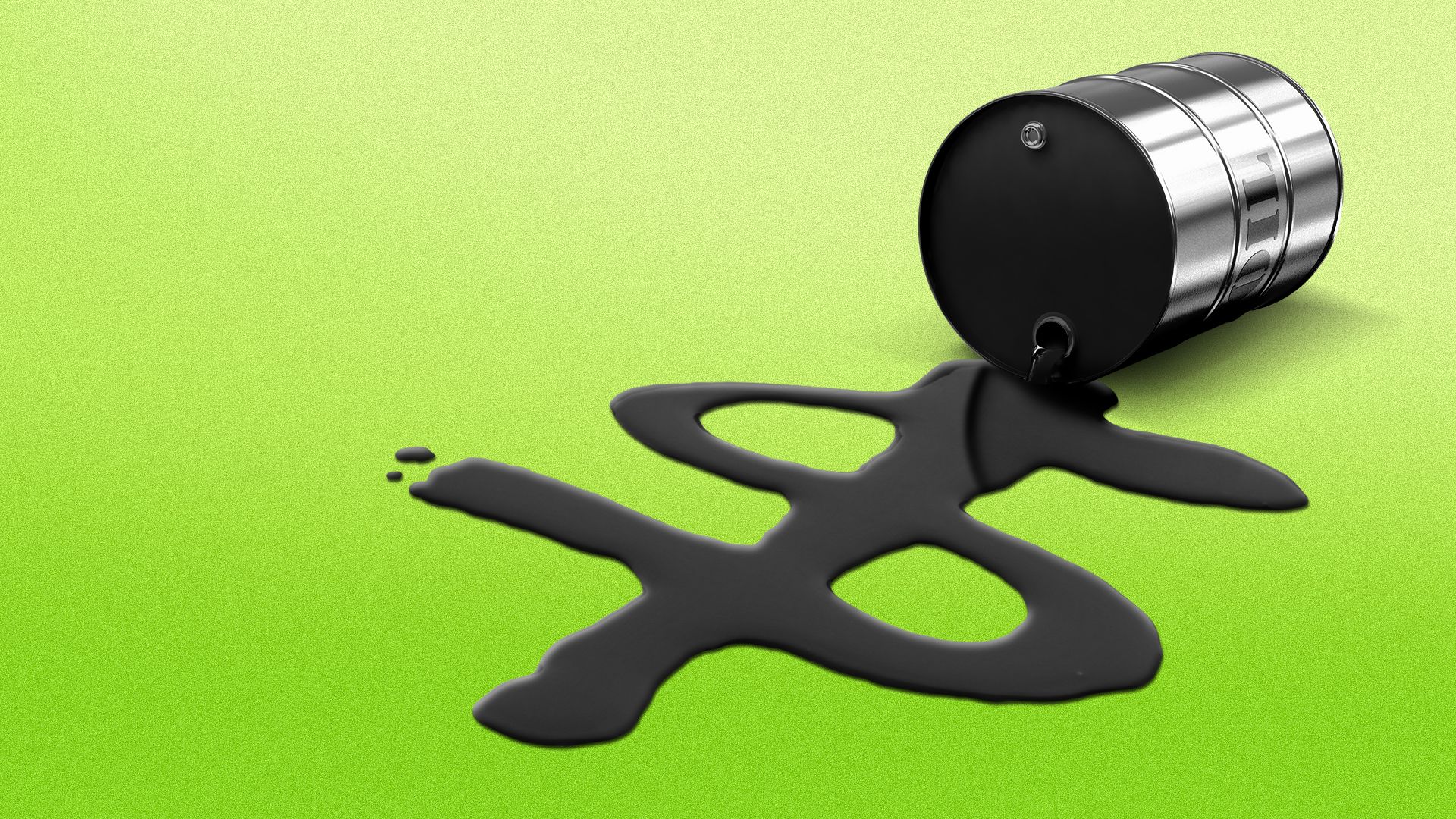
Why it matters: While the AI trade has sputtered, the S&P 500 has managed to largely tread water thanks to strength from shares tied to the basics of the economy, like consumer staples, health care and utilities. (Soaring oil shares didn't hurt either.)
But Tuesday's U.S. midterm elections and the potential reescalation of major fighting in the Iran war after the vote pose another potential hurdle to the market.