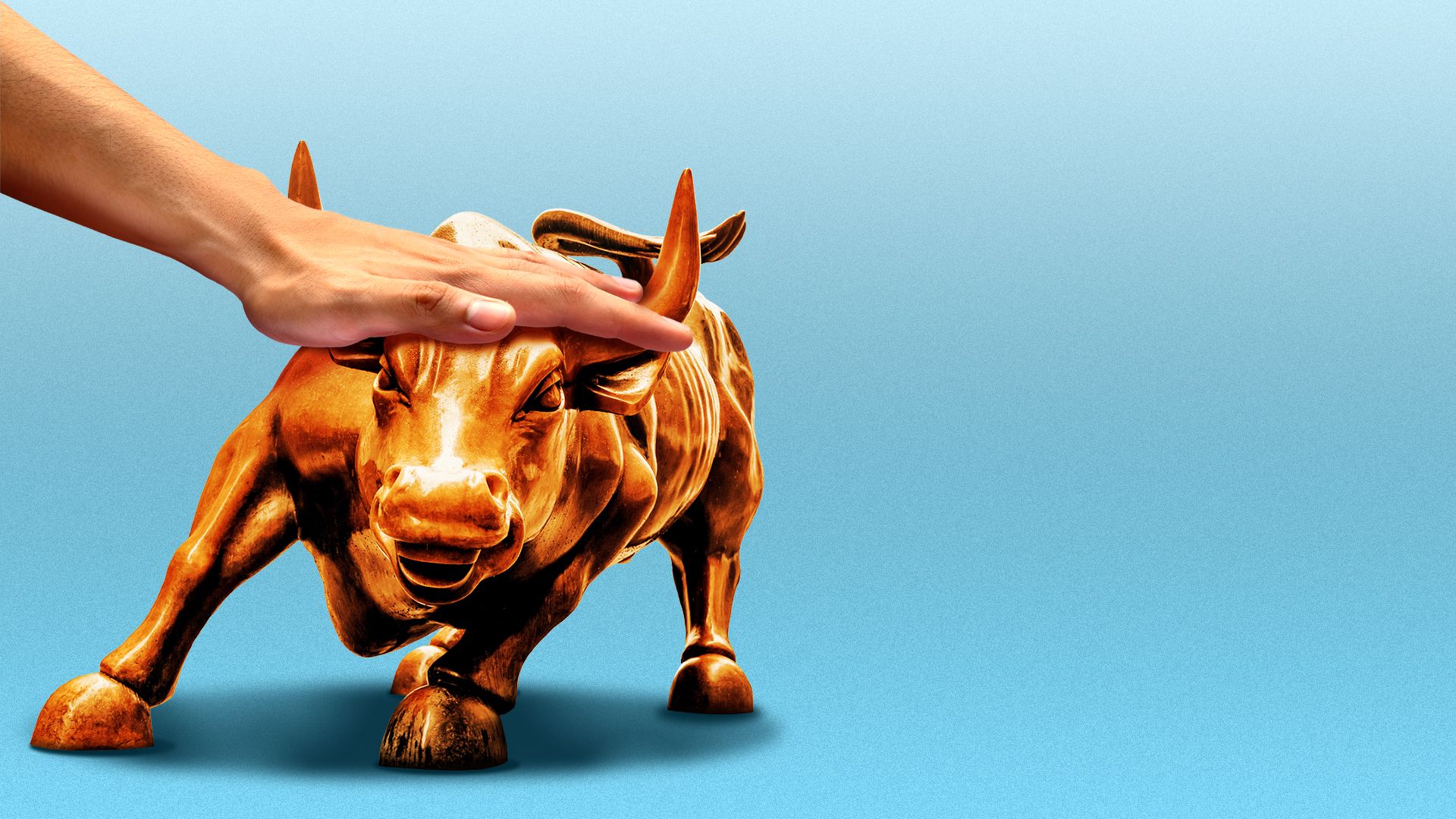
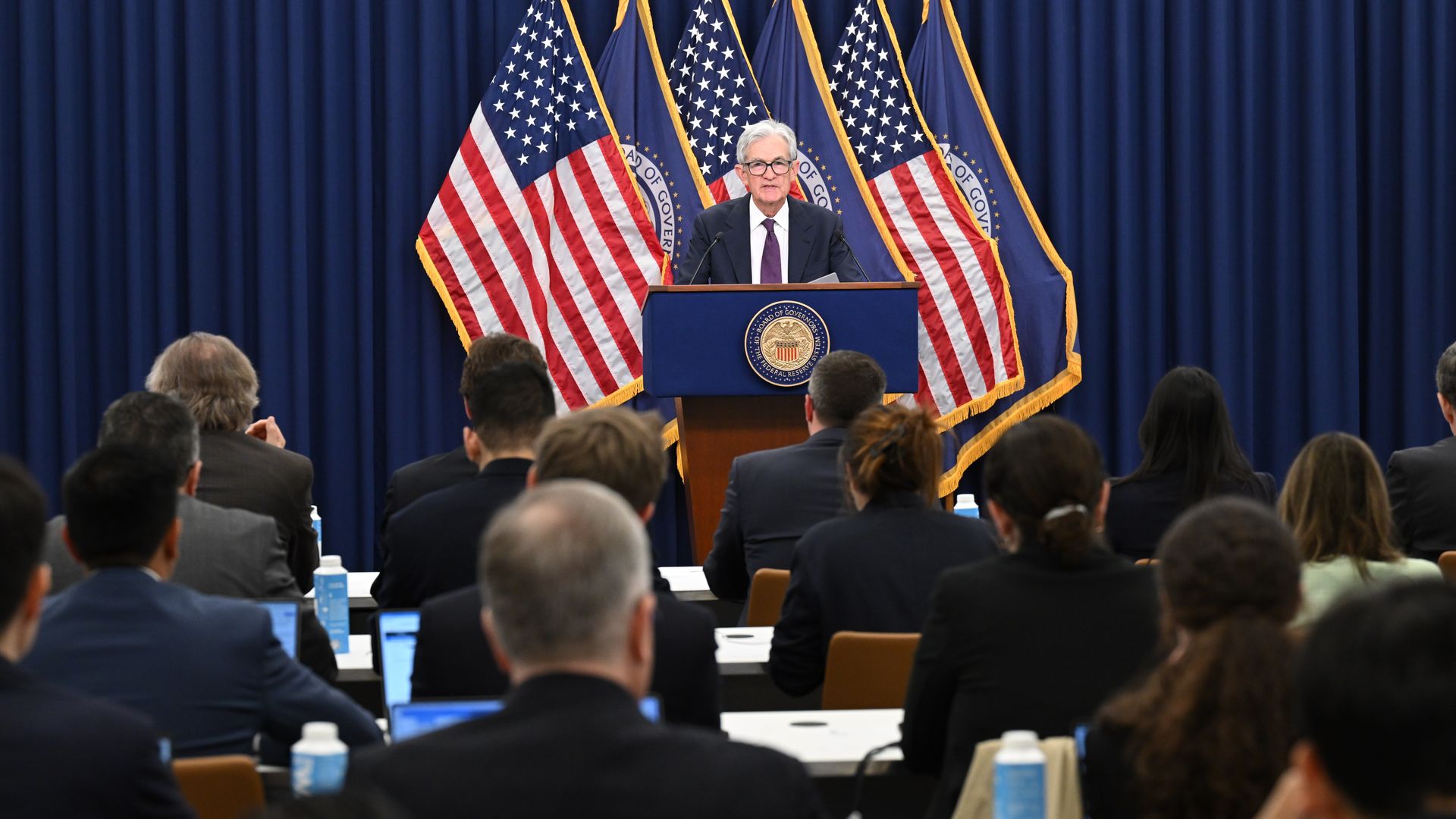
A "majority" of Federal Reserve officials believed the central bank could raise interest rates if inflation stays high, according to the minutes from the central bank's April 28-29 policy meeting.
Why it matters: It suggests that a larger constituency than previously known is backing the possibility of higher interest rates, with the fallout from the Iran war stoking quicker price increases ahead of Kevin Warsh becoming Fed chair.
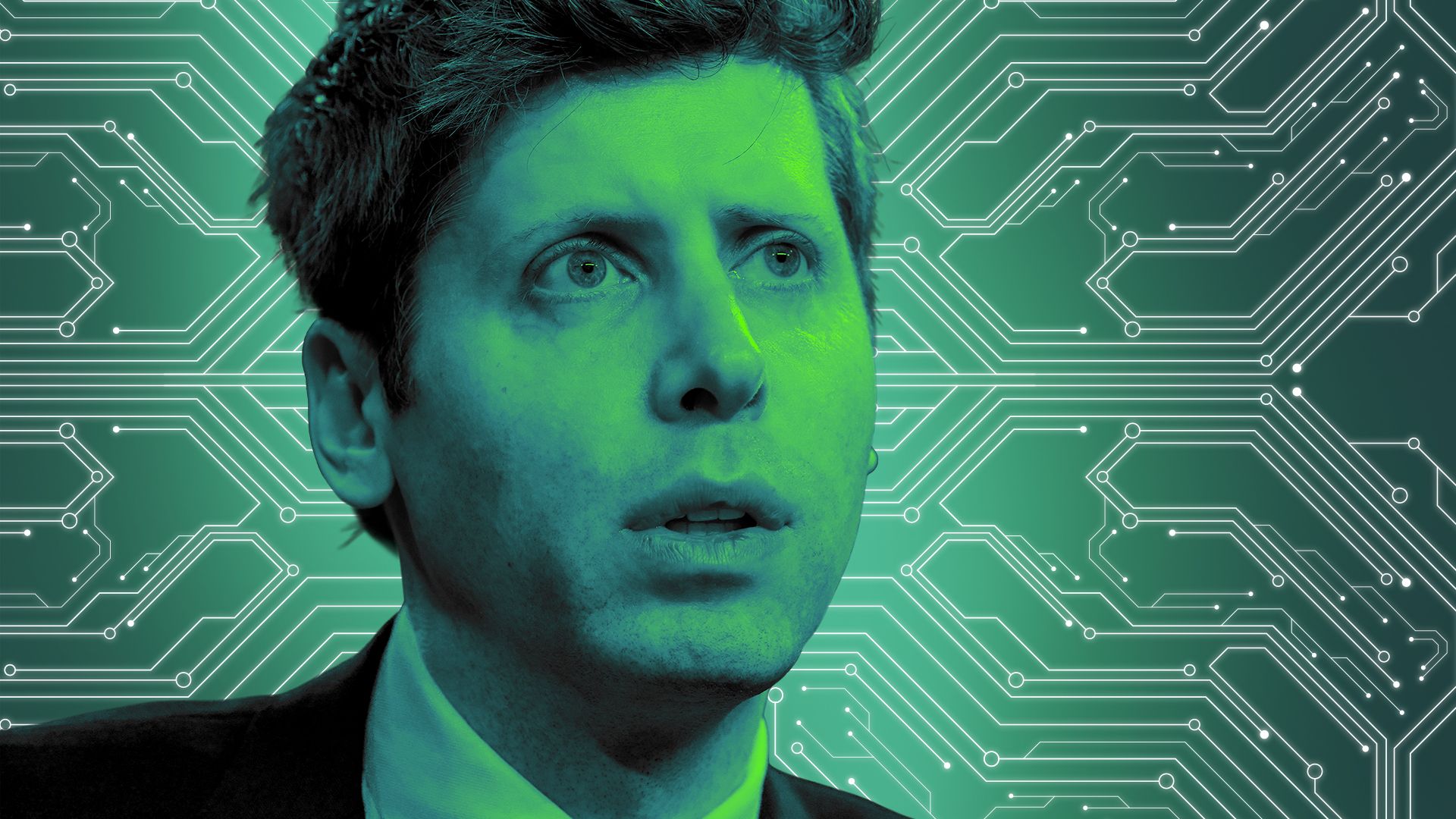
OpenAI is working on a confidential IPO prospectus that could be filed shortly, although timing remains fluid, a person familiar with the situation tells Axios.
Why it matters: News of the planned filing, which was also reported by other outlets, seems timed to take some shine off the imminent IPO unveiling by Elon Musk's SpaceX.
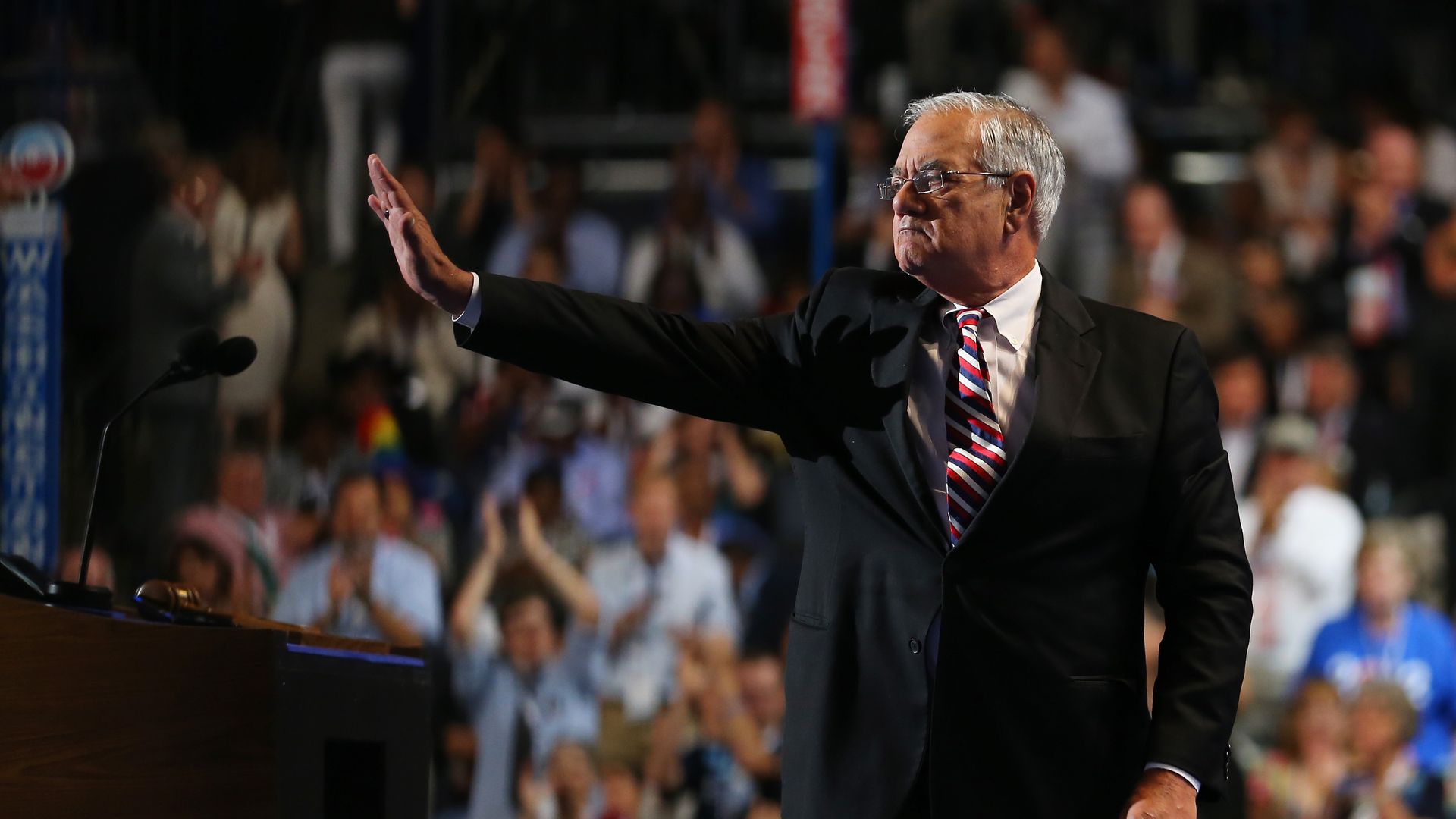
Former Rep. Barney Frank (D-Mass.), a driving force behind far-reaching Wall Street reforms following the 2008 financial crisis, died Tuesday night, according to Frank's former campaign manager. He was 86.
The big picture: With a sharp wit and pugnacious outspokenness, Frank became a liberal icon in his three decades in the House. He was an architect of the landmark Dodd-Frank Act and a trailblazer for the LGBTQ+ community as an openly gay member of Congress.
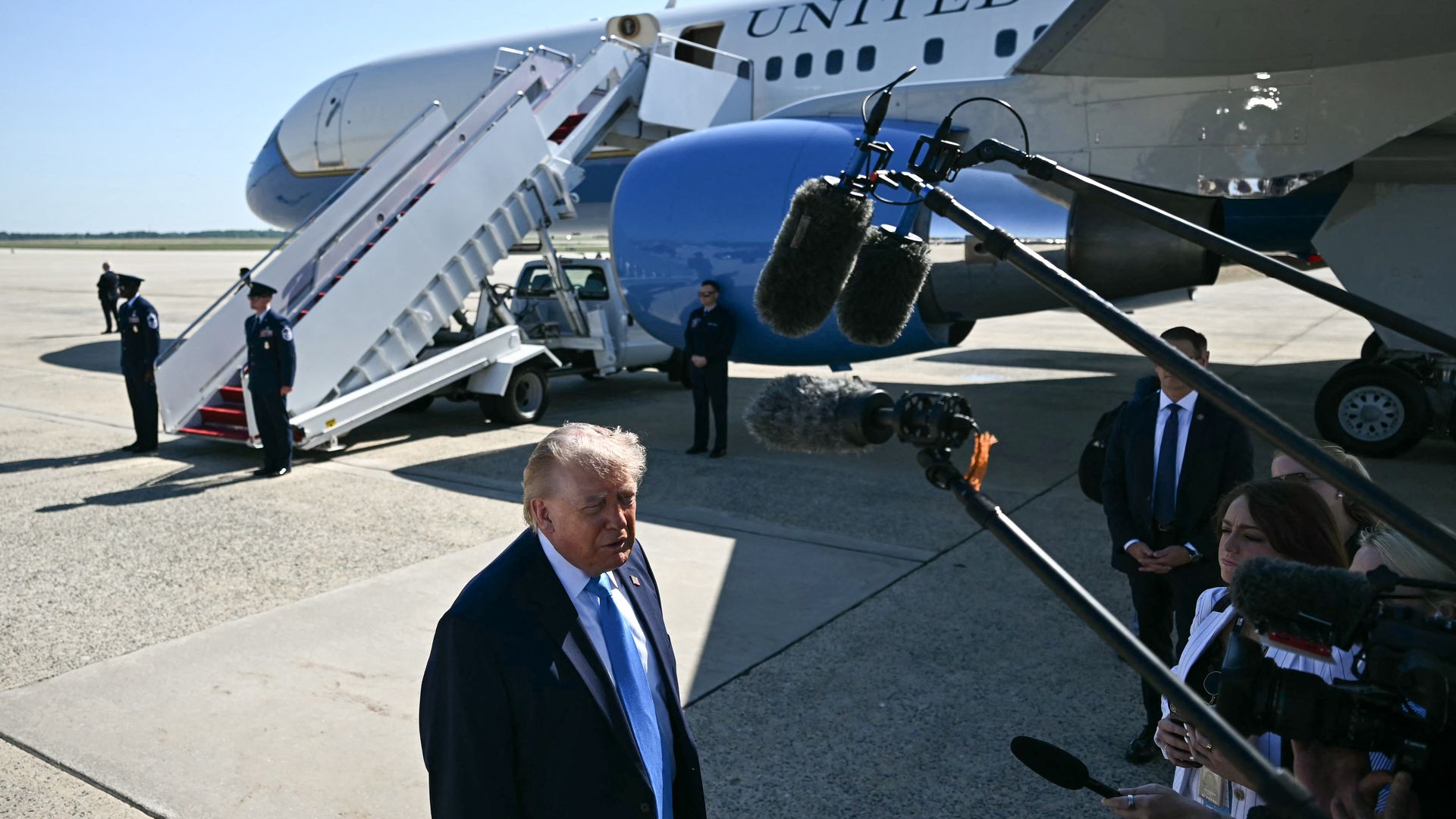
President Trump has spent much of his term bashing outgoing Federal Reserve chair Jerome Powell for not cutting interest rates enough. On Tuesday, he seemed surprisingly blasé about the possibility that incoming chair Kevin Warsh might end up raising them.
Driving the news: A reporter on Tuesday noted that markets now think an interest rate hike this year is more likely than a cut and asked the president whether he thinks Warsh will deliver the lower rates that Trump has long demanded.
"I'm going to let him do what he wants to do," Trump said. "He's a very talented guy, he's going to be fine, he's going to do a good job."
Incoming Federal Reserve chief Kevin Warsh'sambition to shrink the central bank's multitrillion-dollar bond portfolio may quickly run into hard limits.
Why it matters: For nearly two decades, the Fed's ability to flood markets with liquidity has been among its most powerful crisis-fighting weapons — and, in Warsh's view, too often a go-to tool for monetary stimulus outside of crises.
Now, the hot discussion among Fed officials and commentators is about how to responsibly shrink the Fed's asset portfolio — and whether that's even a worthwhile goal.
Ride-sharing wars are heating up in New York, where an upstart service called Empower is undercutting Uber and Lyft prices by an average of nearly 30%, according to Obi, a real-time pricing aggregator.
Why it matters: Empower's explosive growth shows how hungry people are for a cheaper ride-sharing model, but officials allege the company is operating illegally.
Automakers and suppliers in search of a lucrative side hustle are dabbling in AI, energy and defense as a way to offset stagnant growth in vehicle sales.
Why it matters: Carmakers have tried the diversification game before — but today's economic and technological shifts may give those efforts more staying power.
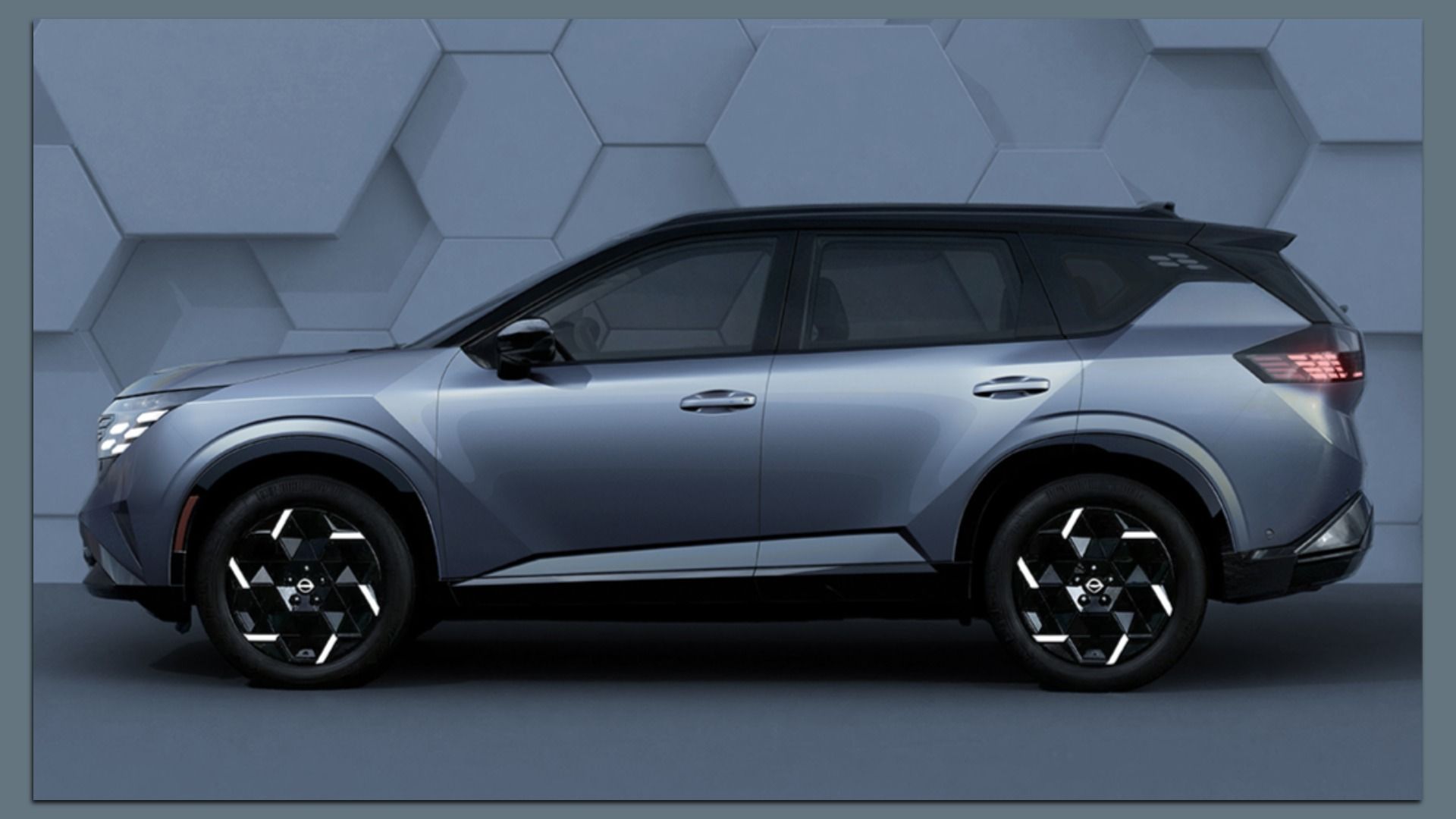
Nissan, the company that pioneered mass-market electric vehicles with the original Leaf in 2010, is betting on hybrids to help propel its turnaround effort.
Why it matters: U.S. consumers are hungry for hybrids, but Nissan has largely sat out the segment in its biggest market.
GHO Capital of London has agreed to merge with Singapore-based rival CBC Group, forming a dedicated health care investment firm with over $21 billion in assets under management.
Why it matters: This is about scaling for survival, as generalist PE giants have begun to crowd out smaller players in health care.
New reports underscore how electric vehicle sales are rising globally even as they've dropped sharply in the U.S. — and how the Iran war could lead even more people to buy them.
Why it matters: EVs help displace oil use and lower emissions. Petroleum price spikes from the Iran war appear to be boosting sales in some places, too.
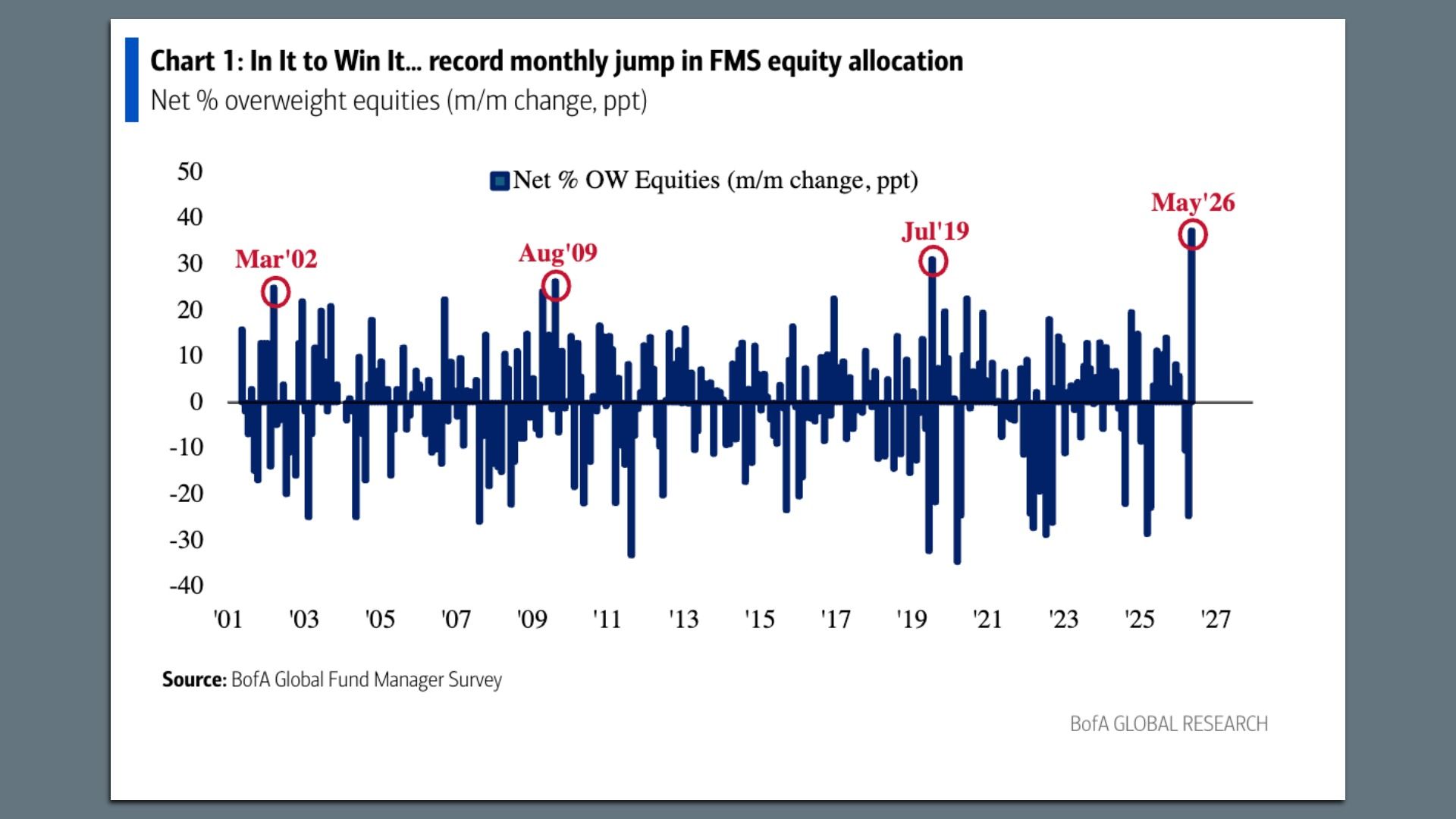
Investors went on a stock-buying binge earlier this month, even as inflation worries increased, finds the latest release of Bank of America's influential global fund managers' survey.
Why it matters: The outsize optimism helps explain the run-up in stock prices over the past few weeks.
Nvidia CEO Jensen Huang might need to lose the leather jacket, as a new crew of "cool kids" tops the chip sector.
Why it matters: As the largest U.S. company by market capitalization (now $5.4 trillion!), Nvidia has the single biggest influence on broad market cap-weighted indexes like the S&P 500.
So, the market will benefit if Nvidia maintains its mojo.
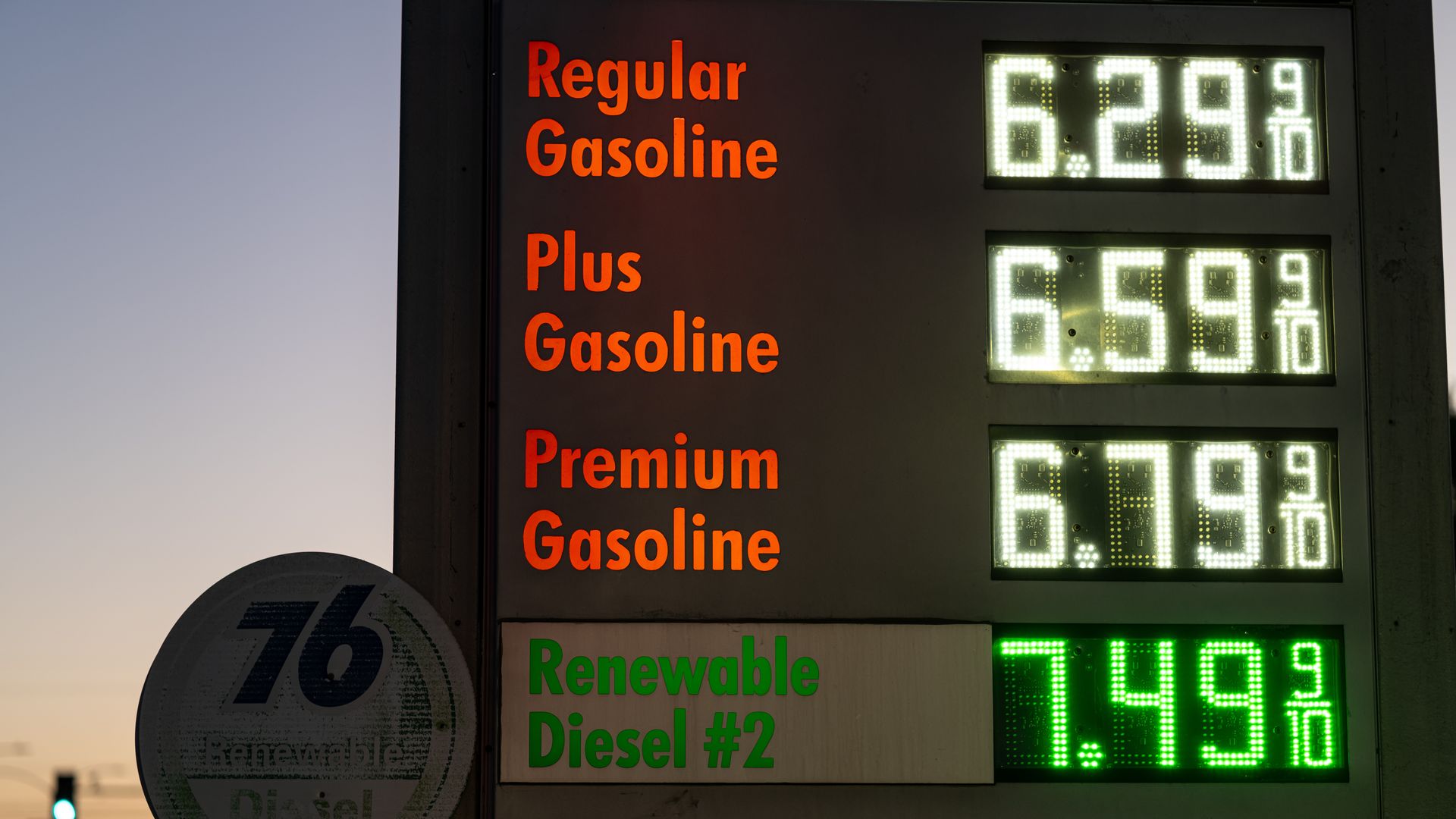
All 50 states have average gas prices above $4 a gallon, AAA said Wednesday, with seven now topping $5 a gallon.
Why it matters: As the war with Iran approaches the three-month mark, soaring fuel prices are costing Americans millions of dollars a day, crushing small business profits, and driving a surge in inflation.
Target says shoppers are responding to a strategy reboot centered on style, discovery and experience — early signs the retailer may be regaining its footing with shoppers after years of uneven performance.
Why it matters: After several years dominated by inflation, inventory problems and operational challenges, Target is trying to return to what historically made the chain distinctive: affordable style, culturally relevant merchandise and a more emotional shopping experience.
Finding a new commissioner is only the beginning of what the Trump administration needs to do to rebuild the Food and Drug Administration — and none of it is easy.
Why it matters: More than a year of upheaval has left the agency's leadership decimated and its reputation for predictable, evidence-based decisions damaged.