Stellantis plans to add affordable entry-level cars and high-performance trucks to its U.S. showrooms over the next five years as part of a 60 billion euros ($70 billion) global turnaround plan.
Why it matters: Expanding into new market segments is a key aspect of Stellantis' strategy reboot as it tries to reinvigorate its 14 brands and strengthen its financial performance in the hyper-competitive auto industry.
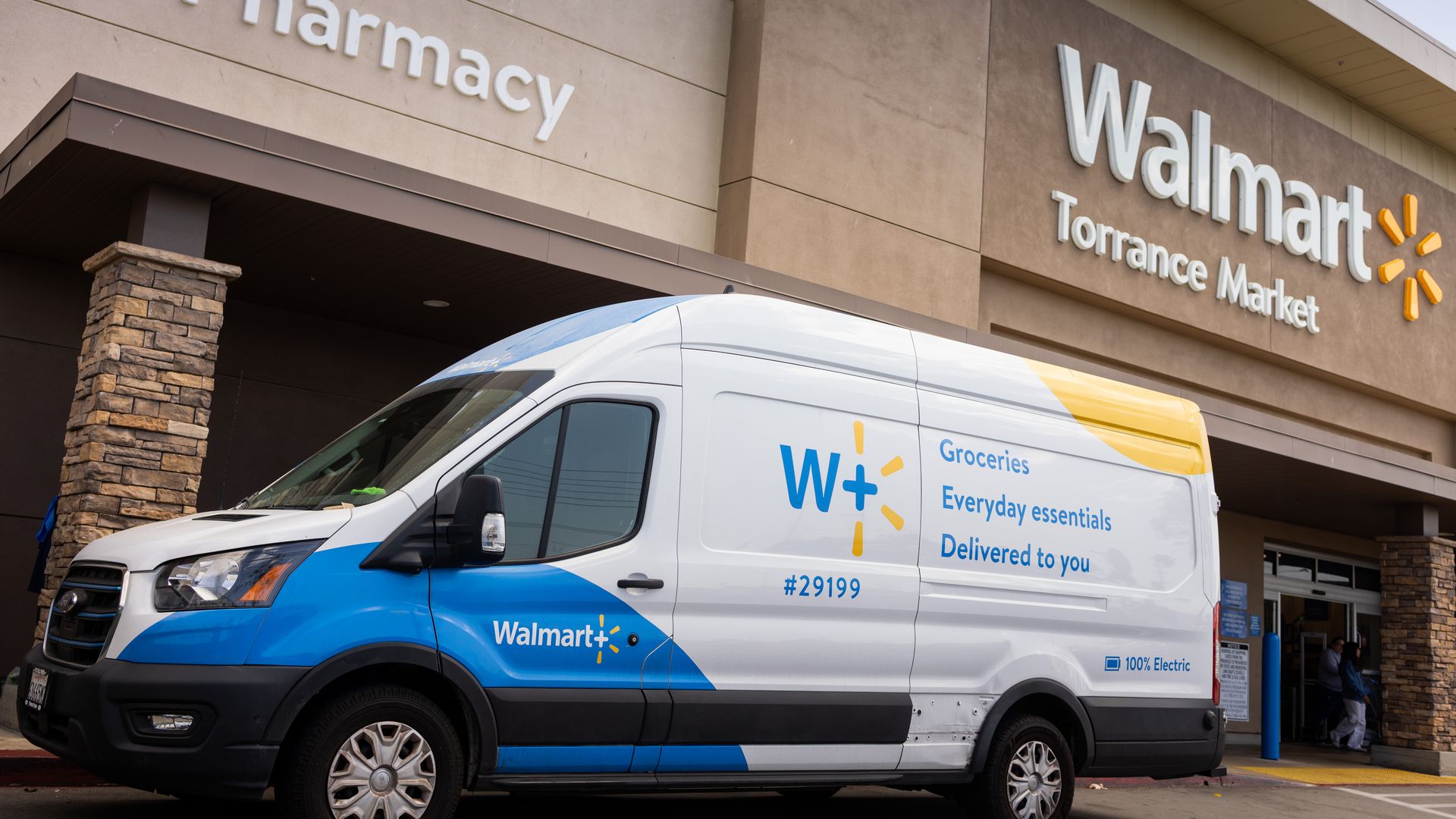
Walmart says faster delivery is changing how customers shop, with more people using 30-minute delivery for everyday needs like diapers, cold medicine and meal ingredients, the company told Axios.
Why it matters: Retailers are increasingly competing on speed — not just price — as Walmart, Amazon, Target and grocery chains battle to become consumers' go-to platform for urgent shopping.
Walmart's growth beyond its stores continued in the first quarter, driven by advertising, e-commerce and memberships.
Why it matters: The nation's largest retailer is increasingly making money from the services built around shopping — not just the products on its shelves.
You don't see too many 396-13 votes in the U.S. House of Representatives these days, especially on substantive domestic policy. But that's what happened Wednesday as the body moved a sweeping housing bill — reflecting a rare, cross-partisan, shared diagnosis of a key economic challenge.
The big picture: In isolation, the legislation won't end America's persistent underproduction of housing and resulting surge in costs. But it is the clearest evidence yet that even in deeply polarized times, the need for more affordable residential options is a unifying goal.
Washington, D.C., is locked in a battle over how to integrate crypto and fintech firms into the regulated financial system. Now the Federal Reserve is confronting a similar question: Who gets access to its payment infrastructure, and on what terms?
Why it matters: The Fed on Wednesday night said it is seeking public comment on a proposal to extend limited access to its payment rails to fintech and other non-bank firms.
A judge has ordered the Minnesota "mastermind" in the nation's largest pandemic fraud case to serve 41.5 years in prison — the harshest sentence to date in connection with the Feeding Our Future fraud scheme.
Why it matters: Prosecutors say former Feeding Our Future executive director Aimee Bock was at the center of a scheme to steal more than $240 million from a federally funded child meals program during the pandemic.
The case sparked intense scrutiny of the Walz administration's oversight of state-run programs and fueled broader concerns about fraud under his watch.
The U.S. government on Thursday said that it has agreed to take equity stakes in nine quantum computing companies, tied to $2 billion in CHIPS Act grants.
Why it matters: These sorts of quasi-socialist arrangements have been normalized with breathtaking speed.
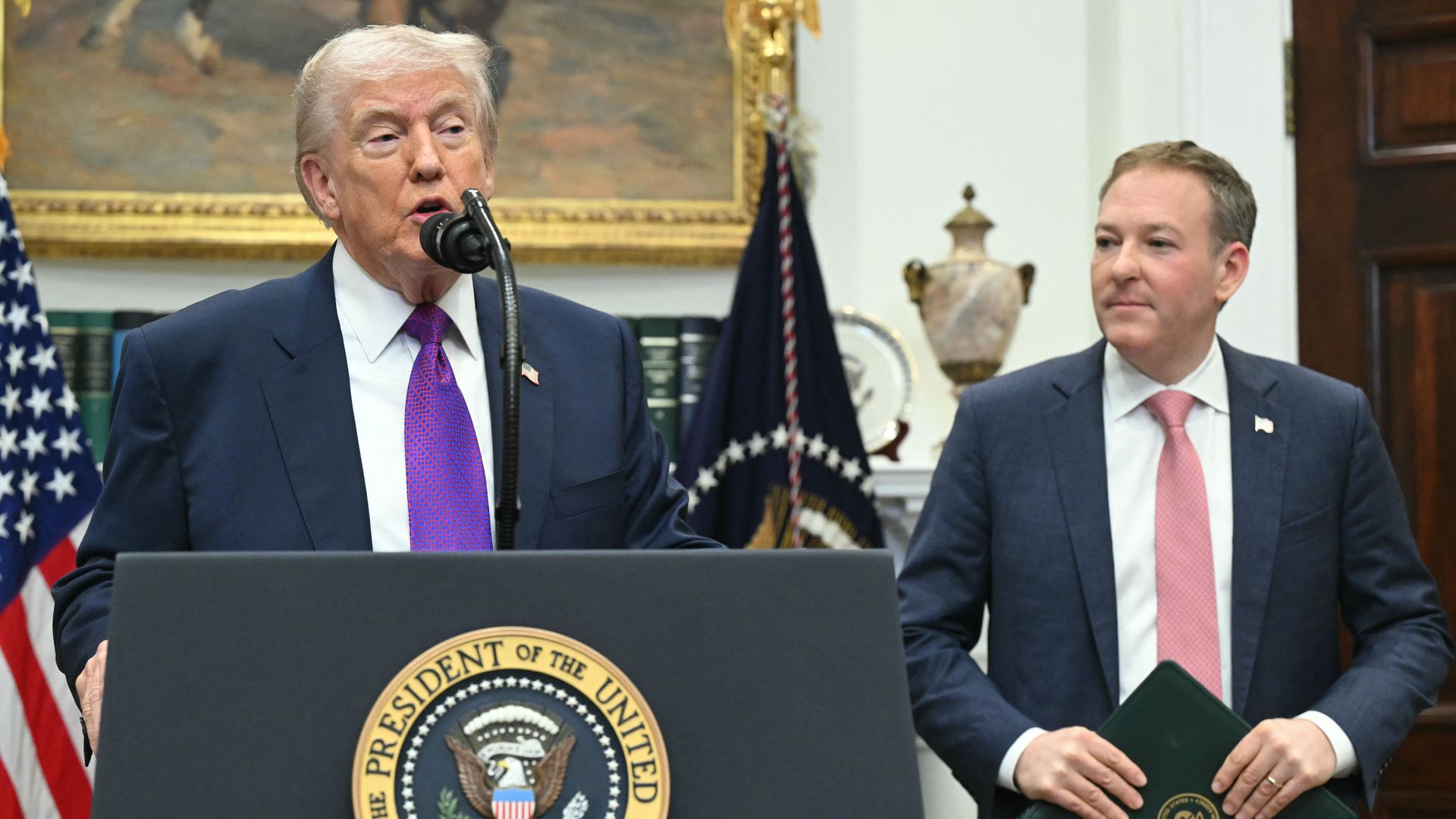
The Environmental Protection Agency is easing Biden-era rules for industries to manage and phase out powerful planet-warming gases used in air conditioning and refrigeration, a White House official said.
Why it matters: Officials claim the plan — which President Trump will unveil at the White House Thursday — will help temper grocery prices.
SpaceX is going public, but not really: Elon Musk will retain a vise-like grip on the company he runs, its initial public offering filing shows.
Why it matters: It's the largest IPO history and as such will reshape the fabric of the public markets and may set a new standard for how companies are run.
Nvidia announced plans to supersize the shower of cash it will return to shareholders.
Why it matters: On Wall Street, big increases in plans to return cash — such as a fast-growing company announcing a dividend for the first time — are viewed as a tacit acknowledgement that the company is running out of places to invest profitably.
Over the course of two hours Wednesday afternoon, the AI industry produced an extraordinary stream of headlines mapping out the vast architecture of its ambitions.
Why it matters: One historic news cycle peeled back virtually every layer of the AI revolution — smarter systems, exploding revenues, roaring markets, staggering infrastructure demands and a federal government racing to catch up.