The Securities and Exchange Commission on Tuesday proposed two new rules that the agency says will make it easier for companies to go public.
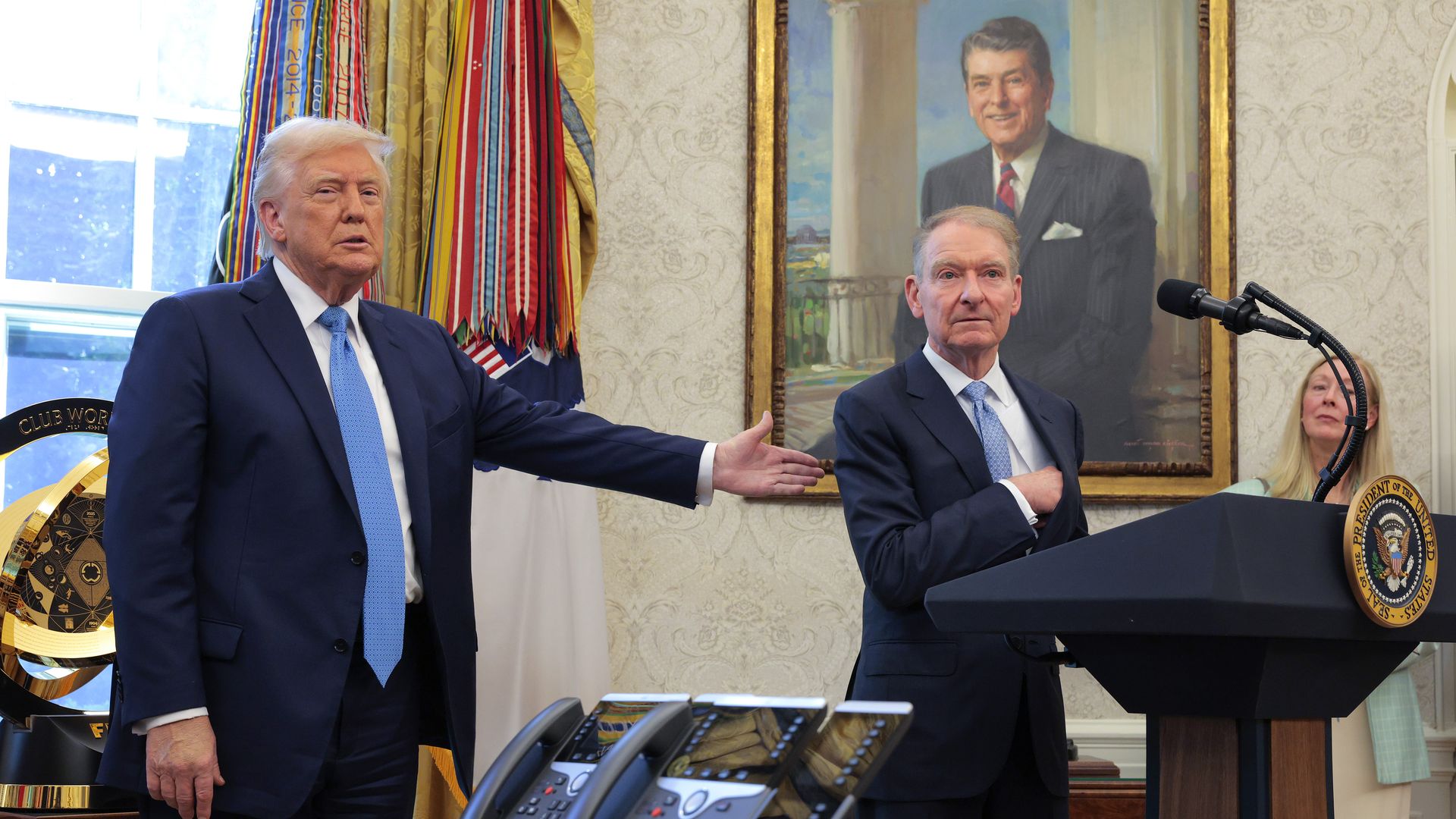
Why it matters: It's the largest overhaul of the IPO rules in 20 years, the agency says, and part of SEC chairman Paul Atkins' push to "make IPOs great again."
As artificial intelligence forces students to rethink their majors and reshapes the job market, it's clear that graduates don't want to hear about the technology on their big day.
The big picture: Several commencement ceremonies have been interrupted by boos and jeers when speakers have brought up AI, an indicator that while the tech is easing into many parts of life, not everyone is on board.
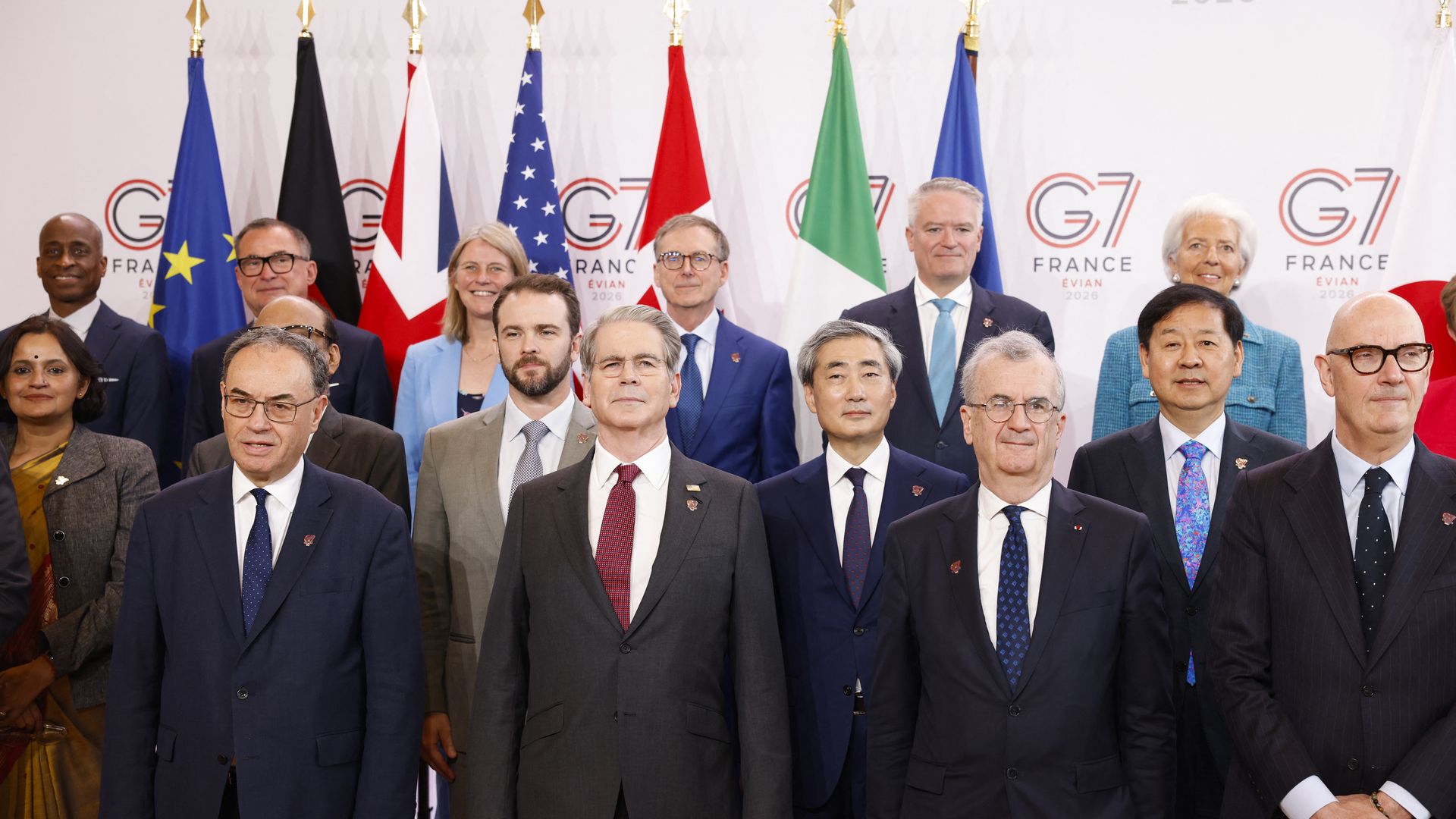
Leading finance ministers and central bankers concluded a two-day summit in Paris on Tuesday, and the kinds of global strains that former top International Monetary Fund official Gita Gopinath described on Monday were top of mind.
Driving the news: In a communiqué, G7 finance leaders jointly said they would aim for policies "promoting balanced growth and macroeconomic stability" in their respective nations.
"Countries with large and persistent external deficits should undertake policies that include supporting domestic savings and fiscal consolidation."
State of play: That language is pretty much boilerplate. But it takes on additional meaning at a moment when the bond market is growing skittish amid surging inflation and massive public borrowing.
The Japanese 30-year yield, for example, rose to a multidecade high of 4.17% on Tuesday, from 3.72% as recently as May 7. One factor: The Japanese prime minister announced fiscal measures to try to bolster the country's economy amid the energy shock caused by the Iran war.
Similarly, yields on longer-term U.K. gilts have surged amid uncertainty about the future of Prime Minister Keir Starmer's government and what fiscal direction may follow if it falls.
Between the lines: Throughout the 2010s, finance ministers in rich countries enjoyed a free lunch, with inflation persistently low and demand for safe assets seemingly insatiable.
Now, they are facing a world where one supply disruption after another is keeping inflation elevated, and bond investors are wary of political risk in a time of already massive public debts.
What they're saying: "The way the global economy has been developing for the past 10 years or so is clearly unsustainable," French finance minister Roland Lescure told reporters, per Reuters.
"We are no longer in a period where public debt is not a subject," he said.
The global economyfaces the types of massive imbalances that preceded previous crises — despite important differences — and it's not yet clear how this debt cycle will end.
Why it matters: The last four decades of economic turbulence trace back to a similar underlying issue, that the world's biggest economies are chronically out of sync, former top International Monetary Fund official Gita Gopinath argued in a buzzy speech Monday evening.
Bloomberg Media on Tuesday said it would bring its flagship New Economy Forum event to India for the first time this October, as part of a broader push into the region.
Why it matters: It wants to get ahead of the region's critical tech and business growth story while also exploring more business and expansion opportunities.
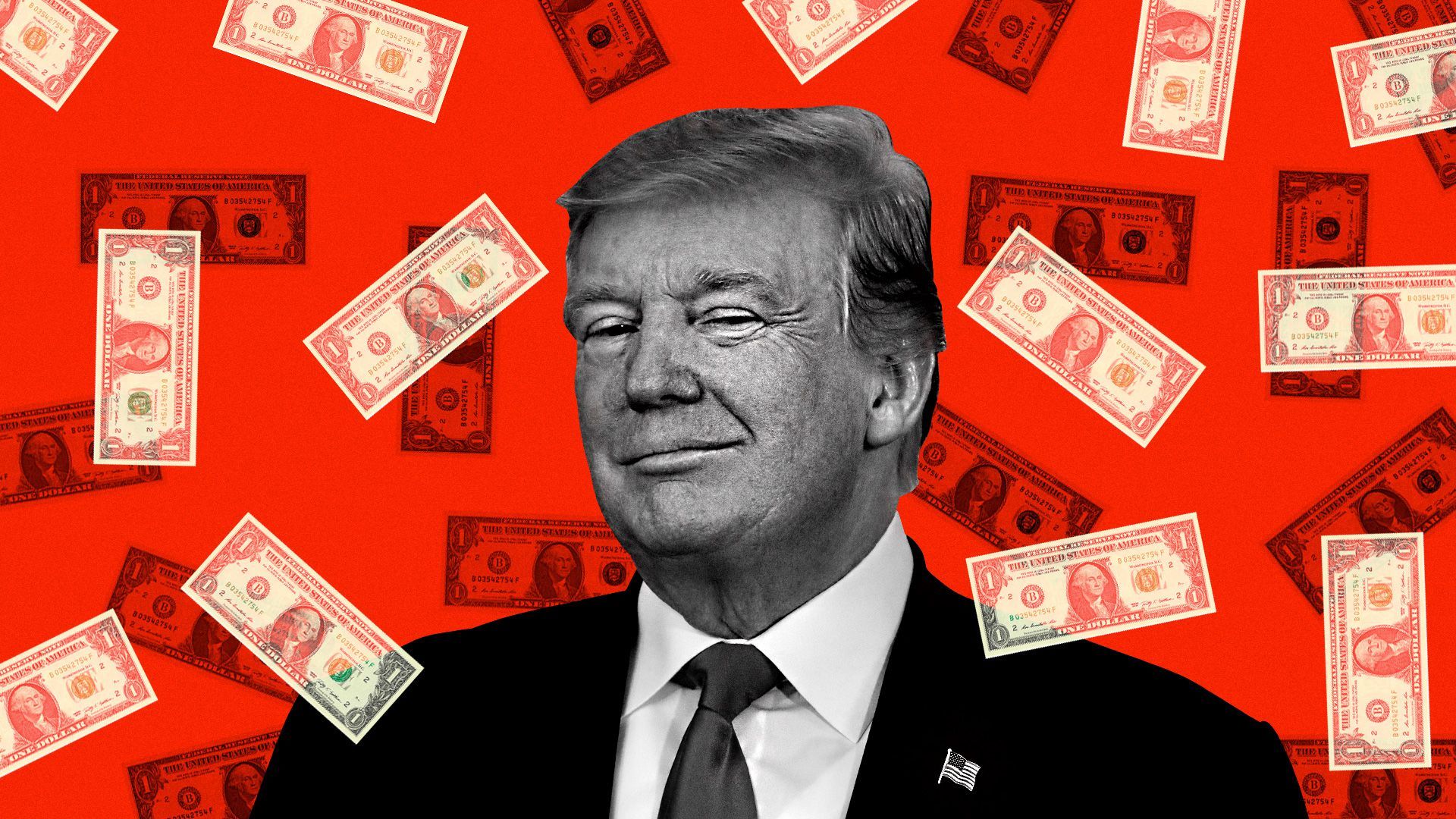
In a government filing late last week, President Trump disclosed more than 3,500 stock trades on his behalf in the first quarter — at least $1 million each was purchased in shares of Nvidia, Oracle, Microsoft, Boeing and more.
The trading included sales of holdings in Meta, Amazon and Walt Disney, among others.
All told, there were hundreds of millions of dollars worth of transactions, per the Financial Times, although it is not known how much money the president earned (or lost) as a result.
Why it matters: In modern history, no president has had an active investment portfolio quite like this.
"We've never seen a president trading actively in the stock market before," says Richard Painter, who served as the chief White House ethics counsel under former President George W. Bush and is a critic of Trump.
The Trump Organization says the president's accounts are independently managed by third-party financial institutions without his input.
Ferrero is using its growing portfolio of legacy brands to create nostalgia-fueled mashupsand crossover products as it expands deeper into protein and breakfast, the company told Axios.
Why it matters: Armed with iconic names like Nutella, Butterfinger and Kellogg, Ferrero is using acquisitions and innovation to revive aging brands in categories many larger companies have struggled to grow.
Democrats erupted Monday over President Trump's $1.8 billion "anti-weaponization" fund for MAGA allies who claim political persecution, vowing to investigate what they called textbook corruption.
Why it matters: With each passing month, Trump is weaving the financial interests of his family, his allies and his political movement more tightly than ever into the fabric of the American presidency.