Nissan's recovery plan: more hybrids, lower tariffs

Add Axios as your preferred source to
see more of our stories on Google.
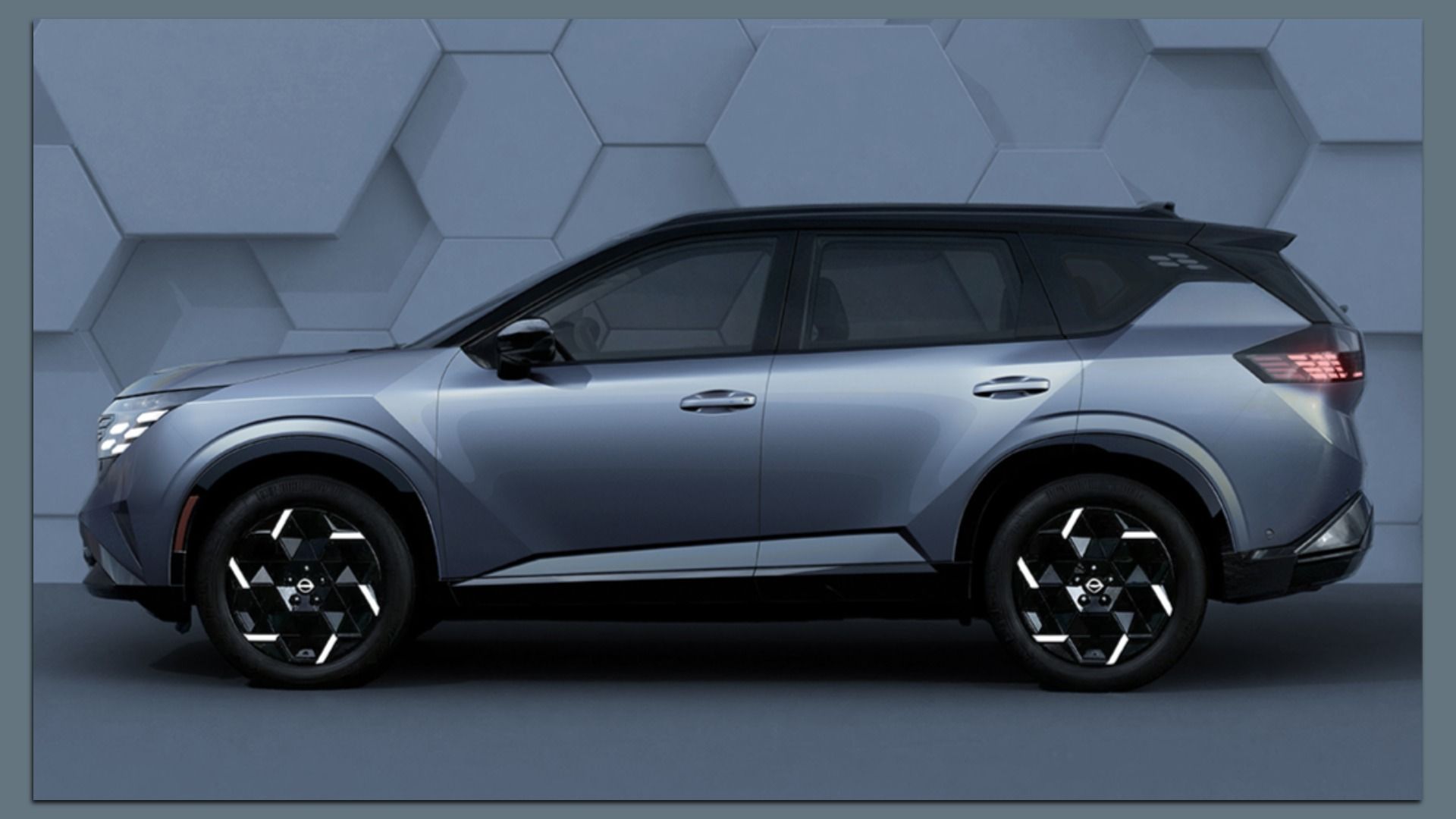
2027 Nissan Rogue Hybrid e-Power. Image: Courtesy of Nissan
Nissan, the company that pioneered mass-market electric vehicles with the original Leaf in 2010, is betting on hybrids to help propel its turnaround effort.
Why it matters: U.S. consumers are hungry for hybrids, but Nissan has largely sat out the segment in its biggest market.
- That'll change this summer, with the launch of the redesigned 2027 Rogue SUV featuring Nissan's next-generation e-Power hybrid system.
How it works: Unlike most hybrids, in which the engine and one or more electric motors work together to power the vehicle, Nissan's e-Power is a series hybrid.
- That means the wheels are powered only by an electric motor. The engine merely acts as a generator to recharge the battery feeding the motor.
- The new all-wheel-drive Rogue will feature two motors, but the setup is the same.
Nissan has sold nearly 2 million e-Power hybrids in Europe and Japan over the past decade, but this is the first time it will be available in the U.S.
- "That's going to be a big game changer for Nissan and an accelerator of growth for us," Christian Meunier, chairman of Nissan Americas, told Axios in an interview.
- The e-Power will also be available in an upcoming Infiniti SUV, and potentially other small cars like the Kicks, he said.
- But for larger models like the Pathfinder, Frontier and soon-to-be revived Xterra, traditional hybrids make more sense, he said.
Nissan's not giving up on EVs, Meunier said. "We think EVs are still going to be a key component of the future, so we're still focused on EV technology," he said. "But we believe it's one of a few technologies that need to happen for us to compete."
The big picture: After a yearslong decline, Nissan is on the rebound under new CEO Ivan Espinosa, who took over a year ago.
- The company slashed costs and turned its focus to selling more vehicles through its dealers, rather than through lower-margin fleet channels.
- U.S. tariffs also helped, Meunier said, by nudging Nissan to increase production of higher-margin vehicles such as the Pathfinder and Frontier in Tennessee and Mississippi.
- The share of U.S.-made Nissans sold in the U.S. has jumped from 44% to 65% in a year, he said, with a goal of 80%.
Yes, but: Affordability remains an issue, Meunier said, which is why Nissan continues to import cheaper, sub-$30,000 cars like the Sentra and Kicks from Mexico, even though it loses money on every sale because of the current 27.5% percent tariff imposed by the Trump administration.
- "That's not sustainable," said Meunier, who is urging the U.S. and Mexico to reach a deal on lower tariffs to protect Americans' access to affordable cars.
- "It's not good for the U.S. economy, and it's not good for the Mexican economy," he said.
