Why it matters: With economic uncertainty swirling, car buyers are seeking out alternatives to new vehicles, whose price tags are now averaging more than $49,000.
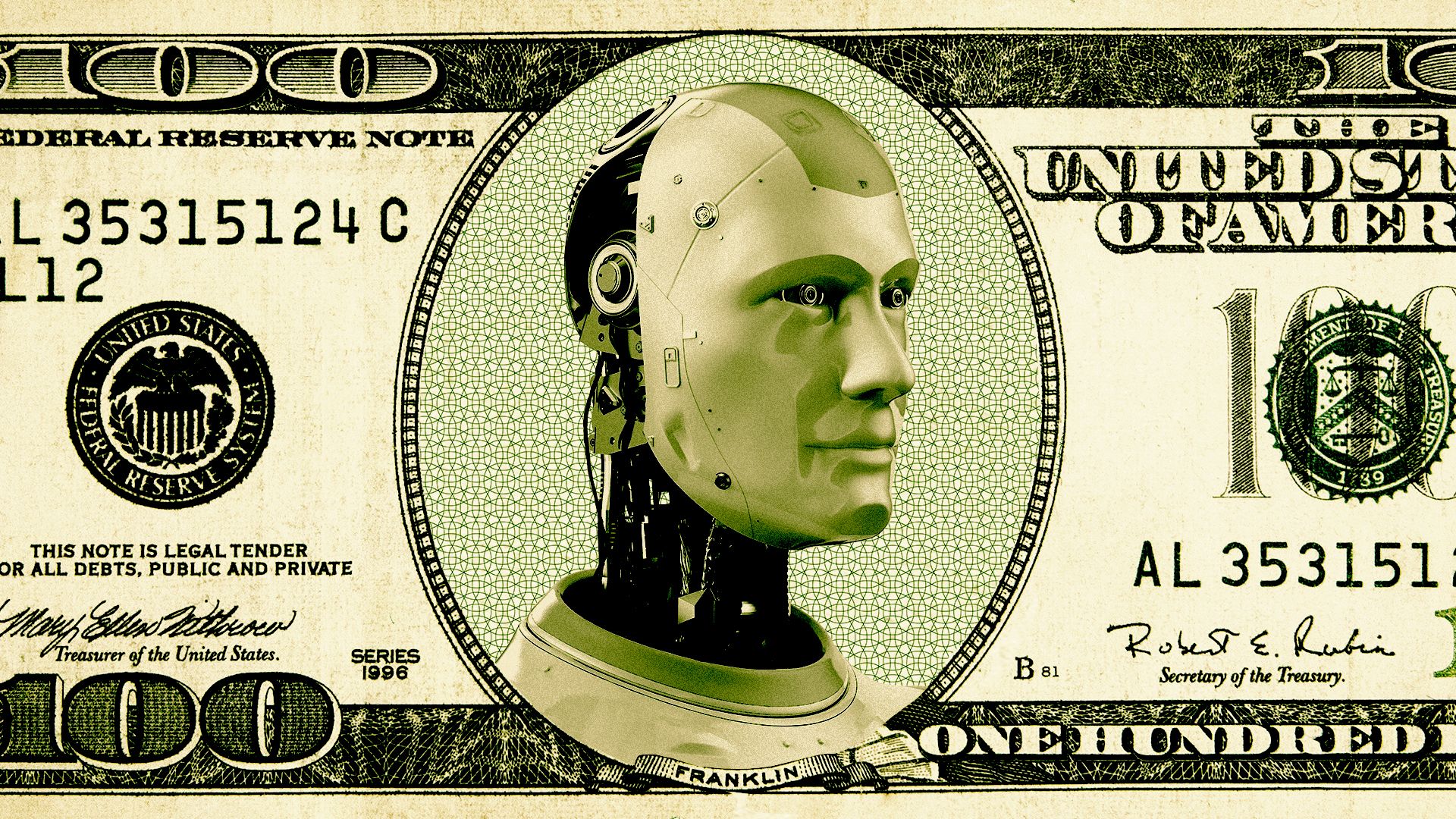
OpenAI has a new plan for how policy might adapt to a world of massive economic disruption. It's a fascinating window into how builders of AI view the likely economic and political fallouts of their technology.
The big picture: The 13-page document released Monday seeks to lay down a marker for the kinds of policy shifts that might help AI advances create broad prosperity, rather than a divided society with a handful of AI-turbocharged elites and a mass underclass.
American consumers are bracing for an Iran war inflation jolt, though they don't anticipate the effects will linger.
That's the upshot of the New York Federal Reserve Bank's March Survey of Consumer Expectations, the first to capture sentiment since the war began.
Why it matters: So far, that is more consistent with a one-time inflation surge than the alternative outcome that might alarm the Fed: signs of unmooring in long-run inflation expectations.
The throttling of oil and gas flows could push multiple countries to try to cut exposure to seaborne energy commodities — and create different risks in the process.
Why it matters: The Iran crisis is chaotic and costly enough to spur long-term policy changes.
The impact of AI on the job market is starting to show up in the data analyzed by Wall Street firms — so far it's pretty modest, but certainly real.
Why it matters: New reports from Morgan Stanley and Goldman Sachs come in the wake of a deluge of doomsday predictions and tell a more nuanced story of how AI is changing the job market.
Fast-growing prediction markets will attract fraud and insider trading, Kalshi CEO Tarek Mansour acknowledged on "The Axios Show," but he said investigators will "inevitably" expose and punish bad actors.
Why it matters: Operators like Kalshi and Polymarket are under pressure to root out suspected incidents of insider trading, particularly on matters like politics, war, sports and entertainment.
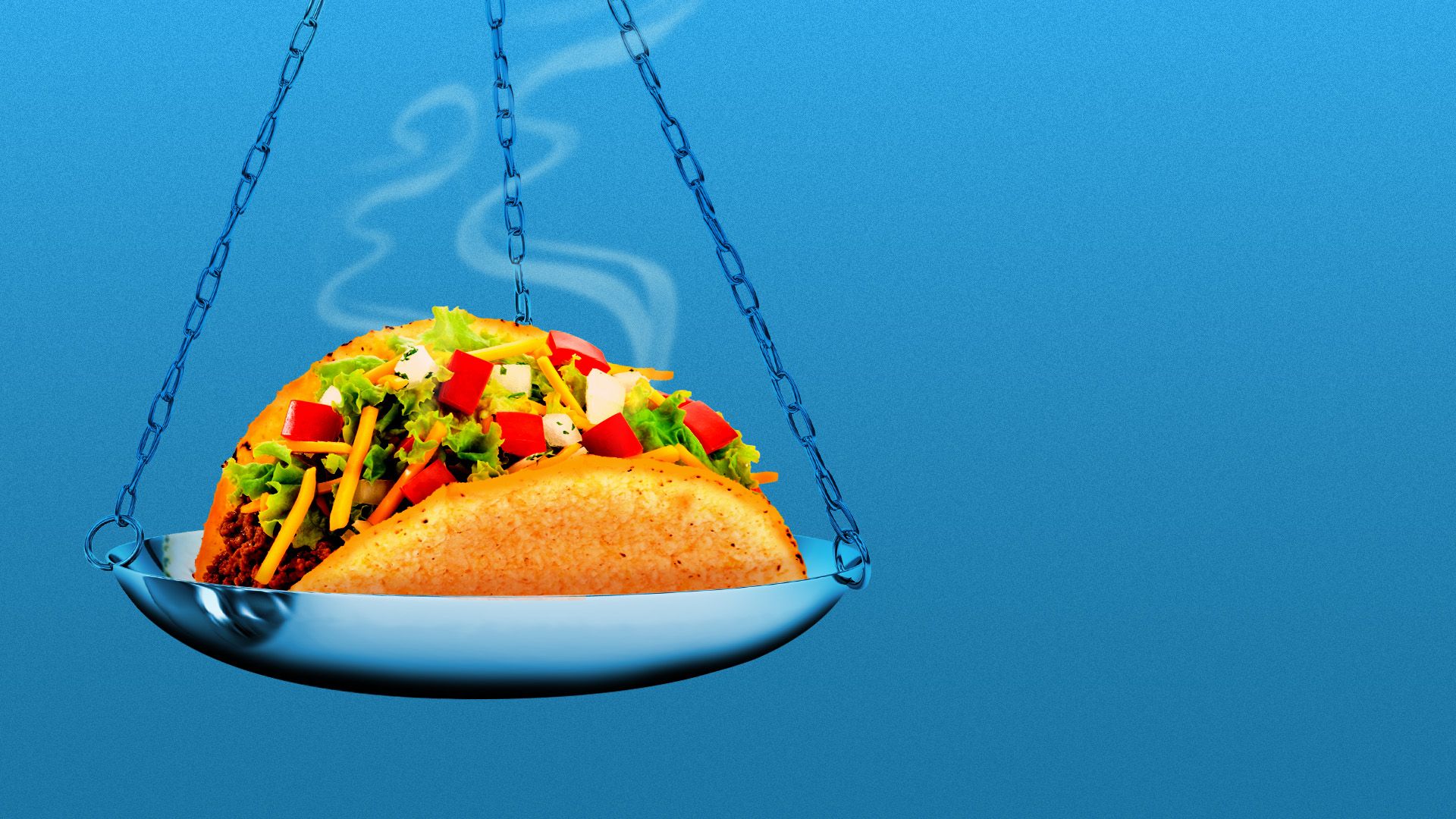
California now requires folic acid in corn tortillas — a staple in many Latino households — in a move that could spread beyond the state.
Why it matters: A quiet change to corn tortillas could reshape grocery shelves nationwide — while helping prevent serious birth defects that disproportionately affect Hispanic babies.
A House Democrat announced Monday she will introduce articles of impeachment against Secretary of Defense Pete Hegseth over his handling of U.S. operations in Iran.
Why it matters: Hegseth is emerging as Democrats' top target in the Trump Cabinet following the ousters of Homeland Security Secretary Kristi Noem and Attorney General Pam Bondi.
JPMorgan Chase CEO Jamie Dimon downplayed the threat of a private credit meltdown, while Goldman Sachs signaled that its private credit business is in good shape.
Why it matters: The trend of investors exiting private credit funds has raised concerns that a blowup in nonbank lending could infect the broader financial markets.
Iran sent a 10-point response to the proposals under discussion with the U.S. for ending the war, according to U.S. officials and the Iranian state news agency IRNA.
Why it matters: The chances for a ceasefire deal before Trump's deadline of 8pm ET on Tuesday currently appear slim. Trump says without a deal by then, he will order massive strikes on Iranian civilian infrastructure. Iran says it would retaliate against energy and water facilities in the Gulf states.
For decades, the U.S. economy needed to add more than 100,000 jobs a month just to keep the unemployment rate from rising. That threshold has now collapsed toward zero — with broad implications for how to think about labor market health.
Why it matters: The economy has a new speed limit, one in which near-zero job growth can coexist with full employment.
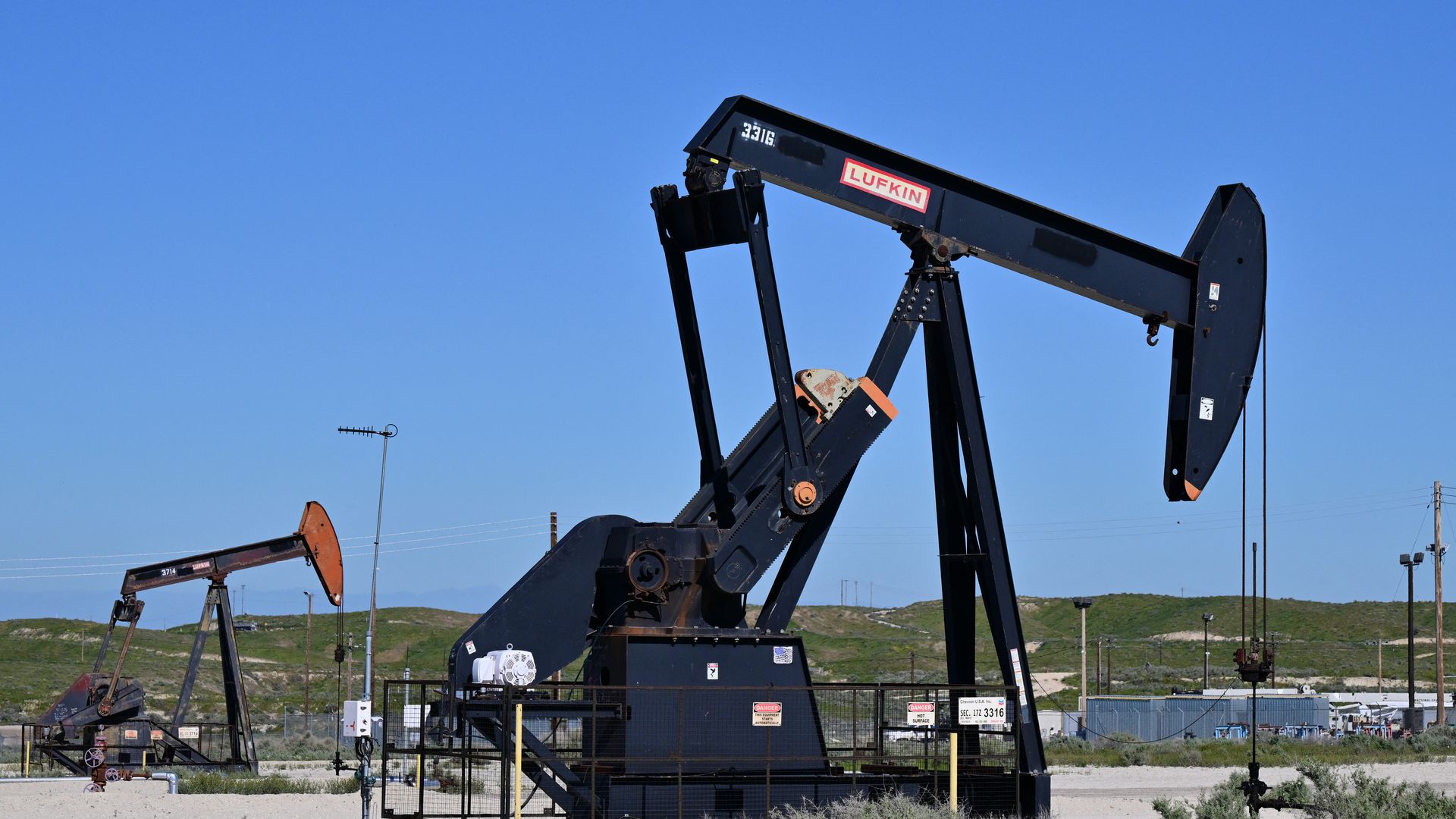
Brent crude oil climbed more than 1% to above $110 per barrel when markets opened Sunday — only to decline slightly later — amid mixed signals about the Iran war that's creating unprecedented disruption to global energy flows.
Why it matters: President Trump is signaling major escalation, but also told Axios' Barak Ravid that the U.S. is in "deep negotiations" with Iran.
The sharp spike in gas and oil prices caused by the Iran war will likely lead to a further rise in food prices in the coming weeks, economists and agricultural experts tell Axios.
Why it matters: The war is just the latest stress driving up food inflation — on top of tariffs, rising electricity prices and an immigration crackdown that has driven up labor costs.
Even if the Iran war ended now and the Strait of Hormuz reopened, the crisis has lasted long enough to bring a meaningful and damaging toll worldwide.
Why it matters: "What began as a disruption in a key energy corridor is now feeding through the entire global economy," the UN's trade and development arm said in an analysis.
The U.S., Iran and a group of regional mediators are discussing the terms for a potential 45-day ceasefire that could lead to a permanent end to the war, according to four U.S., Israeli and regional sources with knowledge of the talks.
Why it matters: The sources said the chances for reaching a partial deal over the next 48 hours are slim. But this last-ditch effort could be the only chance to prevent a dramatic escalation in the war that will include massive strikes on Iranian civilian infrastructure and retaliation against energy and water facilities in the Gulf states.