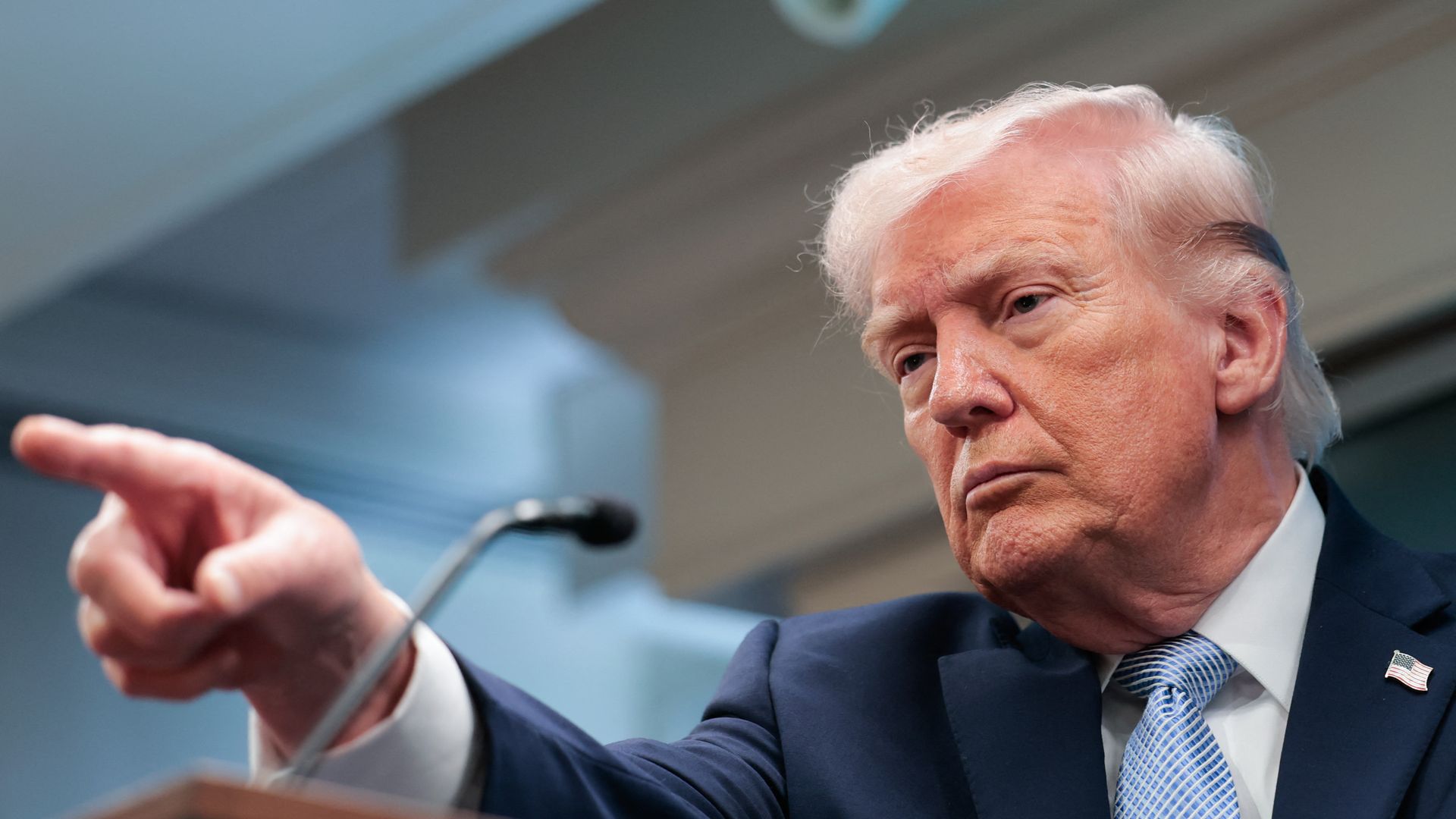
Vice President JD Vance will head the U.S. negotiating team for the peace talks with Iran on Saturday, White House press secretary Karoline Leavitt said on Wednesday.
Why it matters: It's the highest level meeting between the U.S. and Iran since the 1979 Islamic revolution, as ceasefire negotiations hit a crucial tipping point that could lead to the resumption and escalation of the war if the high-stakes talks fail.
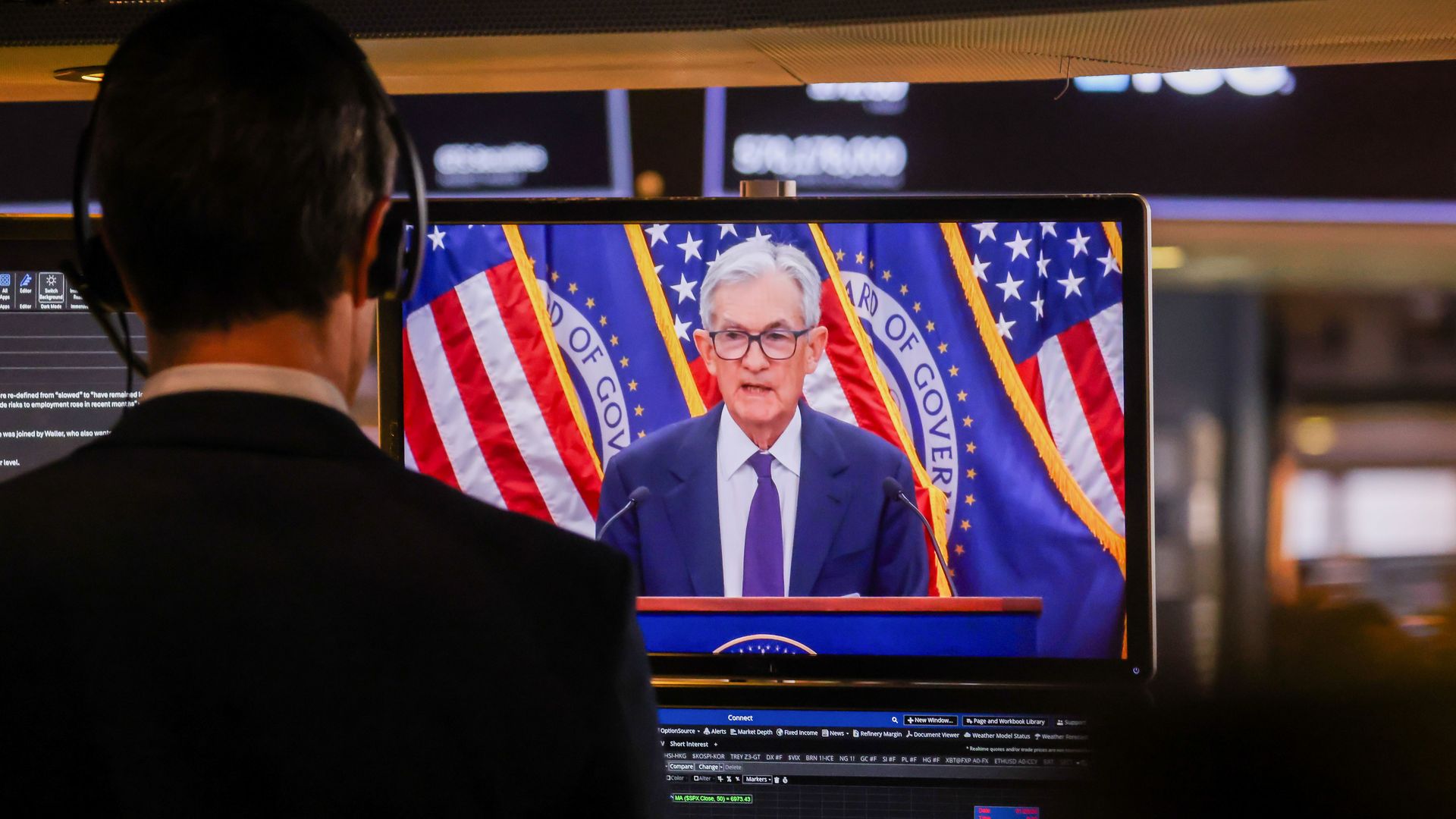
Some Federal Reserve officials wanted to keep interest rate increases on the table, given the stubborn inflation that was set to be amplified by the Iran war, according to minutes from the central bank's March 17-18 policy meeting, released Wednesday.
Why it matters: Even as many officials see rate cuts down the line, the prospect of increasing rates highlights the uncertainty about the path of borrowing costs this year.
Airline stocks surged Wednesday as a ceasefire in the Iran war eased fears of a prolonged fuel shock and Delta signaled that travel demand remains strong.
Why it matters: The spike in jet fuel prices has sparked fears of a slowdown in travel as ticket prices rise — but Delta's projections suggest travelers will be resilient.
We took a 320-mile trip to Ohio in an electric vehicle and I was reminded why charging is still problematic.
It's not hard to find a charger these days; a surge in construction in 2025 made that a lot easier.
The experience just stinks.
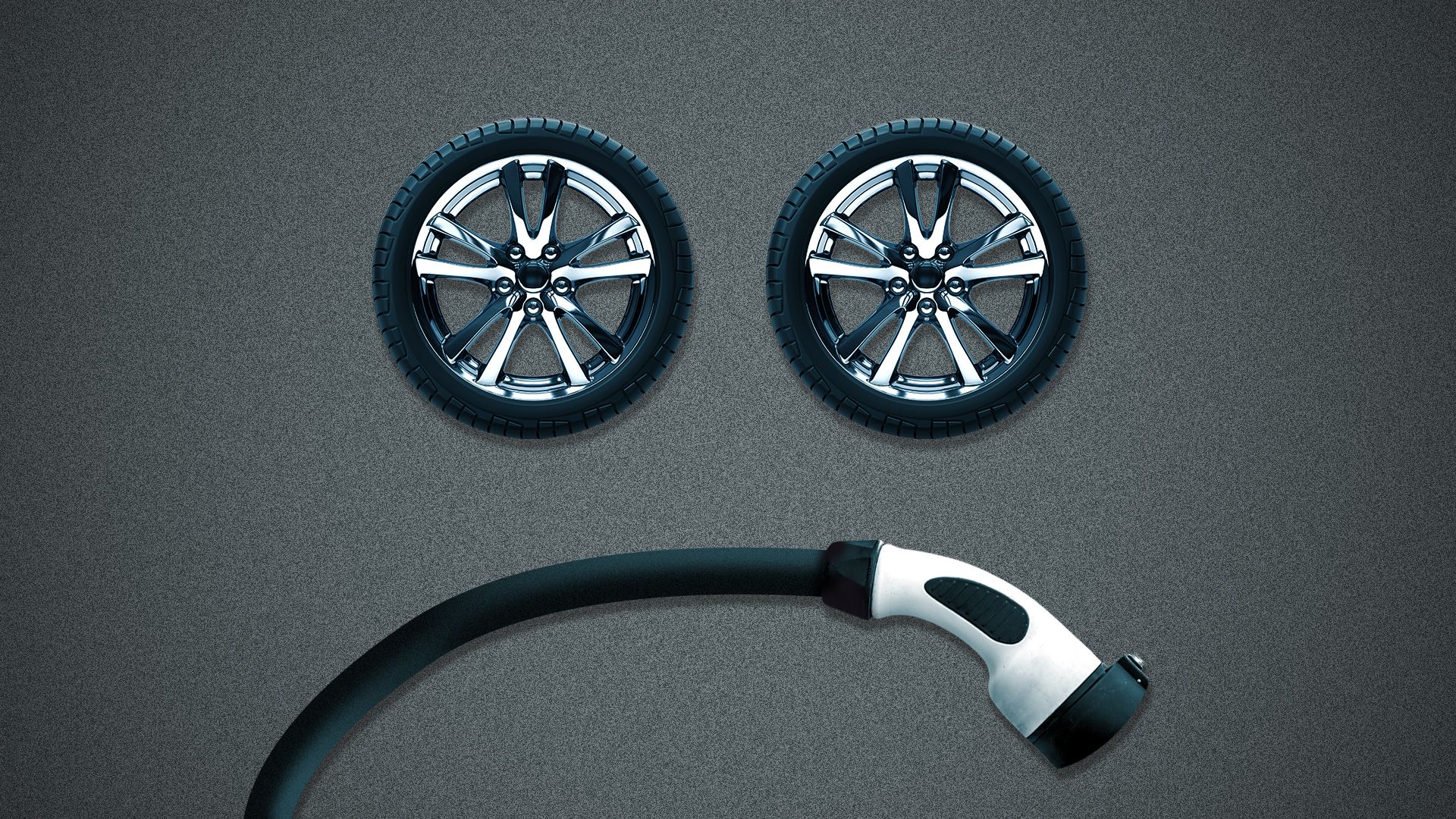
Why it matters: High gas prices have rekindled consumer interest in EVs, even without last year's tax incentives. But the continued inconveniences of charging still make it a hard choice for many.
My own experience trying to charge the BMW i5 xDrive40 was typical of what's wrong with public charging.
It takes too long, there's no shelter from the elements and it's expensive — up to 60 cents per kWh, which is three to four times the cost of charging at home.
Plus, the cables for high-powered DC fast-chargers are as thick as your wrist and can weigh 20 to 30 pounds, sometimes more.
I actually hurt my shoulder trying to plug in my car at a public charger.
The charging industry is fragmented, too, which means you have to download the apps for multiple networks.
Some EVs support plug-and-charge, which streamlines public charging by pre-registering payment methods in the car's app so you don't need to use separate apps or a credit card.
BMW features plug-and-charge at some participating charging networks, but as a media tester, I hadn't registered via the app.
One important lesson I learned, especially during a cold weekend in northeastern Ohio: Precondition the car's battery for faster charging.
This can be done several ways: by setting a departure time using the vehicle app, or navigating to a DC fast-charger, giving the car 15-30 minutes to prepare the battery for optimal conditions before charging.
I forgot. And charging took longer than it should have.
At a 180-kW charger, the BMW pulled closer to 80 kW.
It was the little indignities that annoyed me the most, like trying to scan a QR code in the biting wind just so I could download another network's app.
Or the glare of the late-winter sun that made it impossible to read the screen on the charger.
At one charging location, there was a trash can, at least, and a bucket of water to wash the windshield — but no squeegee.
The bottom line: Charging is more accessible, but it still tests your patience.
That fat tax refundconsumers were hoping to put toward a new car purchase this spring might instead be gobbled up by higher prices for gas, insurance and other daily costs of living.
Why it matters: Tax season has long been a tailwind for car sales, but this year's heftier-than-average refunds are colliding with higher monthly costs that a one-time check can't fix.
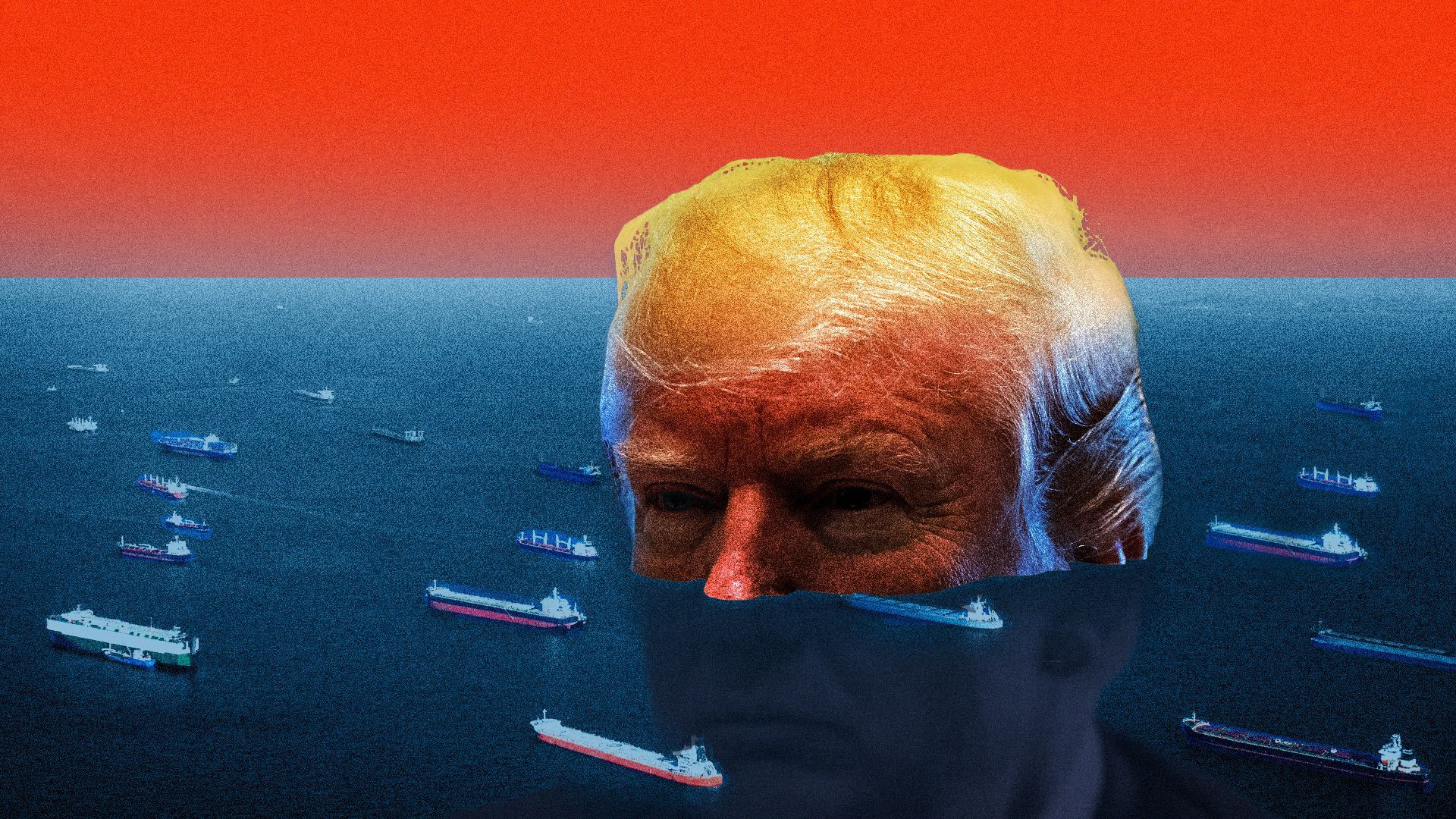
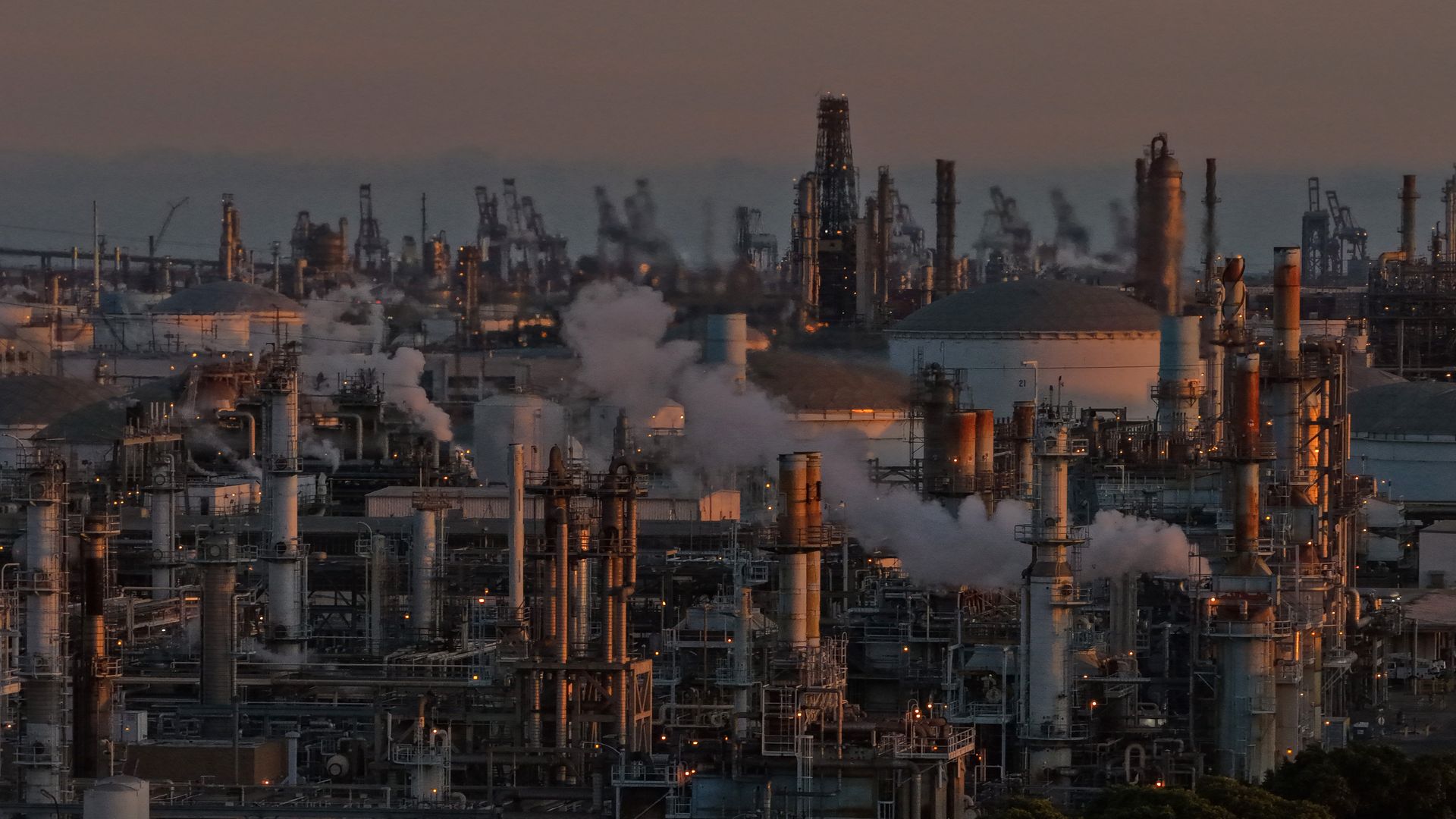
Iran agreed to reopen the Strait of Hormuz. But the economic fallout from five weeks of effective closure is just beginning.
Why it matters: Supply chains don't unsnarl overnight. The gloomiest forecasts for the U.S. economy from the war may not come to pass, but shortages and price shocks will continue to pinch the world for months.
Moreover, there's no certainty that the two-week ceasefire will turn into lasting peace.
American Ocean Minerals, a deep-sea mining company, agreed to a reverse merger with Odyssey Marine Exploration.
Why it matters: The U.S. needs to find new sources of critical minerals for batteries and other industrial and national security applications, so that it can't be choked off by geopolitical conflict.
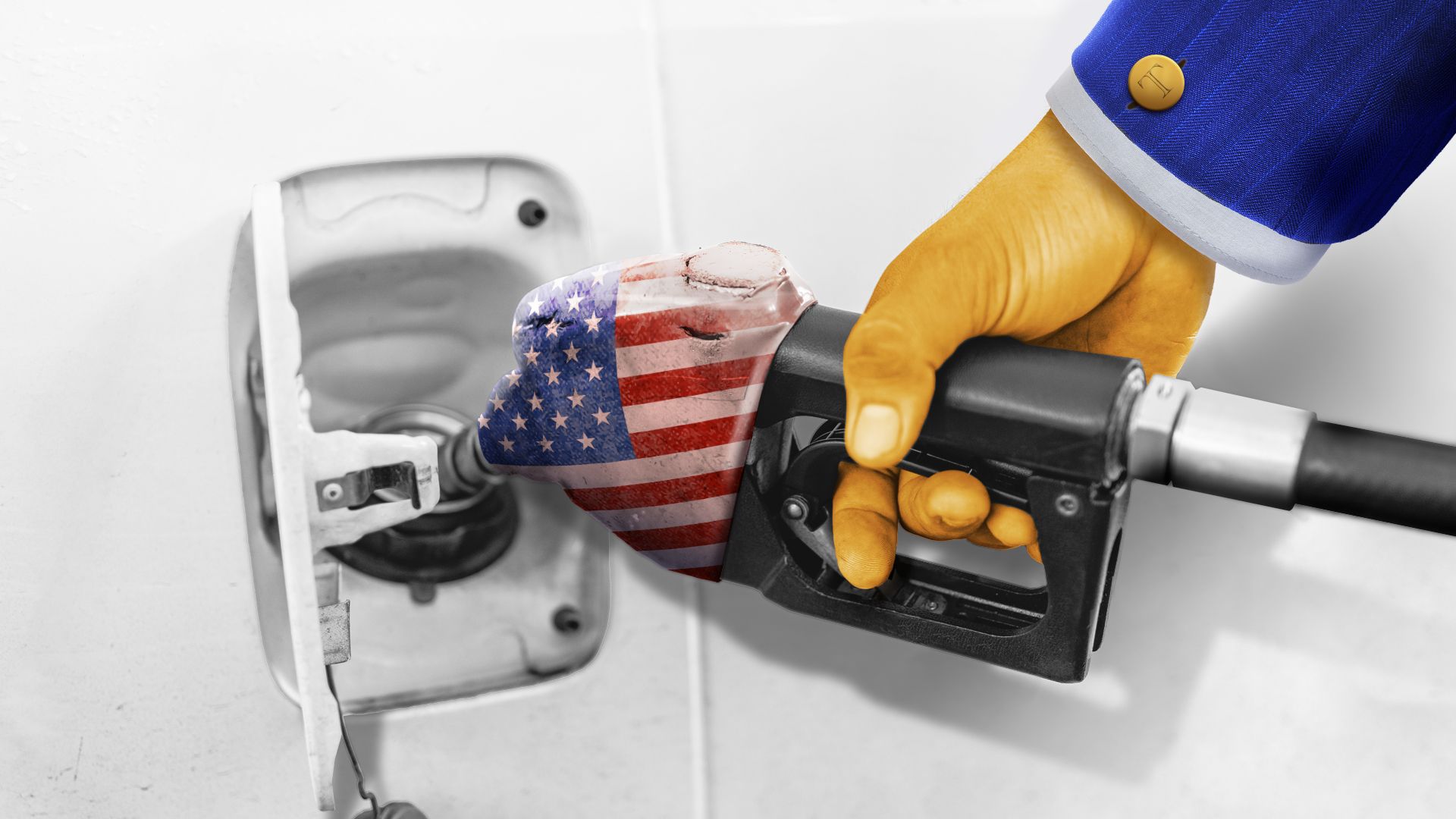
Gasoline prices could start reversing nationally in the next two days by dropping a few cents daily, GasBuddy head of petroleum analysis Patrick De Haan said Tuesday night.
Why it matters: Average U.S. gas prices have climbed more than 70 cents over the past month due to the Iran conflict, presenting a worsening political headache for President Trump.
The U.S. and Iran agreed to a two-week ceasefire Tuesday night — with a commitment to open the Strait of Hormuz — and oil prices plunged, the biggest one-day fall for Brent crude since the 1991 Gulf War.
Why it matters: Investors seemed to see it coming, even as many others agonized over President Trump's threat to eliminate Iran's "civilization," and stocks barely flinched Tuesday, just as they have declined only modestly since the war started.
Moody's chief economist, Mark Zandi, was playing around with Claude Code last weekend and came up with a new recession indicator: the Vicious Cycle Index.
Why it matters: It's sending a warning sign about the job market and the economy.
Crude oil prices dropped sharply Tuesday evening, falling well under $100 per barrel after President Trump said the U.S. agreed to a two-week ceasefire with Iran that Pakistan had proposed.
Why it matters: Apart from COVID, it's the biggest one-day free fall in oil prices since the 1991 Gulf War.