A House Democrat announced Monday she will introduce articles of impeachment against Secretary of Defense Pete Hegseth over his handling of U.S. operations in Iran.
Why it matters: Hegseth is emerging as Democrats' top target in the Trump Cabinet following the ousters of Homeland Security Secretary Kristi Noem and Attorney General Pam Bondi.
JPMorgan Chase CEO Jamie Dimon downplayed the threat of a private credit meltdown, while Goldman Sachs signaled that its private credit business is in good shape.
Why it matters: The trend of investors exiting private credit funds has raised concerns that a blowup in nonbank lending could infect the broader financial markets.
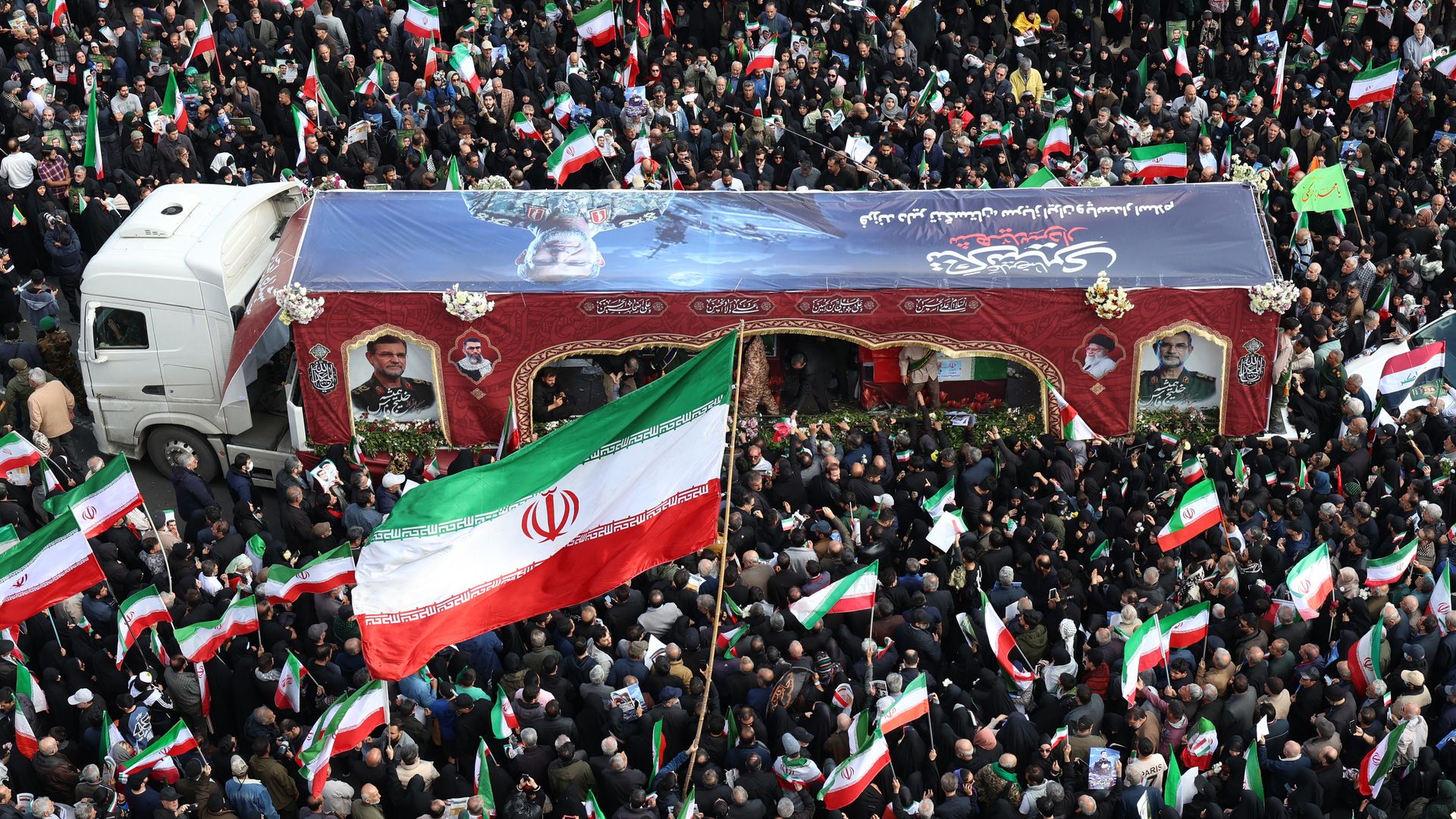
Iran sent a 10-point response to the proposals under discussion with the U.S. for ending the war, according to U.S. officials and the Iranian state news agency IRNA.
Why it matters: The chances for a ceasefire deal before Trump's deadline of 8pm ET on Tuesday currently appear slim. Trump says without a deal by then, he will order massive strikes on Iranian civilian infrastructure. Iran says it would retaliate against energy and water facilities in the Gulf states.
For decades, the U.S. economy needed to add more than 100,000 jobs a month just to keep the unemployment rate from rising. That threshold has now collapsed toward zero — with broad implications for how to think about labor market health.
Why it matters: The economy has a new speed limit, one in which near-zero job growth can coexist with full employment.
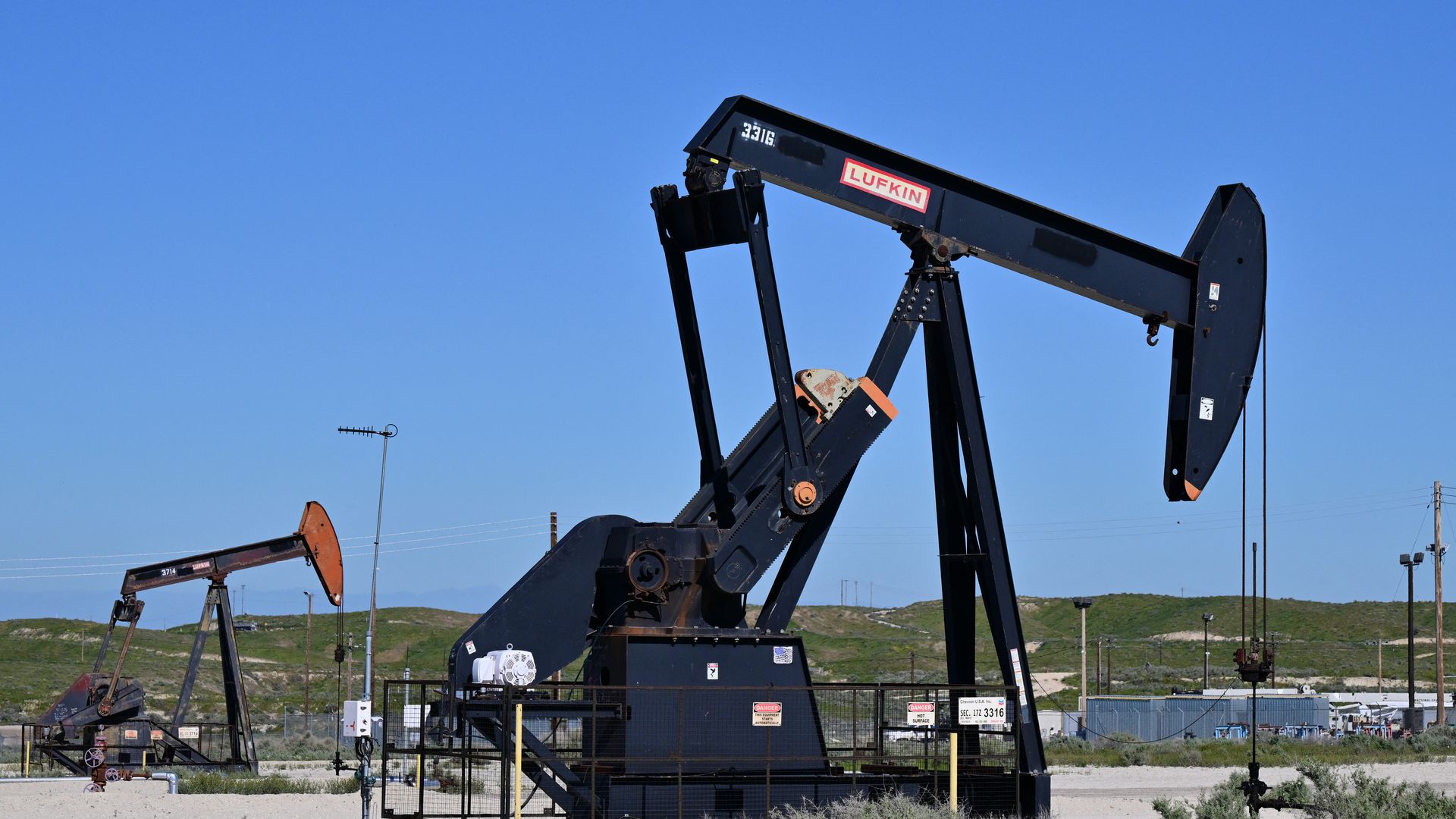
Brent crude oil climbed more than 1% to above $110 per barrel when markets opened Sunday — only to decline slightly later — amid mixed signals about the Iran war that's creating unprecedented disruption to global energy flows.
Why it matters: President Trump is signaling major escalation, but also told Axios' Barak Ravid that the U.S. is in "deep negotiations" with Iran.
The sharp spike in gas and oil prices caused by the Iran war will likely lead to a further rise in food prices in the coming weeks, economists and agricultural experts tell Axios.
Why it matters: The war is just the latest stress driving up food inflation — on top of tariffs, rising electricity prices and an immigration crackdown that has driven up labor costs.
Even if the Iran war ended now and the Strait of Hormuz reopened, the crisis has lasted long enough to bring a meaningful and damaging toll worldwide.
Why it matters: "What began as a disruption in a key energy corridor is now feeding through the entire global economy," the UN's trade and development arm said in an analysis.
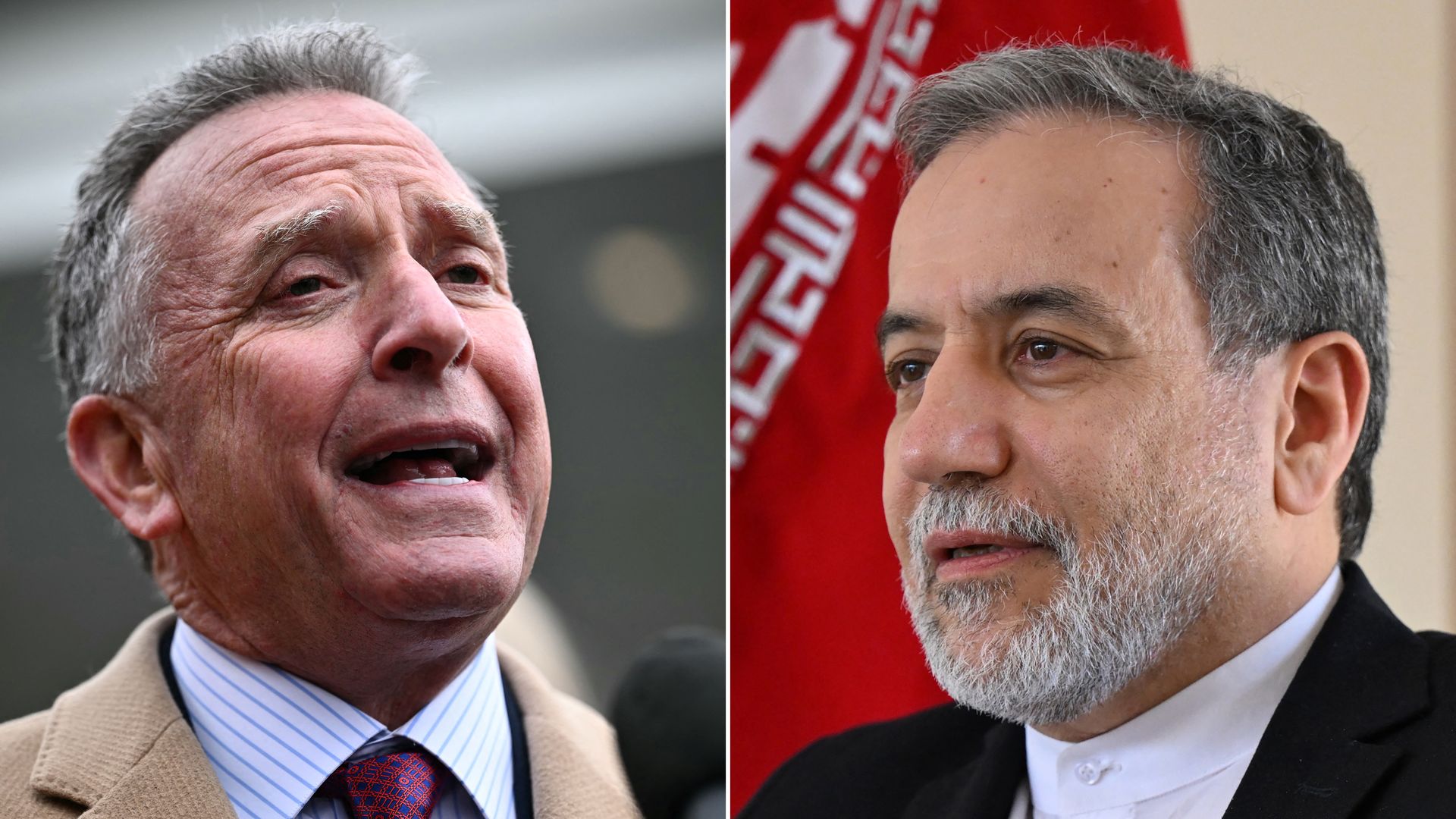
The U.S., Iran and a group of regional mediators are discussing the terms for a potential 45-day ceasefire that could lead to a permanent end to the war, according to four U.S., Israeli and regional sources with knowledge of the talks.
Why it matters: The sources said the chances for reaching a partial deal over the next 48 hours are slim. But this last-ditch effort could be the only chance to prevent a dramatic escalation in the war that will include massive strikes on Iranian civilian infrastructure and retaliation against energy and water facilities in the Gulf states.