Hyundai's reveal of the rugged Boulder concept vehicle at this week's New York International Auto Show is proof that automotive trade shows can still generate excitement.
Why it matters: It's the Korean auto giant's first true truck platform and a shot across the bow of Detroit's domestic automakers, who dominate the category.
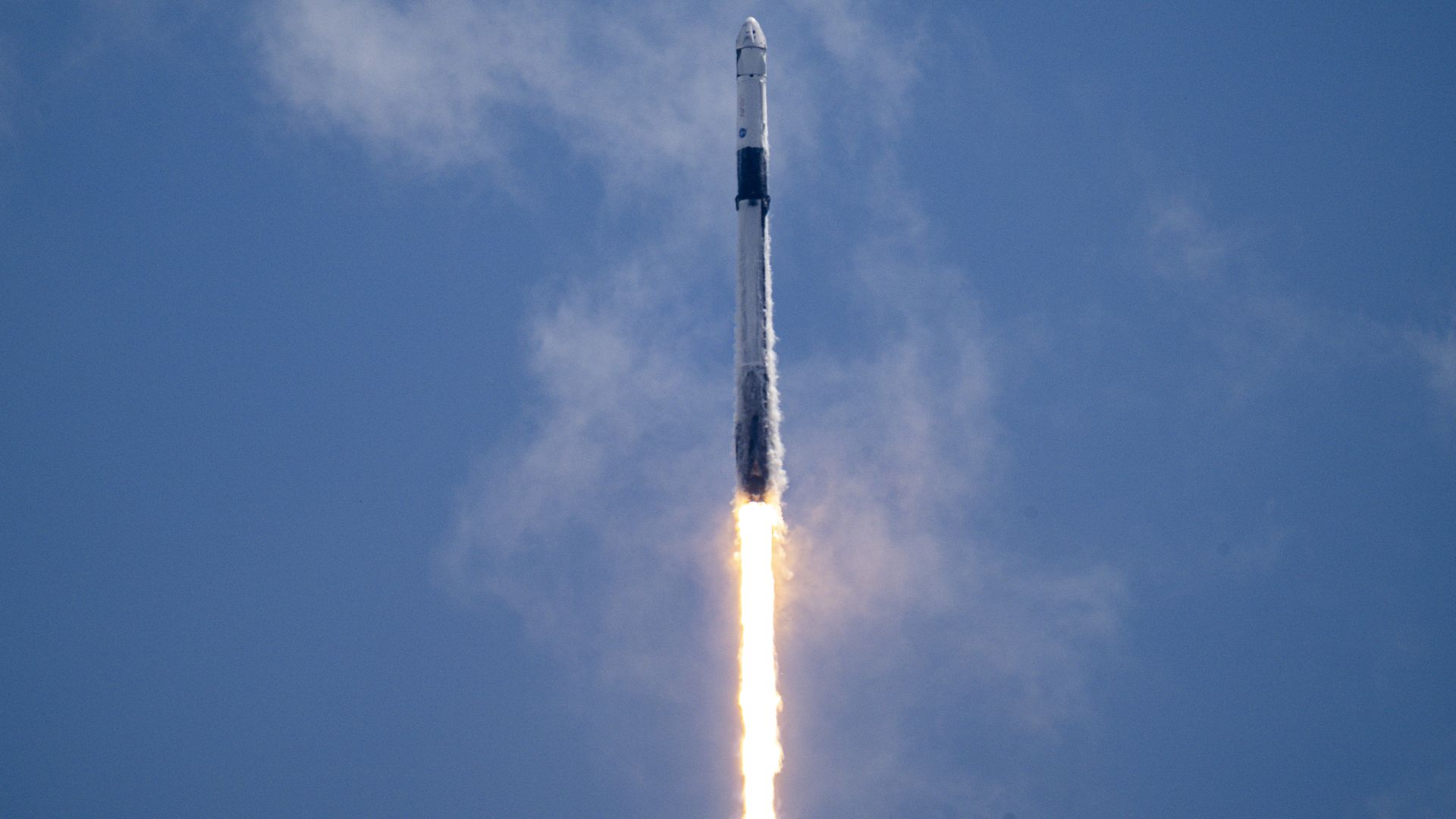
SpaceX has filed confidentially for an initial public offering, permultiplereports, with expectations that Elon Musk's company will go public this summer.
Why it matters: This could be the largest IPO ever, eclipsing oil giant Saudi Aramco in 2019.
We don't know yet how the Iran war and the resulting surge in energy prices will ripple through the U.S. economy. We do know that American consumers were in pretty solid shape before it all began.
The big picture: New retail sales and employment data out Wednesday morning point to an underlying strength in consumer demand, propped up by wages that have kept rising.
The question for the months ahead is whether the underlying trends that have kept consumers afloat — including a buoyant stock market and a low-layoff job market — can power it through an era of war-induced shocks and weak hiring.
There's a big shift happening in Big Tech as the AI transition enters a new era.
Why it matters: Investors are changing the way they price these superstar stocks, but judging by what happened in the market Tuesday, they are not totally sure how to do so.
Pioneering a whole new class of car is hard enough, but musician will.i.am tells Axios he also wants his Trinity three-wheeled electric vehicle to be an AI agent, helping its driver plow through emails or plot out strategy.
Why it matters: Trinity is the epitome of the kind of ambition sweeping Silicon Valley: that AI can turn even a single-seat vehicle into a platform — and that building it can revive left-behind communities.
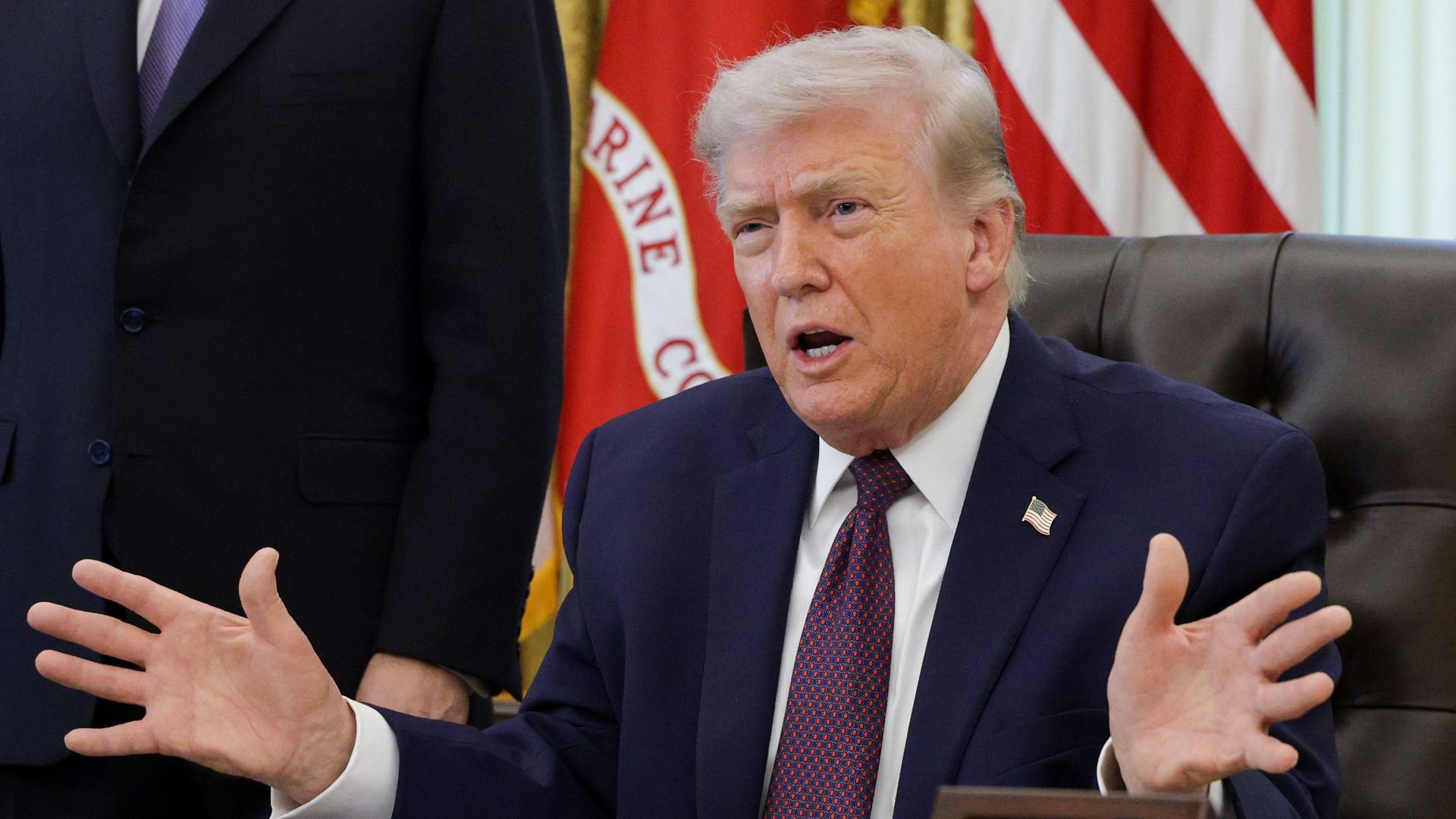
President Trump will address the nation on Wednesday evening on the war in Iran, White House press secretary Karoline Leavitt said.
Why it matters: Leavitt's Tuesday evening announcement on X came soon after Trump told reporters at the White House that U.S. forces could leave the Middle East in "two or three weeks."
OpenAI is beginning to let individual investors access its stock, months before the ChatGPT maker is expected to launch its IPO.
Driving the news: OpenAI said Tuesday that its shares will soon be included in several exchange-traded funds (ETFs) offered by ARK Invest, the Cathie Wood-led firm that previously invested via its venture capital arm.
Novo Nordisk is testing new Wegovy pricing across telehealth platforms — a sign it's rethinking how to sell its once-dominant weight-loss drugs under pressure from Eli Lilly and digital health upstarts.
Why it matters: The weight-loss drug boom is entering a new phase where access may matter as much as the drugs themselves.
An overwhelming majority of U.S. residents somewhat or strongly disapprove of President Trump's plan to add his signature to U.S. currency, according to a new poll from YouGov.
Why it matters: The discontent over Trump's name on U.S. cash comes as he continues to influence U.S. currency — including promoting a new 24-karat gold commemorative coin with his image.
The Trump administration yesterday took a giant step toward allowing alternative assets in 401(k) plans, with the Department of Labor proposing rules that now will be open for two months of public comment.
Allbirds, the wool sneaker maker that helped drive the DTC craze of the late teens, has agreed to sell its assets and IP to brand management firm American Exchange Group for just $39 million.
The big picture: That's a significant premium to where Allbirds shares have traded, but a far cry from its market highs after going public in late 2021.
By the nunbers: Allbirds raised $348 million in its IPO after having raised around $200 million from VCs (who last valued the company at $1.7 billion in 2020).
One of those venture backers, Maveron, still holds more than a 10% stake.
What to watch: The San Francisco-based company is set to release 2025 earnings after Tuesday's closing bell.
Hiring was anemic and new job opportunities were more scarce in February, a painful combination for American workers.
Why it matters: New data Tuesday morning confirms that the labor market appeared to be losing altitude before the Iran conflict added a new layer of uncertainty.
Meta's average revenue per employee has jumped 85% over the past three years, thanks to sweeping employee cuts combined with AI-driven ad and content improvements that boosted the top line.
Why it matters: Once seen as a sign of strain, layoffs have become a key Wall Street indicator that tech giants are invested in efficiency as they pour billions into AI infrastructure to support long-term growth.
The oil shortage brought on by the Iran war will spread throughout the world, much as COVID-19 did, moving from east to west and leaving a path of destruction in its wake, a new analysis says.
Why it matters: If the oil shock plays out along those lines, it would mean the global economy has only just begun to feel the pain of the war's impact.
Capitalism has left some people behind, JPMorgan Chase chairman and CEO Jamie Dimon said on "The Axios Show" — and he wants his bank to help create economic opportunities for as many of them as possible.
The big picture: "I've been speaking about the fraying of the American Dream for years. And I think you have to acknowledge that there's a flaw," especially for lower-income Americans, Dimon told Axios CEO Jim VandeHei.
The Aspen Institute is convening a bipartisan group to study and shape the future of American education amid significant shifts in technology and the workforce.
Why it matters: The Rising Generations Strategy Group (RGSG) goes public today, led by former Commerce Secretary Gina Raimondo (D) and former Sen. Richard Burr (R-N.C.).
Other members include Janice Jackson, former CEO of Chicago Public Schools; Arne Duncan, former U.S. education secretary; and Aneesh Sohoni, the CEO of Teach for America.
How it works: Organized by the Aspen Institute's education-and-society program, RGSG will work over the coming year to develop recommendations to improve teaching and learning. Focuses include:
Aligning the classroom experience with the real world.
Exploring alternative models of education.
Advancing state education governance.
What they're saying: "Artificial intelligence is changing what skills are needed and what jobs will be available," Raimondo told Axios.
"We need to rethink how education systems coordinate with employers, so graduates have a clear path to good, AI-resilient jobs."
Friction point: Seven in 10 Americans believe the higher-education system is headed in the wrong direction, according to Pew research conducted late last year.
That's up from 56% of Americans in 2020.
The bottom line: "For far too long, urgent education realities appear in the headlines for a moment and then fade from view," Jackson told Axios.
"Our young people deserve more than reactive conversations and cyclical reforms."
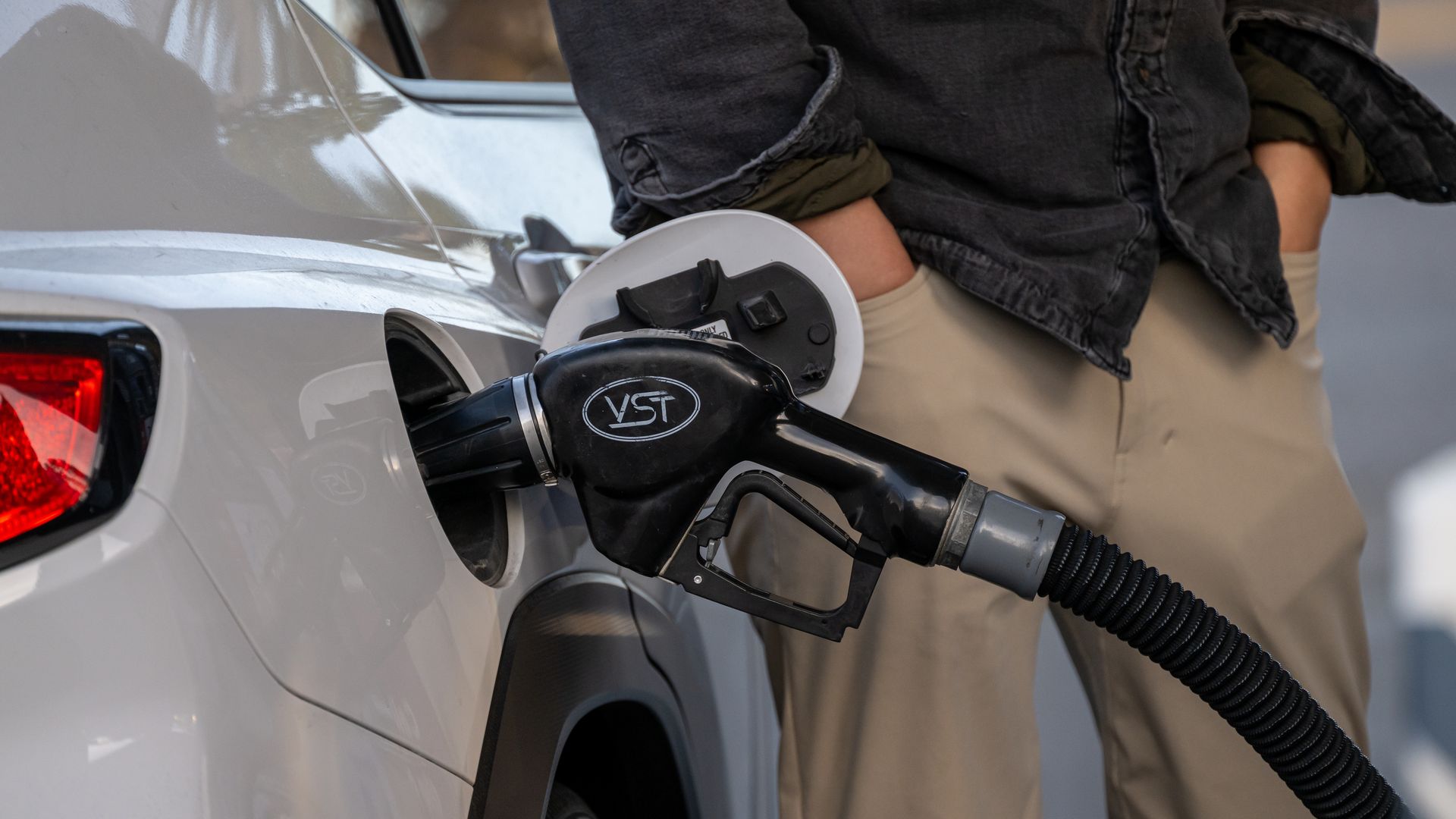
U.S. average gas prices have hit $4 per gallon nationwide, per AAA.
Why it matters: It's a 35% increase at the pump since the war in Iran began last month, and there's little hope that costs will ease as the Strait of Hormuz remains closed to most ships, straining supplies worldwide.