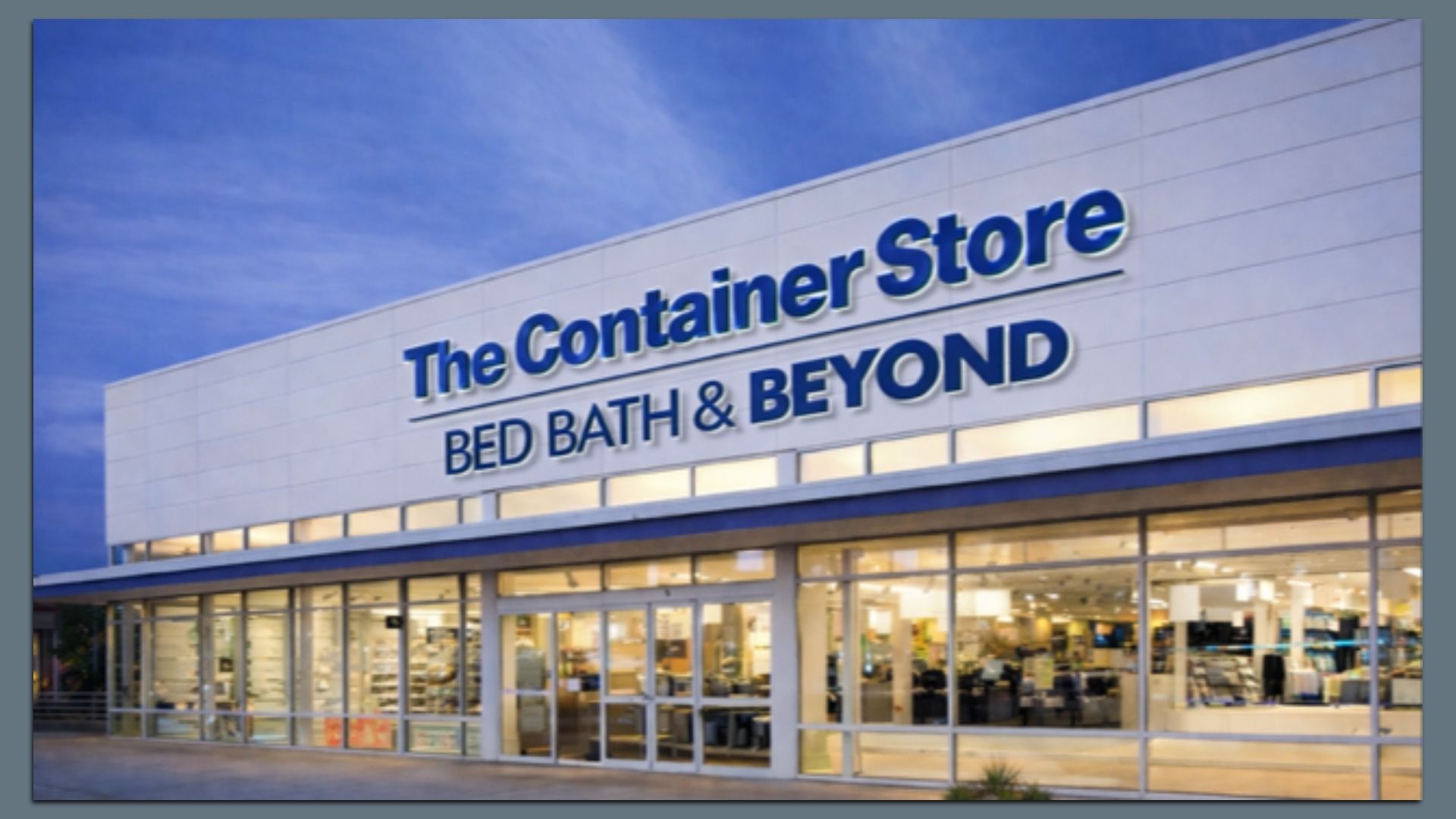
Bed Bath & Beyond is staging a comeback — with physical stores, the return of its iconic coupon and a deal to acquire The Container Store, its president Amy Sullivan told Axios in an exclusive interview.
Why it matters: The company is reinventing itself beyond traditional retail by combining stores, services and digital — a strategy that could unlock new growth but carries execution risk.
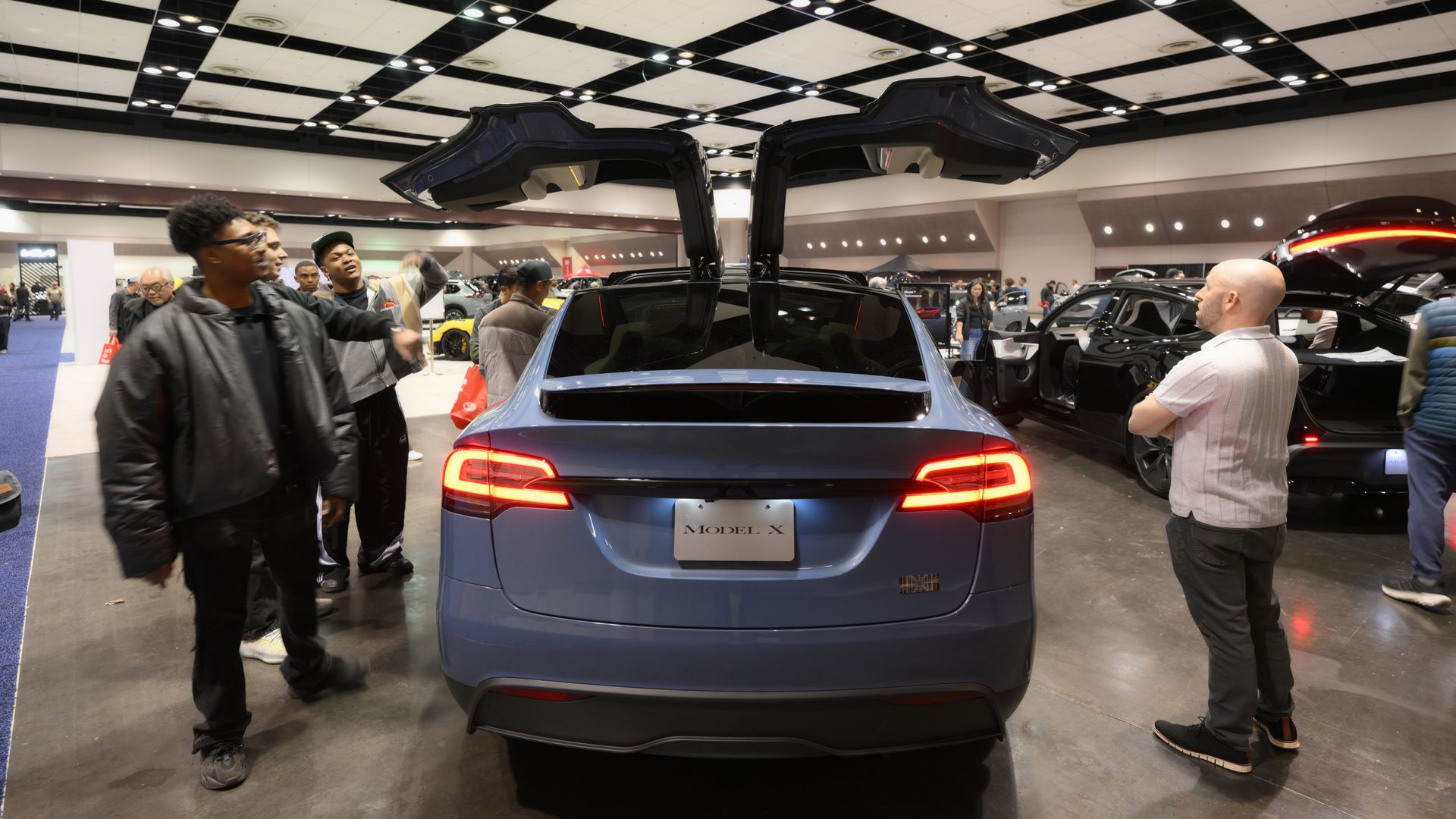
Why it matters: EV sales still pay the bills for Tesla, providing critical cash flow to fund costly endeavors like humanoid robots and self-driving car technology.
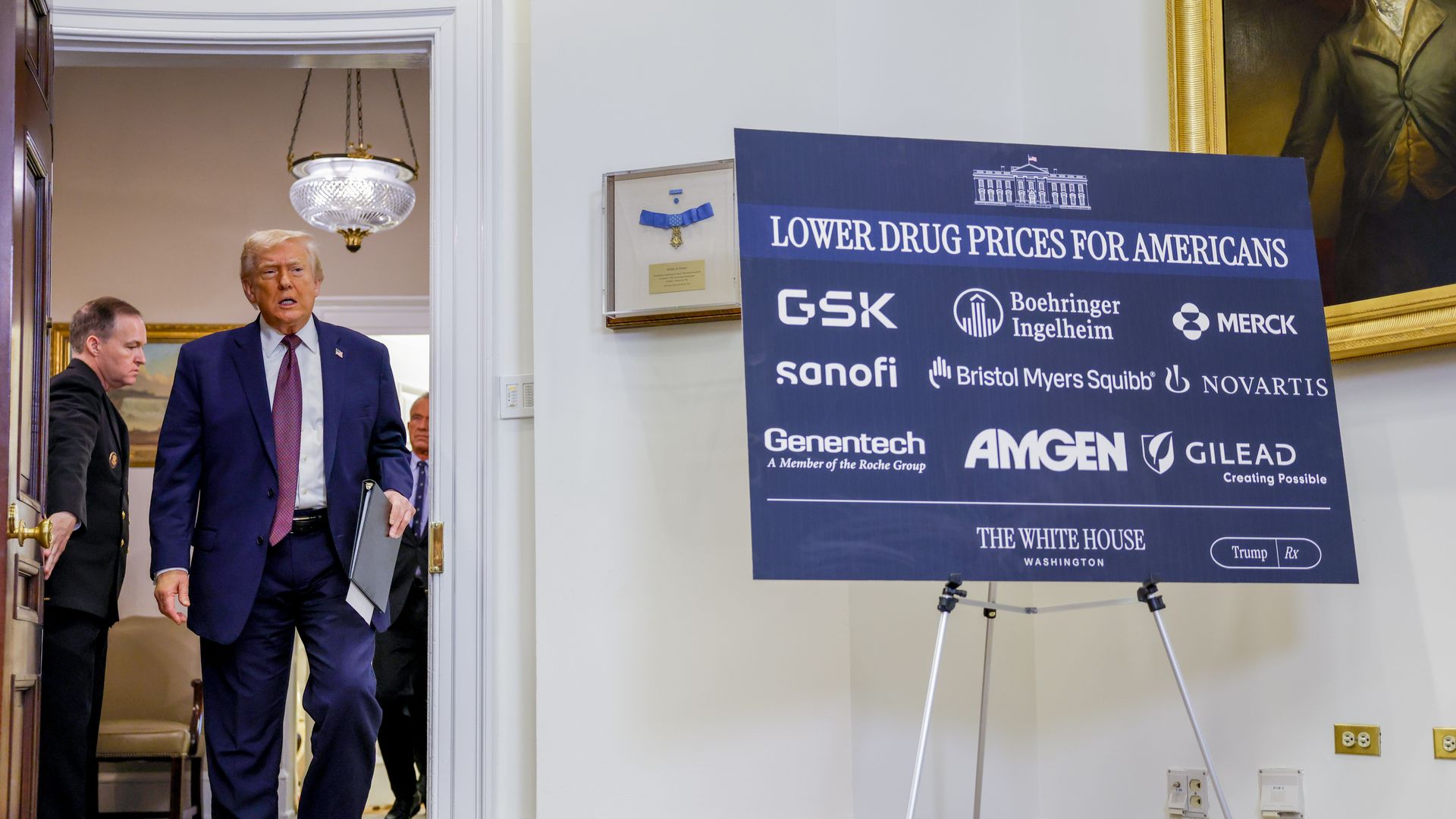
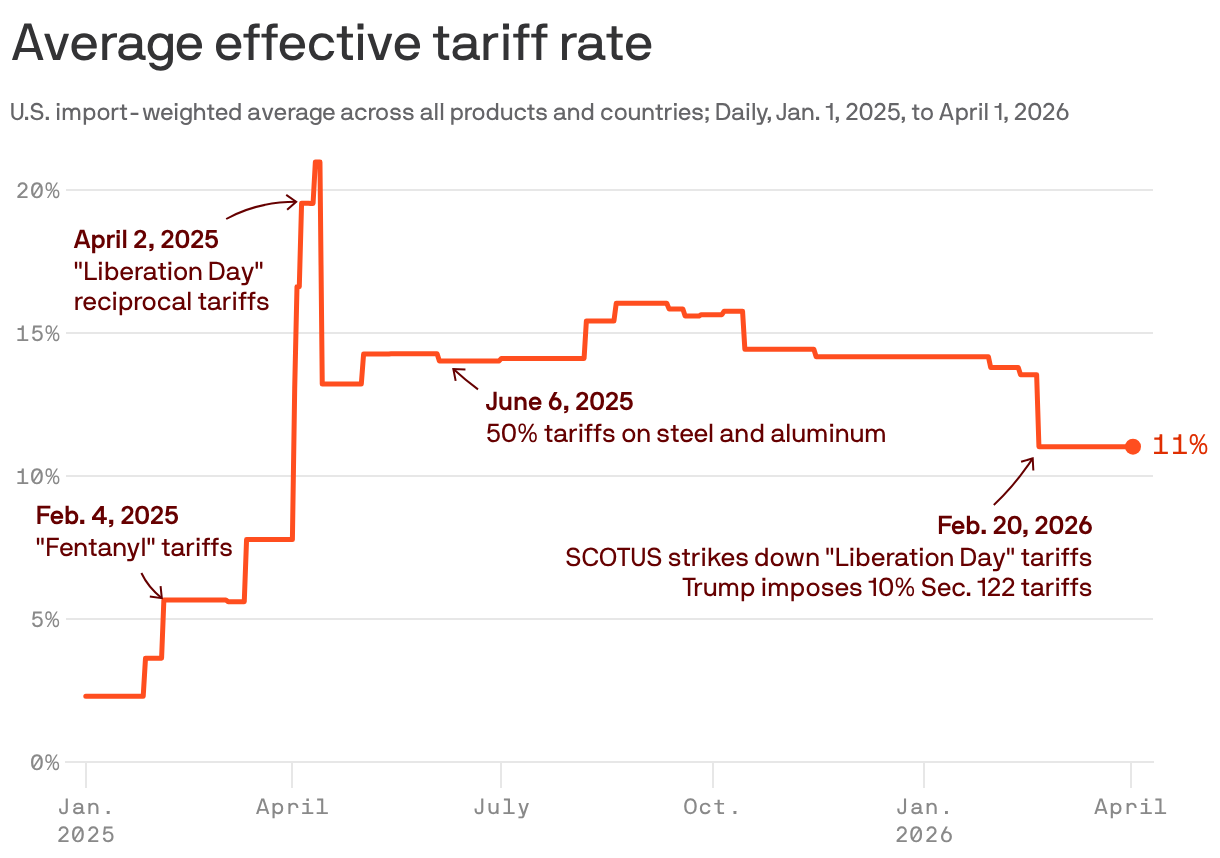
The Trump administration said on Thursday that it would impose 100% tariffs on patented pharmaceuticals to force deals for lower drug prices and move manufacturing to America.
Why it matters: It is the latest example of President Trump using tariffs as leverage over corporate America.
AI is going to change the way people work, but it's not going to replace them en masse, according to new research from MIT's Computer Science and Artificial Intelligence Laboratory.
Why it matters: This directly pushes back on fear-based narratives coming from some AI leaders and reframes the debate from "when do jobs disappear?" to "how quickly do tasks shift?"
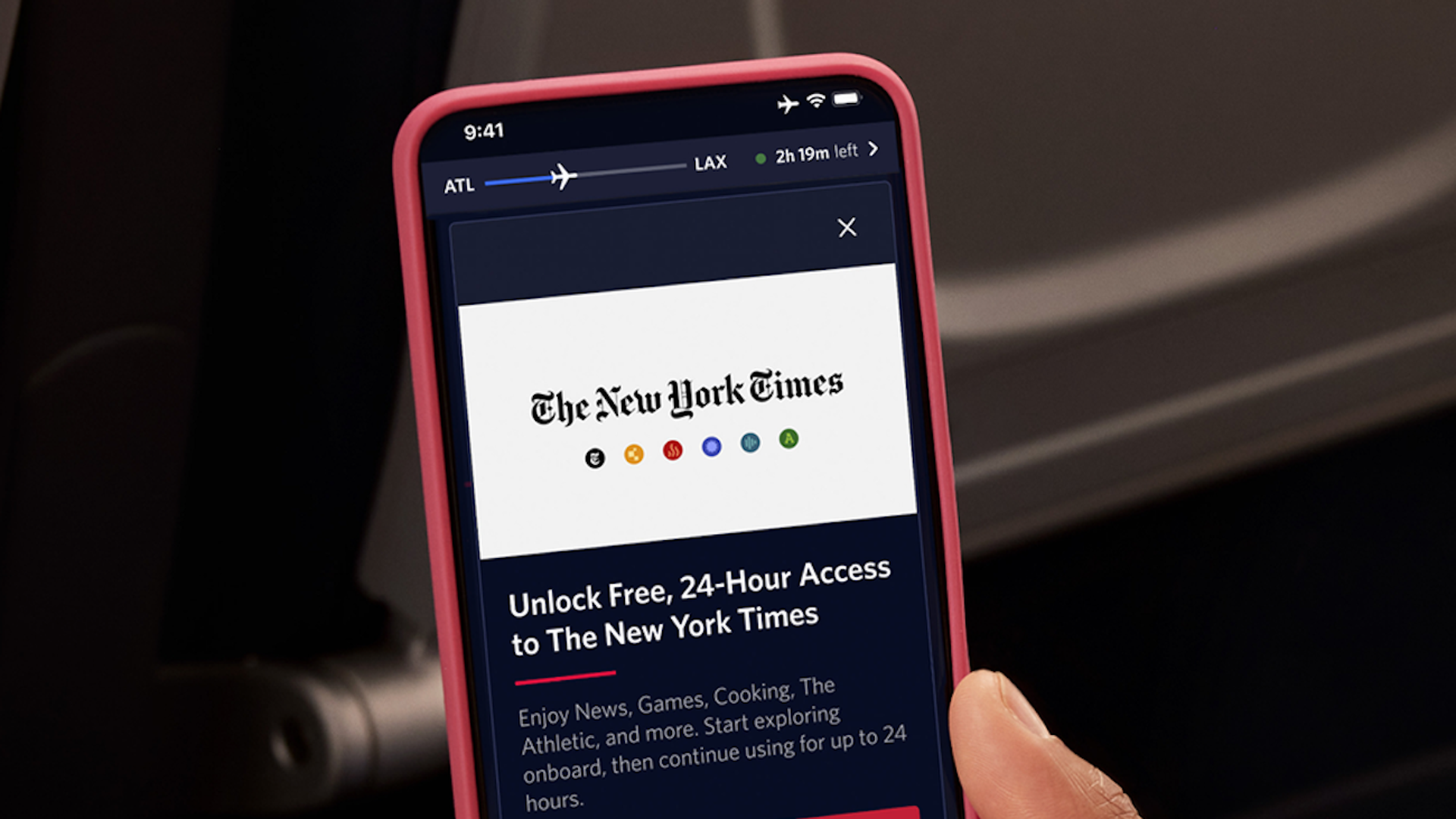
The New York Times struck a multiyear distribution partnership with Delta Air Lines that brings its journalism and products to Delta customers via the airline's in-flight experience and beyond, executives told Axios.
Why it matters: This partnership expands the Times' reach to millions of Delta SkyMiles members globally and adds to the suite of high-end content options Delta makes available to its customers.
Companies simply don't need as much office space these days.
Why it matters: The pandemic triggered a permanent, fundamental shift in how people work.
The latest: Vacancy rates hit a record high in the first three months of the year, per data Moody's shared exclusively with Axios.
By the numbers: 21% of the office space across 79 markets in the U.S., mostly cities, was vacant in the first quarter — up from 17% in 2020.
Zoom in: Although the return-to-office trend was certainly real, plenty of people still work remotely or on hybrid schedules.
That means office spaces have shrunk — continuing a pre-pandemic shift in which employers leaned toward more collaborative workspaces, with fewer cubicles and personal offices, Moody's says.
There's also been a surge of interest in pricier premium spaces known as Class A. Some companies are choosing to downsize into these kinds of offices — trading off extra space for prem-o property.
"Companies are adjusting to decreased office space requirements as flexibility and collaborative environments for in-office days have become the norm," writes Moody's associate economist Nick Luettke.
Follow the money: The slowing labor market and questions over how the AI transition will shake out are also holding back demand for offices.
The big picture: Even after an aggressive return-to-office push by employers, workers spend about a quarter of their working days away from its confines — compared with 7% in January 2020.
Friction point: The still surging vacancy rate is a sign of just how slow the commercial real estate market moves.
There are long leases in the office sector, five or even 10-year terms, and companies change their arrangements slowly.
What to watch: With the whole sector changing,the "office" is getting a rebrand, write the authors of another soon-to-be-published report from Moody's commercial real estate team.
Out: offices in isolated central business districts.
In: workspaces that are more integrated into their surroundings, close to residential areas and featuring hybrid-friendly spaces. Food options don't hurt either.
"More than ever, the office is no longer viewed solely as a place to work, but as a tool to attract and retain young talent, reinforce company branding, and elevate the in‐person experience," write the authors of the report.
Between the lines: The office transformation is similar to what's happened to the retail sector. Brick-and-mortar stores had to adapt to online shopping and become more enticing to shoppers by being more experiential.
The bottom line: The office as we knew it is changing for good.
JPMorgan Chase chairman and CEO Jamie Dimon tells me the U.S. is facing the most concurrent risks in 80 years — and that's before AI starts displacing a large number of American workers.
Why it matters: Dimon, in an interview for "The Axios Show," says American business leaders need to step up, and speak up, to help guide the country through these high-risk, tumultuous times.
Nearly half of college students say they've thought at least a fair amount about changing their major or studies because of AI's potential impact, according to newly released polling.
The big picture: College graduates are entering a job market that's been rocked by a massive tech evolution, reshaping career prospects for entry-level workers.