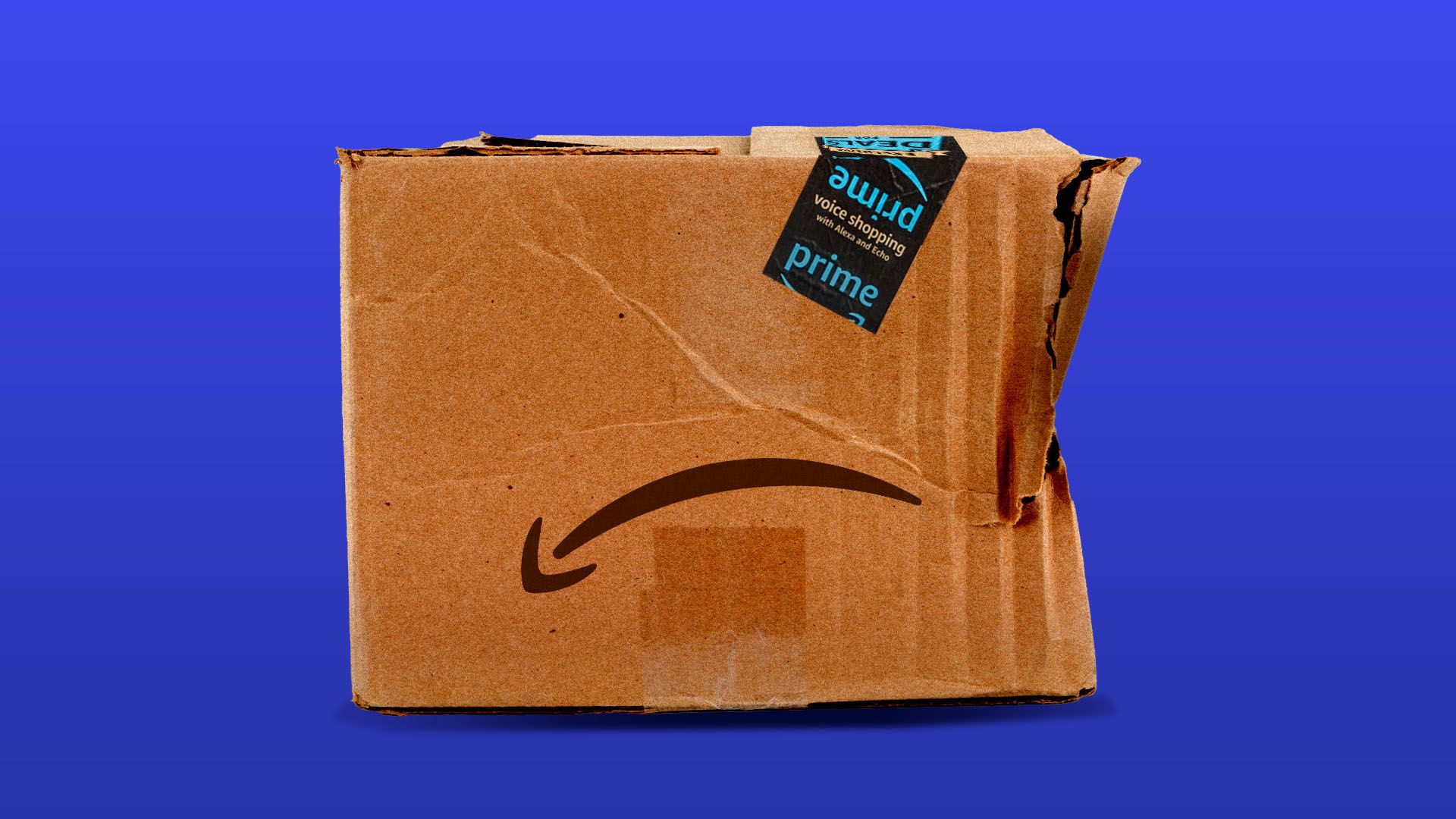
Amazon is adding FedEx Office locations to its growing returns network, giving shoppers another place to make returns without a box, tape or printed label.
Why it matters:Returns are one of the biggest friction points in online shopping, and Amazon is expanding where — and how easily — customers can make them.
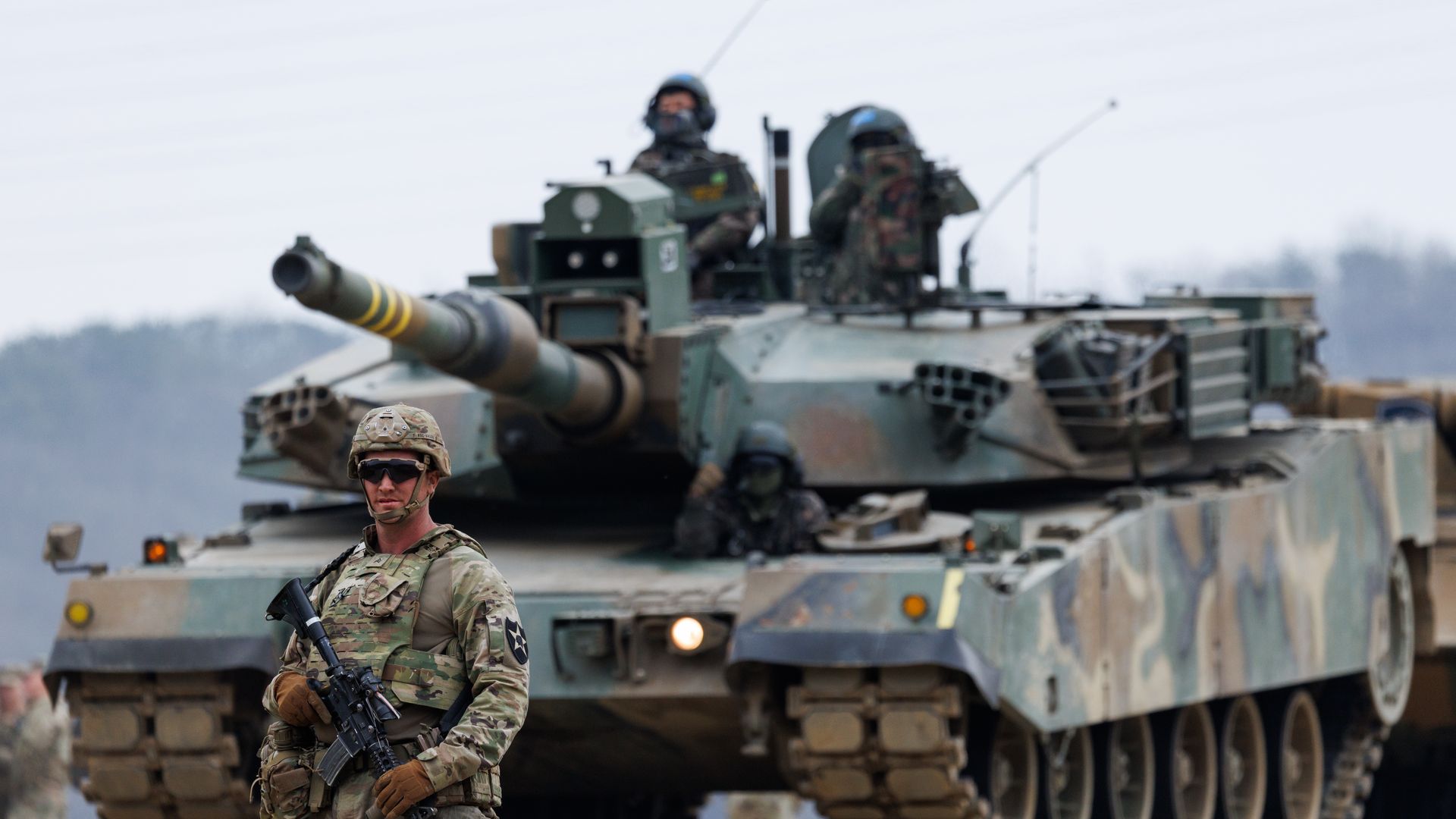
The U.S. Army updated its enlistment regulation to include an existing policy set in 2023 as the country remains at war with Iran and as President Trump has been threatening military action worldwide.
Why it matters: The Army Regulation 601-210 guidelines increase the maximum age for enlistment while also giving Americans charged with marijuana crimes more chances for eligibility.
Mortgage rates hit their highest point in five months, and mortgage applications plunged last week as escalating borrowing costs cast a heavier pall over the housing market.
Why it matters: The Iran war has triggered energy inflation that's dimming the prospects of interest rate cuts and keeping borrowing costs higher.
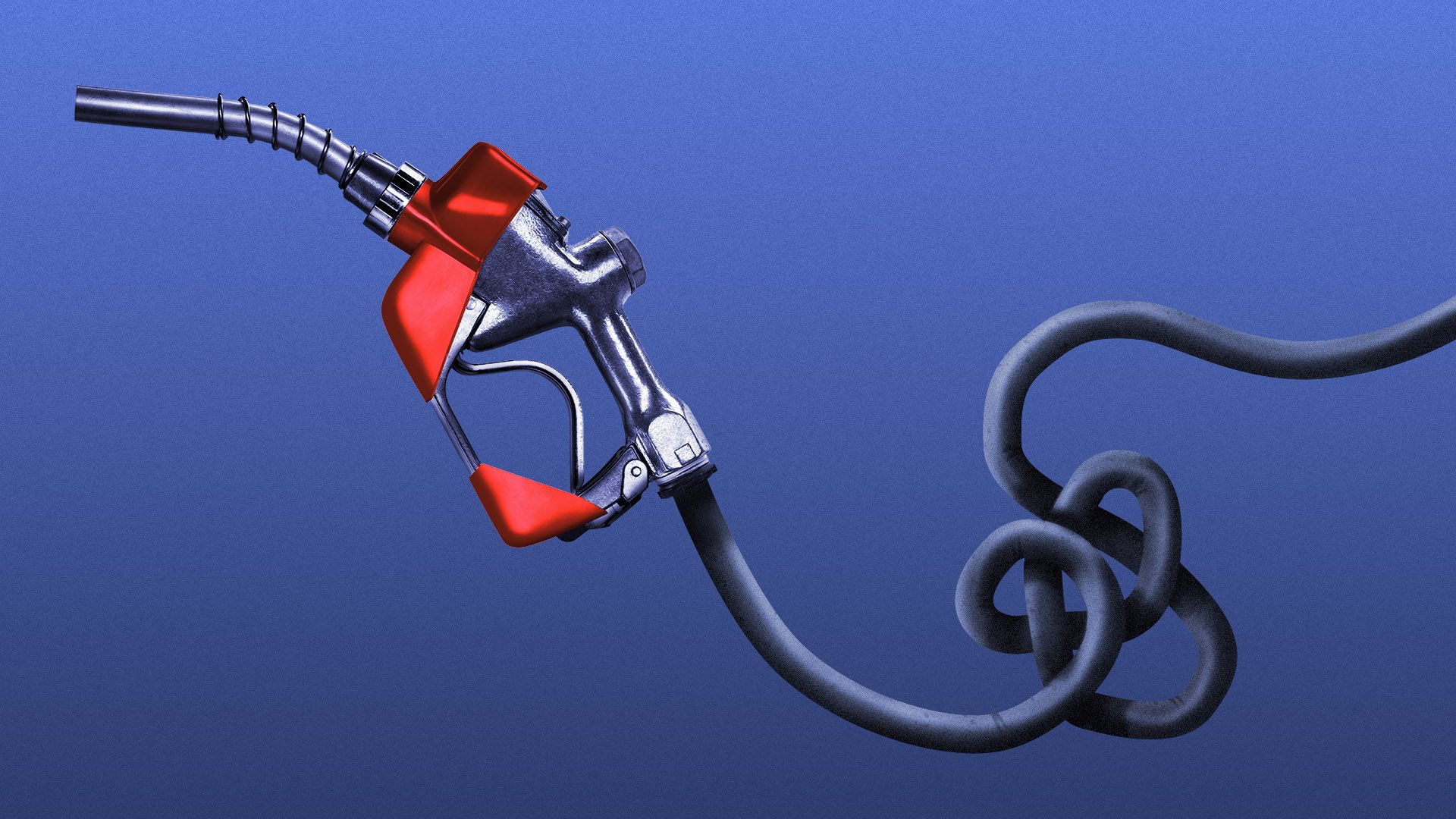
HOUSTON — EPA Administrator Lee Zeldin said Wednesday the Trump administration is expanding sales of higher-ethanol gasoline this summer as it seeks to ease concerns over rising gas prices.
Why it matters: Gas with a high ethanol content, known as E15 because its content is up to 15 percent ethanol, is generally restricted in summer because it evaporates easily in the heat and causes air pollution.
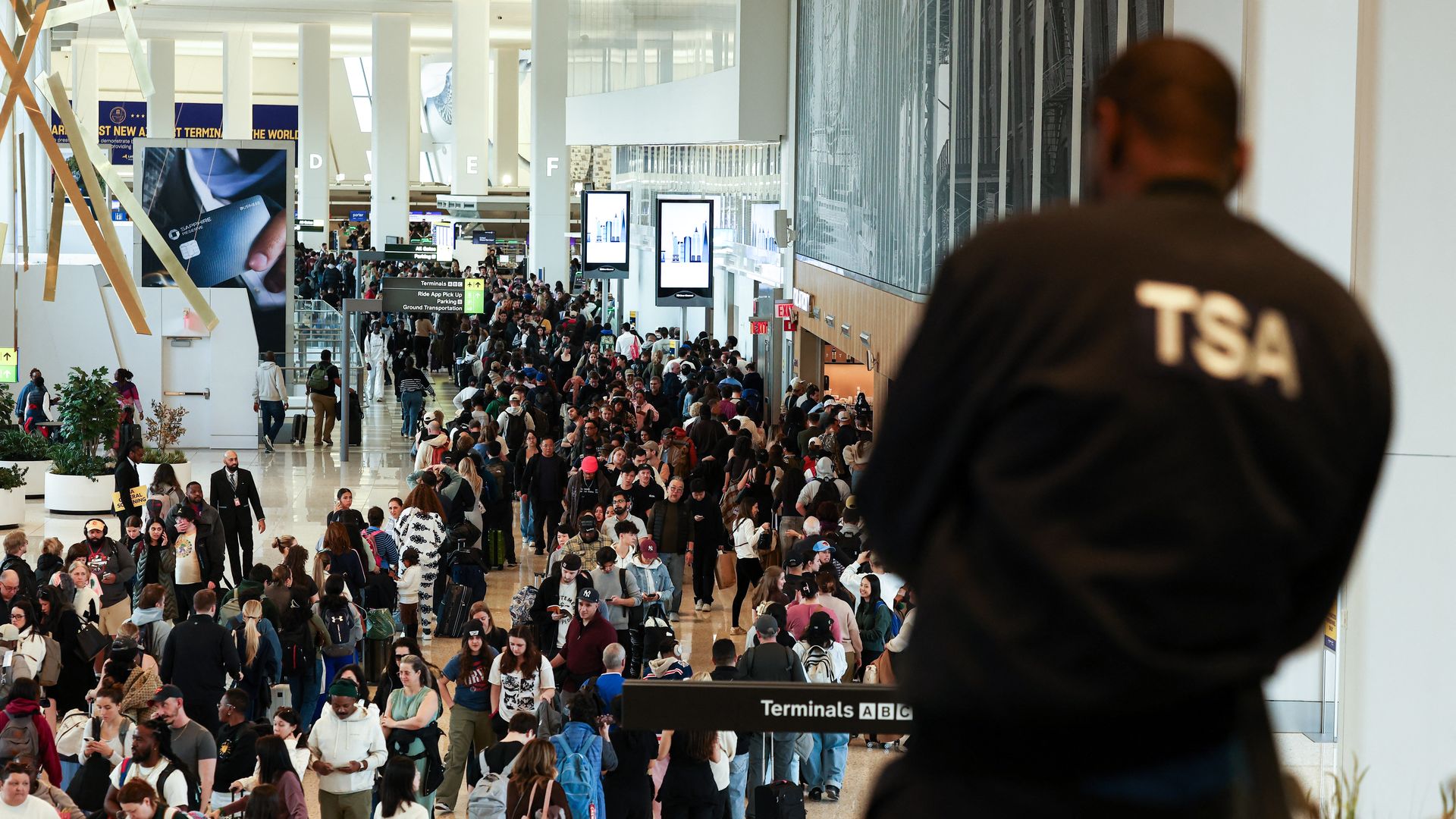
More than 450 TSA agents have quit in the nearly six weeks since the partial government shutdown began, resulting in the "highest wait times in TSA history," a top Department of Homeland Security official told a House committee Wednesday.
Why it matters: The resignations represent a small fraction of the 50,000 or so TSA agents who screen passengers, but the departures — combined with workers' absences — are fueling security line delays nationwide.
America has no plan for how to manage an AI wipeout of jobs. Now, there are calls for lawmakers to design a safety net before any crisis emerges.
Why it matters: No one knows whether and how fast AI-related job displacement will ripple across the economy. Massive labor market disruptions of years past — including the "China shock" — had long-term economic and political consequences.
Some investors, former policymakers and economists are trying to draft the fiscal architecture that could help avoid a repeat.
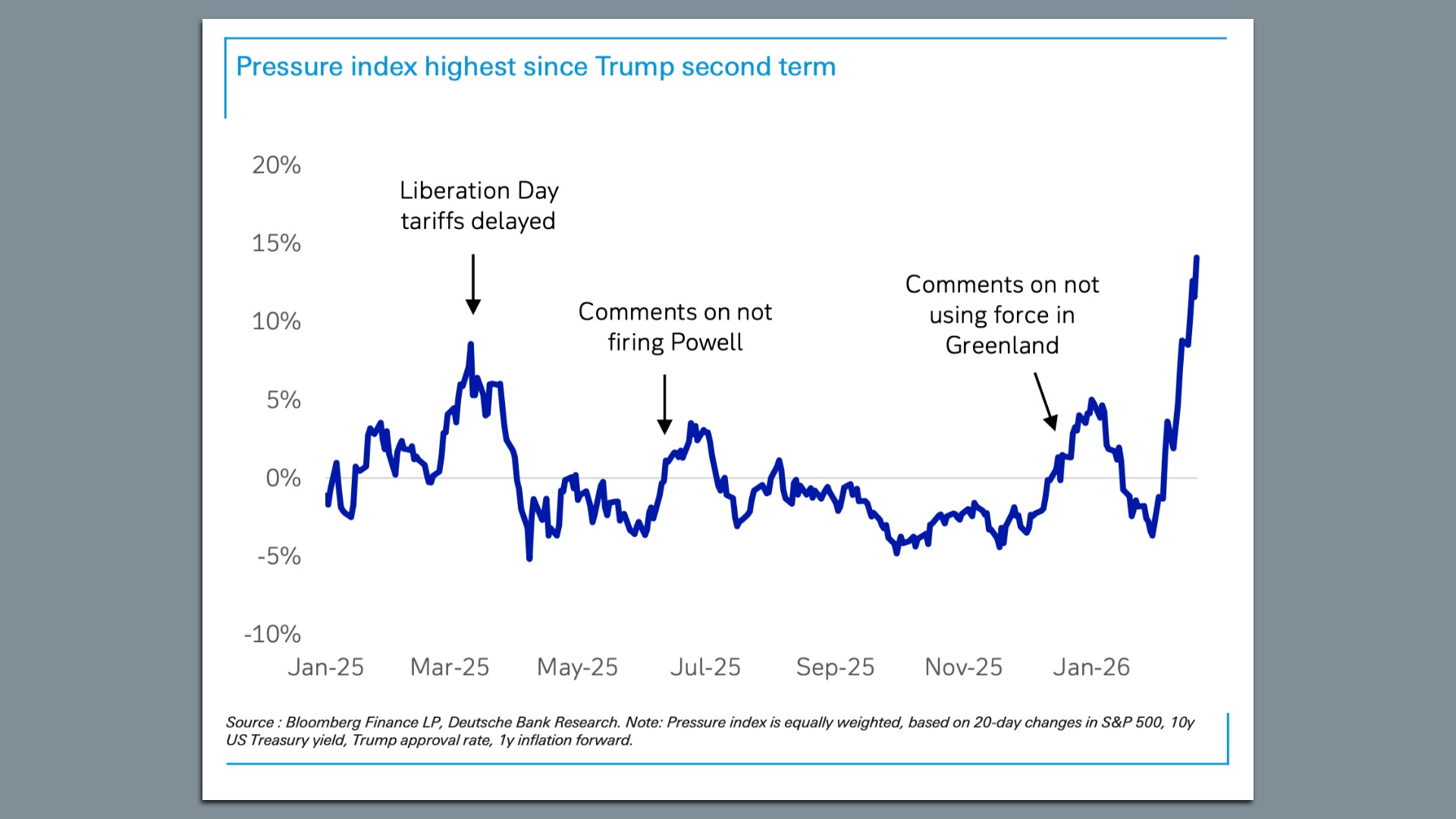
There's a lot of pressure on President Trump to pull back from the Iran war, and Wall Street has figured out a way to chart it.
How it works: Maximilian Uleer, a strategist at Deutsche Bank, came up with a "pressure index" that considers the one-month change in Trump's approval ratings, stock market performance and whether people and bond markets are expecting higher inflation. (Thanks to the Financial Times' Robert Armstrong for highlighting this index.)
Where it stands: The index is higher now than it was even during "Liberation Day," when the S&P 500 tumbled on the announcement of huge tariffs on basically every country in the world.
Between the lines: The difference? To paraphrase James Carville, it's the gas prices, stupid.
The national average for a gallon of gasoline is now hovering just below $4. And there are scorecards of rising gas prices plastered on every big road in the country.
There's also a notion on Wall Street that Trump is likely to pull back on a policy if the stock market falls about 5% from its highs, Jose Torres, a senior economist at Interactive Brokers, told Axios last week.
By the numbers: Since reaching an all-time high in January, the S&P 500 is now down more than 5%.
The big picture: Most Wall Street analysts are expecting that Trump will do what it takes to end the war and get the Strait of Hormuz reopened to bring gas prices back down before the midterm elections.
Zoom in: Dips in approval ratings have led to other capitulations from Trump over the past year, a separate note from the bank points out.
Reality check: Most presidents are sensitive to declines in the stock market and public opinion, especially around high gas prices.
It may be time to start listening to the private credit Cassandras.
Why it matters: Private credit is now a multitrillion-dollar market, and the fallout from an upheaval in it could hit insurers, banks and even consumers.
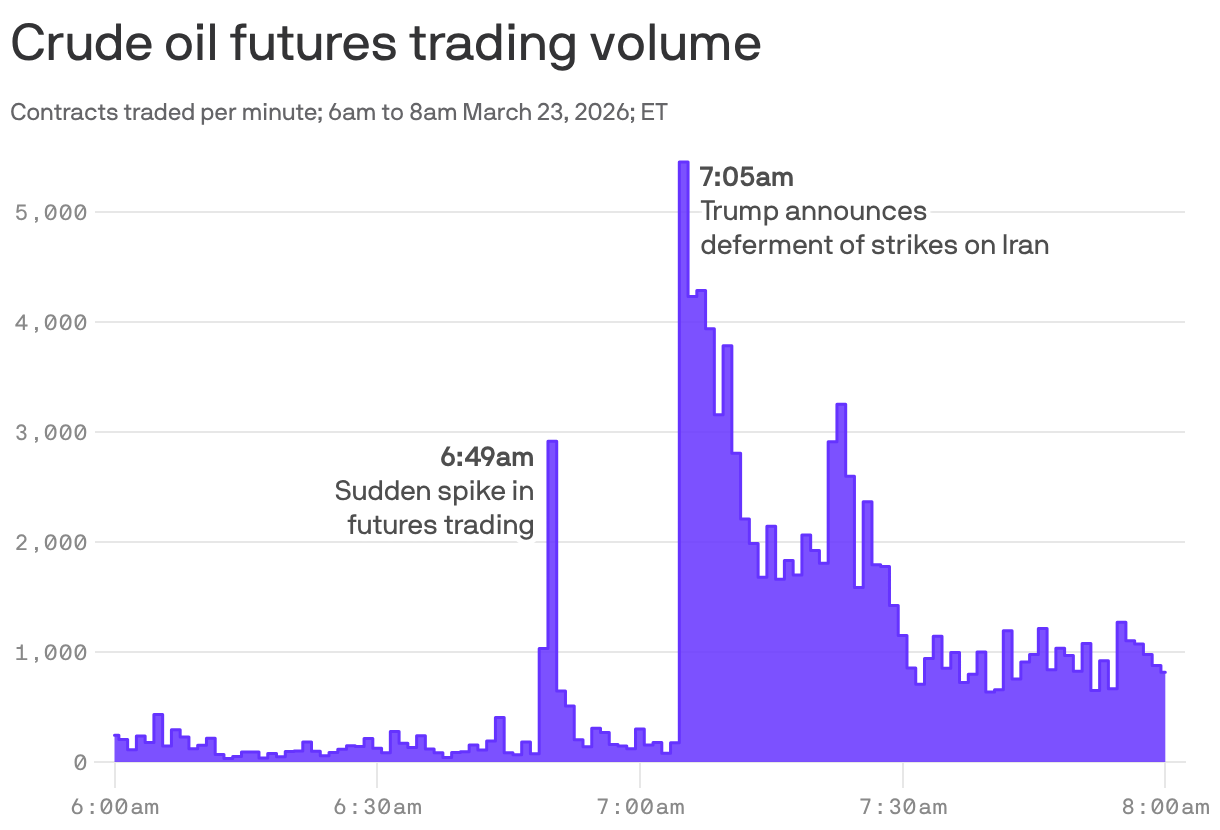
An epidemic of suspicious trading has emerged around President Trump's most consequential decisions — each time, just minutes or hours before he rattles global markets, according to exchange data.
Why it matters: As the Iran war sends prices soaring for ordinary Americans, a select few appear to be profiting in plain sight. It's precisely the kind of alleged corruption Trump built his political career railing against.
Iranian officials have told the countries trying to mediate peace talks with the U.S. that they have now been tricked twice by President Trump and "we don't want to be fooled again," according to a source with direct knowledge of those discussions.
The big picture: The U.S. is pushing for in-person peace talks as soon as Thursday in Islamabad, Pakistan. But during the two previous rounds of U.S.-Iran talks, Trump green lit crippling surprise attacks while still claiming to be seeking a deal.
ICE officers arrived at more than a dozen airports this week to help TSA deal with the spring travel chaos — but the specifics of their role remains unclear.
Why it matters: Though both under DHS, ICE handles immigration enforcement and criminal investigations and TSA oversees aviation security. This raises questions about whether ICE can ease a TSA staffing shortfall during the partial government shutdown.